




Menu

Hidden Moisture Detection in Pittsburgh – Stop Water Damage Before It Spreads

Reliance Water Damage Restoration Pittsburgh uses thermal imaging and hygrometers to find trapped water in walls, ceilings, and crawlspaces before mold takes hold and structural damage worsens.

Slider Image 1
Slider Image 2
Slider Image 3
Slider Image 4
Slider Image 5
Slider Image 7
Slider Image 8
Slider Image 9
Slider Image 10
Slider Image 11

Why Water Hides in Pittsburgh Homes and Buildings

You smell something musty in the basement. The drywall feels cold to the touch. Your hardwood floors buckle near the bathroom. These are signs of hidden moisture, and in Pittsburgh, they happen often.

Pittsburgh's humid summers and freeze-thaw cycles create constant stress on building envelopes. When temperatures swing from 90 degrees in July to below freezing in January, water infiltrates through cracked mortar joints, failed window flashing, and aging roof valleys. The problem is worse in older neighborhoods like Shadyside and Squirrel Hill, where brick homes were built before modern vapor barriers existed.

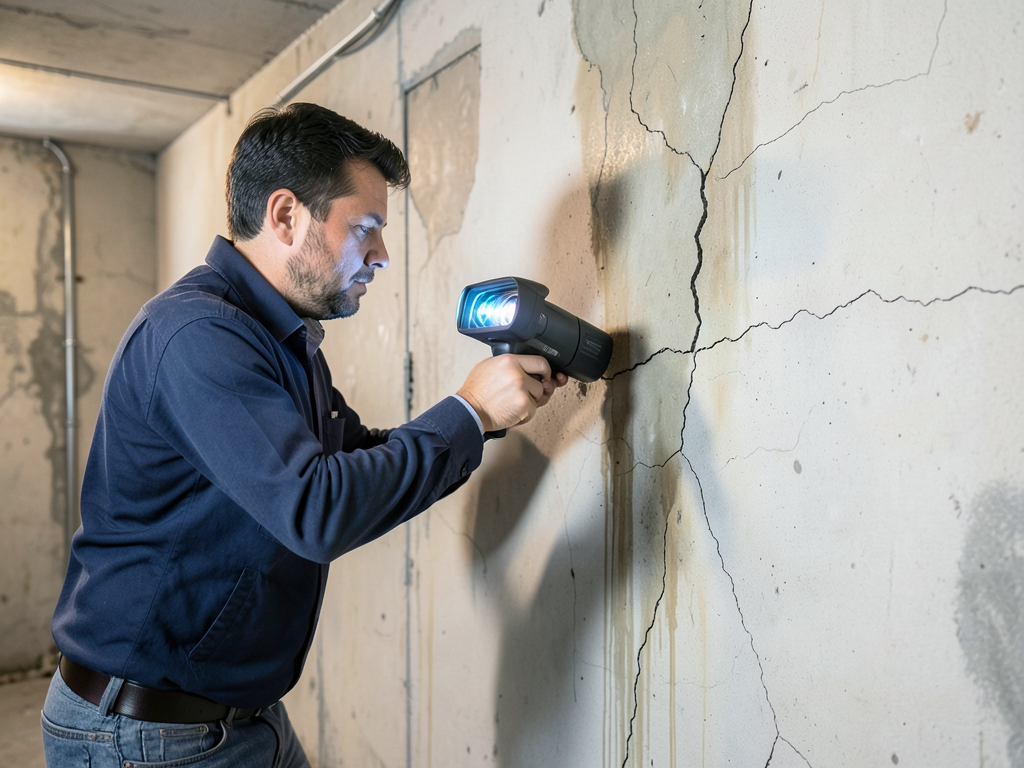
Detecting invisible leaks is not a matter of walking around with a flashlight. Water travels along joists, collects in wall cavities, and saturates insulation without leaving visible stains. By the time you see discoloration on the ceiling, the damage has been festering for weeks or months.

Pittsburgh's terrain compounds the issue. Homes built on steep slopes face runoff problems. Basements in the South Hills and North Hills deal with hydrostatic pressure from clay soil that does not drain well. Water pushes through foundation walls and pools under slab floors, creating ideal conditions for mold growth and wood rot.

Spotting hidden water damage early prevents catastrophic repair bills. A small roof leak that goes undetected can destroy ceiling joists and require structural reinforcement. Trapped water behind bathroom tile leads to subfloor decay and expensive demolition. Identifying unseen water intrusion is the difference between a manageable fix and a financial disaster.

Why Water Hides in Pittsburgh Homes and Buildings
How We Locate Moisture You Cannot See

How We Locate Moisture You Cannot See

We do not guess. We measure.

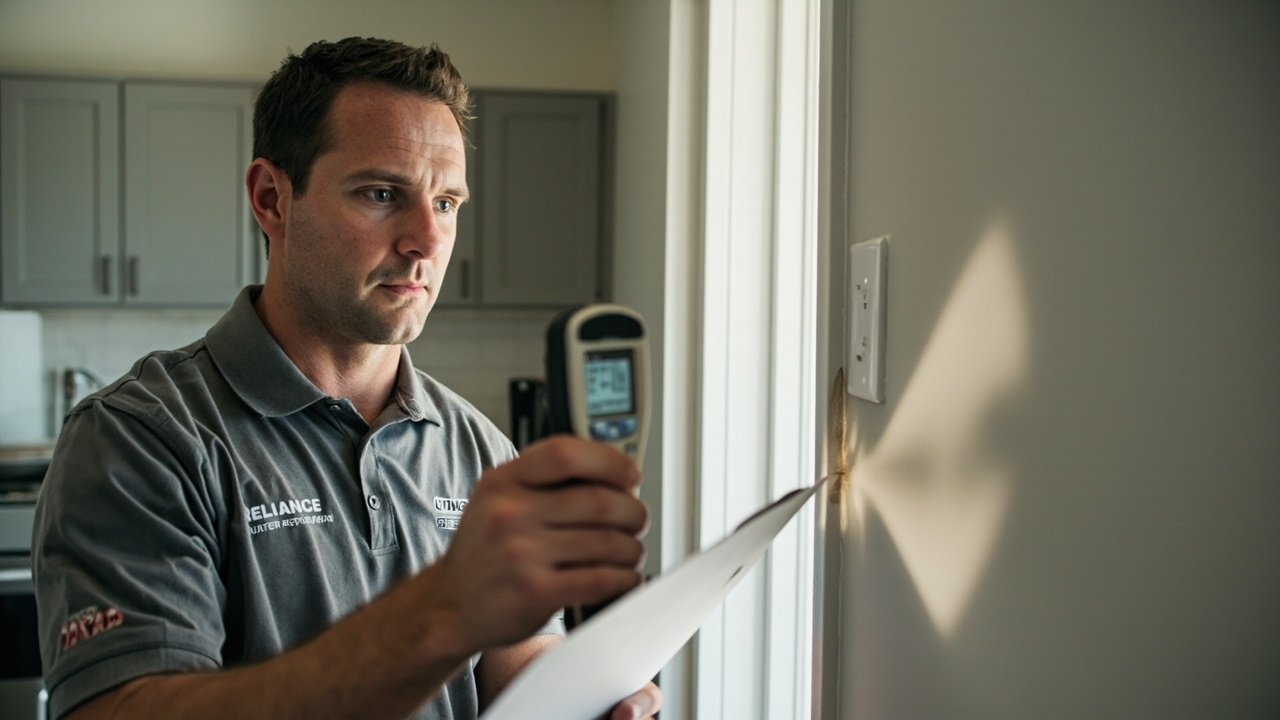
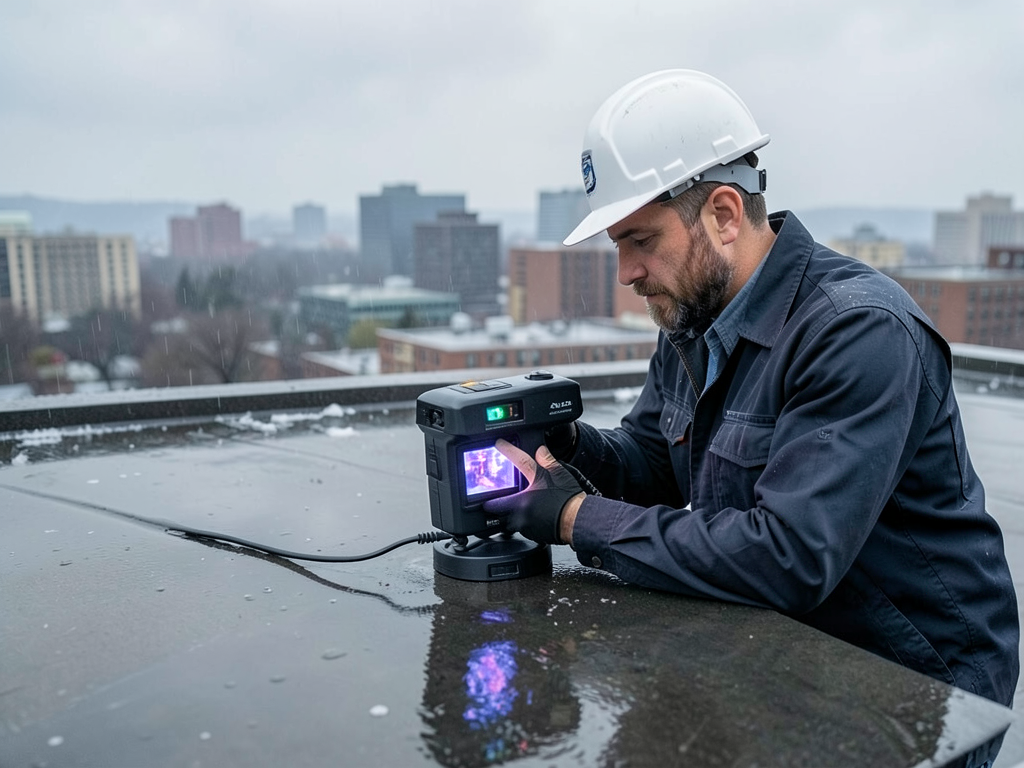
Reliance Water Damage Restoration Pittsburgh uses infrared thermal imaging cameras to scan building surfaces. These cameras detect temperature differentials caused by moisture evaporation. Wet drywall appears cooler than dry drywall on the thermal scan. We identify problem zones behind walls, under floors, and above ceilings without tearing anything apart.

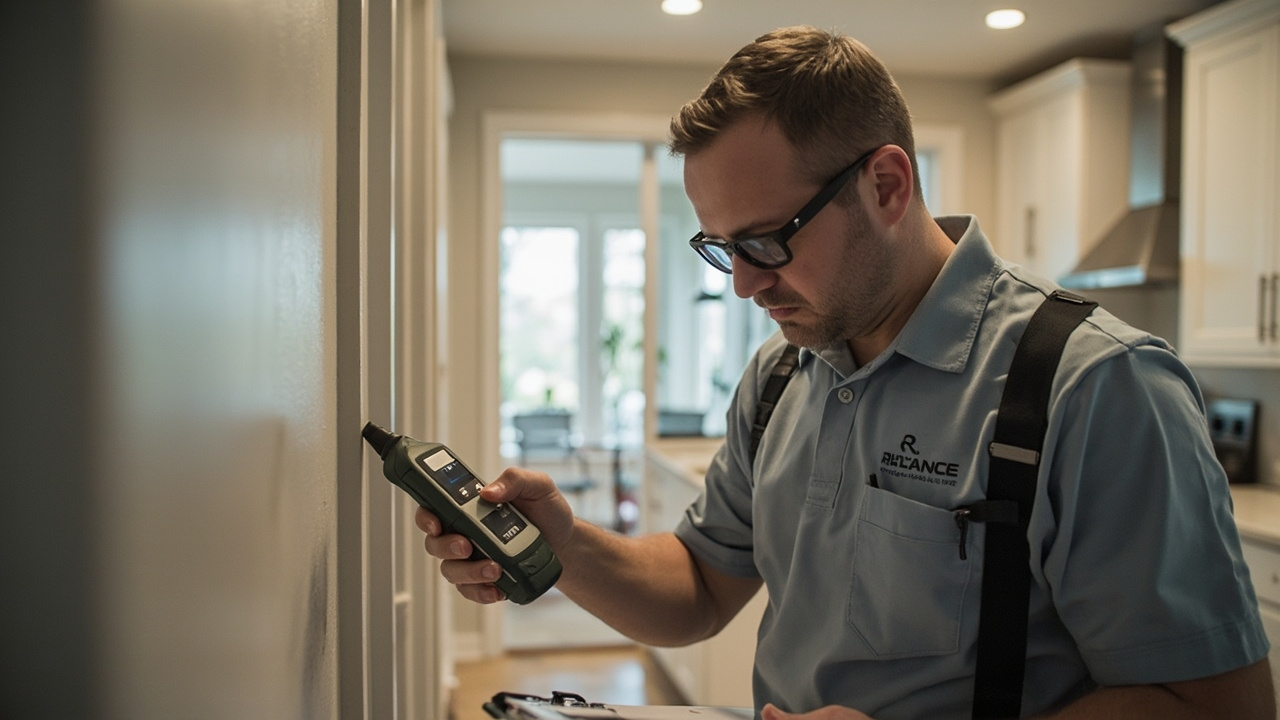
Once we map the affected areas, we use pin-type and non-invasive moisture meters to quantify the water content. Pin meters penetrate drywall and wood to measure electrical resistance, which changes when materials are wet. Non-invasive meters scan larger areas without leaving holes. We take readings at multiple depths to determine how far the moisture has traveled into the structure.

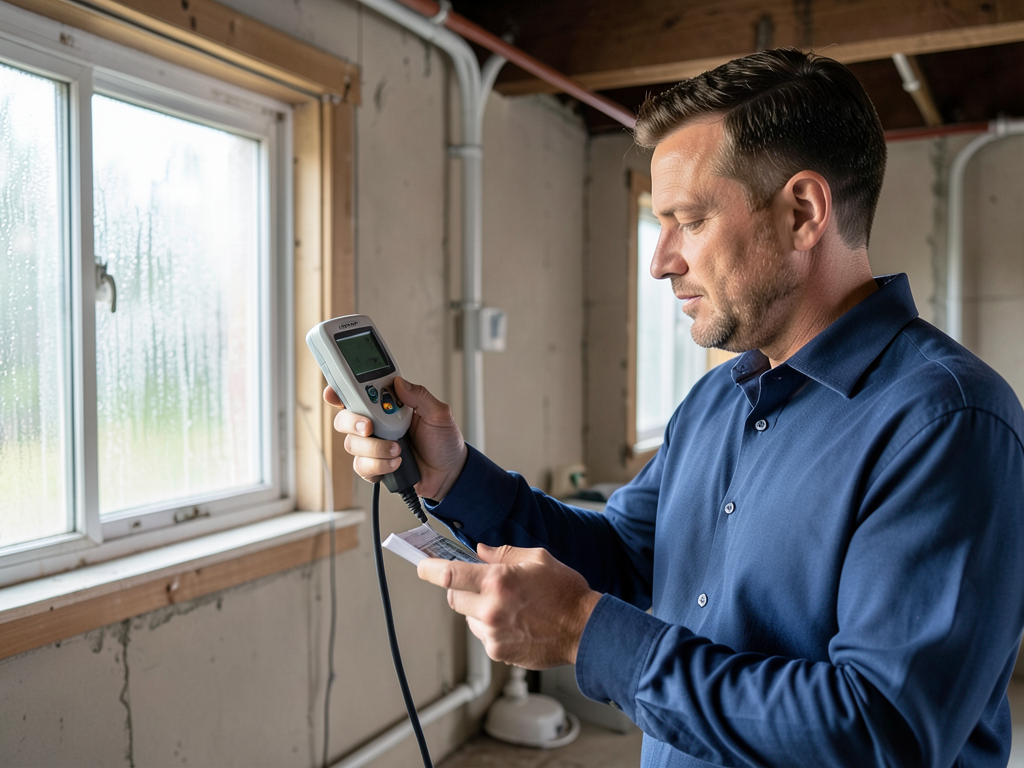
Finding concealed dampness also requires attention to airflow and humidity. We measure ambient moisture levels with thermo-hygrometers and check for conditions that promote microbial growth. If relative humidity stays above 60 percent in a closed space, mold colonization is likely within 48 hours.

We inspect hidden zones contractors often miss. That includes the space between the first-floor ceiling and second-floor subfloor, the cavity behind bathtub surrounds, and the areas around HVAC ductwork penetrations. Water migrates to low points, so we check basement rim joists and crawl space perimeters where condensation accumulates.

Locating trapped water is not about expensive equipment alone. It requires understanding how buildings fail. Roof leaks travel downslope along sheathing. Plumbing leaks follow gravity and pool at partition walls. We trace the moisture back to the source so you fix the cause, not just the symptom.

What Happens During a Moisture Inspection

Hidden Moisture Detection in Pittsburgh – Stop Water Damage Before It Spreads
01

Initial Assessment and Scanning

We start with a walkthrough to understand your concerns and identify visible warning signs. Then we deploy thermal imaging cameras to scan walls, ceilings, and floors for temperature anomalies. Cool spots indicate evaporation from wet materials. We document every scan with time-stamped photos and note the exact locations of suspected moisture intrusion for further testing.
02

Moisture Content Verification

After thermal scanning identifies problem zones, we use moisture meters to measure water content in building materials. Pin meters give precise readings in drywall, wood framing, and insulation. Non-invasive meters scan larger surface areas without damage. We compare readings to manufacturer-established dry standards to determine severity. This step confirms whether materials need drying, replacement, or both.
03

Source Identification and Reporting

We trace moisture patterns back to the entry point, whether it is a roof leak, plumbing failure, or exterior drainage issue. You receive a written report with moisture maps, readings, and photos. We explain what caused the problem, how far the water traveled, and what repairs are necessary. This documentation supports insurance claims and gives contractors clear direction for remediation work.

Why Pittsburgh Properties Need Local Moisture Detection Experts

Pittsburgh buildings have unique vulnerabilities. Brick homes in neighborhoods like Lawrenceville and Highland Park were constructed with lime mortar that degrades over time. When mortar joints fail, rain penetrates the masonry and soaks wood framing. A contractor from outside the region might not recognize this pattern.

Reliance Water Damage Restoration Pittsburgh understands how local architecture fails. We know that Tudor-style homes in Sewickley have complex roof valleys that trap debris and ice. We know that post-war ranches in Penn Hills often have undersized gutters that overflow during summer storms. We know that commercial buildings in the Strip District have flat roofs with inadequate drainage that pond water after heavy rain.

We also understand Pittsburgh's weather cycles. Spring thaw causes basement seepage. Summer humidity creates condensation in air-conditioned spaces. Fall storms overwhelm aging sewer laterals. Winter ice dams force water under shingles. Each season brings different moisture threats, and we have seen them all.

Our familiarity with local building codes and insurance requirements matters when you file a claim. We document findings in the format adjusters expect. We know which moisture levels trigger mandatory remediation under Pennsylvania health standards. We provide the technical data that supports your case for coverage.

You also get faster response. We are based in Pittsburgh, not dispatched from a regional hub two hours away. When you discover water damage, time determines whether the problem stays manageable or becomes catastrophic. Mold begins growing within 24 to 48 hours of water exposure. The sooner we detect hidden moisture, the less destruction you face.

Local expertise is not marketing language. It is the difference between a technician who understands your home and one who is guessing.

What You Get with Professional Moisture Detection

Same-Day and Emergency Availability

We respond to moisture detection requests within hours, not days. If you suspect active water intrusion, we treat it as urgent. Our technicians carry thermal cameras and moisture meters in their trucks so inspections happen on the first visit. You do not wait for equipment to arrive from another location. For active leaks or post-storm concerns, we offer 24-hour emergency inspection services. Detecting invisible leaks quickly limits damage and keeps restoration costs manageable.

Comprehensive Diagnostic Inspection

The inspection includes thermal scanning of all suspected areas, moisture meter testing at multiple depths, and humidity measurement. We check hidden zones like wall cavities, subfloor spaces, and attic insulation. You receive a written report with photos, moisture content readings, and a diagram showing affected areas. We explain findings in plain language and answer your questions on the spot. If further investigation is needed, we recommend the next steps without pressuring you into unnecessary services.

Accurate Source Identification

Finding trapped water is only half the job. We trace the moisture back to its origin so you fix the real problem. If water is coming from a roof leak, we pinpoint the failed flashing or missing shingle. If it is a plumbing issue, we identify which pipe or fixture is leaking. If it is condensation, we explain the ventilation failure. You get actionable information that prevents repeat problems. Our goal is to stop the water at the source, not just dry out the symptom.

Follow-Up Verification and Documentation

After repairs or drying, we return to verify moisture levels have returned to acceptable ranges. This follow-up ensures the problem is resolved and prevents mold growth. We provide documentation that confirms your property is dry, which is valuable for insurance claims and future property transactions. If you need ongoing monitoring during restoration, we schedule additional checks at no extra charge. You are not left guessing whether the issue is truly fixed.

Frequently Asked Questions

You Have Questions,
We Have Answers

Do moisture detectors really work? +

Yes, professional moisture detectors work accurately when used correctly. These devices measure moisture content in building materials using pin-type or non-invasive scanning technology. Pin meters penetrate surfaces to measure electrical resistance, while pinless scanners read moisture depth without damage. However, cheap consumer-grade detectors often give false readings. In Pittsburgh homes, where freeze-thaw cycles and high humidity create hidden moisture problems, professional-grade equipment is critical. Restoration technicians use calibrated meters designed for specific materials like drywall, wood framing, or concrete. Proper interpretation requires training, as moisture readings vary by material type and environmental conditions.

How to find where moisture is coming from in a house? +

Finding moisture sources requires systematic investigation. Start by checking common entry points like roofs, windows, and foundation walls. In Pittsburgh, ice dams and deteriorating mortar joints frequently cause hidden leaks. Look for visual clues like water stains, peeling paint, or warped flooring. Use your senses: musty odors signal active moisture problems. Check crawl spaces and basements after heavy rain. Inspect HVAC systems and plumbing fixtures for condensation or drips. Professional moisture detection uses thermal imaging cameras to spot temperature differences indicating wet areas. Pinpointing the source matters because treating symptoms without fixing the entry point wastes money and allows damage to continue.

How do you detect moisture behind walls? +

Detecting moisture behind walls requires non-invasive scanning technology. Professional moisture meters use radio frequency or electromagnetic signals to penetrate surfaces without drilling holes. Thermal imaging cameras reveal temperature differences where water evaporates and cools surfaces. In Pittsburgh homes with plaster walls or historic brick construction, these tools prevent unnecessary demolition. Inspectors scan walls in grid patterns, marking wet zones for targeted investigation. Moisture readings show saturation levels and affected depth. Some advanced systems combine multiple technologies for accuracy. Once wet areas are located, small inspection holes confirm the findings before opening entire wall sections. This approach saves time and reduces repair costs.

Can water damage be hidden? +

Yes, water damage hides easily behind walls, under flooring, and above ceilings. Pittsburgh homes face hidden damage from slow leaks, condensation in wall cavities, and roof infiltration that travels along framing before appearing inside. You might see no visible signs while structural damage progresses. Moisture trapped in insulation or between vapor barriers creates ideal mold conditions. Wood framing rots silently. By the time stains appear, damage is often extensive. This is why professional moisture detection matters after any water event. Thermal imaging and moisture meters reveal problems before they become catastrophic. Hidden moisture causes more total damage than visible flooding because it goes unaddressed.

Will mold go away if moisture is removed? +

Removing moisture stops mold growth, but existing mold colonies remain dormant rather than disappearing. Dead mold still triggers allergies and must be physically removed. Pittsburgh humidity can reactivate dormant spores when moisture returns. Proper remediation requires eliminating the moisture source, drying affected areas completely, and removing contaminated materials. Surface mold on non-porous materials can be cleaned, but porous materials like drywall or insulation require replacement. Simply reducing humidity is not enough once mold establishes. You need professional assessment to determine contamination extent. Addressing moisture alone leaves health hazards and cosmetic damage. Complete remediation prevents recurrence and protects indoor air quality.

What do home inspectors use to detect moisture? +

Home inspectors use moisture meters and thermal imaging cameras during assessments. Pin-type meters test specific spots by measuring electrical resistance in materials. Non-invasive meters scan larger areas without surface penetration. Infrared cameras reveal temperature patterns indicating moisture presence. Inspectors check basements, crawl spaces, attics, and around plumbing fixtures. In Pittsburgh, they focus on areas vulnerable to ice dams and foundation seepage. These tools identify problem zones requiring further investigation. However, home inspection moisture detection is preliminary. If issues are found, specialized water damage professionals use commercial-grade equipment for comprehensive mapping. Inspection-level detection catches red flags but does not replace forensic moisture investigation.

How do plumbers find hidden leaks? +

Plumbers find hidden leaks using multiple detection methods. They perform pressure tests on water lines, watching for pressure drops indicating escapes. Acoustic leak detectors amplify the sound of water escaping under pressure. Thermal imaging shows temperature changes where water contacts building materials. Tracer gas testing involves introducing detectable gas into lines and scanning for emissions. In Pittsburgh homes with finished basements or slab foundations, video pipe inspection cameras locate leaks inside drain lines. Moisture meters confirm wet zones in walls or floors. Experienced plumbers combine visual inspection with technology, checking fixture connections, supply lines, and drain stacks systematically before opening walls.

Can mold grow in 50% humidity? +

Mold can grow at 50% humidity if other conditions exist. While mold prefers 60% or higher, it will colonize at lower humidity when materials stay damp from leaks or condensation. Pittsburgh homes battle this problem because humidity fluctuates seasonally and moisture from basements or crawl spaces affects indoor conditions. Relative humidity measures air moisture, not material moisture content. A wall wet from a slow leak supports mold growth regardless of room humidity. Temperature also matters: cooler surfaces create condensation even when ambient humidity seems acceptable. Focus on both controlling indoor humidity and eliminating moisture sources. Proper ventilation, dehumidification, and leak repairs work together to prevent mold.

Can my phone check the humidity in my house? +

Your phone cannot accurately measure indoor humidity without an external sensor. Some phones include basic humidity sensors, but they measure conditions inside the device, not room air. Apps claiming to read humidity use unreliable methods or require separate Bluetooth hygrometers. For reliable readings in Pittsburgh homes, buy an inexpensive digital hygrometer from hardware stores. These standalone devices provide accurate relative humidity percentages. Place them in problem areas like basements or bathrooms. Professional moisture assessment requires calibrated equipment measuring material moisture content, not just air humidity. While phone apps offer convenience, they should not replace proper tools when investigating moisture problems or making decisions about remediation.

Do plumbers detect moisture in walls? +

Plumbers can detect moisture in walls using specialized equipment, but this falls outside standard plumbing repairs. Most plumbers carry basic moisture meters to confirm leak locations before cutting into walls. However, comprehensive moisture mapping requires restoration specialists with advanced detection systems. In Pittsburgh, water damage professionals use thermal imaging, deep-scanning moisture meters, and hygrometers to assess hidden moisture throughout structures. They document moisture patterns, determine affected materials, and create drying plans. If you suspect hidden moisture beyond an obvious plumbing leak, call a water damage restoration company. They provide detailed assessments showing moisture distribution, saturation levels, and recommended remediation. Plumbers fix leaks. Restoration specialists handle moisture investigation.

How Pittsburgh's Humid Summers and Clay Soil Make Hidden Moisture a Constant Threat

Pittsburgh's average summer humidity hovers around 70 percent, creating ideal conditions for condensation inside walls and attics. When air-conditioned indoor air meets hot exterior surfaces, moisture condenses on cold pipes, ductwork, and sheathing. The clay soil common in neighborhoods like Mount Lebanon and Bethel Park does not drain well, causing hydrostatic pressure against foundation walls. Water seeps through cracks and saturates basement walls from the outside in. Identifying unseen water intrusion in these conditions requires understanding how vapor migrates through building assemblies and where pressure differentials force water into living spaces.

We work with Pittsburgh contractors, insurance adjusters, and property managers who trust our findings. Our reports meet Pennsylvania Department of Health standards for mold remediation triggers. We understand local building practices, from the common use of balloon framing in pre-1940 homes to the specific flashing details required by Allegheny County code for masonry construction. When you hire a local team for locating concealed dampness, you get someone who knows how Pittsburgh buildings are put together and how they come apart when water gets in.
Water Damage Restoration Services in The Pittsburgh Area

While we provide rapid mobile service directly to your location, you can also find our physical business location on the map below. This map highlights our primary service area and shows our commitment to serving the Pittsburgh community. We are always ready to dispatch our expert team to your home or business, no matter where you are in our service region. Feel free to use the interactive map to get directions or to visualize our proximity to you.

Address:
Reliance Water Damage Restoration Pittsburgh, 201 S Craig St, Pittsburgh, PA, 15213

Additional Services We Offer

Our news updates

Latest Articles & News from The Blogs

How to tell if you have a expensive slab leak under your Franklin Park home Franklin Park homeowners face a…

How to tell if you have a expensive slab leak under your Franklin Park home

How to tell if you have a expensive slab leak under your Franklin Park home Franklin Park homeowners face a…

What to do when your office fire sprinklers go off by mistake in Downtown Pittsburgh

What to do when your office fire sprinklers go off by mistake in Downtown Pittsburgh When fire sprinklers discharge without…

Preserving the original masonry in Mexican War Streets homes after a water leak

Preserving the original masonry in Mexican War Streets homes after a water leak When water infiltrates the historic brick and…

Contact Us

Call Reliance Water Damage Restoration Pittsburgh at (412) 382-8788 for same-day moisture detection. We bring thermal imaging and moisture meters to your property and explain findings on the spot. Do not wait for visible damage to appear.