




Menu

Preventative Waterproofing Tips in Pittsburgh – Protect Your Home Before Water Damage Strikes

Proven home waterproofing maintenance strategies that stop Pittsburgh's rain, humidity, and freeze-thaw cycles from destroying your foundation, basement, and walls before costly repairs become necessary.

Slider Image 1
Slider Image 2
Slider Image 3
Slider Image 4
Slider Image 5
Slider Image 7
Slider Image 8
Slider Image 9
Slider Image 10
Slider Image 11

Why Pittsburgh Homes Face Unique Water Intrusion Risks

Pittsburgh receives 38 inches of precipitation annually, and the city's topography creates specific drainage challenges. Homes built on the region's hillsides and valleys face constant hydrostatic pressure against foundation walls. When you combine that with the freeze-thaw cycles that hit between November and March, you get expansion and contraction that creates cracks in concrete and masonry. Those cracks become water highways.

The clay soil common throughout Allegheny County makes the problem worse. Clay expands when wet and contracts when dry, which shifts foundations and opens gaps around basement walls. Many Pittsburgh homes built before 1950 lack proper waterproofing membranes because modern moisture control best practices did not exist yet. The result is predictable: water finds its way in through foundation cracks, window wells, and failing perimeter drains.

Your home shows warning signs before major damage occurs. White mineral deposits on basement walls indicate moisture wicking through concrete. Musty odors signal hidden mold growth. Efflorescence on brick points to water migration. These symptoms tell you that your current water sealing methods are failing. A water damage prevention checklist starts with understanding where water enters and why your home's defenses have weakened. DIY waterproofing techniques can address some issues, but you need to know which problems require professional intervention and which ones you can handle yourself. The difference between proactive water sealing methods and reactive emergency repairs is thousands of dollars and weeks of disruption.

Why Pittsburgh Homes Face Unique Water Intrusion Risks
Strategic Waterproofing Zones Every Pittsburgh Homeowner Must Address

Strategic Waterproofing Zones Every Pittsburgh Homeowner Must Address

Effective waterproofing works as a system, not a single fix. You need to think in layers: exterior grading, foundation waterproofing, interior drainage, and humidity control. Each layer serves a specific function in your home waterproofing maintenance guide.

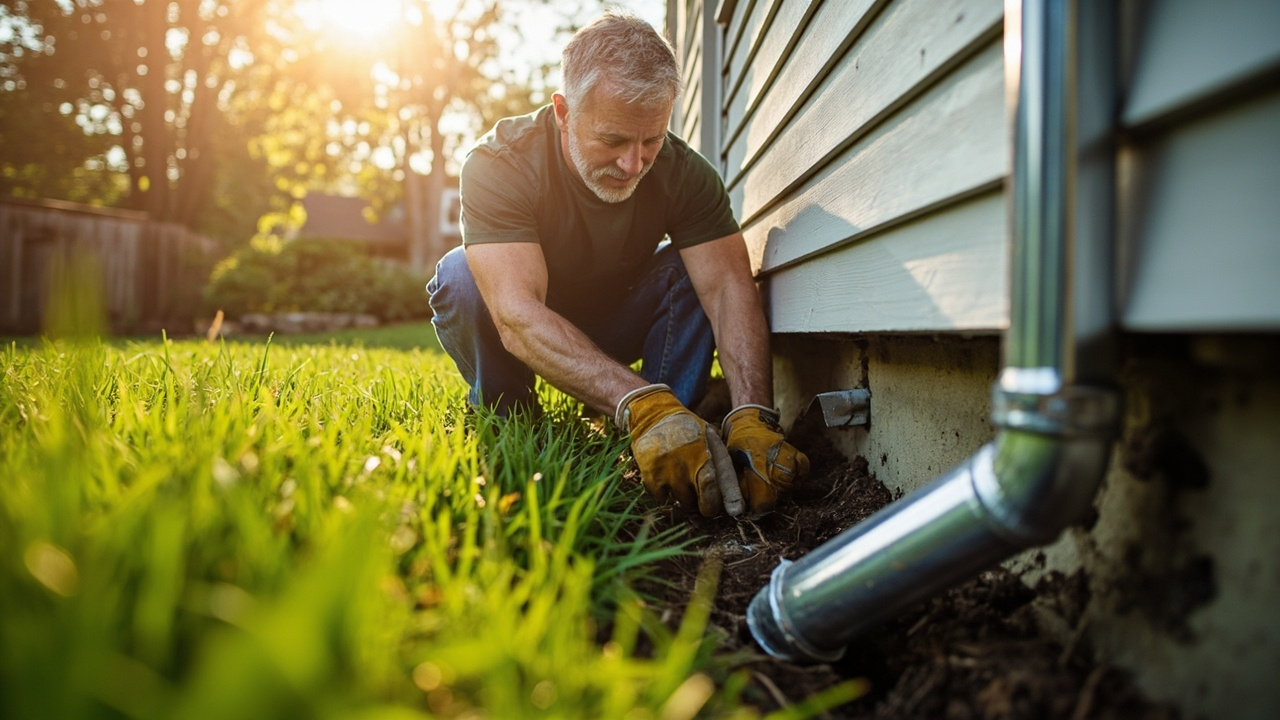
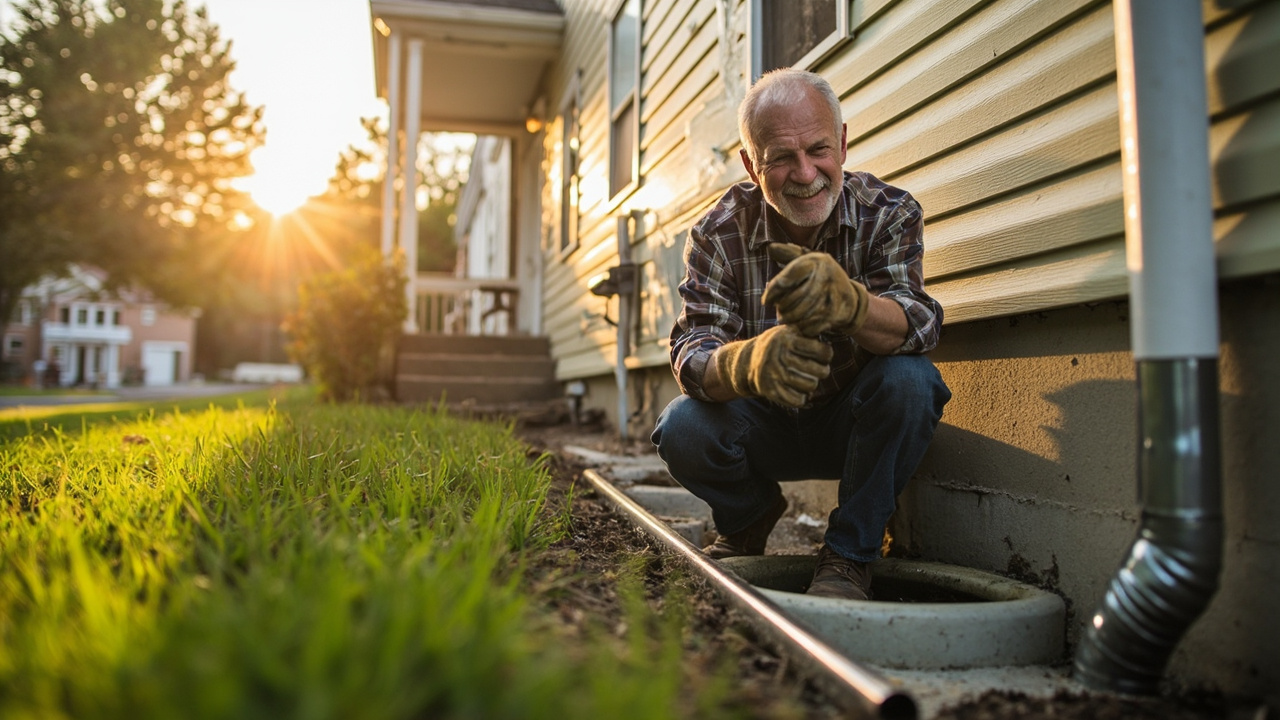
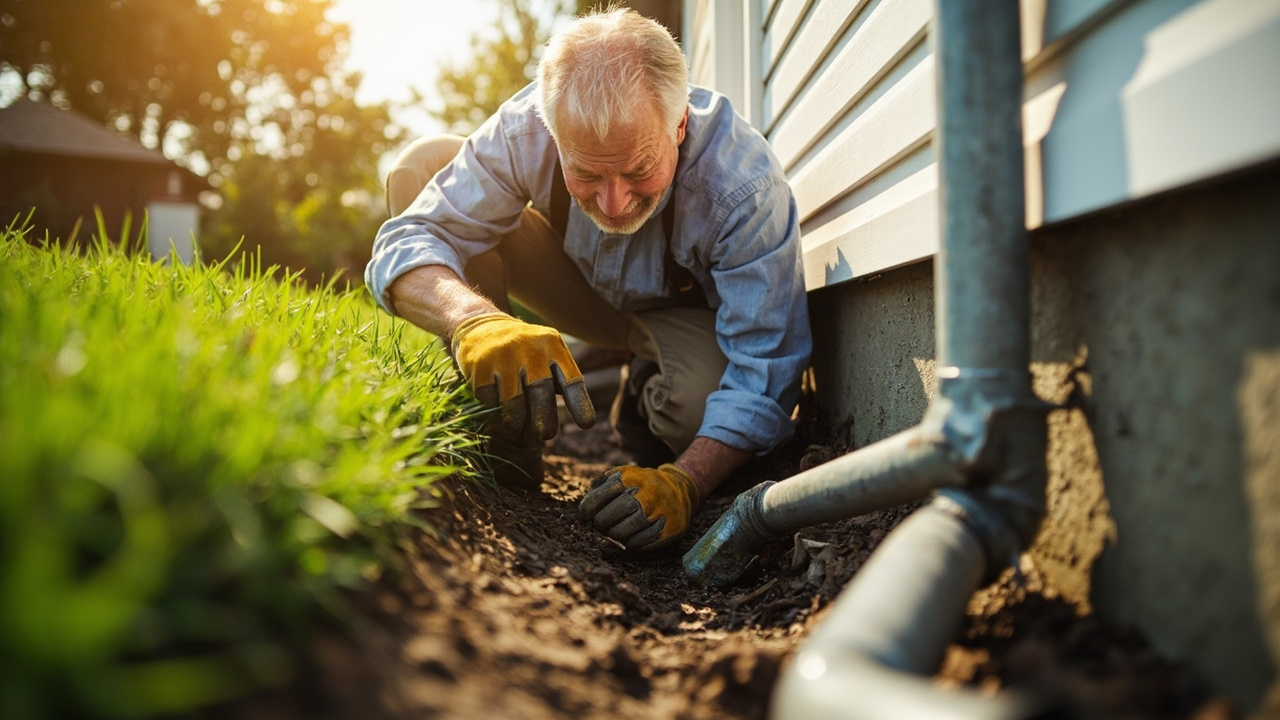
Start with the exterior. Your grading should slope away from the foundation at a minimum 6-inch drop over 10 feet. Gutters must channel water at least 10 feet from the foundation through properly pitched downspout extensions. Many Pittsburgh homes have downspouts that dump water right against the foundation, which defeats the entire drainage system. Clean gutters twice yearly, in late fall after leaves drop and in early spring after winter debris accumulates.

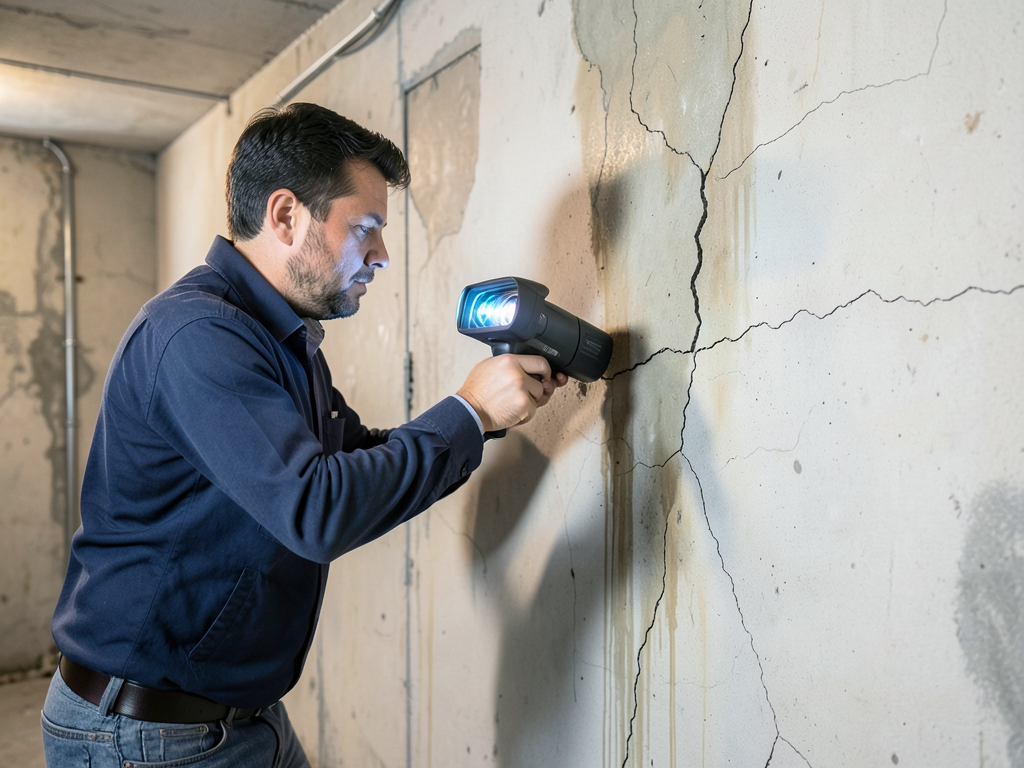
Foundation walls need protection on both sides. Exterior waterproofing membranes applied during construction or excavation create the first barrier. If your home lacks this, you can apply hydraulic cement to interior foundation cracks smaller than one-quarter inch. Larger cracks require epoxy or polyurethane injection because they indicate structural movement. Check your basement walls for active leaks during heavy rain. Water that trickles or streams through cracks needs immediate sealing.

Window wells are failure points. Install well covers to keep rain out, and ensure the bottom of each well has 6 inches of gravel for drainage. The well should sit at least 8 inches below the window sill to prevent water from reaching the frame. Moisture control best practices include checking window well drains annually to confirm they have not clogged with soil or debris. These proactive water sealing methods stop 70 percent of basement water problems before they start.

Your Year-Round Waterproofing Maintenance Schedule

Preventative Waterproofing Tips in Pittsburgh – Protect Your Home Before Water Damage Strikes
01

Spring Assessment

After winter freeze-thaw damage appears, inspect your foundation for new cracks and check all exterior caulking around windows, doors, and utility penetrations. Test your sump pump by pouring 5 gallons of water into the pit to confirm it activates and discharges properly. Clean debris from window wells and confirm downspout extensions remain in place after snow removal activity.
02

Summer Prevention Work

Apply silane-siloxane concrete sealer to your foundation walls during dry weather when temperatures stay above 50 degrees for 48 hours. Regrade settled soil around your foundation and extend downspouts if needed. Check basement humidity levels and run a dehumidifier if readings exceed 50 percent. Seal any hairline cracks before fall rains arrive.
03

Fall Preparation

Clean gutters after leaves fall and flush downspouts to remove blockages. Inspect and repair any damaged gutter sections before winter precipitation begins. Check that your sump pump discharge line has not frozen or cracked. Test your backup battery system if you have one. These final checks protect your home through Pittsburgh's wettest season.

When DIY Methods Reach Their Limit in Pittsburgh Homes

Pittsburgh's housing stock creates specific waterproofing challenges that home waterproofing maintenance guides cannot always address. Homes in neighborhoods like Squirrel Hill, Shadyside, and Highland Park often have stone foundations built between 1900 and 1930. These foundations were laid with lime mortar, which deteriorates when exposed to constant moisture. You cannot seal deteriorating lime mortar with modern products because the materials are incompatible. The mortar needs repointing with a lime-based mix that matches the original construction.

Row houses in areas like Lawrenceville face shared wall drainage issues. Water that penetrates one foundation can migrate to adjacent properties through connected basement spaces. Your waterproofing solution must account for how water moves between structures, which requires coordination that extends beyond DIY waterproofing techniques. Professional assessment identifies these multi-property problems before you waste time and money on fixes that cannot work in isolation.

Reliance Water Damage Restoration Pittsburgh understands the building methods and materials common to different Pittsburgh neighborhoods. We know which homes have clay tile drainage systems that need camera inspection and which ones have cast iron pipes that corrode from the inside. Our moisture control best practices account for the specific soil conditions in your area and how your home's age affects its waterproofing needs. We provide detailed water damage prevention checklists customized to your property after we inspect your foundation, grading, drainage systems, and interior humidity levels.

You save money by knowing which proactive water sealing methods you can handle yourself and which ones require professional tools, materials, and expertise. We help you make that distinction clearly.

What Professional Waterproofing Assessment Delivers

Comprehensive Property Evaluation

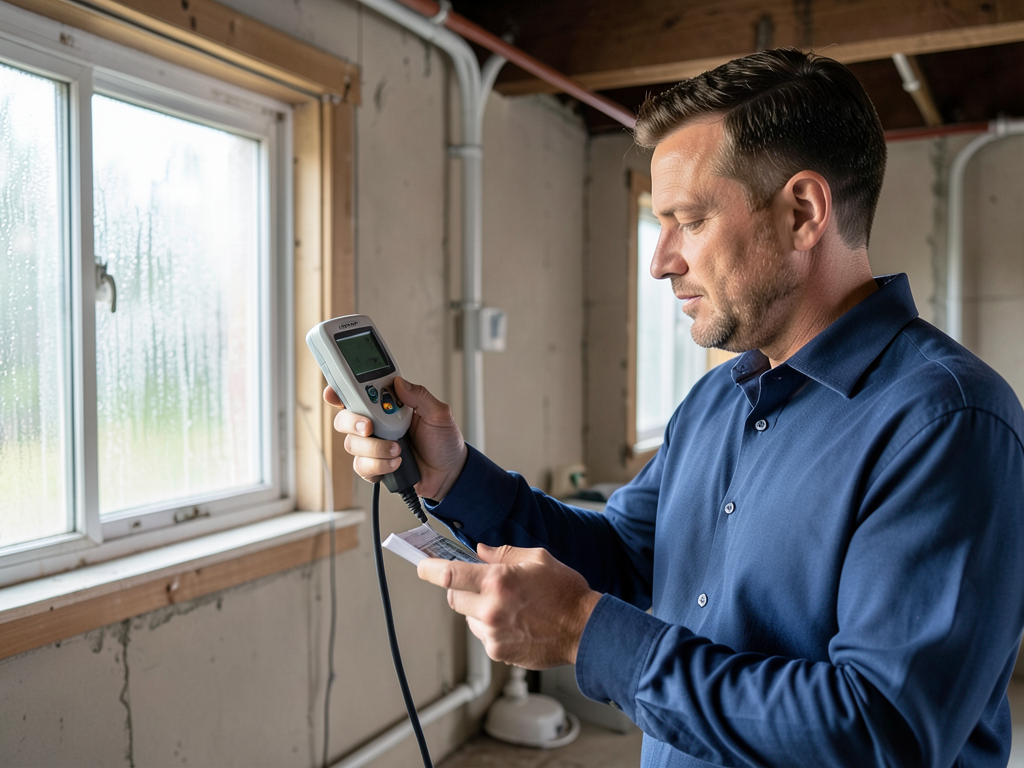
We inspect every potential water entry point during a 90-minute assessment that covers your foundation, grading, gutters, downspouts, window wells, utility penetrations, and interior drainage systems. You receive a written report that identifies current problems and predicts future risks based on your home's age, construction type, and site conditions. We photograph problem areas and explain which issues need immediate attention and which ones you can monitor. The evaluation includes moisture meter readings of basement walls and floors to detect hidden water intrusion that has not yet caused visible damage.

Customized Action Plan

Your waterproofing strategy separates DIY tasks from professional work. We identify repairs you can complete yourself using proper materials and techniques, which saves you money on labor. For problems that require specialized equipment like concrete injection systems or exterior excavation, we provide detailed scope of work descriptions and explain why professional intervention protects your investment. The plan prioritizes repairs by urgency and cost, so you can phase improvements over time if budget requires. You get a roadmap that prevents water damage through strategic, sequenced improvements rather than reactive emergency fixes.

Proven Material Specifications

Not all waterproofing products work in Pittsburgh's climate. We specify materials rated for freeze-thaw exposure and compatible with your home's construction materials. Concrete sealers must penetrate deeply enough to withstand hydrostatic pressure. Crack injection compounds need flexibility to accommodate seasonal foundation movement without failing. Drainage system components must resist Pittsburgh's acidic soil conditions. We eliminate guesswork by telling you exactly which products to buy and where to apply them. For professional installations, we use commercial-grade materials that outlast consumer products by years.

Ongoing Monitoring Support

Waterproofing requires seasonal maintenance to remain effective. We provide follow-up consultations after your initial improvements to confirm repairs are performing as expected. You learn what to watch for during Pittsburgh's heavy spring rains and how to test your systems before problems occur. We help you build a maintenance schedule that matches your home's specific needs rather than generic advice that may not apply. If new issues develop, you have direct access to the team that understands your property's history and construction. This relationship-based approach keeps small problems from becoming major failures.

Frequently Asked Questions

You Have Questions,
We Have Answers

What to do before applying waterproofing? +

Clean the surface completely. Remove dirt, debris, mold, and loose paint using a wire brush or pressure washer. Repair cracks with hydraulic cement or epoxy injection. Check for active leaks and address them first. In Pittsburgh, freeze-thaw cycles worsen existing cracks, so fix them before temperatures drop. Ensure the surface is dry. Moisture trapped under waterproofing membranes causes adhesion failure. Test moisture levels with a moisture meter if you suspect dampness. Identify the water source. Is it groundwater pressure, surface runoff, or condensation? The prep method changes based on the source.

Should I prime before waterproofing? +

Yes, you should prime before waterproofing most surfaces. Primer improves adhesion between the substrate and waterproofing membrane. It seals porous surfaces like concrete or masonry, preventing the waterproofing material from soaking in unevenly. Pittsburgh homes often have older brick or stone foundations that absorb moisture quickly. Without primer, your waterproofing layer may fail within months. Choose a primer compatible with your waterproofing product. Read manufacturer instructions. Some systems require specific primers. Apply primer evenly and let it cure fully before waterproofing. Skipping primer is the fastest way to waste time and money on a failed job.

How to fill gaps before waterproofing? +

Use hydraulic cement for small cracks and gaps in concrete or masonry. It expands as it sets, creating a tight seal even in damp conditions. For larger gaps, use polyurethane or epoxy crack injection. These materials flex with foundation movement, common in Pittsburgh due to clay soil expansion and contraction. Clean the gap first. Remove loose material and debris. For joints or control gaps, use a flexible backer rod before applying sealant. Never fill gaps with regular concrete. It cracks again. Match your filler to the gap size and location. Foundation gaps need different treatment than wall gaps.

What are the three methods of waterproofing? +

The three main methods are cementitious waterproofing, liquid membrane waterproofing, and sheet membrane waterproofing. Cementitious waterproofing uses cement-based coatings applied to concrete. It works well for Pittsburgh basements but is rigid and can crack. Liquid membranes are spray or brush-applied coatings that cure into a flexible, seamless barrier. They adapt to building movement. Sheet membranes are pre-formed rolls of bitumen or synthetic rubber applied to surfaces. They provide excellent protection but require skilled installation. Each method suits different applications. Basements often need liquid or sheet membranes. Retaining walls may only need cementitious coatings.

What are common waterproofing mistakes? +

The biggest mistake is waterproofing over wet surfaces. Moisture trapped underneath causes blistering and delamination. Skipping surface prep is second. Dirt, oil, or loose material prevents adhesion. Applying waterproofing too thin is common. One coat rarely provides adequate protection. Pittsburgh humidity and rain demand multiple layers. Using the wrong product for the application fails fast. Interior products do not survive exterior exposure. Ignoring drainage is fatal. Waterproofing alone cannot fight hydrostatic pressure. Install drainage systems to redirect water away from foundations. Rushing the cure time between coats compromises the bond. Follow manufacturer dry times exactly.

What is the 10/20/30/40 rule when making concrete? +

The 10/20/30/40 rule is a concrete mix timing guideline. Within 10 minutes of adding water, pour the mix. Within 20 minutes, finish the surface. Within 30 minutes, complete all work. After 40 minutes, the mix starts setting and should not be disturbed. This rule prevents weakening the concrete by overworking it. In Pittsburgh, temperature affects these times. Cold weather slows curing. Hot weather speeds it. Adjust your work pace accordingly. Waterproofing concrete too early traps moisture and weakens the slab. Wait at least 28 days for full cure before applying waterproofing membranes to new concrete.

What is the best time to do water waterproofing? +

The best time for exterior waterproofing in Pittsburgh is late spring through early fall. You need dry weather and temperatures between 50 and 90 degrees for proper curing. Avoid waterproofing before rainstorms. The membrane needs time to set. Summer offers the longest dry windows, but avoid extreme heat. High temperatures cause some products to dry too fast, leading to cracking. Interior waterproofing can happen year-round since you control the environment. Plan exterior projects around Pittsburgh rainfall patterns. Check the forecast for at least three dry days. Moisture during application ruins adhesion and wastes your effort.

Can you waterproof without primer? +

You can apply some waterproofing products without primer, but it reduces performance and longevity. Self-priming waterproofing membranes exist, but they cost more and work best on non-porous surfaces. On porous substrates like concrete, block, or brick common in Pittsburgh foundations, skipping primer leads to uneven absorption. The waterproofing soaks into the surface instead of forming a protective layer. This wastes material and creates thin spots where water penetrates. Primer also improves flexibility and crack-bridging ability. If the manufacturer recommends primer, use it. Cutting corners on prep always costs more in future repairs.

What are common primer mistakes? +

Applying primer too thick is a common mistake. Heavy coats take longer to dry and may not cure properly. This prevents the waterproofing layer from bonding. Using the wrong primer for your waterproofing system causes adhesion failure. Not all primers work with all membranes. Read compatibility charts. Skipping surface prep before priming traps contaminants under the primer. Clean and repair first. In Pittsburgh basements, applying primer to damp concrete is frequent. Moisture prevents proper penetration and bonding. Test for dampness first. Not allowing adequate dry time between primer and waterproofing ruins the bond. Follow manufacturer cure times exactly.

Do you silicone before waterproofing? +

Silicone is not a waterproofing membrane. It is a sealant for joints, seams, and penetrations. Apply silicone after waterproofing membranes to seal edges, transitions, and areas where the membrane meets pipes or fixtures. In Pittsburgh foundations, use silicone around basement windows, pipe entries, and expansion joints after the main waterproofing is complete. Never use silicone as your primary waterproofing layer. It does not provide full coverage or withstand hydrostatic pressure. Choose a high-quality polyurethane or silicone sealant rated for water exposure. Apply it cleanly with proper backer rod installation for deeper joints. Silicone complements waterproofing but does not replace it.

How Pittsburgh's Hillside Geography Accelerates Foundation Water Problems

Pittsburgh sits at the confluence of three rivers, with neighborhoods built on steep slopes that create constant downhill water flow. Homes on hillsides face hydrostatic pressure from upslope groundwater that saturates soil and pushes against foundation walls year-round. This pressure does not stop when rain ends. Your foundation bears constant load from saturated clay soil that weighs significantly more than dry soil. Retaining walls throughout Pittsburgh neighborhoods fail because designers underestimate this pressure. Your waterproofing system must account for continuous moisture exposure rather than occasional rain events. Proactive water sealing methods that work in flat terrain often fail on Pittsburgh hillsides because they cannot handle sustained hydrostatic force.

Pittsburgh's building codes have evolved to address local water management challenges, but homes built before 1980 often lack adequate foundation drainage and waterproofing membranes. Many properties in established neighborhoods have never been updated to current moisture control standards. Reliance Water Damage Restoration Pittsburgh works throughout Allegheny County and understands how construction methods changed across different building eras. We recognize which homes have bituminous waterproofing that has exceeded its 30-year lifespan and which ones have perimeter drain tiles that have silted closed. Local expertise matters because generic waterproofing advice ignores the specific challenges Pittsburgh's topography and soil conditions create. We protect your home using methods proven effective in this exact environment.
Water Damage Restoration Services in The Pittsburgh Area

While we provide rapid mobile service directly to your location, you can also find our physical business location on the map below. This map highlights our primary service area and shows our commitment to serving the Pittsburgh community. We are always ready to dispatch our expert team to your home or business, no matter where you are in our service region. Feel free to use the interactive map to get directions or to visualize our proximity to you.

Address:
Reliance Water Damage Restoration Pittsburgh, 201 S Craig St, Pittsburgh, PA, 15213

Additional Services We Offer

Our news updates

Latest Articles & News from The Blogs

How to tell if you have a expensive slab leak under your Franklin Park home Franklin Park homeowners face a…

How to tell if you have a expensive slab leak under your Franklin Park home

How to tell if you have a expensive slab leak under your Franklin Park home Franklin Park homeowners face a…

What to do when your office fire sprinklers go off by mistake in Downtown Pittsburgh

What to do when your office fire sprinklers go off by mistake in Downtown Pittsburgh When fire sprinklers discharge without…

Preserving the original masonry in Mexican War Streets homes after a water leak

Preserving the original masonry in Mexican War Streets homes after a water leak When water infiltrates the historic brick and…

Contact Us

Stop water damage before it starts. Call Reliance Water Damage Restoration Pittsburgh at (412) 382-8788 for a comprehensive property evaluation. We identify your risks and create a prevention plan that protects your home and your budget.