




Menu

Efflorescence on Concrete in Pittsburgh – Expert Diagnosis and Permanent Moisture Solutions

Reliance Water Damage Restoration Pittsburgh identifies the underlying moisture intrusion causing white powder on concrete, then eliminates the source to prevent recurring crystalline deposits and structural damage in your basement or foundation.

Slider Image 1
Slider Image 2
Slider Image 3
Slider Image 4
Slider Image 5
Slider Image 7
Slider Image 8
Slider Image 9
Slider Image 10
Slider Image 11

Why Pittsburgh Basements Develop White Powder on Concrete

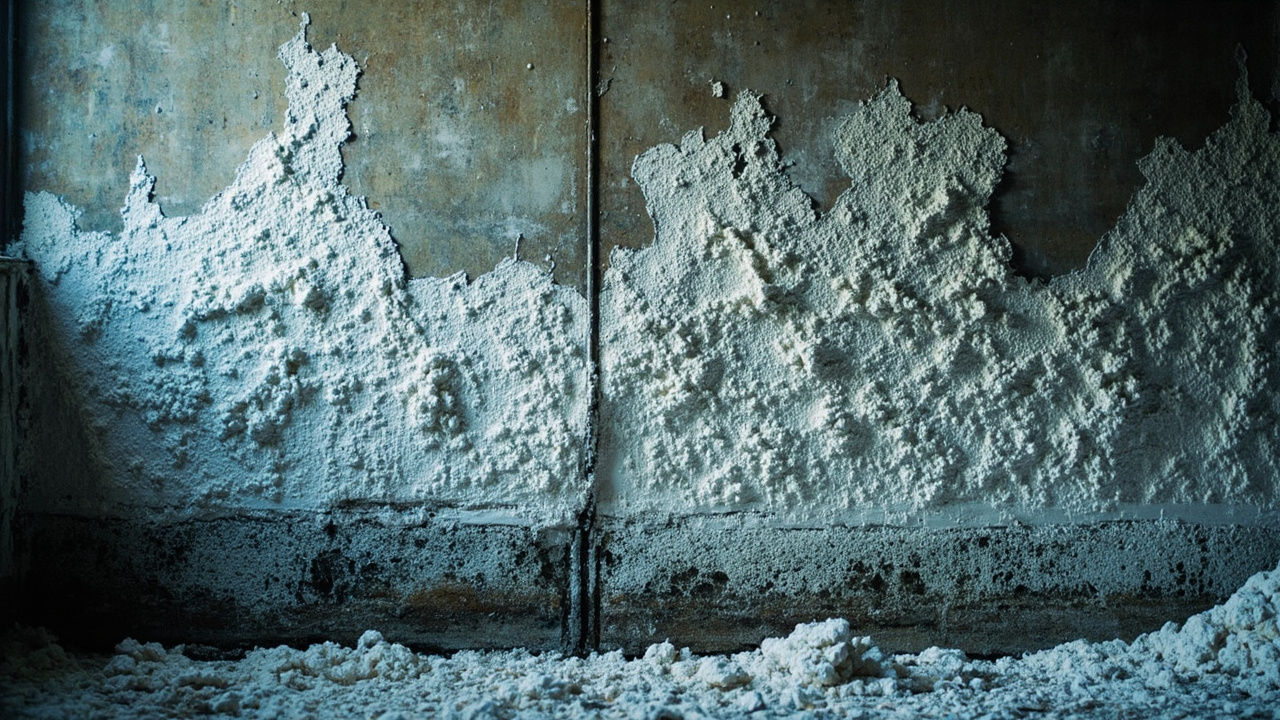
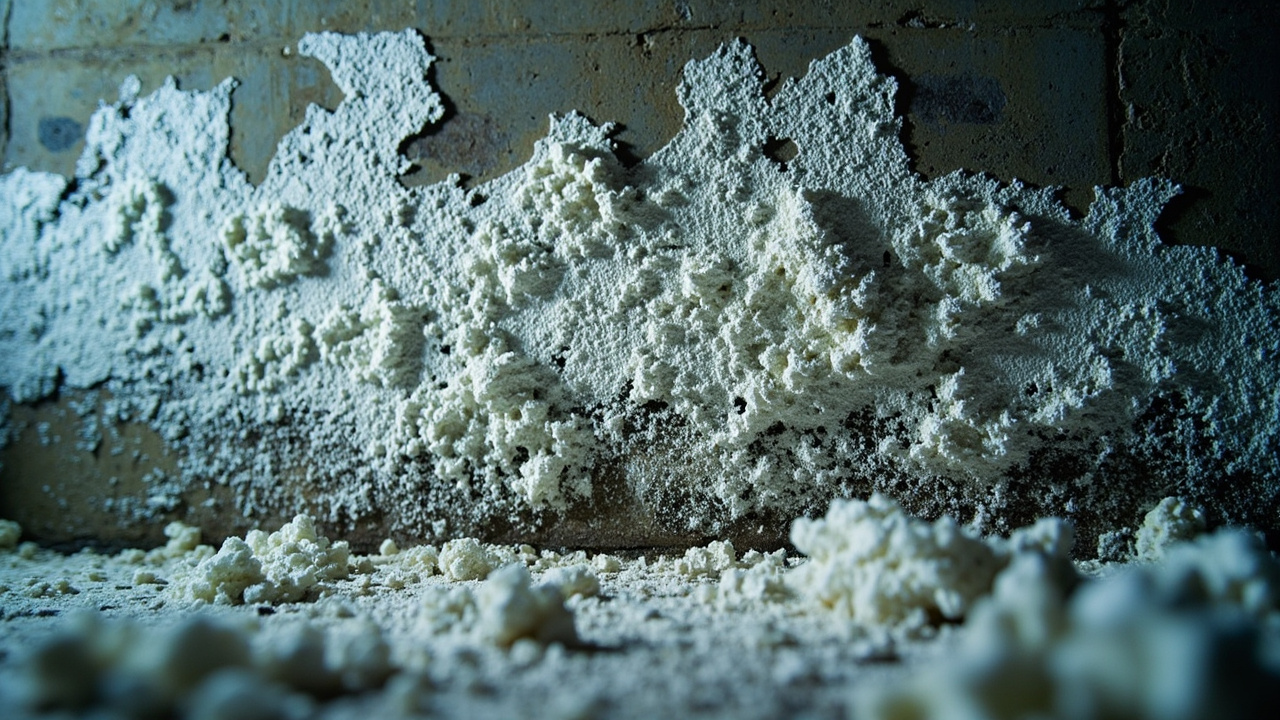
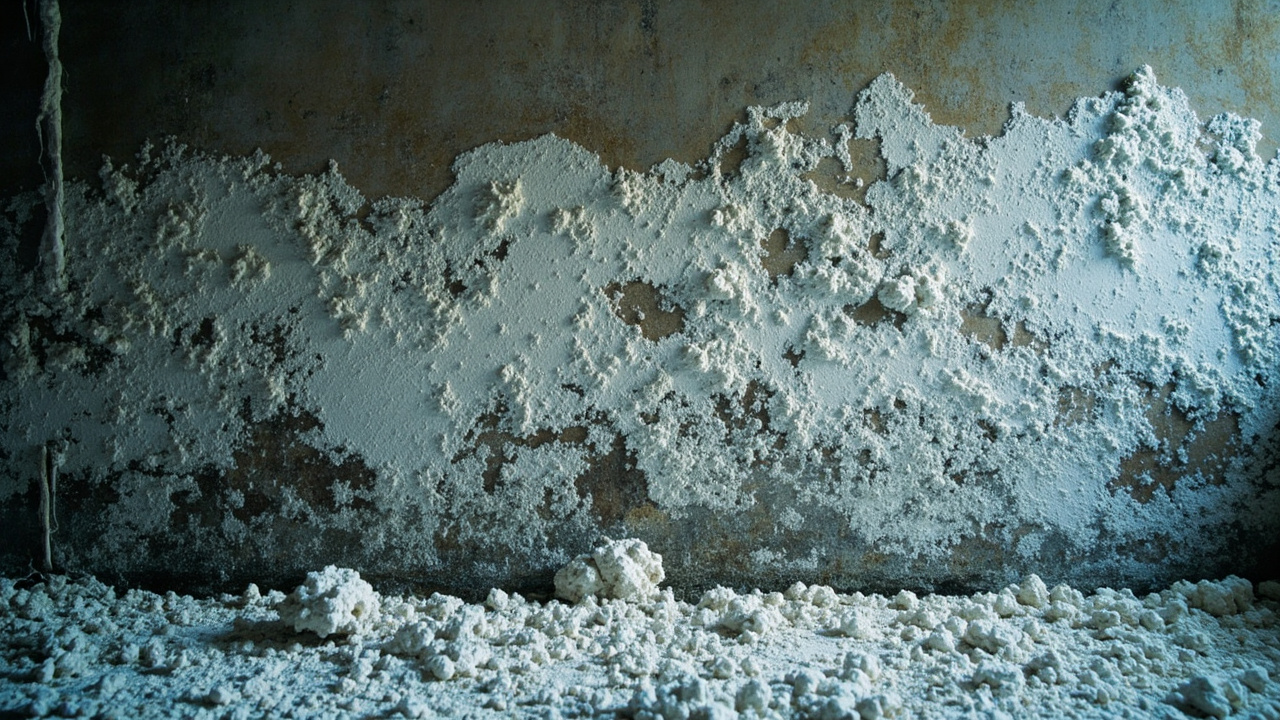
You walk down to your basement and notice a white, chalky residue creeping across your concrete floor or foundation walls. This white powder on concrete is efflorescence, and it is not just cosmetic. Pittsburgh's freeze-thaw cycles, combined with clay-rich soil and high water tables along the Allegheny, Monongahela, and Ohio Rivers, create constant hydrostatic pressure against your foundation. When groundwater forces its way through porous concrete, it carries dissolved mineral salts. As the water evaporates on the surface, it leaves behind crystalline deposits on concrete.

This white residue on concrete signals active moisture intrusion. The same freeze-thaw cycles that buckle Pittsburgh roads also expand the microcracks in your foundation, allowing more water to seep through. Clay soil shifts and settles, creating gaps around foundation footings. Older homes in neighborhoods like Squirrel Hill, Shadyside, and the North Side often have stone or block foundations with deteriorating mortar joints, which accelerate moisture migration.

Efflorescence is the symptom. The problem is water. If you see mineral salts on concrete, you have a moisture issue that will not resolve itself. The longer water moves through your foundation, the more salts accumulate, and the more your concrete spalls, cracks, and weakens. You need to stop the water at its source, not just scrub the surface.

Why Pittsburgh Basements Develop White Powder on Concrete
How Reliance Water Damage Restoration Pittsburgh Stops Efflorescence

How Reliance Water Damage Restoration Pittsburgh Stops Efflorescence

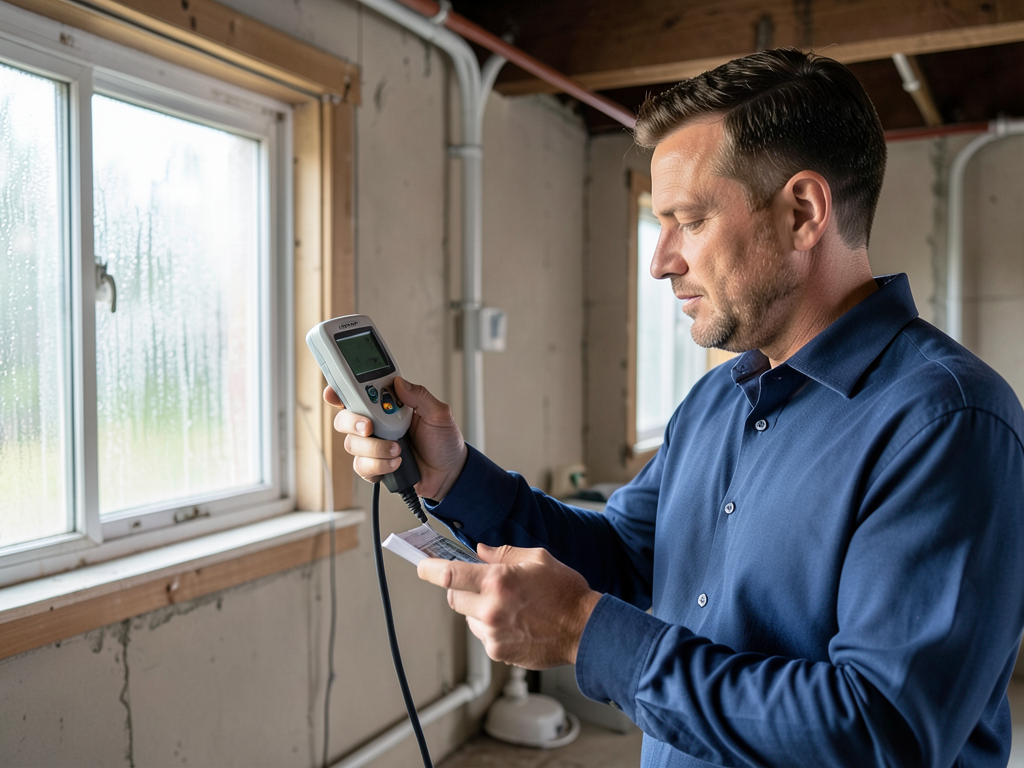
We do not just clean efflorescence. We trace the moisture pathway back to the source and eliminate it. Our diagnostic process starts with a moisture meter survey to measure subsurface saturation levels in your concrete. We map where the water is entering, whether through hydrostatic pressure, capillary action, or failed drainage systems.

Next, we inspect your exterior grading, downspouts, and foundation perimeter. Pittsburgh homes often have gutters that discharge too close to the foundation, saturating the soil and driving water directly into the basement. We identify these issues and recommend corrective grading or downspout extensions.

If the problem is subsurface, we evaluate your interior drainage system. Homes without functional footer drains or sump pumps experience constant groundwater pressure against the foundation. We assess whether you need a perimeter drain system, sump pump installation, or foundation crack injection.

For chronic efflorescence caused by rising damp through porous concrete, we apply crystalline waterproofing compounds that penetrate the concrete matrix and seal capillary pathways from within. This stops water migration at the molecular level, preventing new mineral salts from forming.

We also address interior humidity. Pittsburgh's humid summers keep basements damp, which slows evaporation and allows efflorescence to spread. We install commercial-grade dehumidifiers to maintain relative humidity below 50 percent, which halts surface moisture accumulation. The goal is a dry foundation, not a band-aid solution.

How We Diagnose and Fix Efflorescence in Your Pittsburgh Basement

Efflorescence on Concrete in Pittsburgh – Expert Diagnosis and Permanent Moisture Solutions
01

Moisture Source Identification

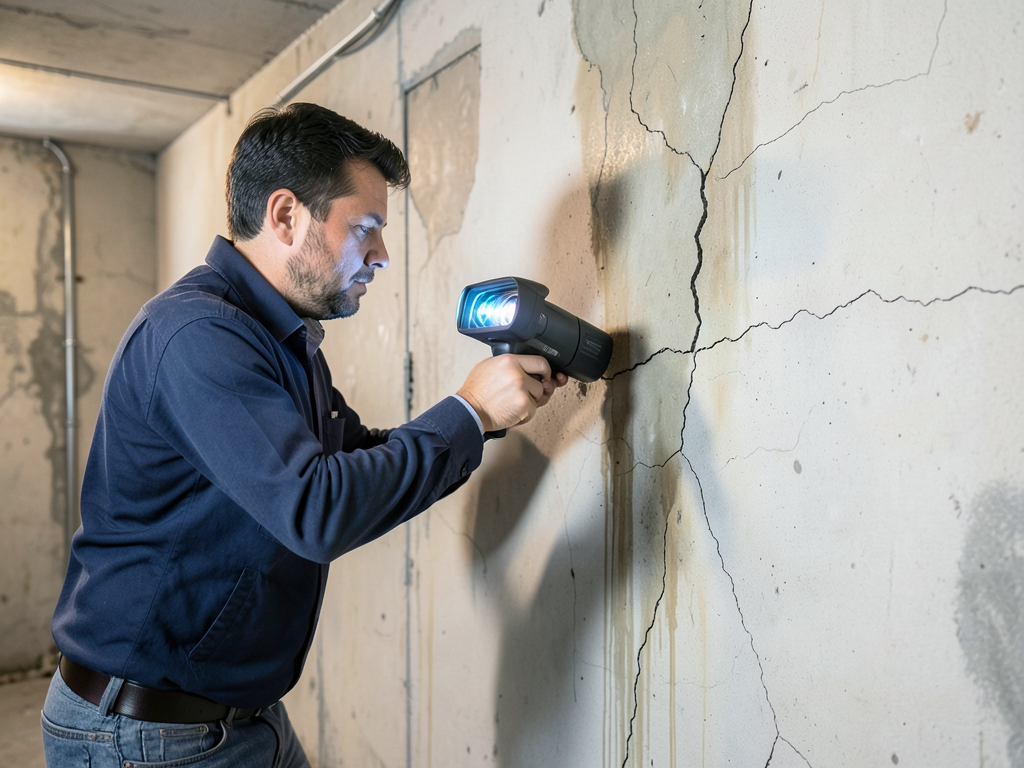
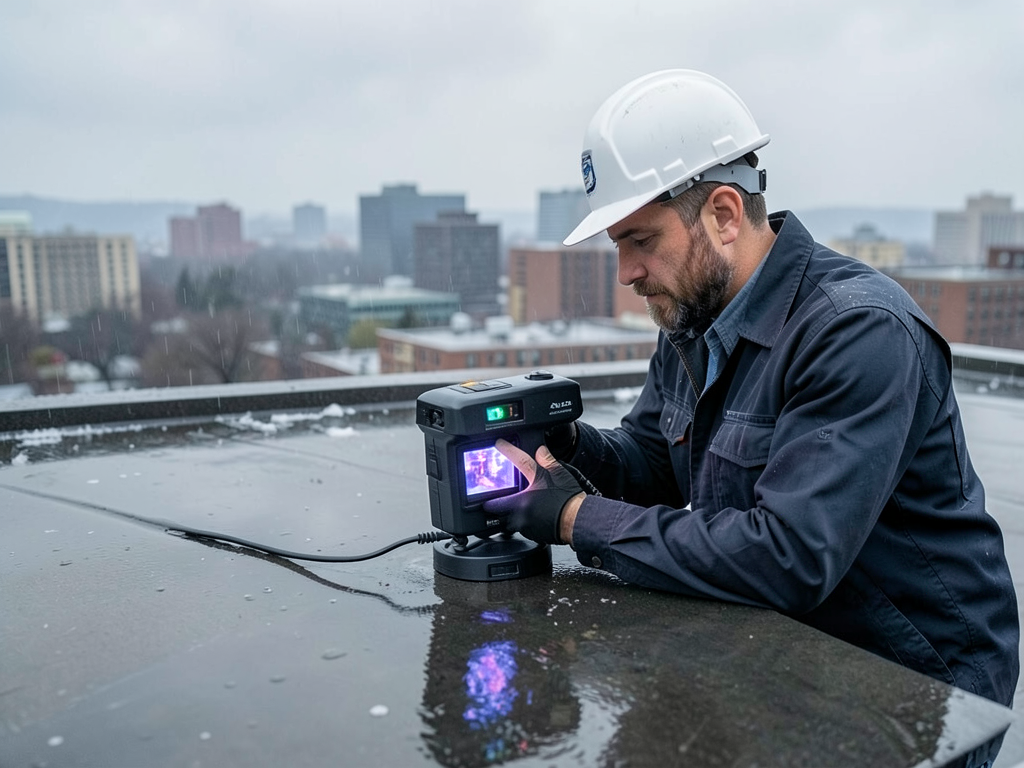
We use calibrated moisture meters and thermal imaging to pinpoint where water is entering your concrete. This reveals whether the problem is exterior drainage, subsurface hydrostatic pressure, or capillary rise through porous concrete. We document saturation levels and trace the water pathway from source to symptom. This data drives our remediation strategy.
02

Foundation and Drainage Evaluation

We inspect your foundation walls for cracks, mortar joint deterioration, and structural movement. Outside, we evaluate grading, downspout discharge points, and soil saturation. We test your sump pump and footer drains if present. This comprehensive assessment identifies all contributing factors, from failed waterproofing to inadequate site drainage, that allow moisture intrusion.
03

Targeted Moisture Remediation

We implement the necessary repairs, which may include crack injection, crystalline waterproofing, sump pump installation, or exterior drainage correction. We remove existing efflorescence deposits and apply moisture-blocking coatings where appropriate. Finally, we install dehumidification equipment to control interior humidity and prevent recurrence. You get a dry basement and a long-term solution.

Why Pittsburgh Homeowners Trust Reliance for Efflorescence and Foundation Moisture

Pittsburgh's unique hydrology and aging housing stock create conditions most water damage contractors do not understand. You cannot fix efflorescence without understanding the local soil composition, typical foundation construction methods, and the seasonal freeze-thaw impact. We know that homes in Lawrenceville and the Hill District often have rubble stone foundations that are inherently porous. We know that properties near the rivers face higher water tables. We know that clay soil shrinks and swells with moisture changes, creating gaps around foundation footings.

This local expertise matters when diagnosing moisture intrusion. A contractor unfamiliar with Pittsburgh's geology might recommend an expensive interior drain system when the real problem is a downspout discharging six inches from your foundation. We prioritize the most cost-effective solution that addresses the root cause, not the most profitable one for us.

We also understand Pittsburgh's older building stock. Many homes in Brookline, Mount Washington, and Regent Square have foundations that predate modern waterproofing technology. These structures require different approaches than newer homes with poured concrete foundations and engineered drainage systems. We adapt our methods to your home's age, construction type, and specific conditions.

You also get transparent communication. We explain what we find, what it means, and what your options are. No high-pressure sales tactics. No unnecessary upselling. Just honest assessment and effective solutions. Our reputation depends on solving your problem correctly the first time, not generating repeat service calls.

What You Can Expect When You Call Reliance

Fast Response and Flexible Scheduling

We know efflorescence indicates an active moisture problem that worsens with every rain and freeze-thaw cycle. We schedule inspections quickly, often within 24 to 48 hours of your call. Our technicians arrive on time with diagnostic equipment ready. We work around your schedule, including evenings and weekends, to minimize disruption. If your basement is actively flooding or showing signs of structural distress, we prioritize emergency response and can often dispatch same-day service to stabilize the situation.

Comprehensive Moisture Assessment

Your inspection includes moisture meter readings at multiple points across your foundation, thermal imaging to detect hidden water intrusion, and a full interior and exterior evaluation. We check your grading, drainage systems, sump pump operation, foundation cracks, and mortar joints. We test concrete porosity and measure relative humidity. You receive a detailed written report that explains what we found, why the efflorescence is forming, and what needs to happen to stop it. No guesswork, no vague recommendations.

Permanent Moisture Control Solutions

Our remediation focuses on eliminating the moisture source, not just treating the symptom. You get targeted repairs like foundation crack injection, crystalline waterproofing application, or drainage system installation. We remove existing efflorescence deposits and apply vapor barriers or moisture-blocking coatings where appropriate. We install dehumidification equipment sized for your space. The result is a dry basement where efflorescence cannot reform because the water that caused it no longer enters your home.

Ongoing Support and Maintenance Guidance

After remediation, we provide clear maintenance instructions to keep your basement dry. This includes seasonal drainage checks, dehumidifier maintenance schedules, and what to watch for if conditions change. We remain available for follow-up questions and periodic inspections. If new moisture issues develop due to unforeseen site conditions or extreme weather events, we return to reassess and adjust our approach. Your long-term basement health matters more than a one-time transaction.

Frequently Asked Questions

You Have Questions,
We Have Answers

Is efflorescence on concrete a problem? +

Efflorescence itself is not structurally dangerous, but it signals a moisture problem. The white, chalky deposits you see are salts carried to the surface by water moving through concrete. In Pittsburgh, freeze-thaw cycles and high humidity make this common in basements and foundations. The real issue is the water intrusion causing it. Persistent efflorescence means water is penetrating your concrete, which can lead to spalling, cracking, and mold growth over time. Address the moisture source quickly to prevent costly damage.

How do you repair efflorescence in concrete? +

First, identify and fix the moisture source. Dry brushing or pressure washing removes surface deposits, but efflorescence will return if water keeps entering the concrete. For Pittsburgh basements, this often means improving drainage, sealing cracks, or installing a vapor barrier. After cleaning, apply a penetrating concrete sealer to block future salt migration. Avoid acidic cleaners unless necessary, as they can etch the surface. If efflorescence keeps returning despite cleaning, you need professional waterproofing to address the underlying water intrusion.

How to stop efflorescence from concrete? +

Stop efflorescence by eliminating moisture intrusion. Improve exterior grading around your foundation so water drains away from the structure. Install or repair gutters and downspouts to direct roof runoff at least six feet from the foundation. Seal cracks and apply a high-quality penetrating sealer to concrete surfaces. In Pittsburgh's wet climate, interior solutions like dehumidifiers or sump pumps help control basement humidity. If groundwater pressure is high, consider exterior waterproofing or installing a drainage system. Stopping the water stops the efflorescence.

When to worry about efflorescence? +

Worry when efflorescence persists, spreads, or returns quickly after cleaning. This signals active, ongoing moisture problems. In Pittsburgh, watch for efflorescence paired with musty odors, visible dampness, crumbling concrete, or mold growth. These indicate serious water intrusion that can compromise structural integrity. Seasonal efflorescence after heavy rain might be normal, but constant deposits mean your foundation is absorbing groundwater. If you see discoloration, spalling, or efflorescence on vertical walls rather than just floors, get a professional moisture assessment immediately.

How Pittsburgh's Clay Soil and Freeze-Thaw Cycles Drive Concrete Efflorescence

Pittsburgh sits on expansive clay soil that absorbs water during wet periods and contracts during dry spells. This constant expansion and contraction creates movement around your foundation, opening gaps that allow groundwater infiltration. Add in freeze-thaw cycles that can repeat 40 to 50 times per winter, and you have concrete under constant stress. Water seeps in, freezes, expands the cracks, then thaws and carries mineral salts to the surface. This cycle repeats until you address the drainage and waterproofing failures that allow water entry in the first place.

Reliance Water Damage Restoration Pittsburgh specializes in foundation moisture issues specific to Western Pennsylvania's climate and geology. We understand how local soil behaves, how older masonry foundations deteriorate, and how to adapt modern waterproofing techniques to century-old construction. Our diagnostic methods account for Pittsburgh's unique conditions, which means you get a solution tailored to your home's actual needs, not a generic approach that ignores local realities. We work throughout Allegheny County and know the neighborhoods, construction eras, and typical moisture challenges you face.
Water Damage Restoration Services in The Pittsburgh Area

While we provide rapid mobile service directly to your location, you can also find our physical business location on the map below. This map highlights our primary service area and shows our commitment to serving the Pittsburgh community. We are always ready to dispatch our expert team to your home or business, no matter where you are in our service region. Feel free to use the interactive map to get directions or to visualize our proximity to you.

Address:
Reliance Water Damage Restoration Pittsburgh, 201 S Craig St, Pittsburgh, PA, 15213

Additional Services We Offer

Our news updates

Latest Articles & News from The Blogs

How to tell if you have a expensive slab leak under your Franklin Park home Franklin Park homeowners face a…

How to tell if you have a expensive slab leak under your Franklin Park home

How to tell if you have a expensive slab leak under your Franklin Park home Franklin Park homeowners face a…

What to do when your office fire sprinklers go off by mistake in Downtown Pittsburgh

What to do when your office fire sprinklers go off by mistake in Downtown Pittsburgh When fire sprinklers discharge without…

Preserving the original masonry in Mexican War Streets homes after a water leak

Preserving the original masonry in Mexican War Streets homes after a water leak When water infiltrates the historic brick and…

Contact Us

Efflorescence means water is moving through your concrete right now. The longer you wait, the worse the damage becomes. Call Reliance Water Damage Restoration Pittsburgh at (412) 382-8788 for a comprehensive moisture assessment. We identify the source, fix it permanently, and keep your basement dry.