Why Mold Remediation Methods Matter in Pittsburgh’s Climate
Squirrel Hill’s historic homes face unique challenges when it comes to mold remediation. The neighborhood’s century-old architecture combined with Pittsburgh’s humid continental climate creates ideal conditions for mold growth. Homes built before 1950 often feature porous materials like plaster and lathe that trap moisture, while the region’s average annual humidity of 70-80% keeps basements and crawl spaces damp year-round.. Read more about Protecting the historic stained glass in your Mexican War Streets home from water rot.
Traditional mold removal methods have served Pittsburgh homeowners for decades, but dry ice blasting represents a newer technology that’s gaining traction in historical renovations. Understanding the differences between these approaches helps homeowners make informed decisions about protecting their investment and health.. Read more about The hidden risks of that old Pittsburgh toilet in your Bloomfield basement.
Comparison Table: Mold Remediation Methods at a Glance
| Method | Cost Range | Speed | Surface Damage Risk | Best For |
|---|---|---|---|---|
| Dry Ice Blasting | $4-8 per square foot | 1-2 days | Low | Historic plaster, wood |
| Soda Blasting | $3-6 per square foot | 2-3 days | Medium | Concrete, brick |
| Media Blasting | $2-5 per square foot | 2-4 days | High | Structural framing |
| Chemical Treatment | $1-3 per square foot | 3-5 days | None | Non-porous surfaces |
| Encapsulation | $2-4 per square foot | 1-2 days | None | Post-remediation |
Method 1: Abrasive Blasting (Dry Ice vs. Soda)
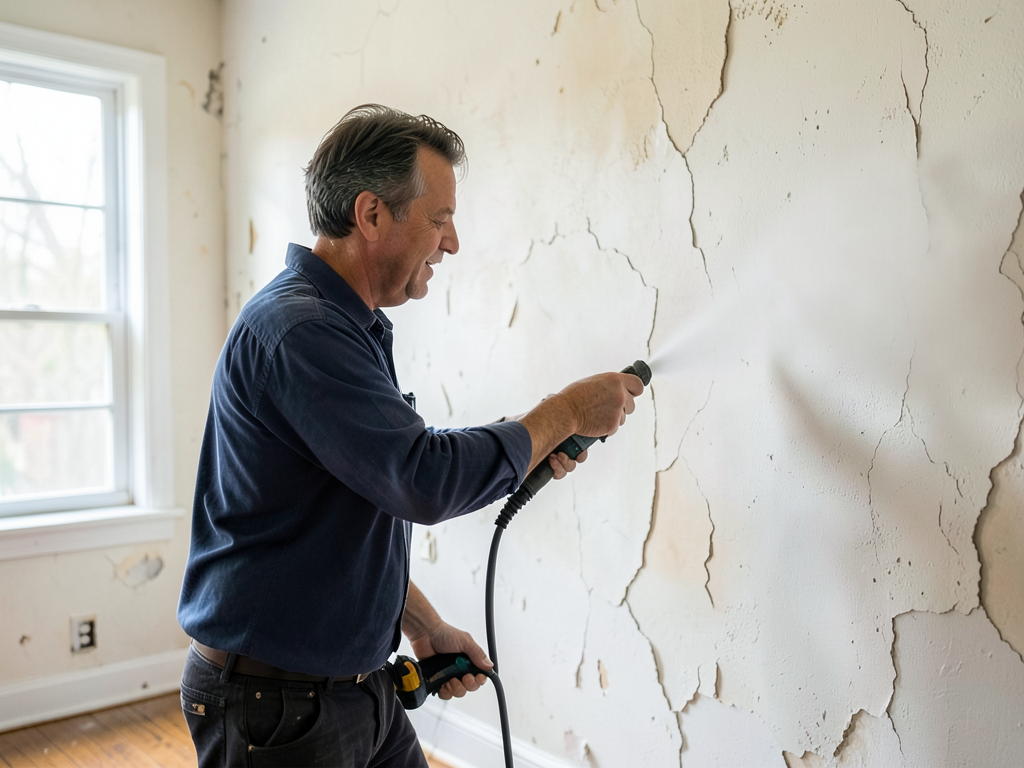
Dry ice blasting uses compressed CO2 pellets accelerated at high velocity to remove mold from surfaces. The extreme cold temperature (-109°F) causes mold and contaminated material to become brittle and separate from the substrate. Unlike traditional sandblasting, dry ice sublimates directly from solid to gas, leaving no secondary waste.
Squirrel Hill homeowners appreciate dry ice blasting for several reasons. The process doesn’t introduce moisture, which is crucial in Pittsburgh’s already humid environment. It’s also non-abrasive to most surfaces, preserving the integrity of century-old plaster walls and decorative woodwork common in Squirrel Hill’s Victorian and Tudor-style homes.
Soda blasting offers a gentler alternative using sodium bicarbonate particles. While effective on concrete and brick, it can be too abrasive for delicate historical materials. The residue requires thorough cleanup, and the moisture introduced during the process can complicate remediation in already-damp basements.. Read more about The big mistake of using bleach to kill mold in your Pittsburgh home.
Method 2: Chemical Antimicrobials and Biocides
Chemical treatments represent the most traditional approach to mold remediation. EPA-registered fungicides like Concrobium or Foster 40-20 are applied after physical removal to kill remaining spores and prevent regrowth. These products work by disrupting the cellular structure of mold organisms.. Read more about What happens to your Homewood home after the fire department leaves.
In Pittsburgh’s climate, chemical treatments must be paired with proper drying protocols. The Allegheny County Health Department recommends maintaining indoor humidity below 50% to prevent mold recurrence. Chemical-only treatments without addressing the moisture source often fail within months.. Read more about How to save your personal library from mold and humidity in Squirrel Hill.
For Squirrel Hill’s historical homes, chemical treatments work best on non-porous surfaces like tile, metal, or sealed concrete. They’re less effective on porous materials where mold has penetrated beyond the surface. The EPA’s Mold Remediation in Schools and Commercial Buildings guide emphasizes that chemicals alone cannot solve mold problems in porous materials.
Method 3: HEPA Vacuuming and Air Scrubbing
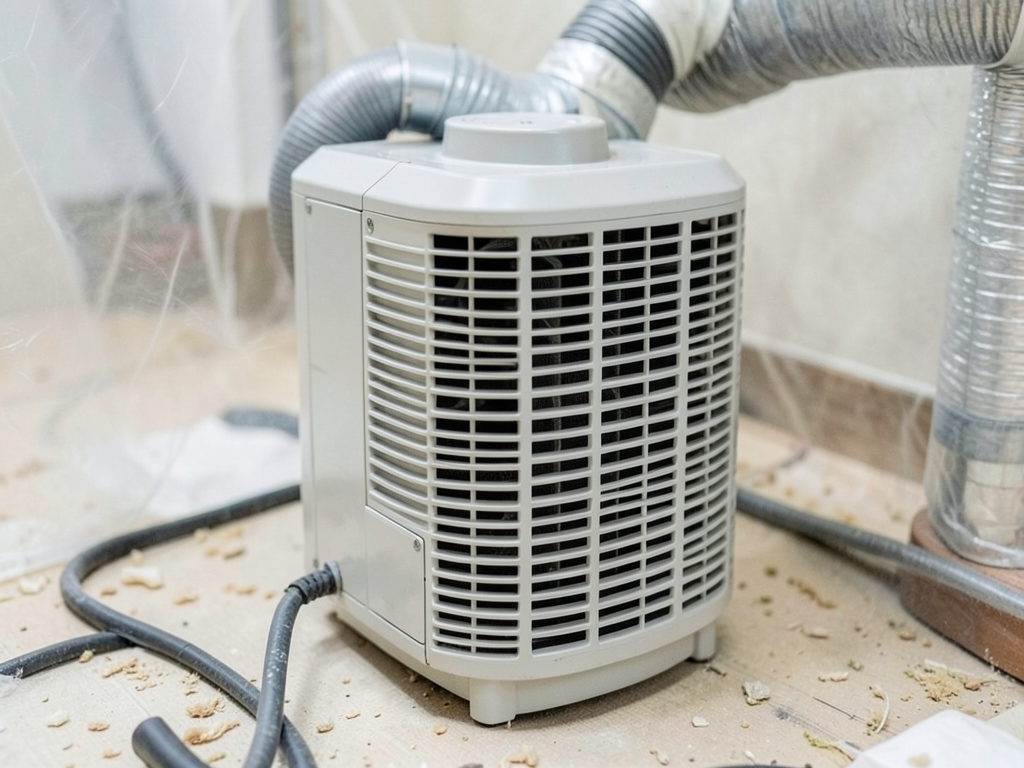
Professional mold remediation always includes containment and air filtration. Negative air pressure containment prevents spores from spreading to unaffected areas during removal. HEPA-filtered air scrubbers capture particles as small as 0.3 microns, removing mold spores from the air.
Pittsburgh’s older homes often have poor ventilation, making containment critical. The IICRC S520 Standard for Professional Mold Remediation requires negative pressure of at least 0.02 inches of water column during remediation. This standard ensures spores don’t migrate through the home’s balloon framing or ductwork.
Air scrubbing typically runs for 24-48 hours after remediation. The equipment’s sound becomes a familiar background noise to homeowners – a steady hum that signals the air is being cleaned. Many Squirrel Hill residents report improved air quality even before visible mold removal begins.
Pittsburgh Case Study: Remediation in Local Architecture
A 1920s Tudor-style home on Murray Avenue presented a classic Squirrel Hill mold scenario. The stone foundation, common in Pittsburgh’s older neighborhoods, allowed groundwater seepage during heavy rains. Previous owners had finished the basement without proper waterproofing, creating a perfect mold environment.
The remediation team chose dry ice blasting for this project. The stone foundation could withstand the process, while the plaster walls required the non-abrasive touch of dry ice. The team discovered extensive mold behind original wood paneling – a common finding in Pittsburgh homes where renovations have sealed in moisture problems.
Post-remediation testing showed spore counts dropped from 12,000 to 180 per cubic meter, well below the 500 threshold for clearance. The homeowner opted for professional waterproofing and a dehumidifier, addressing the root cause rather than just the symptoms.
Choosing the Right Method for Your Property
Several factors determine the best remediation approach for Squirrel Hill homes:
- Material type: Porous materials like plaster and wood often require abrasive removal, while sealed surfaces may only need chemical treatment
- Mold extent: Surface mold responds to chemicals, but deep penetration requires physical removal
- Historical value: Delicate architectural features may limit abrasive options
- Moisture source: Addressing humidity, leaks, or groundwater is essential for lasting results
For most Squirrel Hill historical renovations, a combination approach works best. Dry ice blasting removes visible mold from structural elements, while chemical treatments address remaining spores. HEPA filtration ensures airborne contamination doesn’t spread through the home’s aging HVAC systems.
Post-Remediation Verification in Pennsylvania
Pennsylvania doesn’t require third-party verification for residential mold remediation, but industry best practices recommend it. The Pennsylvania Department of Environmental Protection suggests clearance testing when:
- Mold covers more than 10 square feet
- Occupants have health concerns
- The property will be sold soon
Clearance testing typically costs $200-400 and provides documentation that the remediation was successful. Many Squirrel Hill homeowners find this valuable for peace of mind and future property transactions.
Preventing Mold Recurrence in Pittsburgh’s Climate
Successful remediation requires addressing Pittsburgh’s climate challenges. The region’s freeze-thaw cycles cause foundation cracks that let moisture in. Heavy summer humidity creates condensation on cool basement walls. Proper remediation includes:
- Improving drainage away from foundations
- Installing or repairing sump pumps (required by Pittsburgh plumbing code for basements below grade)
- Using dehumidifiers to maintain 30-50% relative humidity
- Ensuring proper ventilation in crawl spaces and attics
Squirrel Hill’s tree canopy, while beautiful, can contribute to moisture problems by blocking sunlight that would naturally dry foundations. Strategic pruning often helps reduce moisture accumulation.
Cost Considerations for Historical Homes
Mold remediation costs vary significantly based on the chosen method and home characteristics. Dry ice blasting’s higher upfront cost often proves economical for historical homes because it preserves original materials that would be expensive to replace.
Insurance coverage presents another consideration. Most homeowner policies exclude mold damage unless it results from a covered peril like a burst pipe. The Pennsylvania Insurance Department reports that mold claims have increased 300% over the past decade, leading many insurers to add mold exclusions.
Environmental and Health Considerations
Dry ice blasting offers environmental advantages over traditional methods. It produces no chemical runoff, generates minimal waste, and uses CO2 that would otherwise be released into the atmosphere. For environmentally conscious Squirrel Hill residents, this aligns with the neighborhood’s sustainability values.
Health considerations extend beyond mold removal. The remediation process itself can expose occupants to high spore concentrations. Professional remediators wear full PPE including respirators, while homeowners must vacate the property during intensive removal. The musty odor that permeates affected areas becomes a diagnostic clue – that distinctive smell indicates active mold growth requiring attention.
Frequently Asked Questions
Can I stay in my home during mold remediation?
Small-scale remediation (under 10 square feet) may allow occupancy with containment barriers. Larger projects require temporary relocation to prevent exposure to high spore concentrations. Large Scale Water Extraction.
How long does mold remediation take in historical homes?
Most projects complete within 3-7 days, depending on the extent of contamination and the chosen methods. Complex historical renovations may require additional time for careful material handling.
Will mold return after professional remediation?
Mold returns only if moisture problems persist. Professional remediation includes recommendations for moisture control, and following these prevents recurrence in most cases.
Is dry ice blasting safe for all historical materials?
Dry ice works well on most surfaces but may damage extremely delicate materials like original wallpaper or fragile plaster. A professional assessment determines suitability for each surface.
What documentation should I receive after remediation?
Professional remediators provide a detailed report including before/after photos, moisture readings, and air quality test results if performed. This documentation proves valuable for insurance and future property transactions. For more information, visit EPA Mold Resources. For more information, visit IICRC S520 Standard.
Call (412) 382-8788 today to schedule your inspection. Our team understands the unique challenges of Squirrel Hill’s historical homes and can recommend the most effective remediation approach for your specific situation.
You may also find this helpful. How to tell if your Friendship apartment AC unit is blowing mold spores.
Pick up the phone and call (412) 382-8788 before the next storm hits. Pittsburgh’s humid summers create perfect conditions for mold growth, and early intervention prevents costly structural damage.
{
“@context”: “https://schema.org”,
“@type”: “BlogPosting”,
“headline”: “Dry Ice Blasting vs. Traditional Mold Removal for Squirrel Hill Historical Renovations”,
“description”: “Compare dry ice blasting and traditional mold removal methods for Squirrel Hill’s historic homes. Learn which technique works best for Pittsburgh’s humid climate and older architecture.”,
“wordCount”: 1451,
“datePublished”: “2026-05-21T12:05:00.000Z”,
“dateModified”: “2026-05-21T12:05:00.000Z”,
“inLanguage”: “en-US”,
“mainEntityOfPage”: {
“@type”: “WebPage”,
“@id”: “https://reliancewaterdamagerestorationpittsburgh.com”
},
“publisher”: {
“@type”: “LocalBusiness”,
“name”: “Reliance Water Damage Restoration Pittsburgh”,
“url”: “https://reliancewaterdamagerestorationpittsburgh.com”
},
“author”: {
“@type”: “Organization”,
“name”: “Reliance Water Damage Restoration Pittsburgh”,
“url”: “https://reliancewaterdamagerestorationpittsburgh.com”
},
“image”: {
“@type”: “ImageObject”,
“url”: “https://reliancewaterdamagerestorationpittsburgh.com/wp-content/uploads/2026/03/dry-ice-blasting-vs-traditional-mold-removal-for-s-1.png”
}
}
{
“@context”: “https://schema.org”,
“@type”: “LocalBusiness”,
“name”: “Reliance Water Damage Restoration Pittsburgh”,
“url”: “https://reliancewaterdamagerestorationpittsburgh.com”,
“address”: {
“@type”: “PostalAddress”,
“addressLocality”: “Pittsburgh”
},
“areaServed”: {
“@type”: “City”,
“name”: “Pittsburgh”
}
}
{
“@context”: “https://schema.org”,
“@type”: “FAQPage”,
“mainEntity”: [
{
“@type”: “Question”,
“name”: “Can I stay in my home during mold remediation?”,
“acceptedAnswer”: {
“@type”: “Answer”,
“text”: “Small-scale remediation (under 10 square feet) may allow occupancy with containment barriers. Larger projects require temporary relocation to prevent exposure to high spore concentrations. Large Scale Water Extraction.”
}
},
{
“@type”: “Question”,
“name”: “How long does mold remediation take in historical homes?”,
“acceptedAnswer”: {
“@type”: “Answer”,
“text”: “Most projects complete within 3-7 days, depending on the extent of contamination and the chosen methods. Complex historical renovations may require additional time for careful material handling.”
}
},
{
“@type”: “Question”,
“name”: “Will mold return after professional remediation?”,
“acceptedAnswer”: {
“@type”: “Answer”,
“text”: “Mold returns only if moisture problems persist. Professional remediation includes recommendations for moisture control, and following these prevents recurrence in most cases.”
}
},
{
“@type”: “Question”,
“name”: “Is dry ice blasting safe for all historical materials?”,
“acceptedAnswer”: {
“@type”: “Answer”,
“text”: “Dry ice works well on most surfaces but may damage extremely delicate materials like original wallpaper or fragile plaster. A professional assessment determines suitability for each surface.”
}
}
]
}
{
“@context”: “https://schema.org”,
“@type”: “BreadcrumbList”,
“itemListElement”: [
{
“@type”: “ListItem”,
“position”: 1,
“name”: “Home”,
“item”: “https://reliancewaterdamagerestorationpittsburgh.com”
},
{
“@type”: “ListItem”,
“position”: 2,
“name”: “Blog”,
“item”: “https://reliancewaterdamagerestorationpittsburgh.com/blog”
},
{
“@type”: “ListItem”,
“position”: 3,
“name”: “Dry Ice Blasting vs. Traditional Mold Removal for Squirrel Hill Historical Renovations”
}
]
}
{
“@context”: “https://schema.org”,
“@type”: “Service”,
“serviceType”: “Water Damage Restoration”,
“provider”: {
“@type”: “LocalBusiness”,
“name”: “Reliance Water Damage Restoration Pittsburgh”,
“url”: “https://reliancewaterdamagerestorationpittsburgh.com”
},
“areaServed”: {
“@type”: “City”,
“name”: “Pittsburgh”
},
“description”: “Compare dry ice blasting and traditional mold removal methods for Squirrel Hill’s historic homes. Learn which technique works best for Pittsburgh’s humid climate and older architecture.”
}