Emergency Sewage Backup Cleanup in Squirrel Hill, Pittsburgh
When sewage backs up into your Squirrel Hill home, every minute counts. The foul smell hits first, followed by the sight of contaminated water pooling on your basement floor. This isn’t just water damage – it’s a Category 3 biohazard that requires immediate professional intervention. Our team responds within 60 minutes to Squirrel Hill zip codes 15217, 15232, and surrounding areas, bringing specialized equipment to extract raw sewage and begin the decontamination process.
Sewage backups in Squirrel Hill occur because of the neighborhood’s aging infrastructure. Many homes along Forbes Avenue and Murray Avenue were built before 1950, when combined sewer systems were common. These systems can overwhelm during Pittsburgh’s heavy rains, sending sewage back through floor drains. The older brick foundations common in Squirrel Hill also develop cracks over time, creating entry points for contaminated water. You need a team that understands these local vulnerabilities and can respond with the right equipment and expertise.
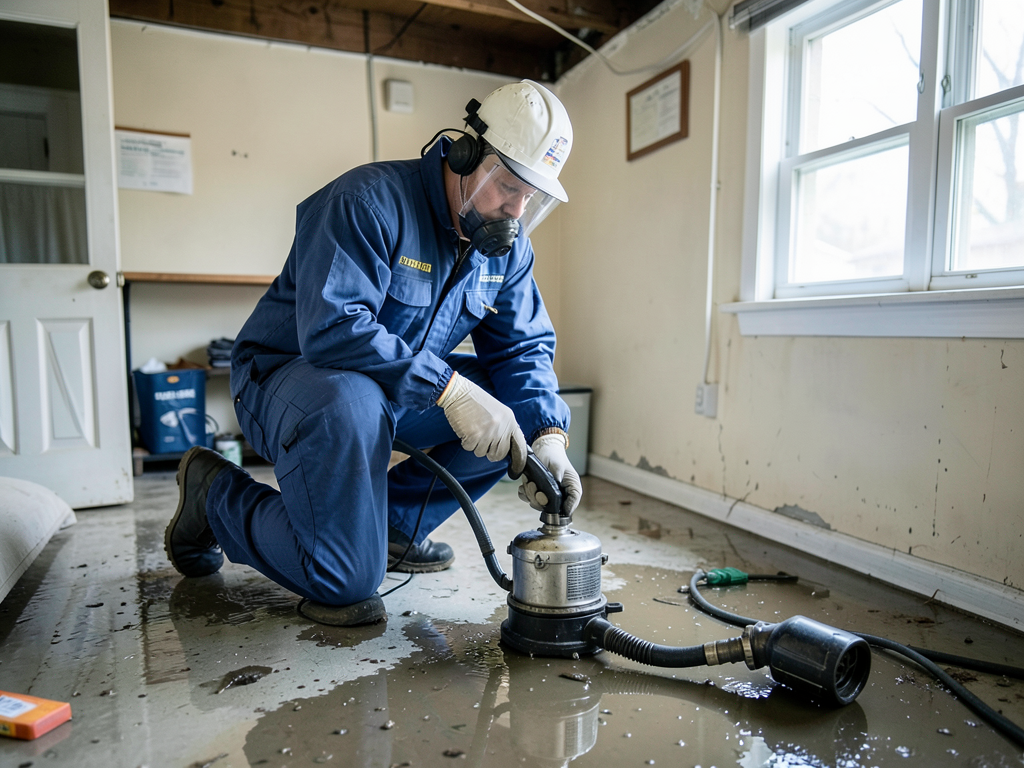
Raw sewage contains harmful pathogens including E. coli, hepatitis A, and various parasites. Exposure can cause serious illness. Our IICRC-certified technicians wear full PPE and use industrial-grade disinfectants that meet EPA standards for biohazard remediation. We don’t just clean the visible mess – we test for remaining contamination and ensure your home is safe for your family to return. EPA emergency disinfection guidelines.
The clock starts ticking the moment sewage enters your home. Call (412) 382-8788 now for immediate emergency response in Squirrel Hill.
The Health Dangers of Category 3 Water
Category 3 water, also called black water, poses serious health risks that go beyond typical water damage. Sewage contains millions of microorganisms per milliliter, including bacteria, viruses, and parasites. When this contaminated water enters your Squirrel Hill basement, it immediately begins degrading your indoor air quality. The musty, rotten smell you notice isn’t just unpleasant – it’s your body detecting harmful airborne particles.
Local health data from Allegheny County shows increased gastrointestinal illness reports following major sewer overflows in Pittsburgh’s older neighborhoods. The pathogens in sewage can survive on surfaces for days or weeks if not properly treated. Children, elderly family members, and those with compromised immune systems face the highest risk of infection. Even brief exposure to contaminated water can lead to skin infections, respiratory issues, and other serious health problems.
Our team uses ATP testing to measure biological contamination levels before, during, and after cleanup. This scientific approach ensures we’ve eliminated all harmful organisms, not just cleaned what you can see. We also use HEPA air scrubbers to filter out airborne contaminants, creating a safe environment for your family during the restoration process.
Our 4-Step Sewage Cleanup Process
- Emergency Assessment and Safety Setup
Our technicians arrive wearing full PPE including respirators, Tyvek suits, and waterproof boots. We assess the extent of contamination using moisture meters and thermal imaging to find hidden water pockets behind walls. Safety barriers are set up to prevent cross-contamination to unaffected areas of your home.
- Containment and Extraction
We establish negative air pressure zones using HEPA-filtered air scrubbers. All contaminated materials including carpet, drywall, and insulation are removed following EPA guidelines for Category 3 water damage. Our truck-mounted extraction units can remove up to 20 gallons of sewage per minute, significantly reducing drying time.
- Structural Drying and Decontamination
After extraction, we use industrial dehumidifiers and air movers to dry all affected materials. We apply EPA-registered antimicrobial treatments to all surfaces, including those that appear dry. Our team uses moisture meters at multiple depths to ensure complete drying, preventing mold growth within 24-48 hours.
- Final Testing and Restoration
We conduct post-remediation verification using ATP testing and moisture readings. Only when all readings meet our strict standards do we proceed with reconstruction. This includes replacing drywall, installing new flooring, and repainting affected areas. We coordinate directly with your insurance company throughout the process.
Why Squirrel Hill Homes Are Vulnerable to Sewage Backups
Squirrel Hill’s vulnerability to sewage backups stems from several factors unique to Pittsburgh’s geography and infrastructure. The neighborhood sits on a slope leading down toward the Monongahela River, creating natural water flow paths that can overwhelm older sewer systems during heavy rainfall. Many homes in the 15217 zip code were built between 1920 and 1950, when combined sewer systems were standard practice in Pittsburgh.
The Pittsburgh Water and Sewer Authority (PWSA) reports that combined sewer overflows occur when stormwater mixes with sanitary sewage during heavy rains, causing system backups. Squirrel Hill’s proximity to major storm drainage paths makes it particularly susceptible. The clay-heavy soil common in Allegheny County also contributes to poor drainage, forcing more water into the sewer system than it can handle.
Older homes in Squirrel Hill often have floor drains connected directly to the main sewer line without backflow prevention valves. When the system backs up, contaminated water has nowhere to go but up through these drains. Our team installs backwater valves as a preventive measure, meeting Pittsburgh building code requirements for sewage protection. We also recommend sump pump installation with battery backup for homes in low-lying areas near Bartlett Playground and other flood-prone zones.
Insurance Coverage and Documentation
Navigating insurance claims after a sewage backup can be overwhelming. Most standard homeowners policies exclude sewage backup unless you have specific riders. Our team works directly with major insurance carriers including State Farm, Allstate, and Nationwide to document damage and streamline the claims process. We provide detailed photo documentation, moisture mapping, and itemized estimates that insurance adjusters require.
The Pennsylvania Insurance Department requires specific documentation for Category 3 water damage claims. We maintain detailed logs of all testing, cleaning procedures, and material disposal, creating a paper trail that supports your claim. Our experience with local insurance providers means we know exactly what documentation they need to approve coverage quickly.
We also assist with emergency repairs that prevent further damage while your claim is being processed. This includes temporary water extraction, containment barriers, and moisture control measures. Our goal is to minimize your out-of-pocket expenses and get your Squirrel Hill home back to normal as quickly as possible.
Preventing Future Sewage Backups
After cleaning up a sewage backup, prevention becomes your top priority. We recommend several measures specific to Squirrel Hill’s infrastructure challenges. First, installing a backwater valve on your main sewer line can prevent 90% of sewage backups. These devices allow water to flow out but not back in, meeting Pittsburgh’s plumbing code requirements.
Regular maintenance of your plumbing system also helps prevent backups. We recommend annual camera inspections of your sewer line to identify tree root intrusion, pipe deterioration, or blockages before they cause problems. Many Squirrel Hill homes have mature trees with roots that can penetrate old clay sewer pipes, creating blockages that lead to backups during heavy rains.
Proper grading around your foundation helps direct water away from your home rather than into your sewer system. We assess your property’s drainage patterns and recommend solutions like French drains or regrading that meet local building codes. For homes near the bottom of Squirrel Hill’s slope, we often recommend exterior waterproofing systems that prevent groundwater from overwhelming your sewer connections.
Frequently Asked Questions
How quickly can you respond to a sewage backup in Squirrel Hill?
We guarantee arrival within 60 minutes for all Squirrel Hill emergency calls. Our dispatch center monitors incoming calls 24/7, and we maintain fully stocked trucks ready to deploy immediately. Most sewage backups require immediate attention to prevent health hazards and structural damage.
Is sewage backup covered by homeowners insurance in Pittsburgh?
Standard policies typically exclude sewage backup coverage. However, many insurers offer inexpensive riders that provide protection. We can help you understand your coverage and work directly with your insurance company to maximize your claim benefits.
How long does sewage cleanup take?
Most sewage cleanup projects in Squirrel Hill take 2-4 days depending on the extent of contamination. The initial extraction and decontamination happens within the first 24 hours. Complete drying and final testing typically require an additional 24-48 hours before reconstruction can begin.
Trust the Local Experts
Squirrel Hill residents deserve a restoration company that understands their specific challenges. Our team has served Pittsburgh neighborhoods for over 15 years, handling everything from minor basement flooding to major Category 3 water damage events. We know the local building codes, understand the infrastructure vulnerabilities, and maintain relationships with insurance providers that serve Allegheny County.
Our IICRC certification means we follow industry best practices for biohazard remediation. We use commercial-grade equipment that most restoration companies don’t invest in, allowing us to complete jobs faster and more thoroughly. Our technicians receive ongoing training in the latest cleaning technologies and safety protocols. IICRC S500 water damage standards.
When sewage backs up in your Squirrel Hill home, you need more than just a cleaning service. You need a restoration partner who will guide you through the entire process, from emergency response to final reconstruction. Call (412) 382-8788 today to schedule your inspection or request immediate emergency service. Don’t wait until the next storm hits – protect your home and your family’s health now.
Understanding the Cost Factors
The cost of sewage cleanup varies based on several factors specific to your Squirrel Hill home. The extent of contamination plays the biggest role – a small backup affecting just your basement floor will cost significantly less than a major event that requires removing walls and flooring throughout your home. The age of your home also matters, as older properties often require more extensive remediation due to porous materials and hidden contamination.
Material types affect both cost and timeline. Hardwood floors can often be saved with proper drying techniques, while carpet and padding in contact with sewage must be removed and replaced. The presence of finished basements with drywall and insulation increases both the scope of work and the cost, as these materials absorb contaminated water quickly.
Accessibility issues can also impact pricing. Homes with finished basements or limited access points may require additional equipment or labor to complete the cleanup properly. We provide detailed, upfront estimates after our initial assessment, so you’ll know exactly what to expect before any work begins.
The Science Behind Effective Cleanup
Effective sewage cleanup isn’t just about removing visible contamination – it’s about understanding the science of microbial growth and chemical interactions. Our technicians use ATP testing to measure biological contamination levels, providing quantitative data that proves when a surface is truly clean. This scientific approach ensures we’ve eliminated all harmful organisms, not just cleaned what you can see.
We use EPA-registered antimicrobials that are specifically formulated for Category 3 water damage. These products don’t just kill bacteria – they continue working for up to 72 hours after application, preventing regrowth of harmful organisms. Our team understands the chemical properties of these treatments and how they interact with different building materials.
Moisture control is equally important from a scientific perspective. We use psychrometric principles to determine the optimal temperature and humidity levels for drying different materials. This prevents secondary damage like warping, cracking, or mold growth that can occur when materials dry too quickly or too slowly.
Local Resources and Support
Living in Squirrel Hill means having access to excellent local resources during emergencies. The Squirrel Hill Urban Coalition provides community support and can connect residents with local services during major flooding events. The nearby Squirrel Hill Library often serves as an information hub during neighborhood emergencies, providing updates on road closures and service disruptions.
Local hardware stores like Home Depot on Penn Avenue stock emergency supplies, though we recommend professional help for sewage cleanup rather than DIY approaches. The Pittsburgh Water and Sewer Authority maintains a 24/7 emergency line for reporting major sewer issues, though response times can vary during widespread events.
Community organizations in Squirrel Hill often coordinate volunteer efforts during major weather events. While these groups provide valuable support, sewage cleanup requires professional expertise to ensure health and safety. Our team works alongside community resources when appropriate, providing the technical expertise needed for proper remediation.
Your Next Steps
If you’re dealing with a sewage backup right now, your first step should be ensuring everyone’s safety. Evacuate the affected area immediately and avoid contact with contaminated water. Turn off your home’s main water supply if you can do so safely, and contact us at (412) 382-8788 for immediate emergency response.
If you’re concerned about preventing future backups, schedule a preventive assessment. Our team can inspect your plumbing system, test your backflow prevention devices, and recommend upgrades that meet Pittsburgh building codes. We also offer annual maintenance plans that include regular inspections and priority emergency service.
Don’t let sewage backup damage your Squirrel Hill home or jeopardize your family’s health. Whether you need immediate emergency service or want to prevent future problems, our local experts are ready to help. Call (412) 382-8788 today to speak with a restoration specialist who understands Squirrel Hill’s unique challenges.
Comparing Sewage Cleanup Methods
| Method | Effectiveness | Time Required | Cost Range |
|---|---|---|---|
| Professional Biohazard Remediation | 99.9% pathogen elimination | 24-72 hours | $3,000 – $15,000 |
| DIY Cleaning with Household Products | 60-70% pathogen reduction | 3-5 days | $200 – $500 |
| Basic Water Extraction Only | 40% pathogen reduction | 1-2 days | $1,000 – $3,000 |
| Professional with Testing Verification | 100% documented elimination | 48-96 hours | $4,000 – $18,000 |
Understanding Sewage Backup Categories
| Category | Source | Health Risk | Cleanup Required |
|---|---|---|---|
| Category 1 (Clean Water) | Broken water line | Low | Basic extraction and drying |
| Category 2 (Gray Water) | washing machine overflow | Moderate | Disinfection and drying |
| Category 3 (Black Water) | Sewage, flooding | High | Complete removal and replacement |
Equipment Used in Professional Sewage Cleanup
- Industrial-grade extractors capable of removing 20+ gallons per minute
- HEPA air scrubbers that filter particles down to 0.3 microns
- ATP testing equipment for real-time contamination verification
- Moisture meters with multiple depth settings for thorough assessment
- EPA-registered antimicrobials specifically formulated for biohazard remediation
Common Sewage Backup Causes in Squirrel Hill
- Combined sewer overflow during heavy Pittsburgh rains
- Tree root intrusion in old clay sewer pipes
- Floor drain backflow from overwhelmed municipal systems
- Failed sump pumps during power outages
- Collapsed sewer lines in homes built before 1950
{
“@context”: “https://schema.org”,
“@type”: “BlogPosting”,
“headline”: “Fixing water damage from a sewage backup in Squirrel Hill”,
“description”: “Emergency sewage backup cleanup in Squirrel Hill. Fast response, biohazard removal, and complete restoration. Call (412) 382-8788 for 24/7 service.”,
“wordCount”: 2336,
“datePublished”: “2026-02-14T16:40:00.000Z”,
“dateModified”: “2026-02-14T16:40:00.000Z”,
“inLanguage”: “en-US”,
“mainEntityOfPage”: {
“@type”: “WebPage”,
“@id”: “https://reliancewaterdamagerestorationpittsburgh.com”
},
“publisher”: {
“@type”: “LocalBusiness”,
“name”: “Reliance Water Damage Restoration Pittsburgh”,
“url”: “https://reliancewaterdamagerestorationpittsburgh.com”
},
“author”: {
“@type”: “Organization”,
“name”: “Reliance Water Damage Restoration Pittsburgh”,
“url”: “https://reliancewaterdamagerestorationpittsburgh.com”
},
“image”: {
“@type”: “ImageObject”,
“url”: “https://reliancewaterdamagerestorationpittsburgh.com/wp-content/uploads/2026/03/fixing-water-damage-from-a-sewage-backup-in-squirr-1.png”
}
}
{
“@context”: “https://schema.org”,
“@type”: “LocalBusiness”,
“name”: “Reliance Water Damage Restoration Pittsburgh”,
“url”: “https://reliancewaterdamagerestorationpittsburgh.com”,
“address”: {
“@type”: “PostalAddress”,
“addressLocality”: “Pittsburgh”
},
“areaServed”: {
“@type”: “City”,
“name”: “Pittsburgh”
}
}
{
“@context”: “https://schema.org”,
“@type”: “FAQPage”,
“mainEntity”: [
{
“@type”: “Question”,
“name”: “How quickly can you respond to a sewage backup in Squirrel Hill?”,
“acceptedAnswer”: {
“@type”: “Answer”,
“text”: “We guarantee arrival within 60 minutes for all Squirrel Hill emergency calls. Our dispatch center monitors incoming calls 24/7, and we maintain fully stocked trucks ready to deploy immediately. Most sewage backups require immediate attention to prevent health hazards and structural damage.”
}
},
{
“@type”: “Question”,
“name”: “Is sewage backup covered by homeowners insurance in Pittsburgh?”,
“acceptedAnswer”: {
“@type”: “Answer”,
“text”: “Standard policies typically exclude sewage backup coverage. However, many insurers offer inexpensive riders that provide protection. We can help you understand your coverage and work directly with your insurance company to maximize your claim benefits.”
}
},
{
“@type”: “Question”,
“name”: “How long does sewage cleanup take?”,
“acceptedAnswer”: {
“@type”: “Answer”,
“text”: “Most sewage cleanup projects in Squirrel Hill take 2-4 days depending on the extent of contamination. The initial extraction and decontamination happens within the first 24 hours. Complete drying and final testing typically require an additional 24-48 hours before reconstruction can begin.”
}
}
]
}
{
“@context”: “https://schema.org”,
“@type”: “HowTo”,
“name”: “How to Clean Up Sewage Backup”,
“step”: [
{
“@type”: “HowToStep”,
“position”: 1,
“name”: “Emergency Assessment and Safety Setup”,
“text”: “Our technicians arrive wearing full PPE including respirators, Tyvek suits, and waterproof boots. We assess the extent of contamination using moisture meters and thermal imaging to find hidden water pockets behind walls. Safety barriers are set up to prevent cross-contamination to unaffected areas of your home.”
},
{
“@type”: “HowToStep”,
“position”: 2,
“name”: “Containment and Extraction”,
“text”: “We establish negative air pressure zones using HEPA-filtered air scrubbers. All contaminated materials including carpet, drywall, and insulation are removed following EPA guidelines for Category 3 water damage. Our truck-mounted extraction units can remove up to 20 gallons of sewage per minute, significantly reducing drying time.”
},
{
“@type”: “HowToStep”,
“position”: 3,
“name”: “Structural Drying and Decontamination”,
“text”: “After extraction, we use industrial dehumidifiers and air movers to dry all affected materials. We apply EPA-registered antimicrobial treatments to all surfaces, including those that appear dry. Our team uses moisture meters at multiple depths to ensure complete drying, preventing mold growth within 24-48 hours.”
},
{
“@type”: “HowToStep”,
“position”: 4,
“name”: “Final Testing and Restoration”,
“text”: “We conduct post-remediation verification using ATP testing and moisture readings. Only when all readings meet our strict standards do we proceed with reconstruction. This includes replacing drywall, installing new flooring, and repainting affected areas. We coordinate directly with your insurance company throughout the process.”
}
],
“image”: “https://reliancewaterdamagerestorationpittsburgh.com/wp-content/uploads/2026/03/fixing-water-damage-from-a-sewage-backup-in-squirr-1.png”
}
{
“@context”: “https://schema.org”,
“@type”: “BreadcrumbList”,
“itemListElement”: [
{
“@type”: “ListItem”,
“position”: 1,
“name”: “Home”,
“item”: “https://reliancewaterdamagerestorationpittsburgh.com”
},
{
“@type”: “ListItem”,
“position”: 2,
“name”: “Blog”,
“item”: “https://reliancewaterdamagerestorationpittsburgh.com/blog”
},
{
“@type”: “ListItem”,
“position”: 3,
“name”: “Fixing water damage from a sewage backup in Squirrel Hill”
}
]
}
{
“@context”: “https://schema.org”,
“@type”: “Service”,
“serviceType”: “Water Damage Restoration”,
“provider”: {
“@type”: “LocalBusiness”,
“name”: “Reliance Water Damage Restoration Pittsburgh”,
“url”: “https://reliancewaterdamagerestorationpittsburgh.com”
},
“areaServed”: {
“@type”: “City”,
“name”: “Pittsburgh”
},
“description”: “Emergency sewage backup cleanup in Squirrel Hill. Fast response, biohazard removal, and complete restoration. Call (412) 382-8788 for 24/7 service.”
}