
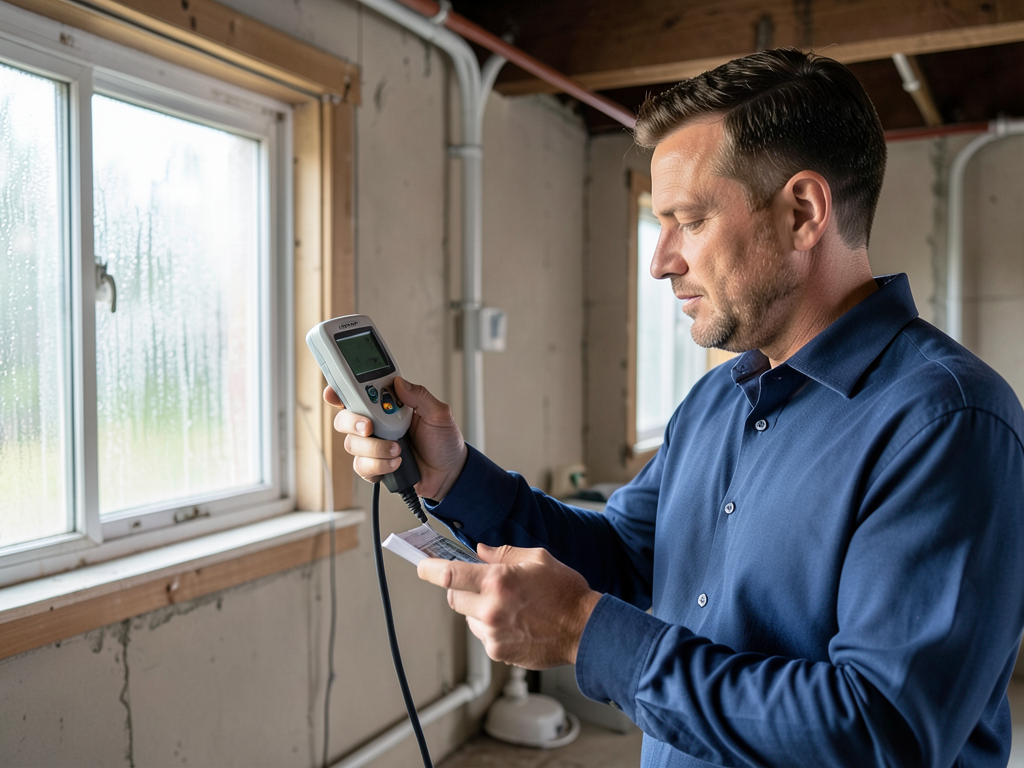
Simple ways to measure the humidity in your Baldwin home without expensive tools
High humidity in your Baldwin home can create the perfect environment for mold growth, wood rot, and structural damage. The humid continental climate of Western Pennsylvania means your home faces moisture challenges year-round, from muggy summer air to condensation problems during cold winters. You can check your home’s humidity levels using simple DIY methods before calling a professional. These tests take minutes and cost nothing.
Start with the ice cube test. Fill a glass with ice cubes and water. Place it on a table away from direct sunlight or heat sources. Wait three minutes. If condensation forms on the outside of the glass within five minutes, your indoor humidity is likely above 60 percent. No condensation means your humidity is probably below 35 percent. Light condensation indicates moderate humidity between 35 and 60 percent. Who to call for emergency water removal in Pittsburgh right now.
Check your windows for condensation patterns. Morning condensation on windows that disappears by midday suggests humidity levels between 50 and 60 percent. Condensation that remains all day indicates humidity above 60 percent. Water pooling on window sills or running down walls signals humidity levels above 70 percent and potential water damage behind walls. Expert water damage restoration for businesses in the Pittsburgh Strip District.
Listen for the sounds of excess moisture. Creaking wood floors, sticking doors, and popping sounds from wood trim indicate humidity levels above 55 percent. These sounds occur because wood absorbs moisture and expands. You might also notice doors that suddenly become difficult to close or windows that stick in their frames.
Sniff for musty odors in basements, crawl spaces, and closets. Musty smells indicate mold growth, which typically starts when humidity exceeds 60 percent for extended periods. Pay special attention to areas near plumbing fixtures, under sinks, and around water-using appliances like dishwashers and washing machines.
Watch for physical signs on walls and ceilings. Peeling wallpaper, bubbling paint, or discolored spots suggest moisture problems. These issues often appear in bathrooms, kitchens, and laundry rooms where humidity levels naturally run higher. Check behind furniture and in corners where air circulation is poor.
Monitor your utility bills for unusual patterns. High humidity forces your air conditioner to work harder, increasing cooling costs. If your summer electric bills spike without explanation, your home might have excess moisture. Similarly, high winter heating bills can indicate poor moisture control allowing heat to escape.
Check your basement walls for efflorescence. This white, powdery substance forms when water moves through concrete and evaporates, leaving mineral deposits behind. Efflorescence indicates moisture penetration through foundation walls, a common problem in Baldwin’s clay soil conditions. Efflorescence on Concrete.
Look at your attic during different seasons. In winter, frost on the underside of your roof deck indicates humidity from your living space is rising into the attic. In summer, dark spots on rafters or insulation suggest moisture problems. Both conditions can lead to structural damage and reduced insulation effectiveness. Cleaning up after a kitchen flood in your Fox Chapel home.
Examine your crawl space if you have one. Standing water, mud on foundation walls, or damp soil surfaces indicate moisture problems that affect your entire home’s humidity. Baldwin’s hilly terrain can cause water to flow toward foundations during heavy rains.
Check your houseplants for signs of excess moisture. Mold growing on soil surfaces, yellowing leaves, or fungus gnats buzzing around plants suggest humidity levels above 65 percent. These conditions also create ideal environments for dust mites and other allergens.
Pay attention to your comfort level. If you feel sticky or clammy indoors even with air conditioning running, humidity is likely above 60 percent. High humidity makes temperatures feel warmer than they actually are and can cause sleep problems and respiratory discomfort.
Monitor your HVAC system’s performance. If your air conditioner runs constantly but never quite cools your home, excess humidity might be the culprit. Air conditioners remove both heat and moisture from indoor air. When humidity is high, the cooling system works harder and less efficiently.
Check your bathroom exhaust fans. Hold a tissue near the fan while it runs. If the tissue does not get pulled toward the fan, it might not be removing moisture effectively. Poor ventilation in bathrooms leads to condensation on mirrors, walls, and ceilings.
Examine your gutters and downspouts during rain. Water overflowing from gutters or pooling near your foundation indicates drainage problems that contribute to high indoor humidity. Baldwin’s heavy clay soil does not drain well, making proper water management critical.
Look for signs of pest problems. Silverfish, cockroaches, and dust mites thrive in humid environments. If you notice increased pest activity, especially in basements or crawl spaces, your home might have humidity issues above 60 percent.
Check your water heater for condensation. If you see water droplets forming on the tank or pipes, your basement humidity might be too high. This condensation can lead to rust and premature water heater failure.
Monitor your basement floor for dampness. If concrete feels cool and slightly damp to the touch, especially after rain, moisture is seeping through. This is common in Baldwin’s older homes with original foundations.
Listen to your home during temperature changes. Popping sounds from walls or ceilings when heating systems turn on or off indicate moisture expansion and contraction in building materials. These sounds suggest humidity levels fluctuate significantly.
Check your refrigerator and freezer for excessive frost buildup. If you need to defrost more than once per year, your home’s humidity might be affecting appliance performance. High humidity forces refrigerators to work harder to maintain cold temperatures.
Examine your window treatments. Curtains or blinds that feel damp to the touch, especially in winter, indicate condensation problems. This moisture can lead to mold growth on fabric and window frames.
Look at your basement ceiling for water stains or discoloration. These marks often appear near plumbing fixtures or HVAC equipment and indicate past or present moisture problems.
Check your laundry room for signs of excess moisture. If clothes take longer than normal to dry or if you notice condensation on walls near the dryer, your home might have humidity issues affecting appliance performance.
Monitor your family’s health symptoms. Increased allergy symptoms, respiratory problems, or skin irritation can indicate high indoor humidity creating conditions for mold and dust mite growth. Black Mold Symptoms.
Examine your home’s exterior for proper grading. Soil should slope away from your foundation at a rate of six inches per ten feet. Poor grading allows water to collect near your foundation, increasing indoor humidity through capillary action.
Check your basement windows for proper sealing. Gaps around window frames allow humid outdoor air to enter, especially during summer months. This infiltration can significantly increase indoor humidity levels.
Listen for unusual HVAC noises. If your air handler makes gurgling sounds, it might indicate condensation problems in the ductwork. This moisture can lead to mold growth inside your HVAC system.
Look for rust on metal surfaces in your basement or crawl space. Rust on HVAC equipment, water pipes, or support beams indicates high humidity levels above 60 percent. This corrosion can lead to equipment failure and structural problems.
Check your basement floor drains for proper function. If water backs up during heavy rain, it indicates drainage problems that contribute to high indoor humidity through sewer gas infiltration and moisture entry.
Monitor your home’s temperature consistency. If some rooms feel significantly warmer or cooler than others, humidity imbalances might be affecting your HVAC system’s ability to distribute conditioned air evenly.
Examine your home’s insulation for signs of moisture damage. Wet or compressed insulation loses its effectiveness and can harbor mold growth. This damage often occurs in attics, walls, and crawl spaces.
Check your basement sump pump for proper operation. If the pump runs frequently or you notice water in the sump pit, groundwater issues might be contributing to high indoor humidity levels.
Look for signs of wood rot around your home’s exterior. Soft or crumbling wood near windows, doors, or foundation indicates moisture problems that likely extend to your indoor humidity levels.
Monitor your home’s relative humidity using these simple tests over several days. Track patterns and note which areas show the most signs of excess moisture. This information helps identify problem sources before they cause serious damage.
If you notice multiple signs of high humidity or cannot identify the moisture source, professional testing might be necessary. Excessive indoor humidity can indicate hidden water damage, plumbing leaks, or foundation problems that require expert diagnosis.
Call (412) 382-8788 today to schedule your inspection. Our Baldwin moisture control specialists use professional-grade diagnostic tools to identify humidity sources and recommend solutions that protect your home and family’s health.
Frequently Asked Questions
What is the ideal indoor humidity level for a Pittsburgh home?
Ideal indoor humidity for Pittsburgh homes ranges from 30 to 50 percent. During winter months, aim for the lower end of this range to prevent condensation on cold surfaces. In summer, you can allow humidity to reach 50 percent for comfort while avoiding the 60 percent threshold where mold growth accelerates.
How quickly can high humidity cause mold growth?
Under ideal conditions with humidity above 60 percent and temperatures between 77 and 86 degrees Fahrenheit, mold can begin growing within 24 to 48 hours. Most common household molds take three to twelve days to become visible. The longer humidity remains elevated, the more extensive mold colonies become.
Can high humidity damage my home’s structure?
Yes. Sustained humidity above 60 percent causes wood to swell, warp, and eventually rot. It also promotes corrosion of metal components, deterioration of drywall, and failure of adhesives in flooring and cabinetry. Over time, these effects compromise your home’s structural integrity and reduce property value.
What areas of my Baldwin home are most vulnerable to humidity problems?
Basements, crawl spaces, bathrooms, laundry rooms, and kitchens face the highest humidity risks. Baldwin’s clay soil and hilly terrain make basements particularly vulnerable to moisture infiltration. Areas near plumbing fixtures, under sinks, and behind appliances also commonly develop humidity problems.
How do I know if I need professional humidity testing?
Call a professional if you notice persistent musty odors, see visible mold growth, experience unexplained allergy symptoms, or cannot identify the moisture source causing high humidity readings. Also seek help if DIY methods fail to resolve humidity problems after two weeks of consistent effort. For more information, visit EPA mold guidelines. For more information, visit CDC mold information.
{
“@context”: “https://schema.org”,
“@type”: “BlogPosting”,
“headline”: “Simple ways to measure the humidity in your Baldwin home without expensive tools”,
“description”: “Learn DIY methods to check humidity levels in your Baldwin home. Discover simple tests, signs of excess moisture, and when to call Pittsburgh’s moisture control experts.”,
“wordCount”: 1750,
“datePublished”: “2026-06-10T09:27:00.000Z”,
“dateModified”: “2026-06-10T09:27:00.000Z”,
“inLanguage”: “en-US”,
“mainEntityOfPage”: {
“@type”: “WebPage”,
“@id”: “https://reliancewaterdamagerestorationpittsburgh.com”
},
“publisher”: {
“@type”: “LocalBusiness”,
“name”: “Reliance Water Damage Restoration Pittsburgh”,
“url”: “https://reliancewaterdamagerestorationpittsburgh.com”
},
“author”: {
“@type”: “Organization”,
“name”: “Reliance Water Damage Restoration Pittsburgh”,
“url”: “https://reliancewaterdamagerestorationpittsburgh.com”
},
“image”: {
“@type”: “ImageObject”,
“url”: “https://reliancewaterdamagerestorationpittsburgh.com/wp-content/uploads/2026/03/simple-ways-to-measure-the-humidity-in-your-baldwi-1.png”
}
}
{
“@context”: “https://schema.org”,
“@type”: “LocalBusiness”,
“name”: “Reliance Water Damage Restoration Pittsburgh”,
“url”: “https://reliancewaterdamagerestorationpittsburgh.com”,
“address”: {
“@type”: “PostalAddress”,
“addressLocality”: “Pittsburgh”
},
“areaServed”: {
“@type”: “City”,
“name”: “Pittsburgh”
}
}
{
“@context”: “https://schema.org”,
“@type”: “FAQPage”,
“mainEntity”: [
{
“@type”: “Question”,
“name”: “What is the ideal indoor humidity level for a Pittsburgh home?”,
“acceptedAnswer”: {
“@type”: “Answer”,
“text”: “Ideal indoor humidity for Pittsburgh homes ranges from 30 to 50 percent. During winter months, aim for the lower end of this range to prevent condensation on cold surfaces. In summer, you can allow humidity to reach 50 percent for comfort while avoiding the 60 percent threshold where mold growth accelerates.”
}
},
{
“@type”: “Question”,
“name”: “How quickly can high humidity cause mold growth?”,
“acceptedAnswer”: {
“@type”: “Answer”,
“text”: “Under ideal conditions with humidity above 60 percent and temperatures between 77 and 86 degrees Fahrenheit, mold can begin growing within 24 to 48 hours. Most common household molds take three to twelve days to become visible. The longer humidity remains elevated, the more extensive mold colonies become.”
}
},
{
“@type”: “Question”,
“name”: “Can high humidity damage my home’s structure?”,
“acceptedAnswer”: {
“@type”: “Answer”,
“text”: “Yes. Sustained humidity above 60 percent causes wood to swell, warp, and eventually rot. It also promotes corrosion of metal components, deterioration of drywall, and failure of adhesives in flooring and cabinetry. Over time, these effects compromise your home’s structural integrity and reduce property value.”
}
},
{
“@type”: “Question”,
“name”: “What areas of my Baldwin home are most vulnerable to humidity problems?”,
“acceptedAnswer”: {
“@type”: “Answer”,
“text”: “Basements, crawl spaces, bathrooms, laundry rooms, and kitchens face the highest humidity risks. Baldwin’s clay soil and hilly terrain make basements particularly vulnerable to moisture infiltration. Areas near plumbing fixtures, under sinks, and behind appliances also commonly develop humidity problems.”
}
}
]
}
{
“@context”: “https://schema.org”,
“@type”: “BreadcrumbList”,
“itemListElement”: [
{
“@type”: “ListItem”,
“position”: 1,
“name”: “Home”,
“item”: “https://reliancewaterdamagerestorationpittsburgh.com”
},
{
“@type”: “ListItem”,
“position”: 2,
“name”: “Blog”,
“item”: “https://reliancewaterdamagerestorationpittsburgh.com/blog”
},
{
“@type”: “ListItem”,
“position”: 3,
“name”: “Simple ways to measure the humidity in your Baldwin home without expensive tools”
}
]
}
{
“@context”: “https://schema.org”,
“@type”: “Service”,
“serviceType”: “Water Damage Restoration”,
“provider”: {
“@type”: “LocalBusiness”,
“name”: “Reliance Water Damage Restoration Pittsburgh”,
“url”: “https://reliancewaterdamagerestorationpittsburgh.com”
},
“areaServed”: {
“@type”: “City”,
“name”: “Pittsburgh”
},
“description”: “Learn DIY methods to check humidity levels in your Baldwin home. Discover simple tests, signs of excess moisture, and when to call Pittsburgh’s moisture control experts.”
}