



Monroeville sits in Allegheny County where freeze-thaw cycles from November through March create constant threats to water lines and foundations. Winter temperatures drop below freezing 90 days per year, causing pipe bursts in older homes throughout Gateway, Old Town, and neighborhoods near Monroeville Mall. Clay-rich soil throughout the Turtle Creek watershed creates poor drainage around foundations, making basement flooding common during spring storms and summer downpours. Properties near Thompson Run and Turtle Creek see elevated groundwater tables that push hydrostatic pressure against foundation walls.
The area receives 38 inches of annual precipitation spread across 170 rainy days, keeping crawl spaces and basements at risk year-round. Many Monroeville homes were built between 1950 and 1980 with outdated waterproofing systems that fail under modern weather patterns. Split-level homes common to Pitcairn Road and William Penn Highway neighborhoods feature below-grade living spaces where water intrusion goes unnoticed until significant damage occurs. Commercial properties along Business Route 22 face similar challenges, with flat roofs collecting water and older drainage systems overwhelmed during heavy rain events.
Reliance Water Damage Restoration Pittsburgh has restored Monroeville properties for years, responding to emergencies from Eastwood Towne Center to the hillside neighborhoods near Monroeville Cemetery. Our technicians know the building stock here, from post-war ranch homes with crawl spaces to multi-level commercial buildings along Mosside Boulevard. We understand how water moves through local construction types and where hidden moisture accumulates behind finished walls.
We maintain equipment staging in Monroeville to cut response times during emergencies. Our trucks carry truck-mounted extraction units that remove standing water faster than portable equipment, preventing secondary damage to subflooring and wall cavities. We deploy air scrubbers and commercial dehumidifiers within the first hour to control humidity levels before mold colonization begins. Thermal imaging cameras map moisture intrusion invisible to the naked eye, finding wet insulation and saturated framing members before they rot.
Our team holds IICRC certifications in water damage restoration and applied structural drying, following proven protocols that insurance adjusters recognize and approve. We document every step with moisture readings, photos, and detailed scope reports that support your claim. You get a single point of contact who coordinates with your insurance company, preventing the runaround that delays repairs. We work with local plumbers, electricians, and general contractors to restore properties completely, not just dry them out and leave.
Most importantly, we answer calls 24/7 because water damage does not wait for business hours. Burst pipes flood homes at 2 AM. Storm water breaches basements during weekend downpours. Sewage backups happen on holidays. Our dispatch sends teams immediately, not the next morning when damage has compounded. That speed difference saves tens of thousands in restoration costs.

Our teams arrive within 60 minutes for emergency calls across Monroeville. We dispatch immediately with truck-mounted extraction units and industrial drying equipment already loaded. You get fast mitigation that stops damage from spreading to unaffected areas, protecting your property value and reducing restoration costs. Speed matters when water is destroying your home or business.

We handle your insurance claim from documentation through final payment. Our estimators use Xactimate software that adjusters trust, preventing disputes over scope and pricing. You get detailed moisture mapping, photo documentation, and loss inventories that support maximum claim approval. We bill insurance directly so you avoid out-of-pocket expenses beyond your deductible.
Every technician on your job holds current IICRC certification in water damage restoration and applied structural drying. We follow industry standards for moisture measurement, equipment placement, and documentation that insurance companies require. You get professional mitigation backed by science, not guesswork. Our certifications mean your property gets dried correctly the first time.
We know Monroeville construction types, from split-level homes near Miracle Mile to commercial buildings along Business Route 22. Our technicians understand local soil conditions, drainage patterns, and how freeze-thaw cycles affect properties throughout Gateway and Old Town neighborhoods. That local expertise means faster diagnosis and better results for your water damage emergency.
Reliance Water Damage Restoration Pittsburgh handles every type of water intrusion affecting Monroeville properties. We respond to residential emergencies in single-family homes, townhouses, and apartment complexes throughout the area. Commercial restoration includes office buildings, retail spaces, medical facilities, and industrial properties along the Monroeville business corridor. Our services span emergency water removal, structural drying, content restoration, mold remediation, and complete reconstruction.
Water damage restoration requires specialized equipment and technical knowledge that varies by water source and property type. Clean water from supply lines demands different protocols than contaminated water from sewage backups. Hardwood floors require different drying techniques than carpet over concrete slabs. We match restoration methods to your specific situation, using moisture meters and thermal imaging to verify complete drying before reconstruction begins. Insurance companies trust our documentation because we follow IICRC standards that eliminate disputes over proper mitigation procedures.
Our emergency water removal service deploys truck-mounted extraction units that remove standing water faster than portable equipment. We extract water from basements, crawl spaces, and living areas before it saturates structural materials. Submersible pumps handle deep flooding while weighted extraction tools pull water from carpet and padding. We remove wet contents to prevent dye transfer and secondary damage, then begin structural drying immediately to prevent mold growth in wall cavities and subflooring.
Structural drying uses industrial dehumidifiers, air movers, and scientific monitoring to remove moisture from building materials. We place equipment based on psychrometric calculations and thermal imaging that shows hidden moisture in walls and ceilings. Daily moisture readings document drying progress until materials reach safe levels below 15 percent moisture content. Our controlled drying prevents warping, swelling, and microbial growth that occurs when properties dry too slowly or unevenly.
Sewage backups and contaminated water require specialized remediation that protects your health. Our technicians wear personal protective equipment and use antimicrobial treatments to sanitize affected areas. We remove contaminated materials that cannot be safely restored, including drywall, insulation, and carpet exposed to category 3 water. Air scrubbers with HEPA filtration control airborne contaminants during cleanup. Complete sanitization and documentation ensure your property is safe for occupancy.
Monroeville water damage stems from predictable sources tied to regional weather patterns and local building characteristics. Freeze-thaw cycles stress water lines in older homes without modern insulation standards. Clay soil creates drainage problems that overwhelm perimeter drain systems during spring thaw and summer storms. Flat roofs on commercial buildings develop membrane failures that allow water infiltration during heavy rain. Sump pump failures during power outages leave basements vulnerable to flooding from high groundwater tables.
Understanding these common problems helps property owners recognize warning signs before minor leaks become major disasters. Water stains on basement walls indicate foundation seepage. Musty odors in crawl spaces signal trapped moisture. Ceiling discoloration shows roof leaks or plumbing failures in upper floors. Fast response when these signs appear prevents extensive structural damage and costly mold remediation.
Water lines in exterior walls, crawl spaces, and unheated areas freeze when temperatures drop below 20 degrees. Frozen pipes burst when water expands, flooding homes with hundreds of gallons before the main valve is shut. Older Monroeville homes with minimal insulation see frequent pipe failures during January and February cold snaps. Fast water extraction prevents subfloor saturation and wall cavity damage.
Clay soil and high groundwater tables push water through foundation cracks and failed waterproofing systems. Spring storms and rapid snow melt overwhelm perimeter drains, flooding basements in Gateway and Old Town neighborhoods. Water enters through floor-wall joints, window wells, and foundation cracks, saturating finished living spaces and storage areas. Proper extraction and structural drying prevent permanent damage to basement finishes.
Heavy rain and wind-driven storms cause roof failures that leak water into attics and living spaces. Missing shingles, damaged flashing, and clogged gutters allow water infiltration that saturates insulation and ceiling drywall. Commercial flat roofs develop membrane failures and ponding water that leaks into interior spaces. Thermal imaging finds hidden moisture in roof decking before visible damage appears on ceilings below.
Power outages during severe storms disable sump pumps protecting basements from groundwater intrusion. Pump mechanical failures during high water events flood basements in properties throughout low-lying areas near Thompson Run. Standing water damages furnaces, water heaters, and electrical systems in addition to finished living spaces. Emergency extraction and equipment drying prevent total loss of mechanical systems and building materials.
Water damage emergencies create stress and confusion. You need clear information about what happens next and realistic timelines for getting your property back to normal. Reliance Water Damage Restoration Pittsburgh follows proven protocols that eliminate surprises and keep you informed throughout the restoration process.
From your first call, you get a dedicated project manager who coordinates every aspect of your restoration. Our dispatch sends technicians within 60 minutes for emergencies, arriving with extraction equipment and moisture detection tools ready to work. We assess damage, explain the restoration plan in plain language, and start mitigation immediately to prevent further loss. You receive daily updates on drying progress, insurance coordination, and reconstruction timelines. Our goal is making a difficult situation as smooth as possible through clear communication and professional execution.
Our dispatch sends technicians within 60 minutes of your call. The team arrives with truck-mounted extraction equipment, moisture meters, and thermal imaging cameras. We locate the water source, stop ongoing intrusion when possible, and assess affected areas. You receive an immediate verbal explanation of damage extent and required mitigation steps. We photograph and document conditions for your insurance claim, then begin emergency water removal to prevent additional damage while we wait for adjuster approval on full restoration scope.
Your project manager contacts your insurance company to report the loss and schedule an adjuster visit. We provide detailed estimates using Xactimate software that matches insurance pricing databases. Moisture mapping, photo documentation, and equipment logs support your claim with evidence adjusters require. We handle all communication with your carrier, preventing delays and disputes. You get maximum claim approval without fighting with insurance companies over proper restoration procedures or equipment costs.
Industrial dehumidifiers and air movers run continuously until moisture meters confirm all building materials reach safe dryness levels. We take daily moisture readings in floors, walls, and ceilings, adjusting equipment placement as conditions change. Thermal imaging verifies no hidden moisture remains in wall cavities or subflooring. You receive final documentation showing your property is completely dry and ready for reconstruction. Our drying protocols meet IICRC standards that prevent callbacks for mold growth or material failures.
Fast, effective water damage restoration follows proven steps that protect your property and speed recovery. We eliminate confusion by breaking the process into clear phases you can understand.
Technicians arrive with truck-mounted extraction units that remove standing water immediately. We extract water from all affected areas including basements, crawl spaces, and living areas. Submersible pumps handle deep flooding while weighted tools pull water from carpet and padding. We remove wet contents and non-salvageable materials, then apply antimicrobial treatments to prevent microbial growth. Fast extraction in the first 24 hours prevents secondary damage to building materials and contents.
Industrial dehumidifiers and air movers create controlled drying conditions based on temperature, humidity, and airflow calculations. We monitor moisture levels daily in floors, walls, and ceilings using penetrating and non-invasive meters. Thermal imaging cameras find hidden moisture behind finished surfaces. Equipment placement adjusts as drying progresses to target remaining wet areas. Air scrubbers control airborne particles during the drying process. Complete drying typically takes three to five days depending on materials and saturation extent.
Once moisture readings confirm complete drying, reconstruction begins on damaged areas. We replace drywall, insulation, flooring, and trim removed during mitigation. Painting, cabinet installation, and finish work return your property to pre-loss condition. Our crews coordinate with specialized trades for electrical, plumbing, and HVAC repairs. You get a single point of contact managing all reconstruction phases. Final walkthrough ensures every detail meets your approval before we close the project.
Professional water damage restoration follows scientific principles and industry standards that separate proper mitigation from inadequate drying. The Institute of Inspection, Cleaning and Restoration Certification establishes protocols that protect structural integrity and prevent microbial growth. These standards guide equipment selection, moisture monitoring, and drying verification that insurance companies require for claim approval.
Water damage restoration uses psychrometrics, the study of air and moisture relationships, to create optimal drying conditions. Dehumidifiers remove moisture from air while air movers increase evaporation rates from wet surfaces. The balance between these systems determines drying speed and effectiveness. Temperature control accelerates evaporation, which is why we use heat in some situations and avoid it in others depending on material types and moisture content.
Material science determines restoration approaches for different building components. Drywall absorbs water rapidly and requires removal when saturated above 20 percent moisture content. Hardwood flooring cups and crowns when moisture content exceeds 12 percent, requiring specialized drying mats that extract moisture without heat damage. Concrete slabs hold moisture for weeks, requiring continuous dehumidification until moisture vapor emission rates drop to safe levels for new flooring installation.
Moisture measurement uses both invasive and non-invasive tools to map water intrusion and verify drying progress. Pin-type meters penetrate materials to measure electrical resistance that correlates with moisture content. Non-invasive meters detect moisture through finished surfaces without causing damage. Thermal imaging cameras show temperature differentials that indicate trapped moisture invisible to moisture meters alone. This combination of tools ensures complete moisture mapping and drying verification.
Category classification determines restoration protocols and safety requirements. Category 1 water from supply lines requires standard extraction and drying. Category 2 water from appliance overflows contains contaminants requiring antimicrobial treatment. Category 3 water from sewage backups and flooding demands complete sanitization and often material removal due to health hazards. Proper classification protects occupant safety and guides insurance claim documentation.
The IICRC establishes standards for water damage restoration that trained technicians must follow. These standards cover moisture measurement protocols, equipment placement, antimicrobial application, and drying verification procedures. Insurance companies require IICRC-certified restoration companies because these standards ensure proper mitigation. Our technicians maintain current certifications through continuing education on emerging restoration techniques and safety protocols. This certification protects you from improper drying that leads to mold growth and structural damage.
Water damage restoration costs depend on water volume, affected area size, material types, and contamination level. Clean water extraction costs less than sewage cleanup requiring sanitization and material removal. Hardwood floor drying costs more than carpet extraction due to specialized equipment requirements. Multi-story water intrusion increases costs due to affected area size and material complexity. Insurance typically covers reasonable restoration costs, but your deductible and coverage limits affect out-of-pocket expenses.
Structural drying typically requires three to five days for standard water damage affecting wood-frame construction. Concrete and masonry materials extend drying to seven to ten days due to density and lower evaporation rates. Crawl space drying takes longer due to limited airflow and high humidity. Winter drying requires more time than summer drying due to lower temperatures and humidity control challenges. Rush drying damages materials and causes callbacks, so realistic timelines protect your property value.
Pennsylvania requires water damage restoration companies to carry general liability insurance and workers compensation coverage protecting property owners from liability. Legitimate restoration companies provide certificates of insurance upon request. Contractor licensing applies when restoration includes reconstruction work beyond basic drying services. We maintain all required insurance and licensing for complete water damage restoration and reconstruction services. This protection prevents you from liability if workers are injured on your property during restoration.
This video covers professional water damage restoration services in Monroeville, Pennsylvania, explaining emergency water extraction, structural drying procedures, and insurance claim coordination. Viewers learn about common water damage causes affecting Monroeville properties including frozen pipe bursts, basement flooding from poor drainage, storm damage, and sump pump failures. The video explains IICRC restoration standards, moisture measurement techniques, and realistic drying timelines for residential and commercial properties throughout eastern Allegheny County.
Reliance Water Damage Restoration Pittsburgh provides emergency water damage restoration throughout Monroeville and neighboring communities in eastern Allegheny County. Our rapid response covers residential and commercial properties from Gateway and Old Town near the Monroeville Mall to hillside neighborhoods surrounding Monroeville Cemetery. We serve homes and businesses along the Business Route 22 corridor, including properties near Eastwood Towne Center and the Miracle Mile shopping district.
Our service area extends to split-level homes and ranch properties throughout neighborhoods near William Penn Highway and Pitcairn Road, where freeze-thaw cycles and clay soil create persistent water intrusion challenges. We respond to emergencies in Turtle Creek valley properties where high groundwater tables and Thompson Run flooding affect basements and crawl spaces during spring storms. Commercial restoration includes office buildings, retail centers, and industrial facilities along Mosside Boulevard and the eastern business district.
Water damage characteristics vary across Monroeville based on elevation, soil conditions, and construction era. Properties in low-lying areas near Turtle Creek experience different flooding patterns than hillside homes with better drainage. Older neighborhoods built in the 1950s and 1960s face burst pipe risks in winter due to minimal insulation standards, while newer construction in developing areas deals with grading and drainage issues common to recent subdivisions. Our technicians understand these location-specific challenges and adjust restoration approaches accordingly.
We maintain rapid response capabilities throughout the greater Monroeville metro area, including neighboring communities in Pitcairn, Penn Hills, and North Versailles. Our equipment staging and dispatch coordination ensure consistent 60-minute response times regardless of your property location. This geographic coverage means you get the same fast service and professional restoration whether your emergency occurs in central Monroeville or surrounding areas. We know eastern Allegheny County construction types, weather patterns, and infrastructure challenges that affect water damage risks across the entire service area.
Water damage restoration in Monroeville typically takes 3 to 5 days for minor incidents and 1 to 2 weeks for extensive damage. The timeline depends on several factors. These include the amount of water, affected materials, and structural involvement. Standing water extraction takes a few hours. Drying and dehumidification require 2 to 4 days. Repairs and reconstruction add extra time. Severe flooding or sewage backups extend the process. Your restoration team will assess your situation and provide a specific timeline based on your property's needs.
Water damage restoration expenses in Monroeville vary widely based on damage severity and scope. Minor water removal and drying for a small area differs significantly from whole-home flooding with structural repairs. The extent of affected materials, water category, and required reconstruction all influence total expenses. Most Monroeville restoration companies offer free inspections and detailed estimates. They work directly with your insurance provider to streamline billing. Request multiple quotes and verify the scope of work included. Emergency services and after-hours response affect pricing differently than scheduled appointments.
Most homeowners insurance policies in Monroeville cover sudden and accidental water damage. This includes burst pipes, appliance malfunctions, and roof leaks from storms. Your policy typically excludes gradual damage from neglect or poor maintenance. Flood damage requires separate flood insurance through the National Flood Insurance Program. Review your policy details and contact your insurance agent immediately after discovering damage. Document everything with photos and videos. Your adjuster will determine coverage based on your specific policy terms and the damage cause.
Water damage restoration in Monroeville typically takes 3 to 5 days for minor incidents and 1 to 2 weeks for extensive damage. The timeline depends on several factors. These include the amount of water, affected materials, and structural involvement. Standing water extraction takes a few hours. Drying and dehumidification require 2 to 4 days. Repairs and reconstruction add extra time. Severe flooding or sewage backups extend the process. Your restoration team will assess your situation and provide a specific timeline based on your property's needs.
Water damage restoration expenses in Monroeville vary widely based on damage severity and scope. Minor water removal and drying for a small area differs significantly from whole-home flooding with structural repairs. The extent of affected materials, water category, and required reconstruction all influence total expenses. Most Monroeville restoration companies offer free inspections and detailed estimates. They work directly with your insurance provider to streamline billing. Request multiple quotes and verify the scope of work included. Emergency services and after-hours response affect pricing differently than scheduled appointments.
Most homeowners insurance policies in Monroeville cover sudden and accidental water damage. This includes burst pipes, appliance malfunctions, and roof leaks from storms. Your policy typically excludes gradual damage from neglect or poor maintenance. Flood damage requires separate flood insurance through the National Flood Insurance Program. Review your policy details and contact your insurance agent immediately after discovering damage. Document everything with photos and videos. Your adjuster will determine coverage based on your specific policy terms and the damage cause.
Choose a Monroeville water damage restoration company with IICRC certification and local experience. Check online reviews and ask for references from past clients. Verify they offer 24/7 emergency response and quick arrival times. Confirm they handle insurance claims and provide detailed written estimates. Ask about their equipment, drying methods, and restoration process. Local companies understand Monroeville's climate and common water issues. Avoid companies demanding full payment upfront. Select a team with trained technicians and modern moisture detection tools for thorough work.
Common water damage signs in Monroeville homes include water stains on ceilings and walls. You might notice peeling paint, bubbling wallpaper, or warped flooring. Musty odors indicate hidden moisture and potential mold growth. Check for soft spots in walls or floors. Look for visible mold patches in bathrooms and basements. Increased water bills suggest hidden leaks. Your home might feel more humid than normal. Rust around pipes and fixtures signals long-term moisture exposure. Address these signs immediately to prevent structural damage and health risks.
You might stay in your Monroeville home during minor water damage restoration affecting one room. Extensive damage often requires temporary relocation for safety and health reasons. Sewage backups and category 3 water create unsafe conditions requiring evacuation. Loud equipment running 24/7 makes staying uncomfortable. Structural concerns and electrical hazards pose risks during major restoration. Your restoration team will assess safety and recommend whether you should leave. They prioritize completing work quickly so you return home soon. Ask about their timeline and what to expect.
Call for water damage restoration in Monroeville immediately after discovering water. Wait time dramatically increases damage severity and restoration expenses. Water spreads quickly through floors, walls, and belongings. Mold starts growing within 24 to 48 hours in damp conditions. Structural materials weaken as they absorb moisture. Quick response saves more of your property and reduces health risks. Most Monroeville restoration companies offer 24/7 emergency service. Even if damage seems minor, professional assessment prevents hidden problems from worsening and creating bigger issues later.
Water damage restoration in Monroeville follows a structured process. First, technicians inspect and assess damage severity. They extract standing water using pumps and vacuums. Next comes moisture detection in walls, floors, and hidden spaces. Industrial dehumidifiers and air movers dry affected areas completely. Teams remove unsalvageable materials and clean salvageable items. They apply antimicrobial treatments to prevent mold growth. Final steps include repairs and reconstruction to restore your home. Throughout the process, companies document everything for insurance claims and maintain communication about progress and timeline.
Yes, water damage frequently leads to mold in Monroeville homes if not addressed quickly. Mold spores exist everywhere and need only moisture and organic material to grow. Pennsylvania's humid climate accelerates mold development after water events. Mold appears within 24 to 48 hours in damp conditions. It grows behind walls, under flooring, and in hidden spaces you cannot see. Professional restoration includes thorough drying and antimicrobial treatments to prevent mold. Proper ventilation and dehumidification stop spores from establishing colonies and spreading throughout your home.
Yes, most Monroeville water damage restoration companies work directly with insurance adjusters. They document damage with photos and detailed reports for your claim. Many provide direct billing services to your insurance company. Experienced restoration firms understand claim processes and required documentation. They communicate with adjusters throughout restoration to keep claims moving forward. This coordination reduces your stress and paperwork burden. Some companies even help you understand your coverage and deductible. Working with insurance-experienced restoration teams typically results in smoother claims and faster approvals for necessary work.
Choose a Monroeville water damage restoration company with IICRC certification and local experience. Check online reviews and ask for references from past clients. Verify they offer 24/7 emergency response and quick arrival times. Confirm they handle insurance claims and provide detailed written estimates. Ask about their equipment, drying methods, and restoration process. Local companies understand Monroeville's climate and common water issues. Avoid companies demanding full payment upfront. Select a team with trained technicians and modern moisture detection tools for thorough work.
Common water damage signs in Monroeville homes include water stains on ceilings and walls. You might notice peeling paint, bubbling wallpaper, or warped flooring. Musty odors indicate hidden moisture and potential mold growth. Check for soft spots in walls or floors. Look for visible mold patches in bathrooms and basements. Increased water bills suggest hidden leaks. Your home might feel more humid than normal. Rust around pipes and fixtures signals long-term moisture exposure. Address these signs immediately to prevent structural damage and health risks.
You might stay in your Monroeville home during minor water damage restoration affecting one room. Extensive damage often requires temporary relocation for safety and health reasons. Sewage backups and category 3 water create unsafe conditions requiring evacuation. Loud equipment running 24/7 makes staying uncomfortable. Structural concerns and electrical hazards pose risks during major restoration. Your restoration team will assess safety and recommend whether you should leave. They prioritize completing work quickly so you return home soon. Ask about their timeline and what to expect.
Call for water damage restoration in Monroeville immediately after discovering water. Wait time dramatically increases damage severity and restoration expenses. Water spreads quickly through floors, walls, and belongings. Mold starts growing within 24 to 48 hours in damp conditions. Structural materials weaken as they absorb moisture. Quick response saves more of your property and reduces health risks. Most Monroeville restoration companies offer 24/7 emergency service. Even if damage seems minor, professional assessment prevents hidden problems from worsening and creating bigger issues later.
Water damage restoration in Monroeville follows a structured process. First, technicians inspect and assess damage severity. They extract standing water using pumps and vacuums. Next comes moisture detection in walls, floors, and hidden spaces. Industrial dehumidifiers and air movers dry affected areas completely. Teams remove unsalvageable materials and clean salvageable items. They apply antimicrobial treatments to prevent mold growth. Final steps include repairs and reconstruction to restore your home. Throughout the process, companies document everything for insurance claims and maintain communication about progress and timeline.
Yes, water damage frequently leads to mold in Monroeville homes if not addressed quickly. Mold spores exist everywhere and need only moisture and organic material to grow. Pennsylvania's humid climate accelerates mold development after water events. Mold appears within 24 to 48 hours in damp conditions. It grows behind walls, under flooring, and in hidden spaces you cannot see. Professional restoration includes thorough drying and antimicrobial treatments to prevent mold. Proper ventilation and dehumidification stop spores from establishing colonies and spreading throughout your home.
Yes, most Monroeville water damage restoration companies work directly with insurance adjusters. They document damage with photos and detailed reports for your claim. Many provide direct billing services to your insurance company. Experienced restoration firms understand claim processes and required documentation. They communicate with adjusters throughout restoration to keep claims moving forward. This coordination reduces your stress and paperwork burden. Some companies even help you understand your coverage and deductible. Working with insurance-experienced restoration teams typically results in smoother claims and faster approvals for necessary work.
While we provide rapid mobile service directly to your location, you can also find our physical business location on the map below. This map highlights our primary service area and shows our commitment to serving the Pittsburgh community. We are always ready to dispatch our expert team to your home or business, no matter where you are in our service region. Feel free to use the interactive map to get directions or to visualize our proximity to you.
Address:
Monroeville, PA, 15140

Why Sharpsburg street flooding often leads to sewer backups in your home\n\nWhen heavy rain hits Sharpsburg the streets can fill with water faster than the drainage system can handle. That standing water is more than…
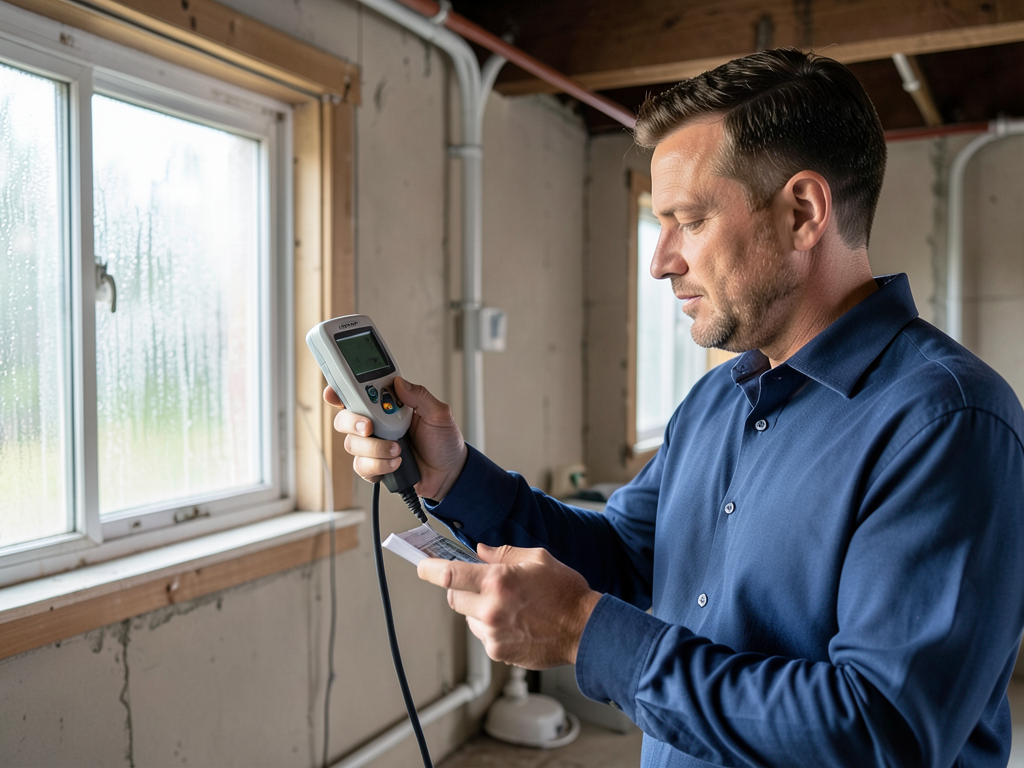
Simple ways to measure the humidity in your Baldwin home without expensive tools High humidity…
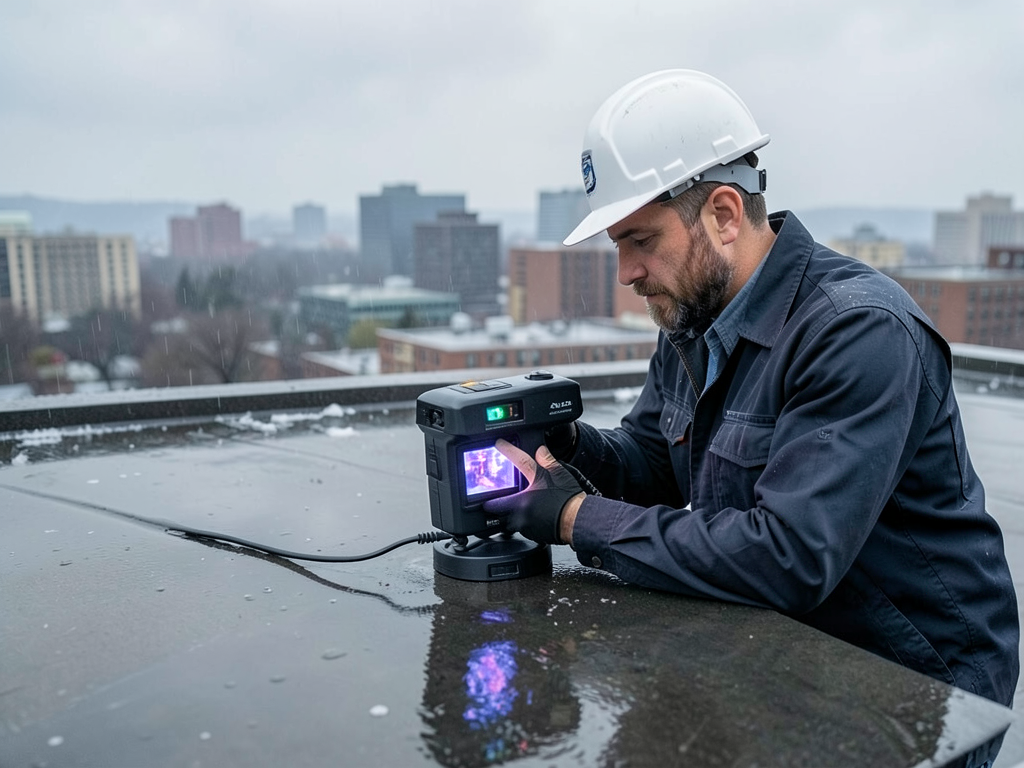
Dealing with water pooling on your South Side flat roof after a heavy storm Water…
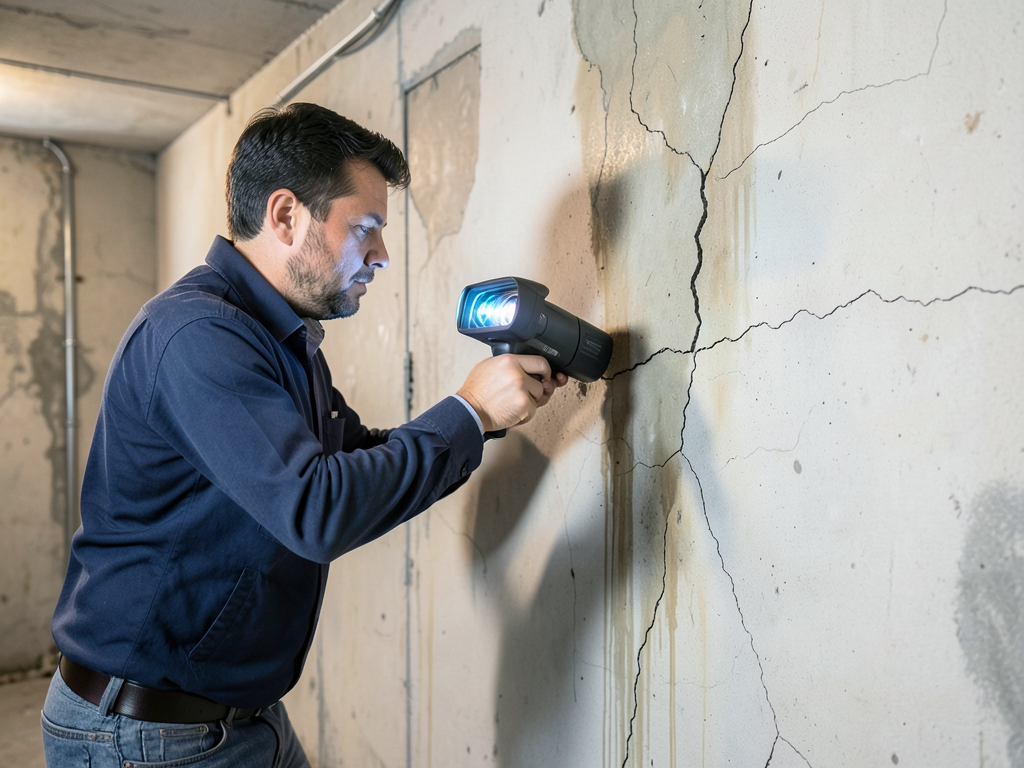
Why the steep hills in Observatory Hill might be cracking your foundation Living on Pittsburgh’s…
Water damage spreads fast. Every minute counts when your Monroeville property floods. Call (412) 382-8788 now for immediate emergency response. Our certified technicians are standing by 24/7 with truck-mounted extraction equipment and industrial drying systems. We work directly with your insurance company and restore your property fast.