




Menu

Structural Drying Services in Pittsburgh | Advanced Equipment and Proven Science Behind Every Restoration

Reliance Water Damage Restoration Pittsburgh delivers comprehensive structural drying services using thermal imaging, industrial-grade dehumidifiers, and EPA-approved drying protocols that protect your building from hidden moisture, mold growth, and long-term structural compromise.

Slider Image 1
Slider Image 2
Slider Image 3
Slider Image 4
Slider Image 5
Slider Image 7
Slider Image 8
Slider Image 9
Slider Image 10
Slider Image 11

Why Pittsburgh Buildings Demand Expert Structural Drying

Pittsburgh's climate creates unique challenges for water-damaged structures. The city's average 39 inches of annual rainfall, combined with freeze-thaw cycles that stress building materials and high summer humidity that slows evaporation, means water intrusion requires more than fans and open windows.

Water migrates through Pittsburgh's older building stock differently than newer construction. Victorian-era rowhouses in Lawrenceville, post-war brick bungalows in Brookline, and steel-framed commercial buildings in the Strip District each require tailored structural dehumidification services. Water travels through plaster walls, saturates hardwood subfloors, and settles into masonry foundations at different rates depending on building age, material composition, and existing vapor barriers.

The consequences of incomplete drying appear weeks or months later. Hidden moisture in wall cavities promotes mold growth. Saturated framing lumber loses structural integrity. Concrete slabs develop efflorescence that damages flooring. Professional structural drying eliminates these risks through controlled evaporation rates, continuous moisture monitoring, and targeted airflow that reaches concealed spaces.

Rapid structural drying addresses the invisible threats that cause insurance claim rejections and long-term building degradation. You need more than surface-level drying. You need structure drying solutions that document moisture reduction through every phase of restoration. That requires calibrated equipment, building science knowledge, and experience with Pittsburgh's specific construction types. Restorative drying services protect your investment by ensuring complete moisture removal before reconstruction begins.

Why Pittsburgh Buildings Demand Expert Structural Drying
The Science Behind Effective Structural Drying

The Science Behind Effective Structural Drying

Structural drying is controlled evaporation. We manipulate temperature, humidity, and airflow to accelerate water removal while preventing secondary damage. This requires understanding psychrometrics, the science of air-moisture relationships that determines how quickly materials release absorbed water.

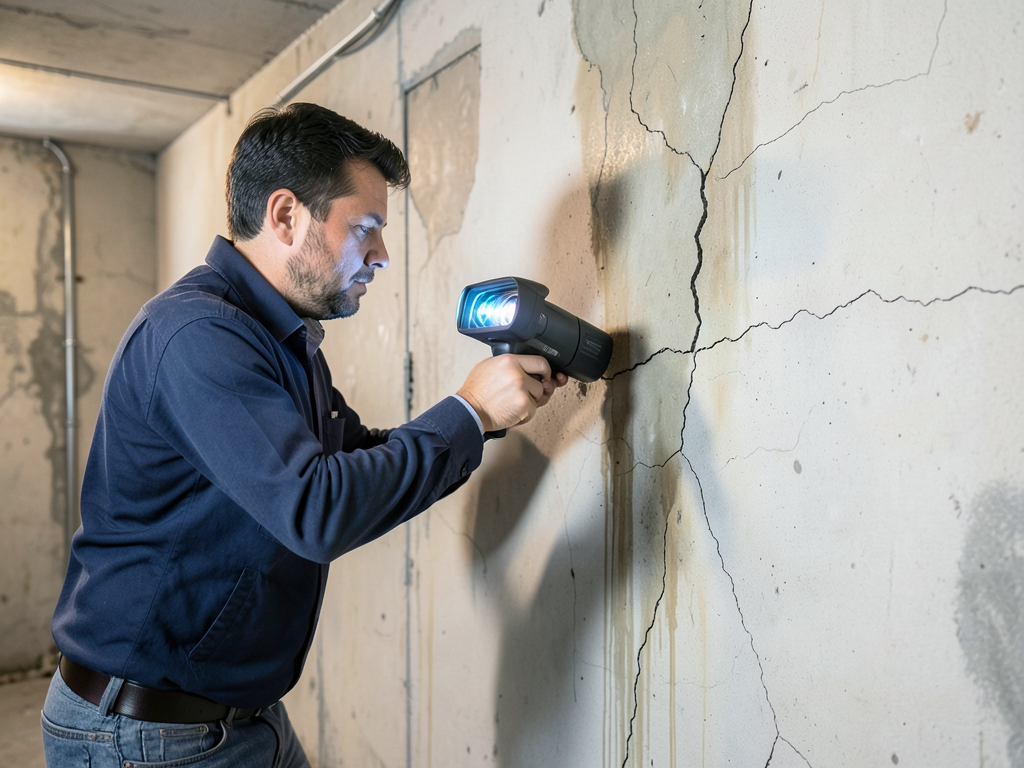
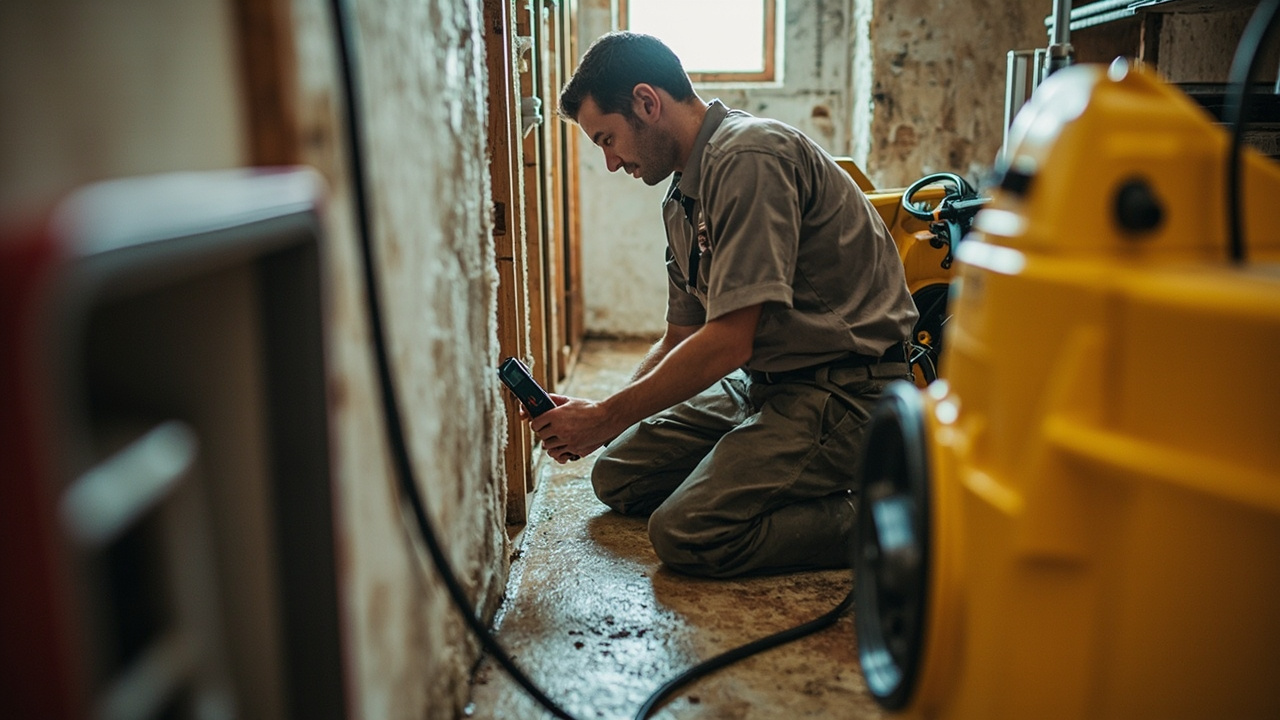
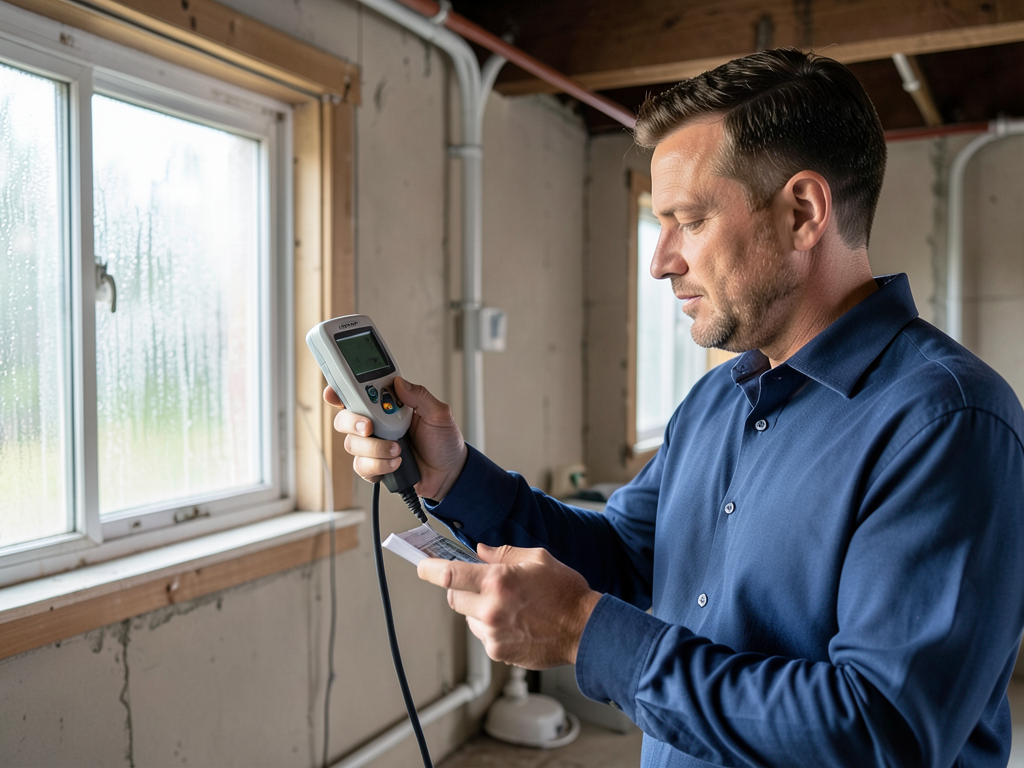
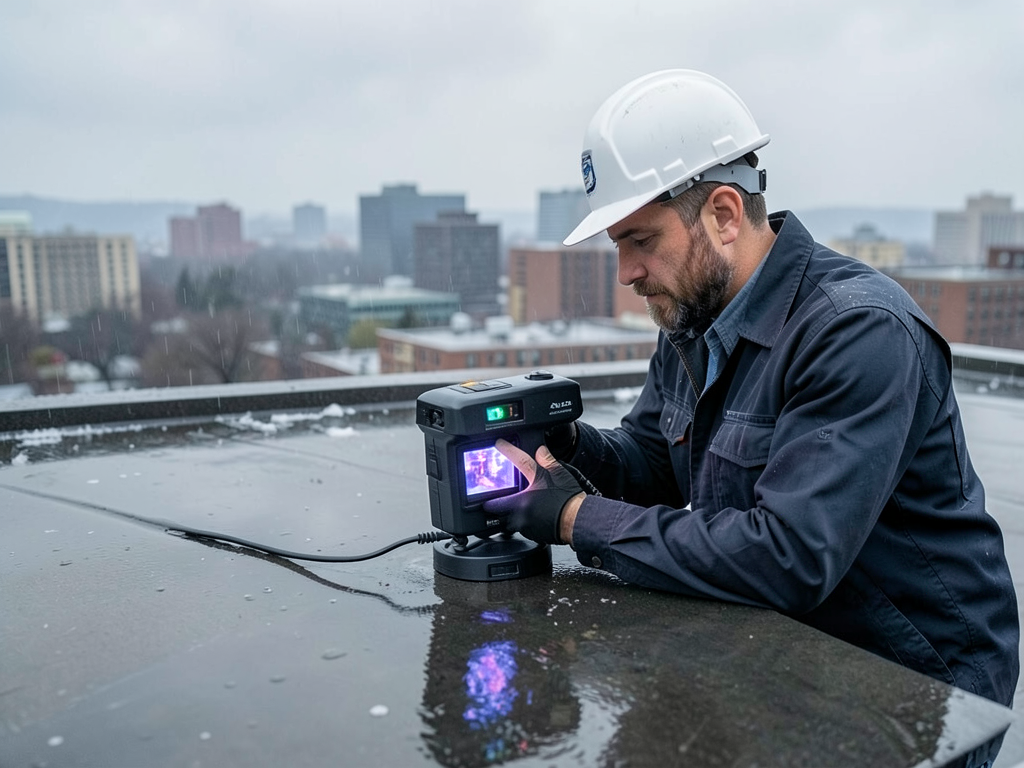
We begin with thermal imaging to map moisture distribution. Infrared cameras reveal water in wall cavities, ceiling assemblies, and subfloor systems that visual inspection misses. We document moisture content with penetrating and non-invasive meters, establishing baseline readings in affected and unaffected areas. These measurements guide equipment placement and verify drying progress.

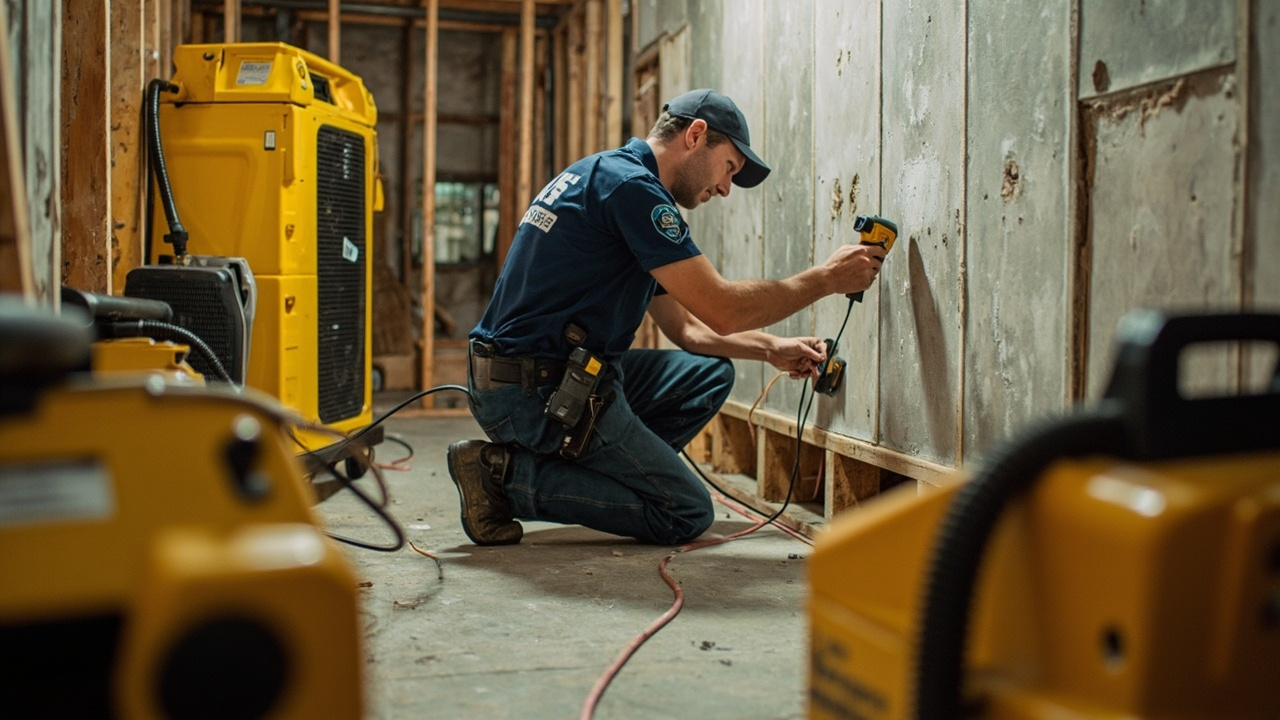
Our equipment creates optimal drying conditions. Low-grain refrigerant dehumidifiers remove moisture from the air, lowering relative humidity to 30-40 percent. This humidity gradient pulls water from materials into the air. Air movers position airflow across wet surfaces and through structural cavities, replacing saturated air with drier air. The combination accelerates evaporation rates while preventing condensation in cooler areas.

We adjust drying strategies based on material type. Hardwood flooring requires slow, controlled drying to prevent cupping and cracking. Plaster walls need indirect airflow to avoid surface damage. Concrete slabs benefit from desiccant dehumidifiers that achieve extremely low humidity levels. Each material class has an optimal drying rate that balances speed with preservation.

Daily monitoring tracks moisture reduction. We compare readings to industry-standard drying goals, adjusting equipment placement and airflow patterns as materials approach normal moisture content. Structural drying concludes when three consecutive readings show moisture levels match unaffected reference areas. This documentation proves complete moisture removal and supports insurance claims. You receive a drying log that details every measurement, equipment change, and verification reading throughout the process.

What Happens During Professional Structural Drying

Structural Drying Services in Pittsburgh | Advanced Equipment and Proven Science Behind Every Restoration
01

Emergency Water Extraction

We remove standing water before structural drying begins. Truck-mounted extractors and submersible pumps eliminate bulk water from floors, basements, and crawlspaces. This initial extraction removes 90 percent of water volume and prevents continued absorption into building materials. We extract water from carpeting, padding, and porous contents, then assess whether materials require removal or can be restored through targeted drying protocols.
02

Controlled Environment Creation

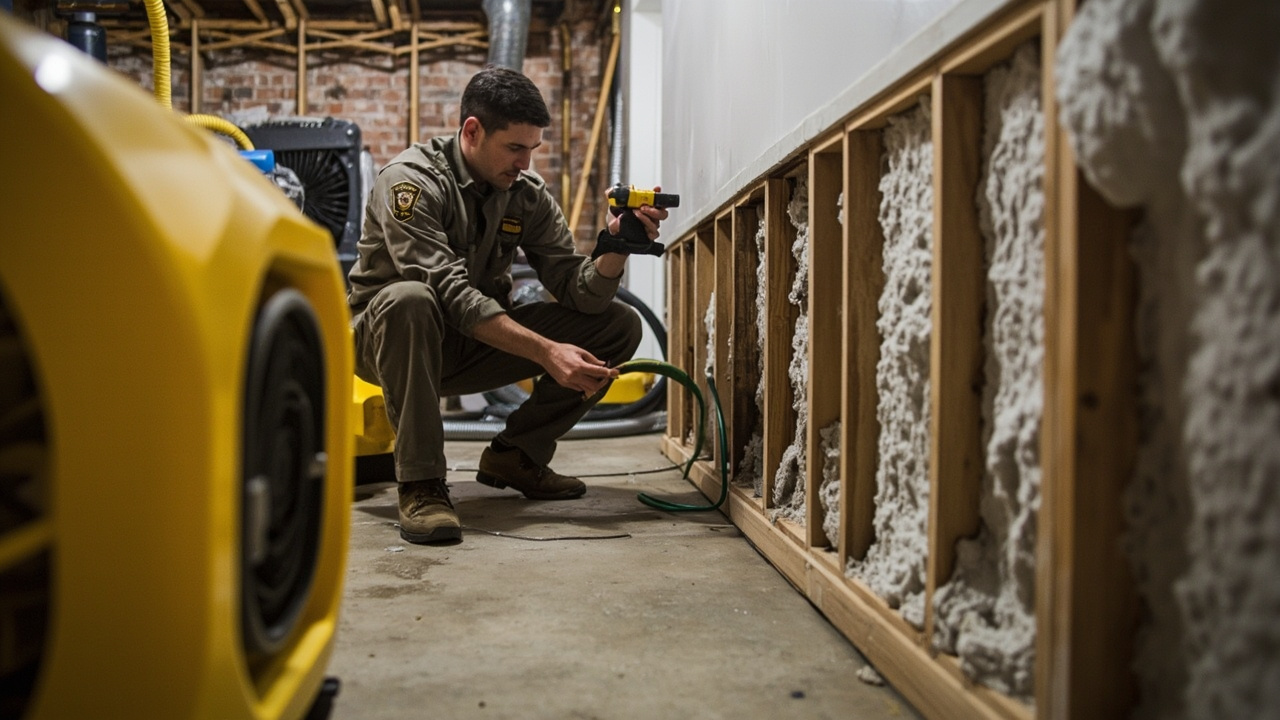
We transform the affected area into a drying chamber. Dehumidifiers and air movers operate continuously to maintain ideal temperature and humidity conditions. We seal the drying environment when possible, controlling air exchange to maximize efficiency. Equipment runs 24 hours daily, with remote monitoring that alerts our team to power failures or equipment malfunctions. This controlled environment ensures consistent drying rates and prevents moisture migration to unaffected building areas.
03

Moisture Verification and Documentation

We prove complete moisture removal through systematic verification testing. Daily readings track moisture reduction in floors, walls, and structural components. When readings stabilize at normal levels for three consecutive days, structural drying is complete. You receive detailed documentation that includes thermal images, moisture readings, equipment logs, and IICRC-compliant drying certificates. This documentation satisfies insurance requirements and provides legal protection if moisture-related issues arise after restoration.

Why Pittsburgh Property Owners Choose Reliance for Structural Drying

Pittsburgh's building stock requires local knowledge. We understand how water behaves in the city's diverse construction types. The balloon-frame construction common in Squirrel Hill allows water to travel vertically through wall cavities. The brick-and-block commercial buildings Downtown require different drying approaches than wood-frame residential structures. The hillside homes in Mount Washington face drainage challenges that affect basement flooding patterns.

We work within Allegheny County building code requirements for water damage restoration. Our drying protocols meet Pennsylvania Department of Labor and Industry standards for mold prevention. We coordinate with local building inspectors when structural repairs require permits, ensuring your restoration project moves forward without regulatory delays.

Our equipment inventory supports projects of any scale. Residential flooding requires different capacity than commercial water intrusions. We deploy 15-20 air movers and multiple dehumidifiers for whole-house flooding. Large commercial losses receive trailer-mounted desiccant dehumidifiers that process thousands of cubic feet per minute. We maintain backup equipment to prevent drying delays if primary units fail.

Insurance coordination removes financial stress. We work directly with adjusters to document damage scope, justify equipment needs, and provide detailed estimates that align with Xactimate pricing. We photograph conditions before and after drying, maintain equipment logs that prove continuous operation, and provide moisture documentation that satisfies claim requirements. Most insurance policies cover structural drying as emergency mitigation, meaning you pay only your deductible.

Response speed matters. Water damage worsens hourly. We answer calls 24 hours daily and begin structural drying within four hours of contact. Equipment arrives within our service trucks, eliminating delays for equipment delivery. This rapid response limits secondary damage, reduces overall restoration costs, and improves drying outcomes. You cannot afford to wait when water threatens your building's structural integrity.

What You Should Know Before Starting Structural Drying

Drying Timeline Expectations

Most structural drying projects require three to five days of continuous equipment operation. Hardwood floors and plaster walls may need seven to ten days. Concrete slabs in basements can require two to three weeks depending on saturation depth and slab thickness. Timeline depends on water volume, affected material types, building construction, and environmental conditions. We provide estimated completion dates after initial assessment but adjust timelines based on daily moisture readings. Equipment operates continuously, creating noise and requiring electrical capacity of 15-20 amps per room. You should plan for limited access to affected areas during active drying.

Initial Damage Assessment Process

Our assessment begins with moisture mapping using thermal imaging and moisture meters. We test floors, walls, ceilings, and contents in affected and adjacent areas to determine water migration patterns. We document findings with photographs and detailed notes that support insurance claims. Assessment includes identifying contamination levels based on water source, evaluating structural component integrity, and determining which materials require removal versus restoration. You receive a written scope of work that explains our recommended approach, estimated timeline, and equipment requirements. This assessment typically requires 45-90 minutes depending on damage extent.

Drying Results and Quality Standards

Complete structural drying returns materials to their pre-loss moisture content. Wood flooring should measure 6-9 percent moisture content. Drywall should read below 1.0 on moisture meters. Concrete should match readings from unaffected areas. We verify drying completion through systematic testing of all affected materials. You receive documentation that includes initial and final moisture readings, thermal images showing moisture elimination, and equipment operation logs. This documentation proves proper drying occurred and protects against future moisture-related claims. Materials left with elevated moisture content will develop mold growth, odors, or structural degradation within weeks.

Post-Drying Monitoring Recommendations

We recommend monitoring dried areas for 48-72 hours after equipment removal. This observation period confirms moisture does not reappear, which would indicate hidden water sources or incomplete drying. You should watch for condensation on windows, musty odors, or visible moisture on surfaces. We provide guidance on normal environmental acclimation versus problem signs that require additional attention. Reconstruction should not begin until this monitoring period confirms stable conditions. If concerns arise after project completion, we return to reassess conditions at no additional charge. Prevention of secondary damage depends on verifying complete moisture removal before rebuilding occurs.

Frequently Asked Questions

You Have Questions,
We Have Answers

How Pittsburgh's River Valleys and Humidity Patterns Affect Structural Drying Services

Pittsburgh sits at the confluence of three rivers, creating elevated humidity levels that slow natural drying and promote mold growth in water-damaged buildings. The city's valley geography traps moisture, particularly in neighborhoods along the Allegheny, Monongahela, and Ohio rivers. Summer dew points regularly exceed 65 degrees, the threshold where mold colonization accelerates. This humid climate means structural drying equipment must overcome both building moisture and high ambient humidity. Professional structural drying services account for these environmental factors by creating controlled indoor conditions that overcome Pittsburgh's naturally slow evaporation rates.

Pittsburgh's aging building inventory requires restoration contractors who understand pre-1950 construction methods. Many properties in Shadyside, Highland Park, and the North Side feature plaster-and-lath walls, tongue-and-groove subflooring, and solid masonry foundations that behave differently than modern construction during drying. Reliance Water Damage Restoration Pittsburgh has restored water-damaged properties across every city neighborhood, from historic Victorian homes to modern commercial spaces. This local experience informs our equipment selection, drying protocols, and material-specific strategies. Choosing a restoration company familiar with Pittsburgh's unique building stock protects your property from drying mistakes that cause permanent damage to irreplaceable materials.
Water Damage Restoration Services in The Pittsburgh Area

While we provide rapid mobile service directly to your location, you can also find our physical business location on the map below. This map highlights our primary service area and shows our commitment to serving the Pittsburgh community. We are always ready to dispatch our expert team to your home or business, no matter where you are in our service region. Feel free to use the interactive map to get directions or to visualize our proximity to you.

Address:
Reliance Water Damage Restoration Pittsburgh, 201 S Craig St, Pittsburgh, PA, 15213

Additional Services We Offer

Our news updates

Latest Articles & News from The Blogs

How to tell if you have a expensive slab leak under your Franklin Park home Franklin Park homeowners face a…

How to tell if you have a expensive slab leak under your Franklin Park home

How to tell if you have a expensive slab leak under your Franklin Park home Franklin Park homeowners face a…

What to do when your office fire sprinklers go off by mistake in Downtown Pittsburgh

What to do when your office fire sprinklers go off by mistake in Downtown Pittsburgh When fire sprinklers discharge without…

Preserving the original masonry in Mexican War Streets homes after a water leak

Preserving the original masonry in Mexican War Streets homes after a water leak When water infiltrates the historic brick and…

Contact Us

Water damage worsens every hour equipment is not running. Call Reliance Water Damage Restoration Pittsburgh at (412) 382-8788 for immediate structural drying response. Our technicians are available 24 hours daily with equipment ready to deploy. We begin moisture removal within hours of your call, protecting your building from long-term damage.