




Menu

Storm Damage Mitigation in Pittsburgh – Expert Response to Protect Your Property from Total Loss

When storms hit Pittsburgh, water intrusion, structural compromise, and secondary damage can escalate in hours. Our storm damage mitigation services stabilize your property immediately, preventing further loss while coordinating with your insurance carrier for maximum claim support.

Slider Image 1
Slider Image 2
Slider Image 3
Slider Image 4
Slider Image 5
Slider Image 7
Slider Image 8
Slider Image 9
Slider Image 10
Slider Image 11

Why Pittsburgh Properties Face Severe Storm Damage Risk

Pittsburgh sits at the confluence of three rivers, creating a microclimate where severe thunderstorms, flash flooding, and winter ice storms hit harder than surrounding areas. The Allegheny Plateau topography channels wind gusts through valley neighborhoods like Shadyside and Squirrel Hill, ripping off roof shingles and driving rain through compromised building envelopes. When storm systems stall over the Ohio River Valley, prolonged rainfall overwhelms aging storm sewers in older neighborhoods, causing basement backups and foundation seepage.

The city's housing stock compounds the problem. Many Pittsburgh homes date from the 1920s-1950s, featuring brick masonry that wicks moisture and flat-seam metal roofing vulnerable to wind uplift. When severe weather strikes, water finds entry points through deteriorated flashing, cracked mortar joints, and compromised window seals. Within 48 hours, saturated wall cavities spawn mold growth behind plaster walls.

Storm damage restoration requires immediate action. Water spreads through floor joists and insulation, compromising structural integrity while creating health hazards. Professional storm damage cleanup addresses visible destruction and hidden moisture migration. Without proper storm damage repair, what appears as ceiling staining evolves into collapsed drywall and rotted framing. Storm damage remediation stops this progression, but only when technicians respond during the critical first 24 hours. Emergency storm damage services exist because delayed response turns recoverable damage into total loss scenarios requiring full rebuilding instead of targeted repairs.

Why Pittsburgh Properties Face Severe Storm Damage Risk
How Professional Storm Damage Mitigation Stops Cascading Destruction

How Professional Storm Damage Mitigation Stops Cascading Destruction

Storm damage mitigation differs fundamentally from cleanup or restoration. Mitigation means aggressive intervention to halt ongoing damage progression before secondary losses exceed the initial storm impact. When our crews arrive at a Pittsburgh property, we implement containment protocols that insurance adjusters recognize and approve.

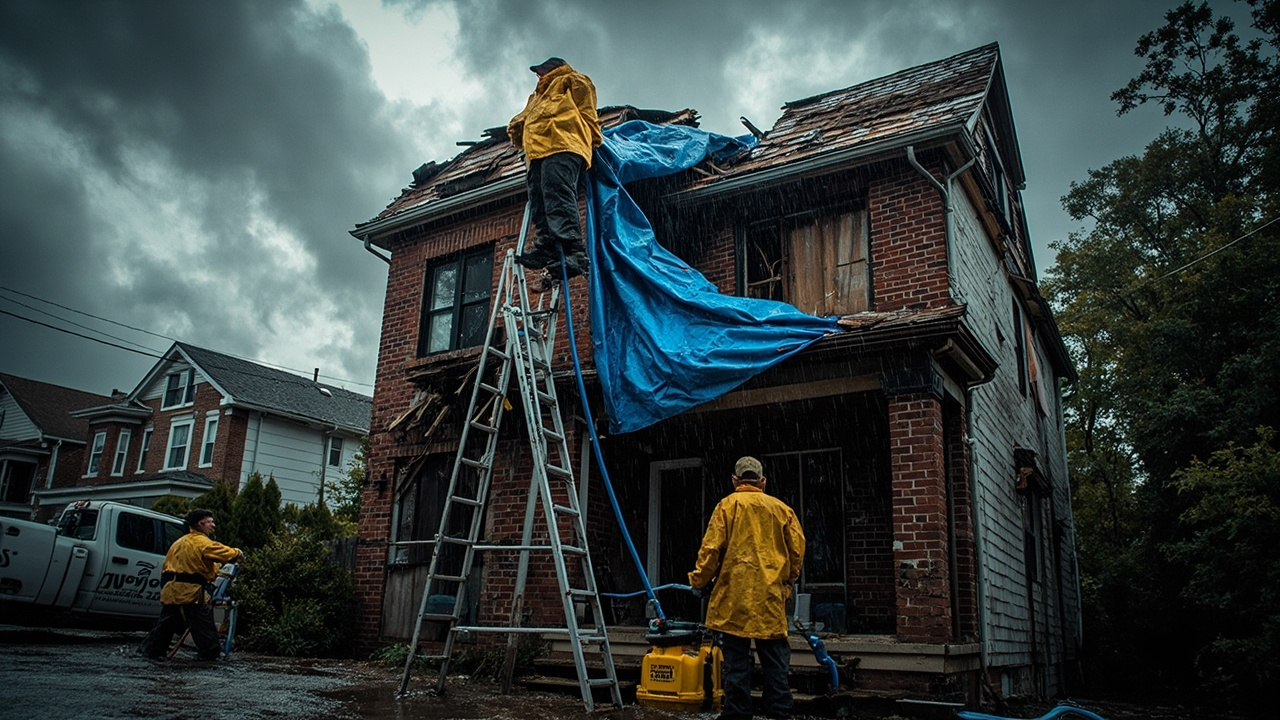
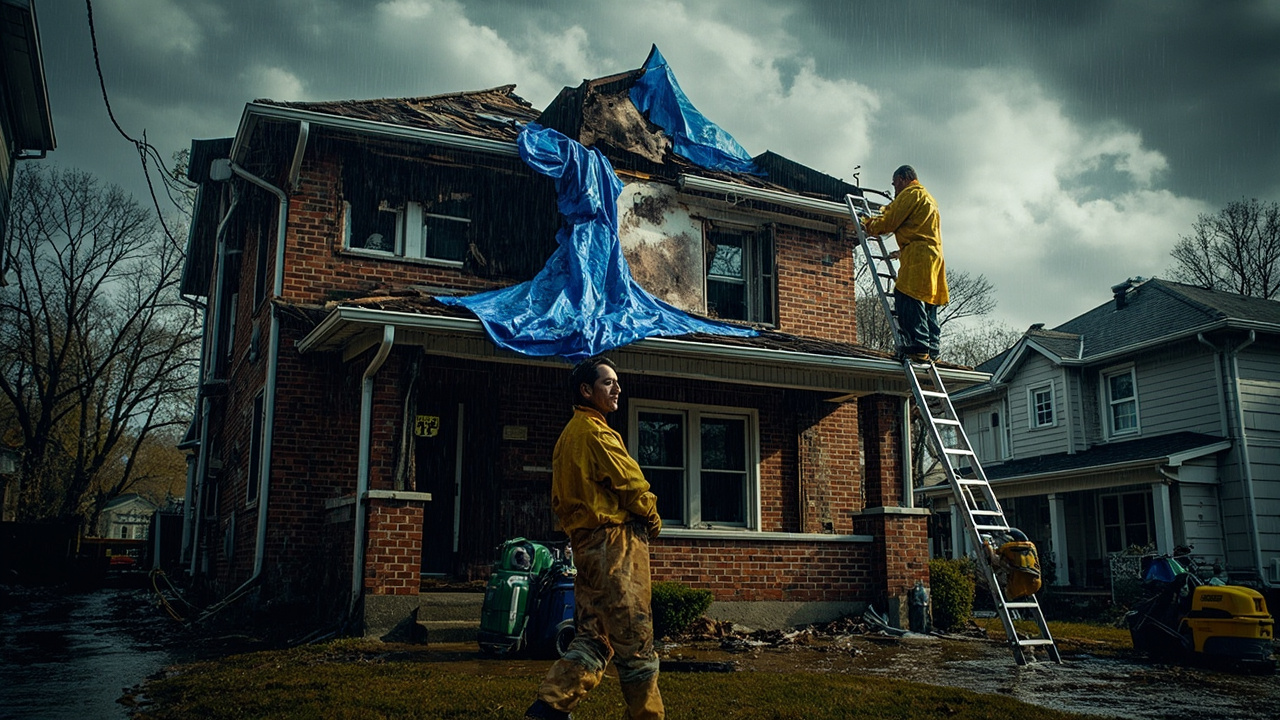
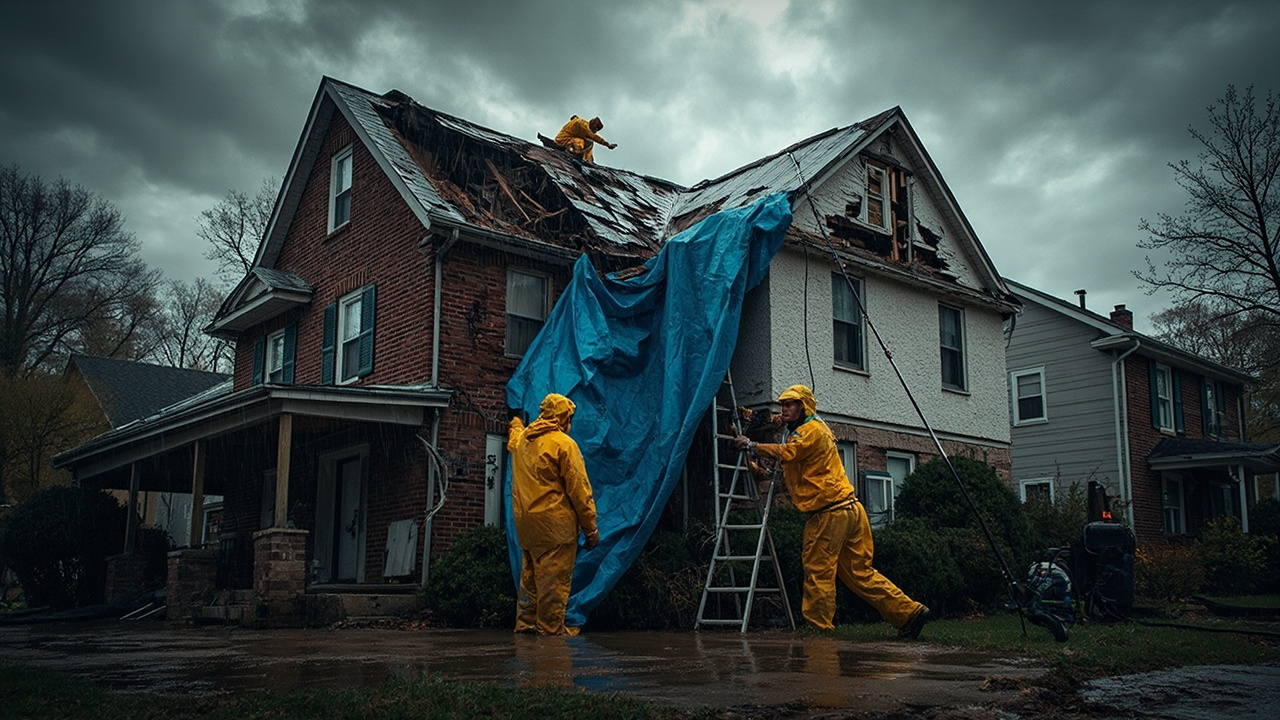
We start with emergency board-up services for compromised openings, preventing additional rain intrusion and securing the property. Roof tarping uses commercial-grade materials anchored through battens to prevent wind displacement during subsequent weather events. For properties with active water intrusion, we deploy truck-mounted extraction units that remove standing water faster than shop vacuums, reducing subfloor saturation time.

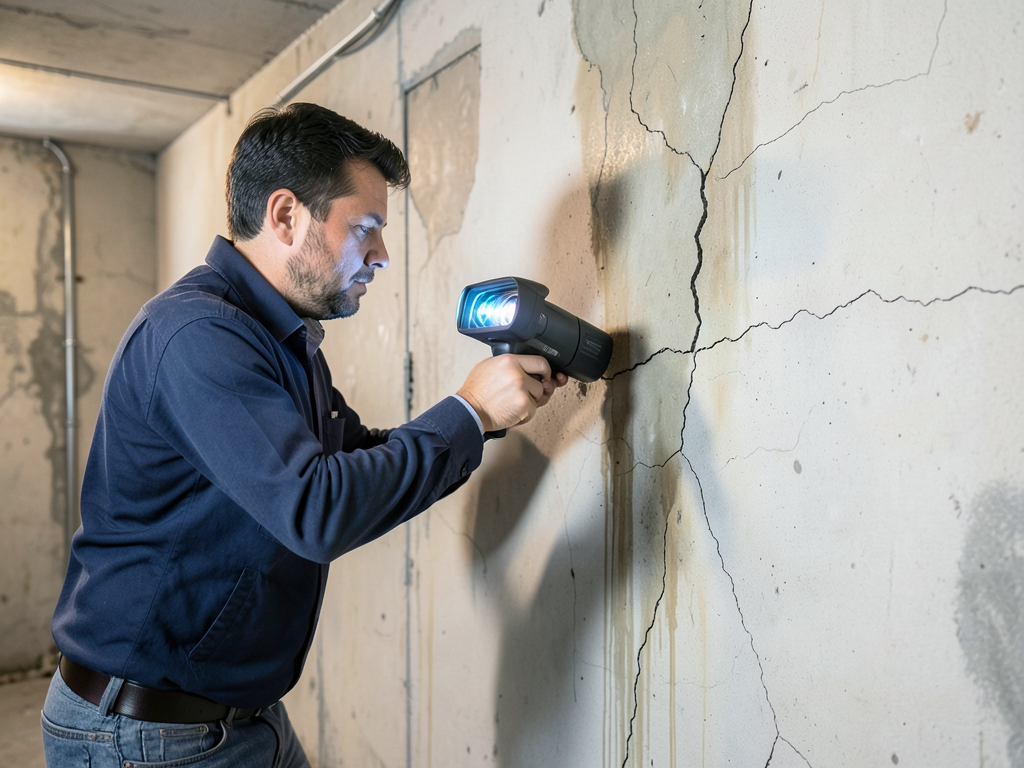
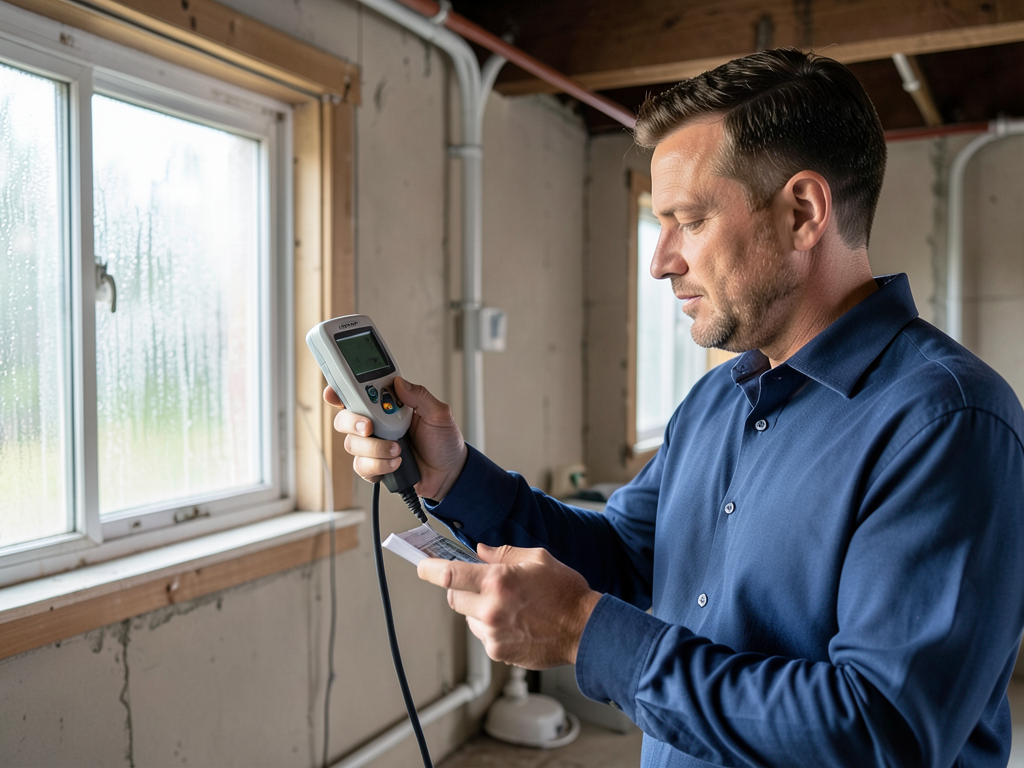
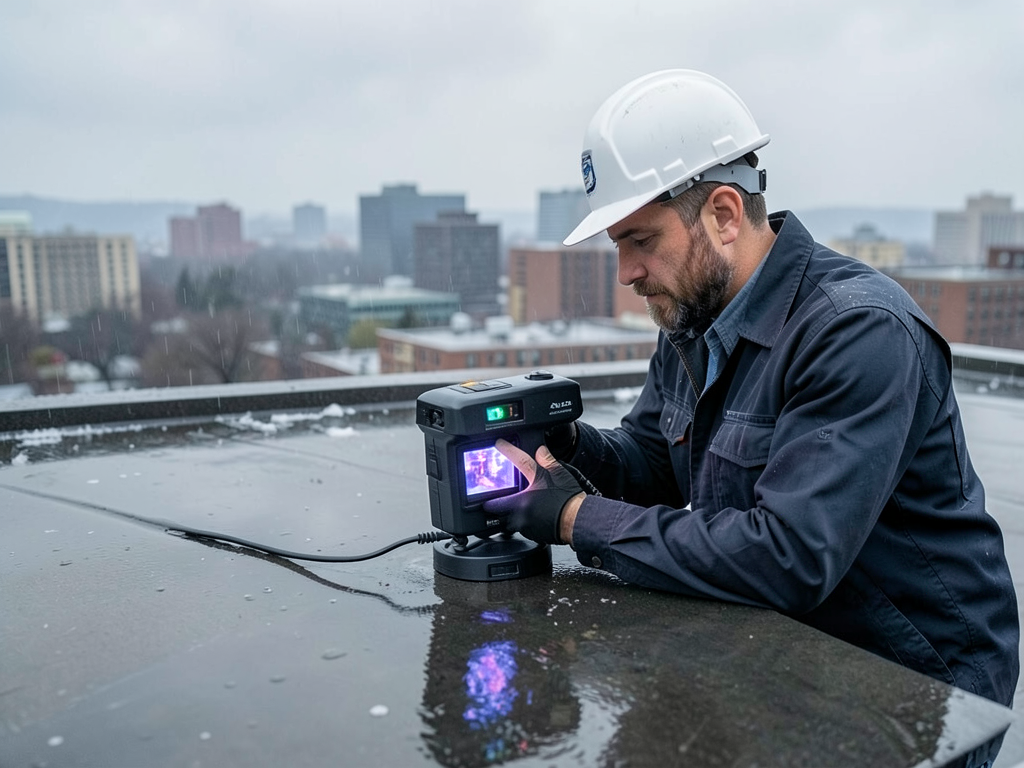
The critical differentiation happens with moisture mapping. We use thermal imaging cameras to identify hidden water migration behind wall surfaces and under flooring systems. Moisture meters measure material saturation levels, establishing baseline readings that guide equipment placement. We position commercial dehumidifiers and air movers based on psychrometric calculations, creating negative pressure environments that pull moisture from structural cavities rather than just drying surface materials.

Our technicians document everything with time-stamped photos and moisture logs because insurance carriers require proof of mitigation efforts. We coordinate directly with adjusters, providing scope documentation that separates covered storm damage from pre-existing conditions. This process protects your claim and prevents coverage disputes. When restoration companies skip proper mitigation, properties develop complications that insurers later dispute, leaving property owners responsible for costs that should have been covered. Professional mitigation means less total damage, lower claims, and faster occupancy restoration.

What Happens During Emergency Storm Damage Response

Storm Damage Mitigation in Pittsburgh – Expert Response to Protect Your Property from Total Loss
01

Immediate Property Stabilization

Our dispatch team arrives within 90 minutes of your call to assess structural stability and stop active water intrusion. We secure compromised roof sections with tarps anchored through battens, board up broken windows, and extract standing water using truck-mounted pumps. This emergency response prevents additional rain damage during the critical first hours when most secondary damage occurs. You receive an initial damage assessment with photo documentation for insurance purposes before we begin extraction work.
02

Moisture Detection and Mapping

After stabilization, technicians use thermal imaging cameras and penetrating moisture meters to map hidden water migration through wall cavities, ceiling spaces, and subfloor systems. We document saturation levels in structural materials like framing lumber and insulation, creating a moisture map that guides equipment placement. This diagnostic phase identifies all affected areas, not just visible damage, preventing mold growth in undetected wet zones. The moisture readings establish baseline measurements for tracking drying progress throughout the mitigation process.
03

Controlled Structural Drying

We position commercial-grade dehumidifiers and air movers based on psychrometric calculations specific to your building materials and layout. Equipment runs continuously while technicians monitor moisture levels daily, adjusting airflow patterns to achieve complete drying in wall cavities and structural components. Once materials reach acceptable moisture content levels confirmed by meter readings, we remove equipment and provide final documentation showing successful mitigation. This proof of proper drying protects against future mold claims and satisfies insurance carrier requirements for claim closure.

Why Pittsburgh Property Owners Choose Reliance Water Damage Restoration Pittsburgh

Storm damage restoration in Pittsburgh requires familiarity with local building construction methods and insurance carrier preferences specific to Western Pennsylvania. We work daily with adjusters from Erie Insurance, Nationwide, and State Farm who service this region, understanding their documentation requirements and preferred mitigation protocols. This relationship means faster claim approvals and fewer coverage disputes over necessary services.

Our technicians know Pittsburgh architecture. We understand how balloon-frame construction in Lawrenceville row houses allows water to travel vertically through open wall cavities, requiring different containment strategies than platform-framed suburban homes. We recognize when clay tile roofs in Mount Washington need specialized flashing repairs versus asphalt shingle replacement. This local knowledge prevents the misdiagnosis that leads to incomplete repairs and recurring problems.

We maintain staging facilities in Pittsburgh, keeping emergency equipment ready for immediate deployment rather than waiting for regional crews from Columbus or Cleveland. When severe weather hits multiple properties simultaneously, our local capacity means you get service within hours, not days. During major storm events, response time determines total damage cost because every hour of delayed water extraction adds square footage of affected materials.

Reliance Water Damage Restoration Pittsburgh handles both emergency mitigation and full reconstruction, eliminating coordination problems between multiple contractors. We manage your project from initial emergency response through final paint and flooring, providing single-point accountability. You work with one project manager who understands your property history rather than explaining damage details repeatedly to different companies. This continuity prevents miscommunication that causes timeline delays and budget overruns during the restoration phase.

What to Expect During Storm Damage Mitigation Services

Emergency Response Timeline

We answer emergency calls 24 hours daily, including weekends and holidays, because storm damage does not wait for business hours. Our dispatch team provides an estimated arrival time within 15 minutes of your call, typically reaching Pittsburgh properties within 90 minutes. Initial assessment and emergency stabilization services begin immediately upon arrival, stopping active water intrusion before starting detailed damage evaluation. For properties with severe structural compromise or safety hazards, we coordinate with the city building inspector to ensure compliance with emergency protocols. You receive hourly updates during the first 24 hours as our crews work through stabilization and initial moisture removal phases.

Complete Property Assessment Process

After emergency stabilization, our project manager conducts a comprehensive damage assessment using moisture detection equipment and thermal imaging cameras. This evaluation identifies all affected building materials, not just visible damage, preventing surprises during the restoration phase. We document findings with detailed photos, moisture readings, and written descriptions that meet insurance carrier requirements for claim submission. You receive a preliminary scope of loss outlining necessary mitigation services and estimated timeline for returning the property to pre-loss condition. We explain which damages fall under your policy coverage versus pre-existing conditions, helping you understand potential out-of-pocket costs before work proceeds beyond emergency services.

Proven Drying and Restoration Results

Our mitigation process achieves complete structural drying, verified through daily moisture readings that track progress until materials reach acceptable levels. We use commercial-grade equipment positioned based on building science principles, not guesswork, ensuring thorough drying in hidden cavities where mold typically develops. Upon completion, you receive final documentation showing before and after moisture levels, providing proof of proper mitigation for insurance purposes and future property transactions. This certification protects against mold liability claims and satisfies disclosure requirements if you sell the property. Most mitigation projects reach completion within five to seven days, depending on the extent of saturation and building materials involved.

Post-Mitigation Monitoring and Support

After equipment removal, we provide guidance on monitoring for signs of residual moisture or developing problems during the weeks following storm damage. You receive our direct contact information for questions or concerns as the property returns to normal use. If restoration work is needed beyond mitigation services, we provide detailed estimates and coordinate with your insurance adjuster to finalize the scope of repairs. Our project managers remain available throughout the claim settlement process, providing additional documentation or clarification if your carrier requests supplemental information. This continued support ensures your claim reaches proper resolution without requiring you to navigate complex insurance procedures alone.

Frequently Asked Questions

You Have Questions,
We Have Answers

Does storm damage make your insurance go up? +

Filing a claim for storm damage typically does not increase your rates in Pennsylvania if the damage results from an act of nature, like a windstorm or hail. Insurance companies cannot penalize you for weather-related events beyond your control. However, filing multiple claims within a short period can flag your policy for review. Your rates depend more on your claims history and the insurer's overall loss data in Pittsburgh, where severe storms are common. Always document damage thoroughly and file promptly to protect your coverage rights without risking unnecessary rate hikes.

What can be done to mitigate storms? +

Storm mitigation involves proactive steps to reduce property damage before severe weather hits. In Pittsburgh, where wind gusts and ice storms are frequent, reinforce your roof with proper flashing and underlayment. Trim trees near your home to prevent limbs from falling during storms. Install storm shutters or impact-resistant windows. Secure loose outdoor items like furniture and grills. Ensure gutters and downspouts are clear to prevent water intrusion. Inspect your roof and siding annually for weak points. These actions minimize damage and lower repair costs when storms strike the greater Pittsburgh metro area.

What are examples of mitigation? +

Mitigation examples include installing a backup sump pump to prevent basement flooding during heavy rains, common in Pittsburgh's older neighborhoods. Reinforcing garage doors to withstand high winds protects your home's structural integrity. Adding roof bracing or hurricane straps strengthens connections between the roof and walls. Sealing foundation cracks stops water seepage during freeze-thaw cycles. Installing a whole-home generator keeps critical systems running during power outages. Upgrading to impact-resistant shingles reduces hail damage. Each measure reduces vulnerability and can lower insurance premiums by demonstrating risk reduction to your carrier.

How could we mitigate the storm? +

Mitigating storm impact starts with a professional property assessment to identify weak points. In Pittsburgh, focus on roof condition, tree proximity, and drainage systems. Install water barriers under shingles to prevent ice dam leaks. Anchor outdoor structures like sheds and fences. Seal windows and doors with weatherstripping. Clear debris from storm drains and ensure proper grading around your foundation. Document your property's condition with photos before storm season. After severe weather, act fast to tarp damaged roofs or board broken windows. Quick response prevents secondary damage like mold or water intrusion.

What not to say to a homeowners insurance adjuster? +

Never downplay damage or speculate about causes when speaking to an adjuster. Do not say the damage is minor or that you are unsure if you will file a claim. Avoid admitting fault or suggesting pre-existing conditions without evidence. Do not accept the first settlement offer without reviewing your policy limits. Never sign documents you do not fully understand. Stick to facts and document everything with photos and written records. In Pittsburgh, where storm damage is frequent, adjusters see many claims. Be honest, thorough, and let the evidence speak. Consider consulting a public adjuster for complex claims.

Will my insurance go up if a rock hits my windshield? +

A windshield claim from a rock strike typically falls under comprehensive coverage, not collision. In Pennsylvania, comprehensive claims often do not raise your rates because they involve incidents beyond your control, like road debris. However, multiple glass claims can trigger review by your insurer. Many carriers offer glass coverage with no deductible for windshield repairs. Filing one windshield claim should not increase your premium, but check your policy details. If you have accident forgiveness or a clean record, your rates should remain stable. Always weigh the claim cost against your deductible before filing.

What are the 4 mitigation strategies? +

The four mitigation strategies are avoidance, reduction, transfer, and acceptance. Avoidance means eliminating risk entirely, like moving valuables from a flood-prone basement. Reduction involves minimizing damage through reinforcement, such as installing storm shutters or upgrading roofing materials. Transfer shifts risk to another party, typically through insurance coverage. Acceptance means recognizing some risks are unavoidable and preparing financially for potential losses. In Pittsburgh, where storms and freeze-thaw cycles are common, combining reduction and transfer strategies offers the best protection. Prioritize structural upgrades and maintain comprehensive property insurance to balance cost and coverage.

What does storm mitigation mean? +

Storm mitigation refers to actions taken to reduce or prevent damage from severe weather events before they occur. This includes physical improvements like reinforcing roofs, securing windows, and improving drainage systems. It also involves planning measures such as creating emergency kits and evacuation routes. In Pittsburgh, where wind, ice, and heavy rain are recurring threats, storm mitigation protects both residential and commercial properties. Effective mitigation lowers repair costs, reduces insurance claims, and ensures faster recovery after storms. The goal is to make your property more resilient against predictable weather patterns in the region.

What to stock up on before war? +

This question is outside the scope of storm damage mitigation services. If you are preparing for emergencies in Pittsburgh, focus on storm readiness instead. Stock non-perishable food, bottled water, flashlights, batteries, a first aid kit, and necessary medications. Keep important documents in waterproof containers. Have a battery-powered radio and phone chargers. For storm-specific preparation, ensure your property is fortified against wind and water damage. If you need professional storm damage mitigation or emergency restoration services in Pittsburgh, contact a local expert to assess your property and create a resilience plan.

What is an example of mitigation in insurance? +

An insurance mitigation example is installing a secondary water resistance barrier under your roof shingles to prevent ice dam leaks. In Pittsburgh, where freeze-thaw cycles are common, this upgrade reduces the risk of winter storm damage. Many insurers offer premium discounts for mitigation measures like impact-resistant roofing, reinforced garage doors, or sump pump backups. These improvements demonstrate reduced risk, which can lower your policy costs. Mitigation also speeds up claims processing and reduces out-of-pocket expenses after storms. Document all upgrades with receipts and photos to share with your insurer for potential discounts.

How Pittsburgh's River Valley Climate Intensifies Storm Damage Risk

Pittsburgh's position at the confluence of the Allegheny, Monongahela, and Ohio rivers creates atmospheric conditions that trap moisture and intensify storm systems. When severe weather moves through Western Pennsylvania, the river valleys channel wind and concentrate rainfall over the metro area. The surrounding hills force rising air to release precipitation, causing flash flooding in low-lying neighborhoods along the riverbanks. Properties in areas like the Strip District and North Shore face repeated storm damage from backup events when combined sewer systems overflow during heavy rainfall. These geographic factors make professional storm damage mitigation critical for Pittsburgh property owners, as the frequency and intensity of storm events exceeds regional averages due to our unique topography.

Reliance Water Damage Restoration Pittsburgh maintains relationships with local insurance agencies, property management companies, and municipal authorities built over years of service to this community. We understand Pittsburgh's building code requirements for emergency repairs and work restoration, ensuring all mitigation work meets city inspection standards. Our familiarity with local architecture, from South Side shotgun houses to Oakland's academic buildings, means we recognize vulnerability points specific to regional construction methods. When you hire local expertise for storm damage restoration, you get technicians who know Pittsburgh properties inside out, not generic procedures applied regardless of building type or regional climate factors.
Water Damage Restoration Services in The Pittsburgh Area

While we provide rapid mobile service directly to your location, you can also find our physical business location on the map below. This map highlights our primary service area and shows our commitment to serving the Pittsburgh community. We are always ready to dispatch our expert team to your home or business, no matter where you are in our service region. Feel free to use the interactive map to get directions or to visualize our proximity to you.

Address:
Reliance Water Damage Restoration Pittsburgh, 201 S Craig St, Pittsburgh, PA, 15213

Additional Services We Offer

Our news updates

Latest Articles & News from The Blogs

How to tell if you have a expensive slab leak under your Franklin Park home Franklin Park homeowners face a…

How to tell if you have a expensive slab leak under your Franklin Park home

How to tell if you have a expensive slab leak under your Franklin Park home Franklin Park homeowners face a…

What to do when your office fire sprinklers go off by mistake in Downtown Pittsburgh

What to do when your office fire sprinklers go off by mistake in Downtown Pittsburgh When fire sprinklers discharge without…

Preserving the original masonry in Mexican War Streets homes after a water leak

Preserving the original masonry in Mexican War Streets homes after a water leak When water infiltrates the historic brick and…

Contact Us

Every hour matters after storm damage. Call Reliance Water Damage Restoration Pittsburgh now at (412) 382-8788 for immediate dispatch. Our emergency crews respond 24 hours daily to stop ongoing damage and protect your property from total loss.