




Menu

Crawl Space Cleanup & Encapsulation in Pittsburgh – Complete Remediation for Moisture, Mold & Structural Protection

Reliance Water Damage Restoration Pittsburgh provides comprehensive crawl space waterproofing, vapor barrier installation, and structural drying to protect your foundation from Pittsburgh's humidity and flooding risks.

Slider Image 1
Slider Image 2
Slider Image 3
Slider Image 4
Slider Image 5
Slider Image 7
Slider Image 8
Slider Image 9
Slider Image 10
Slider Image 11

Why Pittsburgh Crawl Spaces Fail Without Proper Encapsulation

Pittsburgh's humid continental climate and proximity to the Allegheny, Monongahela, and Ohio rivers create a perfect storm for crawl space failure. Average annual rainfall exceeds 38 inches, and the region's clay-heavy soil retains moisture against foundation walls. When groundwater saturates the earth beneath your home, it wicks upward through concrete block and porous surfaces. The result is standing water, condensation, and elevated relative humidity levels above 60 percent.

You notice the symptoms first. Musty odors rise through floor vents. Hardwood buckles. Insulation sags between joists. What you cannot see is more dangerous. Mold colonies thrive in dark, wet conditions. Wood rot weakens floor systems. Pest infestations accelerate. Without crawl space remediation, these problems compound.

Pittsburgh's freeze-thaw cycles make matters worse. When temperatures drop below freezing, moisture trapped in foundation walls expands and cracks the masonry. Spring thaw floods crawl spaces in neighborhoods near Duck Hollow, Polish Hill, and the South Side Flats. Homes built before 1980 often lack proper crawl space sealing services, relying on outdated vented designs that pull humid air inside during summer months.

Crawl space waterproofing addresses the source. Proper encapsulation eliminates moisture intrusion, controls humidity, and protects structural components. If your crawl space smells like dirt or mildew, you need crawl space restoration before the damage reaches your living space.

Why Pittsburgh Crawl Spaces Fail Without Proper Encapsulation
How We Execute Crawl Space Encapsulation in Pittsburgh

How We Execute Crawl Space Encapsulation in Pittsburgh

Crawl space cleanup begins with water extraction and debris removal. We pump standing water using submersible pumps and remove contaminated insulation, damaged vapor barriers, and organic material that feeds microbial growth. Every square foot of the crawl space gets inspected for structural damage, plumbing leaks, and HVAC duct failures.

Next comes surface preparation. We treat mold growth on floor joists and subfloors using antimicrobial solutions rated for enclosed spaces. Wood surfaces receive applications of borate-based preservatives to prevent future fungal colonization and discourage termite activity. Efflorescence on foundation walls gets wire-brushed to ensure proper adhesion of waterproofing membranes.

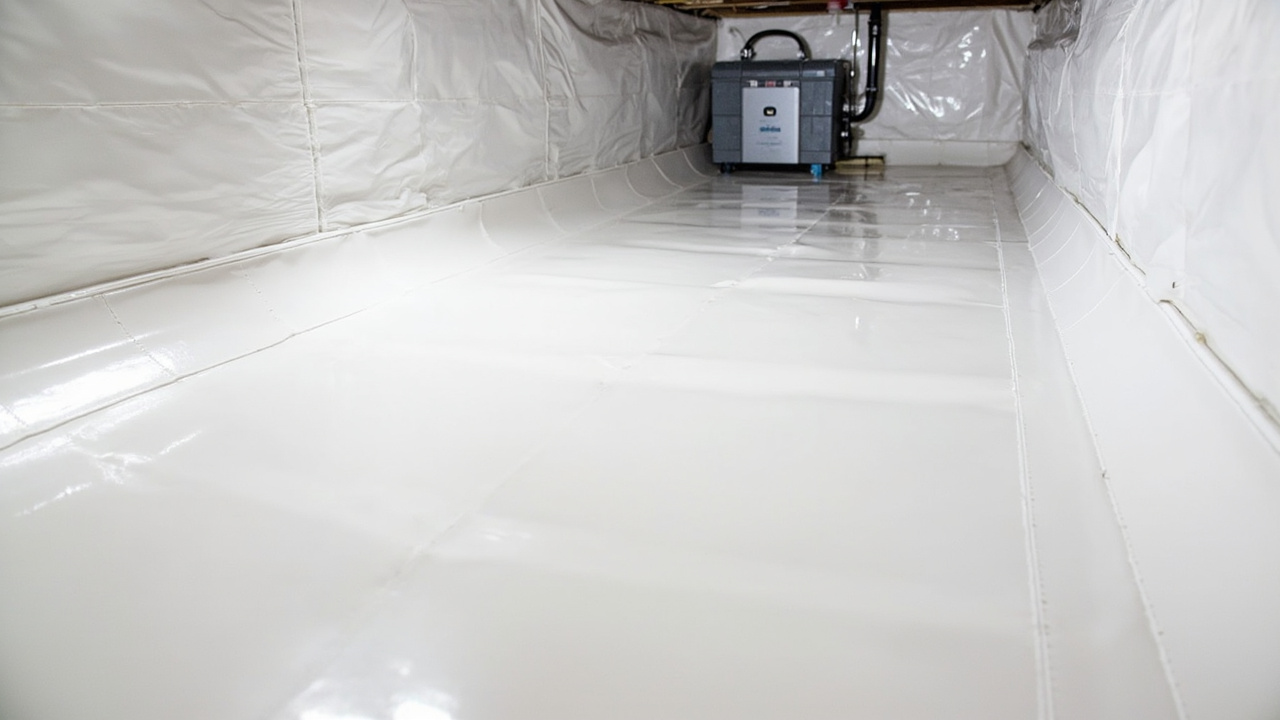
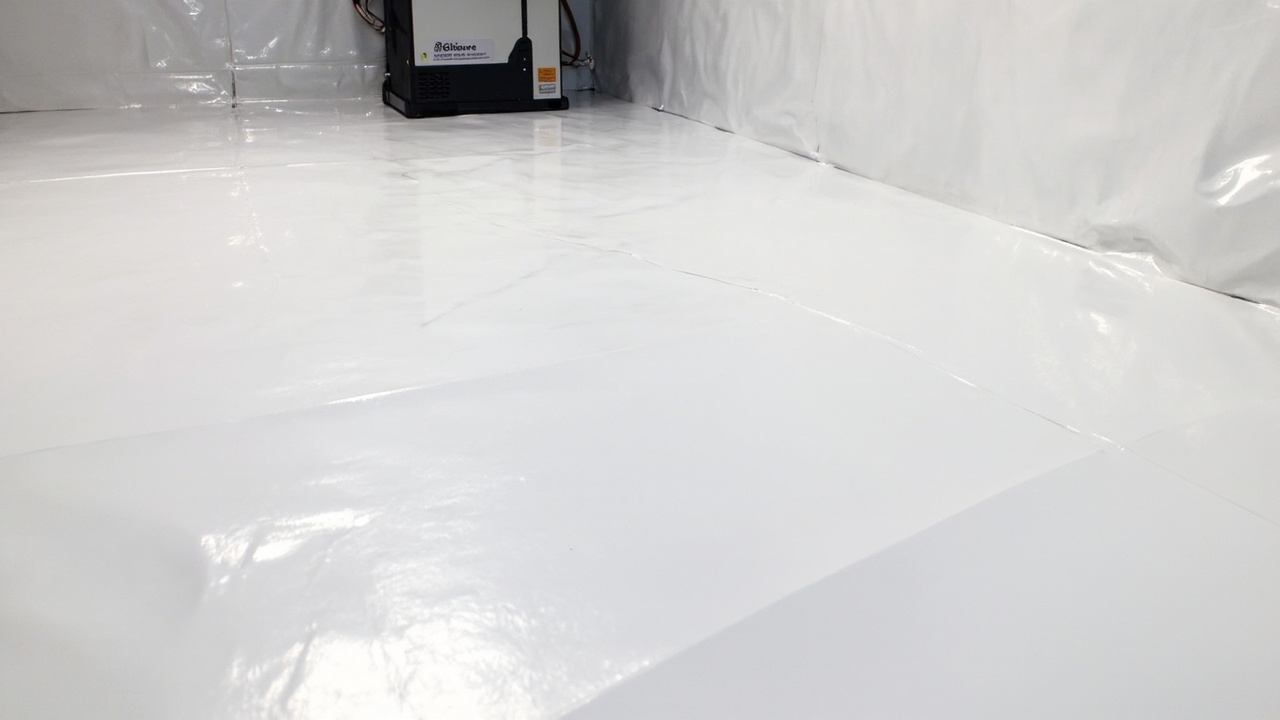
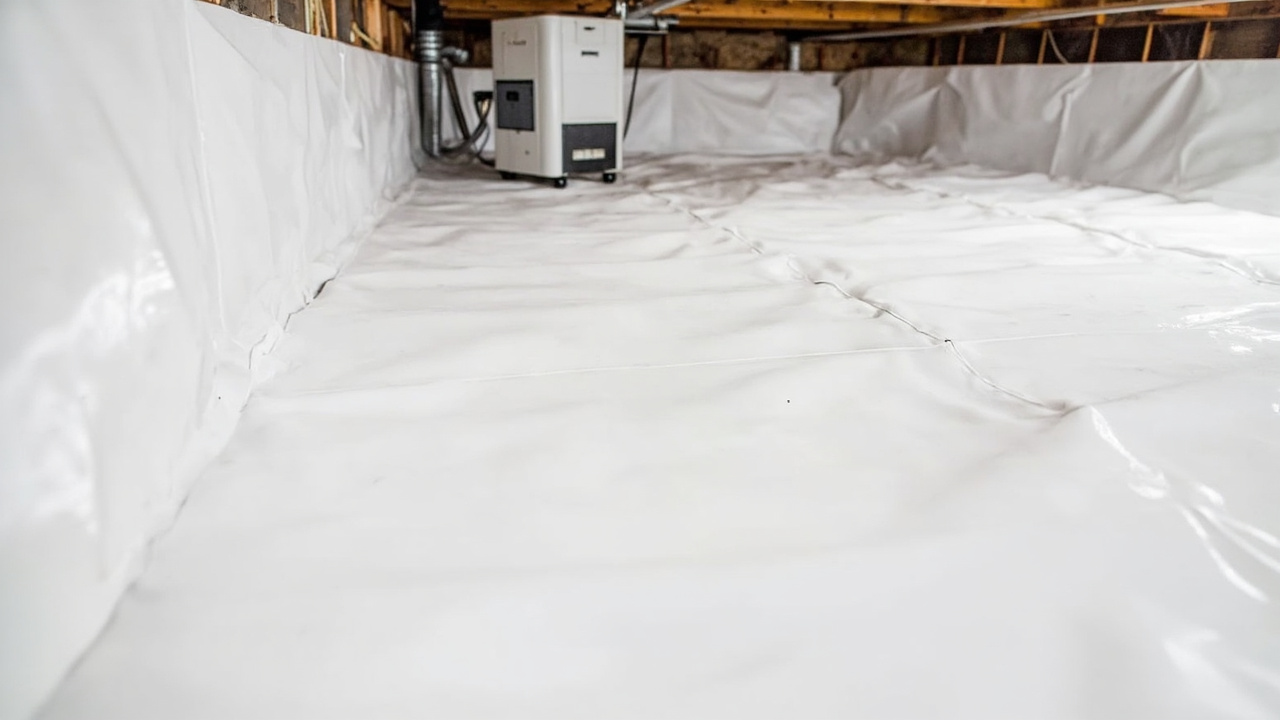
Crawl space vapor barrier installation follows strict protocols. We use reinforced polyethylene sheeting with a minimum thickness of 12 mils, not the flimsy 6-mil plastic found in hardware stores. Seams overlap by 12 inches and get sealed with vapor barrier tape rated for permanent adhesion. The barrier extends up foundation walls and attaches to sill plates using mechanical fasteners and sealant.

Drainage improvements come next. We install perimeter drainage channels along footer lines to intercept groundwater before it enters the crawl space. These connect to sump pump systems with battery backup, essential for Pittsburgh's frequent power outages during storms. Exterior grading gets evaluated to redirect surface water away from the foundation.

Final encapsulation includes dehumidification. We install commercial-grade crawl space dehumidifiers calibrated to maintain relative humidity below 55 percent year-round. This equipment runs continuously, protecting your investment even during humid Pittsburgh summers when outdoor dew points exceed 70 degrees.

What Happens During Your Crawl Space Encapsulation Project

Crawl Space Cleanup & Encapsulation in Pittsburgh – Complete Remediation for Moisture, Mold & Structural Protection
01

Inspection and Documentation

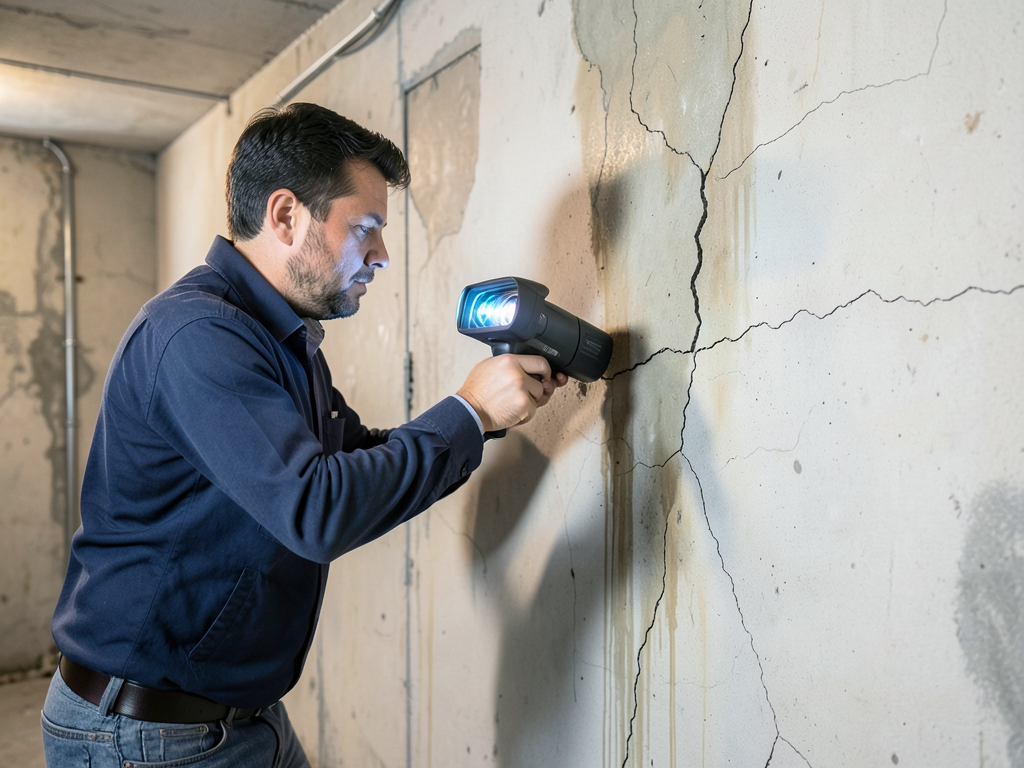
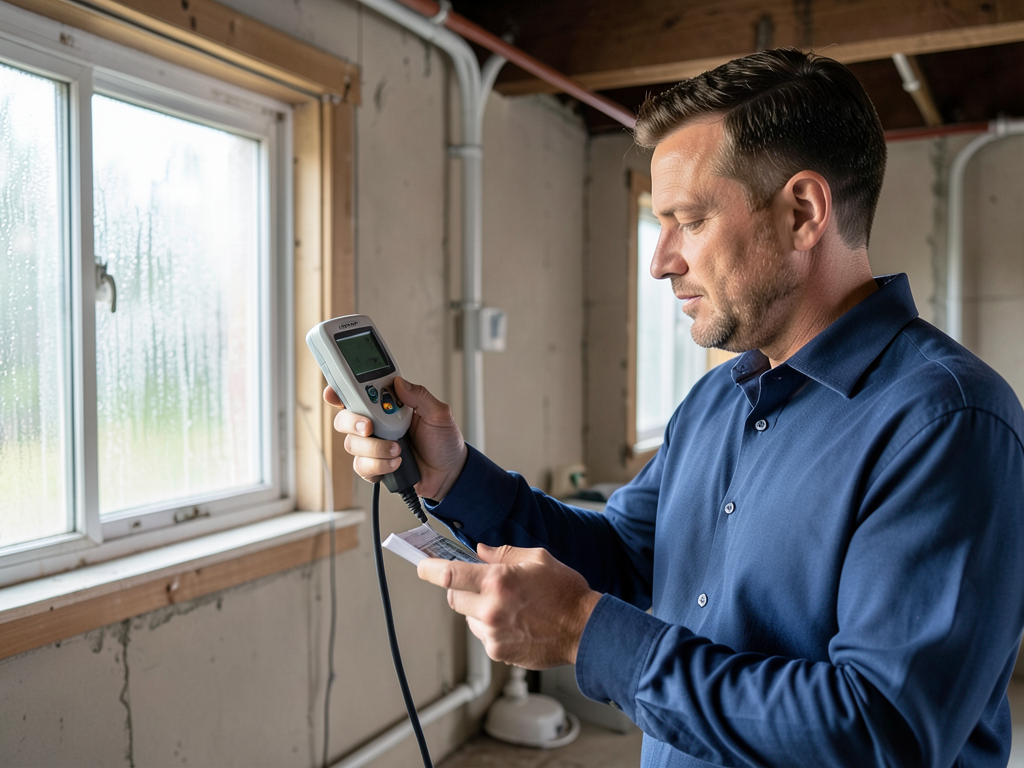
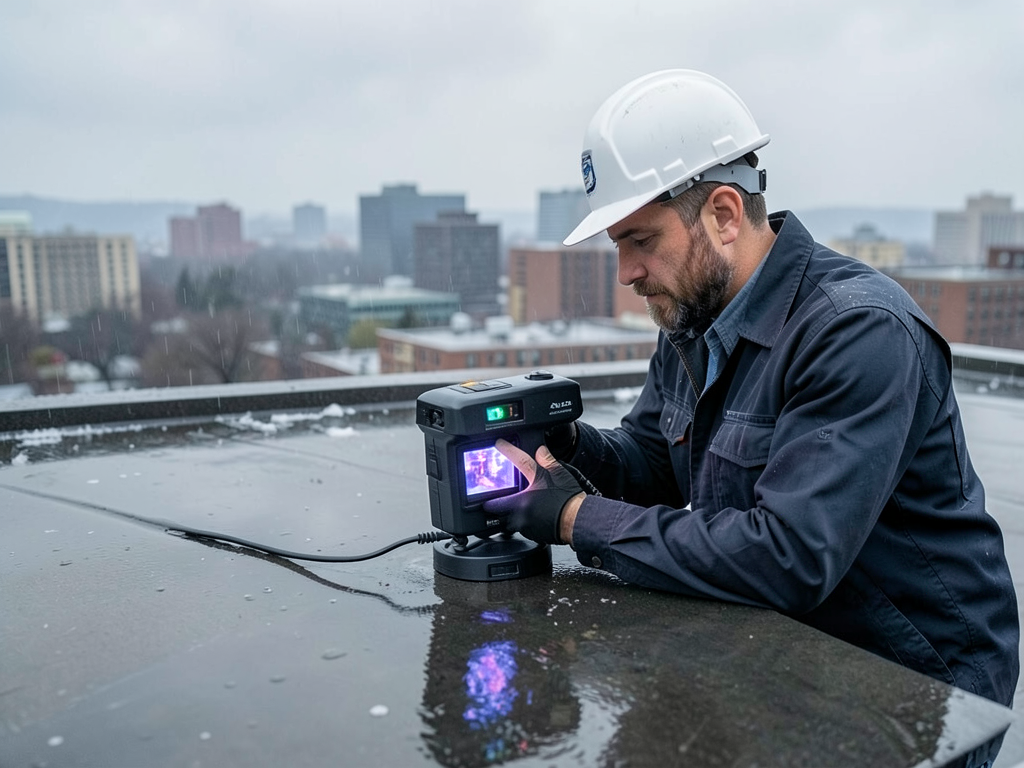
Our technicians crawl the entire subfloor space with moisture meters, infrared cameras, and air quality monitors. We document water damage, measure humidity levels, photograph structural concerns, and map drainage patterns. You receive a detailed report with moisture readings, mold findings, and a scope of work before any remediation begins. This assessment identifies hidden problems like foundation cracks, plumbing leaks, and inadequate ventilation that contribute to crawl space failure.
02

Remediation and Preparation

We extract standing water, remove contaminated materials, and treat all surfaces for microbial growth. Damaged insulation gets pulled from joist bays. Debris gets bagged and removed from the property. Foundation walls receive cleaning and antimicrobial treatment. Any necessary structural repairs get completed before encapsulation materials go down. This phase transforms a wet, contaminated crawl space into a clean workspace ready for vapor barrier installation and waterproofing systems.
03

Encapsulation and Climate Control

We install your vapor barrier system, seal all penetrations, and integrate drainage solutions with sump pump systems. Foundation walls receive insulation if specified. Dehumidification equipment gets installed and calibrated for Pittsburgh's climate. You receive a final walkthrough showing completed work, equipment operation instructions, and maintenance recommendations. Your crawl space becomes a controlled environment that protects your home's structure, improves indoor air quality, and reduces energy costs year-round.

Why Pittsburgh Homeowners Choose Reliance for Crawl Space Work

Pittsburgh's housing stock presents unique challenges. The city's hillside neighborhoods like Mount Washington and Squirrel Hill feature homes built into slopes with daylight basements and partial crawl spaces. These mixed foundations require customized waterproofing approaches that account for hydrostatic pressure and surface water runoff.

We understand local construction methods. Pittsburgh homes built during the steel boom era used native clay brick and block foundations that absorb moisture differently than modern poured concrete. Older homes in neighborhoods like Lawrenceville and Bloomfield often have limestone foundations that deteriorate when exposed to acidic groundwater. Our crawl space sealing services account for these material-specific vulnerabilities.

Local code compliance matters. Allegheny County building codes require proper ventilation ratios for crawl spaces, specific vapor barrier specifications, and approved drainage methods. We pull permits when required and work with local inspectors who know our reputation. You avoid costly callbacks and failed inspections.

Our technicians navigate Pittsburgh's access challenges. Narrow lot lines in row house districts, steep driveways in hillside communities, and limited street parking in established neighborhoods require equipment planning and respectful coordination with neighbors. We protect landscaping, clean up thoroughly, and complete projects efficiently.

We respond to Pittsburgh's weather patterns. Spring flooding from rapid snowmelt affects crawl spaces near Turtle Creek and the Youghiogheny River. Summer humidity causes condensation problems in poorly ventilated crawl spaces. We schedule emergency crawl space cleanup within hours during flood events and provide year-round crawl space restoration services when you discover problems.

What to Expect During Crawl Space Encapsulation

Project Timeline and Access

Most crawl space encapsulation projects take two to five days depending on square footage, existing conditions, and drainage requirements. Simple vapor barrier installation in a clean, dry crawl space takes less time than full remediation projects requiring mold treatment, insulation removal, and drainage system installation. We schedule work to minimize disruption and maintain access to your home's utilities. Crews arrive on time, work full days, and clean up daily. You receive progress updates and can inspect work at any phase. Emergency crawl space cleanup for active flooding begins within hours of your call.

Comprehensive Assessment Process

Your initial inspection takes 60 to 90 minutes. We crawl every accessible area, test moisture levels in wood and masonry, check for mold growth, inspect mechanical systems, and identify drainage deficiencies. Infrared cameras reveal hidden moisture in walls and under flooring. Relative humidity readings establish baseline conditions. You receive a written report with photos, moisture maps, and recommended solutions within 24 hours. We explain findings in plain language, answer questions, and provide options at different price points. No pressure, just information you need to make an informed decision about crawl space waterproofing.

Long-Term Performance Results

Properly executed crawl space encapsulation delivers measurable improvements. Relative humidity drops below 55 percent within weeks. Musty odors disappear. Floor temperature becomes more consistent. Heating and cooling costs decrease by 10 to 20 percent as conditioned air stops escaping through floor penetrations. Pest activity declines without moisture attracting insects. Wood moisture content stabilizes below 19 percent, preventing rot and mold recurrence. Your home's indoor air quality improves as fewer allergens and mold spores rise from the crawl space. These benefits accumulate over time, protecting your foundation investment for decades.

Maintenance and Monitoring

Crawl space dehumidifiers require basic maintenance. We show you how to empty collection buckets if not plumbed to drain, clean filters quarterly, and check operation lights. Annual inspections catch minor issues before they become problems. We check vapor barrier integrity, test sump pumps, verify dehumidifier operation, and inspect for new moisture intrusion. These visits take 30 minutes and help you maintain warranty coverage on installed equipment. We provide written documentation after each inspection. If you notice changes in odor, humidity, or floor performance between visits, we respond quickly to diagnose and correct the issue.

Frequently Asked Questions

You Have Questions,
We Have Answers

How much does it typically cost to encapsulate a crawl space? +

Crawl space encapsulation costs vary based on square footage, moisture severity, and materials used. A small crawl space might run a few thousand dollars, while larger areas with extensive water damage or structural repairs cost significantly more. Factors include vapor barrier quality, dehumidifier installation, drainage systems, and insulation. Pittsburgh homes often require additional mold remediation due to high humidity and clay soil that traps moisture. The investment protects your foundation, reduces energy bills, and prevents mold growth. Get a detailed inspection to identify specific needs before committing to any work.

Is it worth it to encapsulate a crawlspace? +

Yes. Encapsulation stops moisture infiltration that leads to mold, wood rot, and poor indoor air quality. Pittsburgh's humid summers and freeze-thaw cycles create constant moisture problems in crawl spaces. Encapsulation reduces energy costs by sealing air leaks and improves HVAC efficiency. You protect floor joists from decay and prevent pest infestations attracted to damp environments. The upfront investment pays off through lower utility bills, healthier air, and avoiding expensive structural repairs later. If you plan to stay in your home long-term, encapsulation is a smart decision that adds resale value.

How much does it cost to have a crawl space cleaned? +

Crawl space cleaning costs depend on debris volume, contamination type, and accessibility. Simple debris removal runs less than intensive mold remediation or sewage cleanup. Pittsburgh crawl spaces often contain standing water, rodent waste, or deteriorated insulation that requires professional removal. The process includes removing contaminated materials, treating mold, sanitizing surfaces, and hauling away debris. Tight access points or extensive contamination increase labor time and disposal fees. Cleaning is often the first step before encapsulation. A thorough inspection identifies what needs removal and helps you understand the scope before starting work.

What does crawl space encapsulation include? +

Encapsulation involves sealing your crawl space from moisture and outside air. The process includes installing a heavy-duty vapor barrier across the floor and up the walls, sealing all vents and openings, adding insulation to walls or rim joists, and installing a dehumidifier to control humidity levels. Many projects include drainage systems or sump pumps to manage groundwater. In Pittsburgh, where clay soil and seasonal flooding create persistent moisture issues, proper encapsulation also addresses foundation cracks and ensures adequate drainage around the perimeter. The goal is creating a controlled, dry environment that protects your home.

What are the negatives of crawl space encapsulation? +

Encapsulation requires proper installation to avoid problems. A poorly sealed system traps moisture inside instead of keeping it out. Dehumidifiers need electricity and maintenance, adding to operating costs. If your foundation has active water intrusion or structural issues, encapsulation alone will not fix those problems. You must address drainage and foundation repairs first. Pittsburgh homes with old fieldstone foundations may need additional waterproofing measures. Encapsulation also makes future plumbing or electrical work more difficult since removing the vapor barrier is necessary. Choose experienced contractors who understand local soil conditions and building characteristics.

Will insurance cover crawl space encapsulation? +

Standard homeowners insurance typically does not cover encapsulation because insurers view it as maintenance and preventive work. However, if water damage from a covered event like a burst pipe caused contamination requiring cleanup, insurance may cover that portion. Encapsulation itself remains your responsibility. Some policies cover mold remediation up to a limit if it resulted from a sudden, accidental event. Review your policy and document any covered damage thoroughly. Pittsburgh homeowners dealing with flood damage may have separate flood insurance that addresses water intrusion, but encapsulation still falls outside typical coverage.

Can I write off crawl space encapsulation? +

You might qualify for tax deductions depending on the reason for encapsulation. If done for medical purposes, such as addressing mold that aggravates respiratory conditions, it may qualify as a medical expense deduction. Energy-efficient improvements sometimes qualify for tax credits, though encapsulation alone rarely meets those criteria. Consult a tax professional familiar with Pennsylvania regulations. If you use part of your home for business, you might deduct a proportionate amount of the improvement. Keep all receipts and documentation. Most homeowners cannot write off encapsulation as it is considered a capital improvement that adds to your home's basis.

How much does it cost to insulate a 1000 sq ft crawl space? +

Insulating a crawl space depends on insulation type, R-value, and installation method. Spray foam insulation costs more than rigid foam boards but provides better air sealing. Labor costs vary based on access difficulty and ceiling height. Pittsburgh's cold winters make proper insulation critical to prevent frozen pipes and reduce heating costs. Closed-cell spray foam works well in damp conditions and adds structural strength. Rim joist insulation is particularly important in older homes with fieldstone foundations. The investment reduces energy waste and protects plumbing. Get multiple quotes and ensure contractors address moisture control before insulating.

How long does a crawl space encapsulation last? +

A properly installed encapsulation system lasts 15 to 20 years or longer with maintenance. The vapor barrier itself is durable, but seams and attachments need occasional inspection. Dehumidifiers require filter changes and may need replacement after 10 years. Pittsburgh's shifting clay soil can create new foundation cracks that compromise the seal. Regular inspections catch small problems before they become expensive failures. Check for tears in the liner, standing water, or musty odors annually. Homes with active groundwater issues may need sump pump maintenance. Quality materials and professional installation extend system life and protect your investment.

Can you sell a house with water in crawl space? +

You can sell a house with water in the crawl space, but expect complications. Buyers will discover the problem during inspections, giving them negotiating leverage or grounds to walk away. Lenders may refuse financing until you fix moisture issues. Pennsylvania disclosure laws require you to reveal known problems. Addressing the water problem before listing increases your sale price and speeds up closing. Pittsburgh's competitive market means buyers have choices. Homes with unresolved moisture issues sit longer and sell for less. Investing in cleanup and encapsulation now protects your equity and makes your home more attractive to qualified buyers.

How Pittsburgh's River Valley Geography Affects Crawl Space Moisture Control

Pittsburgh sits at the confluence of three major rivers in a region carved by ancient glacial activity. This geography creates microclimates with varying water table depths and soil drainage characteristics. Homes in low-lying neighborhoods near the rivers experience higher groundwater pressure and seasonal flooding risk. Hillside properties face surface water runoff that concentrates at foundation lines. The region's clay-heavy soil, deposited during the Pleistocene epoch, holds water against foundation walls longer than sandy or gravelly soils. Proper crawl space waterproofing must account for these site-specific hydrology factors, not just generic moisture problems. We evaluate lot grading, soil composition, and local water table behavior to design effective drainage solutions.

Reliance Water Damage Restoration Pittsburgh has remediated crawl spaces in every city neighborhood, from historic North Side row houses to post-war ranch homes in the suburbs. We work with local building inspectors who review our crawl space sealing services for permit compliance. Our technicians understand how Pittsburgh's building timeline affects foundation construction, from pre-1950 stone foundations to modern poured concrete with integral waterproofing. We source materials from regional suppliers who stock products rated for Pennsylvania's climate extremes. When you choose local expertise, you get solutions designed for Pittsburgh conditions, not generic approaches that fail during our humid summers and wet springs.
Water Damage Restoration Services in The Pittsburgh Area

While we provide rapid mobile service directly to your location, you can also find our physical business location on the map below. This map highlights our primary service area and shows our commitment to serving the Pittsburgh community. We are always ready to dispatch our expert team to your home or business, no matter where you are in our service region. Feel free to use the interactive map to get directions or to visualize our proximity to you.

Address:
Reliance Water Damage Restoration Pittsburgh, 201 S Craig St, Pittsburgh, PA, 15213

Additional Services We Offer

Our news updates

Latest Articles & News from The Blogs

How to tell if you have a expensive slab leak under your Franklin Park home Franklin Park homeowners face a…

How to tell if you have a expensive slab leak under your Franklin Park home

How to tell if you have a expensive slab leak under your Franklin Park home Franklin Park homeowners face a…

What to do when your office fire sprinklers go off by mistake in Downtown Pittsburgh

What to do when your office fire sprinklers go off by mistake in Downtown Pittsburgh When fire sprinklers discharge without…

Preserving the original masonry in Mexican War Streets homes after a water leak

Preserving the original masonry in Mexican War Streets homes after a water leak When water infiltrates the historic brick and…

Contact Us

Stop crawl space moisture before it damages your foundation and indoor air quality. Call Reliance Water Damage Restoration Pittsburgh at (412) 382-8788 for a comprehensive inspection and custom encapsulation plan. We respond to Pittsburgh homes daily with solutions that work.