




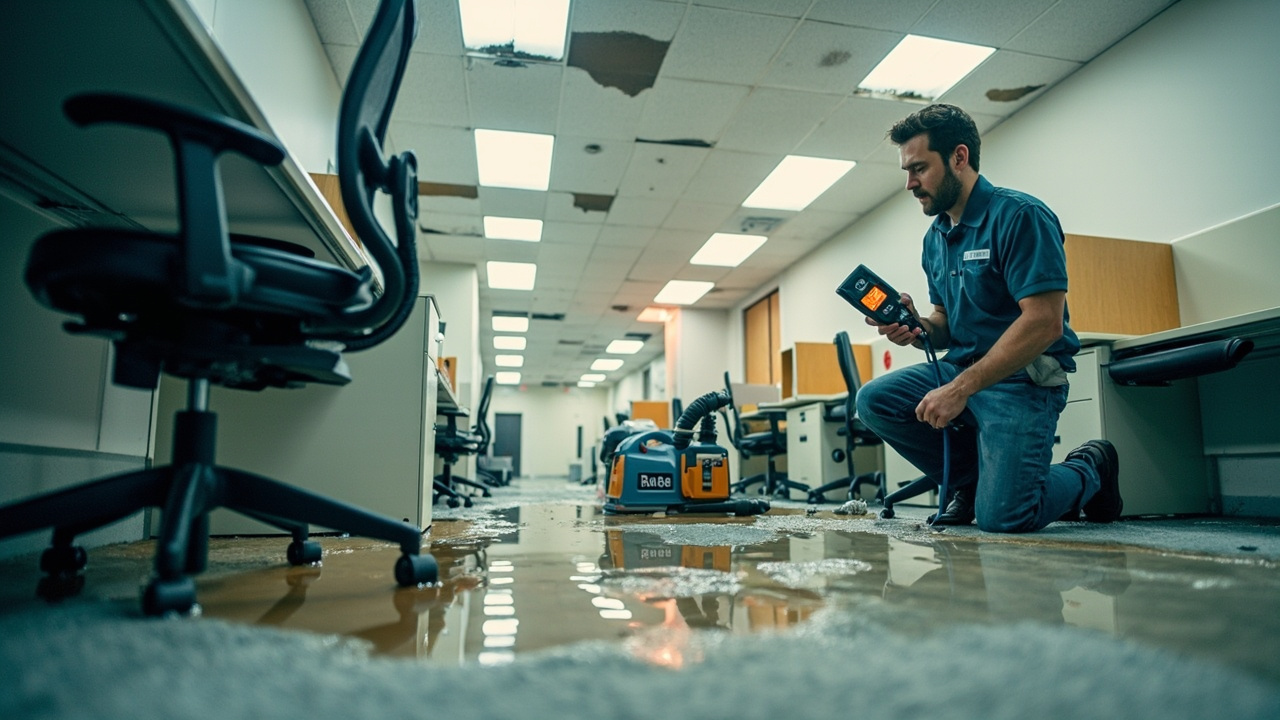
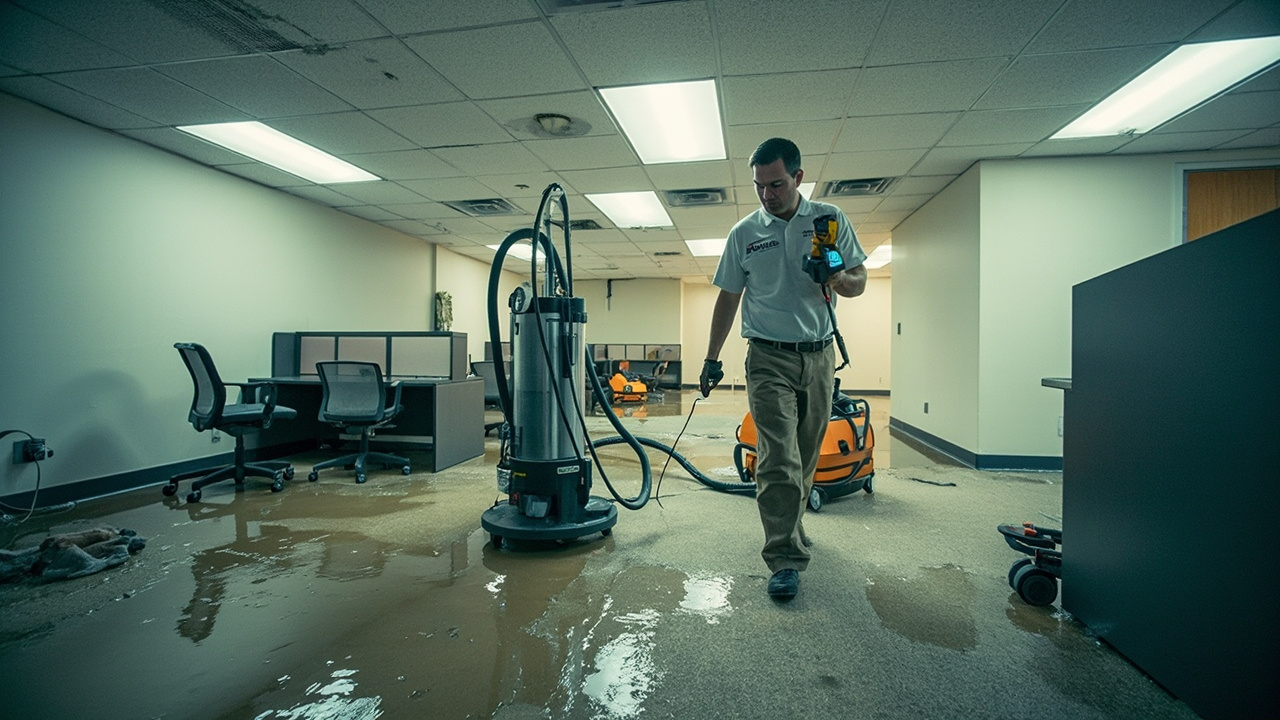
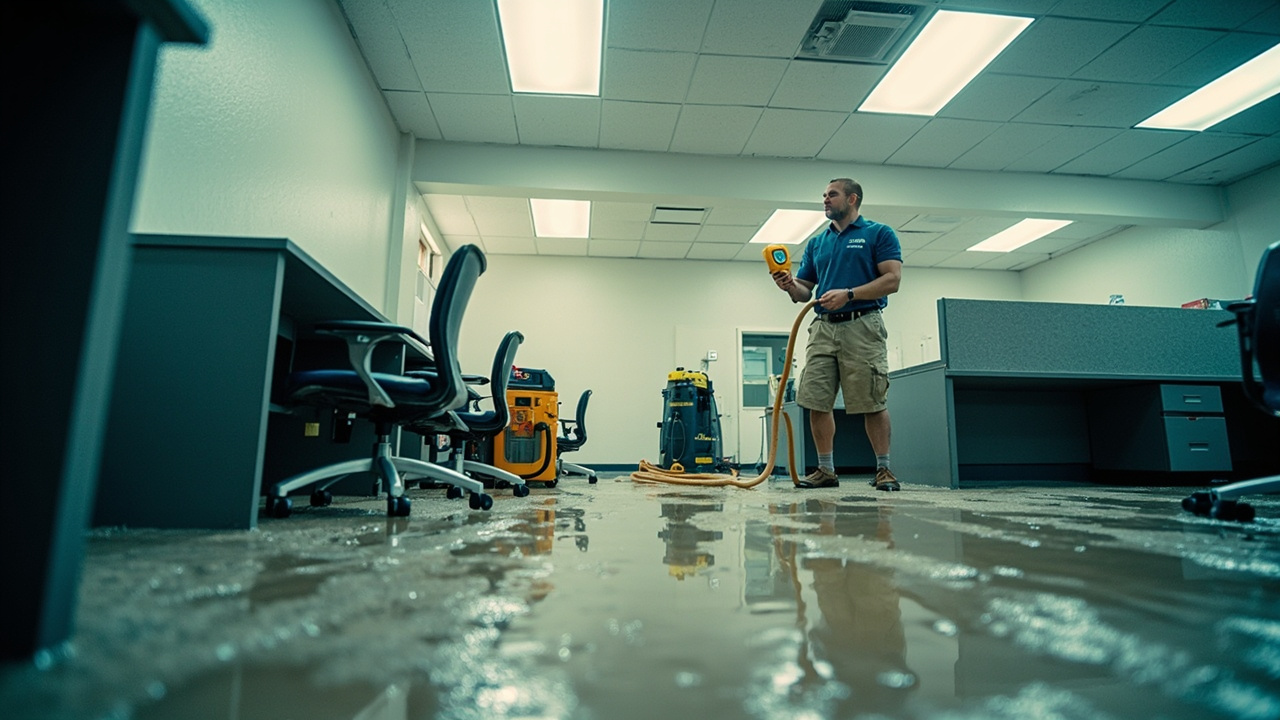
Pittsburgh experiences an average of 28 freeze-thaw cycles per winter. Temperatures drop below freezing overnight, then rise above 32 degrees during the day. This cycling stresses fire suppression system piping in unheated spaces like attics, stairwells, and parking garages. Ice forms inside the pipes, expands, and cracks fittings or welds. When the ice melts, the crack becomes a pressurized leak. Older buildings in neighborhoods like Polish Hill and Troy Hill, where many structures predate modern insulation standards, are particularly vulnerable. Rapid response to burst fire sprinkler flood remediation prevents water from saturating joists, insulation, and ceiling tiles, which are costly to replace and can harbor mold if not dried within 48 hours.
Pittsburgh building codes require fire suppression systems in most commercial and multi-family residential buildings over three stories. These systems save lives, but they also introduce maintenance and liability concerns. Property owners are responsible for ensuring sprinkler systems are inspected annually and kept in working order. When accidental discharge occurs, insurance carriers scrutinize maintenance records. Reliance Water Damage Restoration Pittsburgh works with local fire safety contractors and building inspectors to ensure our mitigation work meets city and state standards. Our documentation supports your compliance efforts and demonstrates proactive risk management, which can influence future insurance premiums and liability exposure.