




Menu

Water Bug & Pest Infestations in Pittsburgh – Expert Diagnosis and Permanent Moisture Control Solutions

Reliance Water Damage Restoration Pittsburgh identifies the hidden water sources attracting oriental cockroaches, water damage roaches, and sewer pests, then eliminates the moisture problems at their source to prevent future infestations.

Slider Image 1
Slider Image 2
Slider Image 3
Slider Image 4
Slider Image 5
Slider Image 7
Slider Image 8
Slider Image 9
Slider Image 10
Slider Image 11

Why Pittsburgh Homes Battle Persistent Water Bugs and Moisture-Related Pest Infestations

You spot a dark, shiny cockroach scuttling across your basement floor at 2 AM. You spray. It comes back. You call an exterminator. They spray. Two weeks later, you see three more. The problem is not the bugs. The problem is the water.

Pittsburgh's humid continental climate creates perfect conditions for moisture-related pest infestations. Summer humidity regularly hits 70 percent. Basements in neighborhoods like Lawrenceville, Squirrel Hill, and the North Side stay damp year-round because of high water tables and aging foundation drainage systems. When you combine this with Pittsburgh's freeze-thaw cycles that crack foundation walls and shift sewer lines, you create an open invitation for oriental cockroach problems.

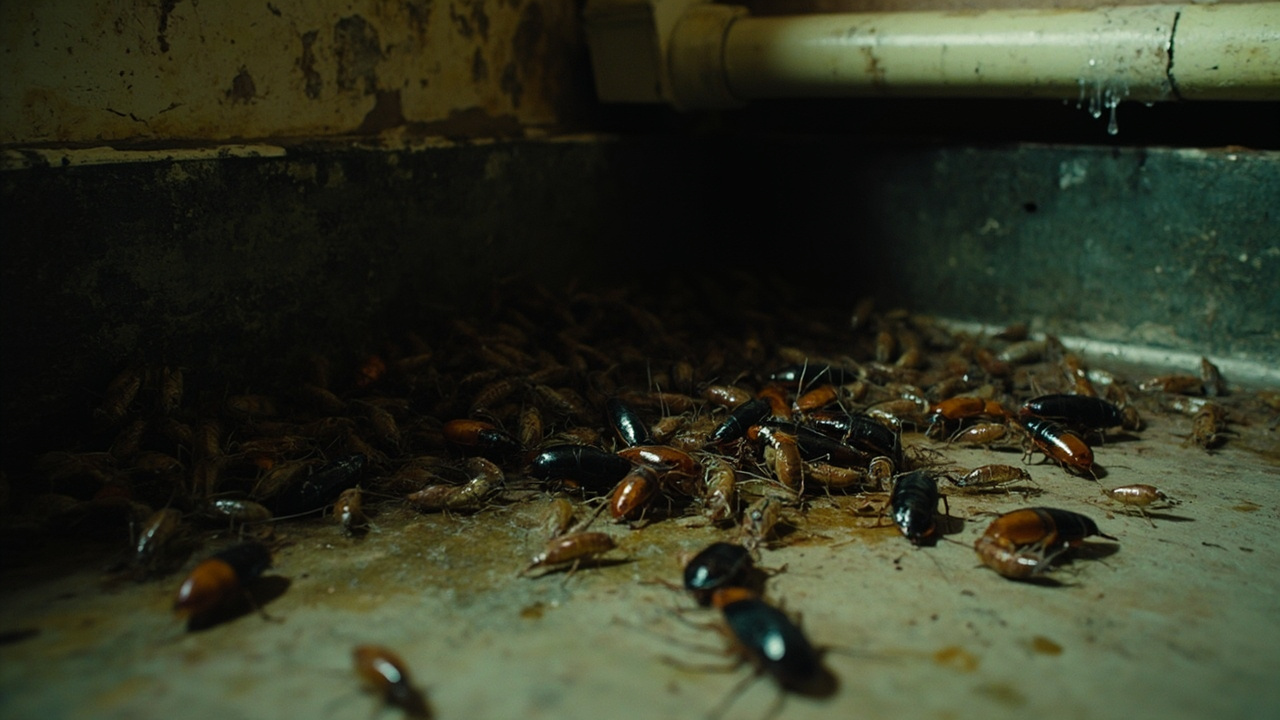
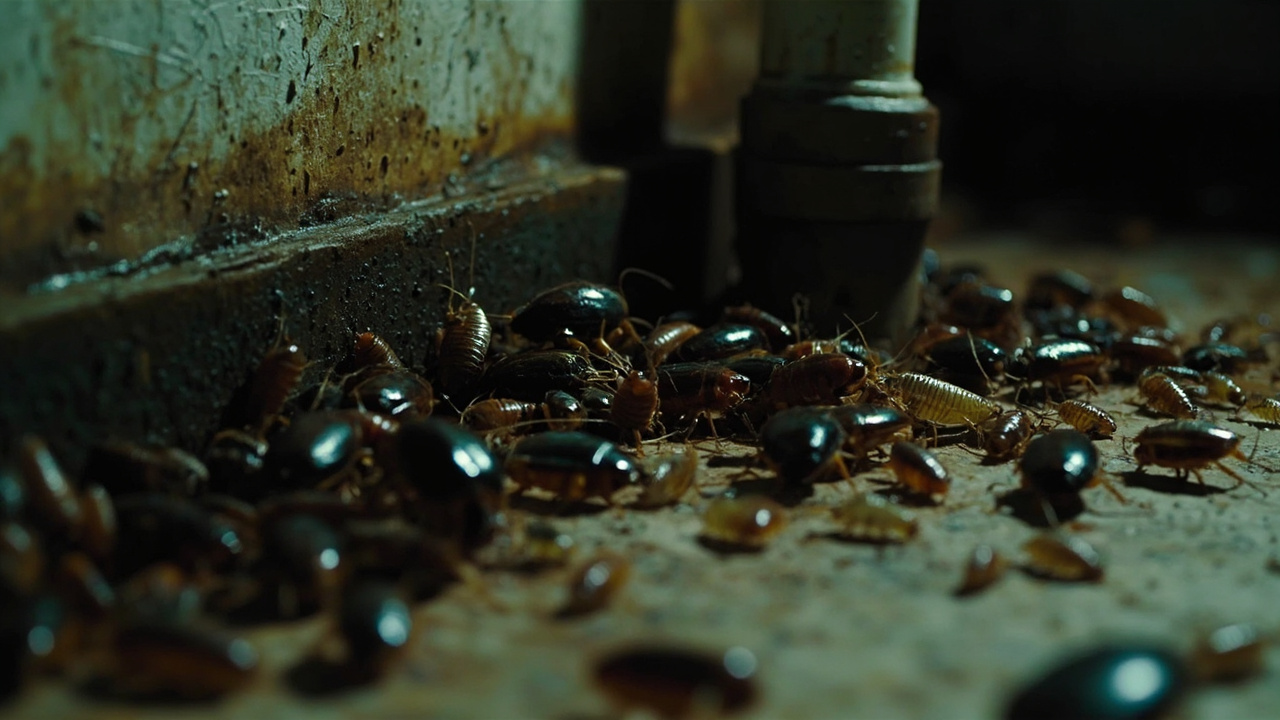
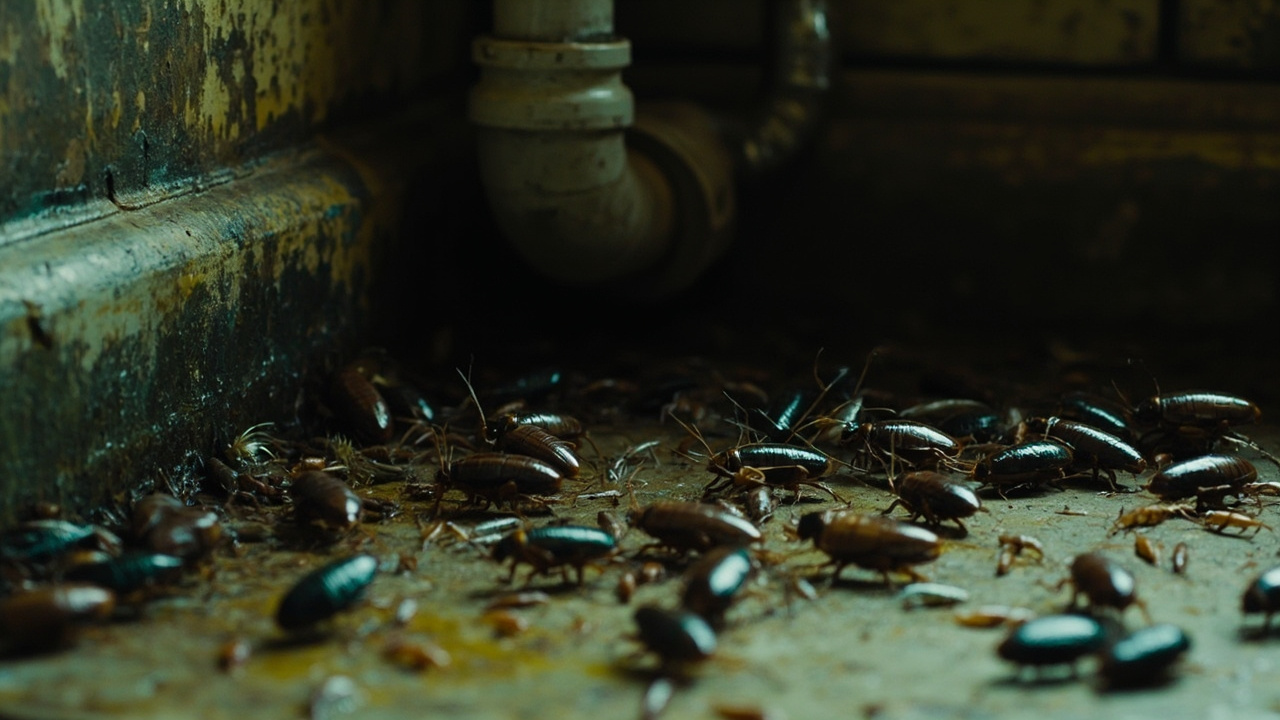
Water damage roaches are not random. They are indicators. Oriental cockroaches, American cockroaches, and German cockroaches all need moisture to survive. They congregate near leaking pipes, sweating foundation walls, failed sump pumps, and cracked sewer laterals. Damp environment insects like silverfish and springtails follow the same moisture trails.

The Allegheny and Monongahela River valleys trap humidity. Older homes built before modern waterproofing codes absorb moisture through stone and brick foundations. When you see water bugs, you are seeing the symptom of a structural moisture problem. Sewer roach infestations often trace back to cracked clay sewer lines common in pre-1970s Pittsburgh construction. Exterior grading that slopes toward foundations channels rainwater directly into crawl spaces and basements.

Spraying pesticides treats the symptom. Fixing the moisture source solves the problem.

Why Pittsburgh Homes Battle Persistent Water Bugs and Moisture-Related Pest Infestations
How We Eliminate the Water Source Attracting Pests

How We Eliminate the Water Source Attracting Pests

Reliance Water Damage Restoration Pittsburgh approaches water bug and pest infestations as moisture problems first. We do not spray chemicals and hope for the best. We find the water, eliminate the source, dry the structure, and remove the conditions that attracted pests in the first place.

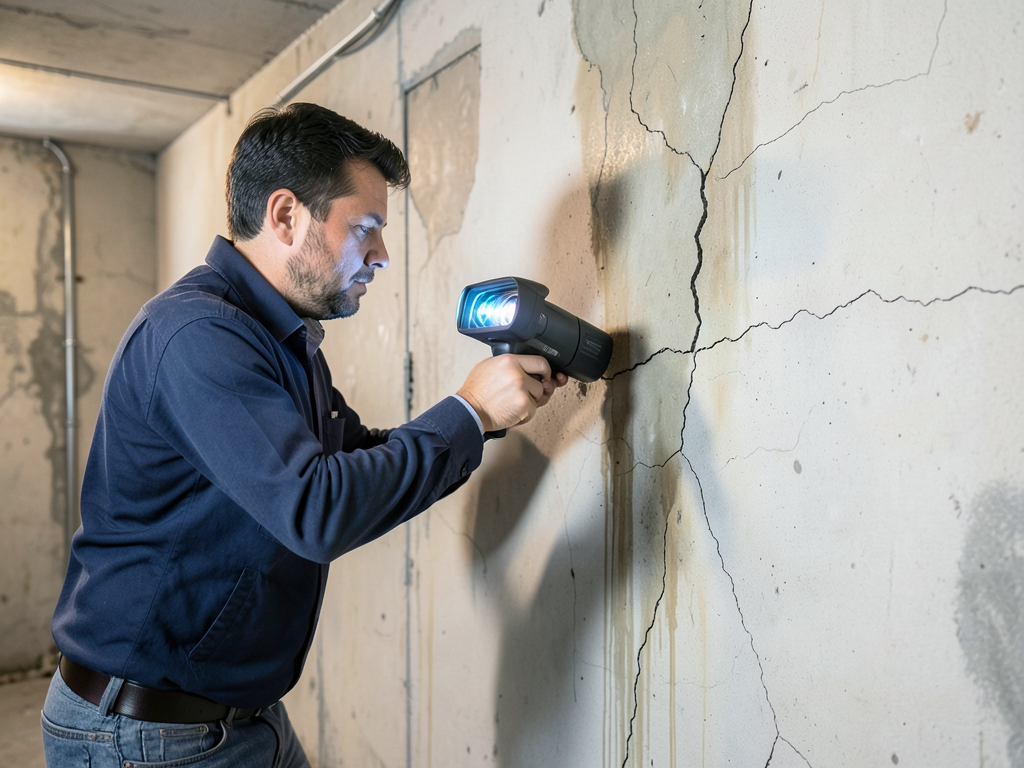
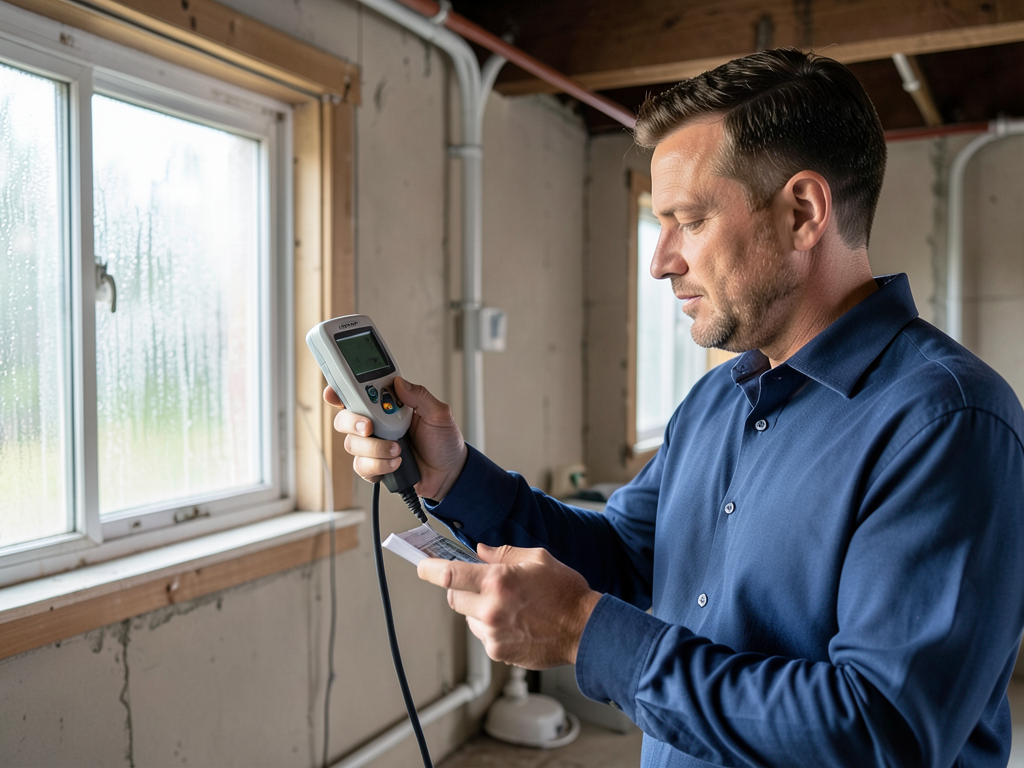
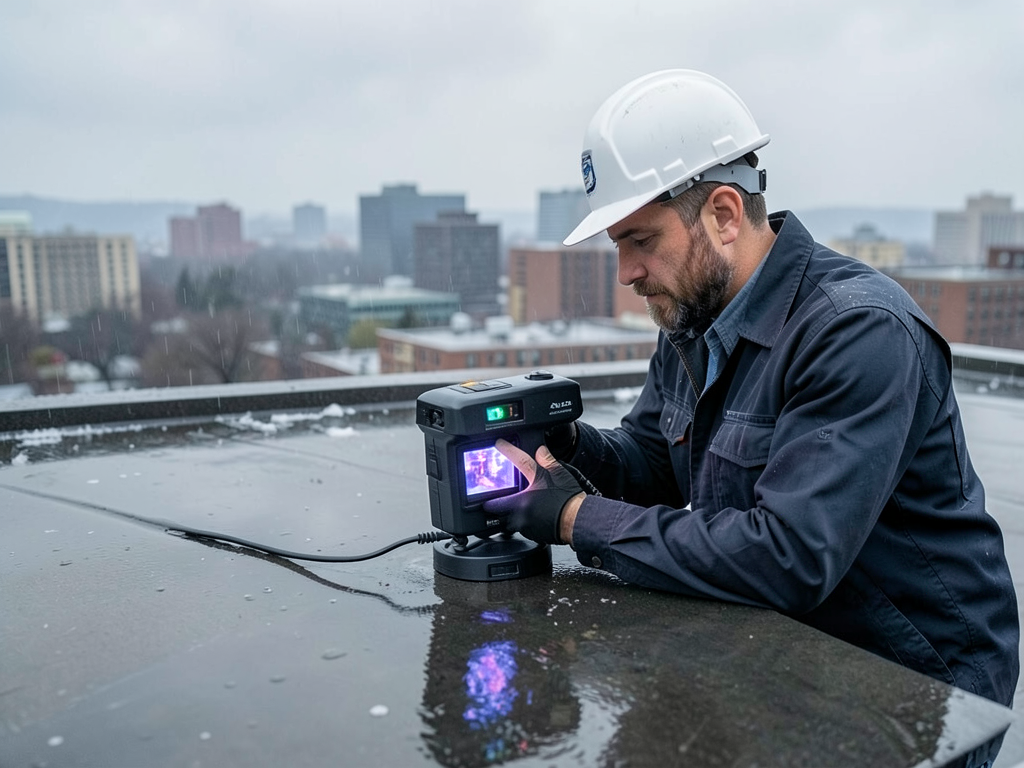
Our technicians use thermal imaging cameras to detect hidden moisture inside walls, under flooring, and behind baseboards. These cameras reveal temperature differentials that indicate active water intrusion. We use moisture meters to measure exact humidity levels in wood framing, drywall, and concrete. Readings above 17 percent moisture content in wood create habitable conditions for oriental cockroaches and other damp environment insects.

We inspect sewer lines with camera scopes to identify cracks, root intrusion, and bellied sections where water pools. Sewer roach infestations often originate from damaged laterals between the home and the main line. We trace plumbing supply lines with pressure tests to find pinhole leaks in copper pipes or failing joints in galvanized steel plumbing common in older Pittsburgh homes.

Foundation inspections identify exterior grading issues, missing or damaged downspout extensions, and failed perimeter drainage systems. We check sump pump operation, measure discharge line pitch, and verify check valves function correctly. Interior inspections target basement window wells, floor drain traps, laundry standpipes, and water heater drip pans.

Once we locate all moisture sources, we prioritize repairs based on severity. Active leaks get immediate attention. Structural moisture problems receive comprehensive remediation plans. We coordinate with licensed plumbers and foundation specialists when repairs exceed water damage restoration scope.

Our Three-Phase Pest Prevention and Moisture Remediation Process

Water Bug & Pest Infestations in Pittsburgh – Expert Diagnosis and Permanent Moisture Control Solutions
01

Moisture Source Investigation

We perform a complete moisture audit of your property using thermal imaging, moisture meters, and visual inspection. We check all plumbing penetrations, foundation walls, crawl spaces, and basement areas. We document every moisture source with photos and moisture readings. This creates a clear remediation roadmap and helps you understand why pests keep returning to specific areas of your home.
02

Water Extraction and Drying

We remove standing water using truck-mount extractors and portable pumps. We deploy commercial dehumidifiers and air movers to dry structural materials to below 15 percent moisture content. We monitor daily with moisture meters until readings stabilize. This phase eliminates the immediate water attracting oriental cockroaches and water damage roaches. Proper drying prevents mold growth that can attract additional pest species.
03

Permanent Moisture Control

We implement long-term solutions based on the root cause. This may include sump pump upgrades, exterior drainage improvements, crawl space encapsulation, or foundation crack sealing. We coordinate plumbing repairs for leaking supply lines or damaged sewer laterals. We install vapor barriers in crawl spaces and recommend dehumidifier systems for chronic basement humidity. The goal is to remove pest habitat permanently.

Why Pittsburgh Property Owners Choose Local Moisture Control Experts

Reliance Water Damage Restoration Pittsburgh understands the unique moisture challenges in Allegheny County. We work in homes built in the 1890s with stone foundations and modern construction with poured concrete. We know how Pittsburgh's topography affects drainage. Homes on hillsides in Mount Washington and Polish Hill face runoff problems. Properties in low-lying areas near the rivers deal with high water tables. Older neighborhoods like Bloomfield and Highland Park have combined sewer systems that can back up during heavy rain.

We recognize construction patterns specific to Pittsburgh. Many homes have below-grade basements with minimal waterproofing because they were built before modern building codes. Clay sewer laterals installed in the 1950s and 1960s are now failing throughout the city. Galvanized steel supply lines installed before 1970 corrode from the inside and develop pinhole leaks inside walls.

Our technicians hold IICRC certifications in water damage restoration and applied structural drying. We follow industry protocols for moisture mapping, psychrometry, and drying science. We document all work with moisture logs and photo documentation for insurance claims when applicable.

We respond quickly because we understand that moisture problems worsen rapidly. A small plumbing leak creates ideal conditions for water damage roaches within 48 hours. A failed sump pump during a rainstorm can flood a basement in minutes. We offer emergency response to prevent secondary damage.

We work directly with property owners to explain what we find. We show you the moisture readings, the thermal images, and the physical evidence. We explain your options without pressure. Our goal is to solve the moisture problem permanently so you never see another oriental cockroach in your basement.

What to Expect When You Call Reliance Water Damage Restoration Pittsburgh

Rapid Response Times

We typically arrive within two hours for emergency water damage situations. For scheduled moisture inspections related to pest problems, we schedule within 24 to 48 hours. Our technicians carry diagnostic equipment in their vehicles so we can begin the investigation immediately. We understand that seeing water bugs in your home is stressful. We prioritize your call and treat your property with urgency. Evening and weekend appointments are available.

Comprehensive Moisture Assessment

Our initial assessment takes 60 to 90 minutes depending on property size. We inspect all areas where moisture commonly accumulates. We check behind appliances, under sinks, in crawl spaces, and around foundation penetrations. We use thermal imaging to see inside walls without demolition. We measure humidity levels throughout the structure. You receive a written report with moisture readings, photos, and recommended actions. We explain our findings in plain language and answer all questions before we proceed.

Complete Drying and Restoration

We dry your property to industry standards verified by moisture meter readings. We remove damaged materials that cannot be salvaged. We apply antimicrobial treatments to prevent mold growth on structural surfaces. We coordinate any necessary reconstruction with qualified contractors. The end result is a dry, structurally sound space that no longer attracts moisture-dependent pests. We verify all work meets IICRC drying standards before we demobilize equipment.

Post-Remediation Verification

We schedule a follow-up inspection 30 days after project completion to verify moisture levels remain stable. We provide maintenance recommendations specific to your property and Pittsburgh's climate. We explain what to watch for and when to call for additional service. If you implement our recommended drainage or waterproofing improvements, we can perform annual moisture checks to ensure systems function correctly. Our goal is to prevent future water damage and eliminate conditions that attract pests.

Frequently Asked Questions

You Have Questions,
We Have Answers

What causes water bugs in your house? +

Water bugs enter your home seeking moisture, food, and shelter. Leaking pipes, damp basements, and standing water attract them. In Pittsburgh, older homes with cast iron plumbing or basement moisture issues from clay soil drainage problems create ideal conditions. Clogged gutters, foundation cracks, and poor grading funnel water toward your home. They also follow plumbing penetrations through walls and floors. Food debris in drains, pet food left out overnight, and cardboard storage in damp areas provide sustenance. High humidity from Pittsburgh's climate keeps them active year-round in basements and crawl spaces.

How do you know if you have a waterbug infestation? +

You will notice live bugs scurrying away when you turn on lights at night, especially in bathrooms and kitchens. Look for dark droppings that resemble coffee grounds or black pepper near water sources. Check behind appliances and under sinks for egg casings, which appear brown and oval. A musty, oily odor signals a large infestation. In Pittsburgh basements, inspect near sump pumps and floor drains. You may find shed exoskeletons in corners or along baseboards. Dead bugs near windows or drains also confirm an active problem requiring professional treatment.

Can your house be infested with water bugs? +

Yes, your house can develop a serious water bug infestation if conditions allow. A single female produces hundreds of offspring during her lifetime. Pittsburgh homes with chronic moisture problems, crawl space flooding, or aging plumbing systems face higher risk. They nest in wall voids, under appliances, and inside drain systems where you cannot reach them with store-bought products. Infestations spread quickly through multi-unit buildings and row homes common in neighborhoods like Lawrenceville and South Side. Without professional intervention targeting both adults and eggs, populations explode within weeks.

What does a water bug look like? +

Water bugs, often confused with Oriental cockroaches, appear dark brown or black and grow one to two inches long. They have flat, oval bodies with long antennae and six legs. Their wings lie flat against their backs, though they rarely fly. The body appears shiny or greasy. Unlike smaller German cockroaches, water bugs move slower and prefer ground level. In Pittsburgh, you will find them near basement drains, laundry rooms, and damp crawl spaces. They look similar to palmetto bugs but thrive in cooler, moisture-rich environments typical of Pennsylvania basements.

How to permanently get rid of water bugs? +

Permanent elimination requires fixing moisture sources and sealing entry points. Repair leaking pipes, improve basement ventilation, and install dehumidifiers to reduce humidity below 50 percent. Seal foundation cracks, gaps around pipes, and door sweeps. Remove standing water and fix drainage issues common in Pittsburgh's clay soil areas. Professional treatment targets nests inside walls and drain systems where DIY products fail. Apply residual insecticides in cracks and voids. Install drain covers and maintain regular cleaning schedules. Without addressing moisture and access points, they will return regardless of chemical treatments applied.

Does pouring bleach down the drain get rid of roaches? +

Bleach kills roaches on contact but does not eliminate infestations. It does not reach nests inside walls or pipes where they breed. Bleach also damages pipes, especially older cast iron systems common in Pittsburgh homes. The smell may repel bugs temporarily, but they return once it dissipates. Bleach does not affect eggs, so new roaches emerge within weeks. For drain-dwelling populations, enzyme cleaners work better by removing organic buildup they feed on. Professional treatment with residual insecticides applied to harborage areas provides lasting control that bleach cannot match.

What smell keeps water bugs away? +

Water bugs avoid strong scents like peppermint oil, cedar, bay leaves, and citrus. Mix peppermint oil with water and spray entry points, baseboards, and drain areas. Place cedar blocks in damp basements and crawl spaces. Bay leaves tucked behind appliances deter them from nesting. However, scents alone will not eliminate an established infestation in Pittsburgh homes. They mask the problem temporarily. You must combine repellents with moisture control, sealing entry points, and professional treatment for lasting results. Scent-based solutions work best as preventive measures, not primary control methods.

What time of year are water bugs most active? +

Water bugs stay active year-round in Pittsburgh homes because indoor temperatures and moisture remain constant. Peak activity occurs during spring and summer when outdoor populations migrate inside seeking cooler, damp areas. Heavy rains and flooding common along the Allegheny, Monongahela, and Ohio rivers drive them into basements and lower levels. Fall activity increases as they seek warm overwintering sites. In homes with chronic moisture issues or aging infrastructure, you will encounter them every season. Basement apartments and ground-level units in older neighborhoods see consistent activity regardless of outdoor temperatures.

How to find where water bugs are coming from? +

Inspect your home at night when they are active. Check basement floor drains, sump pump pits, and crawl space access points. Look behind water heaters, washing machines, and under sinks for gaps around pipes. Trace plumbing penetrations through foundation walls common in Pittsburgh's older housing stock. Examine exterior foundation cracks, basement window wells, and utility line entry points. Place sticky traps along baseboards and near suspected entry areas. Monitor gutters and downspouts for drainage issues creating moisture against your foundation. Professional inspection identifies hidden access points inside wall voids you cannot see.

What is the hardest pest to get rid of? +

Bed bugs rank as the hardest pest to eliminate due to their resistance to pesticides, rapid reproduction, and ability to hide in tiny cracks. They survive months without feeding and spread easily through multi-unit buildings. German cockroaches follow closely, breeding faster than most treatment protocols can control them. Termites require extensive structural treatment and monitoring. In Pittsburgh, mouse infestations in row homes prove difficult because they travel between connected properties. Each pest demands different strategies. Water bugs, while persistent, respond well to moisture control and professional treatment targeting their harborage areas and life cycle.

How Pittsburgh's Aging Infrastructure and High Humidity Create Persistent Pest Problems

Pittsburgh's combined sewer system and aging residential sewer laterals create unique challenges for water bug control. Many neighborhoods in the city still use combined sewers that carry both sanitary waste and stormwater in the same pipes. During heavy rain, these systems can back up into basements through floor drains and laundry standpipes. This brings sewer roach infestations directly into living spaces. Clay sewer laterals installed between 1950 and 1980 are now cracking and separating at joints. These damaged pipes allow oriental cockroaches and other sewer pests to migrate from the municipal system into private homes. Pittsburgh's hilly terrain exacerbates drainage problems. Homes at the bottom of slopes receive runoff from uphill properties. Older neighborhoods built before modern grading codes often have foundations that act as collection points for surface water.

Local building codes in Allegheny County now require proper foundation waterproofing and drainage systems for new construction. Older homes lack these protections. Our technicians understand the construction methods used in different eras of Pittsburgh development. We know which neighborhoods have high water tables. We recognize the signs of foundation settlement common in homes built on hillside lots. We work with local plumbers who understand Pittsburgh's infrastructure challenges. We coordinate with foundation specialists familiar with the soil conditions throughout Allegheny County. This local knowledge allows us to recommend solutions that actually work long-term rather than generic fixes that fail within months. Choosing a water damage restoration company that understands Pittsburgh's specific challenges ensures you get solutions designed for your property's actual conditions.
Water Damage Restoration Services in The Pittsburgh Area

While we provide rapid mobile service directly to your location, you can also find our physical business location on the map below. This map highlights our primary service area and shows our commitment to serving the Pittsburgh community. We are always ready to dispatch our expert team to your home or business, no matter where you are in our service region. Feel free to use the interactive map to get directions or to visualize our proximity to you.

Address:
Reliance Water Damage Restoration Pittsburgh, 201 S Craig St, Pittsburgh, PA, 15213

Additional Services We Offer

Our news updates

Latest Articles & News from The Blogs

How to tell if you have a expensive slab leak under your Franklin Park home Franklin Park homeowners face a…

How to tell if you have a expensive slab leak under your Franklin Park home

How to tell if you have a expensive slab leak under your Franklin Park home Franklin Park homeowners face a…

What to do when your office fire sprinklers go off by mistake in Downtown Pittsburgh

What to do when your office fire sprinklers go off by mistake in Downtown Pittsburgh When fire sprinklers discharge without…

Preserving the original masonry in Mexican War Streets homes after a water leak

Preserving the original masonry in Mexican War Streets homes after a water leak When water infiltrates the historic brick and…

Contact Us

Call Reliance Water Damage Restoration Pittsburgh at (412) 382-8788 for a comprehensive moisture assessment. We identify water sources attracting pests and provide permanent solutions. Available 24 hours for emergency water damage.