




Menu

Risks of DIY Water Cleanup in Pittsburgh – Why Amateur Water Removal Leads to Mold, Structural Damage, and Health Hazards

Understand the Hidden Dangers of DIY Water Damage Restoration Before You Grab That Shop Vac – Pittsburgh's Humidity and Aging Infrastructure Make Amateur Water Cleanup a Recipe for Long-Term Disaster

Slider Image 1
Slider Image 2
Slider Image 3
Slider Image 4
Slider Image 5
Slider Image 7
Slider Image 8
Slider Image 9
Slider Image 10
Slider Image 11

Why DIY Water Cleanup Fails in Pittsburgh Homes

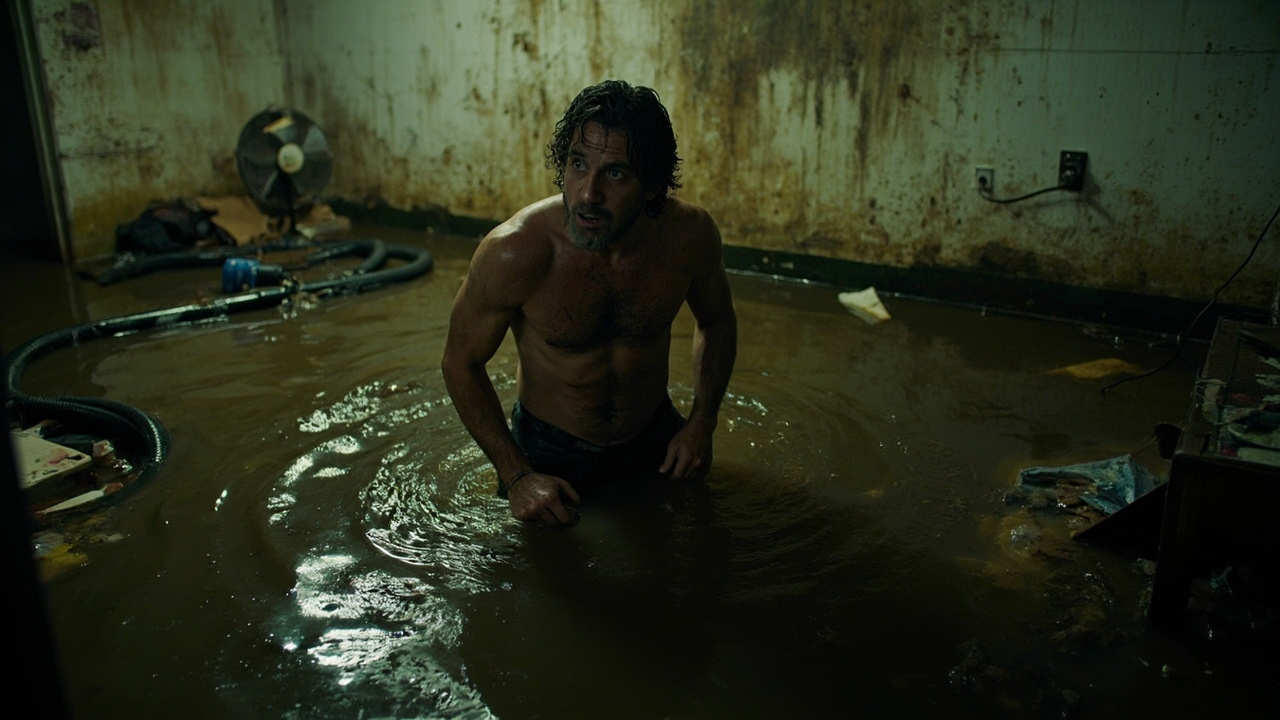
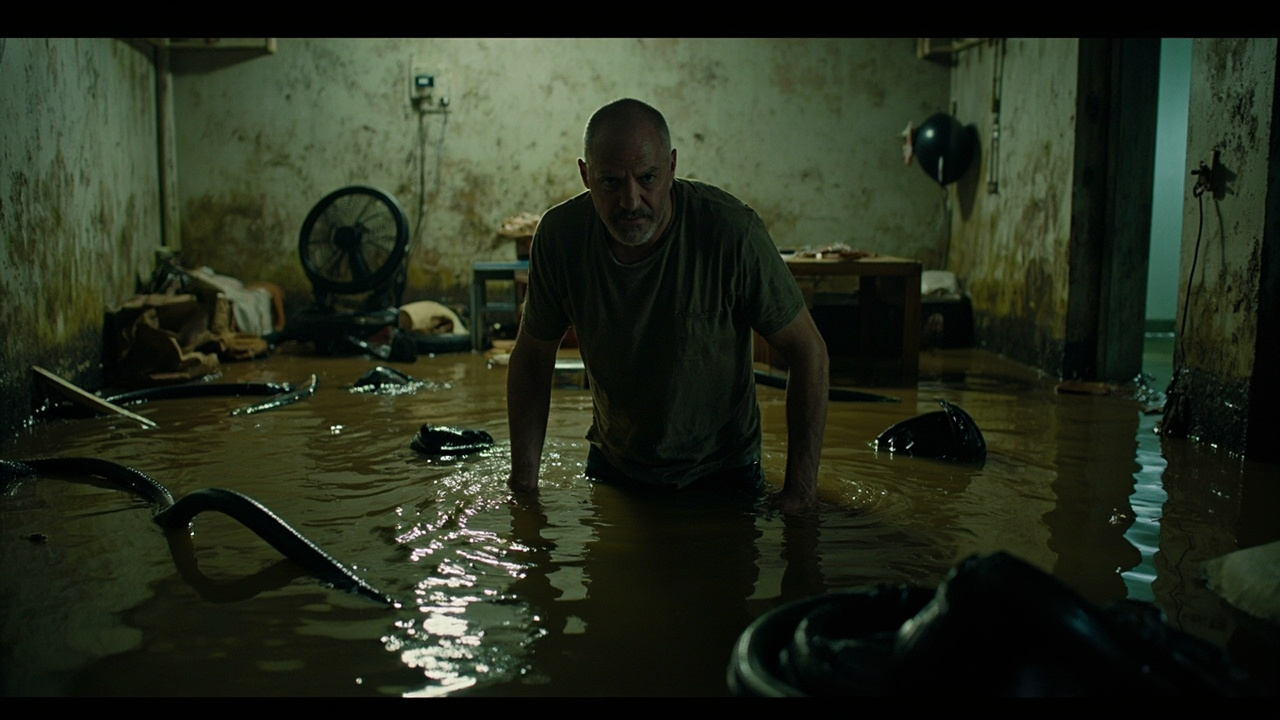
You walk into your basement after a pipe burst or heavy rain and see standing water. Your first instinct is to rent a wet vac, pull up the carpet, and handle it yourself. That impulse is understandable, but the dangers of DIY water damage restoration in Pittsburgh are significant and often invisible until it's too late.

Pittsburgh's climate creates a perfect storm for water damage complications. The city averages 203 days of precipitation annually, with humidity levels that rarely drop below 60 percent during summer months. This constant moisture creates ideal conditions for mold colonization within 24 to 48 hours of water intrusion. When you attempt amateur water cleanup, you are addressing surface water while missing the hidden moisture that soaks into drywall cavities, subfloor layers, and insulation.

The hazards of do-it-yourself water removal extend beyond mold. Many Pittsburgh homes were built before 1960, with plaster walls and hardwood subfloors that retain water differently than modern construction. These materials warp, swell, and deteriorate when moisture is not extracted properly. A shop vac removes standing water but leaves 40 to 60 percent of moisture embedded in porous materials.

The consequences of amateur water cleanup become apparent weeks or months later. You notice musty odors, discolored walls, or respiratory symptoms. By then, mold has colonized behind walls, structural wood has begun to rot, and what started as a manageable incident has become a health hazard requiring full remediation. The hidden risks of self-managed water mitigation are not just financial. They are medical, structural, and long-term.

The pitfalls of DIY water extraction center on one fact: you cannot see the moisture you are leaving behind.

Why DIY Water Cleanup Fails in Pittsburgh Homes
How Professional Water Damage Restoration Protects Your Home

How Professional Water Damage Restoration Protects Your Home

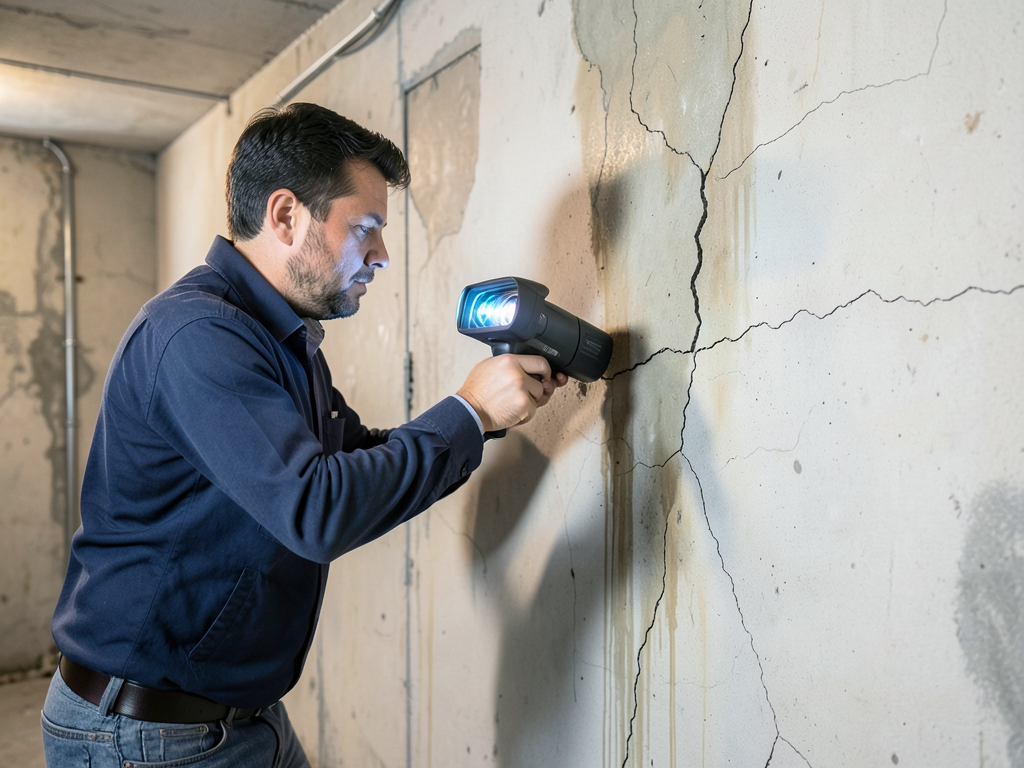
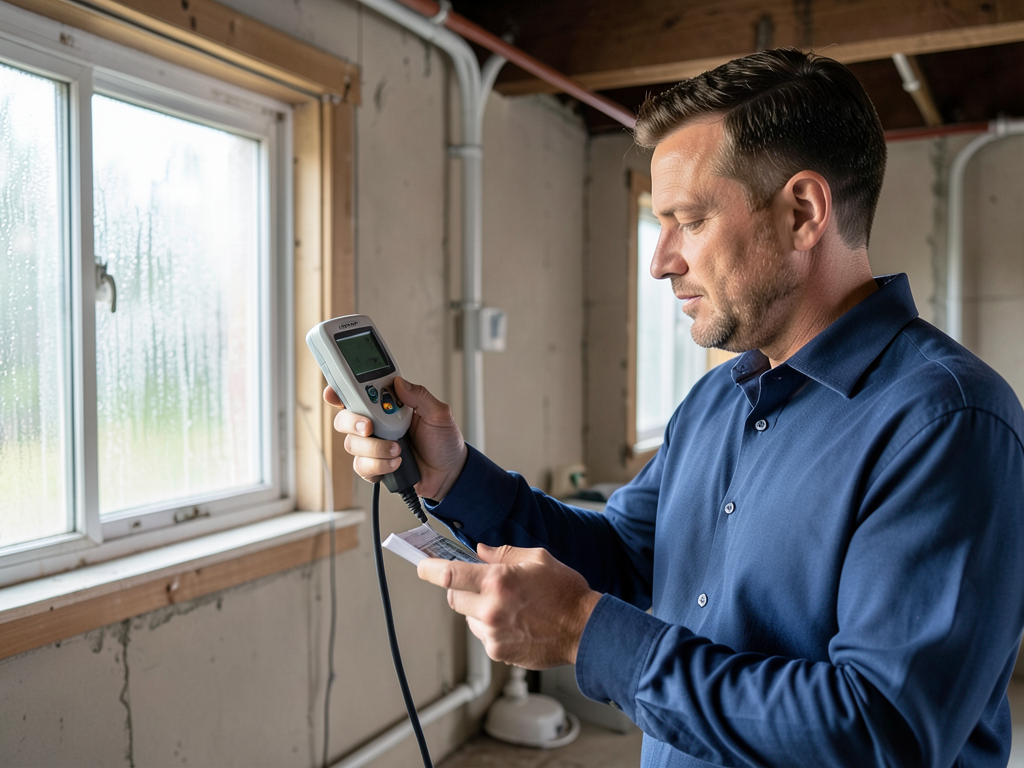
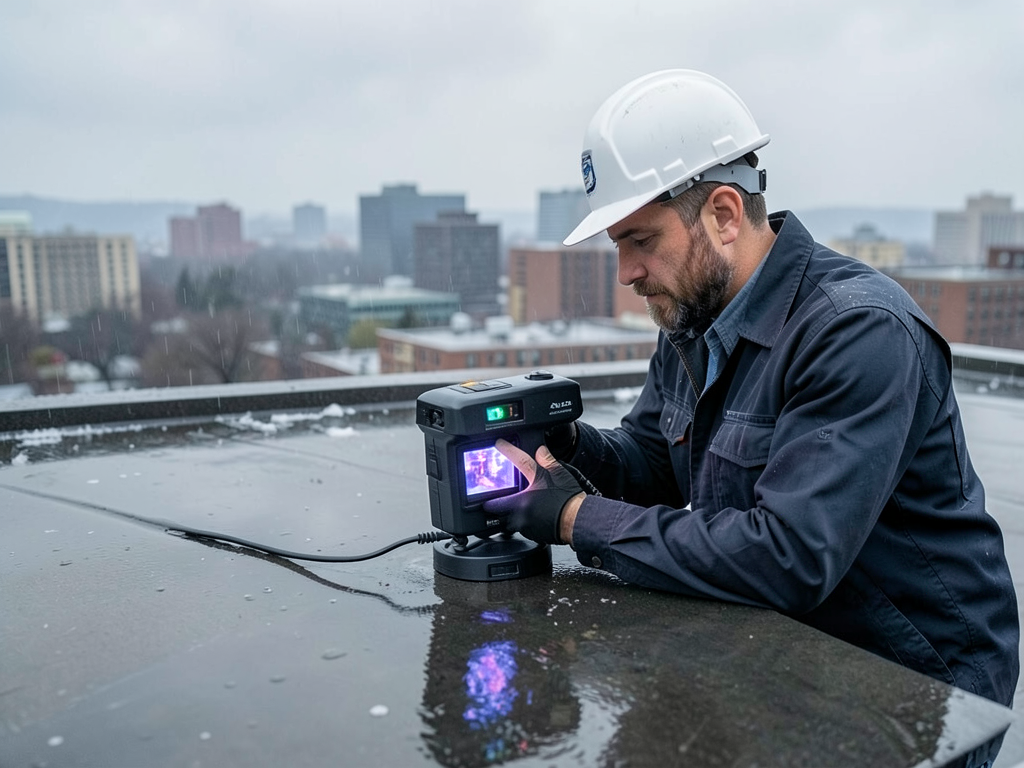
Professional water damage restoration is not about mopping up water. It is about moisture mapping, microbial prevention, and structural preservation. When Reliance Water Damage Restoration Pittsburgh responds to a water loss, we use thermal imaging cameras to detect moisture trapped in wall cavities, beneath flooring, and inside ceiling voids. You cannot see this moisture with the naked eye, and a standard moisture meter from a hardware store will not detect it.

We deploy commercial-grade dehumidifiers rated for specific cubic footage and air exchange rates. A residential dehumidifier might extract 30 pints of moisture per day. Our equipment extracts 150 to 200 pints per day while maintaining precise humidity targets to prevent secondary damage. We also use low-grain refrigerant dehumidifiers when temperatures drop below 60 degrees, a common scenario in Pittsburgh basements during fall and winter.

Air movers are positioned strategically to create laminar airflow across wet surfaces. This is not the same as pointing a box fan at a wet carpet. We calculate air changes per hour based on room volume and moisture load to ensure complete drying in three to five days. Without this calculated approach, you risk trapping moisture beneath materials, which leads to delamination, buckling, and microbial growth.

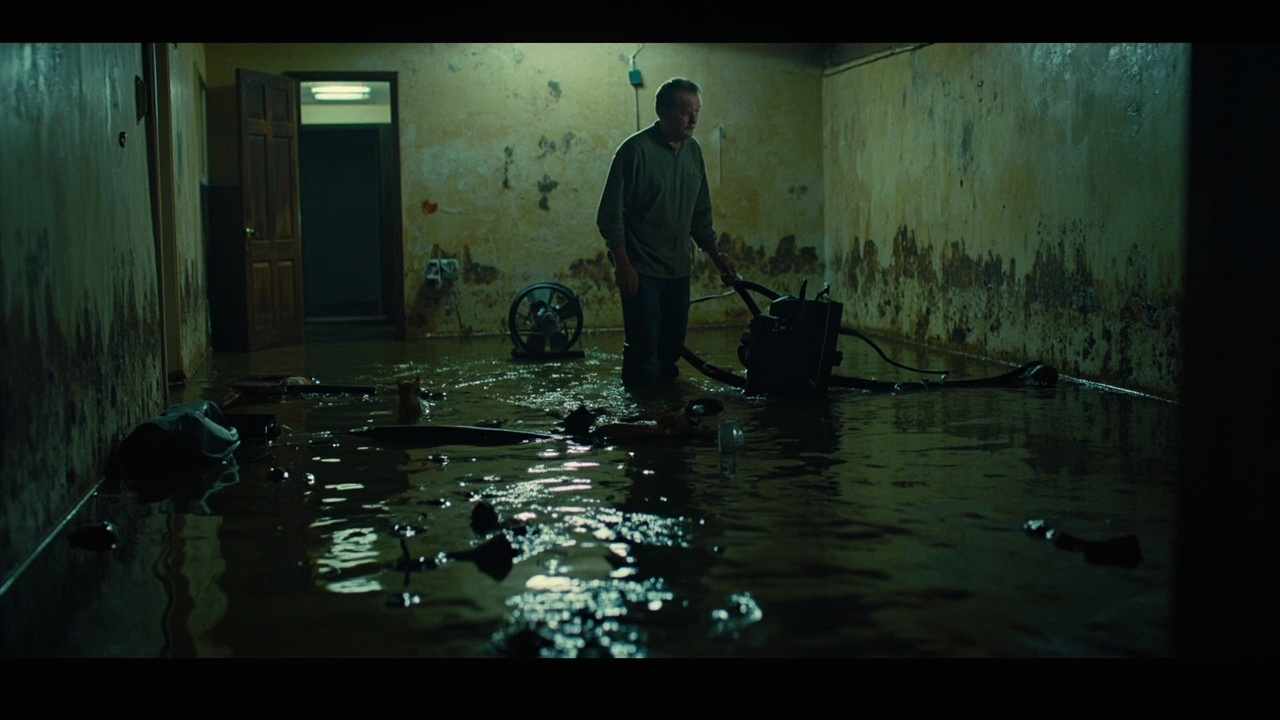
We also address contamination classification. Water from a burst supply line is clean, but water from a backed-up drain or sewage overflow is Category 3 contaminated water containing bacteria, viruses, and pathogens. Attempting DIY cleanup of Category 3 water without proper PPE, antimicrobial agents, and disposal protocols exposes you to serious health risks. Professional restoration includes biocide application, controlled demolition of contaminated materials, and air scrubbing with HEPA filtration to remove airborne contaminants.

What Happens When You Call for Emergency Water Damage Assessment

Risks of DIY Water Cleanup in Pittsburgh – Why Amateur Water Removal Leads to Mold, Structural Damage, and Health Hazards
01

Immediate Damage Assessment

Within two hours of your call, a certified technician arrives to assess the scope of water intrusion. We document affected areas with photos and moisture readings, identify the water source, and classify contamination level. This initial assessment determines whether materials can be dried in place or require removal. You receive a detailed scope of work before any equipment is deployed, so you understand exactly what needs to happen and why.
02

Water Extraction and Monitoring

Truck-mounted extractors remove standing water, followed by placement of air movers and dehumidifiers positioned based on psychrometric calculations. We monitor moisture levels twice daily using penetrating moisture meters and document drying progress with detailed logs. This data is critical for insurance claims and ensures materials reach acceptable moisture content levels. We adjust equipment placement and settings as conditions change to maintain optimal drying velocity without causing secondary damage like cracking or shrinkage.
03

Final Verification and Clearance

Before we remove equipment, all affected materials must read at or below baseline moisture levels for the material type. We provide a certificate of completion documenting final moisture readings, photos of dried areas, and confirmation that no visible microbial growth is present. This documentation is essential for insurance claims and gives you peace of mind that the job was completed to IICRC S500 standards. You also receive guidance on monitoring for signs of residual moisture in the weeks following restoration.

Why Pittsburgh Homeowners Trust Reliance Water Damage Restoration

Pittsburgh homes face unique challenges that make professional water damage restoration critical. The city's aging housing stock includes thousands of homes with cast iron drain lines, galvanized supply pipes, and original clay tile roofing. These systems fail predictably, and when they do, water moves through wall cavities, floor joists, and plaster in ways that modern construction does not experience.

We understand how water behaves in Pittsburgh homes. Neighborhoods like Shadyside, Squirrel Hill, and Highland Park contain century-old properties with balloon framing, where water from a second-floor pipe burst can travel down open wall cavities directly to the basement. We know where to look for hidden moisture and how to access concealed spaces without causing unnecessary demolition.

Our team is trained in IICRC Water Damage Restoration certification, which means we follow industry standards for moisture detection, drying methodology, and microbial remediation. This is not optional training. It is the recognized standard for professional water damage work, and it ensures you receive consistent, effective service based on scientific principles rather than guesswork.

We also coordinate directly with insurance adjusters to document losses, provide accurate estimates, and streamline the claims process. Many homeowners attempt DIY water cleanup only to discover their insurance will not cover secondary damage caused by improper mitigation. When you call a certified restoration company immediately, you create a documented chain of action that supports your claim and maximizes coverage.

Local familiarity matters. We know that Pittsburgh's combined sewer system can cause backflow during heavy rain events, particularly in neighborhoods like Lawrenceville and the North Side. We understand the flood risks associated with properties near the Allegheny, Monongahela, and Ohio rivers. This local knowledge informs our response strategy and ensures we address the root cause, not just the visible symptoms.

What to Expect When You Call for Water Damage Restoration

Response Time and Availability

Water damage requires immediate action. Mold spores begin germinating within 24 hours of water intrusion, and structural damage accelerates with every hour materials remain wet. We provide 24-hour emergency response, 365 days per year, with technicians dispatched within two hours of your call. This rapid response is critical in Pittsburgh, where high humidity accelerates microbial growth. When you call at 2 a.m. because a pipe burst, you get a technician at your door by 4 a.m., not a voicemail promising a callback during business hours. Speed is not a luxury in water damage work. It is the difference between drying and demolition.

Detailed Moisture Assessment

The initial assessment determines the success of the entire restoration. We use thermal imaging to detect temperature differentials that indicate trapped moisture behind walls and beneath flooring. Penetrating moisture meters measure water content in wood framing, subfloors, and drywall at multiple depths. We also use thermo-hygrometers to measure ambient temperature and relative humidity, which informs our dehumidification strategy. You receive a written report documenting affected areas, moisture readings, and classification of water contamination. This report becomes the foundation for the drying plan and insurance documentation. Guesswork has no place in professional water damage restoration.

Complete Structural Drying

Drying is a science, not a waiting game. We calculate the specific dehumidification capacity needed based on room volume, moisture load, and material porosity. Air movers are positioned to create laminar airflow that pulls moisture from materials into the air, where dehumidifiers extract it. We monitor progress twice daily and adjust equipment to maintain optimal drying conditions. Most residential water losses dry completely within three to five days when managed properly. The result is materials restored to pre-loss moisture content without warping, delamination, or microbial contamination. You get documentation proving materials are dry, not assurances that they look dry.

Post-Restoration Monitoring Guidance

Once equipment is removed and materials are verified dry, we provide guidance on monitoring for signs of residual moisture or delayed microbial growth. You learn what to watch for, including musty odors, discoloration, or increased humidity levels in previously affected areas. We also explain how to prevent future water intrusion through maintenance of plumbing systems, sump pumps, and foundation drainage. If you notice any concerns in the weeks following restoration, we return to assess and address them. Professional water damage restoration includes accountability for outcomes, not just completion of tasks. You should never wonder if the job was done right.

Frequently Asked Questions

You Have Questions,
We Have Answers

Why Pittsburgh's Humidity and Aging Homes Make DIY Water Cleanup Dangerous

Pittsburgh's 60 to 80 percent relative humidity during summer months turns every water intrusion into a mold risk within 48 hours. When you attempt DIY water cleanup, you remove standing water but leave moisture embedded in plaster, hardwood subfloors, and insulation common to pre-1960 construction. The city's housing stock includes thousands of homes with balloon framing, where water travels freely between floors through open wall cavities. This construction style means water from a second-floor bathroom can saturate first-floor walls and basement ceiling joists without visible evidence. The consequences of amateur water cleanup in Pittsburgh are amplified by climate and construction methods that trap moisture and accelerate microbial growth.

Reliance Water Damage Restoration Pittsburgh understands the specific challenges of water damage in Western Pennsylvania. We know that combined sewer systems in older neighborhoods can cause backflow during heavy rain, contaminating basements with Category 3 water that requires specialized remediation. We understand that foundation drain tiles in Pittsburgh homes often fail after decades of freeze-thaw cycles, creating chronic moisture problems that DIY methods cannot address. Our technicians are trained in the architectural quirks of local housing stock and the microbial risks posed by the region's climate. When you choose professional restoration, you get expertise rooted in local conditions, not generic water cleanup procedures.
Water Damage Restoration Services in The Pittsburgh Area

While we provide rapid mobile service directly to your location, you can also find our physical business location on the map below. This map highlights our primary service area and shows our commitment to serving the Pittsburgh community. We are always ready to dispatch our expert team to your home or business, no matter where you are in our service region. Feel free to use the interactive map to get directions or to visualize our proximity to you.

Address:
Reliance Water Damage Restoration Pittsburgh, 201 S Craig St, Pittsburgh, PA, 15213

Additional Services We Offer

Our news updates

Latest Articles & News from The Blogs

How to tell if you have a expensive slab leak under your Franklin Park home Franklin Park homeowners face a…

How to tell if you have a expensive slab leak under your Franklin Park home

How to tell if you have a expensive slab leak under your Franklin Park home Franklin Park homeowners face a…

What to do when your office fire sprinklers go off by mistake in Downtown Pittsburgh

What to do when your office fire sprinklers go off by mistake in Downtown Pittsburgh When fire sprinklers discharge without…

Preserving the original masonry in Mexican War Streets homes after a water leak

Preserving the original masonry in Mexican War Streets homes after a water leak When water infiltrates the historic brick and…

Contact Us

Every hour you wait allows moisture to spread deeper into building materials. Call Reliance Water Damage Restoration Pittsburgh now at (412) 382-8788 for immediate dispatch. We respond 24 hours a day, document everything for insurance, and dry your home right the first time.