







Menu

Basement Waterproofing Guide Pittsburgh – Proven Methods to Stop Water Infiltration for Good

Get expert basement sealing techniques tailored to Pittsburgh's challenging clay soil and freeze-thaw cycles, with foundation waterproofing methods that address the root cause of water intrusion.

Slider Image 1
Slider Image 2
Slider Image 3
Slider Image 4
Slider Image 5
Slider Image 7
Slider Image 8
Slider Image 9
Slider Image 10
Slider Image 11

Why Pittsburgh Basements Stay Wet

Pittsburgh sits in a geographic bowl where three rivers converge. The soil beneath your foundation is clay-heavy, which expands when saturated and contracts when dry. This creates hydrostatic pressure against your basement walls during wet seasons.

Between November and April, freeze-thaw cycles crack foundation concrete. Water seeps through these hairline fractures. When spring rains arrive, that water has a clear path into your basement.

The city averages 38 inches of precipitation annually. Much of that water moves through poorly graded lots where downspouts discharge too close to foundations. You see the result as wall seepage, floor cracks, or standing water after storms.

Many Pittsburgh homes were built before modern building codes required proper drainage systems. Older neighborhoods like Shadyside and Squirrel Hill have homes with stone foundations that lack exterior waterproofing membranes. Water moves through mortar joints and porous stone.

Understanding how to waterproof a basement starts with identifying your specific failure point. Is water entering through wall cracks, floor joints, window wells, or basement windows? Each entry point requires different basement sealing techniques.

Wet basement solutions are not one-size-fits-all. A home in Polish Hill with a rubble stone foundation needs a different approach than a Mount Washington property with poured concrete walls. Foundation waterproofing methods must account for soil type, lot grade, and existing drainage infrastructure.

This leaky basement repair guide walks you through the diagnostic process and explains which waterproofing strategies work for Pittsburgh's unique conditions.

Why Pittsburgh Basements Stay Wet
How Professional Waterproofing Systems Work

How Professional Waterproofing Systems Work

Effective basement waterproofing requires a multi-layer approach. Surface treatments like waterproof paint fail because they do not address hydrostatic pressure. Water will find another route through your foundation.

The first layer is exterior excavation and membrane application. Crews dig down to the footer, clean the foundation wall, apply a rubberized membrane, and install a perimeter drain tile system. This captures water before it contacts your foundation. The drain tile connects to a sump basin or daylights to a lower grade.

When exterior excavation is not feasible due to landscaping, driveways, or adjacent structures, interior drainage becomes the primary defense. A perimeter trench is cut into the basement floor along the base of the foundation wall. Drain tile is installed in this trench and slopes toward a sump pump basin. The sump pump ejects water away from the home.

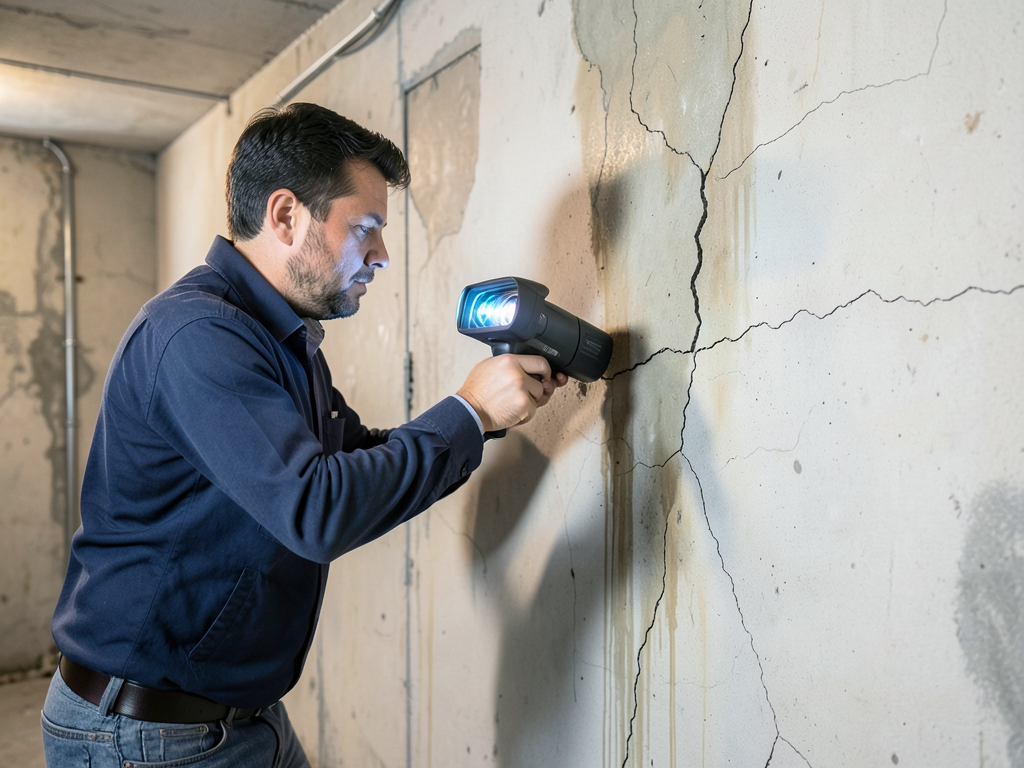
Crack injection with polyurethane or epoxy resin seals active leaks in poured concrete walls. This method stops water at the entry point without excavation. For block foundations, injection alone is not sufficient because water travels through the hollow cores.

Wall vapor barriers prevent moisture transmission through porous concrete or block. Dimpled polyethylene sheeting is mechanically fastened to walls, creating an air gap that channels water down to the perimeter drain.

Reliance Water Damage Restoration Pittsburgh combines these basement sealing techniques based on your specific failure mode. We perform moisture testing, soil analysis, and grade evaluation before recommending a solution.

Our foundation waterproofing methods include backup battery systems for sump pumps, because Pittsburgh power outages during storms leave many systems inoperable when you need them most.

What Happens During a Waterproofing Project

Basement Waterproofing Guide Pittsburgh – Proven Methods to Stop Water Infiltration for Good
01

Comprehensive Water Intrusion Assessment

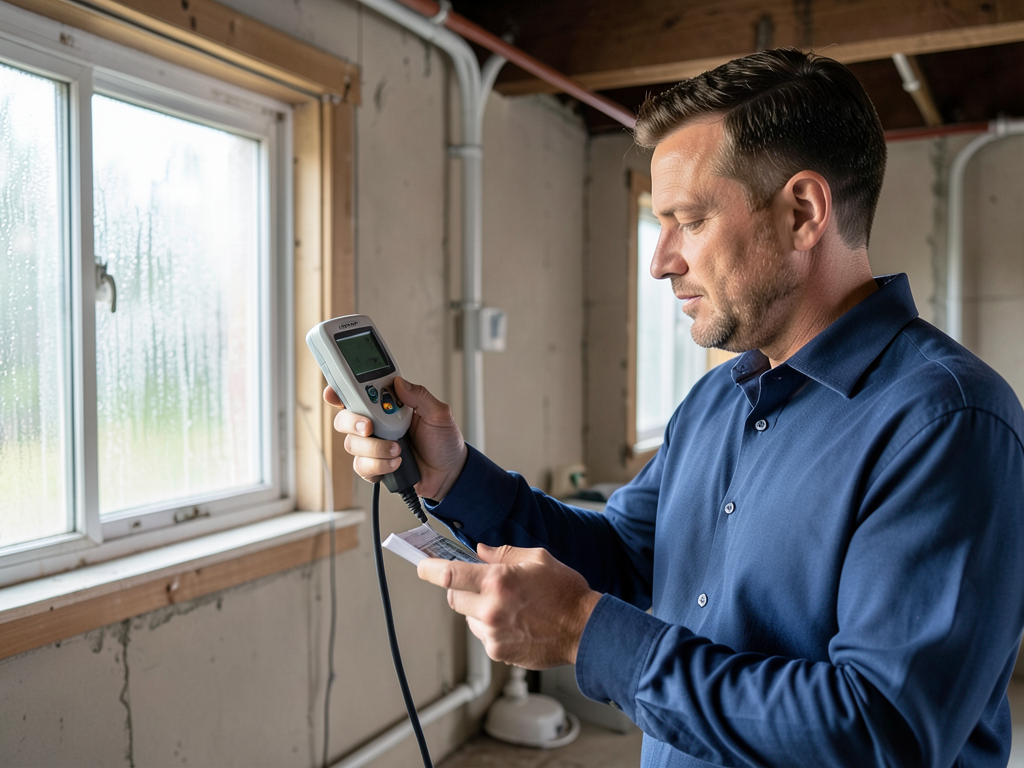
We inspect your basement during or immediately after rain to identify active leaks. Moisture meters measure water content in walls and floors. We evaluate exterior grade, downspout discharge points, and lot drainage patterns. Soil borings determine clay content and permeability. This diagnostic phase reveals whether you need exterior waterproofing, interior drainage, crack repair, or a combination approach tailored to your home's construction and Pittsburgh's soil conditions.
02

Targeted Waterproofing Installation

Based on assessment findings, crews excavate foundations, install membranes and drain tile, or cut interior perimeter trenches for subsurface drainage. Sump pumps are positioned at the lowest point with discharge lines that run at least 10 feet from the foundation. Wall cracks receive polyurethane injection under pressure. Vapor barriers are installed on walls that transmit moisture. We coordinate with local inspectors when code compliance requires permits for structural modifications or sump pump discharge alterations.
03

Post-Installation Testing and Monitoring

After installation, we flood-test the system by running water into drain tile inlets and verifying pump activation and discharge. Concrete is repoured over interior trenches and finished to match existing floors. Exterior excavations are backfilled with gravel for drainage, then topped with clay and topsoil. We return after the next significant rain event to verify the system is capturing water effectively and your basement remains dry under real-world conditions.

Why Pittsburgh Homeowners Choose Local Waterproofing Experts

National waterproofing franchises apply generic solutions that do not account for Pittsburgh's clay soil or aging infrastructure. We have waterproofed basements in every Pittsburgh neighborhood and understand how lot topography, foundation age, and construction type affect water intrusion patterns.

Homes in Lawrenceville and Bloomfield often have combined sewer systems where heavy rains cause basement backups through floor drains. Standard waterproofing does not address this issue. We install backwater valves to prevent sewage intrusion during overflow events.

Properties on hillsides in Mount Washington and Troy Hill face runoff challenges that flat-lot homes do not experience. We design surface drainage systems that redirect water before it reaches your foundation, reducing hydrostatic load on waterproofing membranes.

Pittsburgh's Department of Permits, Licenses, and Inspections requires permits for certain waterproofing work, particularly when modifying foundation drains that connect to public systems. We handle permit applications and coordinate inspections so your project stays compliant with local ordinances.

Reliance Water Damage Restoration Pittsburgh maintains relationships with structural engineers who evaluate foundation stability when waterproofing reveals underlying settlement or cracking issues. We coordinate repairs so your waterproofing system performs as designed.

We source materials that withstand Pittsburgh's temperature swings. Cheap sump pumps fail during freeze events when discharge lines ice over. We install freeze-resistant discharge assemblies and battery backup systems rated for extended power outages.

Our crews are familiar with Pittsburgh's older housing stock. We know how to work around low basement ceilings, tight access points, and unusual foundation configurations without compromising structural integrity.

When you hire local experts, you get wet basement solutions designed for the specific challenges your home faces in this region.

What You Can Expect From Professional Basement Waterproofing

Project Timeline and Scheduling

Most interior drainage systems are completed in two to three days. Exterior excavation and membrane application takes four to seven days depending on access and soil conditions. We schedule projects during dry weather when possible to prevent additional water intrusion during construction. Emergency crack repairs for active leaks are completed within 24 hours. You maintain full access to your home during interior work, though basement use is limited while trenches are open. We coordinate with you to minimize disruption to your daily routine and protect stored items from dust and debris.

Initial Consultation and System Design

Your consultation includes a visual inspection, moisture testing, and exterior drainage evaluation. We identify all water entry points and explain why each is occurring. You receive a detailed proposal outlining recommended foundation waterproofing methods, materials to be used, and project scope. We explain which parts of the work require permits and how we handle compliance. For complex situations, we may recommend a soil engineer to perform percolation testing or a structural engineer to evaluate foundation integrity. This diagnostic phase ensures the waterproofing system addresses your actual problem, not symptoms.

Long-Term Performance and Durability

Properly installed waterproofing systems last decades when maintained correctly. Sump pumps have mechanical components that require periodic inspection and eventual replacement. We recommend annual testing before spring rains and battery backup checks twice yearly. Exterior membranes and drain tile systems function indefinitely unless damaged by root intrusion or soil settling. Interior drainage systems require minimal maintenance beyond keeping floor drains clear of debris. Your basement will stay dry during storms that previously caused flooding. Humidity levels drop, eliminating musty odors and preventing mold growth on stored items and finished surfaces.

System Maintenance and Support

We provide maintenance guidelines specific to your installed system, including sump pump testing procedures and discharge line winterization steps. Annual inspections verify pump function, check valve operation, and battery backup capacity. We respond to service calls when systems underperform or components fail. Many homeowners schedule pre-season inspections before heavy rain months to confirm their waterproofing system is ready for Pittsburgh's wettest periods. This proactive approach prevents emergency situations and extends system lifespan. We maintain detailed records of your installation for future service needs or home sale documentation.

Frequently Asked Questions

You Have Questions,
We Have Answers

How Pittsburgh's Clay Soil and Freeze-Thaw Cycles Demand Specialized Waterproofing

Pittsburgh sits on Benwood and Pittsburgh Red Bed clay formations. These soils have poor drainage and high plasticity, meaning they expand dramatically when wet and shrink when dry. This constant movement creates lateral pressure against foundation walls that can exceed 100 pounds per square foot during saturated conditions. Winter freeze-thaw cycles compound the problem. Water infiltrates foundation cracks, freezes, expands, and widens those cracks further. By spring, your basement has new entry points that were not present the previous year. Standard waterproofing membranes fail under this cyclical stress unless properly reinforced and paired with drainage systems that relieve hydrostatic pressure.

Reliance Water Damage Restoration Pittsburgh has waterproofed hundreds of basements across Allegheny County. We understand how neighborhood topography affects drainage. Homes in river valleys face different challenges than hillside properties. We work within Pittsburgh's permit requirements and coordinate with the city when waterproofing work affects public drainage infrastructure. Our crews know which foundation types are common in each neighborhood and how to waterproof stone, block, and poured concrete foundations effectively. When you choose a local provider with specific Pittsburgh experience, you get basement sealing techniques proven to work in this region's soil and climate conditions, not generic solutions imported from other markets.
Water Damage Restoration Services in The Pittsburgh Area

While we provide rapid mobile service directly to your location, you can also find our physical business location on the map below. This map highlights our primary service area and shows our commitment to serving the Pittsburgh community. We are always ready to dispatch our expert team to your home or business, no matter where you are in our service region. Feel free to use the interactive map to get directions or to visualize our proximity to you.

Address:
Reliance Water Damage Restoration Pittsburgh, 201 S Craig St, Pittsburgh, PA, 15213

Additional Services We Offer

Our news updates

Latest Articles & News from The Blogs

Why Mold Remediation Methods Matter in Pittsburgh’s Climate Squirrel Hill’s historic homes face unique challenges when it comes to mold…

Dry Ice Blasting vs. Traditional Mold Removal for Squirrel Hill Historical Renovations

Why Mold Remediation Methods Matter in Pittsburgh’s Climate Squirrel Hill’s historic homes face unique challenges when it comes to mold…

Hidden Signs Your Old Radiator Is Leaking Inside Your Edgewood Home Walls

Hidden Signs Your Old Radiator Is Leaking Inside Your Edgewood Home Walls If you notice peeling paint near your radiator…

Protecting Your Home Resale Value in Ben Avon After a Major Pipe Burst

Protecting Your Home Resale Value in Ben Avon After a Major Pipe Burst A major pipe burst in your Ben…

Contact Us

Stop dealing with water intrusion every time it rains. Call Reliance Water Damage Restoration Pittsburgh at (412) 382-8788 for a comprehensive basement waterproofing assessment. We will identify your specific water entry points and design a solution that works for your home and budget.