Dealing with a flooded basement in Mount Lebanon without losing your mind
A flooded basement in Mount Lebanon can turn your home into a disaster zone within hours. The heavy clay soil common in the South Hills combined with aging terracotta sewer pipes creates a perfect storm for basement flooding during Pittsburgh’s spring storms. When water starts seeping through your foundation walls or bubbling up through floor drains, every minute counts.. Read more about Who to call for emergency water removal in Pittsburgh right now.
Mount Lebanon’s older homes built before 1970 often have porous brick foundations that absorb groundwater like a sponge. Add in the freeze-thaw cycles we experience from December through March and you get foundation cracks that widen each year. When heavy rain hits, that compromised foundation becomes a direct path for water into your basement.. Read more about Professional water extraction for flooded properties in Bethel Park.
The first 24 hours after flooding are critical. Mold can begin growing within 48-72 hours in our humid Pittsburgh climate. That musty smell you notice isn’t just unpleasant—it’s a warning sign that spores are already multiplying in your drywall and carpet padding.
Professional water damage restoration in Mount Lebanon requires specialized equipment and knowledge of local building codes. Our team understands the unique challenges of South Hills homes, from the steep grades on Washington Road to the hillside properties near Cedarhurst that face increased hydrostatic pressure during storms.. Read more about Local storm damage restoration for homeowners in Upper St. Clair.
Common causes of basement flooding in Mount Lebanon
Understanding why your basement floods helps prevent future disasters. Mount Lebanon’s geography and infrastructure create specific vulnerabilities that homeowners need to know about.. Read more about Should you dry your own basement or call a pro in Glenshaw?.
Clay soil saturation is the biggest culprit. The heavy clay common throughout Allegheny County absorbs water slowly but expands dramatically when wet. This expansion creates upward pressure on basement floors and outward pressure on foundation walls. During prolonged rain events, that pressure can force water through even tiny cracks.
Aging municipal infrastructure affects many Mount Lebanon neighborhoods. The terracotta sewer pipes installed in the 1940s and 1950s deteriorate over time, developing cracks and joint separations. When these pipes fail, sewage can back up into basements through floor drains—a Category 3 contamination that requires immediate professional remediation.
Sump pump failures are another common issue. During power outages caused by summer thunderstorms, battery backups often fail or aren’t installed at all. When your primary sump pump goes down during a storm, water has nowhere to go except into your basement.
Foundation drainage issues plague many Mount Lebanon homes. Improper grading around the foundation, clogged footer drains, or downspouts that discharge too close to the house all contribute to basement flooding. The hilly terrain means water flows toward foundations rather than away from them.
Window well flooding affects homes with below-grade basement windows. Heavy rain can quickly fill window wells, and if the drain is clogged or absent, water will pour through the window frame into your basement.
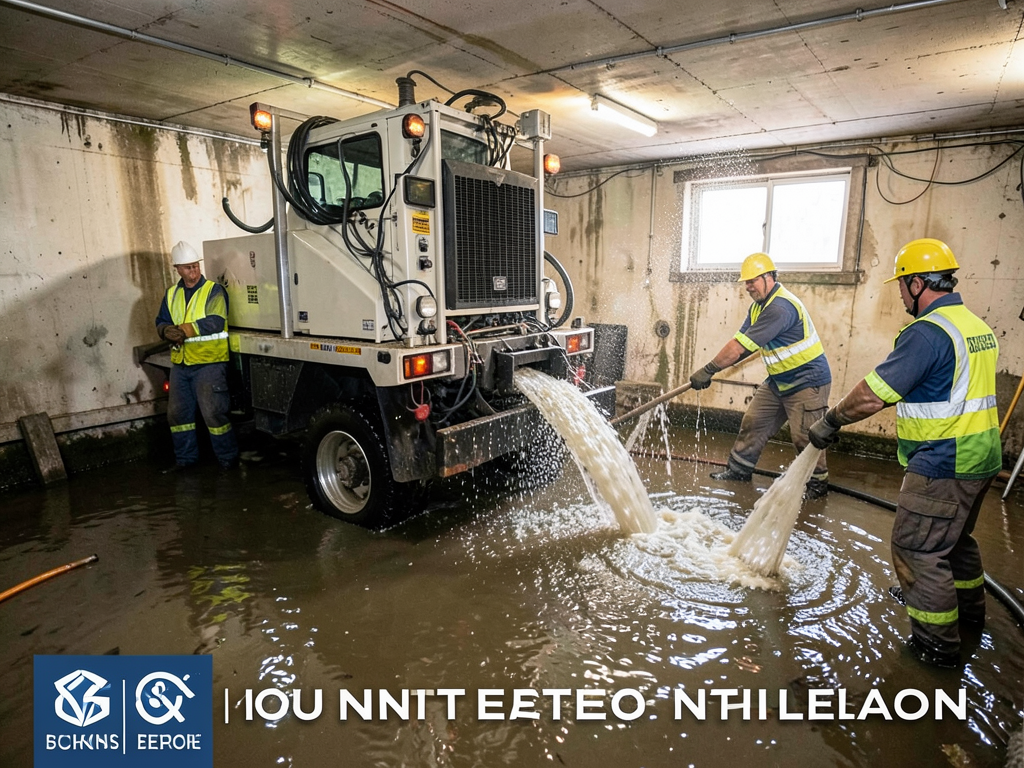
Diagram showing how hydrostatic pressure forces water through foundation cracks during heavy rainfall in clay soil conditions.
Our professional water mitigation process
When you call (412) 382-8788 for emergency basement flooding in Mount Lebanon, here’s exactly what happens. Our process follows IICRC S500 standards for water damage restoration, ensuring your home gets properly dried and sanitized.
Step 1: Emergency inspection and assessment
Our certified technicians arrive within 60 minutes, equipped with moisture meters and thermal imaging cameras. We identify the water source, categorize the contamination level, and assess structural damage. This diagnostic phase is crucial—Category 3 water from sewage backup requires different handling than clean water from a broken pipe.
Step 2: Water extraction
We use high-capacity truck-mounted extractors capable of removing thousands of gallons per hour. For finished basements with carpeting, we extract water from both the carpet surface and padding underneath. In concrete basements, we use specialized wands to extract water from floor cracks and wall-floor joints.
Step 3: Demolition and removal
Damaged materials that cannot be salvaged are removed. This includes wet drywall, insulation, carpet padding, and any items contaminated with Category 3 water. We bag and dispose of these materials following EPA guidelines for contaminated waste. EPA Mold Information.
Step 4: Structural drying
Industrial-grade dehumidifiers and air movers are strategically placed to create optimal drying conditions. We monitor moisture levels daily using penetrating moisture meters to ensure all materials return to normal moisture content. This process typically takes 3-5 days depending on the extent of flooding.
Step 5: Cleaning and sanitization
All affected surfaces are cleaned and sanitized using EPA-registered antimicrobial agents. This step is critical for preventing mold growth and eliminating bacteria from contaminated water. We treat both visible surfaces and hidden areas like wall cavities and under flooring.
Step 6: Final inspection and documentation
We verify that all moisture has been eliminated and provide you with detailed documentation for your insurance claim. This includes moisture readings, photos of the damage, and a comprehensive report of all work performed.
Navigating insurance claims in Pennsylvania
Dealing with insurance companies after a basement flood adds another layer of stress to an already difficult situation. Most homeowners policies in Pennsylvania cover sudden and accidental water damage but exclude gradual seepage or flooding from external sources.
What’s typically covered
Burst pipes, appliance malfunctions, and sewer backups are usually covered under standard homeowners policies. However, coverage limits for sewer backup are often capped at $5,000 unless you’ve purchased additional coverage.
What’s not covered
Flooding from heavy rain or rising groundwater requires separate flood insurance through the National Flood Insurance Program. Many Mount Lebanon homeowners don’t realize they need this coverage until it’s too late.
The documentation challenge
Insurance companies require proof of damage and proof of mitigation efforts. That’s why we document everything from the moment we arrive. Our detailed reports include moisture readings, damage assessments, and step-by-step documentation of our restoration process.
Pennsylvania-specific considerations
Pennsylvania follows a modified comparative negligence standard for insurance claims. If your insurance company argues that you were negligent in maintaining your home, your settlement could be reduced proportionally. That’s why immediate professional response is crucial—it demonstrates you took appropriate action to mitigate damages.
Working with local adjusters
We regularly work with adjusters from major Pennsylvania insurers like Erie Insurance, State Farm, and Nationwide. Our experience with local claims processes helps ensure your claim moves forward smoothly and you receive fair compensation for covered damages.
Why Mount Lebanon residents trust our team
Mount Lebanon homeowners choose us because we understand the specific challenges of South Hills basements. We’ve worked in neighborhoods from Virginia Manor to Mission Hills, dealing with everything from century-old brick foundations to modern finished basements.
Local knowledge matters
We know that homes near Bower Hill Road often have deeper basements due to the hilly terrain. We understand that properties in the Cedarhurst area face unique challenges from the steep grades and increased hydrostatic pressure. This local expertise means we can anticipate problems and address them before they become major issues.
24/7 emergency response
Water damage doesn’t wait for business hours. Our team is available 24/7, 365 days a year. When you call (412) 382-8788 at 2 AM because your basement is flooding, you speak with a real person who can dispatch a crew immediately.
IICRC certified technicians
Our team holds certifications in water damage restoration, applied structural drying, and mold remediation. We follow industry best practices and stay current with the latest restoration technologies and techniques.
Insurance claim assistance
We don’t just restore your home—we help you navigate the insurance process. Our detailed documentation and experience with local adjusters means you get the coverage you’re entitled to without the hassle of fighting with insurance companies.
Community commitment
As a Pittsburgh-based company, we’re invested in the Mount Lebanon community. We understand that your home isn’t just a building—it’s where your family lives, works, and makes memories. We treat every home with the same care we’d give our own.
Preventing future basement flooding
After we’ve restored your basement, preventing future flooding becomes your next priority. Here are proven strategies that work in Mount Lebanon’s specific conditions.
Install a battery backup sump pump
During Pittsburgh’s summer thunderstorms, power outages are common. A battery backup sump pump ensures your basement stays dry even when the power goes out. For Mount Lebanon’s clay soil conditions, we recommend pumps with at least 2,000 GPH capacity.
Improve exterior drainage
Grade soil away from your foundation at a slope of at least 6 inches over 10 feet. Extend downspouts at least 6 feet from your foundation using underground drain pipes. Clean gutters regularly, especially in fall when leaves can cause blockages.
Seal foundation cracks
Even hairline cracks can allow significant water intrusion during heavy rain. We use epoxy injection for structural cracks and polyurethane sealant for non-structural cracks. This creates a waterproof barrier that flexes with your foundation’s natural movement.
Install a backwater valve
Sewer backups are particularly common in older Mount Lebanon neighborhoods with aging infrastructure. A backwater valve prevents sewage from flowing back into your basement during heavy rain or municipal sewer system overloads.
Consider exterior waterproofing
For chronic basement water problems, exterior waterproofing may be necessary. This involves excavating around your foundation, applying waterproof membrane, and installing new footer drains. While expensive, it’s often the only permanent solution for severe water intrusion.
The cost of basement flooding in Mount Lebanon
Understanding the potential costs helps you make informed decisions about prevention and response. While we don’t quote specific prices, here are the factors that affect restoration costs in Mount Lebanon.
Water category affects cost
Clean water from a broken pipe is the least expensive to remediate. Gray water from appliances costs more due to contamination concerns. Black water from sewage backup is the most expensive because it requires complete removal of affected materials and specialized cleaning procedures.
Finished vs. unfinished basements
Finished basements cost significantly more to restore because they contain materials like drywall, carpeting, and built-in cabinetry that must be removed and replaced. Unfinished basements with just concrete floors and walls are less expensive to dry and clean.
Extent of damage
A small area affected by clean water might cost a few hundred dollars to remediate. A large area with sewage contamination could cost several thousand dollars, especially if structural repairs are needed.
Insurance coverage
Your out-of-pocket costs depend on your insurance coverage and deductible. Many Mount Lebanon homeowners find that their insurance covers the majority of restoration costs when proper documentation is provided.
Prevention costs vs. restoration costs
Investing in prevention—like a battery backup sump pump or exterior waterproofing—typically costs less than dealing with even one major flooding event. Prevention also protects your home’s value and your family’s health.
Health risks of untreated water damage
Many Mount Lebanon homeowners underestimate the health risks associated with basement flooding. What starts as a water problem quickly becomes a health hazard if not addressed properly.
Mold growth timeline
In Mount Lebanon’s humid climate, mold can begin growing within 24-48 hours of water exposure. By day three, visible mold colonies can form. Within a week, mold can spread throughout your basement and begin affecting air quality throughout your home.
Common mold types in Pittsburgh basements
Stachybotrys chartarum (black mold) thrives in our humid conditions. Aspergillus and Penicillium are also common in water-damaged basements. These molds produce mycotoxins that can cause respiratory problems, especially in children, elderly individuals, and those with compromised immune systems.
Bacterial contamination
Category 2 and 3 water contain harmful bacteria. Sewage backup introduces E. coli, Salmonella, and other pathogens into your home. Even clean water can become contaminated within 48 hours as bacteria multiply in standing water.
Structural integrity concerns
Prolonged moisture exposure weakens wooden structures, corrodes metal fasteners, and degrades concrete over time. What starts as a water problem can become a structural safety issue if not addressed promptly.
Indoor air quality
Damp basements create ideal conditions for dust mites, which are a common trigger for asthma and allergies. The musty smell associated with water damage is actually microbial volatile organic compounds (MVOCs) released by actively growing mold.
Commercial water damage in Mount Lebanon
Basement flooding affects Mount Lebanon businesses too, often with even more severe consequences than residential properties. Commercial properties face unique challenges when water damage occurs.
Business interruption costs
Every hour your business is closed costs money. Restaurants, retail stores, and offices in Mount Lebanon’s business district cannot afford extended closures. Our rapid response minimizes downtime and gets you back to serving customers quickly.
Equipment and inventory damage
Commercial properties often store valuable equipment, inventory, or documents in basements. Water damage to these items can result in thousands of dollars in losses. We prioritize protecting your business assets during the restoration process.
Code compliance issues
Commercial properties must maintain compliance with health codes, fire codes, and building codes. Water damage can create violations that prevent you from reopening until properly remediated. Our team understands these requirements and ensures your property meets all standards.
Insurance complexities
Commercial insurance policies often have different coverage limits and requirements than residential policies. We help Mount Lebanon business owners navigate these complexities and maximize their insurance recovery.
Large-scale water extraction
Commercial basements often require industrial-scale water extraction equipment. Our large-scale water extraction services can handle any size job, from small retail spaces to large office buildings.
Mount Lebanon’s unique water damage challenges
Mount Lebanon’s specific characteristics create water damage scenarios that differ from other Pittsburgh suburbs. Understanding these local factors helps explain why certain areas experience more flooding than others.
Hillside properties
Properties on the slopes near Cedarhurst and other hillside areas face increased hydrostatic pressure due to elevation changes. Water flows downhill, creating concentrated pressure against basement walls in these areas.
Mature tree roots
Mount Lebanon’s mature trees, while beautiful, can cause foundation damage as roots grow and expand. These roots can crack foundations and create pathways for water intrusion.
Combined storm and sanitary sewers
Some older sections of Mount Lebanon still have combined sewers that carry both stormwater and sewage. During heavy rain, these systems can back up, causing basement flooding even in homes with no other water issues.
Freeze-thaw cycles
Mount Lebanon’s elevation and exposure to weather patterns create more extreme freeze-thaw cycles than some other areas. This accelerates foundation deterioration and increases the likelihood of water intrusion through foundation cracks.
High water table
Certain areas of Mount Lebanon have higher water tables due to the local geology. Properties in these areas face chronic moisture problems that require specialized solutions like exterior waterproofing or interior drainage systems.
Emergency response: what to do when flooding starts
When water starts entering your Mount Lebanon basement, knowing the right steps can minimize damage and protect your family’s safety.
Safety first
Never enter standing water in your basement if you’re unsure of the source. Water can be electrified if it’s contacted electrical outlets or appliances. If you smell gas or see sparks, evacuate immediately and call 911.
Stop the water source
If the flooding is from a burst pipe, locate your main water shutoff valve and turn it off. This valve is typically located where the water line enters your home, often in the front basement wall or near the water meter.
Document the damage
Before starting cleanup, take photos and videos of all affected areas. This documentation is crucial for insurance claims. Capture the water level, damaged items, and any visible structural damage.
Remove valuable items
If it’s safe to do so, move valuable items, important documents, and electronics to a dry area. Elevate furniture on blocks if possible to prevent water damage to legs and upholstery.
Call for professional help
Time is critical in water damage situations. Call (412) 382-8788 immediately for emergency response. Our team will arrive within 60 minutes to begin the mitigation process.
Begin initial water removal
If the water is clean and it’s safe to do so, you can begin removing standing water with a wet vacuum or mops. However, avoid using household fans, as they can spread contamination and create unsafe electrical conditions.
Frequently Asked Questions
How quickly can you respond to a flooded basement in Mount Lebanon?
We guarantee arrival within 60 minutes of your call to (412) 382-8788. Our emergency response teams are stationed throughout the South Hills area for rapid deployment.
Will my homeowners insurance cover basement flooding?
Coverage depends on the water source. Sudden pipe bursts are typically covered, while flooding from heavy rain requires separate flood insurance. We help document your claim to maximize coverage.
How long does basement water damage restoration take?
Most residential basement restorations take 3-5 days for complete drying and sanitization. The exact timeline depends on the extent of damage and water category.
Can I stay in my home during the restoration process?
For minor flooding in unfinished areas, you can often stay in your home. However, Category 3 water damage or extensive mold remediation may require temporary relocation for safety.
What should I do if I notice mold after a basement flood?
Stop the water source if possible, then call (412) 382-8788 immediately. Mold spreads quickly and can cause health problems. Our certified mold remediation team can safely remove mold and prevent recurrence.
How can I prevent basement flooding in the future?
Install a battery backup sump pump, improve exterior drainage, seal foundation cracks, and consider a backwater valve. We offer free consultations to identify your home’s specific vulnerabilities.
Do you work with all insurance companies?
Yes, we work with all major insurance providers in Pennsylvania. We handle the documentation and communication with your adjuster to streamline the claims process.
What certifications do your technicians hold?
Our technicians are IICRC certified in water damage restoration, applied structural drying, and mold remediation. We follow industry standards and best practices for every job.
Is mold always present after basement flooding?
Not always, but the conditions for mold growth are present within 24-48 hours. That’s why rapid professional response is critical to prevent mold before it starts.
What areas of Mount Lebanon do you serve?
We serve all of Mount Lebanon including Virginia Manor, Mission Hills, Cedarhurst, and surrounding areas. Our dispatch center can confirm exact coverage for your specific address.
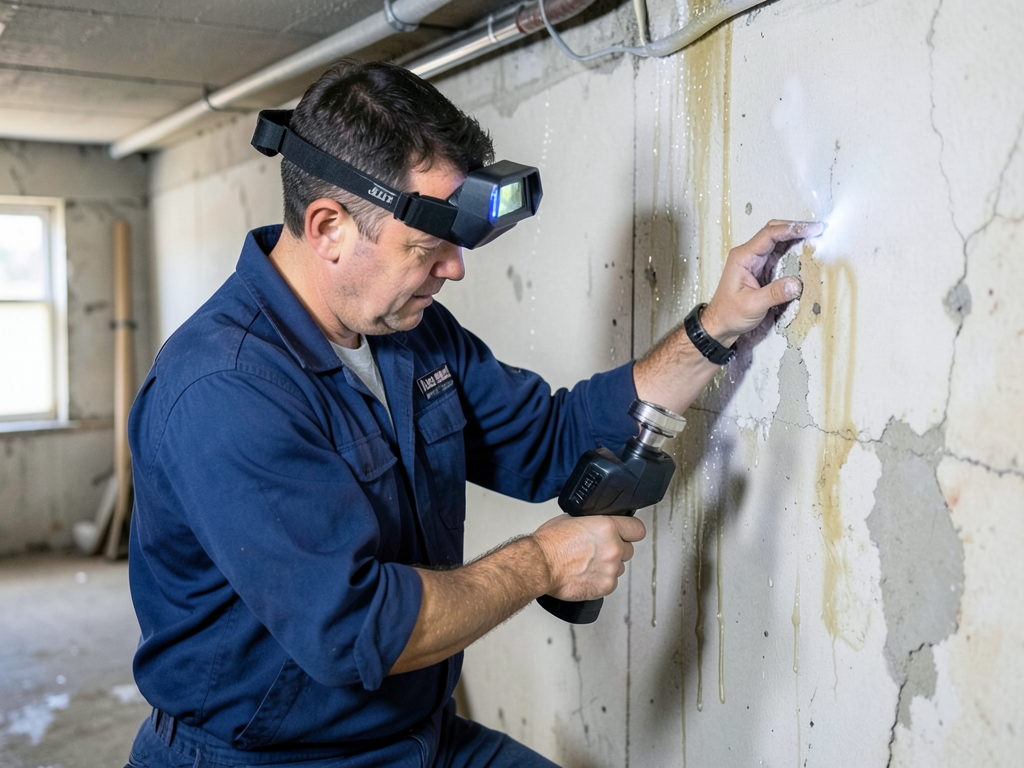
Technician using thermal imaging camera to detect hidden moisture in basement walls after flooding event.
Industrial dehumidifiers and air movers set up for structural drying in a Mount Lebanon basement.
Basement flooding in Mount Lebanon requires immediate professional attention. The combination of clay soil, aging infrastructure, and our humid climate creates conditions where water damage can quickly escalate from a nuisance to a major health and safety hazard.
When you’re facing a flooded basement, don’t wait. Call (412) 382-8788 now for 24/7 emergency response. Our certified technicians will arrive within 60 minutes to begin protecting your home and your family’s health.
We understand that a flooded basement is more than just water damage—it’s a disruption to your life that needs to be resolved quickly and professionally. That’s why we combine rapid response with thorough restoration to get your home back to normal as fast as possible.
Don’t let basement flooding in Mount Lebanon overwhelm you. Pick up the phone and call (412) 382-8788 today. We’re here to help you through this crisis and prevent future flooding disasters.
Remember, when it comes to water damage, every minute counts. The sooner you call, the more of your home and belongings we can save. Call (412) 382-8788 now for immediate emergency response in Mount Lebanon.
Your home deserves professional care. Your family deserves a safe, dry basement. Call (412) 382-8788 today to schedule your inspection or emergency response. For more information, visit FEMA Flood Insurance Information.
You may also find this helpful. What to do when your sump pump fails in Monroeville.
{
“@context”: “https://schema.org”,
“@type”: “BlogPosting”,
“headline”: “Dealing with a flooded basement in Mount Lebanon without losing your mind”,
“description”: “24/7 emergency basement water extraction in Mount Lebanon. Fast response for flooded basements, mold prevention, and insurance claim help. Call (412) 382-8788 now.”,
“wordCount”: 3231,
“datePublished”: “2026-02-12T14:17:00.000Z”,
“dateModified”: “2026-02-12T14:17:00.000Z”,
“inLanguage”: “en-US”,
“mainEntityOfPage”: {
“@type”: “WebPage”,
“@id”: “https://reliancewaterdamagerestorationpittsburgh.com”
},
“publisher”: {
“@type”: “LocalBusiness”,
“name”: “Reliance Water Damage Restoration Pittsburgh”,
“url”: “https://reliancewaterdamagerestorationpittsburgh.com”
},
“author”: {
“@type”: “Organization”,
“name”: “Reliance Water Damage Restoration Pittsburgh”,
“url”: “https://reliancewaterdamagerestorationpittsburgh.com”
},
“image”: {
“@type”: “ImageObject”,
“url”: “https://reliancewaterdamagerestorationpittsburgh.com/wp-content/uploads/2026/03/dealing-with-a-flooded-basement-in-mount-lebanon-w-1.png”
}
}
{
“@context”: “https://schema.org”,
“@type”: “LocalBusiness”,
“name”: “Reliance Water Damage Restoration Pittsburgh”,
“url”: “https://reliancewaterdamagerestorationpittsburgh.com”,
“address”: {
“@type”: “PostalAddress”,
“addressLocality”: “Pittsburgh”
},
“areaServed”: {
“@type”: “City”,
“name”: “Pittsburgh”
}
}
{
“@context”: “https://schema.org”,
“@type”: “FAQPage”,
“mainEntity”: [
{
“@type”: “Question”,
“name”: “How quickly can you respond to a flooded basement in Mount Lebanon?”,
“acceptedAnswer”: {
“@type”: “Answer”,
“text”: “We guarantee arrival within 60 minutes of your call to (412) 382-8788. Our emergency response teams are stationed throughout the South Hills area for rapid deployment.”
}
},
{
“@type”: “Question”,
“name”: “Will my homeowners insurance cover basement flooding?”,
“acceptedAnswer”: {
“@type”: “Answer”,
“text”: “Coverage depends on the water source. Sudden pipe bursts are typically covered, while flooding from heavy rain requires separate flood insurance. We help document your claim to maximize coverage.”
}
},
{
“@type”: “Question”,
“name”: “How long does basement water damage restoration take?”,
“acceptedAnswer”: {
“@type”: “Answer”,
“text”: “Most residential basement restorations take 3-5 days for complete drying and sanitization. The exact timeline depends on the extent of damage and water category.”
}
},
{
“@type”: “Question”,
“name”: “Can I stay in my home during the restoration process?”,
“acceptedAnswer”: {
“@type”: “Answer”,
“text”: “For minor flooding in unfinished areas, you can often stay in your home. However, Category 3 water damage or extensive mold remediation may require temporary relocation for safety.”
}
},
{
“@type”: “Question”,
“name”: “What should I do if I notice mold after a basement flood?”,
“acceptedAnswer”: {
“@type”: “Answer”,
“text”: “Stop the water source if possible, then call (412) 382-8788 immediately. Mold spreads quickly and can cause health problems. Our certified mold remediation team can safely remove mold and prevent recurrence.”
}
},
{
“@type”: “Question”,
“name”: “How can I prevent basement flooding in the future?”,
“acceptedAnswer”: {
“@type”: “Answer”,
“text”: “Install a battery backup sump pump, improve exterior drainage, seal foundation cracks, and consider a backwater valve. We offer free consultations to identify your home’s specific vulnerabilities.”
}
},
{
“@type”: “Question”,
“name”: “Do you work with all insurance companies?”,
“acceptedAnswer”: {
“@type”: “Answer”,
“text”: “Yes, we work with all major insurance providers in Pennsylvania. We handle the documentation and communication with your adjuster to streamline the claims process.”
}
},
{
“@type”: “Question”,
“name”: “What certifications do your technicians hold?”,
“acceptedAnswer”: {
“@type”: “Answer”,
“text”: “Our technicians are IICRC certified in water damage restoration, applied structural drying, and mold remediation. We follow industry standards and best practices for every job.”
}
},
{
“@type”: “Question”,
“name”: “Is mold always present after basement flooding?”,
“acceptedAnswer”: {
“@type”: “Answer”,
“text”: “Not always, but the conditions for mold growth are present within 24-48 hours. That’s why rapid professional response is critical to prevent mold before it starts.”
}
},
{
“@type”: “Question”,
“name”: “What areas of Mount Lebanon do you serve?”,
“acceptedAnswer”: {
“@type”: “Answer”,
“text”: “We serve all of Mount Lebanon including Virginia Manor, Mission Hills, Cedarhurst, and surrounding areas. Our dispatch center can confirm exact coverage for your specific address.”
}
}
]
}
{
“@context”: “https://schema.org”,
“@type”: “BreadcrumbList”,
“itemListElement”: [
{
“@type”: “ListItem”,
“position”: 1,
“name”: “Home”,
“item”: “https://reliancewaterdamagerestorationpittsburgh.com”
},
{
“@type”: “ListItem”,
“position”: 2,
“name”: “Blog”,
“item”: “https://reliancewaterdamagerestorationpittsburgh.com/blog”
},
{
“@type”: “ListItem”,
“position”: 3,
“name”: “Dealing with a flooded basement in Mount Lebanon without losing your mind”
}
]
}
{
“@context”: “https://schema.org”,
“@type”: “Service”,
“serviceType”: “Water Damage Restoration”,
“provider”: {
“@type”: “LocalBusiness”,
“name”: “Reliance Water Damage Restoration Pittsburgh”,
“url”: “https://reliancewaterdamagerestorationpittsburgh.com”
},
“areaServed”: {
“@type”: “City”,
“name”: “Pittsburgh”
},
“description”: “24/7 emergency basement water extraction in Mount Lebanon. Fast response for flooded basements, mold prevention, and insurance claim help. Call (412) 382-8788 now.”
}