Professional water extraction for flooded properties in Bethel Park
When water invades your Bethel Park home or business, every minute counts. Standing water doesn’t just damage floors and walls—it creates the perfect environment for mold growth, structural weakening, and electrical hazards. Our certified water extraction specialists respond within 60 minutes to remove water fast using commercial-grade equipment specifically designed for Bethel Park’s unique flooding challenges. Who to call for emergency water removal in Pittsburgh right now.
We handle everything from burst pipe emergencies to storm flooding that overwhelms local drainage systems. Our industrial pumps extract thousands of gallons per hour, while our moisture detection equipment identifies hidden water behind walls and under floors. The process is systematic: water removal, structural drying, and humidity control prevent secondary damage that can cost thousands more to repair. EPA mold guidelines.
Bethel Park’s combination of aging infrastructure, clay-heavy soil, and hillside properties creates specific vulnerabilities. Homes near Library Road and South Park often experience water table issues during heavy rains, while properties on steeper slopes face rapid runoff that can overwhelm sump pumps. Our local expertise means we understand these patterns and arrive prepared for your specific situation. Why your North Hills basement flooded and how to dry it out fast.
Insurance claims for water damage require proper documentation. We provide detailed reports with moisture readings, photos of damage, and drying logs that satisfy insurance adjusters. This eliminates the back-and-forth that delays your claim and ensures you receive maximum coverage for restoration work. Expert water damage restoration for businesses in the Pittsburgh Strip District.
Water extraction isn’t a DIY job. Consumer-grade shop vacs remove surface water but leave moisture trapped in subfloors and wall cavities where mold begins growing within 24-48 hours. Our truck-mounted extraction units and specialized drying equipment remove water you can’t see, preventing the costly mold remediation that follows incomplete water removal.. Read more about Getting a fair price for water damage restoration in Pittsburgh.
Call (412) 382-8788 now for immediate water extraction in Bethel Park. Our team arrives with the equipment and expertise to stop water damage before it spreads through your property.. Read more about Local storm damage restoration for homeowners in Upper St. Clair.
Why Bethel Park Homes Face Unique Water Extraction Challenges
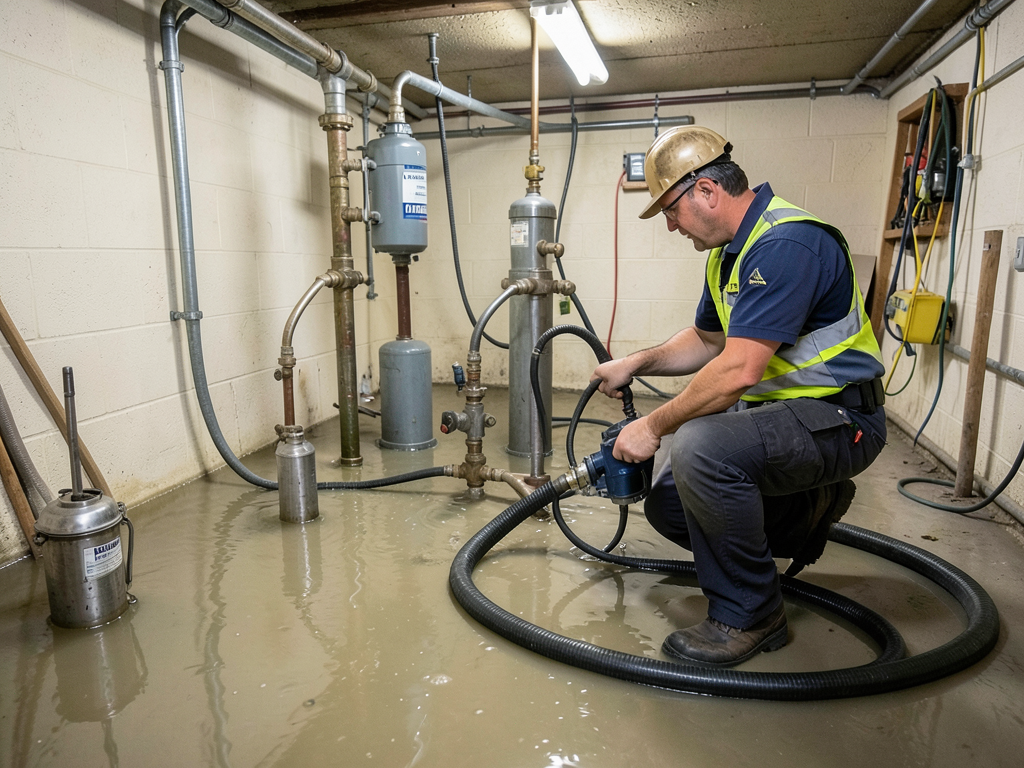
Bethel Park’s geography creates specific water damage patterns that out-of-area companies often miss. The South Hills region sits on a foundation of heavy clay soil that absorbs water slowly but expands significantly when saturated. This expansion creates hydrostatic pressure against basement walls, forcing water through even tiny foundation cracks.
Properties near the intersection of Library Road and Route 88 frequently experience drainage issues during storms. The area’s elevation changes create natural water collection points where runoff from higher ground flows toward lower properties. When municipal storm drains can’t handle the volume, water backs up into basements and crawl spaces.
Many Bethel Park homes were built between 1950 and 1980, predating modern waterproofing standards. These properties often have block foundation walls that deteriorate over time, creating pathways for water intrusion. The freeze-thaw cycles common in Pennsylvania winters cause expansion and contraction that widens these cracks annually.
South Park’s proximity to residential areas means heavy rainfall events can overwhelm local drainage infrastructure. When South Park Creek rises during storms, nearby properties experience increased groundwater pressure that forces water through foundation seams. Our extraction teams understand these patterns and arrive with equipment calibrated for Bethel Park’s specific conditions.
The Pennsylvania Uniform Construction Code requires proper drainage away from foundations, but many older properties don’t meet these standards. We assess each property’s compliance with current codes and recommend solutions that prevent future water intrusion while addressing immediate extraction needs.
Industrial Water Extraction Equipment and Techniques
Professional water extraction requires specialized equipment that consumer tools cannot match. Our truck-mounted extraction units generate 200+ PSI of vacuum pressure, removing water from carpets, padding, and subfloors simultaneously. This high-pressure extraction prevents the secondary damage that occurs when moisture remains trapped beneath surfaces.
Submersible pumps handle standing water deeper than two inches, moving 2,500+ gallons per hour from flooded basements. These pumps feature automatic shutoff when water levels drop, preventing damage to equipment and ensuring complete water removal. For Bethel Park’s common finished basement flooding, we use weighted extraction tools that compress carpet fibers to remove moisture from padding below. Dealing with a flooded basement in Mount Lebanon without losing your mind.
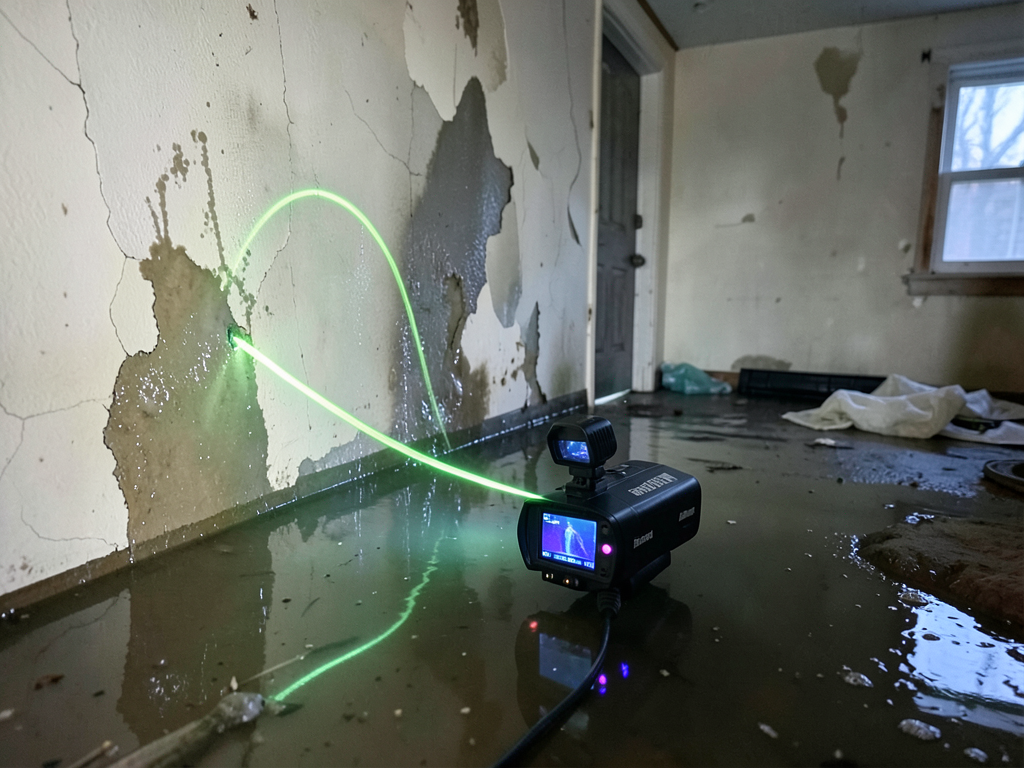
Thermal imaging cameras detect moisture behind walls and under flooring that visual inspection cannot reveal. This technology shows temperature variations indicating water presence, allowing us to target extraction efforts precisely. In Bethel Park’s older homes with plaster walls, this prevents unnecessary demolition while ensuring complete water removal.
LGR (Low-Grain Refrigerant) dehumidifiers remove moisture from air at 40% lower humidity than conventional units. These machines process 180+ pints of water per day, creating the dry environment necessary for structural materials to release trapped moisture. This prevents the mold growth that occurs when humidity remains elevated after visible water removal.
Air movers create directional airflow that accelerates evaporation from wet surfaces. Our industrial fans move 3,000+ cubic feet per minute, drying walls and floors 10 times faster than natural air circulation. For Bethel Park’s common hardwood floor flooding, we use specialized floor drying systems that apply gentle heat and airflow beneath boards to prevent warping.
The Professional Water Extraction Process Step by Step
- Emergency Response and Safety Assessment
Our dispatch team gathers information about water source, affected areas, and potential hazards. We assess electrical risks, structural concerns, and contamination levels before arrival. This preparation ensures technicians bring appropriate equipment and PPE for your specific situation.
- Water Source Identification and Containment
We locate the water source and implement temporary controls to prevent additional flooding. For plumbing failures, we coordinate with emergency plumbers to shut off water supply. For storm flooding, we deploy sandbags or barriers to redirect incoming water away from affected areas.
- Water Category Classification
Category 1 water comes from clean sources like broken supply lines. Category 2 contains contaminants from appliances or rainwater. Category 3 involves sewage or floodwater with dangerous pathogens. This classification determines extraction methods, PPE requirements, and disposal procedures per IICRC S500 standards. IICRC S500 water damage standards.
- Bulk Water Removal
We deploy submersible pumps for standing water deeper than two inches, then use truck-mounted extractors for remaining surface water. This two-phase approach removes the majority of water volume quickly, preventing absorption into structural materials and reducing overall drying time.
- Moisture Mapping and Detection
Using thermal imaging and moisture meters, we identify all affected areas including hidden moisture in wall cavities, under flooring, and within insulation. This comprehensive assessment ensures no water remains to cause secondary damage or mold growth.
- Demolition of Unsalvageable Materials
We remove water-damaged materials that cannot be restored, including wet drywall, insulation, and carpet padding. This demolition prevents mold growth in porous materials and reduces drying time for salvageable structural components.
- Structural Drying
We install industrial dehumidifiers and air movers to create optimal drying conditions. This process typically requires 3-5 days depending on water volume, material types, and environmental conditions. We monitor moisture levels daily to ensure complete drying.
- Final Cleaning and Sanitization
We clean and sanitize all affected surfaces using EPA-registered antimicrobial treatments. This prevents mold growth and eliminates odors from water damage. For Category 3 water events, we apply hospital-grade disinfectants to ensure complete sanitization.
Common Water Damage Scenarios in Bethel Park
Sump pump failures represent the most frequent water damage call in Bethel Park. Heavy rains overwhelm municipal storm systems, causing power outages that disable electric sump pumps. When these pumps fail, finished basements flood within minutes, damaging flooring, drywall, and personal belongings. Our teams carry portable generators to power pumps during outages.
Burst pipes occur when freezing temperatures cause water expansion within plumbing lines. Bethel Park’s older homes often have pipes in exterior walls or unheated crawl spaces where temperatures drop below freezing. A single burst pipe can release 10+ gallons per minute, flooding multiple rooms before homeowners discover the problem.
Water heater failures typically happen without warning, releasing 40-80 gallons of water when internal tanks rupture. These failures often occur when homeowners are away, allowing water to spread throughout finished basements. Our extraction process includes water heater disconnection and proper disposal of damaged units.
Appliance failures from washing machines, dishwashers, and refrigerators cause significant water damage. Supply line failures release water continuously until manually shut off, while drain pump failures cause overflow during operation cycles. We coordinate with appliance repair services to prevent recurring damage during restoration.
Foundation leaks develop gradually as hydrostatic pressure forces water through concrete pores and cracks. These leaks worsen over time, eventually creating visible water intrusion during heavy rains. Our moisture detection equipment identifies these developing problems before they cause major flooding events. Efflorescence on Concrete.
Insurance Claims and Documentation for Water Damage
Successful insurance claims require proper documentation from the moment water damage occurs. We provide detailed damage assessment reports with moisture readings, photos of affected areas, and documentation of water source. This evidence supports your claim and demonstrates the extent of damage to insurance adjusters.
Most homeowner policies cover sudden water damage from plumbing failures but exclude gradual damage or maintenance issues. We help identify which damage falls under coverage and which requires separate assessment. This prevents claim denials based on policy exclusions that homeowners often misunderstand.
Water damage claims require immediate reporting to insurance companies. Delayed reporting can result in claim denials or reduced coverage. We provide 24/7 documentation services, including time-stamped photos and moisture readings that establish damage occurred during the covered event.
Professional drying logs document daily moisture readings, equipment usage, and drying progress. These logs satisfy insurance requirements for demonstrating proper restoration procedures. Without this documentation, adjusters may question whether adequate drying occurred, potentially reducing claim payments.
We coordinate directly with insurance adjusters, providing them access to job sites and answering technical questions about restoration procedures. This communication prevents misunderstandings that delay claim processing and ensures you receive full coverage for necessary restoration work.
Preventing Future Water Damage in Your Bethel Park Property
Proper gutter maintenance prevents water from pooling around foundations. Clean gutters and downspouts direct rainwater at least six feet from your home’s foundation. In Bethel Park’s heavy clay soil, this distance prevents water saturation that creates hydrostatic pressure against basement walls.
Sump pump maintenance includes testing the pump monthly by pouring water into the pit until the float activates. Battery backup systems provide protection during power outages that often accompany storms. We recommend replacing sump pumps every 5-7 years before failure occurs during critical flooding events.
Plumbing inspections identify potential failure points before they cause damage. Check supply lines for corrosion, test shut-off valves for proper operation, and inspect water heaters for rust or leaks. These simple checks prevent the catastrophic failures that flood homes and businesses.
Foundation waterproofing involves sealing cracks, installing drainage systems, and applying waterproof coatings to exterior walls. This investment prevents water intrusion that causes structural damage and mold growth. For Bethel Park’s older homes, foundation waterproofing often costs less than a single major water damage event.
Emergency shut-off valves automatically stop water flow when leaks are detected. These devices prevent flooding from burst pipes or appliance failures when no one is home. Installation costs are minimal compared to the potential damage from uncontrolled water flow.
Why Professional Water Extraction Matters
Water extraction requires more than removing visible water. Moisture remains trapped in structural materials, creating conditions for mold growth within 24-48 hours. Professional extraction equipment removes this hidden moisture, preventing the costly mold remediation that follows incomplete water removal.
Category 3 water contains dangerous pathogens that require specialized handling and disposal. Sewage backups and floodwater carry bacteria, viruses, and parasites that cause serious illness. Professional extraction teams use proper PPE and disposal methods to protect your health and property.
Structural drying prevents warping, swelling, and deterioration of building materials. Wood floors buckle when moisture content exceeds 15%, while drywall crumbles when saturated. Professional drying equipment restores materials to proper moisture levels, preventing the replacement costs of damaged structural components.
Insurance companies require professional restoration to honor water damage claims. DIY water removal often results in incomplete drying that causes secondary damage not covered by insurance. Professional documentation proves proper procedures were followed, ensuring full claim payment.
Time is critical in water damage restoration. Every hour of delay increases damage extent and restoration costs. Professional teams arrive within 60 minutes with equipment to begin extraction immediately, minimizing damage and reducing overall restoration costs.
Frequently Asked Questions
How long does water extraction take?
Initial water extraction typically takes 2-4 hours depending on water volume and property size. Complete structural drying requires 3-5 days with professional equipment. We monitor moisture levels daily to ensure complete drying before removing equipment.
Is water damage covered by insurance?
Most homeowner policies cover sudden water damage from plumbing failures and appliance malfunctions. Gradual damage from maintenance issues and flood damage typically require separate coverage. We help document damage to support insurance claims and maximize coverage.
Can I clean up water damage myself?
Consumer-grade equipment cannot remove moisture trapped in structural materials. Incomplete water removal leads to mold growth within 48 hours and structural damage that costs thousands more to repair. Professional extraction equipment removes hidden moisture that DIY methods miss.
What should I do while waiting for help?
Shut off water if the source is a plumbing failure. Turn off electricity to affected areas if safe to do so. Move valuables to dry areas. Document damage with photos for insurance purposes. Do not use household vacuums or attempt to remove standing water yourself.
How much does water extraction cost?
Costs vary based on water volume, contamination level, and affected area size. Category 1 clean water extraction starts around $2,500 for typical residential flooding. Category 3 sewage cleanup costs more due to specialized handling requirements. We provide detailed estimates before beginning work.
Do you work with insurance companies?
Yes, we coordinate directly with insurance adjusters and provide all necessary documentation for claims. Our detailed reports include moisture readings, damage assessments, and restoration plans that satisfy insurance requirements and ensure maximum coverage for your restoration work.
What areas do you serve?
We serve all of Bethel Park and surrounding South Hills communities including Mount Lebanon, Upper St. Clair, and South Park. Our dispatch center operates 24/7, and we maintain crews throughout the region for rapid response to water damage emergencies.
Don’t let water damage destroy your Bethel Park property. Call (412) 382-8788 now for immediate professional water extraction. Our certified technicians arrive within 60 minutes with industrial equipment to stop water damage before it spreads. Fast action prevents mold growth and reduces restoration costs. Pick up the phone and call (412) 382-8788 before the next storm hits.
{
“@context”: “https://schema.org”,
“@type”: “BlogPosting”,
“headline”: “Professional water extraction for flooded properties in Bethel Park”,
“description”: “Emergency water extraction in Bethel Park. 24/7 rapid response to flooded homes and businesses. Certified technicians with industrial equipment. Call (412) 382-8788 now.”,
“wordCount”: 2438,
“datePublished”: “2026-02-24T12:11:00.000Z”,
“dateModified”: “2026-02-24T12:11:00.000Z”,
“inLanguage”: “en-US”,
“mainEntityOfPage”: {
“@type”: “WebPage”,
“@id”: “https://reliancewaterdamagerestorationpittsburgh.com”
},
“publisher”: {
“@type”: “LocalBusiness”,
“name”: “Reliance Water Damage Restoration Pittsburgh”,
“url”: “https://reliancewaterdamagerestorationpittsburgh.com”
},
“author”: {
“@type”: “Organization”,
“name”: “Reliance Water Damage Restoration Pittsburgh”,
“url”: “https://reliancewaterdamagerestorationpittsburgh.com”
},
“image”: {
“@type”: “ImageObject”,
“url”: “https://reliancewaterdamagerestorationpittsburgh.com/wp-content/uploads/2026/03/professional-water-extraction-for-flooded-properti-1.png”
}
}
{
“@context”: “https://schema.org”,
“@type”: “LocalBusiness”,
“name”: “Reliance Water Damage Restoration Pittsburgh”,
“url”: “https://reliancewaterdamagerestorationpittsburgh.com”,
“address”: {
“@type”: “PostalAddress”,
“addressLocality”: “Pittsburgh”
},
“areaServed”: {
“@type”: “City”,
“name”: “Pittsburgh”
}
}
{
“@context”: “https://schema.org”,
“@type”: “FAQPage”,
“mainEntity”: [
{
“@type”: “Question”,
“name”: “How long does water extraction take?”,
“acceptedAnswer”: {
“@type”: “Answer”,
“text”: “Initial water extraction typically takes 2-4 hours depending on water volume and property size. Complete structural drying requires 3-5 days with professional equipment. We monitor moisture levels daily to ensure complete drying before removing equipment.”
}
},
{
“@type”: “Question”,
“name”: “Is water damage covered by insurance?”,
“acceptedAnswer”: {
“@type”: “Answer”,
“text”: “Most homeowner policies cover sudden water damage from plumbing failures and appliance malfunctions. Gradual damage from maintenance issues and flood damage typically require separate coverage. We help document damage to support insurance claims and maximize coverage.”
}
},
{
“@type”: “Question”,
“name”: “Can I clean up water damage myself?”,
“acceptedAnswer”: {
“@type”: “Answer”,
“text”: “Consumer-grade equipment cannot remove moisture trapped in structural materials. Incomplete water removal leads to mold growth within 48 hours and structural damage that costs thousands more to repair. Professional extraction equipment removes hidden moisture that DIY methods miss.”
}
},
{
“@type”: “Question”,
“name”: “What should I do while waiting for help?”,
“acceptedAnswer”: {
“@type”: “Answer”,
“text”: “Shut off water if the source is a plumbing failure. Turn off electricity to affected areas if safe to do so. Move valuables to dry areas. Document damage with photos for insurance purposes. Do not use household vacuums or attempt to remove standing water yourself.”
}
},
{
“@type”: “Question”,
“name”: “How much does water extraction cost?”,
“acceptedAnswer”: {
“@type”: “Answer”,
“text”: “Costs vary based on water volume, contamination level, and affected area size. Category 1 clean water extraction starts around $2,500 for typical residential flooding. Category 3 sewage cleanup costs more due to specialized handling requirements. We provide detailed estimates before beginning work.”
}
},
{
“@type”: “Question”,
“name”: “Do you work with insurance companies?”,
“acceptedAnswer”: {
“@type”: “Answer”,
“text”: “Yes, we coordinate directly with insurance adjusters and provide all necessary documentation for claims. Our detailed reports include moisture readings, damage assessments, and restoration plans that satisfy insurance requirements and ensure maximum coverage for your restoration work.”
}
},
{
“@type”: “Question”,
“name”: “What areas do you serve?”,
“acceptedAnswer”: {
“@type”: “Answer”,
“text”: “We serve all of Bethel Park and surrounding South Hills communities including Mount Lebanon, Upper St. Clair, and South Park. Our dispatch center operates 24/7, and we maintain crews throughout the region for rapid response to water damage emergencies.”
}
}
]
}
{
“@context”: “https://schema.org”,
“@type”: “HowTo”,
“name”: “Professional Water Extraction Process”,
“step”: [
{
“@type”: “HowToStep”,
“position”: 1,
“name”: “Emergency Response and Safety Assessment”,
“text”: “Our dispatch team gathers information about water source, affected areas, and potential hazards. We assess electrical risks, structural concerns, and contamination levels before arrival. This preparation ensures technicians bring appropriate equipment and PPE for your specific situation.”
},
{
“@type”: “HowToStep”,
“position”: 2,
“name”: “Water Source Identification and Containment”,
“text”: “We locate the water source and implement temporary controls to prevent additional flooding. For plumbing failures, we coordinate with emergency plumbers to shut off water supply. For storm flooding, we deploy sandbags or barriers to redirect incoming water away from affected areas.”
},
{
“@type”: “HowToStep”,
“position”: 3,
“name”: “Water Category Classification”,
“text”: “Category 1 water comes from clean sources like broken supply lines. Category 2 contains contaminants from appliances or rainwater. Category 3 involves sewage or floodwater with dangerous pathogens. This classification determines extraction methods, PPE requirements, and disposal procedures per IICRC S500 standards. IICRC S500 water damage standards.”
},
{
“@type”: “HowToStep”,
“position”: 4,
“name”: “Bulk Water Removal”,
“text”: “We deploy submersible pumps for standing water deeper than two inches, then use truck-mounted extractors for remaining surface water. This two-phase approach removes the majority of water volume quickly, preventing absorption into structural materials and reducing overall drying time.”
},
{
“@type”: “HowToStep”,
“position”: 5,
“name”: “Moisture Mapping and Detection”,
“text”: “Using thermal imaging and moisture meters, we identify all affected areas including hidden moisture in wall cavities, under flooring, and within insulation. This comprehensive assessment ensures no water remains to cause secondary damage or mold growth.”
},
{
“@type”: “HowToStep”,
“position”: 6,
“name”: “Demolition of Unsalvageable Materials”,
“text”: “We remove water-damaged materials that cannot be restored, including wet drywall, insulation, and carpet padding. This demolition prevents mold growth in porous materials and reduces drying time for salvageable structural components.”
},
{
“@type”: “HowToStep”,
“position”: 7,
“name”: “Structural Drying”,
“text”: “We install industrial dehumidifiers and air movers to create optimal drying conditions. This process typically requires 3-5 days depending on water volume, material types, and environmental conditions. We monitor moisture levels daily to ensure complete drying.”
},
{
“@type”: “HowToStep”,
“position”: 8,
“name”: “Final Cleaning and Sanitization”,
“text”: “We clean and sanitize all affected surfaces using EPA-registered antimicrobial treatments. This prevents mold growth and eliminates odors from water damage. For Category 3 water events, we apply hospital-grade disinfectants to ensure complete sanitization.”
}
],
“image”: “https://reliancewaterdamagerestorationpittsburgh.com/wp-content/uploads/2026/03/professional-water-extraction-for-flooded-properti-1.png”
}
{
“@context”: “https://schema.org”,
“@type”: “BreadcrumbList”,
“itemListElement”: [
{
“@type”: “ListItem”,
“position”: 1,
“name”: “Home”,
“item”: “https://reliancewaterdamagerestorationpittsburgh.com”
},
{
“@type”: “ListItem”,
“position”: 2,
“name”: “Blog”,
“item”: “https://reliancewaterdamagerestorationpittsburgh.com/blog”
},
{
“@type”: “ListItem”,
“position”: 3,
“name”: “Professional water extraction for flooded properties in Bethel Park”
}
]
}
{
“@context”: “https://schema.org”,
“@type”: “Service”,
“serviceType”: “Water Damage Restoration”,
“provider”: {
“@type”: “LocalBusiness”,
“name”: “Reliance Water Damage Restoration Pittsburgh”,
“url”: “https://reliancewaterdamagerestorationpittsburgh.com”
},
“areaServed”: {
“@type”: “City”,
“name”: “Pittsburgh”
},
“description”: “Emergency water extraction in Bethel Park. 24/7 rapid response to flooded homes and businesses. Certified technicians with industrial equipment. Call (412) 382-8788 now.”
}