What to do if your Marshall Township well head gets submerged in floodwater
If your well head in Marshall Township is underwater, stop using the water immediately. Floodwater can carry bacteria, chemicals, and sewage that contaminate your drinking supply. This guide walks you through immediate safety steps, testing requirements, and when to call a professional for help. Who to call for emergency water removal in Pittsburgh right now.
Immediate safety warnings for flooded wells
Floodwater poses serious health risks to well owners. When water rises above your well cap, it can breach seals and allow contaminants to enter your aquifer. The Pennsylvania Department of Environmental Protection classifies flood-affected wells as an immediate health hazard. Pennsylvania DEP Well Owner Information.
Do not drink, cook with, or brush your teeth using well water until you complete proper testing. Even if the water looks clear, harmful bacteria like E. coli and coliform may be present. These microorganisms can cause severe gastrointestinal illness.
Turn off power to your well pump at the circuit breaker. Flooded electrical components create shock hazards and can damage your pump system. Keep children and pets away from the flooded area until professionals assess the situation. Dealing with a flooded basement in Mount Lebanon without losing your mind.
Call (412) 382-8788 immediately if you notice structural damage to your well casing or if floodwater remains around your well head for more than 24 hours. Expert water damage restoration for businesses in the Pittsburgh Strip District.
How floodwater contaminates your well system
Floodwater enters wells through multiple pathways. Surface runoff carries bacteria, pesticides, fertilizers, and petroleum products from roads and yards. In Marshall Township’s clay-heavy soil, water moves slowly through the ground, creating prolonged exposure to contaminants.. Read more about Fast flood recovery for small businesses along the Millvale waterfront.
Well caps and seals designed for normal weather conditions cannot withstand flood pressure. Water forces its way through vent screens, electrical conduit openings, and even microscopic cracks in concrete pads. Once inside, contaminants mix with your stored water and can travel through your entire plumbing system.
Submersible pumps face unique risks. Floodwater can short-circuit electrical connections underwater, creating electrocution hazards when power returns. The pump’s intake screen may clog with debris, causing motor burnout when restarted.
Marshall Township’s location in Allegheny County places many properties near Pine Creek and its tributaries. These waterways overflow during heavy rains, sending contaminated water toward residential wells. The area’s rolling terrain creates natural drainage paths that concentrate floodwater around vulnerable well heads.
Step-by-step emergency response for flooded wells
- Stop water use immediately
Turn off your well pump at the breaker panel. Do not use any water from faucets, toilets, or appliances connected to the well system.
- Document the damage
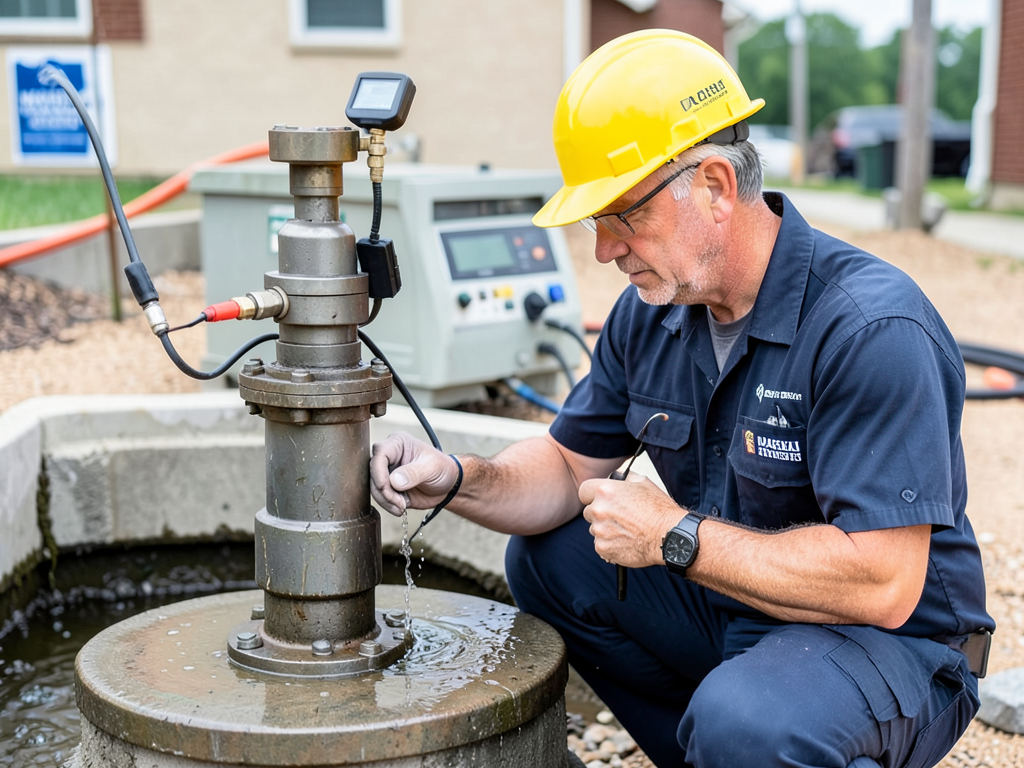
Take photos of the flooded well head, surrounding area, and any visible damage to casing or electrical connections. These images help with insurance claims and professional assessment.
- Secure the area
Place barriers around the flooded well to prevent accidental contact. Floodwater may contain sharp debris or electrical hazards that are not visible.
- Remove standing water
If safe to do so, use a wet vacuum or pump to remove water from around the well casing. Keep water at least three feet away from the well head.
- Check electrical components
Inspect the pressure switch, control box, and any exposed wiring for signs of water damage. Look for corrosion, burning smells, or melted insulation.
- Schedule professional inspection
Call (412) 382-8788 for emergency well assessment. A certified technician will test for electrical safety and structural integrity before system restoration.
Shock chlorination process for well disinfection
Shock chlorination kills bacteria and viruses that entered your well during flooding. This process requires precise chemical ratios and contact time to be effective. Improper treatment leaves harmful organisms alive in your system.
Calculate your well’s volume using its depth and diameter. A typical residential well holds 1.5 gallons per foot of water column. You need approximately 3 pints of household bleach (5.25% sodium hypochlorite) per 100 gallons of water.
Remove the well cap and pour diluted bleach solution down the casing. Run water through all faucets until you smell chlorine, then shut off the system. Let the solution sit for at least 12 hours, preferably 24 hours, to ensure complete disinfection.
After the contact period, flush the system thoroughly. Run water until the chlorine smell disappears, which may take several hours. Test the water again before resuming normal use. Cleaning up after a kitchen flood in your Fox Chapel home.
Shock chlorination does not remove chemical contaminants like pesticides or fuel products. If floodwater contained these substances, you need specialized filtration or may need to abandon the well entirely.
Water testing requirements after flooding
Pennsylvania law requires testing private wells for specific contaminants after flood events. The Allegheny County Health Department mandates testing for total coliform bacteria, E. coli, nitrates, and lead before declaring water safe for consumption. Pennsylvania Private Well Manual.
Collect samples using sterile containers from certified testing labs. Do not use glass jars or containers that previously held food or chemicals. Samples must reach the lab within 24 hours of collection for accurate bacteria testing.
Test for these specific contaminants:
- Total coliform bacteria – Indicates general bacterial contamination
- E. coli – Signals fecal contamination from sewage or animal waste
- Nitrates – Often elevated after flooding due to fertilizer runoff
- Lead – Can leach from pipes or well components during flooding
- pH levels – Extreme pH indicates chemical contamination
Testing costs range from $100 to $300 depending on the number of parameters. Many local labs offer rush processing for flood-affected customers. Results typically return within 48 to 72 hours.
Until you receive negative test results, continue boiling all well water for at least one minute before use. Boiling kills bacteria but does not remove chemical contaminants.
When to call a professional for well restoration
DIY disinfection works for minor contamination, but serious flood damage requires professional restoration. Call (412) 382-8788 if you observe any of these conditions:
Structural damage – Cracked casing, tilted well head, or displaced concrete pad indicates foundation failure. These issues allow continuous contamination and require structural repair.
Electrical problems – Corroded wiring, water in control boxes, or damaged pressure switches create fire and shock hazards. Professional electricians must inspect and repair these components.
Persistent contamination – If shock chlorination fails to produce negative test results after three attempts, your well needs professional assessment. This suggests deep aquifer contamination or structural breaches.
System failure – Pumps that won’t start, pressure tanks that won’t hold pressure, or water that remains cloudy after treatment indicate mechanical damage requiring professional repair.
Professional restoration includes well camera inspection, pressure testing, and flow analysis to identify contamination sources. Technicians document all findings for insurance claims and health department reporting.
Local Pittsburgh resources for well owners
The Allegheny County Health Department provides well water testing services and maintains records of private wells in the county. Their Environmental Health Division can be reached at (412) 687-ACHD for water quality concerns.
Pennsylvania Department of Environmental Protection District Office in Pittsburgh handles well construction permits and contamination investigations. They enforce state regulations requiring minimum well construction standards and setback distances from contamination sources.
Several certified water testing laboratories serve the Pittsburgh area:
- PA Department of Environmental Protection Certified Labs – List available on DEP website
- Local environmental testing companies – Many offer 24-hour rush service for flood emergencies
- University extension services – Penn State Extension provides basic testing and educational resources
Well contractors in Allegheny County must hold Pennsylvania well driller licenses. Verify credentials through the DEP before hiring any contractor for repairs or disinfection services.
Insurance coverage for flooded well damage
Homeowner insurance policies vary widely in well coverage. Standard policies typically cover sudden, accidental damage but exclude gradual contamination or pre-existing conditions.
Document everything immediately after flooding. Take photos of water levels, structural damage, and any visible contamination. Keep receipts for testing, professional services, and temporary water supplies like bottled water or tank rentals.
Most insurance companies require a licensed well contractor’s assessment before approving claims. The assessment should detail the cause of damage, necessary repairs, and estimated costs. Without this documentation, claims often face delays or denials.
Consider adding well-specific coverage to your policy if you live in flood-prone areas. This endorsement typically covers structural repairs, equipment replacement, and water testing costs that standard policies exclude.
File claims as soon as possible after flooding. Insurance companies have specific timeframes for reporting damage, and delays can affect coverage eligibility.
Preventing future well flooding
Proper well construction prevents most flood damage. Pennsylvania code requires wells to extend at least 12 inches above ground level and be surrounded by concrete pads that slope away from the casing.
Install backflow prevention devices on all connections to your well system. These prevent contaminated water from flowing back into your well during pressure drops or flooding.
Consider raising your well head above the 100-year flood elevation if your property sits in a flood-prone area. This may require building a small mound or installing an elevated pump house.
Maintain clear drainage around your well. Keep gutters clean, grade soil away from the well head, and remove debris that could block natural water flow during heavy rains.
Install a well cap with proper seals and vent screens rated for your area’s flood risk. Replace caps every 10 to 15 years as seals degrade over time.
Understanding your well’s vulnerability
Marshall Township’s geology affects well vulnerability. The area sits on glacial till and clay deposits that hold water near the surface. Shallow wells, common in older properties, face higher contamination risks during flooding.
Well depth matters significantly. Wells less than 50 feet deep have limited natural filtration and are more susceptible to surface contamination. Deeper wells benefit from natural soil filtration but may still face contamination through damaged casings.
Age affects vulnerability. Wells installed before 1974 may lack modern construction standards like proper grouting, sanitary seals, and adequate casing depth. These older systems often fail during flood events.
Property location influences risk. Homes near Pine Creek, Little Pine Creek, or other waterways face higher flood risks. Properties on hillsides may experience surface runoff that concentrates around well heads during heavy rains. Why your North Hills basement flooded and how to dry it out fast.
Regular well inspections identify vulnerabilities before emergencies occur. Annual checks should examine casing integrity, seal condition, electrical connections, and surrounding drainage patterns.
Frequently Asked Questions
How long should I wait before using my well after flooding?
Wait until you receive negative test results for all required contaminants. This typically takes 3 to 5 days from the flood event, including time for disinfection and laboratory testing. Never assume water is safe based on appearance or smell.
Can I shower with water from a flooded well?
Avoid all contact with flood-affected well water until testing confirms safety. Bacteria and chemicals can enter your body through cuts, eyes, or accidental ingestion during showering. Use bottled water or a neighbor’s safe supply for personal hygiene.
What does shock chlorination actually kill?
Shock chlorination kills bacteria, viruses, and most parasites. It does not remove chemical contaminants like pesticides, fuel products, or heavy metals. If floodwater contained these substances, you need specialized treatment or may need to abandon the well.
How much does professional well restoration cost?
Costs vary widely based on damage extent. Basic disinfection and testing typically cost $300 to $500. Structural repairs, pump replacement, or deep cleaning can range from $1,500 to $5,000 or more. Insurance may cover some or all costs depending on your policy.
Should I test my well even if floodwater didn’t reach it?
Yes. Floodwater can travel through underground soil layers and reach your well without visible surface flooding. Test if your property experienced any flooding, even if your well head remained dry. Some contaminants travel horizontally through soil for hundreds of feet.
Call (412) 382-8788 today to schedule your emergency well inspection. Our certified technicians understand Marshall Township’s unique flood risks and can restore your water supply safely and quickly. Don’t wait until the next storm hits – protect your family’s health now.
Pick up the phone and call (412) 382-8788 before the next storm hits. Flood damage to wells gets worse with every hour of delay, and contaminated water poses serious health risks to your family. Our emergency response team is ready 24/7 to protect your water supply.
{
“@context”: “https://schema.org”,
“@type”: “BlogPosting”,
“headline”: “What to do if your Marshall Township well head gets submerged in floodwater”,
“description”: “Protect your health after a flooded well. Learn Marshall Township-specific safety steps, testing protocols, and when to call Reliance Water Damage Restoration at (412) 382-8788.”,
“wordCount”: 2055,
“datePublished”: “2026-04-06T09:05:00.000Z”,
“dateModified”: “2026-04-06T09:05:00.000Z”,
“inLanguage”: “en-US”,
“mainEntityOfPage”: {
“@type”: “WebPage”,
“@id”: “https://reliancewaterdamagerestorationpittsburgh.com”
},
“publisher”: {
“@type”: “LocalBusiness”,
“name”: “Reliance Water Damage Restoration Pittsburgh”,
“url”: “https://reliancewaterdamagerestorationpittsburgh.com”
},
“author”: {
“@type”: “Organization”,
“name”: “Reliance Water Damage Restoration Pittsburgh”,
“url”: “https://reliancewaterdamagerestorationpittsburgh.com”
},
“image”: {
“@type”: “ImageObject”,
“url”: “https://reliancewaterdamagerestorationpittsburgh.com/wp-content/uploads/2026/03/what-to-do-if-your-marshall-township-well-head-get-1.png”
}
}
{
“@context”: “https://schema.org”,
“@type”: “LocalBusiness”,
“name”: “Reliance Water Damage Restoration Pittsburgh”,
“url”: “https://reliancewaterdamagerestorationpittsburgh.com”,
“address”: {
“@type”: “PostalAddress”,
“addressLocality”: “Pittsburgh”
},
“areaServed”: {
“@type”: “City”,
“name”: “Pittsburgh”
}
}
{
“@context”: “https://schema.org”,
“@type”: “FAQPage”,
“mainEntity”: [
{
“@type”: “Question”,
“name”: “How long should I wait before using my well after flooding?”,
“acceptedAnswer”: {
“@type”: “Answer”,
“text”: “Wait until you receive negative test results for all required contaminants. This typically takes 3 to 5 days from the flood event, including time for disinfection and laboratory testing. Never assume water is safe based on appearance or smell.”
}
},
{
“@type”: “Question”,
“name”: “Can I shower with water from a flooded well?”,
“acceptedAnswer”: {
“@type”: “Answer”,
“text”: “Avoid all contact with flood-affected well water until testing confirms safety. Bacteria and chemicals can enter your body through cuts, eyes, or accidental ingestion during showering. Use bottled water or a neighbor’s safe supply for personal hygiene.”
}
},
{
“@type”: “Question”,
“name”: “What does shock chlorination actually kill?”,
“acceptedAnswer”: {
“@type”: “Answer”,
“text”: “Shock chlorination kills bacteria, viruses, and most parasites. It does not remove chemical contaminants like pesticides, fuel products, or heavy metals. If floodwater contained these substances, you need specialized treatment or may need to abandon the well.”
}
},
{
“@type”: “Question”,
“name”: “How much does professional well restoration cost?”,
“acceptedAnswer”: {
“@type”: “Answer”,
“text”: “Costs vary widely based on damage extent. Basic disinfection and testing typically cost $300 to $500. Structural repairs, pump replacement, or deep cleaning can range from $1,500 to $5,000 or more. Insurance may cover some or all costs depending on your policy.”
}
},
{
“@type”: “Question”,
“name”: “Should I test my well even if floodwater didn’t reach it?”,
“acceptedAnswer”: {
“@type”: “Answer”,
“text”: “Yes. Floodwater can travel through underground soil layers and reach your well without visible surface flooding. Test if your property experienced any flooding, even if your well head remained dry. Some contaminants travel horizontally through soil for hundreds of feet.”
}
}
]
}
{
“@context”: “https://schema.org”,
“@type”: “HowTo”,
“name”: “Emergency Response for Flooded Wells”,
“step”: [
{
“@type”: “HowToStep”,
“position”: 1,
“name”: “Stop water use immediately”,
“text”: “Turn off your well pump at the breaker panel. Do not use any water from faucets, toilets, or appliances connected to the well system.”
},
{
“@type”: “HowToStep”,
“position”: 2,
“name”: “Document the damage”,
“text”: “Take photos of the flooded well head, surrounding area, and any visible damage to casing or electrical connections. These images help with insurance claims and professional assessment.”
},
{
“@type”: “HowToStep”,
“position”: 3,
“name”: “Secure the area”,
“text”: “Place barriers around the flooded well to prevent accidental contact. Floodwater may contain sharp debris or electrical hazards that are not visible.”
},
{
“@type”: “HowToStep”,
“position”: 4,
“name”: “Remove standing water”,
“text”: “If safe to do so, use a wet vacuum or pump to remove water from around the well casing. Keep water at least three feet away from the well head.”
},
{
“@type”: “HowToStep”,
“position”: 5,
“name”: “Check electrical components”,
“text”: “Inspect the pressure switch, control box, and any exposed wiring for signs of water damage. Look for corrosion, burning smells, or melted insulation.”
},
{
“@type”: “HowToStep”,
“position”: 6,
“name”: “Schedule professional inspection”,
“text”: “Call (412) 382-8788 for emergency well assessment. A certified technician will test for electrical safety and structural integrity before system restoration.”
}
],
“image”: “https://reliancewaterdamagerestorationpittsburgh.com/wp-content/uploads/2026/03/what-to-do-if-your-marshall-township-well-head-get-1.png”
}
{
“@context”: “https://schema.org”,
“@type”: “BreadcrumbList”,
“itemListElement”: [
{
“@type”: “ListItem”,
“position”: 1,
“name”: “Home”,
“item”: “https://reliancewaterdamagerestorationpittsburgh.com”
},
{
“@type”: “ListItem”,
“position”: 2,
“name”: “Blog”,
“item”: “https://reliancewaterdamagerestorationpittsburgh.com/blog”
},
{
“@type”: “ListItem”,
“position”: 3,
“name”: “What to do if your Marshall Township well head gets submerged in floodwater”
}
]
}
{
“@context”: “https://schema.org”,
“@type”: “Service”,
“serviceType”: “Water Damage Restoration”,
“provider”: {
“@type”: “LocalBusiness”,
“name”: “Reliance Water Damage Restoration Pittsburgh”,
“url”: “https://reliancewaterdamagerestorationpittsburgh.com”
},
“areaServed”: {
“@type”: “City”,
“name”: “Pittsburgh”
},
“description”: “Protect your health after a flooded well. Learn Marshall Township-specific safety steps, testing protocols, and when to call Reliance Water Damage Restoration at (412) 382-8788.”
}