
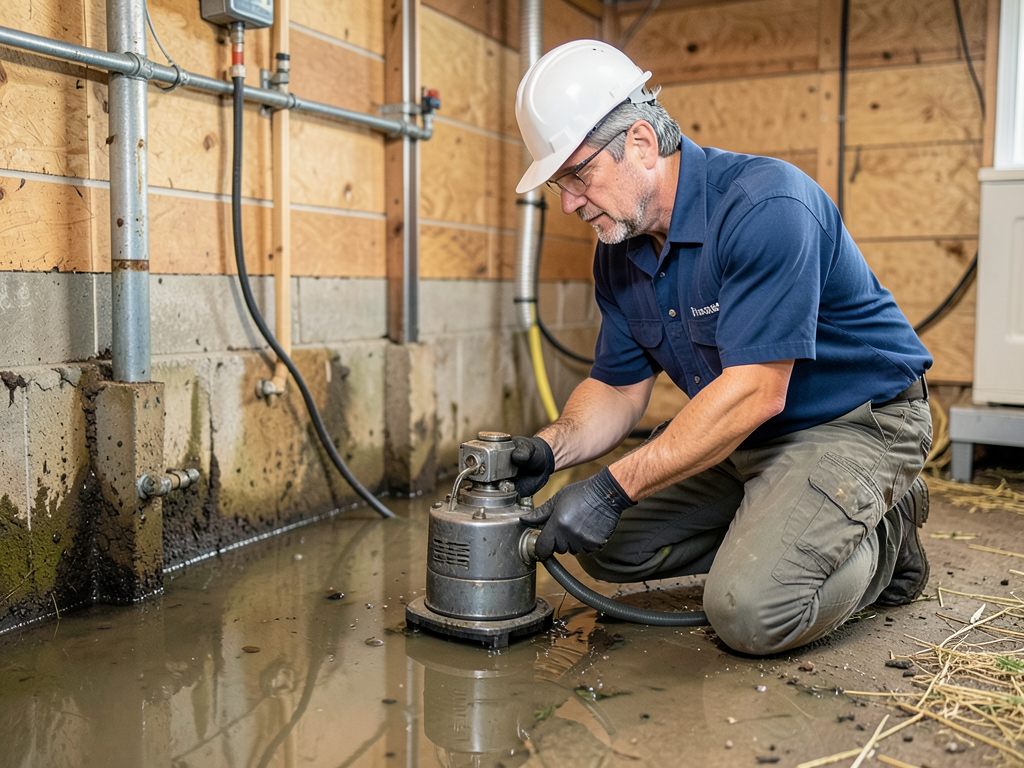
Managing moisture and standing water in Plum crawl spaces
Standing water in your Plum crawl space creates immediate structural risks and long-term health hazards. The heavy clay soil in Allegheny County combined with Plum’s hilly terrain causes water to pool against foundation walls, leading to hydrostatic pressure that forces moisture through cracks and porous concrete. When water accumulates under your home, it doesn’t just stay put. It evaporates upward, raising indoor humidity levels and creating perfect conditions for mold growth on wooden floor joists and subfloors. Who to call for emergency water removal in Pittsburgh right now.
Homeowners in Plum face unique challenges due to the area’s freeze-thaw cycles and seasonal flooding patterns. During spring snowmelt or summer thunderstorms, water runoff from nearby Boyce Park and the surrounding hills can overwhelm local drainage systems. This water often finds its way into unprotected crawl spaces through foundation gaps or poorly graded soil around the home’s perimeter. Why your North Hills basement flooded and how to dry it out fast.
Immediate water removal requires industrial-grade equipment that most homeowners don’t own. A standard shop vac cannot extract the volume of water that accumulates in a typical Plum crawl space after heavy rainfall. Professional water extraction pumps remove standing water quickly while specialized dehumidifiers begin the drying process to prevent further damage. Expert water damage restoration for businesses in the Pittsburgh Strip District.
The first 24-48 hours after water intrusion are critical. Mold can begin colonizing damp wood surfaces within this timeframe, and structural components can start deteriorating. Quick response prevents minor moisture issues from becoming major restoration projects that require extensive mold remediation or structural repairs. EPA mold information.
Common causes of crawl space flooding in Plum
Several factors specific to Plum’s geography and climate contribute to crawl space moisture problems. Understanding these causes helps homeowners take preventive measures and recognize when professional intervention is necessary.
Heavy clay soil prevalent throughout Allegheny County retains water like a sponge. When this saturated soil surrounds your foundation, it creates hydrostatic pressure that pushes water through even the smallest foundation cracks. The pressure increases dramatically during periods of heavy rain or rapid snowmelt, forcing water into crawl spaces through walls and floors.
Poor exterior grading around Plum homes allows water to flow toward rather than away from foundations. Many homes in the area were built before modern drainage requirements, and their yards slope toward the house instead of away from it. This negative grade channels rainwater directly to foundation walls where it accumulates and eventually seeps inside.
Failed or absent vapor barriers allow ground moisture to rise into crawl spaces. Without a proper vapor barrier, moisture from the soil beneath your home evaporates upward, increasing humidity levels and creating condensation on cooler surfaces. This continuous moisture source keeps crawl spaces damp year-round, even without obvious flooding.
Sump pump failures leave crawl spaces vulnerable during power outages or equipment malfunctions. Plum experiences frequent thunderstorms that can knock out power just when you need your sump pump most. Without battery backup systems, these pumps stop working during critical periods, allowing water to accumulate unchecked.
Gutter and downspout issues direct water toward foundations instead of away from them. Clogged gutters overflow during rainstorms, dumping water directly against foundation walls. Downspouts that terminate too close to the house or drain toward the foundation create concentrated water flow that saturates soil near crawl space entry points.
Health and structural risks of crawl space moisture
Standing water and persistent moisture in crawl spaces create serious risks that extend beyond the immediate area. These problems affect indoor air quality, structural integrity, and even the health of everyone living in the home.
Mold growth represents the most immediate health concern. The warm, dark, and moist environment of a flooded crawl space provides ideal conditions for mold colonies to establish themselves. Within 24-48 hours, common molds like Aspergillus and Penicillium can begin growing on wood, paper, and other organic materials. More dangerous species like Stachybotrys chartarum (black mold) can develop if moisture persists. Dealing with a flooded basement in Mount Lebanon without losing your mind.
Elevated humidity levels from crawl space moisture affect the entire home. As water evaporates from standing pools or damp surfaces, it increases relative humidity throughout the living space above. This excess moisture can cause condensation on windows, peeling wallpaper, and musty odors. High humidity also makes cooling systems work harder, increasing energy costs.
Structural damage occurs when wooden floor joists and support beams remain damp for extended periods. Wood rot fungi break down cellulose in the wood, weakening structural components. This deterioration can lead to sagging floors, uneven surfaces, and in severe cases, structural failure that requires expensive repairs or replacement.
Pest infestations thrive in moist crawl spaces. Termites, carpenter ants, and rodents are attracted to damp environments where they find both water and potential nesting materials. These pests can cause additional damage to wooden structures and create entry points for other problems.
Foundation damage results from continuous hydrostatic pressure against foundation walls. Over time, this pressure can cause cracks, bowing walls, and even foundation settlement. Water that freezes in these cracks during winter expands, widening the damage and creating a cycle of deterioration that becomes increasingly expensive to repair.
Professional water extraction and drying process
Effective crawl space water removal requires specialized equipment and systematic procedures that address both visible water and hidden moisture. The process involves multiple steps to ensure complete drying and prevent secondary damage.
Initial inspection and damage assessment begins the restoration process. Technicians use moisture meters and thermal imaging cameras to locate all affected areas, including hidden moisture pockets behind walls or under flooring. This comprehensive evaluation determines the extent of damage and helps develop an appropriate restoration plan.
Water extraction uses high-capacity submersible pumps and truck-mounted extraction units to remove standing water quickly. These industrial-grade pumps can move thousands of gallons per hour, significantly reducing the time water remains in contact with building materials. The faster water is removed, the less damage occurs to structural components.
Dehumidification and air movement work together to remove moisture from the air and materials. Low-grain refrigerant (LGR) dehumidifiers extract moisture even in cooler temperatures common in crawl spaces. High-velocity air movers create airflow patterns that accelerate evaporation from wet surfaces, allowing dehumidifiers to remove the resulting moisture efficiently.
Antimicrobial treatment prevents mold growth on remaining surfaces. After water removal and initial drying, technicians apply EPA-registered antimicrobial solutions to all affected areas. These treatments inhibit mold and bacteria growth during the drying process, when conditions are still favorable for biological contamination. Cleaning up after a kitchen flood in your Fox Chapel home.
Moisture monitoring continues throughout the drying process. Technicians take regular readings from multiple locations to track progress and ensure all materials return to acceptable moisture levels. This documentation proves drying was complete and helps prevent warranty issues or future problems.
Final inspection and documentation confirms all moisture has been removed and affected areas are safe for reconstruction. This step includes providing detailed reports for insurance claims and ensuring all work meets industry standards for water damage restoration.
Long-term moisture prevention solutions
After addressing immediate water issues, homeowners need permanent solutions to prevent future crawl space moisture problems. These preventive measures protect your investment and eliminate the need for repeated emergency services.
Complete crawl space encapsulation creates a moisture barrier between the ground and your home. This process involves installing heavy-duty vapor barriers on floors and walls, sealing vents, and adding dehumidification systems. Encapsulation prevents ground moisture from entering the crawl space and maintains consistent humidity levels year-round.
French drain systems redirect water away from foundations before it can enter crawl spaces. These perimeter drains collect water from around the foundation and channel it to appropriate discharge points. When combined with proper grading, French drains significantly reduce hydrostatic pressure against foundation walls.
Smart sump pump systems provide reliable water removal with multiple layers of protection. Modern systems include primary pumps, battery backup units, and water-powered backup options. These systems continue operating during power outages and automatically switch to backup power when needed, ensuring continuous protection.
Exterior drainage improvements address water flow around the entire home. This includes regrading soil to create positive slope away from foundations, extending downspouts to discharge water at least six feet from the house, and installing surface drainage channels to direct water flow around the property.
Foundation crack repair seals existing entry points for water. Professional technicians use hydraulic cement, epoxy injections, or polyurethane sealants to close cracks and gaps in foundation walls. These repairs prevent water from finding the same entry points during future moisture events.
Ventilation system upgrades improve air circulation and moisture control. This may include installing powered vents, adding dehumidifiers with condensate pumps, or creating dedicated ventilation pathways to promote air movement throughout the crawl space.
Insurance coverage for crawl space water damage
Understanding insurance coverage helps homeowners make informed decisions about water damage restoration. Coverage varies significantly depending on the cause of water intrusion and the specific terms of your policy.
Sudden and accidental water damage from burst pipes or appliance failures typically receives coverage under standard homeowners insurance policies. These policies cover the cost of water extraction, drying, and repairs to damaged structures and personal property. Coverage usually includes professional restoration services needed to return the home to pre-loss condition.
Flood damage from external sources requires separate flood insurance coverage. Standard homeowners policies exclude damage from rising water, including water that enters through foundation walls or crawl space vents during heavy rainfall or river flooding. Homeowners in flood-prone areas need National Flood Insurance Program (NFIP) policies or private flood coverage.
Gradual damage from poor maintenance or lack of preventive measures often falls outside insurance coverage. Insurance companies consider ongoing moisture problems, foundation cracks, or failed sump pumps resulting from lack of maintenance as homeowner responsibilities. This exclusion emphasizes the importance of regular inspections and preventive maintenance.
Documentation requirements for insurance claims include detailed damage assessments, before-and-after photos, and professional estimates. Insurance companies need clear evidence of damage extent and restoration costs to process claims efficiently. Working with experienced restoration companies helps ensure proper documentation and smoother claim processing.
Additional living expenses coverage may apply if water damage makes your home uninhabitable during restoration. This coverage helps pay for temporary housing, meals, and other increased living costs while repairs are completed. Coverage limits and duration vary by policy, so understanding your specific terms is important.
Claim timing affects coverage eligibility. Most policies require prompt reporting of damage, typically within 14-30 days depending on the specific policy terms. Delayed reporting can result in denied claims or reduced coverage, especially for damage that worsens over time.
Why professional restoration matters for Plum homes
Professional water damage restoration provides benefits that DIY approaches cannot match, especially for Plum’s specific environmental conditions and building practices. Trained technicians understand local soil conditions, weather patterns, and construction methods that affect moisture problems.
Specialized equipment access gives professionals significant advantages over homeowner solutions. Industrial-grade water extraction pumps, commercial dehumidifiers, and moisture detection tools remove water and moisture much faster than consumer-grade equipment. This speed minimizes damage and reduces restoration costs.
Technical expertise ensures proper restoration procedures are followed. IICRC-certified technicians understand psychrometry (the science of drying), moisture migration patterns, and proper equipment placement for optimal results. This knowledge prevents common mistakes that can lead to incomplete drying and future problems. IICRC certification standards.
Insurance navigation experience helps maximize coverage and streamline claims. Professional restoration companies understand insurance company requirements, provide proper documentation, and communicate directly with adjusters. This expertise often results in faster claim processing and better coverage outcomes for homeowners.
Health and safety considerations protect both workers and residents. Crawl space work involves confined space hazards, potential mold exposure, and electrical risks from water-damaged systems. Professional technicians use proper safety equipment and procedures to prevent injuries and health issues.
Long-term prevention planning addresses root causes rather than just symptoms. Professional assessments identify underlying issues like poor drainage, foundation problems, or inadequate ventilation that contribute to moisture problems. This comprehensive approach prevents recurring issues and reduces long-term maintenance costs.
Quality guarantees provide peace of mind for homeowners. Reputable restoration companies stand behind their work with warranties and satisfaction guarantees. This accountability ensures problems are resolved completely and protects homeowners from future issues related to the restoration work.
Frequently Asked Questions
How long does crawl space water removal take?
Water removal typically takes 24-48 hours depending on the volume of standing water and access conditions. Complete drying requires an additional 3-5 days to ensure all moisture is removed from materials and air. The total restoration process usually spans 5-7 days from initial extraction to final inspection.
Can I use a regular wet vac to remove crawl space water?
Standard wet vacs lack the capacity and power for significant water removal. They typically move 5-10 gallons per minute compared to professional pumps that handle 100+ gallons per minute. Additionally, most wet vacs cannot handle contaminated water or operate safely in confined crawl spaces with potential electrical hazards.
Will my homeowners insurance cover crawl space flooding?
Coverage depends on the water source. Sudden pipe bursts or appliance failures are usually covered under standard policies. External flooding from heavy rain or groundwater requires separate flood insurance. Gradual moisture problems from poor maintenance are typically excluded. Always check your specific policy terms and document damage thoroughly.
How much does professional crawl space water removal cost?
Costs vary based on water volume, damage extent, and required services. Basic water extraction starts around $1,500-$2,500. Complete restoration with drying, cleaning, and minor repairs typically ranges from $3,000-$6,000. Severe cases involving mold remediation or structural repairs can exceed $10,000. Insurance may cover many of these costs.
What are signs of hidden moisture in my crawl space?
Musty odors, increased humidity in living areas, condensation on windows, and unexplained allergy symptoms often indicate crawl space moisture problems. Visual signs include water stains on foundation walls, efflorescence (white mineral deposits) on concrete, and wood that feels soft or shows signs of rot when probed.
How can I prevent future crawl space flooding?
Install proper drainage systems including French drains and extended downspouts. Ensure soil slopes away from your foundation. Install a quality sump pump with battery backup. Consider crawl space encapsulation with vapor barriers. Regular gutter cleaning and foundation inspections help identify problems before they cause flooding.
Is mold always present after crawl space flooding?
Mold can begin growing within 24-48 hours in warm, moist conditions. However, prompt professional water removal and drying can prevent mold establishment. The key is rapid response and proper drying techniques. If moisture persists beyond 48-72 hours, mold growth becomes increasingly likely and may require remediation.
Should I enter my flooded crawl space to check the damage?
No. Flooded crawl spaces pose serious safety risks including electrical shock, structural collapse, and exposure to contaminated water. Standing water may conceal hazards, and damaged electrical systems can energize water. Always call professionals who have proper safety equipment and training for confined space entry.
How do I know if my crawl space needs professional help?
Call professionals if you have standing water deeper than 1/4 inch, water that covers more than 10 square feet, or moisture that persists beyond 24 hours. Also seek professional help if you notice mold growth, structural damage, or if water entered through contaminated sources like sewage backups.
What should I do immediately after discovering crawl space flooding?
Turn off electricity to the affected area if safe to do so. Stop the water source if possible. Remove valuable items from above the crawl space. Document damage with photos for insurance purposes. Contact your insurance company and a professional water damage restoration company immediately. Do not enter the flooded area.
Take action now to protect your Plum home
Standing water in your crawl space won’t resolve itself and will only worsen over time. The unique soil conditions and weather patterns in Plum make crawl space moisture problems particularly challenging for homeowners to address without professional help.
Every hour that water remains in your crawl space increases the risk of mold growth, structural damage, and expensive repairs. The cost of professional water removal and drying is minimal compared to the potential expenses of ignoring the problem or attempting inadequate DIY solutions.
Our team understands the specific challenges Plum homeowners face with crawl space moisture. We use industrial-grade equipment and proven techniques to remove water quickly and completely dry affected areas. Our experience with local soil conditions, building practices, and weather patterns ensures effective restoration tailored to your home’s needs.
Don’t wait for minor moisture issues to become major structural problems. Call (412) 382-8788 today to schedule your crawl space inspection and water removal service. Our 24/7 emergency response team is ready to help Plum residents protect their homes from water damage.
Pick up the phone and call (412) 382-8788 before the next storm hits. Quick action now prevents costly repairs later and ensures your home remains safe and dry for years to come.
{
“@context”: “https://schema.org”,
“@type”: “BlogPosting”,
“headline”: “Managing moisture and standing water in Plum crawl spaces”,
“description”: “Expert crawl space water removal in Plum PA. Fast emergency response for Plum Borough homes. Call (412) 382-8788 for 24/7 water extraction and drying.”,
“wordCount”: 2838,
“datePublished”: “2026-03-07T12:32:00.000Z”,
“dateModified”: “2026-03-07T12:32:00.000Z”,
“inLanguage”: “en-US”,
“mainEntityOfPage”: {
“@type”: “WebPage”,
“@id”: “https://reliancewaterdamagerestorationpittsburgh.com”
},
“publisher”: {
“@type”: “LocalBusiness”,
“name”: “Reliance Water Damage Restoration Pittsburgh”,
“url”: “https://reliancewaterdamagerestorationpittsburgh.com”
},
“author”: {
“@type”: “Organization”,
“name”: “Reliance Water Damage Restoration Pittsburgh”,
“url”: “https://reliancewaterdamagerestorationpittsburgh.com”
},
“image”: {
“@type”: “ImageObject”,
“url”: “https://reliancewaterdamagerestorationpittsburgh.com/wp-content/uploads/2026/03/managing-moisture-and-standing-water-in-plum-crawl-1.png”
}
}
{
“@context”: “https://schema.org”,
“@type”: “LocalBusiness”,
“name”: “Reliance Water Damage Restoration Pittsburgh”,
“url”: “https://reliancewaterdamagerestorationpittsburgh.com”,
“address”: {
“@type”: “PostalAddress”,
“addressLocality”: “Pittsburgh”
},
“areaServed”: {
“@type”: “City”,
“name”: “Pittsburgh”
}
}
{
“@context”: “https://schema.org”,
“@type”: “FAQPage”,
“mainEntity”: [
{
“@type”: “Question”,
“name”: “How long does crawl space water removal take?”,
“acceptedAnswer”: {
“@type”: “Answer”,
“text”: “Water removal typically takes 24-48 hours depending on the volume of standing water and access conditions. Complete drying requires an additional 3-5 days to ensure all moisture is removed from materials and air. The total restoration process usually spans 5-7 days from initial extraction to final inspection.”
}
},
{
“@type”: “Question”,
“name”: “Can I use a regular wet vac to remove crawl space water?”,
“acceptedAnswer”: {
“@type”: “Answer”,
“text”: “Standard wet vacs lack the capacity and power for significant water removal. They typically move 5-10 gallons per minute compared to professional pumps that handle 100+ gallons per minute. Additionally, most wet vacs cannot handle contaminated water or operate safely in confined crawl spaces with potential electrical hazards.”
}
},
{
“@type”: “Question”,
“name”: “Will my homeowners insurance cover crawl space flooding?”,
“acceptedAnswer”: {
“@type”: “Answer”,
“text”: “Coverage depends on the water source. Sudden pipe bursts or appliance failures are usually covered under standard policies. External flooding from heavy rain or groundwater requires separate flood insurance. Gradual moisture problems from poor maintenance are typically excluded. Always check your specific policy terms and document damage thoroughly.”
}
},
{
“@type”: “Question”,
“name”: “How much does professional crawl space water removal cost?”,
“acceptedAnswer”: {
“@type”: “Answer”,
“text”: “Costs vary based on water volume, damage extent, and required services. Basic water extraction starts around $1,500-$2,500. Complete restoration with drying, cleaning, and minor repairs typically ranges from $3,000-$6,000. Severe cases involving mold remediation or structural repairs can exceed $10,000. Insurance may cover many of these costs.”
}
},
{
“@type”: “Question”,
“name”: “What are signs of hidden moisture in my crawl space?”,
“acceptedAnswer”: {
“@type”: “Answer”,
“text”: “Musty odors, increased humidity in living areas, condensation on windows, and unexplained allergy symptoms often indicate crawl space moisture problems. Visual signs include water stains on foundation walls, efflorescence (white mineral deposits) on concrete, and wood that feels soft or shows signs of rot when probed.”
}
},
{
“@type”: “Question”,
“name”: “How can I prevent future crawl space flooding?”,
“acceptedAnswer”: {
“@type”: “Answer”,
“text”: “Install proper drainage systems including French drains and extended downspouts. Ensure soil slopes away from your foundation. Install a quality sump pump with battery backup. Consider crawl space encapsulation with vapor barriers. Regular gutter cleaning and foundation inspections help identify problems before they cause flooding.”
}
},
{
“@type”: “Question”,
“name”: “Is mold always present after crawl space flooding?”,
“acceptedAnswer”: {
“@type”: “Answer”,
“text”: “Mold can begin growing within 24-48 hours in warm, moist conditions. However, prompt professional water removal and drying can prevent mold establishment. The key is rapid response and proper drying techniques. If moisture persists beyond 48-72 hours, mold growth becomes increasingly likely and may require remediation.”
}
},
{
“@type”: “Question”,
“name”: “Should I enter my flooded crawl space to check the damage?”,
“acceptedAnswer”: {
“@type”: “Answer”,
“text”: “No. Flooded crawl spaces pose serious safety risks including electrical shock, structural collapse, and exposure to contaminated water. Standing water may conceal hazards, and damaged electrical systems can energize water. Always call professionals who have proper safety equipment and training for confined space entry.”
}
},
{
“@type”: “Question”,
“name”: “How do I know if my crawl space needs professional help?”,
“acceptedAnswer”: {
“@type”: “Answer”,
“text”: “Call professionals if you have standing water deeper than 1/4 inch, water that covers more than 10 square feet, or moisture that persists beyond 24 hours. Also seek professional help if you notice mold growth, structural damage, or if water entered through contaminated sources like sewage backups.”
}
},
{
“@type”: “Question”,
“name”: “What should I do immediately after discovering crawl space flooding?”,
“acceptedAnswer”: {
“@type”: “Answer”,
“text”: “Turn off electricity to the affected area if safe to do so. Stop the water source if possible. Remove valuable items from above the crawl space. Document damage with photos for insurance purposes. Contact your insurance company and a professional water damage restoration company immediately. Do not enter the flooded area.”
}
}
]
}
{
“@context”: “https://schema.org”,
“@type”: “BreadcrumbList”,
“itemListElement”: [
{
“@type”: “ListItem”,
“position”: 1,
“name”: “Home”,
“item”: “https://reliancewaterdamagerestorationpittsburgh.com”
},
{
“@type”: “ListItem”,
“position”: 2,
“name”: “Blog”,
“item”: “https://reliancewaterdamagerestorationpittsburgh.com/blog”
},
{
“@type”: “ListItem”,
“position”: 3,
“name”: “Managing moisture and standing water in Plum crawl spaces”
}
]
}
{
“@context”: “https://schema.org”,
“@type”: “Service”,
“serviceType”: “Water Damage Restoration”,
“provider”: {
“@type”: “LocalBusiness”,
“name”: “Reliance Water Damage Restoration Pittsburgh”,
“url”: “https://reliancewaterdamagerestorationpittsburgh.com”
},
“areaServed”: {
“@type”: “City”,
“name”: “Pittsburgh”
},
“description”: “Expert crawl space water removal in Plum PA. Fast emergency response for Plum Borough homes. Call (412) 382-8788 for 24/7 water extraction and drying.”
}