
Understanding Porous Brick and Water Seepage in Pittsburgh Homes
If you notice damp spots on your interior walls or see white powdery residue on your brick exterior in Brighton Heights you are dealing with a classic case of water seepage through porous masonry. Brick may look solid but it acts like a sponge in Pittsburgh’s climate absorbing moisture through tiny pores and hairline cracks. Over time that trapped water expands and contracts with freeze-thaw cycles causing spalling and interior damage. This is not a cosmetic issue it is a structural warning sign that needs immediate attention. EPA mold information.
Pittsburgh’s average annual rainfall of 38 inches combined with humidity levels that often exceed 70 percent in summer creates the perfect conditions for brick to absorb water. When temperatures drop below freezing that absorbed moisture expands by nearly 9 percent forcing apart the brick and mortar. This cycle repeats every season and accelerates deterioration especially in older Brighton Heights homes built before modern vapor barriers and drainage systems were standard. Who to call for emergency water removal in Pittsburgh right now.
Call (412) 382-8788 today to schedule your inspection before the next storm hits.
Signs Your Brick Walls are Absorbing Water
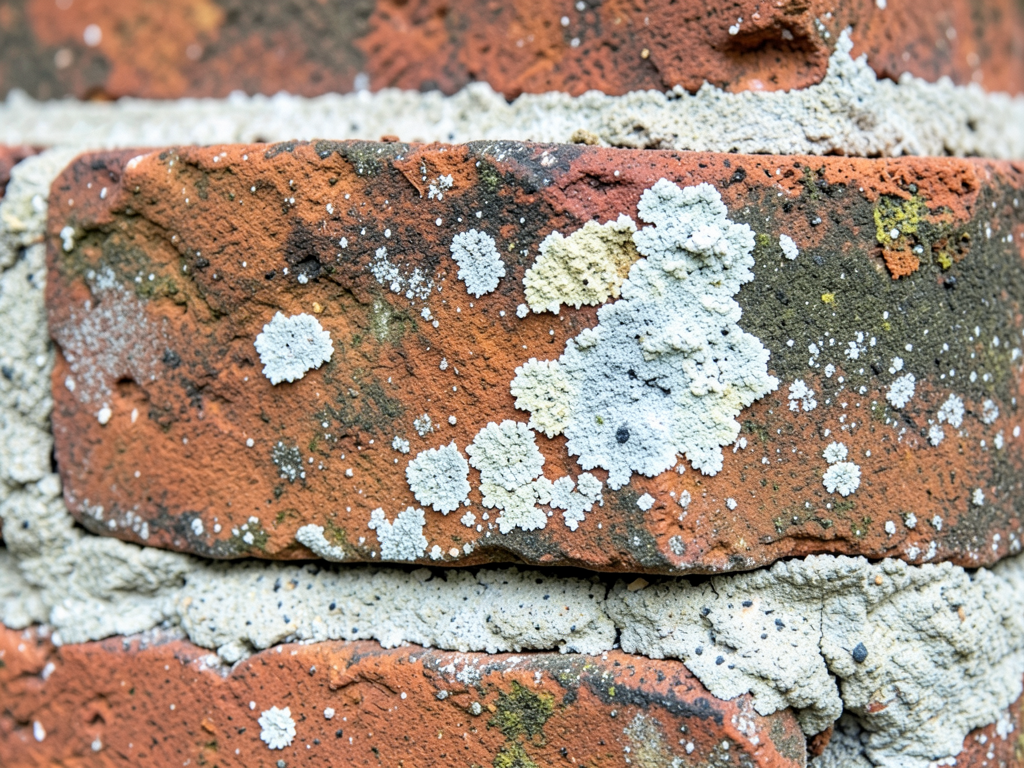
Efflorescence is the most common visible sign. This white chalky substance is actually dissolved salts left behind when water evaporates through the brick surface. You might also see spalling where the brick face flakes or chips away exposing the softer inner core. Interior drywall near brick walls may show yellow or brown stains and a musty odor often indicates mold growth behind the surface. Expert water damage restoration for businesses in the Pittsburgh Strip District.
During heavy rain you may notice damp spots that appear and disappear or water trickling down the interior wall. These are not condensation issues they are direct pathways for water intrusion. In severe cases you might even hear a faint dripping sound inside the wall cavity when it rains.
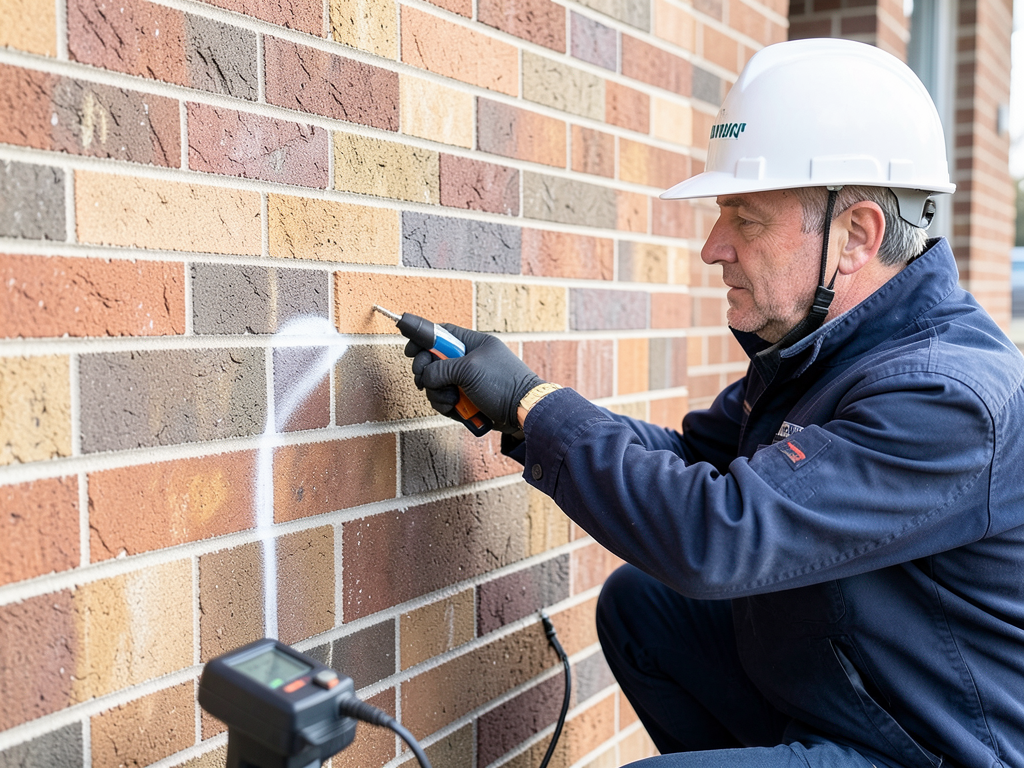
A close-up photo showing efflorescence and spalling on a Brighton Heights brick wall with a moisture meter reading displayed. Efflorescence on Concrete.
The Science of Seepage: Why It Happens
Capillary action draws water upward through porous materials against gravity. In brick walls this means groundwater can travel several feet vertically through the mortar joints. Hydrostatic pressure from saturated soil pushes water through foundation walls while splash-back from roof runoff drives moisture into the lower courses of brick. Over decades mortar joints degrade from freeze-thaw stress creating wider channels for water to penetrate.
Modern brick is fired at higher temperatures creating a denser surface but many Brighton Heights homes feature older clay brick with larger pores and weaker bonds. The mortar in these homes often contains lime which is more water soluble than modern cement-based mixes. When that lime washes away the joints become even more permeable. Large Scale Water Extraction.
A diagram illustrating capillary rise through brick and mortar showing water migration from soil to interior wall.
Pittsburgh’s Climate Factor: The Freeze-Thaw Cycle
Pittsburgh experiences an average of 40 freeze-thaw cycles per year according to the Western Pennsylvania Conservancy. Each cycle subjects absorbed water to expansion pressures that can exceed 100 pounds per square inch. That force is enough to crack solid concrete let alone aged brick and mortar. The problem compounds when snow melts rapidly during a warm spell saturating the ground and driving hydrostatic pressure against foundation walls.
Clay soil common throughout Brighton Heights and surrounding neighborhoods retains water like a sponge. When that saturated clay freezes it expands laterally pushing against basement walls and creating new cracks for water to exploit. This geological reality means brick seepage is not just a material failure it is a site-specific vulnerability tied to local soil and weather patterns.
Professional Solutions for Porous Brick
Tuckpointing replaces deteriorated mortar with new material that matches the original strength and porosity. This process not only restores structural integrity but also eliminates the water pathways that developed in aging joints. A skilled mason will remove old mortar to a depth of at least one inch and pack in fresh mortar that bonds properly with the existing brick.. Read more about Preserving the original masonry in Mexican War Streets homes after a water leak.
Vapor-permeable silane-siloxane sealers penetrate deep into the brick without trapping moisture inside. Unlike acrylic sealers that form a film these water repellents allow the brick to breathe while shedding liquid water. The treatment typically lasts five to seven years in Pittsburgh’s climate and can reduce water absorption by up to 95 percent.
Exterior drainage improvements such as French drains or regraded soil can eliminate the hydrostatic pressure that forces water through walls. These systems redirect roof runoff and groundwater away from the foundation before it ever reaches the brick. In some cases interior waterproofing membranes are installed as a secondary barrier but this is usually a last resort for severe cases.. Read more about Comparing French drains and sump pumps for wet South Fayette backyards.
A before-and-after comparison of a Brighton Heights brick wall showing tuckpointing and sealer application with moisture meter readings. Cleaning up after a kitchen flood in your Fox Chapel home.
DIY vs. Professional Restoration
| Approach | Cost Range | Effectiveness | Risk Level |
|---|---|---|---|
| DIY Waterproofing Paint | $50-$150 per wall | Low | High |
| Penetrating Sealer (DIY) | $200-$400 per wall | Moderate | Medium |
| Professional Tuckpointing | $1,500-$3,500 per wall | High | Low |
| Full Drainage System | $5,000-$12,000 | Very High | Low |
DIY paints and sealants often trap moisture inside the wall creating a perfect environment for freeze-thaw damage and mold growth. These products may provide temporary relief but they accelerate long-term deterioration by preventing the brick from drying properly. Professional restoration addresses the root cause by repairing the masonry structure and managing water at the source.
When to Call a Professional
If you see efflorescence covering more than 10 square feet of wall or notice spalling that exposes the brick core you need professional assessment. Interior water stains that appear during every heavy rain indicate active intrusion that will worsen without intervention. Mold growth on interior walls near brick is a health hazard that requires immediate remediation.
Call (412) 382-8788 today to schedule your inspection before the next storm hits.
Preventing Future Seepage
Regular maintenance is your best defense. Inspect mortar joints annually for cracks wider than 1/8 inch. Clean gutters and downspouts to prevent splash-back onto brick walls. Ensure the ground slopes away from your foundation at least six inches over ten feet. These simple steps can extend the life of your brick walls by decades.
Consider installing a rain screen behind new siding or adding weep holes to existing walls to improve ventilation. These modifications allow moisture that does penetrate to escape rather than accumulate. For historic Brighton Heights homes consult with a preservation specialist to ensure any repairs maintain the building’s character and value.
Frequently Asked Questions
How long does brick sealer last in Pittsburgh?
Quality silane-siloxane sealers typically last five to seven years in Pittsburgh’s climate before needing reapplication. Harsh freeze-thaw cycles and heavy rainfall accelerate breakdown compared to milder regions.
Can I seal brick myself?
DIY sealers are available but professional application ensures proper penetration depth and coverage. Incorrect sealing can trap moisture and cause more damage than leaving the brick untreated.
Does homeowners insurance cover brick seepage?
Standard policies cover sudden damage from events like burst pipes but not gradual seepage from aging materials. Some policies offer water backup coverage that may help with foundation leaks.
How much does tuckpointing cost in Pittsburgh?
Professional tuckpointing typically costs $8 to $15 per square foot depending on access and mortar condition. Historic homes may require specialized materials that increase the price.
Can seepage cause mold inside my home?
Yes. Water intrusion creates damp conditions behind walls where mold can grow undetected. This poses health risks and can spread to other areas of your home. For more information, visit IICRC certification standards.
You may also find this helpful. How to tell if you have a expensive slab leak under your Franklin Park home.
{
“@context”: “https://schema.org”,
“@type”: “BlogPosting”,
“headline”: “Dealing with water seeping through the brick walls of your Brighton Heights home”,
“description”: “Water seeping through Brighton Heights brick walls? Learn why porous masonry fails in Pittsburgh’s freeze-thaw climate and how to fix it before structural damage spreads.”,
“wordCount”: 1287,
“datePublished”: “2026-04-05T11:53:00.000Z”,
“dateModified”: “2026-04-05T11:53:00.000Z”,
“inLanguage”: “en-US”,
“mainEntityOfPage”: {
“@type”: “WebPage”,
“@id”: “https://reliancewaterdamagerestorationpittsburgh.com”
},
“publisher”: {
“@type”: “LocalBusiness”,
“name”: “Reliance Water Damage Restoration Pittsburgh”,
“url”: “https://reliancewaterdamagerestorationpittsburgh.com”
},
“author”: {
“@type”: “Organization”,
“name”: “Reliance Water Damage Restoration Pittsburgh”,
“url”: “https://reliancewaterdamagerestorationpittsburgh.com”
},
“image”: {
“@type”: “ImageObject”,
“url”: “https://reliancewaterdamagerestorationpittsburgh.com/wp-content/uploads/2026/03/dealing-with-water-seeping-through-the-brick-walls-1.png”
}
}
{
“@context”: “https://schema.org”,
“@type”: “LocalBusiness”,
“name”: “Reliance Water Damage Restoration Pittsburgh”,
“url”: “https://reliancewaterdamagerestorationpittsburgh.com”,
“address”: {
“@type”: “PostalAddress”,
“addressLocality”: “Pittsburgh”
},
“areaServed”: {
“@type”: “City”,
“name”: “Pittsburgh”
}
}
{
“@context”: “https://schema.org”,
“@type”: “FAQPage”,
“mainEntity”: [
{
“@type”: “Question”,
“name”: “How long does brick sealer last in Pittsburgh?”,
“acceptedAnswer”: {
“@type”: “Answer”,
“text”: “Quality silane-siloxane sealers typically last five to seven years in Pittsburgh’s climate before needing reapplication. Harsh freeze-thaw cycles and heavy rainfall accelerate breakdown compared to milder regions.”
}
},
{
“@type”: “Question”,
“name”: “Can I seal brick myself?”,
“acceptedAnswer”: {
“@type”: “Answer”,
“text”: “DIY sealers are available but professional application ensures proper penetration depth and coverage. Incorrect sealing can trap moisture and cause more damage than leaving the brick untreated.”
}
},
{
“@type”: “Question”,
“name”: “Does homeowners insurance cover brick seepage?”,
“acceptedAnswer”: {
“@type”: “Answer”,
“text”: “Standard policies cover sudden damage from events like burst pipes but not gradual seepage from aging materials. Some policies offer water backup coverage that may help with foundation leaks.”
}
},
{
“@type”: “Question”,
“name”: “How much does tuckpointing cost in Pittsburgh?”,
“acceptedAnswer”: {
“@type”: “Answer”,
“text”: “Professional tuckpointing typically costs $8 to $15 per square foot depending on access and mortar condition. Historic homes may require specialized materials that increase the price.”
}
},
{
“@type”: “Question”,
“name”: “Can seepage cause mold inside my home?”,
“acceptedAnswer”: {
“@type”: “Answer”,
“text”: “Yes. Water intrusion creates damp conditions behind walls where mold can grow undetected. This poses health risks and can spread to other areas of your home. For more information, visit IICRC certification standards.”
}
}
]
}
{
“@context”: “https://schema.org”,
“@type”: “BreadcrumbList”,
“itemListElement”: [
{
“@type”: “ListItem”,
“position”: 1,
“name”: “Home”,
“item”: “https://reliancewaterdamagerestorationpittsburgh.com”
},
{
“@type”: “ListItem”,
“position”: 2,
“name”: “Blog”,
“item”: “https://reliancewaterdamagerestorationpittsburgh.com/blog”
},
{
“@type”: “ListItem”,
“position”: 3,
“name”: “Dealing with water seeping through the brick walls of your Brighton Heights home”
}
]
}
{
“@context”: “https://schema.org”,
“@type”: “Service”,
“serviceType”: “Water Damage Restoration”,
“provider”: {
“@type”: “LocalBusiness”,
“name”: “Reliance Water Damage Restoration Pittsburgh”,
“url”: “https://reliancewaterdamagerestorationpittsburgh.com”
},
“areaServed”: {
“@type”: “City”,
“name”: “Pittsburgh”
},
“description”: “Water seeping through Brighton Heights brick walls? Learn why porous masonry fails in Pittsburgh’s freeze-thaw climate and how to fix it before structural damage spreads.”
}