
How to Keep Your Holiday Decorations from Growing Mold in a Humid Pittsburgh Attic
Pittsburgh’s humid summers and cold winters create the perfect storm for attic mold growth. Holiday decorations stored in your attic face constant moisture exposure from high humidity levels and temperature swings. Without proper protection your cherished ornaments and artificial trees can become breeding grounds for mold spores within weeks. This guide walks you through the science behind attic mold prevention and provides actionable steps to keep your holiday decorations safe year after year. Cleaning up after a kitchen flood in your Fox Chapel home.
Why Pittsburgh Attics are High-Risk Zones for Mold Growth
Pittsburgh’s climate creates unique attic moisture challenges. The city experiences average relative humidity levels of 70-80% during July and August. These conditions combined with poor attic ventilation trap moisture inside your attic space. When warm moist air from your living areas rises into the cooler attic it hits surfaces below the dew point temperature causing condensation. This moisture collects on stored items creating ideal conditions for mold growth.. Read more about How to save your personal library from mold and humidity in Squirrel Hill.
Older Pittsburgh homes in neighborhoods like Squirrel Hill and Shadyside often lack proper attic ventilation. Many were built before modern building codes required soffit and ridge vents. The result is stagnant air that holds moisture against stored items. Additionally Pittsburgh’s freeze-thaw cycles in winter can cause ice dams that force water under roof shingles allowing moisture to seep into attic spaces. Who to call for emergency water removal in Pittsburgh right now.
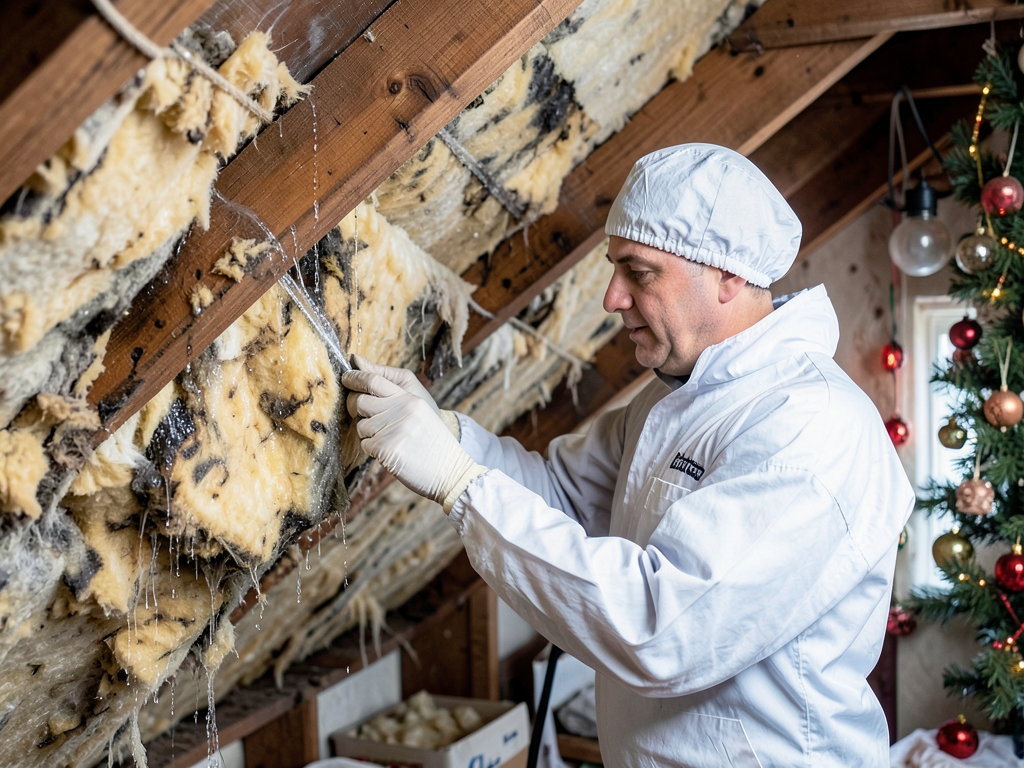
Diagram showing attic ventilation pathways and moisture flow patterns in a typical Pittsburgh home
5 Essential Rules for Safe Attic Storage
Rule 1: Use Airtight Storage Containers
Cardboard boxes absorb moisture and provide food for mold. Switch to heavy-duty polypropylene containers with airtight seals. Look for containers with a rubber gasket around the lid edge. These create a moisture barrier that keeps humidity levels inside the container below 50% relative humidity. The ideal container size for holiday decorations is 18-22 gallons which provides enough space without creating air pockets that trap moisture.
Rule 2: Create Air Gaps Between Containers
Stacking containers directly against each other traps moisture and prevents air circulation. Leave at least 2 inches of space between each container and between containers and walls. This allows air to flow freely reducing moisture buildup. Use plastic shelving units rather than wooden ones which can absorb and hold moisture.
Rule 3: Add Desiccant Packets
Place silica gel desiccant packets inside each storage container. These absorb excess moisture keeping relative humidity levels low. One 5-gram packet handles approximately 1 cubic foot of space. Replace packets annually or when they change color indicating saturation. For valuable or moisture-sensitive items consider reusable desiccant containers that can be dried and reused.
Rule 4: Elevate Off the Floor
Even with airtight containers moisture can seep up from concrete or wooden attic floors. Use plastic dunnage racks or shelving units to keep containers at least 6 inches off the floor. This elevation prevents moisture wicking and allows air circulation underneath. For homes in flood-prone areas like the South Side Flats consider elevating containers even higher. Efflorescence on Concrete.
Rule 5: Label and Rotate Contents
Label each container with contents and storage date. Rotate containers annually bringing the oldest ones to the front. This ensures you check each container regularly for signs of moisture or mold. During rotation inspect containers for cracks or seal failures and replace damaged ones immediately.
The Role of Proper Insulation and Ventilation
Attic mold prevention starts with controlling moisture at its source. Pennsylvania building code requires R-49 insulation in attic spaces. However many Pittsburgh homes especially those built before 1980 have only R-19 to R-30 insulation. This insufficient insulation allows warm moist air to escape from living spaces into the attic where it condenses on cold surfaces.
Proper ventilation works hand in hand with insulation. The building code requires 1 square foot of net free ventilation area for every 150 square feet of attic floor space. This ventilation should be split evenly between soffit vents at the eaves and ridge vents at the peak. Soffit vents allow cool dry air to enter while ridge vents let warm moist air escape creating continuous airflow that carries moisture out of the attic.
Ice dams form when heat escapes through the roof melting snow which then refreezes at the colder eaves. This ice buildup forces water under shingles and into the attic. Installing ice and water shield along eaves provides an additional moisture barrier. This self-adhering membrane extends 24 inches past the interior wall line creating a watertight seal that prevents ice dam damage. Expert water damage restoration for businesses in the Pittsburgh Strip District.
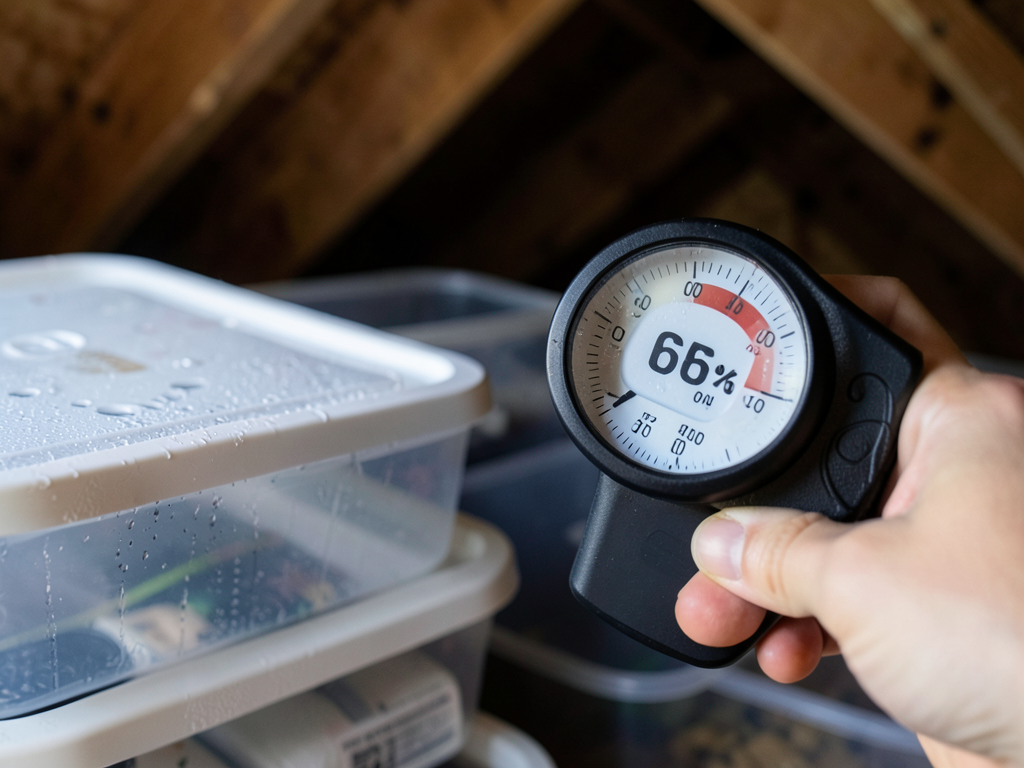
Technician using a moisture meter to test attic humidity levels near stored holiday decorations
When to Transition from Prevention to Professional Remediation
Even with the best prevention strategies mold can still develop. Knowing when to call professionals can save your decorations and prevent structural damage. The EPA recommends professional remediation when mold covers more than 10 square feet or when you discover toxic black mold species like Stachybotrys chartarum. EPA Mold Resources.
Signs Your Attic Storage is Already Compromised
- Musty odors when opening containers
- Visible white or black spots on stored items
- Condensation on container interiors
- Soft or spongy areas on attic floor near storage
- Increased allergy symptoms when accessing attic
Professional mold remediation follows IICRC S520 standards which require containment negative air pressure and HEPA filtration. The process includes removing contaminated materials cleaning affected surfaces and addressing the moisture source. For Pittsburgh homes this often means repairing roof leaks improving ventilation or installing dehumidification systems. IICRC S520 Mold Remediation Standards.
Seasonal Maintenance Schedule for Pittsburgh Homeowners
Spring: Check for winter damage from ice dams. Inspect roof for missing shingles and check attic for water stains. Test all ventilation openings for blockages from leaves or animal nests.
Summer: Monitor attic humidity levels. Install a hygrometer to track relative humidity. Levels above 60% indicate ventilation problems. Check container seals and replace desiccant packets.
Fall: Before storing holiday decorations inspect all containers for damage. Clean and dry containers before use. Test attic insulation for moisture retention. Check for air leaks around attic access points.
Winter: Monitor for ice dam formation after snowfalls. Look for icicles hanging from eaves which indicate heat loss. Check attic temperature which should stay within 10 degrees of outdoor temperature.
Cost-Benefit Analysis: Prevention vs. Remediation
Investing in proper storage and ventilation costs significantly less than mold remediation. Quality airtight containers cost $15-30 each while professional remediation averages $2,500-5,000 for a typical Pittsburgh attic. The break-even point occurs after preventing just one mold outbreak. Additionally prevention preserves irreplaceable holiday heirlooms that money cannot replace.
Professional attic inspections cost $150-300 and can identify problems before they cause damage. These inspections include moisture meter readings thermal imaging to detect air leaks and ventilation assessments. For homes in high-humidity areas like the Ohio River Valley these inspections provide valuable peace of mind.
Call (412) 382-8788 today to schedule your attic inspection before the next humid season hits. Our certified technicians understand Pittsburgh’s unique climate challenges and can recommend specific solutions for your home’s construction and location.
Frequently Asked Questions
What humidity level causes mold growth on stored items?
Mold typically grows when relative humidity exceeds 60% for extended periods. However some mold species can grow at 50% humidity if temperatures are warm enough. Keeping storage areas below 50% relative humidity prevents most mold growth.
How often should I check my attic storage containers?
Inspect containers at least twice yearly during seasonal transitions. Check for seal integrity moisture inside containers and any musty odors. Replace desiccant packets annually or when they change color indicating saturation.
Can I use vacuum-sealed bags instead of plastic containers?
Vacuum-sealed bags work well for fabric items but can trap moisture if not completely dry before sealing. They also provide no protection against physical damage. Use them for soft items like tree skirts or stockings but store hard decorations in rigid containers.
Does attic mold affect my home’s resale value?
Yes. Mold issues must be disclosed during home sales and can reduce property values by 3-10%. Professional remediation with documentation can mitigate these effects but prevention is always more cost-effective than cure.
Don’t wait until you discover mold damage. Pick up the phone and call (412) 382-8788 before the next storm hits. Our team provides comprehensive attic assessments that identify moisture problems before they destroy your holiday memories.
- Choose Proper Containers
Select heavy-duty polypropylene containers with airtight seals and rubber gaskets.
- Prepare Items for Storage
Clean and completely dry all decorations before placing in containers.
- Add Moisture Control
Place silica gel desiccant packets in each container based on volume.
- Organize Storage Space
Use plastic shelving units and maintain 2-inch air gaps between containers.
- Monitor Conditions
Install a hygrometer and check humidity levels monthly during humid seasons.
You may also find this helpful. The right way to save leather jackets and boots from a damp Lawrenceville closet.
{
“@context”: “https://schema.org”,
“@type”: “BlogPosting”,
“headline”: “How to Keep Your Holiday Decorations from Growing Mold in a Humid Pittsburgh Attic”,
“description”: “Prevent mold on holiday decorations in Pittsburgh’s humid attics with expert tips on storage, ventilation, and moisture control. Learn local attic mold prevention strategies.”,
“wordCount”: 1480,
“datePublished”: “2026-05-16T12:22:00.000Z”,
“dateModified”: “2026-05-16T12:22:00.000Z”,
“inLanguage”: “en-US”,
“mainEntityOfPage”: {
“@type”: “WebPage”,
“@id”: “https://reliancewaterdamagerestorationpittsburgh.com”
},
“publisher”: {
“@type”: “LocalBusiness”,
“name”: “Reliance Water Damage Restoration Pittsburgh”,
“url”: “https://reliancewaterdamagerestorationpittsburgh.com”
},
“author”: {
“@type”: “Organization”,
“name”: “Reliance Water Damage Restoration Pittsburgh”,
“url”: “https://reliancewaterdamagerestorationpittsburgh.com”
},
“image”: {
“@type”: “ImageObject”,
“url”: “https://reliancewaterdamagerestorationpittsburgh.com/wp-content/uploads/2026/03/how-to-keep-your-holiday-decorations-from-growing-1.png”
}
}
{
“@context”: “https://schema.org”,
“@type”: “LocalBusiness”,
“name”: “Reliance Water Damage Restoration Pittsburgh”,
“url”: “https://reliancewaterdamagerestorationpittsburgh.com”,
“address”: {
“@type”: “PostalAddress”,
“addressLocality”: “Pittsburgh”
},
“areaServed”: {
“@type”: “City”,
“name”: “Pittsburgh”
}
}
{
“@context”: “https://schema.org”,
“@type”: “FAQPage”,
“mainEntity”: [
{
“@type”: “Question”,
“name”: “What humidity level causes mold growth on stored items?”,
“acceptedAnswer”: {
“@type”: “Answer”,
“text”: “Mold typically grows when relative humidity exceeds 60% for extended periods. However some mold species can grow at 50% humidity if temperatures are warm enough. Keeping storage areas below 50% relative humidity prevents most mold growth.”
}
},
{
“@type”: “Question”,
“name”: “How often should I check my attic storage containers?”,
“acceptedAnswer”: {
“@type”: “Answer”,
“text”: “Inspect containers at least twice yearly during seasonal transitions. Check for seal integrity moisture inside containers and any musty odors. Replace desiccant packets annually or when they change color indicating saturation.”
}
},
{
“@type”: “Question”,
“name”: “Can I use vacuum-sealed bags instead of plastic containers?”,
“acceptedAnswer”: {
“@type”: “Answer”,
“text”: “Vacuum-sealed bags work well for fabric items but can trap moisture if not completely dry before sealing. They also provide no protection against physical damage. Use them for soft items like tree skirts or stockings but store hard decorations in rigid containers.”
}
},
{
“@type”: “Question”,
“name”: “Does attic mold affect my home’s resale value?”,
“acceptedAnswer”: {
“@type”: “Answer”,
“text”: “Yes. Mold issues must be disclosed during home sales and can reduce property values by 3-10%. Professional remediation with documentation can mitigate these effects but prevention is always more cost-effective than cure.”
}
}
]
}
{
“@context”: “https://schema.org”,
“@type”: “HowTo”,
“name”: “How to Store Holiday Decorations Safely”,
“step”: [
{
“@type”: “HowToStep”,
“position”: 1,
“name”: “Choose Proper Containers”,
“text”: “Select heavy-duty polypropylene containers with airtight seals and rubber gaskets.”
},
{
“@type”: “HowToStep”,
“position”: 2,
“name”: “Prepare Items for Storage”,
“text”: “Clean and completely dry all decorations before placing in containers.”
},
{
“@type”: “HowToStep”,
“position”: 3,
“name”: “Add Moisture Control”,
“text”: “Place silica gel desiccant packets in each container based on volume.”
},
{
“@type”: “HowToStep”,
“position”: 4,
“name”: “Organize Storage Space”,
“text”: “Use plastic shelving units and maintain 2-inch air gaps between containers.”
},
{
“@type”: “HowToStep”,
“position”: 5,
“name”: “Monitor Conditions”,
“text”: “Install a hygrometer and check humidity levels monthly during humid seasons.”
}
],
“image”: “https://reliancewaterdamagerestorationpittsburgh.com/wp-content/uploads/2026/03/how-to-keep-your-holiday-decorations-from-growing-1.png”
}
{
“@context”: “https://schema.org”,
“@type”: “BreadcrumbList”,
“itemListElement”: [
{
“@type”: “ListItem”,
“position”: 1,
“name”: “Home”,
“item”: “https://reliancewaterdamagerestorationpittsburgh.com”
},
{
“@type”: “ListItem”,
“position”: 2,
“name”: “Blog”,
“item”: “https://reliancewaterdamagerestorationpittsburgh.com/blog”
},
{
“@type”: “ListItem”,
“position”: 3,
“name”: “How to Keep Your Holiday Decorations from Growing Mold in a Humid Pittsburgh Attic”
}
]
}
{
“@context”: “https://schema.org”,
“@type”: “Service”,
“serviceType”: “Water Damage Restoration”,
“provider”: {
“@type”: “LocalBusiness”,
“name”: “Reliance Water Damage Restoration Pittsburgh”,
“url”: “https://reliancewaterdamagerestorationpittsburgh.com”
},
“areaServed”: {
“@type”: “City”,
“name”: “Pittsburgh”
},
“description”: “Prevent mold on holiday decorations in Pittsburgh’s humid attics with expert tips on storage, ventilation, and moisture control. Learn local attic mold prevention strategies.”
}