
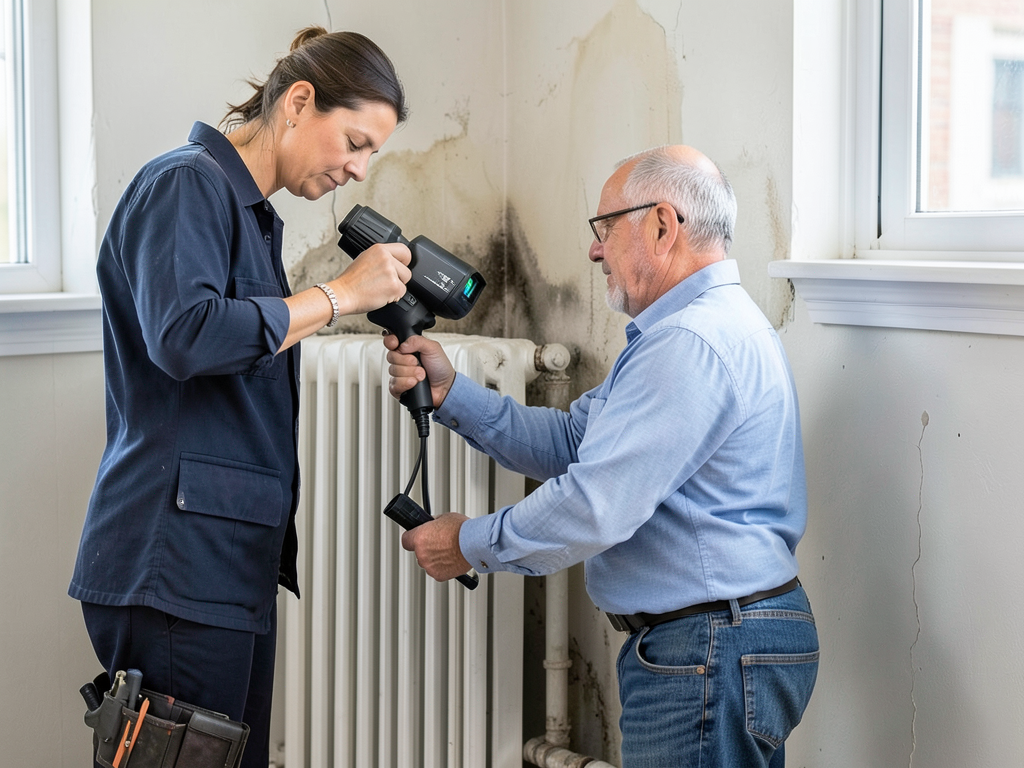
Hidden Signs Your Old Radiator Is Leaking Inside Your Edgewood Home Walls
If you notice peeling paint near your radiator or a musty smell in your Edgewood home, you might have a hidden leak. Steam and hot water radiators can slowly corrode from the inside, sending moisture into wall cavities and subfloors. These leaks often go unnoticed for months, creating the perfect environment for mold growth and structural damage. The good news is that early detection can save you thousands in restoration costs. Who to call for emergency water removal in Pittsburgh right now.
Edgewood’s older homes built before the 1970s often feature cast iron radiators connected to aging boiler systems. These systems work hard during Pittsburgh’s long heating season, and worn valves or corroded pipes can develop slow leaks that escape notice. By the time you see visible water, the damage has already spread through your walls and flooring. Expert water damage restoration for businesses in the Pittsburgh Strip District.
Immediate Indicators of a Radiator Leak
Some radiator leak signs appear right away. You might notice water pooling beneath the radiator or damp spots on nearby walls. A hissing sound when the system activates often indicates a small steam leak from a faulty valve or connection point. The area around the radiator may feel warmer than surrounding spaces, suggesting heat is escaping through a crack.
Radiator valves can fail in several ways. The bleed valve at the top allows air release but can become stuck or corroded. The supply valve where water enters the radiator may develop slow drips from worn seals. Pipe connections at the floor level are vulnerable to movement and corrosion over decades of use.
Steam radiators present unique challenges. When steam condenses back to water, it travels through return pipes that can corrode from the inside out. These hidden pipes run through walls and under floors, making leaks difficult to detect until significant damage occurs. The high temperature of steam can also cause rapid deterioration of rubber seals and gaskets.
Hidden Signs of Water Damage Behind Walls and Under Floors
Hidden radiator leaks create damage you cannot see at first. Wall paint may bubble or peel near the radiator without any visible water source. Drywall can absorb moisture from slow leaks, causing it to sag or develop soft spots. Baseboards may warp or separate from walls as moisture affects the wood. EPA Mold Information.
Floor damage often appears as cupping or crowning in hardwood. Cupping happens when moisture causes the edges of floorboards to rise higher than the center. This creates an uneven surface that feels bumpy underfoot. In severe cases, floorboards can completely detach from the subfloor.
Subfloor damage progresses through several stages. Initially, moisture causes wood to swell and press against nails or screws. As decay sets in, the wood loses structural integrity and becomes spongy. Eventually, joists can rot from continuous moisture exposure, compromising your home’s structural safety.
Musty odors indicate mold growth has begun. Mold can start colonizing damp materials within 24 to 48 hours of water exposure. The smell often becomes noticeable before visible mold appears, as colonies grow behind walls or under flooring where air cannot circulate freely.. Read more about Why luxury vinyl flooring hides water damage better than you might think in Cranberry.
Why Pittsburgh’s Climate Aggravates Radiator Issues
Pittsburgh’s freeze-thaw cycles put extra stress on older heating systems. When outdoor temperatures fluctuate dramatically, the metal in radiators and pipes expands and contracts. This movement can cause microscopic cracks to develop at joints and seams, leading to slow leaks over time.. Read more about What to do when your large fish tank cracks in your Edgewood living room.
Western Pennsylvania’s high humidity levels during heating season create ideal conditions for moisture problems. When warm air from radiators meets cold exterior walls, condensation forms. This moisture can drip down walls or pool near radiators, accelerating corrosion of metal components.. Read more about How to stop window condensation from rotting your Etna window sills.
Many Edgewood homes sit on clay-heavy soil that retains moisture. This soil expands when wet and contracts when dry, causing foundation movement. Even slight shifts in your home’s foundation can stress radiator pipes and connections, leading to leaks at vulnerable points.
The age of Pittsburgh’s housing stock compounds these problems. Homes built before modern building codes often lack proper vapor barriers or moisture management systems. Water that enters wall cavities has nowhere to go, leading to prolonged exposure and damage.
Health and Safety Risks: Mold and Structural Integrity
Black mold, specifically Stachybotrys chartarum, thrives in the dark, damp conditions created by radiator leaks. This toxic mold produces mycotoxins that can cause respiratory problems, headaches, and other health issues. Children, elderly people, and those with compromised immune systems face the highest risks. Black Mold Symptoms.
Structural damage from prolonged moisture exposure can create safety hazards. Rotted floor joists may fail under normal loads, causing floors to sag or collapse. Wall studs weakened by moisture can no longer support the weight above, leading to cracking and potential structural failure.
Electrical systems near water-damaged areas pose fire risks. Moisture can corrode wire insulation and create short circuits. Outlets and switches in affected walls may malfunction, creating shock hazards for anyone touching them.
Radiator leaks can also damage personal property stored near affected areas. Books, documents, and textiles absorb moisture and develop mold growth. Electronics exposed to elevated humidity levels may fail prematurely or pose safety risks.
Professional Restoration vs. DIY: When to Call the Experts
DIY radiator repair works for simple valve replacements but falls short when water has spread through walls. Professional restoration technicians use moisture meters to detect hidden dampness in building materials. These tools measure moisture content at different depths, revealing problems that visual inspection cannot detect.
Professional restoration follows IICRC S500 standards for water damage mitigation. This industry standard requires specific drying times, equipment placement, and documentation. DIY approaches often miss critical steps, leading to incomplete drying and ongoing moisture problems. IICRC S500 Standards.
Insurance coverage for radiator-related damage varies by policy. Many homeowners’ policies exclude gradual damage from wear and tear. Professional restoration companies document damage thoroughly, increasing the likelihood of insurance approval for covered losses.
Professional equipment includes industrial-grade dehumidifiers, air movers, and thermal imaging cameras. These tools can detect temperature variations that indicate moisture behind walls. DIY fans and household dehumidifiers cannot achieve the same results.
Step-by-Step Emergency Actions to Take Now
Turn off the boiler immediately if you suspect a radiator leak. This stops additional water from entering damaged areas. Locate your home’s main water shut-off valve and turn it clockwise to prevent further flooding if the leak is severe.
Move furniture and valuables away from affected areas. Water can wick up through carpet and furniture legs, spreading damage. Place aluminum foil under furniture legs to prevent staining of damp carpets.
Document the damage with photos and videos before cleaning anything. This documentation helps with insurance claims and helps restoration professionals assess the full extent of damage. Include close-up shots of water sources and wider shots showing affected areas. Cleaning up after a kitchen flood in your Fox Chapel home.
Remove standing water using mops, towels, or wet vacuums. The longer water sits, the more it seeps into porous materials. Extract as much water as possible to minimize damage.
Increase air circulation in affected areas. Open windows if weather permits, and use fans to promote evaporation. However, avoid using heat sources like space heaters, as they can drive moisture deeper into materials.
Call (412) 382-8788 for professional assessment. Quick response prevents mold growth and structural damage. Professional technicians can arrive within hours to begin emergency mitigation procedures.
Frequently Asked Questions
How can I tell if my radiator is leaking inside the wall?
Look for bubbling paint, musty odors, or warm spots on walls near radiators. Use a moisture meter on suspicious areas. If the reading is above 15 percent, you likely have hidden moisture that requires professional investigation.
How long does it take for mold to grow after a radiator leak?
Mold can begin growing within 24 to 48 hours of water exposure. The combination of moisture, warmth from the radiator, and darkness inside walls creates ideal conditions for rapid mold colonization.
Can I repair a leaking radiator valve myself?
Simple valve replacements are possible for experienced DIYers, but they require shutting off the boiler and draining the system. If you notice water damage around the radiator, the leak has likely spread beyond the valve, requiring professional restoration services.
Will my homeowners insurance cover radiator leak damage?
Coverage depends on your specific policy. Sudden pipe bursts are usually covered, but gradual leaks from wear and tear often are not. Professional restoration companies can help document damage to support insurance claims.
How much does professional radiator leak restoration cost?
Costs vary based on damage extent, but early intervention typically costs less than waiting. A small leak caught quickly might cost a few hundred dollars to repair, while extensive water damage can run into thousands for complete restoration.
Comparing DIY vs Professional Restoration
| Aspect | DIY Approach | Professional Restoration |
|---|---|---|
| Detection Tools | Visual inspection only | Moisture meters, thermal imaging, hygrometers |
| Drying Time | 3-7 days (often incomplete) | 24-72 hours (industry standard) |
| Mold Prevention | Limited effectiveness | Antimicrobial treatment, HEPA filtration |
| Insurance Documentation | Minimal or none | Detailed reports, photos, moisture readings |
| Long-term Results | High risk of recurring issues | Warranty on work performed |
Common Radiator Failure Points
- Bleed Valve – Corroded or stuck, allowing steam or water to escape
- Supply Valve – Worn seals causing slow drips at connection points
- Pipe Connections – Movement over time breaks seals at floor penetrations
- Cast Iron Body – Internal corrosion creating pinhole leaks
- Return Pipes – Hidden corrosion in walls and under floors
Edgewood Home Vulnerability Factors
Edgewood’s pre-war housing stock creates specific vulnerabilities for radiator leaks. Many homes built before 1940 feature original cast iron radiators and aging boiler systems. These systems have been running for over 80 years, far beyond their intended lifespan. The freeze-thaw cycles common to Western Pennsylvania accelerate metal fatigue in radiator components.
Edgewood’s location in the East End means many homes sit on hillside lots with poor drainage. Clay soil retains moisture against foundations, creating hydrostatic pressure that can stress basement pipes and radiator connections. Homes in the 15218 zip code often experience foundation movement that affects plumbing integrity. Why your North Hills basement flooded and how to dry it out fast.
The Pennsylvania Uniform Construction Code requires specific installation standards for heating systems, but many older homes predate these requirements. Professional restoration must address not just the immediate leak but also bring systems up to current code compliance for safety.
Call (412) 382-8788 today to schedule your inspection. Don’t wait until visible damage appears. Early detection saves your home and your wallet from extensive water damage restoration costs.
{
“@context”: “https://schema.org”,
“@type”: “BlogPosting”,
“headline”: “Hidden Signs Your Old Radiator Is Leaking Inside Your Edgewood Home Walls”,
“description”: “Spot the hidden signs of radiator leaks before major water damage hits your Edgewood home. Learn how to identify moisture behind walls, prevent mold, and protect your home.”,
“wordCount”: 1763,
“datePublished”: “2026-05-20T15:11:00.000Z”,
“dateModified”: “2026-05-20T15:11:00.000Z”,
“inLanguage”: “en-US”,
“mainEntityOfPage”: {
“@type”: “WebPage”,
“@id”: “https://reliancewaterdamagerestorationpittsburgh.com”
},
“publisher”: {
“@type”: “LocalBusiness”,
“name”: “Reliance Water Damage Restoration Pittsburgh”,
“url”: “https://reliancewaterdamagerestorationpittsburgh.com”
},
“author”: {
“@type”: “Organization”,
“name”: “Reliance Water Damage Restoration Pittsburgh”,
“url”: “https://reliancewaterdamagerestorationpittsburgh.com”
},
“image”: {
“@type”: “ImageObject”,
“url”: “https://reliancewaterdamagerestorationpittsburgh.com/wp-content/uploads/2026/03/hidden-signs-your-old-radiator-is-leaking-inside-y-1.png”
}
}
{
“@context”: “https://schema.org”,
“@type”: “LocalBusiness”,
“name”: “Reliance Water Damage Restoration Pittsburgh”,
“url”: “https://reliancewaterdamagerestorationpittsburgh.com”,
“address”: {
“@type”: “PostalAddress”,
“addressLocality”: “Pittsburgh”
},
“areaServed”: {
“@type”: “City”,
“name”: “Pittsburgh”
}
}
{
“@context”: “https://schema.org”,
“@type”: “FAQPage”,
“mainEntity”: [
{
“@type”: “Question”,
“name”: “How can I tell if my radiator is leaking inside the wall?”,
“acceptedAnswer”: {
“@type”: “Answer”,
“text”: “Look for bubbling paint, musty odors, or warm spots on walls near radiators. Use a moisture meter on suspicious areas. If the reading is above 15 percent, you likely have hidden moisture that requires professional investigation.”
}
},
{
“@type”: “Question”,
“name”: “How long does it take for mold to grow after a radiator leak?”,
“acceptedAnswer”: {
“@type”: “Answer”,
“text”: “Mold can begin growing within 24 to 48 hours of water exposure. The combination of moisture, warmth from the radiator, and darkness inside walls creates ideal conditions for rapid mold colonization.”
}
},
{
“@type”: “Question”,
“name”: “Can I repair a leaking radiator valve myself?”,
“acceptedAnswer”: {
“@type”: “Answer”,
“text”: “Simple valve replacements are possible for experienced DIYers, but they require shutting off the boiler and draining the system. If you notice water damage around the radiator, the leak has likely spread beyond the valve, requiring professional restoration services.”
}
},
{
“@type”: “Question”,
“name”: “Will my homeowners insurance cover radiator leak damage?”,
“acceptedAnswer”: {
“@type”: “Answer”,
“text”: “Coverage depends on your specific policy. Sudden pipe bursts are usually covered, but gradual leaks from wear and tear often are not. Professional restoration companies can help document damage to support insurance claims.”
}
},
{
“@type”: “Question”,
“name”: “How much does professional radiator leak restoration cost?”,
“acceptedAnswer”: {
“@type”: “Answer”,
“text”: “Costs vary based on damage extent, but early intervention typically costs less than waiting. A small leak caught quickly might cost a few hundred dollars to repair, while extensive water damage can run into thousands for complete restoration.”
}
}
]
}
{
“@context”: “https://schema.org”,
“@type”: “BreadcrumbList”,
“itemListElement”: [
{
“@type”: “ListItem”,
“position”: 1,
“name”: “Home”,
“item”: “https://reliancewaterdamagerestorationpittsburgh.com”
},
{
“@type”: “ListItem”,
“position”: 2,
“name”: “Blog”,
“item”: “https://reliancewaterdamagerestorationpittsburgh.com/blog”
},
{
“@type”: “ListItem”,
“position”: 3,
“name”: “Hidden Signs Your Old Radiator Is Leaking Inside Your Edgewood Home Walls”
}
]
}
{
“@context”: “https://schema.org”,
“@type”: “Service”,
“serviceType”: “Water Damage Restoration”,
“provider”: {
“@type”: “LocalBusiness”,
“name”: “Reliance Water Damage Restoration Pittsburgh”,
“url”: “https://reliancewaterdamagerestorationpittsburgh.com”
},
“areaServed”: {
“@type”: “City”,
“name”: “Pittsburgh”
},
“description”: “Spot the hidden signs of radiator leaks before major water damage hits your Edgewood home. Learn how to identify moisture behind walls, prevent mold, and protect your home.”
}