
What to Do When Your Water Softener Leaks and Floods the South Hills Utility Room
A leaking water softener creates a unique emergency in Pittsburgh homes. Unlike fresh water leaks, brine water contains dissolved salt that corrodes concrete, damages wood subfloors, and creates perfect conditions for mold growth within 24-48 hours. The South Hills area experiences this problem frequently due to the region’s hard water, which puts extra strain on softening systems. Who to call for emergency water removal in Pittsburgh right now.
When you discover water pooling around your softener, every minute counts. The corrosive salt mixture can permanently damage flooring, weaken structural supports, and create electrical hazards if the unit is plugged in. This guide walks you through immediate actions to protect your home and explains when professional restoration becomes necessary. Expert water damage restoration for businesses in the Pittsburgh Strip District.
Why a Water Softener Leak is an Emergency
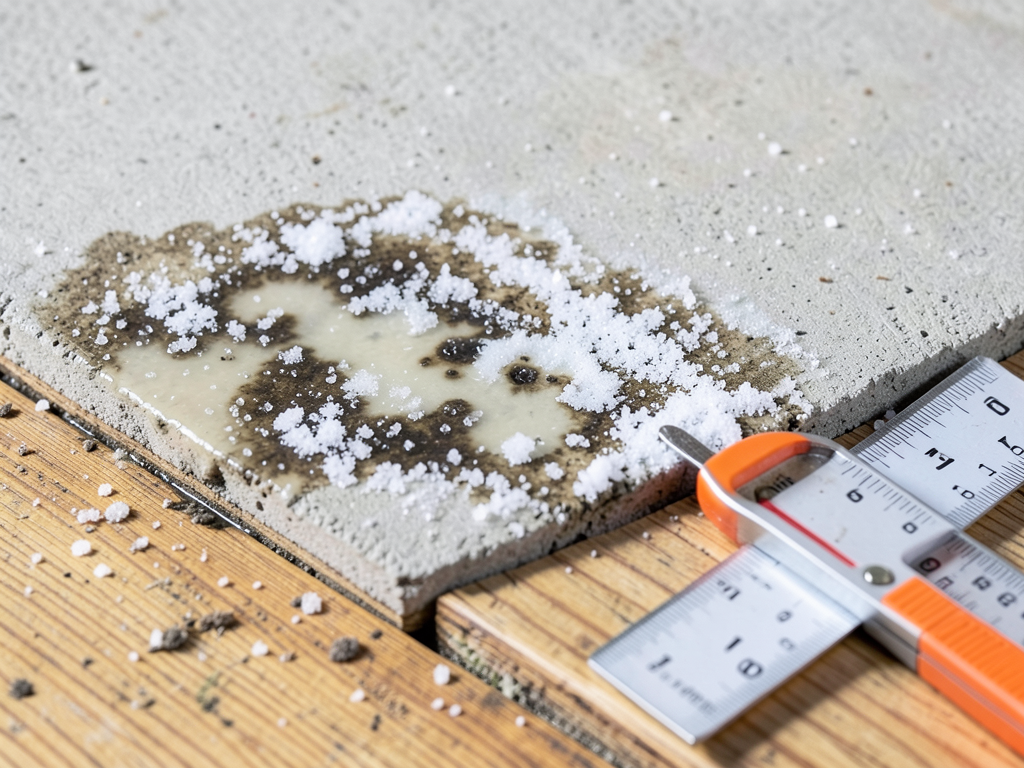
Brine water differs fundamentally from clean water leaks. The dissolved sodium chloride in softener discharge creates a highly corrosive solution that attacks concrete, steel, and wood differently than fresh water. In Pittsburgh’s humid climate, this mixture accelerates deterioration and creates ideal conditions for microbial growth. Efflorescence on Concrete.
The South Hills sits on heavy clay soil that already challenges basement drainage. When brine water seeps into this soil, it can cause hydrostatic pressure to build against foundation walls. The combination of salt corrosion and moisture intrusion creates a perfect storm for structural damage. Why your North Hills basement flooded and how to dry it out fast.
Pennsylvania’s Uniform Construction Code (UCC) requires proper drainage for all utility areas, but many South Hills homes built before the 1980s lack adequate waterproofing. A softener leak in these basements can quickly spread beyond the utility room, affecting finished spaces and stored belongings.
5 Immediate Steps to Take (Emergency Mitigation)
Before attempting any cleanup, protect yourself and prevent further damage. These steps should take priority over everything else.
- Locate and Bypass the Softener
Find the bypass valve on your softener unit. This is typically a knob or lever that redirects water flow around the system. Turn it to the bypass position to stop water from entering the unit while maintaining supply to your home.
- Shut Off the Water Supply
Locate the main water shutoff valve for your home. In South Hills homes, this is often in the basement near the front wall or in a utility closet. Turn the valve clockwise until it stops to cut off all water flow.
- Power Down the Unit
Unplug the water softener from the electrical outlet. If the outlet is inaccessible due to standing water, trip the circuit breaker that controls the utility room. Salt water conducts electricity and creates shock hazards.
- Extract Standing Water
Use towels, mops, or a wet vacuum to remove visible water. For brine water, wear rubber gloves as the salt can irritate skin. Focus on areas where water contacts walls or flooring transitions.
- Call a Pittsburgh Professional
Time is critical for preventing permanent damage. Call (412) 382-8788 for immediate assessment. Professional restoration teams arrive within 60 minutes in the South Hills area with equipment specifically designed for salt water extraction.
The Hidden Dangers of Brine Water Damage
Many homeowners underestimate the damage potential of softener leaks. The salt content creates several unique hazards that fresh water leaks don’t present.
Salt crystallization occurs as brine water evaporates. These crystals expand and contract with temperature changes, creating pressure that can crack concrete and damage wood fibers. In Pittsburgh’s freeze-thaw climate, this damage accelerates dramatically during winter months.
Mold growth represents another serious concern. The IICRC S500 standard for water damage restoration classifies brine water as Category 2, requiring specific antimicrobial treatment. Pittsburgh’s summer humidity creates perfect conditions for mold spores to colonize within 24-48 hours of water exposure. IICRC S500 Standards.
Structural integrity becomes compromised when salt water penetrates building materials. The dissolved minerals weaken concrete bonds and can cause wood to warp or delaminate. In older South Hills homes with plaster walls, salt water can cause the plaster to separate from lath backing. EPA Drinking Water Standards.
Electrical systems face unique risks from brine exposure. Salt water is highly conductive and can corrode wiring insulation, creating fire hazards even after visible water is removed. Any electrical components that contacted brine water require professional inspection. Cleaning up after a kitchen flood in your Fox Chapel home.
Professional Restoration vs. DIY Cleanup
Determining when to call professionals versus handling cleanup yourself depends on several factors. This comparison helps you make the right decision for your situation.
| Factor | DIY Cleanup Appropriate | Professional Restoration Needed |
|---|---|---|
| Water Volume | Less than 1 gallon | More than 1 gallon or spread beyond utility room |
| Surface Type | Tile or sealed concrete only | Carpet, wood, drywall, or unfinished concrete |
| Time Since Leak | Discovered within 2 hours | Unknown duration or more than 4 hours |
| Humidity Conditions | Low humidity (winter months) | High humidity (summer) or basement environment |
| Equipment Available | Basic cleaning supplies only | Need industrial dehumidifiers, air movers, moisture meters |
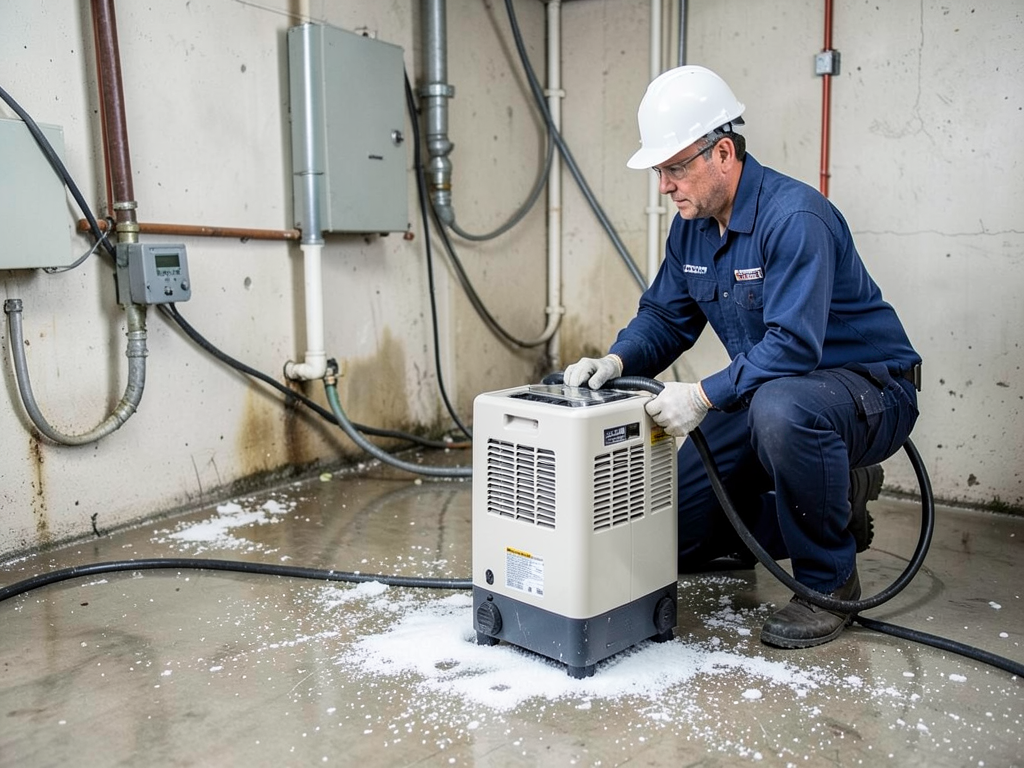
Professional restoration becomes essential when brine water contacts porous materials. Industrial dehumidifiers remove moisture from materials at a rate of 30 gallons per day, compared to consumer units that manage only 10-15 gallons. This difference matters in Pittsburgh’s humid climate where materials can reabsorb moisture from the air.
Moisture meters provide objective data about water migration that visual inspection cannot detect. Professional technicians use penetrating and non-penetrating meters to map moisture levels in walls, floors, and ceilings. This diagnostic approach prevents secondary damage from hidden moisture pockets.
Serving All Pittsburgh Neighborhoods
Water softener leaks affect homes throughout the Pittsburgh area, but certain neighborhoods face higher risks due to local water conditions and housing stock age. The South Hills region, including Bethel Park, Upper St. Clair, and Mt. Lebanon, experiences the highest frequency of softener failures.
Mount Lebanon’s older homes often feature finished basements where softener leaks can damage expensive flooring and wall coverings. The area’s water hardness averages 18-22 grains per gallon, compared to the national average of 10 grains, putting extra strain on softening systems.
Bethel Park residents frequently report resin tank failures due to the high mineral content in local water supplies. The combination of hard water and older plumbing infrastructure creates conditions where pressure fluctuations can damage internal components.
Upper St. Clair’s newer construction isn’t immune to problems. Modern high-efficiency softeners use less salt but operate at higher pressures, making them susceptible to valve failures that can release large volumes of water quickly.
Emergency response times vary by location. Homes in the 15228 and 15241 zip codes typically receive service within 45 minutes, while more distant areas may experience 60-90 minute response times during peak demand periods.
Preventing Future Water Softener Disasters
Prevention starts with understanding why softeners fail in Pittsburgh’s unique environment. The region’s water contains high levels of calcium and magnesium, which form scale inside softener components over time.
Annual maintenance inspections can identify failing components before catastrophic leaks occur. A qualified technician should check the brine tank for salt bridges, inspect the resin bed for channeling, and test the bypass valve operation.
Water quality testing reveals whether your softener is properly sized for your home’s needs. Undersized units work harder and fail more frequently. Pittsburgh’s water hardness varies by neighborhood, with some areas requiring larger capacity systems than others.
Installing a water alarm near your softener provides early warning of leaks. These inexpensive devices sound an alarm when they detect moisture, giving you time to address problems before significant damage occurs.
Consider upgrading to a modern demand-initiated softener if your current unit is more than 10 years old. Newer models use less water and salt while providing more reliable operation in Pittsburgh’s challenging water conditions.
Insurance Coverage for Water Softener Damage
Standard homeowners insurance policies in Pennsylvania typically cover sudden and accidental water damage from plumbing failures, including water softeners. However, coverage details vary significantly between carriers and policy types.
Most policies exclude damage from continuous or repeated seepage, which means slow leaks that develop over weeks or months may not be covered. This makes early detection and rapid response crucial for protecting your financial interests.. Read more about Protecting Your Home Resale Value in Ben Avon After a Major Pipe Burst.
Documenting the damage scene before cleanup begins strengthens insurance claims. Take photos and videos showing the extent of water spread, damaged items, and the source of the leak. This documentation helps adjusters assess the claim accurately.
Professional restoration companies often assist with insurance documentation and claims filing. They provide detailed reports on damage extent, restoration procedures, and replacement costs that insurance companies require for claim approval.
Ask your insurance agent about specific endorsements for water damage coverage. Some policies offer enhanced protection for basement water damage, which may include coverage for mold remediation resulting from softener leaks.
Frequently Asked Questions
How long before mold starts growing after a water softener leak?
Mold can begin colonizing within 24-48 hours in Pittsburgh’s humid climate. The combination of moisture, organic materials, and warm temperatures creates ideal conditions for rapid mold growth. Professional antimicrobial treatment should begin within the first 24 hours to prevent establishment.
Can I clean up a small softener leak myself?
Small leaks under 1 gallon on sealed surfaces like tile may be cleaned with proper precautions. However, any leak on porous materials or in humid environments requires professional assessment. The risk of hidden moisture and salt damage makes DIY cleanup risky for most situations.
Will my insurance cover water softener damage?
Most standard policies cover sudden and accidental leaks from plumbing fixtures including water softeners. Coverage typically includes water extraction, structural drying, and damage to personal property. However, policies exclude damage from neglected maintenance or slow leaks developing over time.
How can I tell if my softener is about to fail?
Warning signs include reduced water pressure, salty taste in water, visible salt bridges in the brine tank, and unusual noises during regeneration cycles. Annual professional inspections can identify developing problems before catastrophic failure occurs.
What should I do if I smell something strange near my softener?
Unusual odors near a water softener often indicate bacterial growth in the brine tank or resin bed. This requires immediate professional attention as it can indicate system failure and potential water quality issues. Do not use water from the system until it’s inspected.
Don’t Wait Until It’s Too Late
A water softener leak in your South Hills utility room creates more than just a mess. The corrosive brine water threatens your home’s structural integrity, promotes dangerous mold growth, and can cause thousands in damage within hours. Every minute you wait increases the risk of permanent damage to floors, walls, and valuable possessions.
The unique challenges of Pittsburgh’s climate and water conditions make professional restoration essential for proper recovery. Consumer-grade equipment cannot match the moisture removal rates needed to prevent secondary damage in our humid environment.
When brine water threatens your home, you need experts who understand the chemistry of salt damage and the urgency of rapid response. Our team arrives within 60 minutes with industrial equipment designed specifically for salt water extraction and structural drying.
Call (412) 382-8788 now for immediate emergency response. Don’t risk your home’s safety and your family’s health by waiting. Our certified technicians serve all South Hills neighborhoods with 24/7 emergency service and direct insurance billing.
Pick up the phone and call (412) 382-8788 before the next storm hits. Your home deserves professional protection from the unique dangers of water softener leaks.
{
“@context”: “https://schema.org”,
“@type”: “BlogPosting”,
“headline”: “What to Do When Your Water Softener Leaks and Floods the South Hills Utility Room”,
“description”: “Water softener leaks flood South Hills homes with corrosive brine. Learn 5 emergency steps to protect your basement and when to call Pittsburgh’s water damage experts.”,
“wordCount”: 1908,
“datePublished”: “2026-05-15T06:31:00.000Z”,
“dateModified”: “2026-05-15T06:31:00.000Z”,
“inLanguage”: “en-US”,
“mainEntityOfPage”: {
“@type”: “WebPage”,
“@id”: “https://reliancewaterdamagerestorationpittsburgh.com”
},
“publisher”: {
“@type”: “LocalBusiness”,
“name”: “Reliance Water Damage Restoration Pittsburgh”,
“url”: “https://reliancewaterdamagerestorationpittsburgh.com”
},
“author”: {
“@type”: “Organization”,
“name”: “Reliance Water Damage Restoration Pittsburgh”,
“url”: “https://reliancewaterdamagerestorationpittsburgh.com”
},
“image”: {
“@type”: “ImageObject”,
“url”: “https://reliancewaterdamagerestorationpittsburgh.com/wp-content/uploads/2026/03/what-to-do-when-your-water-softener-leaks-and-floo-1.png”
}
}
{
“@context”: “https://schema.org”,
“@type”: “LocalBusiness”,
“name”: “Reliance Water Damage Restoration Pittsburgh”,
“url”: “https://reliancewaterdamagerestorationpittsburgh.com”,
“address”: {
“@type”: “PostalAddress”,
“addressLocality”: “Pittsburgh”
},
“areaServed”: {
“@type”: “City”,
“name”: “Pittsburgh”
}
}
{
“@context”: “https://schema.org”,
“@type”: “FAQPage”,
“mainEntity”: [
{
“@type”: “Question”,
“name”: “How long before mold starts growing after a water softener leak?”,
“acceptedAnswer”: {
“@type”: “Answer”,
“text”: “Mold can begin colonizing within 24-48 hours in Pittsburgh’s humid climate. The combination of moisture, organic materials, and warm temperatures creates ideal conditions for rapid mold growth. Professional antimicrobial treatment should begin within the first 24 hours to prevent establishment.”
}
},
{
“@type”: “Question”,
“name”: “Can I clean up a small softener leak myself?”,
“acceptedAnswer”: {
“@type”: “Answer”,
“text”: “Small leaks under 1 gallon on sealed surfaces like tile may be cleaned with proper precautions. However, any leak on porous materials or in humid environments requires professional assessment. The risk of hidden moisture and salt damage makes DIY cleanup risky for most situations.”
}
},
{
“@type”: “Question”,
“name”: “Will my insurance cover water softener damage?”,
“acceptedAnswer”: {
“@type”: “Answer”,
“text”: “Most standard policies cover sudden and accidental leaks from plumbing fixtures including water softeners. Coverage typically includes water extraction, structural drying, and damage to personal property. However, policies exclude damage from neglected maintenance or slow leaks developing over time.”
}
},
{
“@type”: “Question”,
“name”: “How can I tell if my softener is about to fail?”,
“acceptedAnswer”: {
“@type”: “Answer”,
“text”: “Warning signs include reduced water pressure, salty taste in water, visible salt bridges in the brine tank, and unusual noises during regeneration cycles. Annual professional inspections can identify developing problems before catastrophic failure occurs.”
}
},
{
“@type”: “Question”,
“name”: “What should I do if I smell something strange near my softener?”,
“acceptedAnswer”: {
“@type”: “Answer”,
“text”: “Unusual odors near a water softener often indicate bacterial growth in the brine tank or resin bed. This requires immediate professional attention as it can indicate system failure and potential water quality issues. Do not use water from the system until it’s inspected.”
}
}
]
}
{
“@context”: “https://schema.org”,
“@type”: “HowTo”,
“name”: “Emergency Water Softener Leak Response”,
“step”: [
{
“@type”: “HowToStep”,
“position”: 1,
“name”: “Locate and Bypass the Softener”,
“text”: “Find the bypass valve on your softener unit. This is typically a knob or lever that redirects water flow around the system. Turn it to the bypass position to stop water from entering the unit while maintaining supply to your home.”
},
{
“@type”: “HowToStep”,
“position”: 2,
“name”: “Shut Off the Water Supply”,
“text”: “Locate the main water shutoff valve for your home. In South Hills homes, this is often in the basement near the front wall or in a utility closet. Turn the valve clockwise until it stops to cut off all water flow.”
},
{
“@type”: “HowToStep”,
“position”: 3,
“name”: “Power Down the Unit”,
“text”: “Unplug the water softener from the electrical outlet. If the outlet is inaccessible due to standing water, trip the circuit breaker that controls the utility room. Salt water conducts electricity and creates shock hazards.”
},
{
“@type”: “HowToStep”,
“position”: 4,
“name”: “Extract Standing Water”,
“text”: “Use towels, mops, or a wet vacuum to remove visible water. For brine water, wear rubber gloves as the salt can irritate skin. Focus on areas where water contacts walls or flooring transitions.”
},
{
“@type”: “HowToStep”,
“position”: 5,
“name”: “Call a Pittsburgh Professional”,
“text”: “Time is critical for preventing permanent damage. Call (412) 382-8788 for immediate assessment. Professional restoration teams arrive within 60 minutes in the South Hills area with equipment specifically designed for salt water extraction.”
}
],
“image”: “https://reliancewaterdamagerestorationpittsburgh.com/wp-content/uploads/2026/03/what-to-do-when-your-water-softener-leaks-and-floo-1.png”
}
{
“@context”: “https://schema.org”,
“@type”: “BreadcrumbList”,
“itemListElement”: [
{
“@type”: “ListItem”,
“position”: 1,
“name”: “Home”,
“item”: “https://reliancewaterdamagerestorationpittsburgh.com”
},
{
“@type”: “ListItem”,
“position”: 2,
“name”: “Blog”,
“item”: “https://reliancewaterdamagerestorationpittsburgh.com/blog”
},
{
“@type”: “ListItem”,
“position”: 3,
“name”: “What to Do When Your Water Softener Leaks and Floods the South Hills Utility Room”
}
]
}
{
“@context”: “https://schema.org”,
“@type”: “Service”,
“serviceType”: “Water Damage Restoration”,
“provider”: {
“@type”: “LocalBusiness”,
“name”: “Reliance Water Damage Restoration Pittsburgh”,
“url”: “https://reliancewaterdamagerestorationpittsburgh.com”
},
“areaServed”: {
“@type”: “City”,
“name”: “Pittsburgh”
},
“description”: “Water softener leaks flood South Hills homes with corrosive brine. Learn 5 emergency steps to protect your basement and when to call Pittsburgh’s water damage experts.”
}