
How to tell if your Friendship apartment AC unit is blowing mold spores
Your window AC unit starts up and a musty odor fills the room. You notice black spots on the filter and wonder if it’s blowing mold into your Friendship apartment. This guide shows you how to identify mold in window AC units, clean minor growth yourself, and know when Pittsburgh humidity makes professional help necessary. Black Mold Symptoms.
Musty smell is your first warning sign
The nose knows before the eyes see. When you turn on your AC and smell a damp earthy odor that wasn’t there before, mold is likely growing inside the unit. This smell comes from microbial volatile organic compounds released as mold feeds on dust and moisture trapped in the evaporator coils.
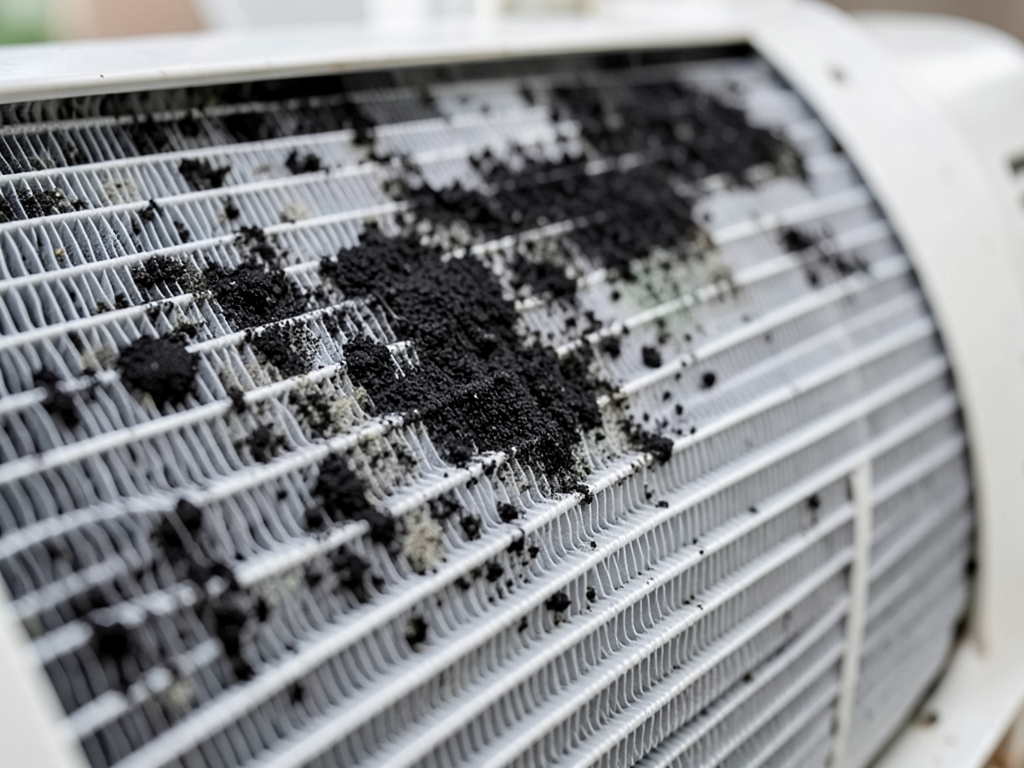
Black or dark green spots on the filter or visible coils are the next indicator. Mold in AC units typically appears as splotchy patches that spread across the filter surface or along the cooling fins. If you see these spots and smell mustiness, your unit is actively releasing spores into your apartment air.
Health symptoms can confirm your suspicions. If you or your roommates experience increased sneezing, coughing, or itchy eyes only when the AC runs, mold spores are likely circulating through your living space. These symptoms often mimic seasonal allergies but occur specifically when the cooling system operates.
Why Pittsburgh humidity creates perfect mold conditions
Friendship sits in Pittsburgh’s river valley where summer humidity regularly exceeds 70 percent. When warm moist air hits the cold evaporator coils inside your window unit, condensation forms. This moisture, combined with dust and organic debris, creates ideal conditions for mold growth within 24-48 hours.
Older Friendship apartment buildings often have poor ventilation and outdated windows that don’t seal properly. These conditions allow more humid outdoor air to enter around the AC unit, increasing the moisture load the system must handle. The constant battle against humidity makes mold growth more likely in these units.
Local building stock matters too. Many Friendship apartments feature original windows from the 1960s-1980s with single-pane glass that sweats heavily during temperature swings. This condensation can drip down the window frame and into the AC unit, feeding mold colonies that would struggle in better-sealed modern buildings.
DIY cleaning steps for minor mold growth
Before attempting any cleaning, unplug the unit and move it to a well-ventilated area like a balcony or porch. Wear an N95 mask, gloves, and eye protection to avoid inhaling spores during cleaning. Never clean a moldy AC unit indoors where spores can spread throughout your apartment. Cleaning up after a kitchen flood in your Fox Chapel home.
Remove the front grille and filter. Wash the filter in warm soapy water or replace it if it’s disposable. Use a vacuum with a HEPA filter to remove visible debris from the coils and interior surfaces. Pay special attention to the condensate drain pan where water collects and mold thrives. EPA mold information.
Mix one cup of white vinegar with one gallon of warm water. Use this solution and a soft brush to scrub all accessible surfaces inside the unit. Vinegar kills most common mold species without the harsh fumes of bleach. Avoid spraying electrical components directly. Who to call for emergency water removal in Pittsburgh right now.
Let all parts dry completely before reassembling. Run the unit on fan-only mode for several hours to ensure complete drying. Place a humidity gauge nearby to monitor indoor moisture levels, keeping them below 50 percent to prevent mold recurrence.
When mold removal becomes dangerous
Extensive mold growth covering more than 10 square inches of surface area requires professional remediation. Large infestations often indicate deeper problems like water damage to surrounding drywall or window frames that DIY cleaning cannot address. Expert water damage restoration for businesses in the Pittsburgh Strip District.
If you discover mold spreading beyond the AC unit to window sills, curtains, or nearby walls, the problem extends into your apartment structure. This situation requires certified mold remediation following IICRC S520 standards to prevent cross-contamination and ensure complete removal. IICRC certification standards.
Residents with asthma, allergies, or compromised immune systems should never attempt mold cleaning themselves. The risk of severe respiratory reactions outweighs the cost savings of DIY removal. In these cases, professional remediation protects both health and property.
Professional mold remediation process
Certified technicians start by containing the affected area with plastic sheeting and negative air pressure machines. This prevents mold spores from spreading to other parts of your apartment during removal. They wear full protective gear including respirators and Tyvek suits for their safety.
The team removes the AC unit and cleans it using commercial-grade antimicrobial solutions that penetrate deeper than household cleaners. They test surrounding materials for moisture content and hidden mold growth. If mold has spread to window frames or drywall, these materials require removal and replacement.
After cleaning, technicians use HEPA air scrubbers to filter remaining spores from the air. They conduct air quality testing to verify spore counts return to normal levels before considering the job complete. This process typically takes 4-8 hours for a single unit infestation.
Preventing mold in your AC unit
Run your AC on fan mode for 30-60 minutes after turning off the cooling function. This dries out moisture in the coils and drain pan, removing the water mold needs to grow. Make this a daily habit during Pittsburgh’s humid summer months.
Clean or replace your filter monthly during heavy use periods. A dirty filter restricts airflow, causing the unit to work harder and create more condensation. It also provides organic material that feeds mold growth. Set calendar reminders to maintain this schedule.
Consider using a standalone dehumidifier in your apartment during peak summer months. Keeping relative humidity between 30-50 percent makes mold growth virtually impossible. This also reduces the workload on your AC unit, extending its lifespan and improving efficiency.
Cost considerations: cleaning vs replacement
Professional cleaning for a moderately moldy window unit typically costs $150-300 in Pittsburgh. This includes complete disassembly, antimicrobial treatment, and air quality testing. If mold has spread to surrounding materials, costs increase to $500-800 for full remediation.
Budget window units under $250 often cost more to clean professionally than to replace. However, higher-end models with inverter technology or heat pump capabilities may justify professional cleaning to preserve their advanced features and energy efficiency.
Consider the unit’s age when deciding. Units over 8-10 years old likely have other issues developing beyond mold. The combination of mold, reduced cooling capacity, and higher energy consumption often makes replacement the more economical long-term choice.
Legal considerations for renters
Pennsylvania landlord-tenant law requires landlords to maintain habitable conditions, which includes addressing mold problems that affect health and safety. If you discover mold in your Friendship apartment’s AC unit, notify your landlord in writing and document the issue with photos.
Landlords have 30 days to address mold problems under typical circumstances. However, if the mold creates an immediate health hazard, they must act more quickly. Keep copies of all communications and document any health symptoms you experience.
You cannot legally withhold rent for mold issues without following specific legal procedures. Instead, work with your landlord to arrange professional remediation or replacement. If they refuse to address the problem, contact the Allegheny County Health Department for guidance on next steps.
Health impacts of mold exposure
Common symptoms of mold exposure include persistent coughing, sneezing, itchy eyes, and skin irritation. These reactions occur because mold spores trigger immune responses in many people. The severity varies based on individual sensitivity and the type of mold present.
Certain mold species like Stachybotrys chartarum produce mycotoxins that can cause more severe reactions including headaches, fatigue, and respiratory distress. While not all black mold is toxic, any mold growth in your breathing space poses health risks that warrant prompt attention.
People with pre-existing conditions face higher risks. Those with asthma may experience increased attacks, while individuals with compromised immune systems can develop serious infections from mold exposure. Children and elderly residents also show greater sensitivity to airborne mold spores.
Testing your air quality
DIY mold test kits available at hardware stores often provide unreliable results due to improper sampling methods. These tests frequently show false positives from background mold levels that exist in all buildings. Professional testing uses controlled sampling methods and provides accurate spore counts.
Air quality professionals use calibrated equipment to collect air samples from multiple locations in your apartment. They compare indoor spore counts to outdoor levels to determine if elevated mold levels exist inside. This testing typically costs $300-500 but provides definitive answers about your air quality.
Many professional remediation companies offer free initial inspections that include basic air quality assessment. They can determine if your symptoms and visible mold indicate a problem requiring professional intervention or if DIY cleaning will suffice.
Frequently Asked Questions
Can I use bleach to clean mold from my AC unit?
Avoid bleach on AC units because it can corrode aluminum coils and other metal components. Vinegar or commercial antimicrobial cleaners designed for HVAC systems work better and won’t damage your unit’s internal parts.
How long does it take for mold to grow in an AC unit?
Under Pittsburgh’s humid conditions, mold can begin growing within 24-48 hours if moisture and organic material are present. This rapid growth is why regular maintenance and prompt drying after use are essential.
Will my landlord replace my moldy AC unit?
Most landlords will replace severely moldy units since cleaning costs often approach replacement costs. Document the issue in writing and request replacement rather than cleaning for units with extensive visible mold growth.
Can mold in my window AC spread to other parts of my apartment?
Yes. Mold spores released from the AC can settle on other surfaces and grow if moisture is present. This is why professional containment is important when dealing with extensive mold growth. Dealing with a flooded basement in Mount Lebanon without losing your mind.
How can I tell if the musty smell is coming from my AC or elsewhere?
Turn off the AC and see if the smell dissipates within 30 minutes. If it returns when you turn the unit back on, the AC is likely the source. You can also check for visible mold on the unit itself.
Is it safe to run my AC if I suspect mold but can’t see it?
Running a potentially moldy AC spreads spores throughout your apartment. Turn it off, improve ventilation, and investigate further before using it again. Consider professional inspection if you’re unsure.
How often should I clean my window AC to prevent mold?
Clean or replace filters monthly during heavy use. Perform a thorough cleaning including coil inspection every 3-4 months. More frequent cleaning may be necessary in very humid conditions or if you notice reduced cooling efficiency.
Take action before mold spreads further
Don’t wait for mold to spread through your Friendship apartment. If you’re experiencing musty odors, seeing black spots on your AC filter, or suffering unexplained allergy symptoms when the unit runs, it’s time to act. DIY cleaning works for minor growth, but extensive mold requires professional remediation to protect your health and property.
Call (412) 382-8788 today to schedule your inspection. Our Pittsburgh-certified technicians can identify the extent of your mold problem, clean your AC unit safely, and test your air quality to ensure your apartment is healthy again. Don’t let another day of breathing mold spores pass by.
{
“@context”: “https://schema.org”,
“@type”: “BlogPosting”,
“headline”: “How to tell if your Friendship apartment AC unit is blowing mold spores”,
“description”: “Learn how to spot mold in your Friendship apartment’s AC unit with this expert guide. Includes DIY cleaning tips and when to call Pittsburgh professionals.”,
“wordCount”: 1913,
“datePublished”: “2026-05-28T11:22:00.000Z”,
“dateModified”: “2026-05-28T11:22:00.000Z”,
“inLanguage”: “en-US”,
“mainEntityOfPage”: {
“@type”: “WebPage”,
“@id”: “https://reliancewaterdamagerestorationpittsburgh.com”
},
“publisher”: {
“@type”: “LocalBusiness”,
“name”: “Reliance Water Damage Restoration Pittsburgh”,
“url”: “https://reliancewaterdamagerestorationpittsburgh.com”
},
“author”: {
“@type”: “Organization”,
“name”: “Reliance Water Damage Restoration Pittsburgh”,
“url”: “https://reliancewaterdamagerestorationpittsburgh.com”
},
“image”: {
“@type”: “ImageObject”,
“url”: “https://reliancewaterdamagerestorationpittsburgh.com/wp-content/uploads/2026/03/how-to-tell-if-your-friendship-apartment-ac-unit-i-1.png”
}
}
{
“@context”: “https://schema.org”,
“@type”: “LocalBusiness”,
“name”: “Reliance Water Damage Restoration Pittsburgh”,
“url”: “https://reliancewaterdamagerestorationpittsburgh.com”,
“address”: {
“@type”: “PostalAddress”,
“addressLocality”: “Pittsburgh”
},
“areaServed”: {
“@type”: “City”,
“name”: “Pittsburgh”
}
}
{
“@context”: “https://schema.org”,
“@type”: “FAQPage”,
“mainEntity”: [
{
“@type”: “Question”,
“name”: “Can I use bleach to clean mold from my AC unit?”,
“acceptedAnswer”: {
“@type”: “Answer”,
“text”: “Avoid bleach on AC units because it can corrode aluminum coils and other metal components. Vinegar or commercial antimicrobial cleaners designed for HVAC systems work better and won’t damage your unit’s internal parts.”
}
},
{
“@type”: “Question”,
“name”: “How long does it take for mold to grow in an AC unit?”,
“acceptedAnswer”: {
“@type”: “Answer”,
“text”: “Under Pittsburgh’s humid conditions, mold can begin growing within 24-48 hours if moisture and organic material are present. This rapid growth is why regular maintenance and prompt drying after use are essential.”
}
},
{
“@type”: “Question”,
“name”: “Will my landlord replace my moldy AC unit?”,
“acceptedAnswer”: {
“@type”: “Answer”,
“text”: “Most landlords will replace severely moldy units since cleaning costs often approach replacement costs. Document the issue in writing and request replacement rather than cleaning for units with extensive visible mold growth.”
}
},
{
“@type”: “Question”,
“name”: “Can mold in my window AC spread to other parts of my apartment?”,
“acceptedAnswer”: {
“@type”: “Answer”,
“text”: “Yes. Mold spores released from the AC can settle on other surfaces and grow if moisture is present. This is why professional containment is important when dealing with extensive mold growth. Dealing with a flooded basement in Mount Lebanon without losing your mind.”
}
},
{
“@type”: “Question”,
“name”: “How can I tell if the musty smell is coming from my AC or elsewhere?”,
“acceptedAnswer”: {
“@type”: “Answer”,
“text”: “Turn off the AC and see if the smell dissipates within 30 minutes. If it returns when you turn the unit back on, the AC is likely the source. You can also check for visible mold on the unit itself.”
}
},
{
“@type”: “Question”,
“name”: “Is it safe to run my AC if I suspect mold but can’t see it?”,
“acceptedAnswer”: {
“@type”: “Answer”,
“text”: “Running a potentially moldy AC spreads spores throughout your apartment. Turn it off, improve ventilation, and investigate further before using it again. Consider professional inspection if you’re unsure.”
}
},
{
“@type”: “Question”,
“name”: “How often should I clean my window AC to prevent mold?”,
“acceptedAnswer”: {
“@type”: “Answer”,
“text”: “Clean or replace filters monthly during heavy use. Perform a thorough cleaning including coil inspection every 3-4 months. More frequent cleaning may be necessary in very humid conditions or if you notice reduced cooling efficiency.”
}
}
]
}
{
“@context”: “https://schema.org”,
“@type”: “BreadcrumbList”,
“itemListElement”: [
{
“@type”: “ListItem”,
“position”: 1,
“name”: “Home”,
“item”: “https://reliancewaterdamagerestorationpittsburgh.com”
},
{
“@type”: “ListItem”,
“position”: 2,
“name”: “Blog”,
“item”: “https://reliancewaterdamagerestorationpittsburgh.com/blog”
},
{
“@type”: “ListItem”,
“position”: 3,
“name”: “How to tell if your Friendship apartment AC unit is blowing mold spores”
}
]
}
{
“@context”: “https://schema.org”,
“@type”: “Service”,
“serviceType”: “Water Damage Restoration”,
“provider”: {
“@type”: “LocalBusiness”,
“name”: “Reliance Water Damage Restoration Pittsburgh”,
“url”: “https://reliancewaterdamagerestorationpittsburgh.com”
},
“areaServed”: {
“@type”: “City”,
“name”: “Pittsburgh”
},
“description”: “Learn how to spot mold in your Friendship apartment’s AC unit with this expert guide. Includes DIY cleaning tips and when to call Pittsburgh professionals.”
}