Dealing with hidden water damage in older North Shore buildings
Hidden water damage in North Shore buildings is a silent destroyer. Behind walls and under floors, moisture can rot structural beams, feed toxic mold growth, and create electrical hazards that put your property and health at risk. The North Shore’s mix of century-old brick row houses and newer commercial spaces faces unique challenges from Pittsburgh’s freeze-thaw cycles, heavy clay soil, and aging municipal water lines. If you own or manage property here, early detection is your best defense. Who to call for emergency water removal in Pittsburgh right now.
Why hidden water damage in North Shore buildings is a serious threat
The North Shore’s historic architecture creates perfect conditions for hidden leaks. Many buildings from the early 1900s feature porous brick foundations, balloon-frame construction, and original plumbing that has deteriorated over decades. Pittsburgh’s freeze-thaw cycles cause pipes to expand and contract, creating hairline fractures that slowly leak water into wall cavities. The heavy clay soil common in Allegheny County retains moisture, increasing hydrostatic pressure against basement walls and forcing water through even tiny foundation cracks. Why your North Hills basement flooded and how to dry it out fast.
Beyond structural concerns, hidden moisture creates ideal conditions for black mold (Stachybotrys chartarum) growth. This toxic mold can begin colonizing within 24-48 hours of water exposure and releases mycotoxins that cause respiratory problems, especially dangerous for children and elderly residents. Electrical systems hidden behind wet walls become fire hazards as corrosion develops on wiring and connections. Expert water damage restoration for businesses in the Pittsburgh Strip District.
Call (412) 382-8788 today to schedule your inspection before hidden damage spreads further.
Advanced diagnostic tools we use to find hidden leaks
Finding hidden water damage requires specialized equipment that goes beyond visual inspection. Our certified technicians use multiple diagnostic technologies to pinpoint moisture sources without destructive testing.
Infrared thermal imaging detects temperature differences caused by moisture behind walls and under floors. Wet materials hold heat differently than dry materials, creating thermal patterns visible only through infrared cameras. This technology can scan entire rooms in minutes, identifying problem areas before they become visible to the naked eye.
Moisture meters measure the actual moisture content in building materials. We use both pin-type meters that penetrate surfaces to check wall studs and pinless meters that scan through tile and hardwood without causing damage. These readings help determine if moisture levels exceed safe thresholds established by the IICRC S500 standard for water damage restoration.
Ultrasonic leak detection uses sound waves to find active leaks in pressurized pipes. Even the smallest pinhole leak creates a high-frequency sound that our specialized equipment can detect through walls and concrete slabs. This technology is particularly valuable for finding leaks in the complex plumbing systems common in older North Shore buildings.
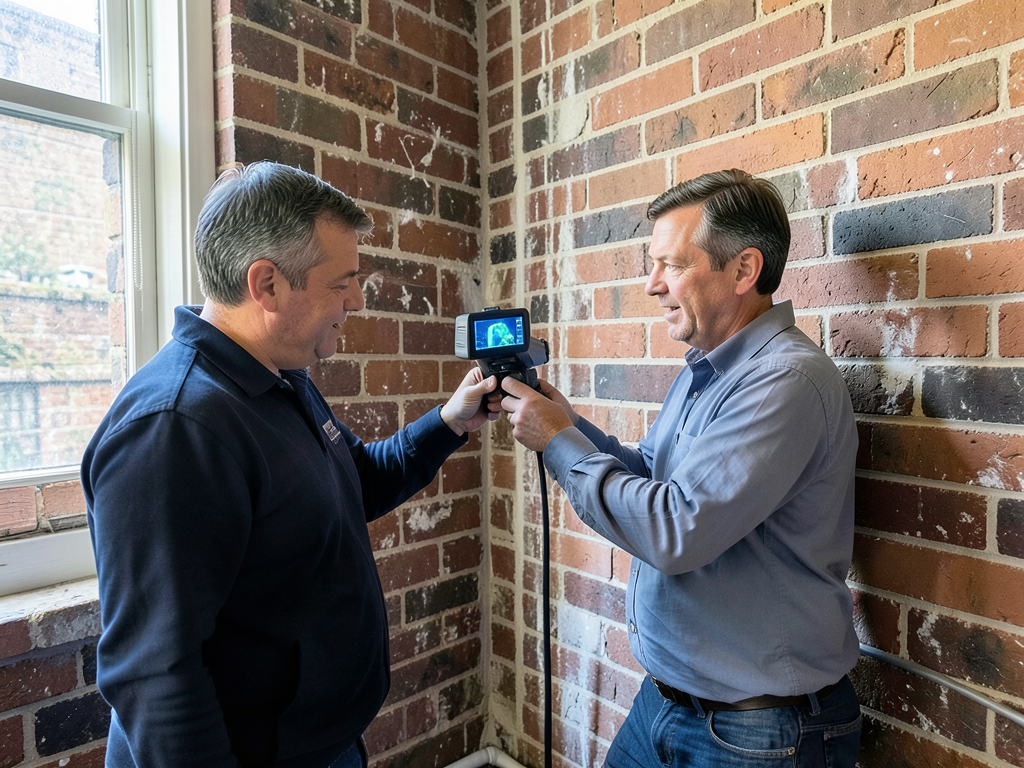
Technical diagram showing how infrared thermal imaging detects moisture patterns behind walls in older brick buildings
5 warning signs your North Shore building has hidden water damage
Hidden water damage often reveals itself through subtle signs before major problems develop. Watch for these indicators in your North Shore property:
- Musty odors that persist despite cleaning – The smell of damp earth or mildew indicates active mold growth behind walls or under flooring. This is especially common in basements where Pittsburgh’s high water table creates constant moisture challenges.
- Sudden increases in PWSA water bills – Pittsburgh Water and Sewer Authority bills that spike without increased usage often indicate hidden leaks in supply lines or irrigation systems. Even small leaks can waste hundreds of gallons monthly.
- Peeling paint or wallpaper with bubbling – When moisture gets behind wall coverings, it causes them to lose adhesion and create bubbles or peeling. This damage often appears in patterns that follow plumbing lines or roof leaks.
- Cracking or bowing foundation walls – North Shore’s heavy clay soil expands when wet, creating hydrostatic pressure against basement walls. This pressure causes horizontal cracking and inward bowing that worsens over time.
- Efflorescence on basement walls – The white, chalky deposits that appear on brick or concrete walls are actually mineral salts left behind when water evaporates. Their presence confirms ongoing moisture intrusion through the foundation.
Common sources of hidden water damage in North Shore buildings
Understanding where hidden leaks originate helps property owners take preventive action. Several factors unique to the North Shore area contribute to water damage risks.
Aging municipal infrastructure creates problems beyond individual buildings. Pittsburgh’s water mains, some over 100 years old, experience frequent breaks that cause pressure fluctuations throughout the system. These pressure changes stress building plumbing, causing joints to fail and pipes to crack. The Pennsylvania Uniform Construction Code requires proper pressure regulation, but many older buildings lack adequate protection.
Combined sewer overflow systems in older North Shore sectors create backup risks during heavy rains. When stormwater overwhelms the system, sewage can back up through floor drains and toilets, causing Category 3 water damage that requires specialized cleanup per EPA guidelines. The Allegheny County Health Department mandates specific protocols for sewage contamination.
Roof deterioration in historic buildings often goes unnoticed until major damage occurs. Original slate or clay tile roofs may have missing pieces that allow water infiltration for months before interior signs appear. The complex rooflines common in Victorian-era buildings create numerous valleys and flashing points where leaks develop.
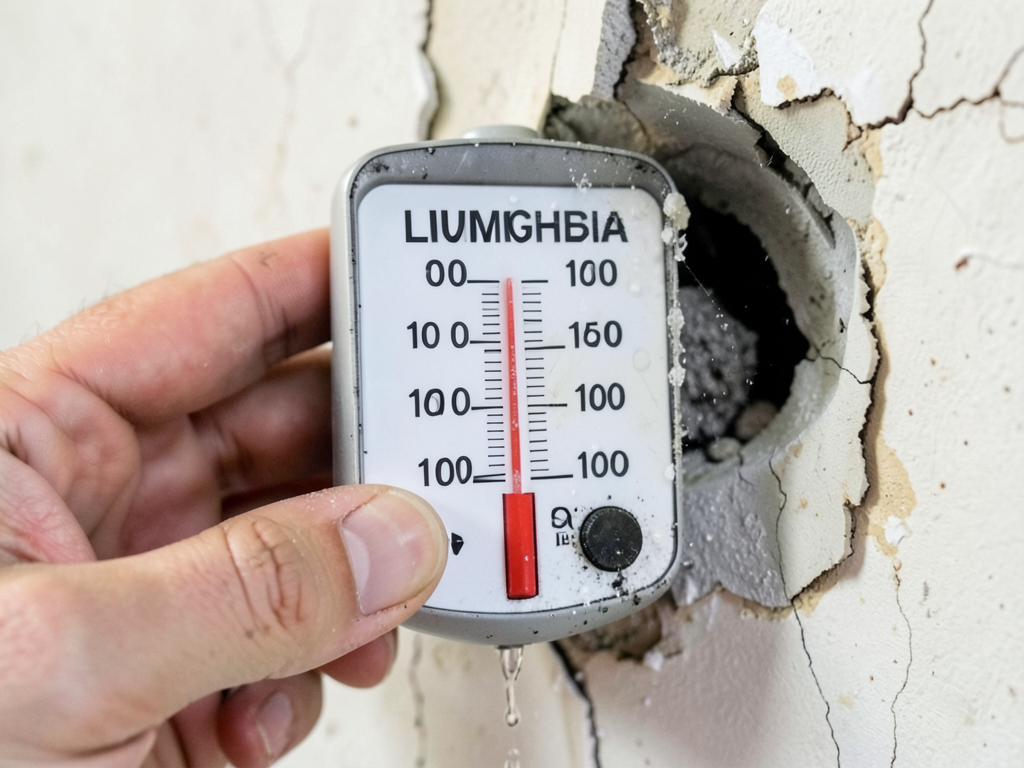
Photo of moisture meter readings showing elevated humidity levels in wall cavity during diagnostic inspection
Our 4-step process for detecting and restoring hidden water damage
Our certified technicians follow a systematic approach to identify and eliminate hidden water damage while minimizing disruption to your property.
- Comprehensive thermal scan and moisture mapping – We begin with infrared imaging of all suspect areas, creating a moisture map that shows the extent and pattern of water intrusion. This non-invasive scan typically takes 1-2 hours for an average home.
- Targeted material testing – Using moisture meters at multiple depths, we verify thermal imaging findings and establish baseline readings for unaffected areas. This data helps determine if materials can be dried in place or require removal.
- Source identification and isolation – Once we locate moisture patterns, we use ultrasonic detection and visual inspection to find the actual leak source. We then implement temporary isolation measures to prevent further damage while planning permanent repairs.
- Professional drying and restoration – Following IICRC S500 standards, we deploy commercial-grade dehumidifiers, air movers, and HEPA filtration equipment. We monitor progress daily with moisture readings until materials return to safe levels, typically 24-72 hours depending on severity.
Why North Shore’s freeze-thaw cycles make hidden damage worse
Pittsburgh experiences 30-40 freeze-thaw cycles annually, each one stressing building materials and plumbing systems. Water expands approximately 9% when it freezes, creating pressure that can split pipes and crack foundations. When the ice thaws, water penetrates deeper into existing cracks, setting up the next freeze cycle to cause additional damage.
This cycle is particularly destructive to North Shore’s older buildings because original construction often lacked modern expansion joints and flexible connections. Copper pipes from the 1950s-1970s become brittle with age, making them especially vulnerable to freeze damage. The Pennsylvania Building Code now requires specific freeze protection measures, but many historic structures predate these requirements.. Read more about Professional mold remediation for historic homes in Shadyside.
Spring snowmelt compounds these problems as rapid temperature changes and saturated ground create hydrostatic pressure against foundations. This pressure forces water through even microscopic foundation cracks, leading to basement flooding and hidden wall damage that may not surface for months.
Insurance considerations for hidden water damage claims
Hidden water damage claims in North Shore buildings face unique insurance challenges. Most standard homeowners policies cover sudden, accidental water damage but exclude long-term seepage or maintenance-related issues. This distinction becomes critical when determining coverage for hidden leaks that may have existed for months or years. EPA mold information.
Documentation is essential for successful claims. Our technicians provide detailed moisture mapping, photographic evidence, and professional assessments that establish the damage timeline and cause. This documentation helps demonstrate that damage resulted from a covered peril rather than gradual deterioration excluded from coverage.
We work directly with insurance adjusters to ensure proper claim handling. Our experience with Pittsburgh-area insurance companies helps navigate the claims process efficiently, often resulting in faster approvals and more comprehensive coverage for necessary repairs. We can also assist with documentation required by Pennsylvania insurance regulations.
Technician using ultrasonic leak detection equipment to find hidden plumbing leak behind finished basement wall
Preventing hidden water damage in your North Shore property
Proactive maintenance significantly reduces hidden water damage risks in North Shore buildings. Annual professional inspections can identify potential problems before they cause major damage.
Plumbing system assessment should include pressure testing of supply lines, inspection of visible connections, and evaluation of water heater condition. Most North Shore homes have plumbing systems approaching or exceeding their expected service life, making proactive replacement of high-risk components cost-effective.
Foundation maintenance involves ensuring proper grading around the building, cleaning and testing sump pumps quarterly, and sealing foundation cracks before they allow significant water intrusion. The City of Pittsburgh requires specific discharge practices for sump pumps to prevent contributing to combined sewer overflows.
Roof and gutter maintenance prevents water from entering through the building envelope. Annual inspections should check flashing, seals around penetrations, and gutter drainage patterns. Proper water diversion away from the foundation reduces hydrostatic pressure that causes hidden basement damage.
Commercial property considerations for hidden water damage
Hidden water damage in North Shore commercial buildings presents additional challenges beyond residential properties. Business interruption costs, liability concerns, and tenant relationships create pressure to resolve issues quickly and thoroughly.
Server room protection requires specialized attention as even minor water exposure can destroy sensitive electronics and cause catastrophic data loss. We use targeted drying techniques and create containment barriers to protect critical equipment while addressing water damage in surrounding areas.
Code compliance becomes critical for commercial properties. The Americans with Disabilities Act requires specific moisture and mold remediation protocols to protect occupant health. Pennsylvania’s commercial building code also mandates particular procedures for water damage in occupied spaces.
Documentation requirements for commercial properties often exceed residential needs. We provide detailed reports suitable for property management companies, insurance carriers, and regulatory agencies, ensuring all parties have the information needed for proper remediation and liability protection.
Frequently Asked Questions
How long does hidden water damage take to become visible?
Hidden water damage can remain undetected for months or years depending on the leak source and building materials. Slow leaks in wall cavities might only show visible signs after 6-12 months, while foundation leaks can cause structural damage for years before interior signs appear. Early detection through professional inspection prevents extensive damage. Cleaning up after a kitchen flood in your Fox Chapel home.
Is mold always present with hidden water damage?
Mold growth begins within 24-48 hours of water exposure under favorable conditions. However, hidden leaks in well-ventilated areas or those with anti-microbial building materials may delay mold growth. Regardless, any sustained moisture behind walls creates conditions that eventually support mold, making prompt water removal essential.
Can I dry hidden water damage myself?
DIY drying often fails because homeowners cannot access all affected areas or verify complete moisture removal. Professional equipment and moisture meters are necessary to ensure building materials return to safe moisture content levels. Incomplete drying leads to recurring problems and potential mold growth.
How much does professional hidden water damage inspection cost?
Professional inspection costs typically range from $300-$800 depending on property size and the extent of diagnostic testing required. This investment often saves thousands in repair costs by identifying problems early. Many companies, including ours, apply inspection fees toward remediation services if work is performed.
Will my insurance cover hidden water damage?
Coverage depends on your specific policy and the damage cause. Sudden, accidental leaks from covered plumbing typically qualify for coverage, while long-term seepage or maintenance-related issues usually don’t. Professional documentation of the damage cause and timeline significantly improves claim approval chances.
Don’t wait until hidden water damage becomes a visible disaster. Call (412) 382-8788 now to schedule your professional inspection and protect your North Shore property from costly structural and health hazards. For more information, visit IICRC S500 water damage standards.
{
“@context”: “https://schema.org”,
“@type”: “BlogPosting”,
“headline”: “Dealing with hidden water damage in older North Shore buildings”,
“description”: “Hidden water damage in North Shore buildings can destroy foundations and cause toxic mold. Learn how Pittsburgh’s freeze-thaw cycles and aging infrastructure create unique risks.”,
“wordCount”: 2025,
“datePublished”: “2026-02-26T08:25:00.000Z”,
“dateModified”: “2026-02-26T08:25:00.000Z”,
“inLanguage”: “en-US”,
“mainEntityOfPage”: {
“@type”: “WebPage”,
“@id”: “https://reliancewaterdamagerestorationpittsburgh.com”
},
“publisher”: {
“@type”: “LocalBusiness”,
“name”: “Reliance Water Damage Restoration Pittsburgh”,
“url”: “https://reliancewaterdamagerestorationpittsburgh.com”
},
“author”: {
“@type”: “Organization”,
“name”: “Reliance Water Damage Restoration Pittsburgh”,
“url”: “https://reliancewaterdamagerestorationpittsburgh.com”
},
“image”: {
“@type”: “ImageObject”,
“url”: “https://reliancewaterdamagerestorationpittsburgh.com/wp-content/uploads/2026/03/dealing-with-hidden-water-damage-in-older-north-sh-1.png”
}
}
{
“@context”: “https://schema.org”,
“@type”: “LocalBusiness”,
“name”: “Reliance Water Damage Restoration Pittsburgh”,
“url”: “https://reliancewaterdamagerestorationpittsburgh.com”,
“address”: {
“@type”: “PostalAddress”,
“addressLocality”: “Pittsburgh”
},
“areaServed”: {
“@type”: “City”,
“name”: “Pittsburgh”
}
}
{
“@context”: “https://schema.org”,
“@type”: “FAQPage”,
“mainEntity”: [
{
“@type”: “Question”,
“name”: “How long does hidden water damage take to become visible?”,
“acceptedAnswer”: {
“@type”: “Answer”,
“text”: “Hidden water damage can remain undetected for months or years depending on the leak source and building materials. Slow leaks in wall cavities might only show visible signs after 6-12 months, while foundation leaks can cause structural damage for years before interior signs appear. Early detection through professional inspection prevents extensive damage. Cleaning up after a kitchen flood in your Fox Chapel home.”
}
},
{
“@type”: “Question”,
“name”: “Is mold always present with hidden water damage?”,
“acceptedAnswer”: {
“@type”: “Answer”,
“text”: “Mold growth begins within 24-48 hours of water exposure under favorable conditions. However, hidden leaks in well-ventilated areas or those with anti-microbial building materials may delay mold growth. Regardless, any sustained moisture behind walls creates conditions that eventually support mold, making prompt water removal essential.”
}
},
{
“@type”: “Question”,
“name”: “Can I dry hidden water damage myself?”,
“acceptedAnswer”: {
“@type”: “Answer”,
“text”: “DIY drying often fails because homeowners cannot access all affected areas or verify complete moisture removal. Professional equipment and moisture meters are necessary to ensure building materials return to safe moisture content levels. Incomplete drying leads to recurring problems and potential mold growth.”
}
},
{
“@type”: “Question”,
“name”: “How much does professional hidden water damage inspection cost?”,
“acceptedAnswer”: {
“@type”: “Answer”,
“text”: “Professional inspection costs typically range from $300-$800 depending on property size and the extent of diagnostic testing required. This investment often saves thousands in repair costs by identifying problems early. Many companies, including ours, apply inspection fees toward remediation services if work is performed.”
}
},
{
“@type”: “Question”,
“name”: “Will my insurance cover hidden water damage?”,
“acceptedAnswer”: {
“@type”: “Answer”,
“text”: “Coverage depends on your specific policy and the damage cause. Sudden, accidental leaks from covered plumbing typically qualify for coverage, while long-term seepage or maintenance-related issues usually don’t. Professional documentation of the damage cause and timeline significantly improves claim approval chances.”
}
}
]
}
{
“@context”: “https://schema.org”,
“@type”: “BreadcrumbList”,
“itemListElement”: [
{
“@type”: “ListItem”,
“position”: 1,
“name”: “Home”,
“item”: “https://reliancewaterdamagerestorationpittsburgh.com”
},
{
“@type”: “ListItem”,
“position”: 2,
“name”: “Blog”,
“item”: “https://reliancewaterdamagerestorationpittsburgh.com/blog”
},
{
“@type”: “ListItem”,
“position”: 3,
“name”: “Dealing with hidden water damage in older North Shore buildings”
}
]
}
{
“@context”: “https://schema.org”,
“@type”: “Service”,
“serviceType”: “Water Damage Restoration”,
“provider”: {
“@type”: “LocalBusiness”,
“name”: “Reliance Water Damage Restoration Pittsburgh”,
“url”: “https://reliancewaterdamagerestorationpittsburgh.com”
},
“areaServed”: {
“@type”: “City”,
“name”: “Pittsburgh”
},
“description”: “Hidden water damage in North Shore buildings can destroy foundations and cause toxic mold. Learn how Pittsburgh’s freeze-thaw cycles and aging infrastructure create unique risks.”
}