Dealing with Mold Growth Under Vinyl Flooring in Bellevue Kitchens
Mold growth beneath vinyl flooring in Bellevue kitchens is a hidden problem that many homeowners discover only after noticing musty odors or warped planks. In Bellevue PA older homes near Ohio River Boulevard often have basements with high humidity levels that create the perfect environment for mold to thrive beneath your flooring. The first 24 hours after discovery are critical for preventing structural damage and protecting your family’s health. Cleaning up after a kitchen flood in your Fox Chapel home.
Vinyl flooring especially luxury vinyl plank LVP can trap moisture between the planks and the subfloor creating a vapor barrier that prevents evaporation. In Bellevue’s climate where summer humidity regularly exceeds 70% and basements are prone to moisture intrusion this trapped moisture becomes a breeding ground for mold. The Pennsylvania Department of Health reports that black mold Stachybotrys chartarum can begin growing within 24-48 hours in persistently damp conditions. EPA mold information.
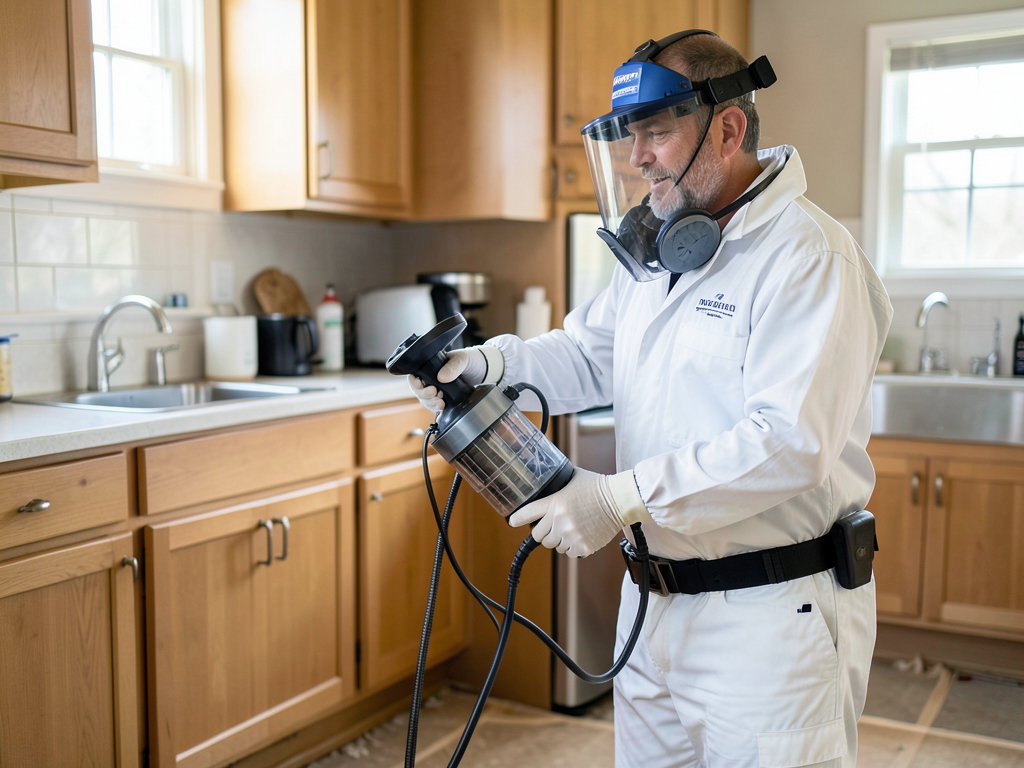
Professional mold remediation requires specialized equipment and training to avoid cross-contamination. Our certified technicians use HEPA filtration systems and follow IICRC S520 standards for mold remediation ensuring that spores are contained and removed safely. The process typically takes 3-5 days depending on the extent of the growth and the type of subfloor material. IICRC S520 standards.
Don’t wait until visible damage appears. If you notice a musty smell or see discoloration at the seams of your vinyl flooring call (412) 382-8788 immediately. Early intervention can save thousands in structural repairs and protect your family from respiratory issues caused by mold exposure.
Why Vinyl Flooring in Bellevue Homes is Susceptible to Mold
Bellevue’s location along the Ohio River creates unique moisture challenges for homeowners. The area’s clay-heavy soil common throughout Allegheny County retains water and creates hydrostatic pressure against basement walls. This pressure forces moisture through foundation cracks especially in homes built before 1980 when building codes were less stringent about vapor barriers. Who to call for emergency water removal in Pittsburgh right now.
Luxury vinyl plank flooring while water-resistant on the surface can trap moisture underneath if installed over damp concrete or plywood subfloors. The planks create an airtight seal that prevents natural evaporation allowing mold to grow undetected for months. In Bellevue’s older neighborhoods like Lincoln Avenue and North Bellevue many homes have original basement concrete that hasn’t been properly sealed. Why your North Hills basement flooded and how to dry it out fast.
Summer humidity in Pittsburgh averages 72% with July and August seeing levels above 80%. This creates condensation on cool basement floors and walls which then wicks up through the subfloor and becomes trapped under vinyl. The result is a perfect mold incubator that can spread to adjacent rooms through wall cavities and HVAC systems.
Common installation errors compound these problems. Many Bellevue homeowners install new vinyl over existing flooring without addressing underlying moisture issues. This creates multiple layers where water can become trapped making detection and remediation much more difficult and expensive. Expert water damage restoration for businesses in the Pittsburgh Strip District.
Professional moisture mapping using thermal imaging cameras can detect hidden water pockets beneath flooring before visible signs appear. This technology identifies temperature variations that indicate moisture presence allowing targeted remediation rather than destructive demolition of entire rooms.
Signs of Mold Under Your Vinyl Planks
Detecting mold under vinyl flooring requires attention to subtle signs that many homeowners miss. The most common indicator is a persistent musty odor that doesn’t go away with cleaning or air fresheners. This smell is caused by microbial volatile organic compounds MVOCs released by active mold growth.
Physical signs include cupping or warping of individual planks where the edges curl upward creating an uneven surface. This occurs when moisture causes the subfloor to swell and push against the vinyl from below. You might also notice dark stains or discoloration at the seams between planks especially near exterior walls or plumbing fixtures.
Soft spots in the floor that feel spongy when walked on indicate advanced moisture damage where the subfloor has begun to deteriorate. Press firmly on suspicious areas with your fingers. If the surface gives way or feels damp you likely have a serious moisture problem requiring immediate professional attention.
Condensation on the surface of vinyl flooring especially in the morning or after cooking suggests excessive moisture beneath the planks. This occurs when warm moist air from daily activities meets the cool surface of flooring over a damp subfloor creating a visible moisture barrier.
Health symptoms can also indicate hidden mold. Family members experiencing unexplained respiratory issues headaches or allergic reactions that improve when away from home may be reacting to airborne mold spores. Children and elderly individuals are particularly vulnerable to these health effects.
Professional testing involves taking air samples and surface swabs to identify mold species and spore counts. This testing follows EPA guidelines for indoor air quality assessment and provides documentation needed for insurance claims or real estate transactions.
The Risks of DIY Mold Removal
Attempting to remove mold under vinyl flooring yourself can actually make the problem worse. Standard household cleaners like bleach only kill surface mold and can actually promote deeper growth by adding moisture to the affected area. The EPA specifically warns against using bleach on porous surfaces where mold has penetrated.
DIY removal often leads to cross-contamination throughout your home. Disturbing mold colonies releases millions of spores into the air which can settle in other rooms and create new growth areas. Without proper containment using negative air pressure and HEPA filtration you risk spreading the contamination rather than eliminating it.
Structural damage is another risk of improper DIY attempts. Removing vinyl flooring without understanding the extent of subfloor damage can lead to accidental collapse or further moisture intrusion. Many Bellevue homes have original hardwood subfloors that require specialized handling to prevent additional damage during remediation.
Health risks increase significantly with DIY approaches. Mold exposure can cause severe respiratory reactions skin irritation and in some cases neurological symptoms. Without proper personal protective equipment PPE including N95 respirators gloves and Tyvek suits you expose yourself and your family to dangerous spore concentrations.
Insurance complications often arise from DIY attempts. Many homeowner policies exclude coverage for mold damage if it results from homeowner negligence or improper remediation attempts. Professional documentation of the initial damage and proper remediation is often required for successful insurance claims.
Time is another critical factor. What might seem like a simple weekend project can quickly become a multi-week ordeal as hidden problems emerge. Professional teams can typically complete remediation in 3-5 days with proper equipment and experience while DIY attempts often drag on for weeks or months.
Our Professional Remediation Process in Bellevue
Our certified mold remediation process follows strict IICRC S520 standards and Pennsylvania Department of Environmental Protection guidelines. The first step involves comprehensive moisture mapping using infrared cameras and moisture meters to identify the full extent of the contamination. This diagnostic phase typically takes 2-4 hours and provides a detailed remediation plan. Pennsylvania Department of Health.
Containment is critical to prevent spore spread. We establish negative air pressure zones using specialized equipment that ensures contaminated air flows out through HEPA filtration rather than into clean areas of your home. This containment typically includes sealing off HVAC vents doorways and any other potential pathways for spore migration.
Air scrubbing removes airborne spores during the remediation process. Our industrial-grade HEPA air scrubbers process the air in affected areas 4-6 times per hour capturing particles as small as 0.3 microns. This continuous filtration protects both our technicians and your family from exposure during the removal process.
Material removal follows strict protocols for different surface types. Vinyl flooring is carefully removed in sections to minimize dust generation while damaged subfloor materials are bagged and removed according to Pennsylvania hazardous waste regulations. We document all removed materials for insurance purposes and proper disposal tracking.
Antimicrobial treatment of remaining surfaces prevents future growth. We use EPA-registered fungicides that are safe for residential use but effective against the most common mold species found in Western Pennsylvania homes. This treatment includes a 10-year warranty when combined with our moisture control recommendations.
Structural drying ensures complete moisture elimination before reconstruction. We use industrial dehumidifiers and air movers to reduce humidity levels below 50% the threshold where most mold species cannot survive. This drying phase typically takes 24-72 hours depending on the extent of the moisture intrusion.
Final testing verifies successful remediation. Independent third-party inspectors take air and surface samples to confirm that spore counts are within acceptable ranges. We only consider a job complete when testing shows levels below the thresholds established by the American Conference of Governmental Industrial Hygienists.
Local Bellevue Case Study: Lincoln Avenue Kitchen Restoration
A Bellevue family on Lincoln Avenue discovered mold under their kitchen vinyl flooring after noticing a persistent musty odor that worsened during summer months. The home built in 1955 had original basement concrete with no vapor barrier. Moisture from the clay soil was wicking up through the slab and becoming trapped under the new vinyl flooring installed just two years prior.
Initial testing revealed Stachybotrys chartarum black mold growing beneath approximately 200 square feet of flooring. The contamination had spread to the wall cavities and was beginning to affect the adjacent dining room. The homeowners had attempted to address the issue themselves by removing a few planks but this only released more spores into the air.
Our team established containment barriers and performed comprehensive air scrubbing for the entire first floor. We removed all affected flooring treated the concrete slab with industrial-grade antimicrobial solutions and installed a new vapor barrier system before reinstalling new flooring. The entire process took five days and cost $4200 significantly less than the $12000+ it would have cost if the mold had spread to the kitchen cabinets and walls.
The homeowners reported immediate improvement in air quality and elimination of the musty odor. Follow-up testing three months later showed spore counts well below acceptable levels. They also installed a dehumidifier in the basement as recommended preventing future moisture issues.
This case highlights the importance of professional assessment in Bellevue’s older homes. The combination of clay soil aging foundations and modern flooring materials creates unique challenges that require specialized knowledge and equipment to address effectively.
Preventing Future Mold Growth Under Vinyl Flooring
Prevention starts with proper moisture control in your Bellevue home. Installing a quality dehumidifier in your basement can maintain humidity levels below 50% creating an environment where mold cannot thrive. For homes near the Ohio River where humidity levels are consistently higher this is particularly important during summer months.
Proper flooring installation is crucial for preventing moisture entrapment. Always install a vapor barrier between concrete slabs and flooring materials even if the manufacturer claims their product is waterproof. In Bellevue’s climate this extra layer of protection can save thousands in potential remediation costs.
Regular inspection of high-risk areas can catch problems early. Check under sinks around appliances and along exterior walls monthly for signs of moisture or discoloration. Early detection can mean the difference between a simple repair and a major remediation project.
Address plumbing leaks immediately no matter how small they seem. A slow drip under a kitchen sink can create enough moisture over weeks to support mold growth beneath nearby flooring. Our emergency response team can typically arrive within 60 minutes for urgent water intrusion issues.
Consider alternative flooring options for high-moisture areas. While vinyl is popular for its durability and water resistance materials like ceramic tile with proper underlayment allow better moisture management in Bellevue’s climate. These options may cost more initially but can prevent expensive problems long-term.
Professional moisture testing during real estate transactions can identify hidden problems before they become your responsibility. Many Bellevue homes have undiscovered moisture issues that only become apparent after new flooring is installed. A pre-purchase inspection by certified professionals can save you from inheriting costly problems.
Proper ventilation in kitchens and bathrooms reduces moisture accumulation. Install and use exhaust fans that vent to the exterior rather than into attics or wall cavities. This simple step can significantly reduce the moisture load in your home and prevent condensation-related mold growth.
Insurance Coverage for Mold Damage in Pennsylvania
Understanding your insurance coverage for mold damage is crucial for Bellevue homeowners. Most standard Pennsylvania homeowner policies cover mold damage if it results from a covered peril such as a burst pipe or appliance malfunction. However damage from ongoing moisture issues or flooding typically requires separate flood insurance.
The Pennsylvania Insurance Department requires insurers to provide at least $10000 in limited mold coverage for secondary damage resulting from covered water losses. This coverage applies when mold grows as a result of water damage from a covered event but not from pre-existing conditions or neglect.
Documentation is essential for successful insurance claims. Professional remediation companies provide detailed reports including moisture mapping air quality testing and photographic documentation of the damage and remediation process. This documentation meets insurance company requirements and supports your claim for coverage.
Time limitations often apply to mold claims. Most policies require notification of water damage within 14-30 days of discovery. Delayed reporting can result in claim denial even if the damage would otherwise be covered. Our emergency response team can help document damage immediately to protect your coverage rights.
Additional living expenses coverage may apply during extensive remediation. If mold contamination requires you to vacate your home during remediation many policies cover hotel costs and other living expenses. This coverage can be crucial for Bellevue families dealing with major mold issues in their homes. Dealing with a flooded basement in Mount Lebanon without losing your mind.
Professional assessment before filing claims can prevent costly mistakes. Our team can help determine whether damage is likely covered under your policy and provide the documentation needed to support your claim. This expertise can mean the difference between approval and denial of your claim.
Consider adding mold-specific endorsements to your policy if you live in an older Bellevue home. These endorsements provide broader coverage for mold damage and can be particularly valuable for homes with known moisture issues or those built before modern building codes.
Health Risks of Mold Exposure
Mold exposure can cause a range of health effects particularly in vulnerable populations. The Allegheny County Health Department reports that mold spores can trigger asthma attacks allergic reactions and respiratory infections. Children elderly individuals and those with compromised immune systems face the highest risk of severe reactions.
Black mold Stachybotrys chartarum produces mycotoxins that can cause more serious health effects than common household molds. Symptoms of black mold exposure include chronic fatigue persistent headaches eye irritation and in severe cases neurological symptoms. These effects can persist even after exposure ends making early remediation critical.
Long-term exposure to mold can lead to chronic respiratory conditions. The American Lung Association notes that individuals living in mold-contaminated environments may develop hypersensitivity pneumonitis a condition where the lungs become inflamed in response to mold spores. This condition can become permanent even after mold removal.
Mental health effects are often overlooked but can be significant. Studies have shown that living in mold-contaminated environments can contribute to anxiety depression and cognitive difficulties. The stress of dealing with mold problems compounds these effects making professional intervention important for both physical and mental health.
Skin reactions to mold exposure can range from mild irritation to severe dermatitis. Direct contact with mold or contaminated surfaces can cause rashes itching and in some cases fungal infections. Proper personal protective equipment is essential during any mold investigation or remediation work.
Children face unique risks from mold exposure. The developing respiratory systems of children make them more susceptible to mold-related health effects and symptoms may appear more quickly than in adults. Pediatricians in the Pittsburgh area often see increased respiratory issues in children living in mold-contaminated homes.
Professional testing can identify specific mold species and their potential health risks. Our certified inspectors use laboratory analysis to determine exactly what types of mold are present and provide recommendations for protecting your family’s health during the remediation process.
Choosing the Right Remediation Company in Bellevue
Selecting a qualified mold remediation company is crucial for effective and safe removal. Look for companies with IICRC certification in mold remediation as this certification requires extensive training and adherence to industry standards. In Pennsylvania companies must also comply with DEP regulations for mold remediation work.
Experience with Bellevue’s specific challenges is valuable. Companies familiar with the area’s older homes clay soil conditions and typical moisture problems can provide more effective solutions. Ask potential contractors about their experience with similar homes in your neighborhood and their familiarity with local building conditions.
Insurance and licensing verification is essential. Reputable companies carry both general liability insurance and pollution liability coverage specific to mold work. They should also be licensed to perform remediation work in Pennsylvania and able to provide proof of current certifications and insurance coverage.
Detailed written estimates should outline the entire remediation process including containment procedures testing protocols and warranty information. Avoid companies that provide verbal estimates or refuse to explain their process in detail. Professional companies welcome questions and provide clear explanations of their methods.
Third-party testing verification provides independent confirmation of successful remediation. Quality companies work with certified industrial hygienists who conduct pre- and post-remediation testing. This independent verification ensures that the work meets industry standards and provides documentation for insurance purposes.
References from Bellevue area homeowners can provide valuable insights into a company’s reliability and quality of work. Ask for references from homes similar to yours in age and construction type. Local references are particularly valuable because they demonstrate familiarity with area-specific challenges.
Emergency response capability matters when dealing with mold issues. Companies that offer 24/7 emergency service can begin containment and assessment immediately preventing further spread of contamination. Quick response can significantly reduce remediation costs and health risks.
Comprehensive service offerings indicate a company’s expertise. Look for providers who offer moisture control solutions not just mold removal. Companies that address underlying causes rather than just symptoms provide better long-term value and prevent recurring problems.
Cost Factors for Mold Remediation in Bellevue
The cost of mold remediation varies significantly based on several factors specific to Bellevue homes. The extent of contamination is the primary cost driver with small areas under 10 square feet typically costing $500-$1500 while whole-room remediation can range from $3000-$10000 depending on complexity.
Subfloor material affects remediation costs considerably. Concrete slabs are generally less expensive to treat than wood subfloors which may require removal and replacement. Many Bellevue homes have original hardwood subfloors that require specialized handling increasing both time and cost for proper remediation.
Containment requirements impact overall costs. Homes with open floor plans or multiple connected rooms require more extensive containment barriers and air scrubbing equipment. The presence of HVAC systems that need cleaning also adds to the total cost but is essential for complete remediation.
Testing and documentation add to upfront costs but can save money long-term. Professional testing identifies the full extent of contamination preventing costly surprises during remediation. This documentation is also essential for insurance claims and can mean the difference between coverage approval and denial.
Urgency affects pricing with emergency services typically commanding premium rates. However the additional cost is often offset by preventing further damage and health risks. Our emergency response team can typically arrive within 60 minutes for urgent situations in the Bellevue area.
Insurance coverage can significantly reduce out-of-pocket costs. Many Bellevue homeowners are surprised to learn that their policies cover mold damage resulting from covered water events. We work directly with insurance companies to maximize coverage and minimize your financial burden.
Preventative measures added during remediation can increase initial costs but prevent future problems. Installing proper vapor barriers improving drainage or upgrading ventilation systems during the remediation process can save thousands in potential future remediation costs.
Financing options are available for extensive remediation projects. Many quality companies offer payment plans or work with financing companies to make necessary remediation affordable. The health and structural benefits of proper mold removal typically outweigh the financial burden of professional remediation.
Frequently Asked Questions
How can I tell if I have mold under my vinyl flooring?
Look for musty odors warped or cupped planks dark stains at seams soft spots when walking and condensation on the surface. Health symptoms like respiratory issues that improve when away from home can also indicate hidden mold problems.
Is mold under vinyl flooring dangerous?
Yes mold under flooring can release spores into your home’s air causing respiratory issues allergic reactions and in some cases more serious health effects. Black mold Stachybotrys produces mycotoxins that can cause severe health problems especially in children and elderly individuals.
Can I remove mold under vinyl flooring myself?
DIY removal is not recommended as it can spread spores throughout your home and often makes the problem worse. Professional remediation follows strict containment and removal protocols that protect your health and prevent cross-contamination.
How much does professional mold remediation cost?
Costs vary based on the extent of contamination ranging from $500 for small areas to $10000+ for whole-room remediation. Factors include subfloor material containment requirements and testing needs. Many insurance policies cover mold damage from covered water events.
How long does mold remediation take?
Most residential projects take 3-5 days including containment setup removal treatment and final testing. Emergency situations may require faster response times but complete remediation still requires proper drying and testing phases.
Will my insurance cover mold damage?
Most Pennsylvania homeowner policies cover mold damage resulting from covered water events like burst pipes. However damage from ongoing moisture issues or flooding typically requires separate coverage. Professional documentation is essential for successful claims.
How can I prevent mold from returning after remediation?
Control moisture by maintaining humidity below 50% fixing plumbing leaks immediately ensuring proper ventilation and installing vapor barriers where appropriate. Regular inspections of high-risk areas can catch problems early before they require major remediation.
What should I do if I suspect mold under my flooring?
Stop disturbing the area to prevent spore spread improve ventilation if possible and contact a certified mold remediation professional immediately. Early intervention can prevent structural damage and protect your family’s health.
Take Action Today to Protect Your Bellevue Home
Mold growth under vinyl flooring is not just an aesthetic issue; it’s a serious health and structural concern that requires immediate professional attention. In Bellevue’s climate where moisture problems are common in older homes early detection and proper remediation can save you thousands in repairs and protect your family’s health.
Don’t wait until visible damage appears or health symptoms develop. If you notice any signs of potential mold growth under your vinyl flooring call (412) 382-8788 today. Our certified technicians can provide a comprehensive assessment and develop a remediation plan tailored to your specific situation.
We understand the unique challenges facing Bellevue homeowners from clay soil moisture issues to the specific construction methods used in homes built before modern building codes. Our team has the experience equipment and certifications needed to handle even the most complex mold remediation projects safely and effectively.
Remember professional mold remediation is an investment in your home’s value and your family’s health. The cost of proper remediation is far less than the potential expenses of structural damage health issues or decreased property value that can result from untreated mold problems.
Call (412) 382-8788 now to schedule your inspection. Our emergency response team is available 24/7 to help Bellevue residents address mold concerns quickly and effectively. Don’t let hidden mold damage your home and health any longer.
Take the first step toward a healthier home today. Pick up the phone and call (412) 382-8788. Your family’s health and your home’s structural integrity are too important to leave to chance.
{
“@context”: “https://schema.org”,
“@type”: “BlogPosting”,
“headline”: “Dealing with mold growth under the vinyl flooring of your Bellevue kitchen”,
“description”: “Professional mold remediation for vinyl flooring in Bellevue PA homes. Learn to identify hidden mold growth and protect your family’s health.”,
“wordCount”: 3966,
“datePublished”: “2026-04-19T12:33:00.000Z”,
“dateModified”: “2026-04-19T12:33:00.000Z”,
“inLanguage”: “en-US”,
“mainEntityOfPage”: {
“@type”: “WebPage”,
“@id”: “https://reliancewaterdamagerestorationpittsburgh.com”
},
“publisher”: {
“@type”: “LocalBusiness”,
“name”: “Reliance Water Damage Restoration Pittsburgh”,
“url”: “https://reliancewaterdamagerestorationpittsburgh.com”
},
“author”: {
“@type”: “Organization”,
“name”: “Reliance Water Damage Restoration Pittsburgh”,
“url”: “https://reliancewaterdamagerestorationpittsburgh.com”
},
“image”: {
“@type”: “ImageObject”,
“url”: “https://reliancewaterdamagerestorationpittsburgh.com/wp-content/uploads/2026/03/dealing-with-mold-growth-under-the-vinyl-flooring-1.png”
}
}
{
“@context”: “https://schema.org”,
“@type”: “LocalBusiness”,
“name”: “Reliance Water Damage Restoration Pittsburgh”,
“url”: “https://reliancewaterdamagerestorationpittsburgh.com”,
“address”: {
“@type”: “PostalAddress”,
“addressLocality”: “Pittsburgh”
},
“areaServed”: {
“@type”: “City”,
“name”: “Pittsburgh”
}
}
{
“@context”: “https://schema.org”,
“@type”: “FAQPage”,
“mainEntity”: [
{
“@type”: “Question”,
“name”: “How can I tell if I have mold under my vinyl flooring?”,
“acceptedAnswer”: {
“@type”: “Answer”,
“text”: “Look for musty odors warped or cupped planks dark stains at seams soft spots when walking and condensation on the surface. Health symptoms like respiratory issues that improve when away from home can also indicate hidden mold problems.”
}
},
{
“@type”: “Question”,
“name”: “Is mold under vinyl flooring dangerous?”,
“acceptedAnswer”: {
“@type”: “Answer”,
“text”: “Yes mold under flooring can release spores into your home’s air causing respiratory issues allergic reactions and in some cases more serious health effects. Black mold Stachybotrys produces mycotoxins that can cause severe health problems especially in children and elderly individuals.”
}
},
{
“@type”: “Question”,
“name”: “Can I remove mold under vinyl flooring myself?”,
“acceptedAnswer”: {
“@type”: “Answer”,
“text”: “DIY removal is not recommended as it can spread spores throughout your home and often makes the problem worse. Professional remediation follows strict containment and removal protocols that protect your health and prevent cross-contamination.”
}
},
{
“@type”: “Question”,
“name”: “How much does professional mold remediation cost?”,
“acceptedAnswer”: {
“@type”: “Answer”,
“text”: “Costs vary based on the extent of contamination ranging from $500 for small areas to $10000+ for whole-room remediation. Factors include subfloor material containment requirements and testing needs. Many insurance policies cover mold damage from covered water events.”
}
},
{
“@type”: “Question”,
“name”: “How long does mold remediation take?”,
“acceptedAnswer”: {
“@type”: “Answer”,
“text”: “Most residential projects take 3-5 days including containment setup removal treatment and final testing. Emergency situations may require faster response times but complete remediation still requires proper drying and testing phases.”
}
},
{
“@type”: “Question”,
“name”: “Will my insurance cover mold damage?”,
“acceptedAnswer”: {
“@type”: “Answer”,
“text”: “Most Pennsylvania homeowner policies cover mold damage resulting from covered water events like burst pipes. However damage from ongoing moisture issues or flooding typically requires separate coverage. Professional documentation is essential for successful claims.”
}
},
{
“@type”: “Question”,
“name”: “How can I prevent mold from returning after remediation?”,
“acceptedAnswer”: {
“@type”: “Answer”,
“text”: “Control moisture by maintaining humidity below 50% fixing plumbing leaks immediately ensuring proper ventilation and installing vapor barriers where appropriate. Regular inspections of high-risk areas can catch problems early before they require major remediation.”
}
},
{
“@type”: “Question”,
“name”: “What should I do if I suspect mold under my flooring?”,
“acceptedAnswer”: {
“@type”: “Answer”,
“text”: “Stop disturbing the area to prevent spore spread improve ventilation if possible and contact a certified mold remediation professional immediately. Early intervention can prevent structural damage and protect your family’s health.”
}
}
]
}
{
“@context”: “https://schema.org”,
“@type”: “BreadcrumbList”,
“itemListElement”: [
{
“@type”: “ListItem”,
“position”: 1,
“name”: “Home”,
“item”: “https://reliancewaterdamagerestorationpittsburgh.com”
},
{
“@type”: “ListItem”,
“position”: 2,
“name”: “Blog”,
“item”: “https://reliancewaterdamagerestorationpittsburgh.com/blog”
},
{
“@type”: “ListItem”,
“position”: 3,
“name”: “Dealing with mold growth under the vinyl flooring of your Bellevue kitchen”
}
]
}
{
“@context”: “https://schema.org”,
“@type”: “Service”,
“serviceType”: “Water Damage Restoration”,
“provider”: {
“@type”: “LocalBusiness”,
“name”: “Reliance Water Damage Restoration Pittsburgh”,
“url”: “https://reliancewaterdamagerestorationpittsburgh.com”
},
“areaServed”: {
“@type”: “City”,
“name”: “Pittsburgh”
},
“description”: “Professional mold remediation for vinyl flooring in Bellevue PA homes. Learn to identify hidden mold growth and protect your family’s health.”
}