Emergency flood response strategies for industrial warehouses in Braddock
Flooding in Braddock industrial warehouses demands immediate action. Standing water threatens inventory, damages equipment, and creates unsafe conditions for workers. The Monongahela River’s proximity and Braddock’s low-lying industrial zones make facilities here particularly vulnerable during heavy storms or rapid snowmelt. Every hour of delay increases structural damage and business interruption costs. Who to call for emergency water removal in Pittsburgh right now.
Professional emergency response teams deploy within 90 minutes of your call. They arrive with industrial-grade extraction equipment, moisture detection tools, and containment protocols designed for large commercial spaces. The first priority is stopping water migration and protecting unaffected areas of your facility. Expert water damage restoration for businesses in the Pittsburgh Strip District.
Industrial warehouses require specialized drying strategies that residential methods cannot match. Concrete slab foundations, steel support structures, and high-volume storage areas need targeted moisture removal to prevent warping, corrosion, and mold growth. The process involves multiple extraction phases, industrial dehumidification, and continuous monitoring to ensure complete structural drying. Efflorescence on Concrete.
Business continuity planning becomes critical when production lines halt. Emergency response includes inventory assessment, content protection, and coordination with facility managers to establish temporary operational zones. This approach minimizes downtime while restoration work proceeds in affected areas.
Local building codes and EPA regulations govern industrial water damage cleanup in Allegheny County. Proper containment prevents contaminated water from entering storm drains or affecting neighboring properties. Documentation for insurance claims requires detailed moisture mapping and photographic evidence of damage progression and restoration efforts. EPA National Pollutant Discharge Elimination System.
The industrial flood response process follows established protocols from the IICRC S500 Standard for Professional Water Damage Restoration. This standard ensures consistent, effective restoration while protecting worker safety and environmental compliance. Teams use thermal imaging cameras to detect hidden moisture in walls, under flooring, and within ceiling cavities.. Read more about Managing water damage and mold in a detached Tarentum garage or workshop.
Braddock’s industrial history means many warehouses contain legacy materials that require special handling. Older facilities may have asbestos-containing materials or lead-based paint that becomes hazardous when water-damaged. Professional teams conduct pre-restoration assessments to identify these risks and implement appropriate containment measures.. Read more about Handling a commercial floor drain backup in your Collier Township kitchen.
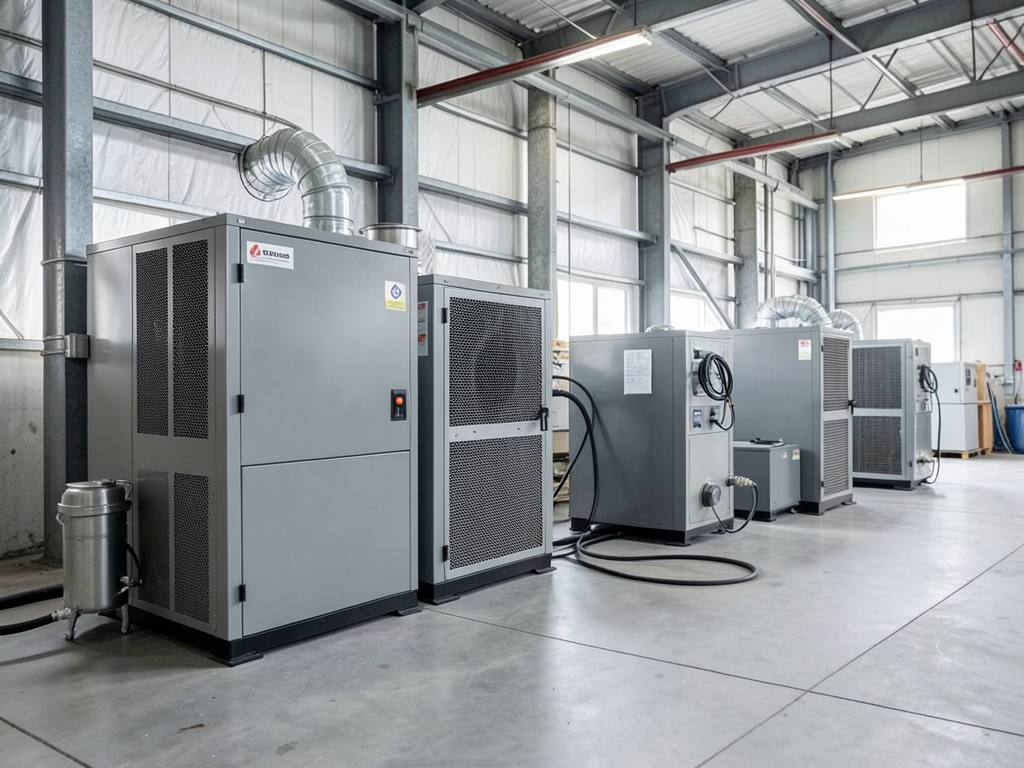
Equipment selection determines restoration success in large commercial spaces. High-capacity submersible pumps handle standing water removal, while desiccant dehumidifiers provide the low-grain moisture removal needed for concrete and steel structures. Air movers create directional airflow patterns that accelerate evaporation from surfaces and materials.
Moisture monitoring continues throughout the drying process. Technicians use penetrating and non-penetrating moisture meters to track progress and verify when materials return to acceptable moisture content levels. This data guides equipment removal and confirms when spaces are ready for reconstruction or normal operations.
Emergency response teams coordinate with facility managers to establish containment zones and maintain operational continuity where possible. This may involve creating temporary work areas, protecting critical equipment, or establishing safe pathways through affected zones. Clear communication prevents confusion and maintains safety during the restoration process.
Insurance documentation requires detailed records of damage assessment, mitigation efforts, and restoration progress. Professional teams provide comprehensive reports including moisture readings, photographic documentation, and itemized equipment usage. This documentation supports insurance claims and demonstrates compliance with industry standards.
Post-restoration verification ensures complete moisture removal before reconstruction begins. Teams conduct final moisture readings, inspect for mold growth, and verify that all affected areas meet industry standards for dryness. This verification prevents future problems and protects your investment in restoration work.
Preventive planning reduces future flood risks. Emergency response teams can assess your facility’s vulnerabilities and recommend improvements such as enhanced drainage systems, elevated equipment platforms, or improved waterproofing measures. These investments often pay for themselves by preventing costly future damage.
Local emergency services in Braddock understand the unique challenges of industrial flood response. They maintain relationships with local authorities, utility companies, and environmental agencies to ensure rapid coordination during large-scale events. This local knowledge accelerates response times and improves outcomes for affected businesses.
Call (412) 382-8788 today to schedule your inspection. Don’t wait until water threatens your operations. Professional assessment identifies vulnerabilities and creates emergency response plans tailored to your specific facility needs.
Industrial flood response equipment and capabilities
Professional flood response requires specialized equipment designed for commercial-scale applications. Industrial extraction units remove thousands of gallons per hour, while desiccant dehumidifiers process massive air volumes to extract moisture from large spaces. The equipment selection depends on facility size, water volume, and material types affected.
Submersible pumps handle initial water removal in flooded areas. These units can move water at rates exceeding 200 gallons per minute, making them essential for warehouses with significant standing water. Portable extraction units then remove remaining moisture from carpets, flooring, and low-lying areas. Dealing with a flooded basement in Mount Lebanon without losing your mind.
Desiccant dehumidifiers provide the low-grain moisture removal needed for concrete slabs and steel structures. Unlike conventional dehumidifiers, desiccant units can achieve dew points below freezing, making them effective in large spaces where traditional units would be overwhelmed. They process air volumes suitable for warehouses exceeding 50,000 square feet.
Air movers create directional airflow patterns that accelerate evaporation from surfaces and materials. Professional teams calculate optimal placement based on room dimensions, material types, and moisture content readings. This strategic placement ensures even drying and prevents moisture migration to unaffected areas.
Moisture detection equipment includes thermal imaging cameras, penetrating moisture meters, and hygrometers. Thermal cameras identify temperature differences that indicate moisture presence, while moisture meters provide quantitative readings for documentation and verification. Hygrometers monitor ambient conditions to ensure proper drying environments.. Read more about Understanding the difference between grey water and black water floods in Glassport.
Containment equipment prevents cross-contamination and maintains drying efficiency. Polyethylene barriers, airlocks, and negative air machines create isolated work zones that protect unaffected areas while accelerating drying in affected zones. This containment also prevents the spread of contaminants during Category 3 water events.
Personal protective equipment meets OSHA requirements for water damage restoration. Teams use respirators, protective suits, gloves, and eye protection appropriate to the contamination level. This equipment protects workers while ensuring compliance with safety regulations during restoration operations. OSHA workplace safety standards.
Generators and power distribution equipment ensure continuous operation during power outages. Industrial flood response often occurs during severe weather events that may affect local power infrastructure. Portable generators and temporary power distribution keep critical equipment operational throughout the restoration process.
Monitoring equipment tracks environmental conditions and restoration progress. Data loggers record temperature, humidity, and moisture content readings over time. This documentation provides evidence of proper restoration procedures and supports insurance claims for large-scale commercial losses.
Transportation and logistics equipment moves materials and equipment efficiently within large facilities. Dollies, hand trucks, and material handling equipment facilitate the movement of extraction units, dehumidifiers, and air movers to optimal locations throughout the warehouse space.
Cleaning and decontamination equipment addresses contamination from Category 2 and 3 water events. Pressure washers, steam cleaners, and antimicrobial application systems sanitize affected surfaces and prevent microbial growth. This equipment ensures thorough cleaning while meeting EPA and local health department requirements. Cleaning up after a kitchen flood in your Fox Chapel home.
Communication equipment maintains coordination between response teams and facility management. Two-way radios, mobile devices, and project management software enable real-time updates and decision-making. This communication ensures efficient operations and keeps all stakeholders informed throughout the restoration process.
Documentation equipment creates comprehensive records of damage and restoration progress. Digital cameras, moisture mapping software, and report generation tools produce the detailed documentation required for insurance claims and regulatory compliance. This documentation also serves as a reference for future prevention planning.
Training and certification ensure proper equipment operation and safety compliance. Teams maintain current certifications in water damage restoration, safety protocols, and equipment operation. This training ensures effective restoration while protecting workers and maintaining regulatory compliance throughout the project.
Business continuity planning for industrial facilities
Business continuity planning minimizes operational disruption during flood events. Industrial facilities require detailed response plans that address production line protection, inventory management, and communication protocols. These plans ensure rapid response and reduce the financial impact of water damage incidents.
Emergency response team contacts must be readily available to all facility personnel. This includes water damage restoration specialists, facility managers, maintenance staff, and key decision-makers. Clear communication channels and defined roles prevent confusion during emergency situations.
Critical equipment identification helps prioritize protection and restoration efforts. Facility managers should document which machinery, systems, and processes are most essential to operations. This information guides emergency response teams in establishing protection priorities and temporary operational zones.
Inventory assessment procedures document stock levels and storage locations. This information helps determine which items are most vulnerable to water damage and guides protection efforts. Detailed inventory records also support insurance claims and recovery planning.
Utility shutoff procedures ensure rapid response to prevent additional damage. Clear instructions for gas, electrical, and water system isolation help facility personnel respond quickly to flooding incidents. These procedures should be posted at key locations and regularly reviewed with staff.
Temporary operational planning addresses scenarios where normal operations cannot continue. This may include establishing alternative work areas, implementing remote work procedures, or developing temporary production strategies. These plans reduce downtime and maintain revenue flow during restoration.
Communication protocols ensure all stakeholders receive timely updates during flood events. This includes employees, customers, suppliers, and regulatory agencies. Clear communication prevents misinformation and maintains confidence in your organization’s ability to manage the situation.
Insurance coordination procedures streamline the claims process. Designating a primary contact for insurance communications and establishing documentation requirements helps ensure timely claim processing. This coordination reduces administrative burden during already stressful situations.
Vendor relationships with restoration specialists provide priority response during emergencies. Establishing these relationships before incidents occur ensures rapid mobilization when needed. This preparation can significantly reduce response times and damage severity.
Training programs prepare facility personnel for emergency response roles. Regular drills and training sessions ensure staff understands their responsibilities and can execute response plans effectively. This preparation improves overall response efficiency and safety during actual events.
Documentation systems capture critical information during flood events. This includes damage assessments, mitigation efforts, and restoration progress. Comprehensive documentation supports insurance claims, regulatory compliance, and future prevention planning.
Post-incident reviews identify opportunities for plan improvement. After each flood event, teams should evaluate response effectiveness and identify areas for enhancement. This continuous improvement approach strengthens future response capabilities.
Technology integration enhances business continuity planning. Mobile applications, cloud-based documentation systems, and real-time monitoring tools improve coordination and information sharing during flood events. These technologies support more effective response and faster recovery.
Regulatory compliance planning ensures all restoration activities meet local requirements. This includes EPA regulations, OSHA safety standards, and local building codes. Compliance planning prevents delays and potential fines during restoration activities.
Financial planning addresses the costs associated with flood response and business interruption. This includes insurance coverage, emergency fund allocation, and budgeting for temporary operational changes. Financial planning ensures resources are available when needed most.
Common causes of industrial warehouse flooding
Understanding flood causes helps prevent future incidents. Industrial warehouses face unique vulnerabilities based on their location, construction, and operations. Identifying these risks enables targeted prevention strategies and improves emergency preparedness.
Roof system failures represent a major flood risk for warehouses. Heavy snow loads, ice dam formation, and aging roofing materials can lead to catastrophic water intrusion. Regular roof inspections and maintenance prevent these failures from causing significant damage.
Plumbing system failures affect warehouses with complex water distribution networks. Burst pipes, failed valves, and deteriorated connections can release thousands of gallons before detection. Monitoring systems and regular inspections identify vulnerabilities before failures occur.
Stormwater management system failures overwhelm drainage infrastructure during heavy rainfall. Clogged drains, undersized culverts, and failed sump pumps allow water to enter facilities. Regular maintenance and capacity upgrades prevent these failures during extreme weather events.
Equipment failures in manufacturing processes can release large volumes of water. Cooling system leaks, chemical process failures, and equipment malfunctions create flood risks unique to industrial operations. Preventive maintenance and monitoring systems detect problems before they escalate.
Foundation and slab issues allow groundwater intrusion in older facilities. Cracks, deteriorated waterproofing, and poor drainage create pathways for water entry. Foundation assessments and waterproofing improvements prevent these chronic problems.
Human error causes many industrial flood incidents. Improper equipment operation, failure to follow procedures, and inadequate training lead to water damage events. Comprehensive training programs and clear procedures reduce these risks.
Supply chain disruptions affect flood response capabilities. Limited availability of restoration equipment, materials, or personnel can extend recovery times. Maintaining relationships with multiple vendors and keeping critical supplies on hand improves response flexibility.
Climate change increases flood risks through more frequent extreme weather events. Heavier rainfall, rapid snowmelt, and changing precipitation patterns create new vulnerabilities. Climate assessment and adaptation planning address these evolving risks.
Regulatory changes affect flood response requirements and compliance standards. Staying current with EPA, OSHA, and local regulations ensures proper restoration procedures and prevents compliance issues. Regular regulatory review keeps response plans current.
Technology failures in monitoring and control systems create flood risks. Sensor malfunctions, control system failures, and communication breakdowns prevent early detection of water problems. Redundant systems and regular testing improve reliability.
Supply chain vulnerabilities affect restoration material availability. Delays in obtaining specialized equipment or materials can extend recovery times. Maintaining relationships with multiple suppliers and keeping critical items in inventory improves response capabilities.
Economic factors influence flood prevention investments. Budget constraints may delay necessary improvements or maintenance. Cost-benefit analysis helps prioritize investments that provide the greatest risk reduction for available resources.
Geographic location creates specific flood vulnerabilities. Facilities near rivers, in low-lying areas, or with poor natural drainage face higher risks. Location-specific assessments guide prevention and response planning.
Building age affects flood vulnerability through material deterioration and outdated systems. Older facilities often have multiple failure points that require attention. Regular assessments identify aging infrastructure that needs replacement or upgrade.
Operational changes create new flood risks through altered water usage patterns or equipment modifications. Process changes should include flood risk assessments to identify potential new vulnerabilities. This proactive approach prevents unexpected problems.
Choosing the right flood response partner
Selecting an appropriate flood response partner requires careful evaluation of capabilities, experience, and local knowledge. Industrial facilities need restoration specialists who understand large-scale operations and can work within complex production environments.
Response time capabilities determine how quickly help arrives during emergencies. Partners should guarantee specific arrival times and maintain crews ready for immediate deployment. This rapid response minimizes damage and reduces recovery costs.
Equipment inventory ensures partners can handle your facility’s specific needs. Industrial warehouses require specialized equipment for large spaces, high ceilings, and complex material types. Partners should maintain adequate equipment inventories to handle simultaneous large-scale projects.
Experience with similar facilities demonstrates capability for your specific needs. Partners should provide references from comparable industrial clients and examples of successful large-scale restoration projects. This experience ensures they understand your operational requirements.
Insurance coordination experience streamlines the claims process. Partners should have established relationships with insurance companies and experience documenting large commercial losses. This expertise reduces administrative burden during already stressful situations.
Safety compliance demonstrates professional standards and protects your workforce. Partners should maintain current OSHA certifications, safety training programs, and compliance documentation. This commitment to safety protects everyone during restoration operations.
Local knowledge provides advantages in understanding regional challenges and regulations. Partners familiar with Braddock’s industrial landscape understand local building codes, environmental regulations, and community relationships. This knowledge improves response effectiveness and compliance.
24/7 availability ensures help is always available when needed. Flood emergencies don’t follow business hours, so partners must maintain round-the-clock response capabilities. This availability provides peace of mind and ensures rapid response regardless of when problems occur.
Communication capabilities keep all stakeholders informed throughout the restoration process. Partners should provide regular updates, clear documentation, and accessible project management tools. This communication prevents confusion and maintains confidence in the restoration process.
Financial stability ensures partners can complete large projects without interruption. Established companies with strong financial positions can maintain equipment inventories, pay for materials, and complete projects regardless of insurance payment timing. This stability protects your investment in restoration work.
Technical expertise in industrial environments demonstrates understanding of complex operations. Partners should understand manufacturing processes, production line requirements, and operational continuity needs. This expertise enables them to work effectively within your operational constraints.
Environmental compliance ensures restoration activities meet regulatory requirements. Partners should understand EPA regulations, local environmental codes, and proper disposal procedures. This compliance prevents regulatory issues and protects the surrounding community.
Quality assurance programs demonstrate commitment to effective restoration. Partners should provide warranties, conduct final inspections, and maintain quality control procedures. These programs ensure restoration work meets industry standards and provides lasting results.
Scalability allows partners to handle projects of varying sizes and complexities. Industrial facilities may face different scale emergencies, so partners should demonstrate ability to scale resources appropriately. This flexibility ensures effective response regardless of incident size.
Technology adoption improves restoration effectiveness and documentation. Partners using modern moisture detection, project management, and documentation tools provide better service and more comprehensive records. This technology adoption demonstrates commitment to industry best practices.
Frequently Asked Questions
How quickly can flood response teams arrive at my Braddock warehouse?
Professional teams typically arrive within 90 minutes of your call. Response times depend on current demand, weather conditions, and facility location within Braddock’s industrial zones. Teams maintain crews on standby for immediate deployment.
What types of water damage require professional restoration?
Any water intrusion affecting inventory, equipment, or structural components requires professional restoration. Category 3 water from flooding, sewage backups, or contaminated sources poses health risks and requires specialized cleanup procedures. Even clean water can cause significant damage if not properly addressed.
How long does industrial flood restoration typically take?
Restoration timelines vary based on damage extent, facility size, and material types affected. Small incidents may require 3-5 days, while large-scale flooding can take 2-4 weeks. Factors include water removal, structural drying, cleaning, and final verification testing.
Will insurance cover flood damage restoration costs?
Coverage depends on your specific policy and the cause of flooding. Standard commercial property insurance typically covers sudden water damage from plumbing failures or equipment malfunctions. Flood damage from external sources usually requires separate flood insurance coverage.
How can we prevent future flooding in our warehouse?
Prevention strategies include regular roof inspections, plumbing system maintenance, improved drainage systems, and water detection monitoring. Professional assessments can identify specific vulnerabilities in your facility and recommend targeted improvements to reduce future risks.
What documentation is needed for insurance claims?
Insurance claims require detailed documentation including damage assessments, moisture readings, photographic evidence, equipment usage logs, and restoration progress reports. Professional restoration teams provide comprehensive documentation that meets insurance company requirements and supports claim processing.
Are there environmental regulations for industrial flood cleanup?
Yes, EPA and local regulations govern industrial water damage cleanup. These include proper containment to prevent contaminated water from entering storm drains, appropriate disposal of contaminated materials, and adherence to safety standards for worker protection and environmental compliance.
Can restoration work be done while maintaining partial operations?
Often yes, depending on damage extent and operational requirements. Restoration teams can establish containment zones, protect critical equipment, and maintain safe pathways through affected areas. This approach minimizes downtime while allowing continued partial operations where possible.
{
“@context”: “https://schema.org”,
“@type”: “BlogPosting”,
“headline”: “Emergency flood response strategies for industrial warehouses in Braddock”,
“description”: “Rapid industrial flood response in Braddock warehouses. 24/7 emergency extraction, structural drying, and business continuity planning to minimize downtime and protect your inventory.”,
“wordCount”: 3173,
“datePublished”: “2026-05-01T12:35:00.000Z”,
“dateModified”: “2026-05-01T12:35:00.000Z”,
“inLanguage”: “en-US”,
“mainEntityOfPage”: {
“@type”: “WebPage”,
“@id”: “https://reliancewaterdamagerestorationpittsburgh.com”
},
“publisher”: {
“@type”: “LocalBusiness”,
“name”: “Reliance Water Damage Restoration Pittsburgh”,
“url”: “https://reliancewaterdamagerestorationpittsburgh.com”
},
“author”: {
“@type”: “Organization”,
“name”: “Reliance Water Damage Restoration Pittsburgh”,
“url”: “https://reliancewaterdamagerestorationpittsburgh.com”
},
“image”: {
“@type”: “ImageObject”,
“url”: “https://reliancewaterdamagerestorationpittsburgh.com/wp-content/uploads/2026/03/emergency-flood-response-strategies-for-industrial-1.png”
}
}
{
“@context”: “https://schema.org”,
“@type”: “LocalBusiness”,
“name”: “Reliance Water Damage Restoration Pittsburgh”,
“url”: “https://reliancewaterdamagerestorationpittsburgh.com”,
“address”: {
“@type”: “PostalAddress”,
“addressLocality”: “Pittsburgh”
},
“areaServed”: {
“@type”: “City”,
“name”: “Pittsburgh”
}
}
{
“@context”: “https://schema.org”,
“@type”: “FAQPage”,
“mainEntity”: [
{
“@type”: “Question”,
“name”: “How quickly can flood response teams arrive at my Braddock warehouse?”,
“acceptedAnswer”: {
“@type”: “Answer”,
“text”: “Professional teams typically arrive within 90 minutes of your call. Response times depend on current demand, weather conditions, and facility location within Braddock’s industrial zones. Teams maintain crews on standby for immediate deployment.”
}
},
{
“@type”: “Question”,
“name”: “What types of water damage require professional restoration?”,
“acceptedAnswer”: {
“@type”: “Answer”,
“text”: “Any water intrusion affecting inventory, equipment, or structural components requires professional restoration. Category 3 water from flooding, sewage backups, or contaminated sources poses health risks and requires specialized cleanup procedures. Even clean water can cause significant damage if not properly addressed.”
}
},
{
“@type”: “Question”,
“name”: “How long does industrial flood restoration typically take?”,
“acceptedAnswer”: {
“@type”: “Answer”,
“text”: “Restoration timelines vary based on damage extent, facility size, and material types affected. Small incidents may require 3-5 days, while large-scale flooding can take 2-4 weeks. Factors include water removal, structural drying, cleaning, and final verification testing.”
}
},
{
“@type”: “Question”,
“name”: “Will insurance cover flood damage restoration costs?”,
“acceptedAnswer”: {
“@type”: “Answer”,
“text”: “Coverage depends on your specific policy and the cause of flooding. Standard commercial property insurance typically covers sudden water damage from plumbing failures or equipment malfunctions. Flood damage from external sources usually requires separate flood insurance coverage.”
}
},
{
“@type”: “Question”,
“name”: “How can we prevent future flooding in our warehouse?”,
“acceptedAnswer”: {
“@type”: “Answer”,
“text”: “Prevention strategies include regular roof inspections, plumbing system maintenance, improved drainage systems, and water detection monitoring. Professional assessments can identify specific vulnerabilities in your facility and recommend targeted improvements to reduce future risks.”
}
},
{
“@type”: “Question”,
“name”: “What documentation is needed for insurance claims?”,
“acceptedAnswer”: {
“@type”: “Answer”,
“text”: “Insurance claims require detailed documentation including damage assessments, moisture readings, photographic evidence, equipment usage logs, and restoration progress reports. Professional restoration teams provide comprehensive documentation that meets insurance company requirements and supports claim processing.”
}
},
{
“@type”: “Question”,
“name”: “Are there environmental regulations for industrial flood cleanup?”,
“acceptedAnswer”: {
“@type”: “Answer”,
“text”: “Yes, EPA and local regulations govern industrial water damage cleanup. These include proper containment to prevent contaminated water from entering storm drains, appropriate disposal of contaminated materials, and adherence to safety standards for worker protection and environmental compliance.”
}
},
{
“@type”: “Question”,
“name”: “Can restoration work be done while maintaining partial operations?”,
“acceptedAnswer”: {
“@type”: “Answer”,
“text”: “Often yes, depending on damage extent and operational requirements. Restoration teams can establish containment zones, protect critical equipment, and maintain safe pathways through affected areas. This approach minimizes downtime while allowing continued partial operations where possible.”
}
}
]
}
{
“@context”: “https://schema.org”,
“@type”: “BreadcrumbList”,
“itemListElement”: [
{
“@type”: “ListItem”,
“position”: 1,
“name”: “Home”,
“item”: “https://reliancewaterdamagerestorationpittsburgh.com”
},
{
“@type”: “ListItem”,
“position”: 2,
“name”: “Blog”,
“item”: “https://reliancewaterdamagerestorationpittsburgh.com/blog”
},
{
“@type”: “ListItem”,
“position”: 3,
“name”: “Emergency flood response strategies for industrial warehouses in Braddock”
}
]
}
{
“@context”: “https://schema.org”,
“@type”: “Service”,
“serviceType”: “Water Damage Restoration”,
“provider”: {
“@type”: “LocalBusiness”,
“name”: “Reliance Water Damage Restoration Pittsburgh”,
“url”: “https://reliancewaterdamagerestorationpittsburgh.com”
},
“areaServed”: {
“@type”: “City”,
“name”: “Pittsburgh”
},
“description”: “Rapid industrial flood response in Braddock warehouses. 24/7 emergency extraction, structural drying, and business continuity planning to minimize downtime and protect your inventory.”
}