
Fixing the source of a leaking sunroom or enclosed porch in O’Hara Township
A leaking sunroom can turn your favorite relaxation spot into a source of stress and potential property damage. In O’Hara Township the combination of heavy snowfall, freeze-thaw cycles, and aging home construction creates unique vulnerabilities for sunroom structures. Water intrusion doesn’t just cause cosmetic damage. It can lead to mold growth, rotting wood, and compromised structural integrity if left unaddressed. Who to call for emergency water removal in Pittsburgh right now.
Understanding the root cause is the first step toward a lasting repair. Whether the leak stems from failing sealants, damaged flashing, or poor drainage, identifying the exact source determines the right fix. This guide walks you through the common causes of sunroom leaks in Western Pennsylvania and outlines professional restoration steps to protect your home. EPA mold guidelines.
Common causes of sunroom leaks in Western Pennsylvania
Sunroom leaks often result from a combination of environmental stress and construction flaws. In O’Hara Township heavy snow accumulation on sunroom roofs can exceed the load capacity of older flashing systems. When snow melts and refreezes it expands creating gaps that allow water to seep through. Expert water damage restoration for businesses in the Pittsburgh Strip District.
Another frequent culprit is aging silicone sealant around glass panels and frames. Pittsburgh’s temperature swings cause sealants to expand and contract repeatedly. Over time this movement breaks the seal allowing moisture to penetrate. Homes built before the 2000s often used materials that degrade faster under these conditions.
Poor drainage design also contributes to leaks. If the sunroom sits lower than surrounding ground or lacks proper gutters water can pool around the foundation. Clay soil common in Allegheny County retains moisture and increases hydrostatic pressure against basement walls beneath sunrooms.
Finally thermal pane seal failure in older windows can cause condensation buildup that mimics active leaks. While not a true water intrusion this moisture can still damage interior finishes and promote mold growth if ventilation is inadequate.. Read more about How to stop window condensation from rotting your Etna window sills.
Diagnosing your sunroom leak: A step-by-step guide
Before calling a professional you can perform some basic diagnostics to narrow down the source. Start by inspecting the interior during or immediately after rainfall. Look for water stains on ceilings walls or floors. Pay attention to the corners where walls meet the roof as these are common failure points. Cleaning up after a kitchen flood in your Fox Chapel home.
Next examine the exterior flashing where the sunroom attaches to your home. Flashing should form a continuous waterproof barrier. If you see gaps rust or separation this is likely your leak source. Use a screwdriver to gently probe wood trim around windows. Soft or crumbling wood indicates rot from prolonged moisture exposure.
Check the condition of all visible sealants. Healthy silicone should appear smooth and slightly flexible. Cracked brittle or missing sealant needs replacement. Also inspect the roof surface for damaged shingles or panels that could allow water entry.
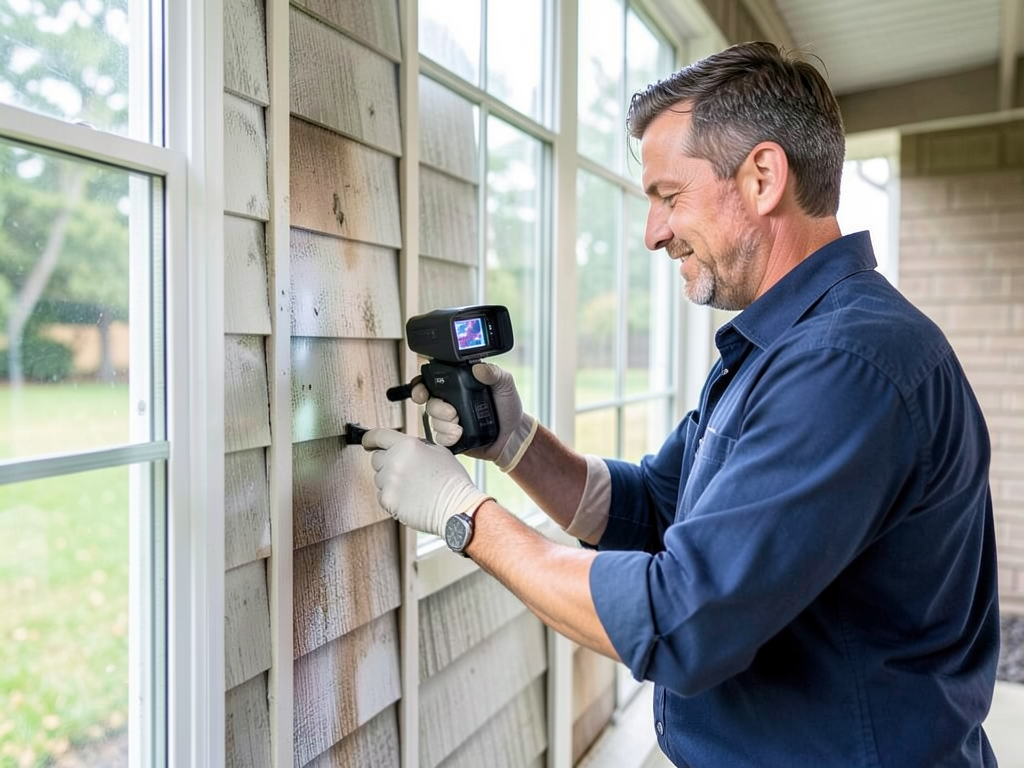
For a more thorough assessment professionals use thermal imaging cameras to detect temperature variations that indicate moisture behind walls. Moisture meters measure the exact water content in materials helping determine if hidden damage exists. These tools reveal problems invisible to the naked eye.
The restoration process for a leaking sunroom
Professional sunroom restoration follows a systematic approach to ensure complete repair. The process begins with a comprehensive inspection using moisture detection equipment and visual assessment to map the extent of damage.. Read more about Choosing a Restoration Team for Custom Granite and Marble in Fox Chapel Homes.
Water extraction comes next if standing water is present. High-powered vacuums remove bulk moisture while air movers create circulation to begin drying. For enclosed sunrooms with carpet or hardwood flooring specialized drying mats extract water from beneath surfaces.
Structural drying involves placing commercial dehumidifiers to reduce ambient humidity. Technicians monitor moisture levels daily using calibrated meters until materials return to normal moisture content. This phase typically lasts 3-5 days depending on the severity of saturation.
Once dry the repair phase addresses all identified issues. This may include replacing rotted wood installing new flashing resealing joints or repairing roof damage. For extensive damage sections of wall or ceiling might require replacement to ensure structural integrity.
The final step involves applying antimicrobial treatments to prevent mold growth. Professionals use EPA-registered products that inhibit spore development on all affected surfaces. They also recommend improvements like upgraded drainage systems or better ventilation to prevent future problems.
Why DIY sunroom repairs often fail
Many homeowners attempt quick fixes using caulk or roofing tar only to find the leak returns within months. The problem with DIY repairs is they often address symptoms rather than causes. Applying sealant over existing damage traps moisture inside creating conditions for accelerated deterioration. Black Mold Symptoms.
Sunroom construction involves complex integration of multiple materials. Aluminum frames expand differently than glass or wood creating stress points. Without understanding these material properties repairs can actually worsen the problem by creating new failure points.
Hidden damage presents another challenge. Water can travel along beams or through wall cavities before emerging at a different location. A leak appearing near a window might actually originate from a compromised roof section several feet away. Without proper diagnostic tools you’re essentially guessing.
Finally safety considerations matter. Working on sloped sunroom roofs or handling moldy materials poses risks. Professionals have the equipment harnesses and protective gear to work safely while minimizing damage to your property.
Preventing future sunroom leaks in O’Hara Township
Prevention starts with regular maintenance. Clean gutters twice yearly to ensure proper drainage. Remove leaves and debris that can cause water to back up under roofing materials. Check and replace sealants every 5-7 years before they fail.
Monitor your sunroom after major storms. Heavy winds can damage flashing or blow debris onto the roof creating punctures. Snow removal after significant accumulation prevents ice dam formation. Use a roof rake to pull snow down from the edge without damaging roofing materials.
Improve ventilation to reduce condensation. Install ceiling fans or operable windows to promote air circulation. In winter keep indoor humidity between 30-50% using a hygrometer to monitor levels. This range prevents excessive moisture while maintaining comfort.
Consider upgrading vulnerable components. Modern flashing systems use rubberized materials that flex with temperature changes. Impact-resistant polycarbonate panels withstand hail better than glass. These improvements cost more upfront but provide better long-term protection in Pittsburgh’s climate.
Emergency water mitigation services in O’Hara Township
When a sunroom leak becomes an active flood situation time matters. Standing water can warp flooring damage electrical systems and create slip hazards within hours. Emergency mitigation services provide 24/7 response to stop ongoing damage.
Upon arrival technicians assess safety hazards first. They may need to shut off electricity or prop up sagging ceilings. Water extraction begins immediately using truck-mounted vacuums capable of removing thousands of gallons per hour.. Read more about Why your Mount Washington skylight leaks every time the wind blows.
Content protection involves moving furniture electronics and valuables to dry areas. For items that can’t be moved technicians place protective barriers underneath. They also document damage with photos for insurance purposes.
Rapid drying prevents secondary damage. Industrial air movers and dehumidifiers create conditions that dry materials in 24-48 hours rather than the weeks required for natural evaporation. This speed is crucial for preventing mold which can begin growing within 24-48 hours of water exposure.
Emergency services also include temporary repairs to prevent further water entry. This might involve tarping roof damage or boarding up broken windows until permanent repairs can be made.
Understanding insurance coverage for sunroom water damage
Insurance coverage for sunroom leaks varies significantly based on the cause of damage. Sudden events like storm damage or burst pipes typically fall under standard homeowners policies. However gradual damage from poor maintenance or material failure often isn’t covered.
Review your policy’s water damage provisions carefully. Many policies exclude surface water intrusion or damage from ice dams. Some require separate endorsements for sunroom additions. Document the condition of your sunroom with photos before problems occur to establish baseline conditions.
When filing a claim provide detailed documentation of the damage source and extent. Insurance adjusters look for evidence that damage resulted from a covered peril rather than long-term neglect. Professional restoration companies can provide the technical documentation insurers require.
Consider the cost-benefit of filing versus paying out-of-pocket. For damage under your deductible or just slightly above it paying directly might be more cost-effective. Multiple claims can increase premiums or even result in non-renewal.
Choosing the right restoration company for your sunroom
Not all restoration companies have experience with sunroom-specific issues. Look for contractors familiar with the unique construction methods used in sunroom additions. They should understand how these structures integrate with your home’s existing systems.
Verify proper licensing and insurance. In Pennsylvania contractors must hold a Home Improvement Contractor registration. Ask for proof of general liability and workers’ compensation insurance to protect yourself from liability.
Check for industry certifications. IICRC certification in water damage restoration indicates technicians have completed standardized training in current restoration methods. EPA Lead-Safe certification matters for homes built before 1978 where lead paint might be disturbed during repairs. IICRC certification standards.
Request references from similar projects. A company that successfully restored a leaking sunroom in your neighborhood understands local conditions and building practices. They can also provide realistic timelines and cost estimates based on actual experience.
Finally ensure they offer comprehensive services. The ideal company handles everything from initial water extraction through final repairs and insurance documentation. This eliminates the need to coordinate multiple contractors and ensures accountability throughout the process.
Frequently Asked Questions
How can I tell if my sunroom leak is from condensation or an active water intrusion?
Condensation typically appears as uniform moisture on interior surfaces during temperature changes especially in winter. It often forms on windows first then spreads to nearby walls. Active leaks show as water stains streaks or drips that worsen during rainfall. A moisture meter can distinguish between the two by measuring water content in materials.
How long does professional sunroom restoration take?
The timeline depends on damage extent. Emergency water extraction and initial drying take 24-72 hours. Complete structural drying requires 3-5 days of equipment operation. Repairs vary widely based on what needs replacement but typically require 1-2 weeks after drying completes. Total restoration from start to finish usually takes 2-4 weeks.
Will my homeowner’s insurance cover sunroom leak repairs?
Coverage depends on the damage cause. Sudden events like storm damage or plumbing failures are typically covered. Gradual damage from maintenance issues or material degradation usually isn’t covered. Review your policy details and document damage thoroughly when filing claims. Professional restoration companies can help with insurance documentation.
Can I stay in my home during sunroom restoration?
For minor leaks affecting only the sunroom you can likely remain in your home. However extensive water damage or mold remediation may require temporary relocation. The restoration company will assess safety hazards like electrical risks or air quality issues and advise whether staying is appropriate during the work.
What’s the average cost to repair a leaking sunroom in O’Hara Township?
Repair costs vary significantly based on damage extent. Simple sealant replacement might cost $500-1,000. Flashing repairs typically range $1,500-3,000. Extensive structural repairs including water damage restoration can cost $5,000-15,000 or more. Most companies provide free inspections and written estimates before beginning work.

Take action before minor leaks become major problems
Water damage in your sunroom won’t fix itself. Each day of delay allows moisture to spread deeper into your home’s structure increasing repair costs and creating health hazards. Don’t let a small leak turn into a major renovation project.
Call (412) 382-8788 today to schedule your inspection. Our certified technicians will identify the source of your leak provide a clear restoration plan and begin emergency mitigation if needed. We serve O’Hara Township and all surrounding Pittsburgh communities with 24/7 emergency response.
Pick up the phone and call (412) 382-8788 before the next storm hits. Protect your investment and restore your sunroom to the comfortable space you deserve. Don’t wait until water damage becomes a health hazard or structural emergency.
Remember that professional restoration isn’t just about fixing leaks. It’s about protecting your home’s value ensuring your family’s health and preventing future problems. Trust the experts who understand Pittsburgh’s unique climate challenges and building practices.
{
“@context”: “https://schema.org”,
“@type”: “BlogPosting”,
“headline”: “Fixing the source of a leaking sunroom or enclosed porch in O’Hara Township”,
“description”: “Discover expert solutions for sunroom leaks in O’Hara Township. Learn to identify causes, prevent mold, and restore your space fast. Call (412) 382-8788 for 24/7 help.”,
“wordCount”: 2028,
“datePublished”: “2026-05-10T09:44:00.000Z”,
“dateModified”: “2026-05-10T09:44:00.000Z”,
“inLanguage”: “en-US”,
“mainEntityOfPage”: {
“@type”: “WebPage”,
“@id”: “https://reliancewaterdamagerestorationpittsburgh.com”
},
“publisher”: {
“@type”: “LocalBusiness”,
“name”: “Reliance Water Damage Restoration Pittsburgh”,
“url”: “https://reliancewaterdamagerestorationpittsburgh.com”
},
“author”: {
“@type”: “Organization”,
“name”: “Reliance Water Damage Restoration Pittsburgh”,
“url”: “https://reliancewaterdamagerestorationpittsburgh.com”
},
“image”: {
“@type”: “ImageObject”,
“url”: “https://reliancewaterdamagerestorationpittsburgh.com/wp-content/uploads/2026/03/fixing-the-source-of-a-leaking-sunroom-or-enclosed-1.png”
}
}
{
“@context”: “https://schema.org”,
“@type”: “LocalBusiness”,
“name”: “Reliance Water Damage Restoration Pittsburgh”,
“url”: “https://reliancewaterdamagerestorationpittsburgh.com”,
“address”: {
“@type”: “PostalAddress”,
“addressLocality”: “Pittsburgh”
},
“areaServed”: {
“@type”: “City”,
“name”: “Pittsburgh”
}
}
{
“@context”: “https://schema.org”,
“@type”: “FAQPage”,
“mainEntity”: [
{
“@type”: “Question”,
“name”: “How can I tell if my sunroom leak is from condensation or an active water intrusion?”,
“acceptedAnswer”: {
“@type”: “Answer”,
“text”: “Condensation typically appears as uniform moisture on interior surfaces during temperature changes especially in winter. It often forms on windows first then spreads to nearby walls. Active leaks show as water stains streaks or drips that worsen during rainfall. A moisture meter can distinguish between the two by measuring water content in materials.”
}
},
{
“@type”: “Question”,
“name”: “How long does professional sunroom restoration take?”,
“acceptedAnswer”: {
“@type”: “Answer”,
“text”: “The timeline depends on damage extent. Emergency water extraction and initial drying take 24-72 hours. Complete structural drying requires 3-5 days of equipment operation. Repairs vary widely based on what needs replacement but typically require 1-2 weeks after drying completes. Total restoration from start to finish usually takes 2-4 weeks.”
}
},
{
“@type”: “Question”,
“name”: “Will my homeowner’s insurance cover sunroom leak repairs?”,
“acceptedAnswer”: {
“@type”: “Answer”,
“text”: “Coverage depends on the damage cause. Sudden events like storm damage or plumbing failures are typically covered. Gradual damage from maintenance issues or material degradation usually isn’t covered. Review your policy details and document damage thoroughly when filing claims. Professional restoration companies can help with insurance documentation.”
}
},
{
“@type”: “Question”,
“name”: “Can I stay in my home during sunroom restoration?”,
“acceptedAnswer”: {
“@type”: “Answer”,
“text”: “For minor leaks affecting only the sunroom you can likely remain in your home. However extensive water damage or mold remediation may require temporary relocation. The restoration company will assess safety hazards like electrical risks or air quality issues and advise whether staying is appropriate during the work.”
}
},
{
“@type”: “Question”,
“name”: “What’s the average cost to repair a leaking sunroom in O’Hara Township?”,
“acceptedAnswer”: {
“@type”: “Answer”,
“text”: “Repair costs vary significantly based on damage extent. Simple sealant replacement might cost $500-1,000. Flashing repairs typically range $1,500-3,000. Extensive structural repairs including water damage restoration can cost $5,000-15,000 or more. Most companies provide free inspections and written estimates before beginning work.”
}
}
]
}
{
“@context”: “https://schema.org”,
“@type”: “BreadcrumbList”,
“itemListElement”: [
{
“@type”: “ListItem”,
“position”: 1,
“name”: “Home”,
“item”: “https://reliancewaterdamagerestorationpittsburgh.com”
},
{
“@type”: “ListItem”,
“position”: 2,
“name”: “Blog”,
“item”: “https://reliancewaterdamagerestorationpittsburgh.com/blog”
},
{
“@type”: “ListItem”,
“position”: 3,
“name”: “Fixing the source of a leaking sunroom or enclosed porch in O’Hara Township”
}
]
}
{
“@context”: “https://schema.org”,
“@type”: “Service”,
“serviceType”: “Water Damage Restoration”,
“provider”: {
“@type”: “LocalBusiness”,
“name”: “Reliance Water Damage Restoration Pittsburgh”,
“url”: “https://reliancewaterdamagerestorationpittsburgh.com”
},
“areaServed”: {
“@type”: “City”,
“name”: “Pittsburgh”
},
“description”: “Discover expert solutions for sunroom leaks in O’Hara Township. Learn to identify causes, prevent mold, and restore your space fast. Call (412) 382-8788 for 24/7 help.”
}