How to Document Water Damage in Bridgeville: A Complete Insurance Guide
Water damage strikes fast and insurance claims move even faster. In Bridgeville, where older homes near Chartiers Creek face unique flooding risks, the first 24 hours of documentation can mean the difference between a denied claim and full coverage. This guide shows you exactly what to photograph, what to write down, and how to prove your loss to adjusters before restoration begins. Who to call for emergency water removal in Pittsburgh right now.
Why Immediate Documentation Matters in Bridgeville
Pennsylvania insurance companies require proof of loss within strict timelines. In Bridgeville, where Chartiers Creek overflow and aging municipal pipes create frequent water events, adjusters expect detailed evidence showing the damage source, extent, and mitigation efforts. Missing photos of the initial leak or failing to document hidden moisture can reduce your claim by thousands of dollars. Expert water damage restoration for businesses in the Pittsburgh Strip District.
Bridgeville homes built before 1980 often have plaster walls and hardwood floors that absorb water differently than modern materials. Adjusters need to see these unique characteristics to understand the full scope of restoration required. Your documentation becomes the foundation for accurate pricing and coverage approval.. Read more about Steps to take for a roof leak in Swissvale before the restoration team arrives.
Step-by-Step Visual Documentation Process
Start with wide-angle shots of each affected room before touching anything. Capture the entire space including ceilings, walls, and floors. Then move to close-ups showing water lines, stains, and damaged materials. Use a ruler or coin in photos to show scale of damage. Large Scale Water Extraction.
Document the water source if visible. For burst pipes, show the break point and surrounding area. For roof leaks, capture water trails and damaged ceiling sections. Include photos of any standing water depth using a tape measure or marked stick.
Record video walkthroughs of the damage. Narrate what you see, pointing out specific items and their condition. Video captures details photos might miss and shows the overall scope of the event. Keep the camera steady and well-lit for clear documentation.
Creating Your Digital Paper Trail
Start a spreadsheet listing every damaged item with description, age, purchase price, and current condition. Include photos of serial numbers and brand names for appliances and electronics. This inventory becomes crucial for replacement cost calculations.
Document all communication with Pennsylvania American Water if the damage involves municipal supply lines. Save emails, text messages, and phone call notes. These records prove you reported the issue promptly and followed proper notification procedures.
Take photos of your water meter readings before and after the damage event. This helps establish when the water flow stopped and can support claims about the duration of the leak. Cleaning up after a kitchen flood in your Fox Chapel home.
Bridgeville-Specific Documentation Considerations
Bridgeville’s proximity to Chartiers Creek means many homes have experienced basement flooding during heavy rains. Document any previous water marks or damage that shows this is a recurring issue. This context helps adjusters understand the full scope of necessary repairs. EPA mold guidelines.
Many Bridgeville homes have finished basements with valuable contents. Create detailed inventories of stored items, including seasonal decorations, tools, and archived documents. These often-overlooked items can add significant value to your claim.
Check your policy for water backup endorsements, which are common in Bridgeville due to the area’s combined sewer system. Document any sewage backup separately, as this requires specific coverage and different documentation than clean water damage.
Professional Documentation Services
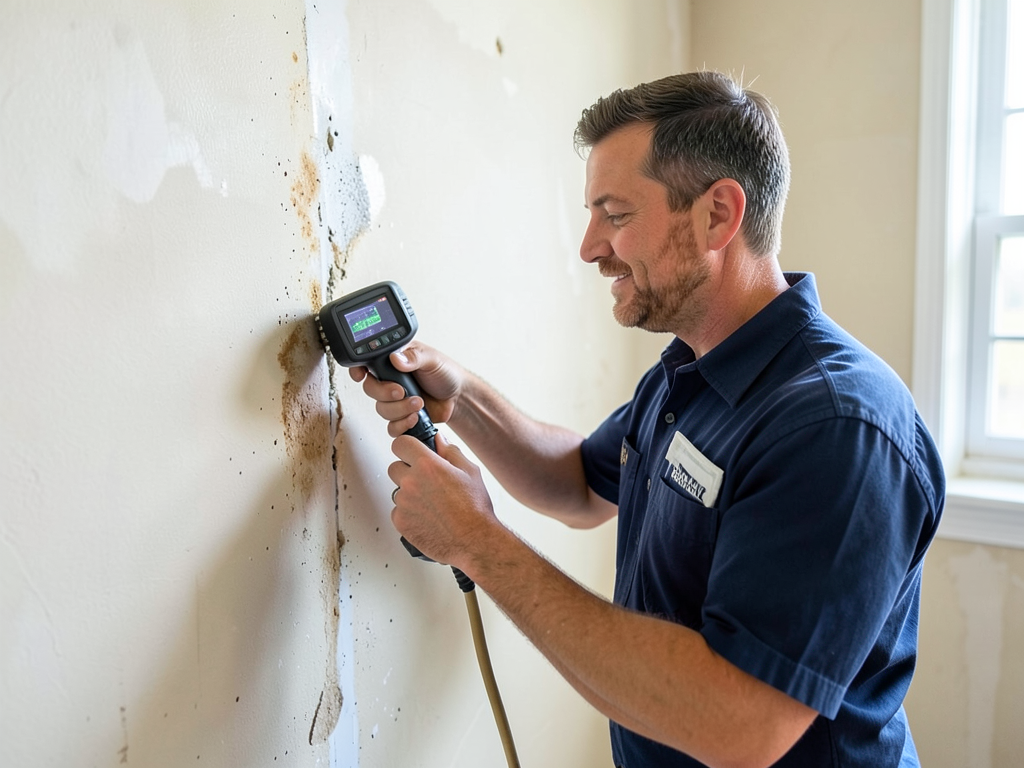
Restoration professionals use thermal imaging cameras to detect moisture behind walls that homeowners cannot see. These FLIR cameras create heat maps showing water intrusion patterns and help identify all affected areas. Include these professional scans in your documentation package.
Moisture meters measure water content in building materials. Professionals document readings from multiple locations to create moisture maps. These maps show the extent of saturation and help determine drying requirements. Your adjuster will expect to see this technical data.
Professional documentation includes detailed reports following IICRC S500 standards. These reports outline the category of water damage (clean, gray, or black water), affected materials, and restoration procedures. This standardized documentation format is what insurance companies expect. IICRC S500 Standards.
The Proof of Loss Statement
Pennsylvania requires a formal Proof of Loss statement within 60 days of the damage event. This document details your claim amount and the basis for that calculation. Include all your documentation, inventory lists, and professional assessments with this statement.
Understand the difference between Actual Cash Value and Replacement Cost Value in your policy. ACV deducts depreciation while RCV covers full replacement. Your documentation should support whichever valuation method your policy uses.
Consider hiring a public adjuster for complex claims. These professionals advocate for you, not the insurance company, and understand Pennsylvania insurance law nuances. They can help organize your documentation and negotiate fair settlements.
Hidden Areas You Must Document
Remove baseboards in water-damaged areas to photograph the drywall and insulation behind them. Water often travels up walls and causes hidden damage that adjusters need to see. Document the condition of these concealed areas before repairs begin.
Check under flooring materials. Lift a corner of wet carpet or vinyl to show the subfloor condition. Document whether the subfloor is saturated, warped, or showing signs of mold growth. This hidden damage significantly impacts restoration costs.
Inspect HVAC systems if water reached your mechanical room. Document the condition of your furnace, water heater, and air handler. These systems often require professional cleaning or replacement after water exposure.
Documenting Mitigation Efforts
Pennsylvania insurance law requires policyholders to mitigate further damage. Document all emergency measures you take, such as water extraction, removing wet materials, or setting up fans. Take before and after photos of these mitigation efforts.
Keep receipts for all emergency supplies and equipment rentals. This includes dehumidifiers, fans, and cleaning supplies. These expenses are often reimbursable under your policy’s additional living expenses coverage.
Document the timeline of your mitigation efforts. Note when you started drying procedures and what methods you used. This shows the insurance company you acted responsibly to prevent further damage.
Bridgeville Emergency Contact Protocol
Keep a list of local emergency contacts including Bridgeville Borough emergency services, Pennsylvania American Water emergency line, and local restoration companies. Quick access to these numbers speeds up the documentation and mitigation process.
Document your call times and conversation details when contacting emergency services. Note who you spoke with and what actions they promised to take. This creates a timeline that supports your claim for timely response.
Save all text messages and voicemails related to the water damage event. These electronic records provide timestamped evidence of your actions and communications.
Common Documentation Mistakes to Avoid
Never clean up or make permanent repairs before documenting everything. Even if you’re trying to help, altering the damage scene can reduce your claim. Document first, then mitigate.
Don’t rely on memory for inventory lists. Many people underestimate their belongings’ value when listing from memory. Use photos and receipts to create accurate inventories.
Avoid submitting incomplete documentation. Missing photos of the damage source or failing to document hidden areas can lead to claim denials or reduced settlements.
Technology Tools for Documentation
Mobile apps like Encircle and Moisture Mapper help organize damage documentation. These apps create time-stamped photo galleries, moisture readings, and progress reports that adjusters can access remotely. Using professional documentation apps shows you’re serious about your claim.
Cloud storage services ensure your documentation survives even if your devices are damaged. Upload photos and documents immediately to services like Google Drive or Dropbox. This creates backup copies that adjusters can access anytime.
3D scanning apps can create virtual models of your damaged space. These models help adjusters visualize the extent of damage and understand spatial relationships between affected areas.
Working with Insurance Adjusters
Schedule adjuster visits promptly after documenting the damage. Provide them with organized documentation packets including photos, inventories, and professional reports. Well-organized documentation speeds up the claims process.
Be present during adjuster inspections. Point out specific damage areas and explain the documentation you’ve collected. Your knowledge of the damage helps the adjuster understand the full scope of the loss.
Ask questions about the claims process and what additional documentation might be needed. Understanding adjuster requirements helps you provide complete information upfront.
Local Building Permit Requirements
Allegheny County requires permits for structural repairs following water damage. Document your permit applications and approvals as part of your claim. These permits prove you’re following proper procedures for restoration.
Keep records of all contractor bids and estimates. Include these with your documentation to show the insurance company the scope of necessary repairs. Professional estimates support your claim amounts.
Document any code compliance upgrades required during restoration. Pennsylvania building codes often require updates to electrical, plumbing, or HVAC systems when walls are opened for repairs.
Final Documentation Checklist
Before submitting your claim, verify you have comprehensive documentation covering all these areas: damage source and extent, affected contents, mitigation efforts, professional assessments, and permit requirements. Missing any of these elements can delay your claim.
Create a summary document that ties all your documentation together. This document should explain the sequence of events, your mitigation efforts, and the basis for your claim amount. A clear summary helps adjusters process your claim quickly.
Review your documentation for completeness. Ensure you have wide-angle room shots, close-up damage photos, inventory lists, and all communication records. Complete documentation reduces the need for adjuster follow-up questions.
Frequently Asked Questions
How long do I have to document water damage for insurance claims?
Most Pennsylvania insurance policies require you to report water damage within 14 days and submit a Proof of Loss statement within 60 days. However, documenting damage within the first 24 hours provides the strongest evidence for your claim.
Should I clean up before the insurance adjuster arrives?
No. Document all damage thoroughly before beginning any cleanup or repairs. Only perform emergency mitigation to prevent further damage, and photograph all mitigation efforts you undertake.
What if I can’t afford professional restoration services?
Document everything yourself using the steps outlined in this guide. Take comprehensive photos, create detailed inventories, and keep all receipts for emergency supplies. Many insurance companies accept self-documented claims if the documentation is thorough and well-organized.
Take Action Now
Water damage documentation requires immediate action. Every hour you wait allows damage to worsen and evidence to disappear. Start documenting right now using your phone camera and the checklist above.
If you need professional help with documentation or restoration, call (412) 382-8788 today. Our Bridgeville-based team understands local insurance requirements and can provide the technical documentation your claim needs. Don’t let incomplete documentation cost you thousands in coverage.
Pick up the phone and call (412) 382-8788 before the next storm hits. We’re ready to help you document your damage properly and get your life back to normal as quickly as possible.
{
“@context”: “https://schema.org”,
“@type”: “BlogPosting”,
“headline”: “How to document water damage for a successful insurance claim in Bridgeville”,
“description”: “Learn the exact steps to document water damage in Bridgeville for insurance claims. Get expert tips on photos, inventory, and local requirements to maximize your coverage.”,
“wordCount”: 1796,
“datePublished”: “2026-03-22T07:51:00.000Z”,
“dateModified”: “2026-03-22T07:51:00.000Z”,
“inLanguage”: “en-US”,
“mainEntityOfPage”: {
“@type”: “WebPage”,
“@id”: “https://reliancewaterdamagerestorationpittsburgh.com”
},
“publisher”: {
“@type”: “LocalBusiness”,
“name”: “Reliance Water Damage Restoration Pittsburgh”,
“url”: “https://reliancewaterdamagerestorationpittsburgh.com”
},
“author”: {
“@type”: “Organization”,
“name”: “Reliance Water Damage Restoration Pittsburgh”,
“url”: “https://reliancewaterdamagerestorationpittsburgh.com”
},
“image”: {
“@type”: “ImageObject”,
“url”: “https://reliancewaterdamagerestorationpittsburgh.com/wp-content/uploads/2026/03/how-to-document-water-damage-for-a-successful-insu-1.png”
}
}
{
“@context”: “https://schema.org”,
“@type”: “LocalBusiness”,
“name”: “Reliance Water Damage Restoration Pittsburgh”,
“url”: “https://reliancewaterdamagerestorationpittsburgh.com”,
“address”: {
“@type”: “PostalAddress”,
“addressLocality”: “Pittsburgh”
},
“areaServed”: {
“@type”: “City”,
“name”: “Pittsburgh”
}
}
{
“@context”: “https://schema.org”,
“@type”: “FAQPage”,
“mainEntity”: [
{
“@type”: “Question”,
“name”: “How long do I have to document water damage for insurance claims?”,
“acceptedAnswer”: {
“@type”: “Answer”,
“text”: “Most Pennsylvania insurance policies require you to report water damage within 14 days and submit a Proof of Loss statement within 60 days. However, documenting damage within the first 24 hours provides the strongest evidence for your claim.”
}
},
{
“@type”: “Question”,
“name”: “Should I clean up before the insurance adjuster arrives?”,
“acceptedAnswer”: {
“@type”: “Answer”,
“text”: “No. Document all damage thoroughly before beginning any cleanup or repairs. Only perform emergency mitigation to prevent further damage, and photograph all mitigation efforts you undertake.”
}
},
{
“@type”: “Question”,
“name”: “What if I can’t afford professional restoration services?”,
“acceptedAnswer”: {
“@type”: “Answer”,
“text”: “Document everything yourself using the steps outlined in this guide. Take comprehensive photos, create detailed inventories, and keep all receipts for emergency supplies. Many insurance companies accept self-documented claims if the documentation is thorough and well-organized.”
}
}
]
}
{
“@context”: “https://schema.org”,
“@type”: “BreadcrumbList”,
“itemListElement”: [
{
“@type”: “ListItem”,
“position”: 1,
“name”: “Home”,
“item”: “https://reliancewaterdamagerestorationpittsburgh.com”
},
{
“@type”: “ListItem”,
“position”: 2,
“name”: “Blog”,
“item”: “https://reliancewaterdamagerestorationpittsburgh.com/blog”
},
{
“@type”: “ListItem”,
“position”: 3,
“name”: “How to document water damage for a successful insurance claim in Bridgeville”
}
]
}
{
“@context”: “https://schema.org”,
“@type”: “Service”,
“serviceType”: “Water Damage Restoration”,
“provider”: {
“@type”: “LocalBusiness”,
“name”: “Reliance Water Damage Restoration Pittsburgh”,
“url”: “https://reliancewaterdamagerestorationpittsburgh.com”
},
“areaServed”: {
“@type”: “City”,
“name”: “Pittsburgh”
},
“description”: “Learn the exact steps to document water damage in Bridgeville for insurance claims. Get expert tips on photos, inventory, and local requirements to maximize your coverage.”
}