
Mold exposure in McKeesport homes can trigger a range of health symptoms that many residents mistake for seasonal allergies or common colds. The humid continental climate of Western Pennsylvania creates ideal conditions for mold growth, especially in older homes with basements common to the area. If you’re experiencing persistent respiratory issues, unexplained fatigue, or skin irritation, your home’s indoor air quality might be the culprit.
Understanding the connection between your symptoms and potential mold exposure is the first step toward protecting your health. This guide covers the specific health signs to watch for, explains why McKeesport residences are particularly vulnerable, and outlines when it’s time to call a professional mold remediation specialist in Pittsburgh.
Common Physical Symptoms of Mold Exposure
Mold spores release allergens and mycotoxins that can trigger various physical reactions in sensitive individuals. These symptoms often develop gradually, making them easy to dismiss as minor illnesses or seasonal allergies.
Respiratory symptoms are the most common first indicators. You might experience persistent coughing, wheezing, or shortness of breath that doesn’t improve with typical allergy medications. Nasal congestion and sinus pressure can become chronic, particularly worsening when you’re at home and improving when you leave for extended periods.
Eye irritation often accompanies respiratory symptoms. Red, itchy, watery eyes that burn or feel gritty can signal mold exposure, especially if they occur alongside other symptoms. These reactions happen because mold spores irritate the mucous membranes. Who to call for emergency water removal in Pittsburgh right now.
Skin reactions represent another category of symptoms. Rashes, hives, or dermatitis can develop from direct contact with mold or from airborne spores settling on skin. These reactions might appear as red, itchy patches that come and go without clear cause.
Less obvious symptoms include headaches, dizziness, and fatigue that persist despite adequate rest. Some people report difficulty concentrating or experiencing what they describe as “brain fog” when exposed to certain mold types, particularly Stachybotrys chartarum, commonly known as black mold.
Long-Term Health Risks and Chronic Exposure
Extended exposure to mold can lead to more serious health complications, particularly for individuals with pre-existing conditions, compromised immune systems, or young children whose respiratory systems are still developing.
Chronic respiratory conditions can develop or worsen with ongoing mold exposure. People with asthma may experience more frequent attacks, while those without previous respiratory issues might develop new sensitivities. The Allegheny County Health Department has documented increased asthma rates in areas with documented indoor mold problems. EPA Mold Resources.
Mycotoxin exposure represents a more severe health concern. Certain mold species produce toxic compounds that can affect multiple body systems. Neurological symptoms including memory problems, mood changes, and persistent fatigue have been associated with high-level mycotoxin exposure in residential settings.
Children face particular risks from chronic mold exposure. Studies have shown that children living in homes with visible mold have higher rates of developing asthma and other respiratory conditions. The developing immune system makes them more susceptible to both immediate allergic reactions and long-term respiratory issues.
Immune system effects can compound over time. Some individuals develop hypersensitivity pneumonitis, an immune-mediated condition where the lungs become inflamed from repeated mold exposure. This condition requires medical intervention and often necessitates leaving the mold-contaminated environment.
Why McKeesport Homes Are Prone to Mold Growth
McKeesport’s geographic location and architectural history create perfect conditions for mold development. Understanding these local factors helps residents identify their risk level and take appropriate preventive measures.
The region’s high humidity levels, particularly during July and August when relative humidity often exceeds 80%, provide the moisture mold needs to thrive. Combined with temperature ranges that stay within mold’s optimal growth zone for much of the year, homes in this area face constant mold pressure.
Many McKeesport residences were built between 1900 and 1950, featuring construction methods that don’t align with modern moisture management standards. These homes often have stone or brick foundations that can allow water infiltration, plaster walls that retain moisture, and inadequate vapor barriers. Expert water damage restoration for businesses in the Pittsburgh Strip District.
The area’s clay soil composition contributes to moisture problems. Clay retains water and expands when wet, creating hydrostatic pressure against foundation walls. This pressure can force water through even small cracks, creating the damp conditions mold requires.
Local flooding patterns also play a role. The Monongahela River and its tributaries can cause basement flooding during heavy rains or rapid snowmelt. Even minor flooding that seems to dry quickly can leave enough moisture in walls and flooring to support mold growth within 24-48 hours.
The ‘Symptom vs. Source’ Checklist
Distinguishing between mold-related symptoms and other health conditions requires careful observation of patterns and timing. This checklist helps McKeesport residents determine whether their symptoms might be mold-related.
Timing patterns provide important clues. If your symptoms improve when you leave home for work or vacation and return when you come back, this suggests an environmental trigger rather than a chronic condition. Mold symptoms typically worsen in specific areas of your home, particularly basements, bathrooms, or rooms with recent water damage.
Visual signs often accompany health symptoms. Look for discolored patches on walls, ceilings, or floors, particularly in corners, behind furniture, or in poorly ventilated areas. Mold can appear as black, green, white, or even orange spots, and may have a fuzzy or slimy texture.
Musty odors indicate active mold growth even when visible signs aren’t apparent. The characteristic smell comes from microbial volatile organic compounds (MVOCs) released during mold’s metabolic processes. If you notice this odor in specific rooms or after rain, investigate further. Cleaning up after a kitchen flood in your Fox Chapel home.
Seasonal patterns can help differentiate mold from pollen allergies. While pollen allergies typically improve after the first frost, mold can grow year-round in indoor environments. If your symptoms persist through winter when outdoor allergens decrease, indoor mold becomes more likely.
Consider recent moisture events. Has your home experienced any leaks, flooding, or high humidity situations in the past few months? Mold can begin growing within 24-48 hours of water exposure, so recent plumbing issues or weather events might explain new symptoms.
When to Contact a Pittsburgh Mold Remediation Professional
Recognizing when professional intervention is necessary can prevent minor mold issues from becoming major health hazards. Certain situations require immediate expert attention to protect both health and property.
Large affected areas warrant professional remediation. The EPA recommends professional help for mold contamination exceeding 10 square feet. However, even smaller areas might need expert attention if they involve HVAC systems, inside wall cavities, or contaminated personal belongings.
Health considerations should guide your decision. If multiple household members experience symptoms, or if someone has asthma, allergies, or immune system issues, professional remediation becomes more urgent. The cost of professional service often outweighs the health risks of inadequate DIY removal.. Read more about Dry Ice Blasting vs. Traditional Mold Removal for Squirrel Hill Historical Renovations.
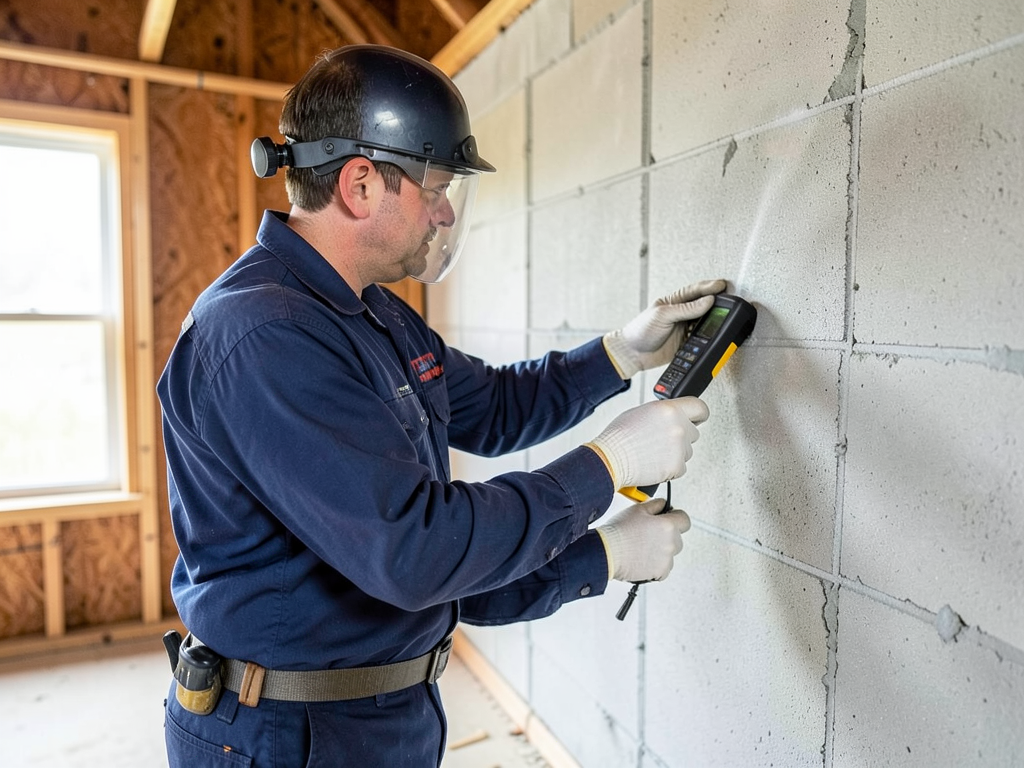
Hidden mold requires specialized detection methods. If you smell mold but cannot locate the source, or if you’ve had recent water damage in areas you cannot access, professional inspection using moisture meters and thermal imaging can identify problems before they worsen.
Insurance considerations matter too. Professional remediation companies can document damage and provide the detailed reports insurance companies require for claims. This documentation proves invaluable when dealing with water damage that led to mold growth. Dealing with a flooded basement in Mount Lebanon without losing your mind.
Professional remediation follows established standards. The IICRC S520 standard governs professional mold remediation, ensuring thorough removal rather than superficial cleaning. Professionals use containment procedures, HEPA filtration, and antimicrobial treatments that DIY methods cannot match.
Protecting Your McKeesport Home from Future Mold Growth
Prevention remains the most effective strategy against mold-related health issues. Implementing moisture control measures can significantly reduce your home’s mold risk.
Humidity control forms the foundation of prevention. Keep indoor humidity between 30-50% using dehumidifiers in basements and other prone areas. In McKeesport’s humid climate, this often requires running dehumidifiers from late spring through early fall.
Proper ventilation prevents moisture accumulation. Use exhaust fans in bathrooms and kitchens, ensure clothes dryers vent to the outside, and consider whole-house ventilation systems if your home feels consistently damp. Pay special attention to attic ventilation, as poor airflow here can lead to condensation and mold growth.
Regular inspections catch problems early. Check basements monthly for water stains, efflorescence (white mineral deposits indicating water intrusion), or musty odors. Inspect roof areas after storms for missing shingles or damaged flashing that could allow water entry. Efflorescence on Concrete.
Address water issues immediately. Even small leaks can support mold growth within days. Fix plumbing leaks promptly, ensure proper grading around your foundation directs water away, and maintain clean gutters and downspouts to prevent water accumulation near your home’s foundation.
Consider professional assessments if you live in an older McKeesport home. Many homes built before 1980 contain materials or construction methods that increase mold risk. Professional inspectors can identify vulnerabilities specific to your home’s age and construction type.
Frequently Asked Questions
How quickly can mold make you sick?
Reactions to mold can occur within hours of exposure for sensitive individuals. Some people develop symptoms immediately upon entering a mold-contaminated environment, while others may take days or weeks of exposure before noticing health effects. The severity and timing depend on individual sensitivity, mold species, and exposure level.
Can mold exposure cause permanent health damage?
While most people recover completely after removing mold exposure, some individuals may develop chronic respiratory conditions or heightened sensitivity. People with pre-existing conditions like asthma may experience long-term effects. Prompt remediation and medical attention minimize the risk of permanent damage.
How do I know if my symptoms are from mold or seasonal allergies?
Mold symptoms persist year-round and often worsen in specific indoor environments, while seasonal allergies typically follow pollen patterns and improve during certain months. If your symptoms don’t follow seasonal patterns or worsen in particular rooms of your home, mold becomes more likely. Professional testing can provide definitive answers.
Should I test my home for mold if I have symptoms?
If you’re experiencing persistent symptoms that improve when away from home, testing becomes worthwhile. However, testing should follow a professional inspection that identifies moisture sources and potential growth areas. Air sampling alone often misses hidden mold, so comprehensive assessment provides better value.
What’s the difference between mold and mildew?
Mildew typically appears as white or gray patches on surfaces and is easier to clean. Mold often grows deeper into materials, appears in various colors including black and green, and can cause more significant structural damage. Both can cause health symptoms, but mold generally poses greater risks.
How much does professional mold remediation cost in Pittsburgh?
Costs vary based on contamination extent, affected materials, and required containment procedures. Small residential jobs might start around $500, while extensive remediation in larger homes can exceed $10,000. Most Pittsburgh remediation companies provide free inspections and estimates to help you understand your specific situation.
If you’re experiencing persistent symptoms that might be related to mold exposure in your McKeesport home, don’t wait for the problem to worsen. Professional assessment can identify hidden issues and protect your family’s health. Call (412) 382-8788 today to schedule your inspection with Pittsburgh’s trusted mold remediation experts.
Remember, mold-related health issues rarely resolve without addressing the source. Taking action now can prevent more serious health complications and protect your home’s value. Your health and peace of mind are worth the investment in professional remediation services. For more information, visit CDC Mold Information.
{
“@context”: “https://schema.org”,
“@type”: “BlogPosting”,
“headline”: “Identifying the health signs of mold exposure in your McKeesport residence”,
“description”: “Learn to recognize mold exposure symptoms common in McKeesport homes. Discover local environmental factors and when to call a Pittsburgh mold remediation expert.”,
“wordCount”: 1900,
“datePublished”: “2026-04-30T06:41:00.000Z”,
“dateModified”: “2026-04-30T06:41:00.000Z”,
“inLanguage”: “en-US”,
“mainEntityOfPage”: {
“@type”: “WebPage”,
“@id”: “https://reliancewaterdamagerestorationpittsburgh.com”
},
“publisher”: {
“@type”: “LocalBusiness”,
“name”: “Reliance Water Damage Restoration Pittsburgh”,
“url”: “https://reliancewaterdamagerestorationpittsburgh.com”
},
“author”: {
“@type”: “Organization”,
“name”: “Reliance Water Damage Restoration Pittsburgh”,
“url”: “https://reliancewaterdamagerestorationpittsburgh.com”
},
“image”: {
“@type”: “ImageObject”,
“url”: “https://reliancewaterdamagerestorationpittsburgh.com/wp-content/uploads/2026/03/identifying-the-health-signs-of-mold-exposure-in-y-1.png”
}
}
{
“@context”: “https://schema.org”,
“@type”: “LocalBusiness”,
“name”: “Reliance Water Damage Restoration Pittsburgh”,
“url”: “https://reliancewaterdamagerestorationpittsburgh.com”,
“address”: {
“@type”: “PostalAddress”,
“addressLocality”: “Pittsburgh”
},
“areaServed”: {
“@type”: “City”,
“name”: “Pittsburgh”
}
}
{
“@context”: “https://schema.org”,
“@type”: “FAQPage”,
“mainEntity”: [
{
“@type”: “Question”,
“name”: “How quickly can mold make you sick?”,
“acceptedAnswer”: {
“@type”: “Answer”,
“text”: “Reactions to mold can occur within hours of exposure for sensitive individuals. Some people develop symptoms immediately upon entering a mold-contaminated environment, while others may take days or weeks of exposure before noticing health effects. The severity and timing depend on individual sensitivity, mold species, and exposure level.”
}
},
{
“@type”: “Question”,
“name”: “Can mold exposure cause permanent health damage?”,
“acceptedAnswer”: {
“@type”: “Answer”,
“text”: “While most people recover completely after removing mold exposure, some individuals may develop chronic respiratory conditions or heightened sensitivity. People with pre-existing conditions like asthma may experience long-term effects. Prompt remediation and medical attention minimize the risk of permanent damage.”
}
},
{
“@type”: “Question”,
“name”: “How do I know if my symptoms are from mold or seasonal allergies?”,
“acceptedAnswer”: {
“@type”: “Answer”,
“text”: “Mold symptoms persist year-round and often worsen in specific indoor environments, while seasonal allergies typically follow pollen patterns and improve during certain months. If your symptoms don’t follow seasonal patterns or worsen in particular rooms of your home, mold becomes more likely. Professional testing can provide definitive answers.”
}
},
{
“@type”: “Question”,
“name”: “Should I test my home for mold if I have symptoms?”,
“acceptedAnswer”: {
“@type”: “Answer”,
“text”: “If you’re experiencing persistent symptoms that improve when away from home, testing becomes worthwhile. However, testing should follow a professional inspection that identifies moisture sources and potential growth areas. Air sampling alone often misses hidden mold, so comprehensive assessment provides better value.”
}
},
{
“@type”: “Question”,
“name”: “What’s the difference between mold and mildew?”,
“acceptedAnswer”: {
“@type”: “Answer”,
“text”: “Mildew typically appears as white or gray patches on surfaces and is easier to clean. Mold often grows deeper into materials, appears in various colors including black and green, and can cause more significant structural damage. Both can cause health symptoms, but mold generally poses greater risks.”
}
},
{
“@type”: “Question”,
“name”: “How much does professional mold remediation cost in Pittsburgh?”,
“acceptedAnswer”: {
“@type”: “Answer”,
“text”: “Costs vary based on contamination extent, affected materials, and required containment procedures. Small residential jobs might start around $500, while extensive remediation in larger homes can exceed $10,000. Most Pittsburgh remediation companies provide free inspections and estimates to help you understand your specific situation.”
}
}
]
}
{
“@context”: “https://schema.org”,
“@type”: “BreadcrumbList”,
“itemListElement”: [
{
“@type”: “ListItem”,
“position”: 1,
“name”: “Home”,
“item”: “https://reliancewaterdamagerestorationpittsburgh.com”
},
{
“@type”: “ListItem”,
“position”: 2,
“name”: “Blog”,
“item”: “https://reliancewaterdamagerestorationpittsburgh.com/blog”
},
{
“@type”: “ListItem”,
“position”: 3,
“name”: “Identifying the health signs of mold exposure in your McKeesport residence”
}
]
}
{
“@context”: “https://schema.org”,
“@type”: “Service”,
“serviceType”: “Water Damage Restoration”,
“provider”: {
“@type”: “LocalBusiness”,
“name”: “Reliance Water Damage Restoration Pittsburgh”,
“url”: “https://reliancewaterdamagerestorationpittsburgh.com”
},
“areaServed”: {
“@type”: “City”,
“name”: “Pittsburgh”
},
“description”: “Learn to recognize mold exposure symptoms common in McKeesport homes. Discover local environmental factors and when to call a Pittsburgh mold remediation expert.”
}