
Preserving the original masonry in Mexican War Streets homes after a water leak
When water infiltrates the historic brick and stone facades of Mexican War Streets homes the damage goes far beyond surface stains. These century-old structures require specialized restoration techniques that honor their architectural integrity while preventing long-term deterioration. This guide explains exactly how to protect and restore your home’s original masonry after water damage strikes. Who to call for emergency water removal in Pittsburgh right now.
Why Mexican War Streets masonry needs special care
The Mexican War Streets neighborhood features some of Pittsburgh’s most distinctive historic architecture. Built primarily between 1860 and 1910 these homes showcase hand-laid brick facades brownstone foundations and decorative stonework that simply cannot be replaced. When water damage occurs the porous nature of these materials creates unique challenges. Expert water damage restoration for businesses in the Pittsburgh Strip District.
Unlike modern construction where water-resistant barriers protect the structure historic masonry absorbs moisture directly. This absorption can lead to efflorescence salt crystallization freeze-thaw damage and mortar deterioration. The freeze-thaw cycles common to Pittsburgh’s climate particularly in zip codes 15222 and 15212 accelerate this deterioration when water becomes trapped in the masonry. Efflorescence on Concrete.
Common water damage sources in historic homes
Historic homes in the Mexican War Streets face specific vulnerabilities. Aging clay sewer lines beneath West North Avenue and Arch Street often develop cracks allowing groundwater to seep upward. The neighborhood’s combined sewer overflow system during heavy rains can back up through foundation drains. Roof leaks around original slate or tin roofing materials create water paths that travel through balloon framing to exterior walls. Why your North Hills basement flooded and how to dry it out fast.
Another frequent culprit involves the original box gutters common in Victorian-era homes. These concealed drainage systems hidden behind cornices can fail catastrophically when debris clogs the outlets. Water then cascades down exterior walls soaking into the soft clay bricks and deteriorating the original lime mortar joints.. Read more about How to save water damaged photos and family heirlooms in your Verona home.
Understanding your masonry materials
Historic Mexican War Streets homes typically feature three distinct masonry types each requiring different restoration approaches. The primary facades often use pressed brick manufactured locally in the late 1800s. These bricks have a softer composition than modern bricks and were laid with lime-based mortar rather than today’s Portland cement.
Brownstone foundations and decorative elements present another challenge. This sedimentary stone from local quarries absorbs water readily and can spall when freeze-thaw cycles cause expansion. The original mortar between stones often contains horsehair for tensile strength a material no longer available.
Finally many homes feature terra cotta decorative elements. These fired clay components become extremely brittle when water-saturated and can crack from minor temperature changes. Understanding these material differences determines whether your restoration succeeds or accelerates deterioration.
Immediate response to water damage
When water damage occurs time becomes your enemy. The first 24 hours determine whether you can save the original masonry or face costly replacement. Begin by stopping the water source whether it’s a roof leak or plumbing failure. Then document everything with photos before any cleanup begins.
Never use pressure washers or harsh chemicals on historic masonry. These methods strip protective mineral deposits and can drive water deeper into the substrate. Instead use soft brushes and pH-neutral cleaners specifically formulated for historic materials. The National Park Service preservation briefs recommend allowing masonry to dry naturally whenever possible to prevent salt crystallization damage. National Park Service preservation briefs.
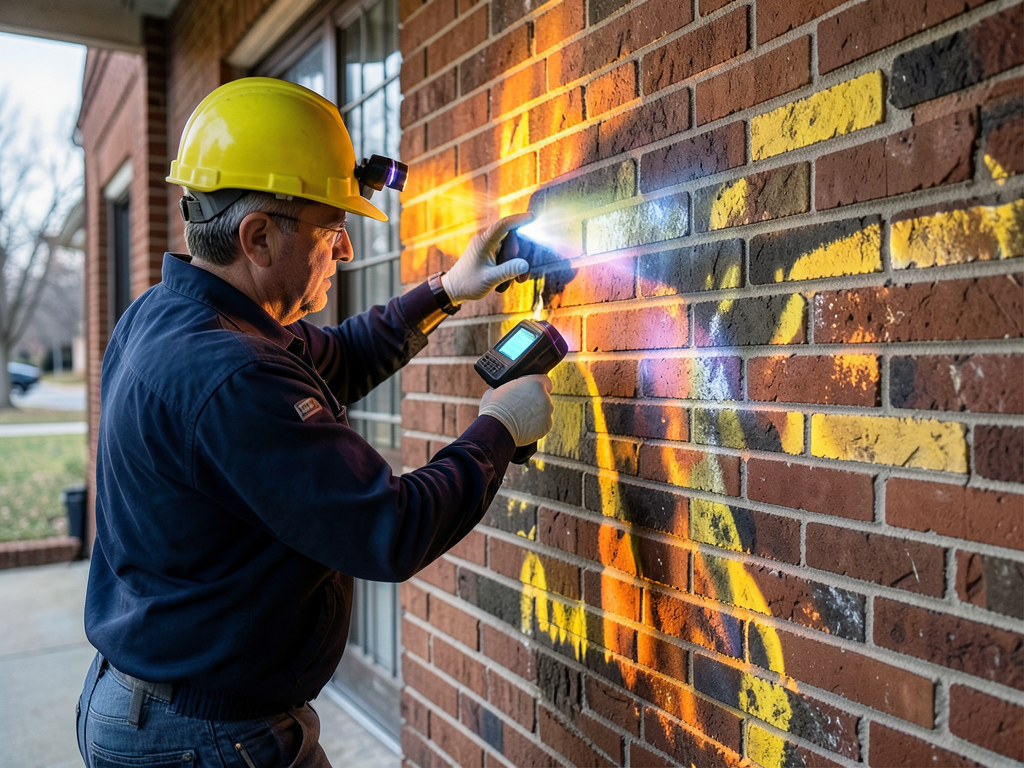
Monitor moisture levels with a moisture meter reading both surface and core moisture. Historic brick can hold moisture for weeks after surface appearance suggests dryness. Core readings above 20% indicate active drying is needed to prevent mold growth and structural weakening. Cleaning up after a kitchen flood in your Fox Chapel home.
Professional restoration techniques
Professional restoration of Mexican War Streets masonry requires specialized knowledge and equipment. The process begins with a thorough assessment using thermal imaging to identify moisture patterns within walls. This technology reveals water migration paths that are invisible to the naked eye.
Drying historic masonry demands controlled evaporation. Rapid drying causes salt crystallization that can destroy brick faces. Professionals use desiccant dehumidifiers and directed air movement to gradually reduce moisture content over several days. The drying rate must match the material’s ability to release water without damage.
Mortar repair presents particular challenges. Modern Portland cement mortar is too hard for soft historic bricks. When these materials contact each other the mortar can actually damage the brick through compression. Restoration requires custom-mixed lime mortar matched to the original composition color and strength.
Efflorescence removal requires careful chemical treatment. These white salt deposits form when water carries dissolved minerals to the surface. Simply washing them away only causes recurrence. Professional treatment neutralizes the salts and addresses the moisture source preventing future crystallization.
Navigating Pittsburgh Historic Review Commission requirements
Any exterior work on Mexican War Streets properties requires approval from the Pittsburgh Historic Review Commission. This includes masonry repairs even when addressing water damage. The commission enforces design guidelines that preserve the neighborhood’s historic character.
Before beginning restoration submit detailed plans showing the proposed work. The commission requires matching original materials whenever possible. This means sourcing bricks from salvage yards or manufacturers specializing in historic reproductions. Mortar must match the original in composition color and tooling pattern.
The commission also reviews cleaning methods. Abrasive cleaning techniques like sandblasting are strictly prohibited as they permanently damage masonry surfaces. Only gentle cleaning methods approved by preservation standards receive approval. Working with a contractor familiar with HRC requirements prevents costly delays and rework.
Preventing future water damage
Prevention proves more cost-effective than restoration. Start with roof maintenance. Original slate roofs require specialized inspection every 5-7 years. Replace damaged slates promptly and ensure flashing remains watertight. The flashing around chimneys and valleys represents common failure points in historic homes.
Foundation drainage plays a crucial role. Many Mexican War Streets homes sit on clay soil that retains water. Install exterior drainage systems that direct water away from foundations. French drains with proper grading can reduce hydrostatic pressure against basement walls by up to 70% according to Penn State Extension research.
Gutter systems require particular attention. Original box gutters need regular cleaning and occasional relining with modern waterproof membranes. This preserves the historic appearance while providing reliable drainage. Ensure downspouts direct water at least 6 feet from foundations to prevent soil saturation.
Insurance considerations for historic homes
Standard homeowners insurance often falls short for historic home restoration. Many policies cover only replacement cost using modern materials. This approach destroys the historic character that makes Mexican War Streets homes valuable.
Consider specialized historic property insurance that covers authentic restoration. These policies account for the higher costs of matching original materials and craftsmanship. They also often include coverage for architectural salvage and custom millwork required for proper restoration.
Document your home’s historic features before damage occurs. This documentation helps establish replacement value for unique elements like stained glass windows original woodwork and custom masonry details. Without this documentation insurance adjusters may underestimate restoration costs by 40-60%.
Choosing the right restoration contractor
Not all contractors understand historic masonry restoration. Look for professionals with specific experience in Pittsburgh’s historic districts. Ask about their familiarity with lime mortar restoration terra cotta repair and slate roofing. Request references from other Mexican War Streets or similar historic projects.
Verify credentials through the National Trust for Historic Preservation or local preservation organizations. Contractors should carry specialized insurance for historic work and understand the permitting requirements for your specific neighborhood. Membership in organizations like the Association for Preservation Technology indicates commitment to proper methods.
Be wary of contractors offering quick fixes or modern solutions for historic problems. Pressure washing chemical cleaning or hard mortar application may seem effective but cause irreversible damage. The right contractor explains why certain methods work and others fail with specific examples from your home’s construction.
Cost factors in historic masonry restoration
Restoration costs vary significantly based on damage extent material requirements and accessibility. Simple mortar repointing might cost $15-25 per square foot while complete facade restoration can exceed $100 per square foot. These costs reflect the specialized labor and materials required for proper historic restoration.
Several factors drive restoration expenses higher than standard repairs. Custom-matched bricks often cost 3-4 times more than standard bricks. Lime mortar mixes require precise formulation and cannot be purchased ready-mixed. Skilled craftsmen familiar with historic techniques command premium wages due to limited availability.
Permit fees for historic properties typically add 5-10% to project costs. The Historic Review Commission review process can extend project timelines by 30-60 days. Factor these considerations into your restoration budget rather than facing unexpected delays and expenses mid-project.
Long-term maintenance strategies
Once restored your masonry requires ongoing maintenance to prevent future water damage. Schedule annual inspections each spring to identify winter damage early. Look for mortar deterioration efflorescence patterns and brick spalling. Early intervention prevents minor issues from becoming major restoration projects.
Maintain detailed records of all work performed including material sources and contractor information. This documentation proves invaluable for future maintenance insurance claims and potential resale. Many successful restorations in the Mexican War Streets include comprehensive maintenance manuals passed between homeowners.
Consider establishing a maintenance fund for your historic home. Setting aside 1-2% of your home’s value annually covers routine maintenance and prepares for unexpected repairs. This proactive approach prevents the financial strain of emergency restoration while protecting your investment in historic architecture.
Preserving Pittsburgh’s architectural heritage
The Mexican War Streets represent more than individual homes. This National Register Historic District embodies Pittsburgh’s architectural evolution and cultural history. Each properly restored home contributes to the neighborhood’s collective character and property values.
Water damage restoration presents an opportunity to preserve this heritage for future generations. By choosing appropriate restoration methods you maintain the architectural integrity that makes the Mexican War Streets unique. Your efforts inspire neighbors and strengthen the entire community’s commitment to preservation.
The specialized knowledge required for historic masonry restoration reflects the value we place on our architectural heritage. When you invest in proper restoration you’re not just fixing a problem you’re preserving a piece of Pittsburgh’s story for decades to come.
Frequently Asked Questions
How can I tell if my historic brick has water damage?
Look for efflorescence white salt deposits surface spalling where brick faces flake off and mortar deterioration. Use a moisture meter to check core moisture levels. Readings above 20% indicate active water infiltration requiring professional assessment.
Can I use modern mortar for historic brick repair?
No modern Portland cement mortar is too hard for soft historic bricks. It can cause brick damage through compression. Use custom-mixed lime mortar matched to your original mortar’s composition strength and color for proper restoration.
How long does historic masonry restoration take?
Simple repointing might require 2-3 days while complete facade restoration can take 4-8 weeks. The process includes assessment drying treatment and curing time. Historic Review Commission approval can add 30-60 days to project timelines.
Will my insurance cover authentic historic restoration?
Standard policies often cover only modern replacement costs. Specialized historic property insurance provides coverage for authentic restoration using original materials and techniques. Document your home’s historic features before damage occurs to establish proper replacement values.
What causes the white powder on my brick foundation?
This efflorescence results from water carrying dissolved salts to the surface. It indicates active moisture problems within the masonry. Professional treatment neutralizes the salts and addresses the moisture source preventing recurrence.
How often should I inspect my historic home’s masonry?
Schedule professional inspections annually each spring to identify winter damage. Also inspect after major storms or flooding events. Early detection of mortar deterioration efflorescence or brick spalling prevents costly restoration projects.
Can I pressure wash my historic brick to clean it?
Never use pressure washing on historic masonry. This method strips protective mineral deposits drives water deeper into the substrate and can cause irreversible damage. Use only soft brushes and pH-neutral cleaners specifically formulated for historic materials.
What makes Mexican War Streets homes architecturally significant?
Built between 1860-1910 these homes showcase distinctive Victorian-era architecture with hand-laid brick facades brownstone foundations and decorative stonework. The neighborhood represents one of Pittsburgh’s most intact historic districts with homes listed on the National Register of Historic Places.
How do I find a contractor experienced with historic masonry?
Look for contractors with specific experience in Pittsburgh’s historic districts. Verify credentials through preservation organizations ask about lime mortar restoration expertise and request references from other Mexican War Streets projects. Membership in preservation technology associations indicates specialized knowledge.
What permits are required for masonry restoration in Mexican War Streets?
All exterior masonry work requires Pittsburgh Historic Review Commission approval. Submit detailed plans showing proposed work including material sources and methods. The commission enforces design guidelines preserving the neighborhood’s historic character and may require multiple review cycles before approval.
- Stop the Water Source
Identify and repair the water infiltration source whether it’s a roof leak plumbing failure or drainage issue. Document the damage with photos before any cleanup begins.
- Assess Moisture Levels
Use moisture meters to check both surface and core moisture content. Readings above 20% indicate active drying is needed. Thermal imaging can reveal hidden moisture patterns within walls.
- Control Drying Process
Never use pressure washers or rapid drying methods. Employ desiccant dehumidifiers and directed air movement to gradually reduce moisture over several days preventing salt crystallization damage.
- Repair with Appropriate Materials
Use custom-mixed lime mortar rather than modern cement for repairs. Source matching bricks from salvage yards or specialty manufacturers. Ensure all work complies with Historic Review Commission guidelines.
- Prevent Future Damage
Install proper drainage systems maintain roof integrity and schedule annual inspections. Consider establishing a maintenance fund for ongoing preservation of your historic masonry investment.

Water damage in historic homes requires immediate professional attention to prevent irreversible damage to irreplaceable masonry. The Mexican War Streets’ unique architectural heritage deserves specialized restoration techniques that honor original craftsmanship while providing modern protection.
Don’t let water damage destroy your home’s historic character. Call (412) 382-8788 today to schedule your inspection. Our team understands the unique challenges of preserving Pittsburgh’s historic architecture and can develop a restoration plan that protects your investment while meeting all Historic Review Commission requirements.
Pick up the phone and call (412) 382-8788 before the next storm hits. Every hour of delay allows water to penetrate deeper causing more extensive and expensive damage to your home’s original masonry. For more information, visit IICRC S500 water damage restoration standards.
You may also find this helpful. How to tell if your Polish Hill home has plaster or drywall damage after a leak.
{
“@context”: “https://schema.org”,
“@type”: “BlogPosting”,
“headline”: “Preserving the original masonry in Mexican War Streets homes after a water leak”,
“description”: “Protect your historic Pittsburgh home’s original masonry after water damage. Learn specialized restoration techniques for the Mexican War Streets’ unique brick and stone structures.”,
“wordCount”: 2410,
“datePublished”: “2026-04-12T06:52:00.000Z”,
“dateModified”: “2026-04-12T06:52:00.000Z”,
“inLanguage”: “en-US”,
“mainEntityOfPage”: {
“@type”: “WebPage”,
“@id”: “https://reliancewaterdamagerestorationpittsburgh.com”
},
“publisher”: {
“@type”: “LocalBusiness”,
“name”: “Reliance Water Damage Restoration Pittsburgh”,
“url”: “https://reliancewaterdamagerestorationpittsburgh.com”
},
“author”: {
“@type”: “Organization”,
“name”: “Reliance Water Damage Restoration Pittsburgh”,
“url”: “https://reliancewaterdamagerestorationpittsburgh.com”
},
“image”: {
“@type”: “ImageObject”,
“url”: “https://reliancewaterdamagerestorationpittsburgh.com/wp-content/uploads/2026/03/preserving-the-original-masonry-in-mexican-war-str-1.png”
}
}
{
“@context”: “https://schema.org”,
“@type”: “LocalBusiness”,
“name”: “Reliance Water Damage Restoration Pittsburgh”,
“url”: “https://reliancewaterdamagerestorationpittsburgh.com”,
“address”: {
“@type”: “PostalAddress”,
“addressLocality”: “Pittsburgh”
},
“areaServed”: {
“@type”: “City”,
“name”: “Pittsburgh”
}
}
{
“@context”: “https://schema.org”,
“@type”: “FAQPage”,
“mainEntity”: [
{
“@type”: “Question”,
“name”: “How can I tell if my historic brick has water damage?”,
“acceptedAnswer”: {
“@type”: “Answer”,
“text”: “Look for efflorescence white salt deposits surface spalling where brick faces flake off and mortar deterioration. Use a moisture meter to check core moisture levels. Readings above 20% indicate active water infiltration requiring professional assessment.”
}
},
{
“@type”: “Question”,
“name”: “Can I use modern mortar for historic brick repair?”,
“acceptedAnswer”: {
“@type”: “Answer”,
“text”: “No modern Portland cement mortar is too hard for soft historic bricks. It can cause brick damage through compression. Use custom-mixed lime mortar matched to your original mortar’s composition strength and color for proper restoration.”
}
},
{
“@type”: “Question”,
“name”: “How long does historic masonry restoration take?”,
“acceptedAnswer”: {
“@type”: “Answer”,
“text”: “Simple repointing might require 2-3 days while complete facade restoration can take 4-8 weeks. The process includes assessment drying treatment and curing time. Historic Review Commission approval can add 30-60 days to project timelines.”
}
},
{
“@type”: “Question”,
“name”: “Will my insurance cover authentic historic restoration?”,
“acceptedAnswer”: {
“@type”: “Answer”,
“text”: “Standard policies often cover only modern replacement costs. Specialized historic property insurance provides coverage for authentic restoration using original materials and techniques. Document your home’s historic features before damage occurs to establish proper replacement values.”
}
},
{
“@type”: “Question”,
“name”: “What causes the white powder on my brick foundation?”,
“acceptedAnswer”: {
“@type”: “Answer”,
“text”: “This efflorescence results from water carrying dissolved salts to the surface. It indicates active moisture problems within the masonry. Professional treatment neutralizes the salts and addresses the moisture source preventing recurrence.”
}
},
{
“@type”: “Question”,
“name”: “How often should I inspect my historic home’s masonry?”,
“acceptedAnswer”: {
“@type”: “Answer”,
“text”: “Schedule professional inspections annually each spring to identify winter damage. Also inspect after major storms or flooding events. Early detection of mortar deterioration efflorescence or brick spalling prevents costly restoration projects.”
}
},
{
“@type”: “Question”,
“name”: “Can I pressure wash my historic brick to clean it?”,
“acceptedAnswer”: {
“@type”: “Answer”,
“text”: “Never use pressure washing on historic masonry. This method strips protective mineral deposits drives water deeper into the substrate and can cause irreversible damage. Use only soft brushes and pH-neutral cleaners specifically formulated for historic materials.”
}
},
{
“@type”: “Question”,
“name”: “What makes Mexican War Streets homes architecturally significant?”,
“acceptedAnswer”: {
“@type”: “Answer”,
“text”: “Built between 1860-1910 these homes showcase distinctive Victorian-era architecture with hand-laid brick facades brownstone foundations and decorative stonework. The neighborhood represents one of Pittsburgh’s most intact historic districts with homes listed on the National Register of Historic Places.”
}
},
{
“@type”: “Question”,
“name”: “How do I find a contractor experienced with historic masonry?”,
“acceptedAnswer”: {
“@type”: “Answer”,
“text”: “Look for contractors with specific experience in Pittsburgh’s historic districts. Verify credentials through preservation organizations ask about lime mortar restoration expertise and request references from other Mexican War Streets projects. Membership in preservation technology associations indicates specialized knowledge.”
}
},
{
“@type”: “Question”,
“name”: “What permits are required for masonry restoration in Mexican War Streets?”,
“acceptedAnswer”: {
“@type”: “Answer”,
“text”: “All exterior masonry work requires Pittsburgh Historic Review Commission approval. Submit detailed plans showing proposed work including material sources and methods. The commission enforces design guidelines preserving the neighborhood’s historic character and may require multiple review cycles before approval.”
}
}
]
}
{
“@context”: “https://schema.org”,
“@type”: “HowTo”,
“name”: “How to Preserve Historic Masonry After Water Damage”,
“step”: [
{
“@type”: “HowToStep”,
“position”: 1,
“name”: “Stop the Water Source”,
“text”: “Identify and repair the water infiltration source whether it’s a roof leak plumbing failure or drainage issue. Document the damage with photos before any cleanup begins.”
},
{
“@type”: “HowToStep”,
“position”: 2,
“name”: “Assess Moisture Levels”,
“text”: “Use moisture meters to check both surface and core moisture content. Readings above 20% indicate active drying is needed. Thermal imaging can reveal hidden moisture patterns within walls.”
},
{
“@type”: “HowToStep”,
“position”: 3,
“name”: “Control Drying Process”,
“text”: “Never use pressure washers or rapid drying methods. Employ desiccant dehumidifiers and directed air movement to gradually reduce moisture over several days preventing salt crystallization damage.”
},
{
“@type”: “HowToStep”,
“position”: 4,
“name”: “Repair with Appropriate Materials”,
“text”: “Use custom-mixed lime mortar rather than modern cement for repairs. Source matching bricks from salvage yards or specialty manufacturers. Ensure all work complies with Historic Review Commission guidelines.”
},
{
“@type”: “HowToStep”,
“position”: 5,
“name”: “Prevent Future Damage”,
“text”: “Install proper drainage systems maintain roof integrity and schedule annual inspections. Consider establishing a maintenance fund for ongoing preservation of your historic masonry investment.”
}
],
“image”: “https://reliancewaterdamagerestorationpittsburgh.com/wp-content/uploads/2026/03/preserving-the-original-masonry-in-mexican-war-str-1.png”
}
{
“@context”: “https://schema.org”,
“@type”: “BreadcrumbList”,
“itemListElement”: [
{
“@type”: “ListItem”,
“position”: 1,
“name”: “Home”,
“item”: “https://reliancewaterdamagerestorationpittsburgh.com”
},
{
“@type”: “ListItem”,
“position”: 2,
“name”: “Blog”,
“item”: “https://reliancewaterdamagerestorationpittsburgh.com/blog”
},
{
“@type”: “ListItem”,
“position”: 3,
“name”: “Preserving the original masonry in Mexican War Streets homes after a water leak”
}
]
}
{
“@context”: “https://schema.org”,
“@type”: “Service”,
“serviceType”: “Water Damage Restoration”,
“provider”: {
“@type”: “LocalBusiness”,
“name”: “Reliance Water Damage Restoration Pittsburgh”,
“url”: “https://reliancewaterdamagerestorationpittsburgh.com”
},
“areaServed”: {
“@type”: “City”,
“name”: “Pittsburgh”
},
“description”: “Protect your historic Pittsburgh home’s original masonry after water damage. Learn specialized restoration techniques for the Mexican War Streets’ unique brick and stone structures.”
}