
Restoring vs replacing furniture after water damage in Point Breeze
Water damage to furniture in Point Breeze homes often happens during heavy storms or plumbing failures common in Pittsburgh’s aging infrastructure. The decision to restore or replace depends on the water exposure time, material type, and contamination level. Solid wood pieces exposed to clean water for under 48 hours can usually be saved with proper drying and refinishing. Upholstered items from contaminated sources or those soaked for days typically need replacement due to mold risks. Point Breeze’s high humidity and older home construction mean moisture can linger in hidden areas, making professional assessment critical before deciding the fate of your furniture. Who to call for emergency water removal in Pittsburgh right now.
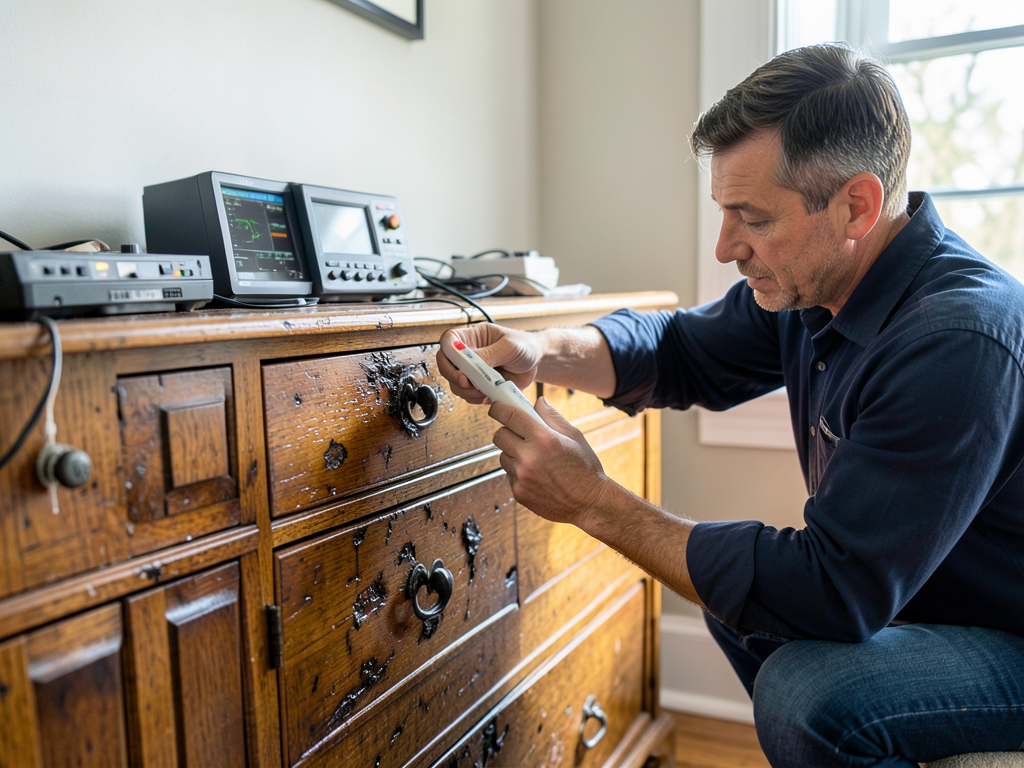
Material-specific restoration success rates in Point Breeze
Solid hardwood furniture shows the highest restoration success rate in Point Breeze homes, with about 85% of pieces salvageable if treated within 48 hours. Oak, maple, and cherry respond well to controlled drying because their dense grain resists warping when moisture is removed gradually. Veneer furniture tells a different story – the thin decorative layer often delaminates when water penetrates the glue underneath, making restoration less reliable. Upholstered furniture success depends entirely on water category: clean water from a supply line break gives about a 70% restoration chance, while sewage-contaminated water drops that to near zero due to health hazards. Expert water damage restoration for businesses in the Pittsburgh Strip District.
Time-sensitive factors that determine furniture salvageability
The first 24-48 hours after water exposure create a critical window for furniture restoration. During this period, wood fibers haven’t yet warped permanently, and mold spores haven’t established deep colonies in fabric or padding. Point Breeze’s humid summer air slows natural drying, which actually helps prevent rapid warping but also extends the mold risk window. A dining table exposed to clean water for 12 hours might need only surface refinishing, while the same table left wet for 72 hours could require complete disassembly and rebuilding of joints. The water source matters too – clean water from a broken pipe poses far fewer risks than river water that may contain bacteria and silt. Cleaning up after a kitchen flood in your Fox Chapel home.
Point Breeze climate challenges for furniture restoration
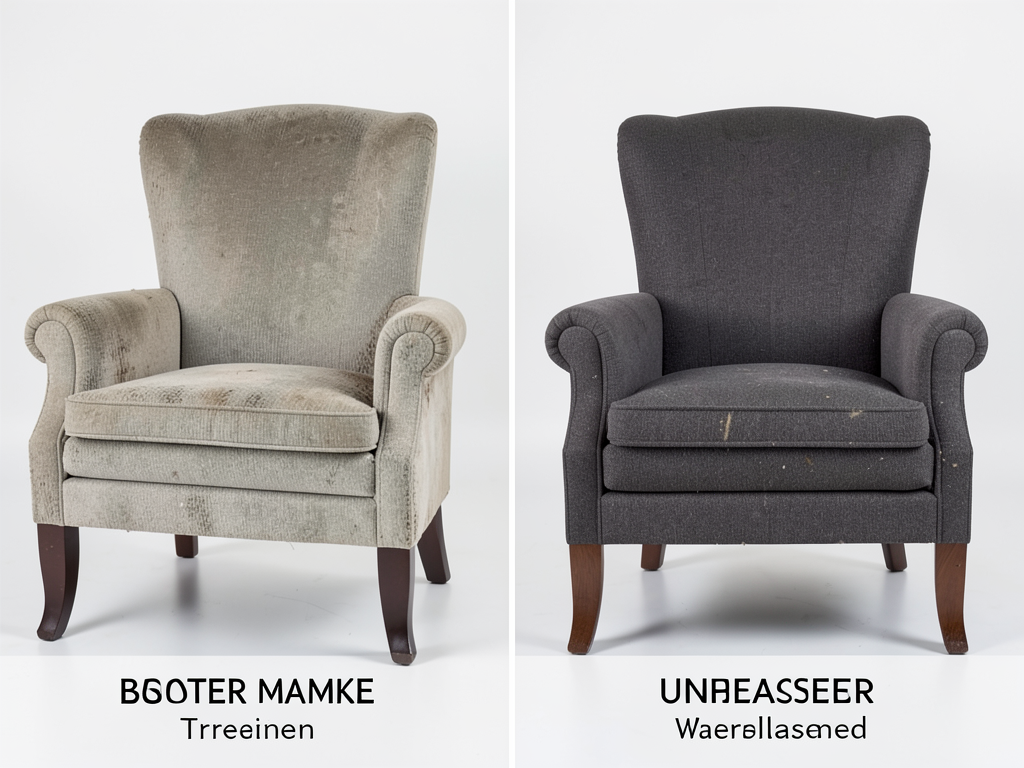
Point Breeze’s location in Pittsburgh’s East End creates specific restoration challenges due to the area’s combination of older housing stock and climate patterns. Many homes near Frick Park were built before 1940 with solid wood construction that absorbs moisture readily. The neighborhood’s elevation changes mean some basements flood more frequently than others, exposing furniture to repeated water events. Summer humidity often exceeds 80%, which slows drying times and increases mold growth risk during restoration. Winter freeze-thaw cycles can cause hidden plumbing leaks that damage furniture slowly over months before discovery. These local factors mean restoration timelines must account for Point Breeze’s specific environmental conditions rather than generic restoration schedules.
Cost comparison: restoration vs replacement in Pittsburgh market
| Furniture Type | Restoration Cost Range | Replacement Cost Range | Restoration Success Rate |
|---|---|---|---|
| Solid Wood Table | $300-$800 | $800-$2,500 | 85% |
| Upholstered Chair | $150-$400 | $400-$1,200 | 70% (clean water) |
| Veneer Dresser | $200-$600 | $600-$1,800 | 40% |
| Leather Sofa | $250-$700 | $1,200-$3,000 | 65% |
Insurance considerations for furniture water damage claims
Most homeowners insurance policies in Point Breeze cover sudden water damage to furniture but exclude gradual damage or flood events. The policy’s personal property coverage limit often determines whether restoration or replacement makes more sense financially. For a $2,000 deductible, restoring a $1,500 dresser might be better than filing a claim that could increase future premiums. Insurance adjusters typically require detailed documentation including photos, receipts, and professional restoration estimates before approving claims. Some Point Breeze residents discover their older furniture’s actual cash value is much lower than sentimental value, making restoration worthwhile even without full insurance coverage.
Professional restoration process for water-damaged furniture
- Emergency Assessment
Technicians evaluate water category, exposure time, and material composition within 2 hours of arrival. This determines whether restoration is viable or if health risks require immediate disposal.
- Contents Manipulation
Moveable items are relocated to dry areas or packed out entirely. Furniture too heavy to move gets blocked up on foam blocks to allow air circulation underneath.
- Moisture Mapping
Using moisture meters and thermal imaging, technicians identify hidden water pockets in wood joints and upholstery padding that aren’t visible to the naked eye.
- Controlled Drying
Specialized drying chambers maintain 40-50% relative humidity while air movers circulate dry air across furniture surfaces. This prevents the rapid drying that causes wood checking and veneer separation. EPA mold guidelines.
- Sanitization Treatment
EPA-registered antimicrobials treat all surfaces to prevent mold growth. Upholstered items receive HEPA vacuuming and steam cleaning at temperatures that kill bacteria without damaging fabrics.
- Refinishing and Restoration
Wood pieces get sanded, stained, and sealed to match original finishes. Upholstery may require new padding or fabric replacement depending on damage extent.
When replacement becomes the only option
Certain water damage scenarios make furniture replacement inevitable regardless of cost considerations. Category 3 water (sewage, floodwater, or water with fecal contamination) introduces pathogens that penetrate deep into porous materials. MDF and particleboard furniture swell irreversibly when wet, with the pressed wood fibers breaking apart at the glue joints. Antique pieces with significant monetary or historical value might justify restoration even with lower success rates, but mass-produced furniture from the past 20 years rarely justifies restoration costs. The presence of mold visible to the naked eye on soft surfaces almost always means replacement is safer and more cost-effective than attempting restoration.
DIY triage steps for Point Breeze residents
Before professional help arrives, Point Breeze residents can take immediate steps to improve furniture restoration chances. Remove wet items from carpeted areas to prevent color bleeding and further moisture absorption. Prop up wooden legs using aluminum foil or plastic blocks to prevent carpet staining and allow air circulation. If weather permits, move salvageable items to a garage or covered porch where humidity is lower than inside a flooded home. Document everything with photos for insurance purposes before moving anything. Do not attempt to power wash or scrub items – this can drive contaminants deeper into materials and reduce restoration success rates. Dealing with a flooded basement in Mount Lebanon without losing your mind.
Local Point Breeze restoration expertise matters
Point Breeze’s specific challenges require restoration technicians familiar with the neighborhood’s housing stock and climate patterns. Many homes near Wilkins Avenue feature plaster walls that hold moisture longer than drywall, affecting adjacent furniture. The area’s mature tree canopy creates shade that slows evaporation in some properties. Local technicians understand that Point Breeze homes often have finished basements where water spreads quickly across multiple rooms before detection. This neighborhood-specific knowledge means restoration plans account for local building methods, typical water intrusion points, and the specific humidity patterns that affect drying times in this part of Pittsburgh.
Preventing future furniture water damage in Point Breeze
Point Breeze residents can reduce future furniture water damage risks through several preventative measures. Installing water leak detectors near washing machines and water heaters provides early warning of supply line failures. Elevating furniture on blocks or casters in basement recreation areas prevents minor flooding from reaching finished surfaces. Regular inspection of plumbing connections, especially in homes over 50 years old, catches small leaks before they cause major damage. During heavy rain seasons, checking basement windows and foundation walls for seepage can prevent water from reaching stored furniture. These simple steps cost far less than restoration or replacement of water-damaged pieces.
Frequently Asked Questions
How long can furniture sit in water before it’s ruined?
Most furniture can survive 24-48 hours in clean water if properly dried afterward. After 72 hours, wood warping becomes permanent and mold growth accelerates rapidly. Contaminated water reduces this safe window to under 24 hours due to health risks.
Can mold be completely removed from upholstered furniture?
Surface mold on upholstery can be treated if caught early, but mold that has penetrated foam or fabric padding usually requires replacement of those components. Severe mold infestations in upholstered furniture typically make restoration impractical.
Will my insurance cover furniture restoration costs?
Most homeowners policies cover sudden, accidental water damage to personal property including furniture. Coverage depends on your policy’s personal property limits and whether the damage source is covered. Gradual damage and flood events typically require separate coverage.
Is it worth restoring antique furniture after water damage?
Antique furniture often justifies restoration due to its monetary and historical value, even when success rates are lower. The decision depends on the piece’s worth, extent of damage, and whether restoration would preserve or decrease its value to collectors.
Water-damaged furniture in Point Breeze requires quick, informed decisions about restoration versus replacement. The neighborhood’s specific climate, housing stock, and water damage patterns mean generic restoration advice often falls short. Professional assessment within the first 48 hours provides the best chance for saving valuable pieces while ensuring health and safety. Don’t wait until mold spreads or wood warps permanently – call (412) 382-8788 today to schedule your inspection and get expert guidance on whether your furniture can be saved. For more information, visit IICRC certification standards.
{
“@context”: “https://schema.org”,
“@type”: “BlogPosting”,
“headline”: “Restoring vs replacing furniture after water damage in Point Breeze”,
“description”: “Point Breeze furniture restoration guide. Learn when to save or replace water-damaged pieces in Pittsburgh’s humid climate. Call (412) 382-8788 for expert help.”,
“wordCount”: 1522,
“datePublished”: “2026-03-12T10:36:00.000Z”,
“dateModified”: “2026-03-12T10:36:00.000Z”,
“inLanguage”: “en-US”,
“mainEntityOfPage”: {
“@type”: “WebPage”,
“@id”: “https://reliancewaterdamagerestorationpittsburgh.com”
},
“publisher”: {
“@type”: “LocalBusiness”,
“name”: “Reliance Water Damage Restoration Pittsburgh”,
“url”: “https://reliancewaterdamagerestorationpittsburgh.com”
},
“author”: {
“@type”: “Organization”,
“name”: “Reliance Water Damage Restoration Pittsburgh”,
“url”: “https://reliancewaterdamagerestorationpittsburgh.com”
},
“image”: {
“@type”: “ImageObject”,
“url”: “https://reliancewaterdamagerestorationpittsburgh.com/wp-content/uploads/2026/03/restoring-vs-replacing-furniture-after-water-damag-1.png”
}
}
{
“@context”: “https://schema.org”,
“@type”: “LocalBusiness”,
“name”: “Reliance Water Damage Restoration Pittsburgh”,
“url”: “https://reliancewaterdamagerestorationpittsburgh.com”,
“address”: {
“@type”: “PostalAddress”,
“addressLocality”: “Pittsburgh”
},
“areaServed”: {
“@type”: “City”,
“name”: “Pittsburgh”
}
}
{
“@context”: “https://schema.org”,
“@type”: “FAQPage”,
“mainEntity”: [
{
“@type”: “Question”,
“name”: “How long can furniture sit in water before it’s ruined?”,
“acceptedAnswer”: {
“@type”: “Answer”,
“text”: “Most furniture can survive 24-48 hours in clean water if properly dried afterward. After 72 hours, wood warping becomes permanent and mold growth accelerates rapidly. Contaminated water reduces this safe window to under 24 hours due to health risks.”
}
},
{
“@type”: “Question”,
“name”: “Can mold be completely removed from upholstered furniture?”,
“acceptedAnswer”: {
“@type”: “Answer”,
“text”: “Surface mold on upholstery can be treated if caught early, but mold that has penetrated foam or fabric padding usually requires replacement of those components. Severe mold infestations in upholstered furniture typically make restoration impractical.”
}
},
{
“@type”: “Question”,
“name”: “Will my insurance cover furniture restoration costs?”,
“acceptedAnswer”: {
“@type”: “Answer”,
“text”: “Most homeowners policies cover sudden, accidental water damage to personal property including furniture. Coverage depends on your policy’s personal property limits and whether the damage source is covered. Gradual damage and flood events typically require separate coverage.”
}
},
{
“@type”: “Question”,
“name”: “Is it worth restoring antique furniture after water damage?”,
“acceptedAnswer”: {
“@type”: “Answer”,
“text”: “Antique furniture often justifies restoration due to its monetary and historical value, even when success rates are lower. The decision depends on the piece’s worth, extent of damage, and whether restoration would preserve or decrease its value to collectors.”
}
}
]
}
{
“@context”: “https://schema.org”,
“@type”: “HowTo”,
“name”: “Professional Furniture Restoration Process”,
“step”: [
{
“@type”: “HowToStep”,
“position”: 1,
“name”: “Emergency Assessment”,
“text”: “Technicians evaluate water category, exposure time, and material composition within 2 hours of arrival. This determines whether restoration is viable or if health risks require immediate disposal.”
},
{
“@type”: “HowToStep”,
“position”: 2,
“name”: “Contents Manipulation”,
“text”: “Moveable items are relocated to dry areas or packed out entirely. Furniture too heavy to move gets blocked up on foam blocks to allow air circulation underneath.”
},
{
“@type”: “HowToStep”,
“position”: 3,
“name”: “Moisture Mapping”,
“text”: “Using moisture meters and thermal imaging, technicians identify hidden water pockets in wood joints and upholstery padding that aren’t visible to the naked eye.”
},
{
“@type”: “HowToStep”,
“position”: 4,
“name”: “Controlled Drying”,
“text”: “Specialized drying chambers maintain 40-50% relative humidity while air movers circulate dry air across furniture surfaces. This prevents the rapid drying that causes wood checking and veneer separation. EPA mold guidelines.”
},
{
“@type”: “HowToStep”,
“position”: 5,
“name”: “Sanitization Treatment”,
“text”: “EPA-registered antimicrobials treat all surfaces to prevent mold growth. Upholstered items receive HEPA vacuuming and steam cleaning at temperatures that kill bacteria without damaging fabrics.”
},
{
“@type”: “HowToStep”,
“position”: 6,
“name”: “Refinishing and Restoration”,
“text”: “Wood pieces get sanded, stained, and sealed to match original finishes. Upholstery may require new padding or fabric replacement depending on damage extent.”
}
],
“image”: “https://reliancewaterdamagerestorationpittsburgh.com/wp-content/uploads/2026/03/restoring-vs-replacing-furniture-after-water-damag-1.png”
}
{
“@context”: “https://schema.org”,
“@type”: “BreadcrumbList”,
“itemListElement”: [
{
“@type”: “ListItem”,
“position”: 1,
“name”: “Home”,
“item”: “https://reliancewaterdamagerestorationpittsburgh.com”
},
{
“@type”: “ListItem”,
“position”: 2,
“name”: “Blog”,
“item”: “https://reliancewaterdamagerestorationpittsburgh.com/blog”
},
{
“@type”: “ListItem”,
“position”: 3,
“name”: “Restoring vs replacing furniture after water damage in Point Breeze”
}
]
}
{
“@context”: “https://schema.org”,
“@type”: “Service”,
“serviceType”: “Water Damage Restoration”,
“provider”: {
“@type”: “LocalBusiness”,
“name”: “Reliance Water Damage Restoration Pittsburgh”,
“url”: “https://reliancewaterdamagerestorationpittsburgh.com”
},
“areaServed”: {
“@type”: “City”,
“name”: “Pittsburgh”
},
“description”: “Point Breeze furniture restoration guide. Learn when to save or replace water-damaged pieces in Pittsburgh’s humid climate. Call (412) 382-8788 for expert help.”
}