The big mistake of using bleach to kill mold in your Pittsburgh home
Mold thrives in Pittsburgh’s humid climate, especially in basements and crawl spaces where moisture lingers. Many homeowners reach for a bottle of bleach when they spot those black or green patches, thinking it’s the fastest way to kill mold. The truth is more complicated. Bleach can kill mold on hard, non-porous surfaces like glass or tile, but on porous materials like drywall, wood, or concrete block, it often does more harm than good. Efflorescence on Concrete.
When bleach is applied to porous surfaces, its sodium hypochlorite solution cannot penetrate deep enough to reach the mold’s root system. Instead, it only kills what’s on the surface. The water in the bleach then soaks into the material, providing the very moisture mold needs to grow back stronger. This creates a frustrating cycle where mold returns days or weeks later, often spreading deeper into the structure. Who to call for emergency water removal in Pittsburgh right now.
Pittsburgh’s climate makes this problem worse. Our city sits in a river valley with high humidity levels, especially during summer months. Combined with older homes that often have basement moisture issues, mold can become a persistent problem. Using bleach in these conditions is like trying to put out a fire with gasoline—it feeds the problem instead of solving it.
How bleach actually affects mold growth
Understanding what happens when bleach contacts mold helps explain why it fails on porous surfaces. Bleach contains about 5.25% sodium hypochlorite, which is effective at killing many microorganisms on non-porous surfaces. However, mold grows in a network of thread-like structures called hyphae that extend deep into porous materials.. Read more about What happens to your Homewood home after the fire department leaves.
When bleach is sprayed on mold growing on drywall or wood, it kills only the surface growth. The hyphae underneath remain alive and ready to regrow. Meanwhile, the 95% water content in household bleach penetrates the material, creating a damp environment perfect for mold regrowth. Within days, you’ll see the mold return, often looking worse than before. Expert water damage restoration for businesses in the Pittsburgh Strip District.
This phenomenon is particularly problematic in Pittsburgh basements where humidity levels often exceed 60% during summer months. The combination of bleach application and natural humidity creates ideal conditions for mold to flourish. Many homeowners report seeing mold return within a week of using bleach, sometimes with increased coverage.
The chemical reaction also produces volatile organic compounds (VOCs) that can irritate lungs and eyes. For people with asthma or allergies, these fumes can trigger respiratory issues. In enclosed basement spaces, these vapors can concentrate to uncomfortable levels.
Health risks of using bleach for mold remediation
Beyond its ineffectiveness on porous surfaces, bleach poses several health risks when used for mold removal. The strong fumes can cause immediate symptoms like coughing, watery eyes, and throat irritation. These effects are worse in poorly ventilated spaces like basements.
Another serious concern is the risk of chemical reactions. Many Pittsburgh homes have multiple cleaning products under the sink. If ammonia-based cleaners are present and accidentally mixed with bleach, they create toxic chloramine gases. These gases can cause severe respiratory distress and, in extreme cases, be life-threatening. Cleaning up after a kitchen flood in your Fox Chapel home.
Professional mold remediators follow strict safety protocols because disturbing mold releases spores into the air. When homeowners use bleach, they often scrub aggressively to remove visible mold, which aerosolizes spores. Without proper containment and filtration, these spores spread throughout the home, potentially causing cross-contamination to other rooms.
The Environmental Protection Agency (EPA) recommends against using bleach for mold remediation on porous materials. According to EPA guidelines, porous materials with extensive mold growth should be removed and replaced rather than cleaned. This is especially true for materials like ceiling tiles, carpet, and drywall that have absorbed moisture. EPA Mold Resources.
Pittsburgh’s climate and mold growth patterns
Pittsburgh’s unique geography creates perfect conditions for mold growth. The city’s location in a river valley means we experience high humidity levels, particularly during July and August when average relative humidity often exceeds 70%. This moisture in the air settles on cool basement walls and floors, creating condensation.
Older Pittsburgh homes, especially those built before 1950 in neighborhoods like Lawrenceville or Bloomfield, often have foundation issues. Many were constructed with porous materials like concrete block or brick that allow moisture to seep through. When combined with our humid summers, these materials become breeding grounds for mold.
Winter brings different challenges. Freeze-thaw cycles cause foundation cracks to expand, allowing more moisture intrusion. When spring arrives with its heavy rains, water finds its way through these cracks. The temperature differential between cold basements and warmer upper floors also creates condensation on basement walls.
According to data from the Western Pennsylvania Conservancy, Pittsburgh receives an average of 38 inches of rain annually, with most falling during spring and summer months. This precipitation, combined with our clay-heavy soil that drains poorly, means many basements experience moisture issues throughout the year.
Better alternatives to bleach for mold removal
Several alternatives to bleach are more effective for mold removal, especially on porous surfaces. White vinegar, which contains acetic acid, can penetrate porous materials and kill many types of mold. Unlike bleach, vinegar’s acidic nature helps prevent regrowth by creating an inhospitable environment for mold spores.
Hydrogen peroxide (3% solution) is another effective option. It kills mold through oxidation and breaks down into water and oxygen, leaving no harmful residues. For small mold patches on porous surfaces, spray hydrogen peroxide directly on the affected area and let it sit for 10 minutes before wiping.
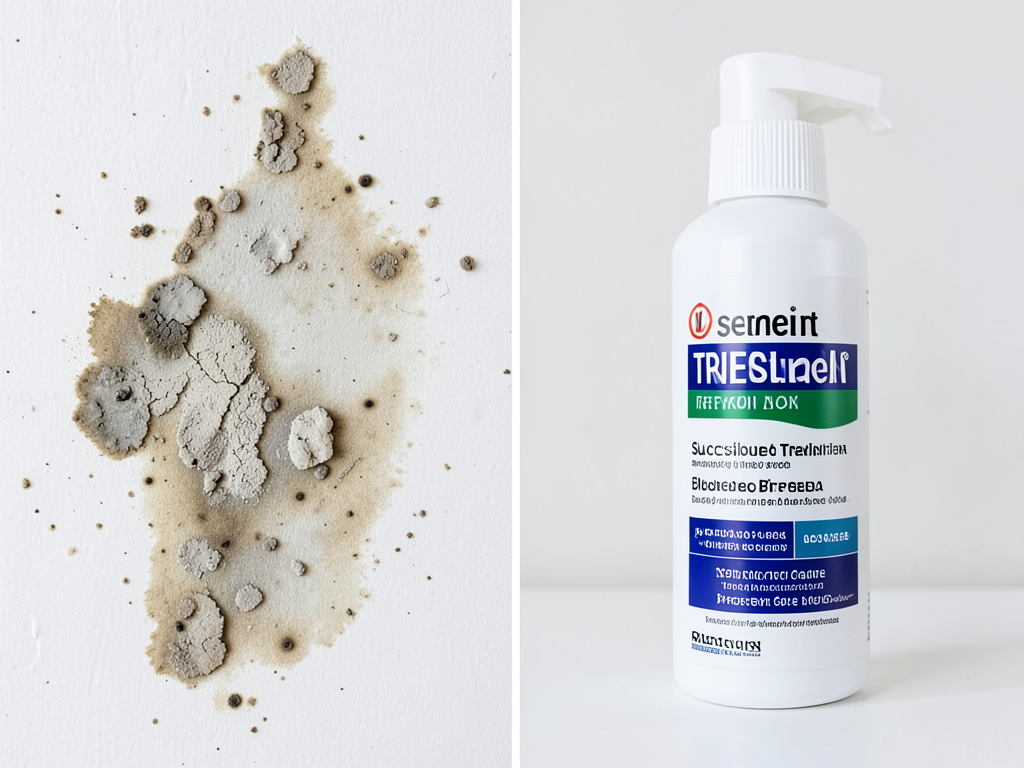
For more serious mold problems, professional-grade solutions exist that are both effective and safe. These include EPA-registered antimicrobials specifically formulated to kill mold and prevent regrowth. These products contain surfactants that help them penetrate porous surfaces and reach mold roots.
Concrobium Mold Control is one such product that’s gained popularity among professionals and DIYers alike. It works by crushing mold spores as it dries and leaves an invisible antimicrobial barrier to prevent future growth. Unlike bleach, it doesn’t contain volatile organic compounds and is safe for use around children and pets.
For Pittsburgh homeowners dealing with recurring mold issues, addressing the moisture source is crucial. This might mean installing a dehumidifier, improving basement ventilation, or fixing foundation cracks. Without solving the underlying moisture problem, any cleaning effort becomes a temporary fix. Dealing with a flooded basement in Mount Lebanon without losing your mind.
When to call a Pittsburgh mold remediation professional
The EPA recommends calling a professional if mold covers more than 10 square feet or if it’s in your HVAC system. In Pittsburgh, where many homes have older heating systems and ductwork, professional assessment is often wise even for smaller areas.
Certain mold types require professional handling regardless of size. Stachybotrys chartarum, commonly known as black mold, produces mycotoxins that can cause serious health issues. This mold typically grows on materials with high cellulose content that have been wet for extended periods.
Professional mold remediators follow the IICRC S520 standard for mold remediation. This standard outlines specific procedures for containment, air filtration, and removal that prevent cross-contamination. Professionals use HEPA filtration systems that capture 99.97% of particles 0.3 microns or larger, including mold spores. IICRC S520 Standard.
In Pittsburgh, many mold issues stem from water damage that wasn’t properly dried. After a basement flood or plumbing leak, moisture can remain trapped in wall cavities or under flooring for weeks. This hidden moisture allows mold to grow undetected until it becomes a major problem.
If you notice a persistent musty odor, see discoloration on walls or ceilings, or experience unexplained allergic symptoms that improve when you leave your home, these could indicate hidden mold growth. Professional inspection using moisture meters and thermal imaging can detect problems before they become visible.
Preventing mold growth in Pittsburgh homes
Prevention is always better than remediation. For Pittsburgh homeowners, this means controlling indoor humidity levels, especially during summer months. The ideal indoor humidity level is between 30-50%. Using a dehumidifier in basements can maintain these levels and discourage mold growth.
Proper ventilation is crucial. Bathroom exhaust fans should vent directly outside, not into attics or crawl spaces. Kitchen range hoods should also vent outdoors. In basements, consider installing a ventilation system or using fans to circulate air and reduce moisture buildup.
Regular maintenance can prevent many mold issues. Clean gutters and downspouts to ensure water drains away from your foundation. Grade soil around your home so it slopes away from the foundation. Check for and repair plumbing leaks promptly, even small drips can create enough moisture for mold growth.
For Pittsburgh’s older homes, consider professional basement waterproofing. Many local companies specialize in addressing the specific challenges of Pittsburgh’s soil and climate. Solutions might include interior drainage systems, sump pumps, or exterior waterproofing membranes.
Monitor your home for early warning signs. Condensation on windows, water stains on ceilings or walls, and peeling paint can all indicate moisture problems. Addressing these issues early prevents mold from establishing itself.
Understanding mold remediation costs in Pittsburgh
Mold remediation costs vary widely depending on the extent of the problem. For small areas under 10 square feet, DIY methods using vinegar or hydrogen peroxide might suffice. However, for larger areas or hidden mold, professional remediation becomes necessary.
Professional mold remediation in Pittsburgh typically costs between $15 and $30 per square foot, with most jobs ranging from $500 to $6,000. Factors affecting cost include the type of mold, the materials affected, and whether demolition and reconstruction are needed.
Many homeowners worry about whether insurance will cover mold remediation. Standard homeowners insurance policies often exclude mold damage unless it results from a covered peril like a sudden plumbing leak. However, if the mold is caused by a covered water damage event, the remediation might be covered.
Before beginning any remediation work, document the damage with photos and keep all receipts. If you need to file an insurance claim, this documentation is essential. Some Pittsburgh restoration companies work directly with insurance companies and can help navigate the claims process.
DIY mold removal: when it’s safe and when it’s not
For small mold problems on hard surfaces, DIY removal can be effective and safe. The key is using the right products and techniques. For bathroom tile or glass shower doors, a solution of vinegar and water (50/50) can clean mold without the risks of bleach.
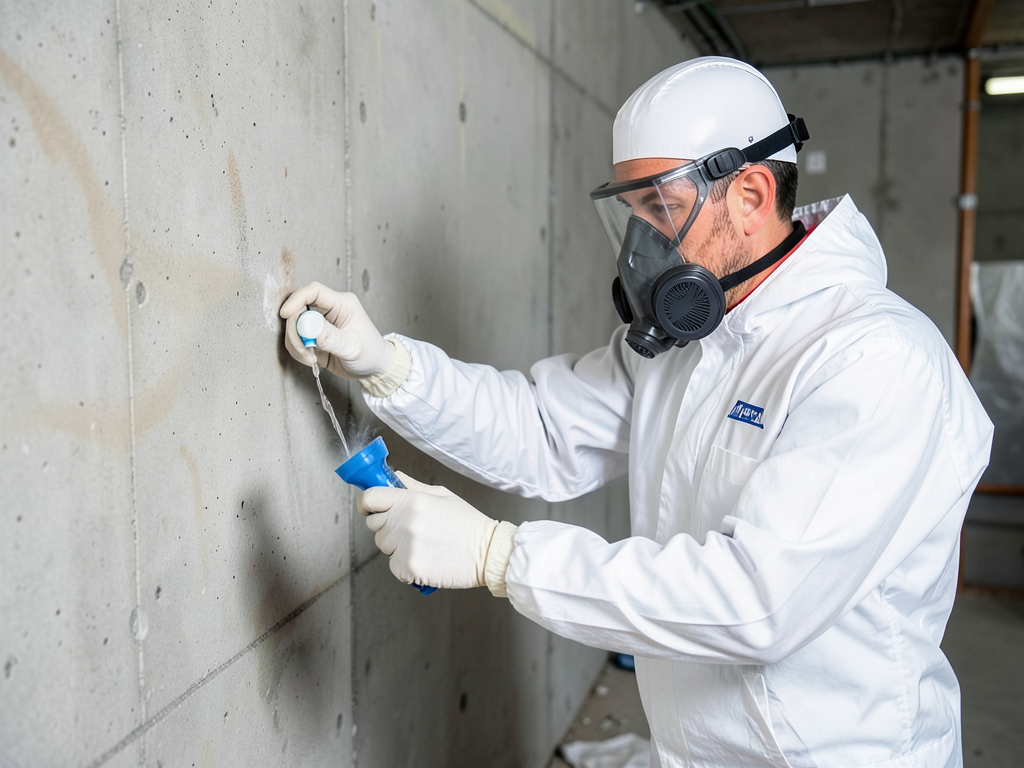
Always wear proper personal protective equipment when removing mold. This includes an N95 respirator mask, gloves, and eye protection. Mold spores can cause allergic reactions and respiratory issues, especially in sensitive individuals.
Never attempt DIY removal if you have a compromised immune system, severe allergies, or respiratory conditions like asthma. The risk of exposure to mold spores is too high. Similarly, if you’re unsure about the extent of the mold or what type it is, professional assessment is the safer choice.
For porous materials like drywall or carpet with mold growth, replacement is usually the best option. Once these materials are contaminated, cleaning rarely removes all mold, and the material remains a potential source of regrowth.
Remember that disturbing mold releases spores into the air. Even with protective equipment, these spores can spread to other areas of your home. Without proper containment, you might solve one problem while creating others elsewhere.
Common mold myths and misconceptions
Many misconceptions about mold persist, often leading to ineffective or dangerous remediation attempts. One common myth is that all black mold is toxic black mold (Stachybotrys chartarum). In reality, many harmless molds appear black, and color alone doesn’t indicate toxicity.
Another myth is that mold only grows in dirty homes. Mold spores are everywhere in our environment and need only moisture and organic material to grow. Even the cleanest homes can develop mold problems if moisture issues exist.
Some believe that once mold is dead, it’s no longer a problem. However, dead mold spores can still cause allergic reactions in sensitive individuals. Proper removal, not just killing, is necessary for a healthy indoor environment.
The idea that bleach is the best mold killer persists despite evidence to the contrary. This myth likely continues because bleach does kill mold on non-porous surfaces, leading people to assume it works universally. Understanding the difference between porous and non-porous surfaces is key to effective mold remediation.
Finally, many believe that small amounts of mold aren’t worth worrying about. However, mold can spread quickly under the right conditions. What starts as a small patch can become a major infestation within weeks if moisture issues aren’t addressed.
Professional mold assessment process
When you call a professional mold remediation company in Pittsburgh, they typically follow a systematic assessment process. First, they’ll conduct a visual inspection, looking for signs of water damage, moisture intrusion, and visible mold growth.
Professionals use moisture meters to detect elevated moisture levels in building materials. These devices can find moisture behind walls without destructive testing. Thermal imaging cameras can also identify temperature differences that indicate moisture presence.
Air quality testing may be performed to determine if elevated mold spore levels exist in your home. This involves collecting air samples from both inside and outside your home for comparison. Elevated indoor spore counts suggest active mold growth somewhere in the building.
Based on their findings, professionals develop a remediation plan that addresses both the visible mold and the underlying moisture issue. This plan typically includes containment procedures to prevent spore spread, removal methods appropriate to the materials involved, and recommendations for preventing future growth.
Professional remediation companies in Pittsburgh must follow Pennsylvania Department of Labor and Industry regulations for mold remediation. These regulations ensure that remediation is performed safely and effectively, protecting both workers and building occupants.
Long-term solutions for mold prevention
After addressing active mold growth, preventing recurrence becomes the priority. For Pittsburgh homes, this often means addressing the unique challenges our climate and geography present. Basement waterproofing is frequently necessary, as many Pittsburgh homes have foundation issues that allow moisture intrusion.
Installing a whole-house dehumidifier can maintain optimal humidity levels year-round. These systems connect to your HVAC system and automatically adjust to keep humidity within the ideal range. For Pittsburgh’s humid summers, this can make a significant difference in mold prevention.
Consider upgrading your home’s insulation and vapor barriers. Many older Pittsburgh homes lack proper vapor barriers, allowing moisture to move through walls and condense inside. Adding insulation and vapor barriers can prevent this moisture migration.
Regular HVAC maintenance is also crucial. Dirty air filters and clogged condensate drains can create moisture problems that lead to mold growth. Annual HVAC inspections can catch these issues before they cause major problems.
For homes with persistent mold issues, professional indoor air quality assessments can identify hidden problems. These assessments might reveal issues like negative air pressure that draws in moist outside air, or hidden plumbing leaks that provide constant moisture for mold growth.
Understanding your rights as a Pittsburgh homeowner
Pennsylvania law requires mold remediation companies to be licensed and certified. Before hiring any company, verify their credentials with the Pennsylvania Department of Labor and Industry. Unlicensed contractors might offer lower prices but often lack proper training and insurance.
You have the right to receive a written remediation plan before work begins. This plan should detail the scope of work, methods to be used, and an estimated timeline. It should also explain how the company will prevent cross-contamination during the remediation process.
Professional remediation companies must provide documentation of their work, including before and after photos, air quality test results, and a certificate of completion. Keep this documentation for your records and for any future real estate transactions.
If you’re renting and discover mold, Pennsylvania landlord-tenant law requires landlords to address mold problems that affect habitability. Document the problem with photos and written notice to your landlord. If they fail to address it, you may have legal recourse.
For new construction or recent renovations, latent defects like mold from water intrusion might be covered under Pennsylvania’s implied warranty of habitability. Consult with a local attorney if you believe construction defects are causing mold problems.
Conclusion: Making the right choice for your home
Understanding why bleach fails on porous surfaces and learning about effective alternatives empowers you to make better decisions about mold remediation. For Pittsburgh homeowners, this knowledge is particularly valuable given our climate and the age of many local homes.
Remember that mold is a symptom of a moisture problem. Whether you choose DIY methods for small areas or professional remediation for larger issues, addressing the underlying moisture source is essential for long-term success. Without this step, mold will return regardless of how thoroughly you clean.
Professional mold remediation offers several advantages: proper containment to prevent spore spread, effective removal methods that reach mold roots in porous materials, and identification of moisture sources you might miss. While more expensive than DIY methods, professional remediation often saves money long-term by preventing recurring problems.
For Pittsburgh residents dealing with mold issues, local expertise matters. Companies familiar with our specific climate challenges, building practices, and regulations can provide more effective solutions. They understand how our river valley location, clay soil, and freeze-thaw cycles affect moisture problems in homes.
Don’t let mold compromise your home’s safety and your family’s health. Whether you’re dealing with a small patch in your bathroom or widespread growth in your basement, take action based on knowledge rather than myths. Your home and your health are worth the investment in proper remediation.
Frequently Asked Questions
Does bleach kill all types of mold?
Bleach kills mold on non-porous surfaces like glass and tile but is ineffective on porous materials like drywall and wood. On porous surfaces, bleach only kills surface mold while the water in the solution provides moisture for deeper mold to regrow.
How can I tell if I have toxic black mold?
Color alone doesn’t determine toxicity. Stachybotrys chartarum, the toxic black mold, typically grows on materials with high cellulose content that have been wet for extended periods. Professional testing is the only way to confirm mold type and toxicity.
What’s the best way to prevent mold in Pittsburgh basements?
Control humidity levels below 50%, fix any water leaks promptly, improve ventilation, and consider professional waterproofing. Using a dehumidifier during humid summer months is particularly important in Pittsburgh’s climate.
How long does professional mold remediation take?
Small remediation projects might take 1-2 days, while extensive mold problems affecting large areas could require a week or more. The timeline depends on the extent of growth, materials affected, and whether reconstruction is needed.
Will my homeowners insurance cover mold removal?
Coverage varies by policy. Most standard policies exclude mold damage unless it results from a covered peril like a sudden plumbing leak. Check your specific policy or consult with your insurance agent about mold coverage.
How to identify mold problems in your Pittsburgh home
- Look for visible signs
Check for discoloration on walls, ceilings, and other surfaces. Mold often appears as black, green, or white patches, but can also be other colors.
- Notice musty odors
A persistent musty smell, especially in basements or bathrooms, often indicates hidden mold growth even if you can’t see it.
- Check for moisture issues
Look for water stains, peeling paint, or condensation on windows. These signs suggest moisture problems that could lead to mold growth.
- Monitor health symptoms
Unexplained allergic reactions, respiratory issues, or headaches that improve when you leave home might indicate mold-related problems.
- Use moisture meters
Moisture meters can detect elevated moisture levels in walls and floors, helping identify problem areas before mold becomes visible.
If you’ve discovered mold in your Pittsburgh home and need professional help, don’t wait for the problem to get worse. Call (412) 382-8788 today to schedule your inspection. Our team understands Pittsburgh’s unique climate challenges and can provide effective, long-lasting solutions for your mold problems.
Pick up the phone and call (412) 382-8788 before the next storm hits. Mold waits for no one, and neither should you when it comes to protecting your home and family’s health.
You may also find this helpful. How to tell if your Friendship apartment AC unit is blowing mold spores.
{
“@context”: “https://schema.org”,
“@type”: “BlogPosting”,
“headline”: “The big mistake of using bleach to kill mold in your Pittsburgh home”,
“description”: “Bleach seems like an easy mold fix but actually makes it worse on porous surfaces. Learn why Pittsburgh homeowners should avoid this common mistake.”,
“wordCount”: 3341,
“datePublished”: “2026-06-06T06:23:00.000Z”,
“dateModified”: “2026-06-06T06:23:00.000Z”,
“inLanguage”: “en-US”,
“mainEntityOfPage”: {
“@type”: “WebPage”,
“@id”: “https://reliancewaterdamagerestorationpittsburgh.com”
},
“publisher”: {
“@type”: “LocalBusiness”,
“name”: “Reliance Water Damage Restoration Pittsburgh”,
“url”: “https://reliancewaterdamagerestorationpittsburgh.com”
},
“author”: {
“@type”: “Organization”,
“name”: “Reliance Water Damage Restoration Pittsburgh”,
“url”: “https://reliancewaterdamagerestorationpittsburgh.com”
},
“image”: {
“@type”: “ImageObject”,
“url”: “https://reliancewaterdamagerestorationpittsburgh.com/wp-content/uploads/2026/03/the-big-mistake-of-using-bleach-to-kill-mold-in-yo-1.png”
}
}
{
“@context”: “https://schema.org”,
“@type”: “LocalBusiness”,
“name”: “Reliance Water Damage Restoration Pittsburgh”,
“url”: “https://reliancewaterdamagerestorationpittsburgh.com”,
“address”: {
“@type”: “PostalAddress”,
“addressLocality”: “Pittsburgh”
},
“areaServed”: {
“@type”: “City”,
“name”: “Pittsburgh”
}
}
{
“@context”: “https://schema.org”,
“@type”: “FAQPage”,
“mainEntity”: [
{
“@type”: “Question”,
“name”: “Does bleach kill all types of mold?”,
“acceptedAnswer”: {
“@type”: “Answer”,
“text”: “Bleach kills mold on non-porous surfaces like glass and tile but is ineffective on porous materials like drywall and wood. On porous surfaces, bleach only kills surface mold while the water in the solution provides moisture for deeper mold to regrow.”
}
},
{
“@type”: “Question”,
“name”: “How can I tell if I have toxic black mold?”,
“acceptedAnswer”: {
“@type”: “Answer”,
“text”: “Color alone doesn’t determine toxicity. Stachybotrys chartarum, the toxic black mold, typically grows on materials with high cellulose content that have been wet for extended periods. Professional testing is the only way to confirm mold type and toxicity.”
}
},
{
“@type”: “Question”,
“name”: “What’s the best way to prevent mold in Pittsburgh basements?”,
“acceptedAnswer”: {
“@type”: “Answer”,
“text”: “Control humidity levels below 50%, fix any water leaks promptly, improve ventilation, and consider professional waterproofing. Using a dehumidifier during humid summer months is particularly important in Pittsburgh’s climate.”
}
},
{
“@type”: “Question”,
“name”: “How long does professional mold remediation take?”,
“acceptedAnswer”: {
“@type”: “Answer”,
“text”: “Small remediation projects might take 1-2 days, while extensive mold problems affecting large areas could require a week or more. The timeline depends on the extent of growth, materials affected, and whether reconstruction is needed.”
}
},
{
“@type”: “Question”,
“name”: “Will my homeowners insurance cover mold removal?”,
“acceptedAnswer”: {
“@type”: “Answer”,
“text”: “Coverage varies by policy. Most standard policies exclude mold damage unless it results from a covered peril like a sudden plumbing leak. Check your specific policy or consult with your insurance agent about mold coverage.”
}
}
]
}
{
“@context”: “https://schema.org”,
“@type”: “HowTo”,
“name”: “How to identify mold problems”,
“step”: [
{
“@type”: “HowToStep”,
“position”: 1,
“name”: “Look for visible signs”,
“text”: “Check for discoloration on walls, ceilings, and other surfaces. Mold often appears as black, green, or white patches, but can also be other colors.”
},
{
“@type”: “HowToStep”,
“position”: 2,
“name”: “Notice musty odors”,
“text”: “A persistent musty smell, especially in basements or bathrooms, often indicates hidden mold growth even if you can’t see it.”
},
{
“@type”: “HowToStep”,
“position”: 3,
“name”: “Check for moisture issues”,
“text”: “Look for water stains, peeling paint, or condensation on windows. These signs suggest moisture problems that could lead to mold growth.”
},
{
“@type”: “HowToStep”,
“position”: 4,
“name”: “Monitor health symptoms”,
“text”: “Unexplained allergic reactions, respiratory issues, or headaches that improve when you leave home might indicate mold-related problems.”
},
{
“@type”: “HowToStep”,
“position”: 5,
“name”: “Use moisture meters”,
“text”: “Moisture meters can detect elevated moisture levels in walls and floors, helping identify problem areas before mold becomes visible.”
}
],
“image”: “https://reliancewaterdamagerestorationpittsburgh.com/wp-content/uploads/2026/03/the-big-mistake-of-using-bleach-to-kill-mold-in-yo-1.png”
}
{
“@context”: “https://schema.org”,
“@type”: “BreadcrumbList”,
“itemListElement”: [
{
“@type”: “ListItem”,
“position”: 1,
“name”: “Home”,
“item”: “https://reliancewaterdamagerestorationpittsburgh.com”
},
{
“@type”: “ListItem”,
“position”: 2,
“name”: “Blog”,
“item”: “https://reliancewaterdamagerestorationpittsburgh.com/blog”
},
{
“@type”: “ListItem”,
“position”: 3,
“name”: “The big mistake of using bleach to kill mold in your Pittsburgh home”
}
]
}
{
“@context”: “https://schema.org”,
“@type”: “Service”,
“serviceType”: “Water Damage Restoration”,
“provider”: {
“@type”: “LocalBusiness”,
“name”: “Reliance Water Damage Restoration Pittsburgh”,
“url”: “https://reliancewaterdamagerestorationpittsburgh.com”
},
“areaServed”: {
“@type”: “City”,
“name”: “Pittsburgh”
},
“description”: “Bleach seems like an easy mold fix but actually makes it worse on porous surfaces. Learn why Pittsburgh homeowners should avoid this common mistake.”
}