The hidden risks of that old Pittsburgh toilet in your Bloomfield basement
That basement toilet in your Bloomfield row house might be more than just a quirky Pittsburgh tradition. It could be a ticking time bomb for serious water damage and health hazards. The old plumbing systems in Bloomfield’s century-old homes weren’t built for today’s demands, and that ‘Pittsburgh potty’ might be your first warning sign of a much bigger problem. Who to call for emergency water removal in Pittsburgh right now.
Bloomfield’s historic charm comes with aging infrastructure. Many homes in the neighborhood were built between 1900 and 1930, featuring terra cotta sewer lines that crack and shift over time. When these old pipes fail, sewage backs up into basement toilets, creating Category 3 water damage that requires professional remediation. The combination of Pittsburgh’s freeze-thaw cycles and Bloomfield’s hilly terrain puts extra stress on these already fragile systems. Expert water damage restoration for businesses in the Pittsburgh Strip District.
How old Pittsburgh plumbing creates basement toilet disasters
Bloomfield’s sewer laterals were installed before modern building codes existed. These pipes connect your home to the main sewer line but often deteriorate from the inside out. Tree roots from the neighborhood’s mature maples and oaks penetrate through cracks, creating blockages that force sewage back into your basement toilet.
The problem compounds during heavy rains. Bloomfield sits in a combined sewer overflow area where stormwater and sewage share the same pipes. When ALCOSAN’s system gets overwhelmed, which happens several times each year, that sewage has nowhere to go but back into homes through the lowest fixtures – typically basement toilets. ALCOSAN’s website.
Recent ALCOSAN infrastructure upgrades have helped, but many Bloomfield homes still use original plumbing from the early 1900s. The clay pipes have a lifespan of about 50-70 years, meaning most are operating decades past their intended service life.
The health hazards hiding in your basement
When sewage backs up through a basement toilet, it creates Category 3 water damage – the most dangerous classification. This water contains harmful pathogens including E. coli, Hepatitis A, and various parasites. The unventilated basement environment allows these contaminants to spread through your home’s air system.
Older Bloomfield homes often have laundry facilities near basement toilets. When sewage backs up, contaminated water can splash onto washing machines, dryers, and stored items. The porous concrete floors common in early 20th-century Pittsburgh construction absorb these contaminants, making DIY cleanup nearly impossible. Efflorescence on Concrete.
Elderly residents and families with young children face the highest risks. The basement is often where holiday decorations, seasonal clothing, and family heirlooms are stored. A sewage backup can destroy irreplaceable items while creating serious health hazards that linger long after the visible mess is cleaned up. Cleaning up after a kitchen flood in your Fox Chapel home.
Warning signs your Bloomfield basement toilet is about to fail
Before a complete backup occurs, your basement toilet will give you warning signs. Gurgling sounds when you flush upstairs toilets indicate air trapped in the sewer line. Slow drainage throughout the house suggests a developing blockage in the main sewer lateral.
Water pooling around floor drains or a foul odor emanating from basement drains are red flags. In Bloomfield’s older homes, these symptoms often indicate tree root intrusion or pipe collapse. The problem typically worsens over months, not days, giving you time to address it before a major disaster. Black Mold Symptoms.
During Pittsburgh’s rainy season, watch for water backing up into basement toilets within 24 hours of heavy rainfall. This timing pattern indicates your home is connected to an overwhelmed combined sewer system. The issue will recur with each significant storm until the underlying plumbing problems are resolved.
Professional restoration process for sewage damage
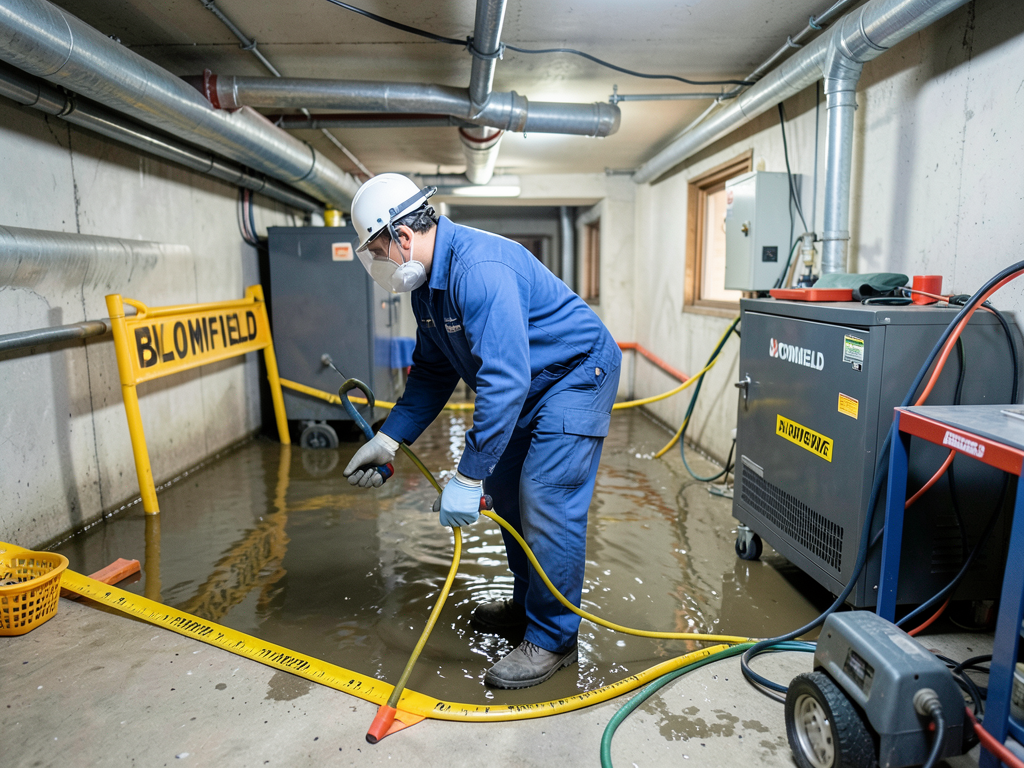
Category 3 water damage requires specialized restoration following IICRC S500 standards. The process begins with complete extraction of contaminated water using industrial-grade pumps and vacuums. Every surface that touched the sewage must be treated as contaminated. IICRC S500 standards.
Technicians wear full personal protective equipment including respirators, gloves, and Tyvek suits. The area is contained to prevent cross-contamination to clean parts of your home. Porous materials like carpet, drywall, and insulation that contacted sewage must be removed and disposed of as biohazardous waste.
After removal, the area undergoes thorough cleaning with EPA-registered disinfectants. Concrete floors require specialized treatment since their porous nature allows contaminants to penetrate deep. High-pressure washing followed by antimicrobial treatment ensures complete sanitization. The final step involves structural drying using commercial dehumidifiers and air movers to prevent mold growth.
Preventing future basement toilet disasters
Installing a backwater valve is the most effective prevention method. This device allows sewage to flow out but prevents it from backing up into your home. Allegheny County plumbing code now requires these valves for new construction, but many older Bloomfield homes lack this protection.
Regular sewer lateral maintenance can prevent catastrophic failures. Professional hydro-jetting every 18-24 months clears tree roots and buildup before they cause blockages. Video camera inspection identifies cracks, offsets, and other issues before they result in sewage backups.
Consider replacing terra cotta pipes with modern PVC during major renovations. While expensive upfront, this investment prevents repeated water damage incidents and protects your home’s value. Many Bloomfield homeowners find that insurance premiums decrease after upgrading old plumbing systems.
Insurance considerations for basement toilet backups
Standard homeowner’s insurance policies typically exclude sewage backups. You need a separate sewer and drain backup endorsement, which costs an additional $50-100 annually but provides crucial protection. Without this coverage, you’re responsible for thousands in cleanup and restoration costs.
When filing a claim, document everything with photos and videos before cleanup begins. Keep all receipts for temporary housing if the damage forces you to leave your home. Many policies cover living expenses while restoration is underway.
ALCOSAN offers a basement backup prevention program that provides financial assistance for installing protective devices. Check their website for current eligibility requirements and funding availability. This program specifically targets Bloomfield and other neighborhoods with combined sewer overflow issues.
The cost of ignoring that old basement toilet
Delaying repairs to an aging basement toilet system creates exponential costs. A simple blockage that could be cleared for $300-500 becomes a $5,000-10,000 restoration project when sewage backs up and damages finished basement spaces.
Mold growth represents the biggest hidden cost. Category 3 water damage creates ideal conditions for toxic black mold within 24-48 hours. Remediation costs range from $2,000 for small areas to $25,000+ for extensive contamination. Insurance companies often deny claims for mold resulting from neglected maintenance issues.
Property values in Bloomfield drop significantly when homes have documented water damage history. Buyers and their inspectors check for signs of past sewage issues. A single incident can reduce your home’s market value by 5-10% and extend time on market by months.
When to call for emergency restoration help
Category 3 water damage requires immediate professional intervention. If sewage is actively backing up through your basement toilet, shut off the water supply to your home and call for emergency service. Every hour of delay allows contamination to spread deeper into your home’s structure.
Professional restoration teams arrive within 60 minutes in the Bloomfield area. They bring industrial equipment that homeowners cannot rent from local stores. The specialized cleaning agents and antimicrobial treatments require certifications most homeowners don’t possess.
Don’t risk your family’s health trying to clean up sewage yourself. The pathogens involved can cause serious illness, and improper cleanup leaves behind contaminants that continue to pose health risks for months.
Frequently Asked Questions
How much does it cost to remove a Pittsburgh potty?
Removing a basement toilet typically costs $1,500-3,000, depending on plumbing complexity and whether you need to cap the sewer line. This investment often pays for itself by eliminating the risk of sewage backups and freeing up basement space for other uses.
Can I prevent basement toilet backups myself?
While you can’t fix aging infrastructure yourself, you can reduce risks by avoiding flushing anything other than toilet paper, installing drain strainers, and being alert to warning signs like gurgling sounds or slow drainage. However, professional inspection and maintenance remain essential for older Bloomfield homes.
How long does sewage cleanup take?
Professional sewage cleanup typically takes 2-4 days for complete restoration. The first 24 hours involve water extraction and containment. Cleaning and disinfection require another 1-2 days. Final drying and odor removal take an additional 24-48 hours before the space is safe for normal use.
Will my insurance cover sewage backup damage?
Only if you have a specific sewer and drain backup endorsement on your policy. Standard homeowner’s insurance excludes this coverage. The endorsement costs $50-100 annually but can save you thousands in cleanup costs. Check your policy details immediately if you haven’t already.
- Stop the water flow
Immediately shut off the main water valve to prevent additional sewage from entering your home. This buys crucial time before professional help arrives.
- Evacuate the area
Keep children, elderly family members, and pets away from the contaminated area. Sewage contains harmful pathogens that can cause serious illness.
- Document the damage
Take photos and videos of the damage before any cleanup begins. This documentation is essential for insurance claims and helps restoration professionals assess the situation.
Bloomfield’s historic homes deserve protection from the unique plumbing challenges they face. That old basement toilet isn’t just a quirky Pittsburgh tradition – it’s a potential source of serious water damage and health hazards. Understanding the risks and taking preventive action can save you thousands in restoration costs while protecting your family’s health.
Don’t wait for a sewage backup to realize the danger. If your Bloomfield home still has its original basement plumbing, schedule a professional inspection today. The cost of prevention is always less than the cost of emergency restoration.
Call (412) 382-8788 today to schedule your inspection. Our certified technicians understand Bloomfield’s unique plumbing challenges and can help you protect your home from sewage backup disasters. Don’t let that old Pittsburgh potty become your worst nightmare.
Pick up the phone and call (412) 382-8788 before the next heavy rain hits. We’re ready to help Bloomfield homeowners protect their properties from the hidden dangers lurking in their basement plumbing systems.
You may also find this helpful. Why Sharpsburg street flooding often leads to sewer backups in your home.
{
“@context”: “https://schema.org”,
“@type”: “BlogPosting”,
“headline”: “The hidden risks of that old Pittsburgh toilet in your Bloomfield basement”,
“description”: “Discover the serious water damage and health hazards lurking in Bloomfield’s century-old basement plumbing systems. Learn warning signs and prevention methods.”,
“wordCount”: 1698,
“datePublished”: “2026-06-01T08:34:00.000Z”,
“dateModified”: “2026-06-01T08:34:00.000Z”,
“inLanguage”: “en-US”,
“mainEntityOfPage”: {
“@type”: “WebPage”,
“@id”: “https://reliancewaterdamagerestorationpittsburgh.com”
},
“publisher”: {
“@type”: “LocalBusiness”,
“name”: “Reliance Water Damage Restoration Pittsburgh”,
“url”: “https://reliancewaterdamagerestorationpittsburgh.com”
},
“author”: {
“@type”: “Organization”,
“name”: “Reliance Water Damage Restoration Pittsburgh”,
“url”: “https://reliancewaterdamagerestorationpittsburgh.com”
},
“image”: {
“@type”: “ImageObject”,
“url”: “https://reliancewaterdamagerestorationpittsburgh.com/wp-content/uploads/2026/03/the-hidden-risks-of-that-old-pittsburgh-toilet-in-1.png”
}
}
{
“@context”: “https://schema.org”,
“@type”: “LocalBusiness”,
“name”: “Reliance Water Damage Restoration Pittsburgh”,
“url”: “https://reliancewaterdamagerestorationpittsburgh.com”,
“address”: {
“@type”: “PostalAddress”,
“addressLocality”: “Pittsburgh”
},
“areaServed”: {
“@type”: “City”,
“name”: “Pittsburgh”
}
}
{
“@context”: “https://schema.org”,
“@type”: “FAQPage”,
“mainEntity”: [
{
“@type”: “Question”,
“name”: “How much does it cost to remove a Pittsburgh potty?”,
“acceptedAnswer”: {
“@type”: “Answer”,
“text”: “Removing a basement toilet typically costs $1,500-3,000, depending on plumbing complexity and whether you need to cap the sewer line. This investment often pays for itself by eliminating the risk of sewage backups and freeing up basement space for other uses.”
}
},
{
“@type”: “Question”,
“name”: “Can I prevent basement toilet backups myself?”,
“acceptedAnswer”: {
“@type”: “Answer”,
“text”: “While you can’t fix aging infrastructure yourself, you can reduce risks by avoiding flushing anything other than toilet paper, installing drain strainers, and being alert to warning signs like gurgling sounds or slow drainage. However, professional inspection and maintenance remain essential for older Bloomfield homes.”
}
},
{
“@type”: “Question”,
“name”: “How long does sewage cleanup take?”,
“acceptedAnswer”: {
“@type”: “Answer”,
“text”: “Professional sewage cleanup typically takes 2-4 days for complete restoration. The first 24 hours involve water extraction and containment. Cleaning and disinfection require another 1-2 days. Final drying and odor removal take an additional 24-48 hours before the space is safe for normal use.”
}
},
{
“@type”: “Question”,
“name”: “Will my insurance cover sewage backup damage?”,
“acceptedAnswer”: {
“@type”: “Answer”,
“text”: “Only if you have a specific sewer and drain backup endorsement on your policy. Standard homeowner’s insurance excludes this coverage. The endorsement costs $50-100 annually but can save you thousands in cleanup costs. Check your policy details immediately if you haven’t already.”
}
}
]
}
{
“@context”: “https://schema.org”,
“@type”: “HowTo”,
“name”: “Steps to handle basement toilet backup”,
“step”: [
{
“@type”: “HowToStep”,
“position”: 1,
“name”: “Stop the water flow”,
“text”: “Immediately shut off the main water valve to prevent additional sewage from entering your home. This buys crucial time before professional help arrives.”
},
{
“@type”: “HowToStep”,
“position”: 2,
“name”: “Evacuate the area”,
“text”: “Keep children, elderly family members, and pets away from the contaminated area. Sewage contains harmful pathogens that can cause serious illness.”
},
{
“@type”: “HowToStep”,
“position”: 3,
“name”: “Document the damage”,
“text”: “Take photos and videos of the damage before any cleanup begins. This documentation is essential for insurance claims and helps restoration professionals assess the situation.”
}
],
“image”: “https://reliancewaterdamagerestorationpittsburgh.com/wp-content/uploads/2026/03/the-hidden-risks-of-that-old-pittsburgh-toilet-in-1.png”
}
{
“@context”: “https://schema.org”,
“@type”: “BreadcrumbList”,
“itemListElement”: [
{
“@type”: “ListItem”,
“position”: 1,
“name”: “Home”,
“item”: “https://reliancewaterdamagerestorationpittsburgh.com”
},
{
“@type”: “ListItem”,
“position”: 2,
“name”: “Blog”,
“item”: “https://reliancewaterdamagerestorationpittsburgh.com/blog”
},
{
“@type”: “ListItem”,
“position”: 3,
“name”: “The hidden risks of that old Pittsburgh toilet in your Bloomfield basement”
}
]
}
{
“@context”: “https://schema.org”,
“@type”: “Service”,
“serviceType”: “Water Damage Restoration”,
“provider”: {
“@type”: “LocalBusiness”,
“name”: “Reliance Water Damage Restoration Pittsburgh”,
“url”: “https://reliancewaterdamagerestorationpittsburgh.com”
},
“areaServed”: {
“@type”: “City”,
“name”: “Pittsburgh”
},
“description”: “Discover the serious water damage and health hazards lurking in Bloomfield’s century-old basement plumbing systems. Learn warning signs and prevention methods.”
}