
The right way to manage basement humidity in Bloomfield rentals during the summer
Basement humidity in Bloomfield rentals can climb above 70% during Pittsburgh’s humid summers creating perfect conditions for mold growth and structural damage. The ideal range stays between 30% and 50% to protect both the property and tenants’ health. This guide shows you exactly how to monitor levels identify problems early and take action before small moisture issues become expensive disasters.
Why Bloomfield basements trap moisture
Bloomfield’s century-old row houses feature porous limestone and brick foundations that absorb groundwater like sponges. The neighborhood sits on clay-rich soil that expands when wet creating hydrostatic pressure against basement walls. During July and August when outdoor humidity averages 85% these older foundations struggle to keep moisture out especially after heavy rains that overwhelm Pittsburgh’s combined sewer system. Who to call for emergency water removal in Pittsburgh right now.
Many Bloomfield rentals have unfinished basements with dirt floor crawl spaces that release moisture vapor continuously. Single-pane basement windows allow warm humid air to enter and condense on cool foundation walls creating visible water droplets and that unmistakable musty smell. Without proper ventilation these conditions persist making humidity control essential for property managers. Expert water damage restoration for businesses in the Pittsburgh Strip District.
Measuring basement humidity accurately
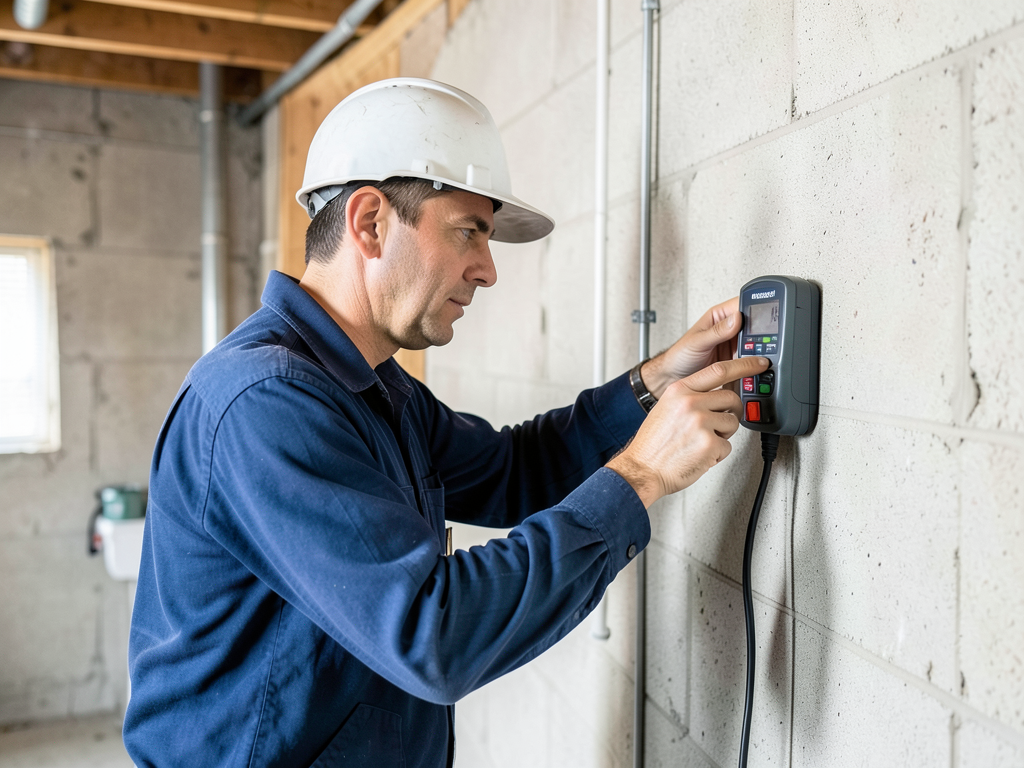
Place a digital hygrometer at least three feet off the floor in the center of the basement away from windows and water heaters. Take readings at different times throughout the day since humidity fluctuates with outdoor conditions and basement activity. A reading above 60% signals trouble while consistent readings over 70% indicate immediate intervention needed.. Read more about How to stop water from filling up your window wells during Moon Township rainstorms.
Look for these warning signs that humidity exceeds safe levels:
- Condensation on pipes windows or concrete walls
- Musty odors that persist after airing out
- White powdery efflorescence on foundation walls
- Visible mold spots on wood framing or stored items
- Damp spots on carpeting or drywall
- Peeling paint or wallpaper
Efflorescence appears as white chalky deposits when water carries minerals through concrete leaving them behind as it evaporates. This harmless but persistent sign indicates ongoing moisture intrusion that requires attention. Efflorescence on Concrete.
Summer humidity challenges in Pittsburgh
July and August bring Pittsburgh’s highest humidity levels with average outdoor readings reaching 85%. When warm moist air contacts cool basement walls temperatures often drop below the dew point causing condensation. This process accelerates in Bloomfield’s older homes where insulation is minimal and foundation walls remain cold.
Heavy summer thunderstorms can dump several inches of rain in hours overwhelming gutters and creating surface water that pools around foundations. Pittsburgh’s freeze-thaw cycles from fall through spring create cracks that widen each year allowing more moisture entry during summer months.
Setting up effective dehumidification
Choose a dehumidifier sized for your basement square footage. A 1500 square foot basement needs a unit rated for at least 30 pints per day while larger spaces require 50 pint models. ENERGY STAR certified units save electricity costs over summer months when dehumidifiers run continuously.
Position the dehumidifier in the dampest area with at least one foot of clearance on all sides for air circulation. Empty the collection bucket daily or connect a continuous drain hose to a floor drain. Set the humidistat between 40% and 50% for optimal comfort and mold prevention.
Run ceiling fans or portable fans to circulate air and prevent stagnant moisture pockets. Open basement windows only when outdoor humidity drops below indoor levels typically during cool mornings or after cold fronts pass through. Cleaning up after a kitchen flood in your Fox Chapel home.
Preventing moisture at the source
Grade soil away from foundation walls so water flows outward not toward the basement. Extend downspout discharge pipes at least six feet from the foundation using flexible plastic extensions. Clean gutters twice yearly to prevent overflow that saturates soil near basement walls.
Repair foundation cracks wider than 1/8 inch using hydraulic cement that expands as it cures creating waterproof seals. Apply masonry waterproofing paint to interior foundation walls creating a vapor barrier that reduces moisture transmission. EPA mold information.
Install a vapor barrier over dirt floor crawl spaces using 6 mil polyethylene sheeting sealed at seams and anchored along walls. This simple step can reduce crawl space humidity by 50% or more preventing upward moisture migration into living spaces.
When to call professionals
Call Reliance Water Damage Restoration at (412) 382-8788 if you discover these conditions:
- Standing water that won’t drain
- Visible mold covering more than 10 square feet
- Musty odors accompanied by allergy symptoms
- Water stains spreading across walls or ceilings
- High humidity readings that persist despite dehumidifier use
Professional assessment includes moisture meter readings throughout basement walls thermal imaging to locate hidden moisture sources and air quality testing for mold spores. The EPA recommends professional remediation for mold areas exceeding 10 square feet or when HVAC systems may be contaminated.
Reliance technicians use commercial-grade dehumidifiers that remove 100 to 200 pints of water daily compared to residential units handling 30 to 70 pints. They also install permanent dehumidification systems with condensate pumps for continuous operation without manual emptying.
Maintenance schedule for rental properties
Check basement humidity weekly during summer months using the same hygrometer location for consistent readings. Clean dehumidifier filters monthly to maintain efficiency. Inspect foundation walls quarterly for new cracks or efflorescence buildup.
Test sump pumps before rainy season by pouring water into the pit to verify automatic activation. Replace sump pump batteries every two years even if they appear functional. Keep basement vents clear of stored items to ensure proper air circulation.
Schedule professional HVAC maintenance annually including duct inspection for moisture accumulation that can spread mold throughout the rental unit. Change air filters quarterly to maintain good indoor air quality and reduce airborne mold spores.
Cost of inaction
Ignoring basement humidity leads to escalating damage. Mold remediation costs average $2,000 to $6,000 for typical basement areas. Structural repairs for rotted floor joists or damaged foundation walls can exceed $15,000. Tenant health issues from mold exposure may result in liability claims and legal expenses.
Property value decreases when basements show moisture damage. Appraisers deduct 5% to 10% from property values with visible water damage or mold problems. Insurance may deny claims for long-term moisture damage classified as neglect rather than sudden accidents.
Preventive measures cost far less than repairs. A quality dehumidifier runs $200 to $500 while professional waterproofing systems range from $3,000 to $10,000 depending on basement size and problem severity. These investments protect your rental income stream and property value.
Local building considerations
Pittsburgh’s building code requires proper drainage away from foundations with minimum 5% slope for the first 10 feet from buildings. The Pennsylvania Uniform Construction Code mandates moisture barriers in basements with habitable space. Local inspectors check for proper sump pump discharge that doesn’t create ice hazards on sidewalks during winter.
Bloomfield’s historic district status means exterior waterproofing modifications may require approval from the Pittsburgh Historic Review Commission. Interior solutions like dehumidification and vapor barriers typically don’t need permits but always verify before major work.
Many Bloomfield homes built before 1950 lack proper foundation drainage systems common in newer construction. These older homes benefit most from modern moisture control strategies that weren’t available when they were built.
Smart technology integration
Wi-Fi enabled hygrometers send humidity alerts to your smartphone when levels exceed set thresholds. Some models integrate with smart home systems to automatically activate dehumidifiers when humidity rises. These systems provide 24/7 monitoring without manual checks.
Smart water sensors placed near foundation walls sound alarms when they detect moisture that might indicate leaks or flooding. Some insurance companies offer premium discounts for properties with monitored moisture detection systems.
Modern dehumidifiers include built-in pumps that automatically drain collected water through small tubes eliminating daily bucket emptying. Energy monitoring features show electricity usage helping optimize operation schedules for cost savings.
Frequently Asked Questions
What humidity level is dangerous in a basement?
Humidity above 60% promotes mold growth and dust mite proliferation. Levels consistently over 70% create conditions for structural damage and health problems. The safe range stays between 30% and 50% year-round.
How do I know if my basement has a moisture problem?
Look for condensation on cool surfaces, musty odors, white efflorescence deposits, visible mold, damp spots on walls or floors, and peeling paint or wallpaper. A hygrometer reading above 60% confirms excessive moisture.
Can a dehumidifier alone fix basement moisture issues?
Dehumidifiers treat symptoms but don’t address underlying causes like poor drainage, foundation cracks, or high water tables. Combine dehumidification with exterior grading, gutter maintenance, and foundation repairs for complete moisture control. Black Mold Symptoms.
How much does professional basement waterproofing cost?
Costs range from $3,000 to $10,000 depending on basement size, problem severity, and chosen solutions. Simple crack repairs might cost $500 while comprehensive exterior waterproofing systems can exceed $15,000.
Should I run my basement dehumidifier in winter?
Winter operation depends on your climate. In Pittsburgh’s cold winters, outdoor air holds less moisture so humidity often stays within safe ranges naturally. Monitor levels and run dehumidifiers only if readings exceed 60%.
How often should I check my rental property basement?
Check weekly during summer months and after heavy rains. Quarterly inspections during other seasons help catch developing problems early. Document findings with photos for insurance and maintenance records.
Take action now
Don’t wait for mold to spread or wood to rot. Pick up the phone and call (412) 382-8788 today to schedule your basement humidity assessment. Reliance Water Damage Restoration serves Bloomfield and all Pittsburgh neighborhoods with fast emergency response and permanent moisture solutions. Our certified technicians will identify problems before they cost you thousands in repairs and lost rental income.
Early intervention prevents mold growth protects tenant health and preserves your property value. Call (412) 382-8788 now for a free consultation and take control of your Bloomfield rental basement humidity before summer humidity peaks. For more information, visit IICRC certification standards.
You may also find this helpful. How to tell if there is mold behind the paneling in your Stanton Heights basement.
You may also find this helpful. Why mold keeps growing on the back wall of your Morningside bedroom closet.
You may also find this helpful. Identifying the different types of mold commonly found in damp Pittsburgh basements.
{
“@context”: “https://schema.org”,
“@type”: “BlogPosting”,
“headline”: “The right way to manage basement humidity in Bloomfield rentals during the summer”,
“description”: “Keep Bloomfield rental basements dry this summer with expert humidity control tips. Learn ideal levels, warning signs, and when to call (412) 382-8788 for help.”,
“wordCount”: 1653,
“datePublished”: “2026-03-28T09:30:00.000Z”,
“dateModified”: “2026-03-28T09:30:00.000Z”,
“inLanguage”: “en-US”,
“mainEntityOfPage”: {
“@type”: “WebPage”,
“@id”: “https://reliancewaterdamagerestorationpittsburgh.com”
},
“publisher”: {
“@type”: “LocalBusiness”,
“name”: “Reliance Water Damage Restoration Pittsburgh”,
“url”: “https://reliancewaterdamagerestorationpittsburgh.com”
},
“author”: {
“@type”: “Organization”,
“name”: “Reliance Water Damage Restoration Pittsburgh”,
“url”: “https://reliancewaterdamagerestorationpittsburgh.com”
},
“image”: {
“@type”: “ImageObject”,
“url”: “https://reliancewaterdamagerestorationpittsburgh.com/wp-content/uploads/2026/03/the-right-way-to-manage-basement-humidity-in-bloom-1.png”
}
}
{
“@context”: “https://schema.org”,
“@type”: “LocalBusiness”,
“name”: “Reliance Water Damage Restoration Pittsburgh”,
“url”: “https://reliancewaterdamagerestorationpittsburgh.com”,
“address”: {
“@type”: “PostalAddress”,
“addressLocality”: “Pittsburgh”
},
“areaServed”: {
“@type”: “City”,
“name”: “Pittsburgh”
}
}
{
“@context”: “https://schema.org”,
“@type”: “FAQPage”,
“mainEntity”: [
{
“@type”: “Question”,
“name”: “What humidity level is dangerous in a basement?”,
“acceptedAnswer”: {
“@type”: “Answer”,
“text”: “Humidity above 60% promotes mold growth and dust mite proliferation. Levels consistently over 70% create conditions for structural damage and health problems. The safe range stays between 30% and 50% year-round.”
}
},
{
“@type”: “Question”,
“name”: “How do I know if my basement has a moisture problem?”,
“acceptedAnswer”: {
“@type”: “Answer”,
“text”: “Look for condensation on cool surfaces, musty odors, white efflorescence deposits, visible mold, damp spots on walls or floors, and peeling paint or wallpaper. A hygrometer reading above 60% confirms excessive moisture.”
}
},
{
“@type”: “Question”,
“name”: “Can a dehumidifier alone fix basement moisture issues?”,
“acceptedAnswer”: {
“@type”: “Answer”,
“text”: “Dehumidifiers treat symptoms but don’t address underlying causes like poor drainage, foundation cracks, or high water tables. Combine dehumidification with exterior grading, gutter maintenance, and foundation repairs for complete moisture control. Black Mold Symptoms.”
}
},
{
“@type”: “Question”,
“name”: “How much does professional basement waterproofing cost?”,
“acceptedAnswer”: {
“@type”: “Answer”,
“text”: “Costs range from $3,000 to $10,000 depending on basement size, problem severity, and chosen solutions. Simple crack repairs might cost $500 while comprehensive exterior waterproofing systems can exceed $15,000.”
}
},
{
“@type”: “Question”,
“name”: “Should I run my basement dehumidifier in winter?”,
“acceptedAnswer”: {
“@type”: “Answer”,
“text”: “Winter operation depends on your climate. In Pittsburgh’s cold winters, outdoor air holds less moisture so humidity often stays within safe ranges naturally. Monitor levels and run dehumidifiers only if readings exceed 60%.”
}
},
{
“@type”: “Question”,
“name”: “How often should I check my rental property basement?”,
“acceptedAnswer”: {
“@type”: “Answer”,
“text”: “Check weekly during summer months and after heavy rains. Quarterly inspections during other seasons help catch developing problems early. Document findings with photos for insurance and maintenance records.”
}
}
]
}
{
“@context”: “https://schema.org”,
“@type”: “BreadcrumbList”,
“itemListElement”: [
{
“@type”: “ListItem”,
“position”: 1,
“name”: “Home”,
“item”: “https://reliancewaterdamagerestorationpittsburgh.com”
},
{
“@type”: “ListItem”,
“position”: 2,
“name”: “Blog”,
“item”: “https://reliancewaterdamagerestorationpittsburgh.com/blog”
},
{
“@type”: “ListItem”,
“position”: 3,
“name”: “The right way to manage basement humidity in Bloomfield rentals during the summer”
}
]
}
{
“@context”: “https://schema.org”,
“@type”: “Service”,
“serviceType”: “Water Damage Restoration”,
“provider”: {
“@type”: “LocalBusiness”,
“name”: “Reliance Water Damage Restoration Pittsburgh”,
“url”: “https://reliancewaterdamagerestorationpittsburgh.com”
},
“areaServed”: {
“@type”: “City”,
“name”: “Pittsburgh”
},
“description”: “Keep Bloomfield rental basements dry this summer with expert humidity control tips. Learn ideal levels, warning signs, and when to call (412) 382-8788 for help.”
}