The right way to save leather jackets and boots from a damp Lawrenceville closet
High humidity in Pittsburgh’s Lawrenceville neighborhood can destroy expensive leather items. Mold spores thrive in damp conditions common in older homes with poor ventilation. Your leather jackets and boots need immediate attention when you spot fuzzy growth or musty odors. This guide shows you exactly how to remove mold safely and prevent it from returning.. Read more about How to save your personal library from mold and humidity in Squirrel Hill.
Understanding Pittsburgh’s humidity problem
Lawrenceville sits in the Ohio River Valley where summer humidity regularly exceeds 70 percent. Your 100-year-old brick row house likely has poor air circulation in closets and basements. Moisture from the Allegheny River combined with outdated building materials creates perfect conditions for mold growth on organic materials like leather.. Read more about Simple ways to measure the humidity in your Baldwin home without expensive tools.
Most Lawrenceville homes lack proper vapor barriers in closets. When warm air meets cold brick walls, condensation forms. This moisture feeds mold spores that float through your home’s air. Leather absorbs this moisture because it contains natural proteins and fats that mold finds delicious.
Common problem areas include:
- Closets against exterior walls
- Finished basements in older row houses
- Attic storage spaces with poor ventilation
- Hallway closets near bathrooms
Safety first before touching moldy leather
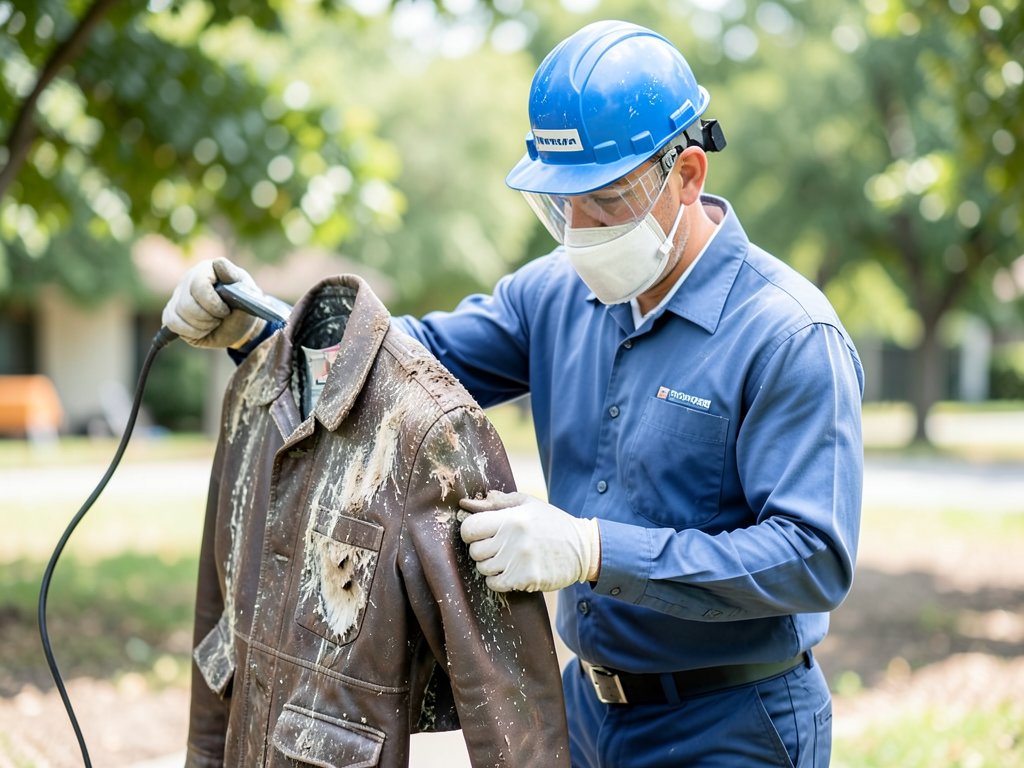
Mold spores can cause serious respiratory problems. Never handle moldy items without protection. Wear an N95 respirator mask, nitrile gloves, and safety glasses. Work outdoors if possible to avoid spreading spores inside your home.
Take items outside and inspect them in bright sunlight. Mold appears as black, green, or white fuzzy patches. It often grows in seams and under collars where moisture collects. If you see extensive growth covering more than 10 percent of the surface, consider professional restoration. Black Mold Symptoms.
Set up a clean workspace on a plastic tarp. Keep children and pets away from the area. Have trash bags ready for items that cannot be saved. Mold can spread through the air to other leather goods nearby.
Cleaning finished leather properly
Finished leather has a protective coating that makes cleaning easier. Mix one cup of warm water with one tablespoon of saddle soap. Use a soft cloth to apply the solution in gentle circular motions. Never saturate the leather or use excessive pressure. Who to call for emergency water removal in Pittsburgh right now.
After cleaning, mix one part white vinegar with three parts water. This solution kills remaining mold spores. Test it on a hidden area first to ensure it does not damage the finish. Apply with a clean cloth and wipe gently. Expert water damage restoration for businesses in the Pittsburgh Strip District.
Allow items to air dry completely away from direct heat. Once dry, apply a leather conditioner to restore moisture and flexibility. Use products specifically designed for your leather type. Finished leather needs different care than suede or nubuck.
Special care for suede and nubuck
Suede and nubuck have no protective coating, making them extremely vulnerable to mold damage. These materials require professional cleaning in most cases. Home cleaning often causes permanent staining or texture changes. Cleaning up after a kitchen flood in your Fox Chapel home.
If you attempt DIY cleaning, use a suede brush to remove surface mold gently. Never use water or liquid cleaners on these materials. A dry cleaning method with specialized suede cleaner may work for light contamination.
Professional restoration often involves ozone treatment to kill deep-set mold spores. This process requires specialized equipment and training. The IICRC S520 standard for mold remediation recommends professional intervention for valuable items when contamination exceeds surface level. IICRC standards.
When to call professionals
Some mold situations require expert help. Call professionals if you notice:
- Extensive mold covering more than 10 percent of the item
- Musty odors that persist after cleaning
- Discoloration that does not come off with cleaning
- Mold growing inside seams or under linings
- Items with sentimental or high monetary value
Professional restoration may involve HEPA vacuuming to remove spores, antimicrobial treatments, and specialized drying chambers. Some companies offer content pack-out services where they remove items to their facility for cleaning. EPA mold information.
Professional services also handle insurance claims. Many Pittsburgh homeowners’ policies cover mold damage to personal property. Document the damage with photos before cleaning anything.
Preventing future mold growth
Lawrenceville’s climate requires year-round humidity control. Install a dehumidifier in your closet if space allows. Keep humidity below 50 percent to prevent mold growth. Small silica gel packets placed in storage containers absorb moisture effectively.
Improve air circulation by spacing items apart. Do not store leather in plastic bags which trap moisture. Use breathable cotton garment bags instead. Cedar blocks naturally repel insects and absorb some moisture.
Check your closet regularly for signs of moisture. Look for condensation on walls, musty smells, or water stains. Fix any leaks immediately. Even small plumbing leaks can create big mold problems over time.
Consider professional waterproofing for basements and crawl spaces. Many Lawrenceville homes have foundation issues that allow moisture to seep in. Waterproofing can reduce overall humidity levels throughout your home.
Understanding mold versus fatty spew
Not all white growths on leather are mold. Fatty spew occurs when leather’s natural oils migrate to the surface. It appears as white, powdery deposits but does not pose health risks. Mold grows in fuzzy patches and often has color.
Fatty spew wipes off easily with a soft cloth. Mold requires cleaning solutions to remove. If you are unsure, have a professional inspect the item. Mistaking mold for spew can lead to health problems.
Leather that has been stored in hot, humid conditions is more likely to develop fatty spew. This is common in Pittsburgh attics during summer months. Proper storage temperature and humidity prevent both problems.
Insurance considerations for mold damage
Most standard homeowners’ insurance policies in Pennsylvania exclude mold damage unless it results from a covered peril like a burst pipe. Check your policy carefully. Some companies offer mold endorsements for additional coverage.
Document everything if you file a claim. Take photos of the damage before cleaning. Keep receipts for professional cleaning services. Some policies cover professional content cleaning even if they do not cover mold damage.
Water damage that leads to mold is often covered. If a leaky pipe caused the mold on your leather items, the water damage portion of your claim may include content cleaning costs.
Proper storage techniques
Store leather items in cool, dry places with good air circulation. Avoid basements unless they are climate controlled. Attics often get too hot and can damage leather over time.
Clean items before storing them long-term. Dirt and body oils attract mold spores. Use appropriate leather cleaner for your item type. Allow everything to dry completely before storage.
Stuff boots with acid-free paper to maintain their shape. Hang jackets on wide, padded hangers. Never fold leather items for long-term storage as this creates creases that can crack over time.
Rotate stored items every few months. This allows you to check for problems and gives items air exposure. Items stored for years without inspection often develop serious mold problems.
Environmental factors in Lawrenceville
Lawrenceville’s location near the Allegheny River creates unique challenges. River fog increases humidity levels, especially during spring and fall. Many homes sit on clay soil that retains moisture and affects foundation walls.
Older construction methods used in Lawrenceville row houses often lack modern moisture barriers. Brick and stone foundations absorb ground moisture which can migrate into living spaces and closets.
Local building codes require proper ventilation in enclosed spaces. The Pennsylvania Uniform Construction Code Section 403.5 mandates mechanical ventilation in bathrooms and similar spaces. Many Lawrenceville homes predate these requirements.
Professional mold remediation companies follow IICRC S520 standards. This industry standard requires containment, negative air pressure, and HEPA filtration during remediation. These steps prevent spore spread to other areas of your home.
Cost factors for professional restoration
Professional leather restoration costs vary based on item size and contamination level. Simple cleaning might cost $50 to $100 per item. Severe mold damage requiring ozone treatment can cost $200 or more per item.
Pack-out services add transportation fees. Content cleaning during water damage restoration often costs $5 to $10 per square foot of items cleaned. Insurance may cover some or all of these costs.
Prevention costs less than restoration. A good dehumidifier costs $150 to $300. Professional waterproofing services range from $2,000 to $5,000 but can prevent multiple mold incidents.
Testing for mold in your home
If you find mold on leather items, test other areas of your home. Mold often indicates larger moisture problems. Use a moisture meter to check walls and floors near problem areas. Large Scale Water Extraction.
Professional testing can identify mold types and spore counts. This information helps determine if you have a serious indoor air quality problem. Some mold species produce mycotoxins that cause health issues.
Air quality testing costs $300 to $500 but provides valuable information. If spore counts are high, you may need whole-house remediation rather than just cleaning individual items.
Long-term leather care
Regular maintenance prevents most mold problems. Clean leather items seasonally using appropriate products. Condition leather twice yearly to maintain its protective oils.
Inspect items monthly for signs of moisture or mold. Early detection makes cleaning much easier. Small mold spots can often be removed before they spread.
Consider professional cleaning annually for valuable items. This removes accumulated dirt and allows inspection for developing problems. Professional cleaning also applies protective treatments that resist future mold growth.
Store leather items with silica gel packets during humid months. Replace packets every three months for maximum effectiveness. Some companies sell rechargeable silica gel that changes color when saturated.
Conclusion
Lawrenceville’s humid climate makes mold a constant threat to leather items. Quick action when you spot mold can save your favorite jacket or boots. Use proper safety equipment and cleaning techniques for the best results.
Prevention costs less than restoration. Control humidity, improve ventilation, and inspect items regularly. When in doubt about valuable items, call professionals who follow industry standards.
Mold on leather signals moisture problems in your home. Address the underlying cause to protect all your belongings. Your leather items deserve proper care to last for years.
Frequently Asked Questions
Can I use bleach to kill mold on leather?
No. Bleach damages leather and can cause permanent discoloration. Use vinegar solutions or specialized leather cleaners instead. Bleach also releases harmful fumes that can irritate lungs.
How long does it take for mold to grow on leather?
Mold can begin growing within 24 to 48 hours in ideal conditions. High humidity above 60 percent and temperatures between 70 and 90 degrees Fahrenheit create perfect conditions for rapid mold growth.
Will mold on leather make me sick?
Yes. Mold spores can cause allergic reactions, respiratory problems, and skin irritation. Some people experience severe reactions to certain mold species. Always wear protective equipment when handling moldy items.
Can I save moldy leather shoes?
Often yes. Clean the exterior with appropriate products. Remove and replace insoles if possible. Use shoe trees to maintain shape during drying. Severely damaged shoes may need professional restoration.
How do I know if mold is gone?
Mold should be completely removed with no visible spots or musty odors. If you see any discoloration or smell mildew after cleaning, mold may still be present. Professional testing can confirm complete removal.
Call for professional help
Don’t risk your health or valuable items. If you have extensive mold damage or valuable leather goods, call (412) 382-8788 today. Our certified technicians use IICRC-approved methods to safely restore your items and protect your home from future problems.
{
“@context”: “https://schema.org”,
“@type”: “BlogPosting”,
“headline”: “The right way to save leather jackets and boots from a damp Lawrenceville closet”,
“description”: “Protect your leather wardrobe from Pittsburgh humidity with expert mold removal and prevention tips for Lawrenceville homes.”,
“wordCount”: 1923,
“datePublished”: “2026-05-25T12:34:00.000Z”,
“dateModified”: “2026-05-25T12:34:00.000Z”,
“inLanguage”: “en-US”,
“mainEntityOfPage”: {
“@type”: “WebPage”,
“@id”: “https://reliancewaterdamagerestorationpittsburgh.com”
},
“publisher”: {
“@type”: “LocalBusiness”,
“name”: “Reliance Water Damage Restoration Pittsburgh”,
“url”: “https://reliancewaterdamagerestorationpittsburgh.com”
},
“author”: {
“@type”: “Organization”,
“name”: “Reliance Water Damage Restoration Pittsburgh”,
“url”: “https://reliancewaterdamagerestorationpittsburgh.com”
},
“image”: {
“@type”: “ImageObject”,
“url”: “https://reliancewaterdamagerestorationpittsburgh.com/wp-content/uploads/2026/03/the-right-way-to-save-leather-jackets-and-boots-fr-1.png”
}
}
{
“@context”: “https://schema.org”,
“@type”: “LocalBusiness”,
“name”: “Reliance Water Damage Restoration Pittsburgh”,
“url”: “https://reliancewaterdamagerestorationpittsburgh.com”,
“address”: {
“@type”: “PostalAddress”,
“addressLocality”: “Pittsburgh”
},
“areaServed”: {
“@type”: “City”,
“name”: “Pittsburgh”
}
}
{
“@context”: “https://schema.org”,
“@type”: “FAQPage”,
“mainEntity”: [
{
“@type”: “Question”,
“name”: “Can I use bleach to kill mold on leather?”,
“acceptedAnswer”: {
“@type”: “Answer”,
“text”: “No. Bleach damages leather and can cause permanent discoloration. Use vinegar solutions or specialized leather cleaners instead. Bleach also releases harmful fumes that can irritate lungs.”
}
},
{
“@type”: “Question”,
“name”: “How long does it take for mold to grow on leather?”,
“acceptedAnswer”: {
“@type”: “Answer”,
“text”: “Mold can begin growing within 24 to 48 hours in ideal conditions. High humidity above 60 percent and temperatures between 70 and 90 degrees Fahrenheit create perfect conditions for rapid mold growth.”
}
},
{
“@type”: “Question”,
“name”: “Will mold on leather make me sick?”,
“acceptedAnswer”: {
“@type”: “Answer”,
“text”: “Yes. Mold spores can cause allergic reactions, respiratory problems, and skin irritation. Some people experience severe reactions to certain mold species. Always wear protective equipment when handling moldy items.”
}
},
{
“@type”: “Question”,
“name”: “Can I save moldy leather shoes?”,
“acceptedAnswer”: {
“@type”: “Answer”,
“text”: “Often yes. Clean the exterior with appropriate products. Remove and replace insoles if possible. Use shoe trees to maintain shape during drying. Severely damaged shoes may need professional restoration.”
}
},
{
“@type”: “Question”,
“name”: “How do I know if mold is gone?”,
“acceptedAnswer”: {
“@type”: “Answer”,
“text”: “Mold should be completely removed with no visible spots or musty odors. If you see any discoloration or smell mildew after cleaning, mold may still be present. Professional testing can confirm complete removal.”
}
}
]
}
{
“@context”: “https://schema.org”,
“@type”: “BreadcrumbList”,
“itemListElement”: [
{
“@type”: “ListItem”,
“position”: 1,
“name”: “Home”,
“item”: “https://reliancewaterdamagerestorationpittsburgh.com”
},
{
“@type”: “ListItem”,
“position”: 2,
“name”: “Blog”,
“item”: “https://reliancewaterdamagerestorationpittsburgh.com/blog”
},
{
“@type”: “ListItem”,
“position”: 3,
“name”: “The right way to save leather jackets and boots from a damp Lawrenceville closet”
}
]
}
{
“@context”: “https://schema.org”,
“@type”: “Service”,
“serviceType”: “Water Damage Restoration”,
“provider”: {
“@type”: “LocalBusiness”,
“name”: “Reliance Water Damage Restoration Pittsburgh”,
“url”: “https://reliancewaterdamagerestorationpittsburgh.com”
},
“areaServed”: {
“@type”: “City”,
“name”: “Pittsburgh”
},
“description”: “Protect your leather wardrobe from Pittsburgh humidity with expert mold removal and prevention tips for Lawrenceville homes.”
}