Understanding the difference between grey water and black water floods in Glassport
Glassport residents know that floodwater can appear suddenly during heavy storms or river overflows. The water’s color or appearance tells you nothing about its danger level. Grey water contains contaminants that can make you sick while black water carries sewage and deadly pathogens. The difference determines whether you can clean it yourself or need professional emergency restoration services immediately. Who to call for emergency water removal in Pittsburgh right now.
Why Glassport homes face unique flood risks
Glassport sits along the Monongahela River with several creeks running through residential areas. The town’s combined sewer system means heavy rain can back up storm drains and push contaminated water into basements. Many homes near the river built before 1980 have aging clay sewer lines that crack during freeze-thaw cycles. These conditions create perfect storm scenarios where clean rainwater mixes with sewage before entering your home. Expert water damage restoration for businesses in the Pittsburgh Strip District.
Recent EPA data shows Allegheny County experiences an average of 45 combined sewer overflow events annually. Glassport’s low elevation near the river makes it particularly vulnerable. When river levels rise just 2-3 feet above normal, water pressure forces contaminated water through basement floor drains and foundation cracks. EPA National Pollutant Discharge Elimination System.
Category 1: Clean water floods
Clean water comes from broken supply lines, overflowing sinks, or rainwater entering through intact windows. This water poses minimal health risk initially but degrades quickly. The IICRC S500 Standard classifies clean water as Category 1 and requires removal within 24-48 hours before bacteria and mold begin growing.
Common sources include burst washing machine hoses, failed water heaters, or roof leaks during storms. Clean water feels cold to the touch and has no odor. However, if clean water sits on contaminated surfaces like river silt or sewage backup, it can become Category 2 within hours.
Category 2: Grey water floods
Grey water contains significant contamination from chemical or biological sources. The IICRC S500 Standard defines Category 2 water as having the potential to cause discomfort or illness if contacted or consumed. This includes water from washing machines, dishwashers, or sump pump failures.
Grey water often appears cloudy and may have a detergent or food odor. It contains microorganisms, organic matter, and sometimes household chemicals. Glassport residents commonly encounter grey water from washing machine overflows during power outages when sump pumps fail. The water may contain detergents, skin cells, and bacteria from dirty laundry.
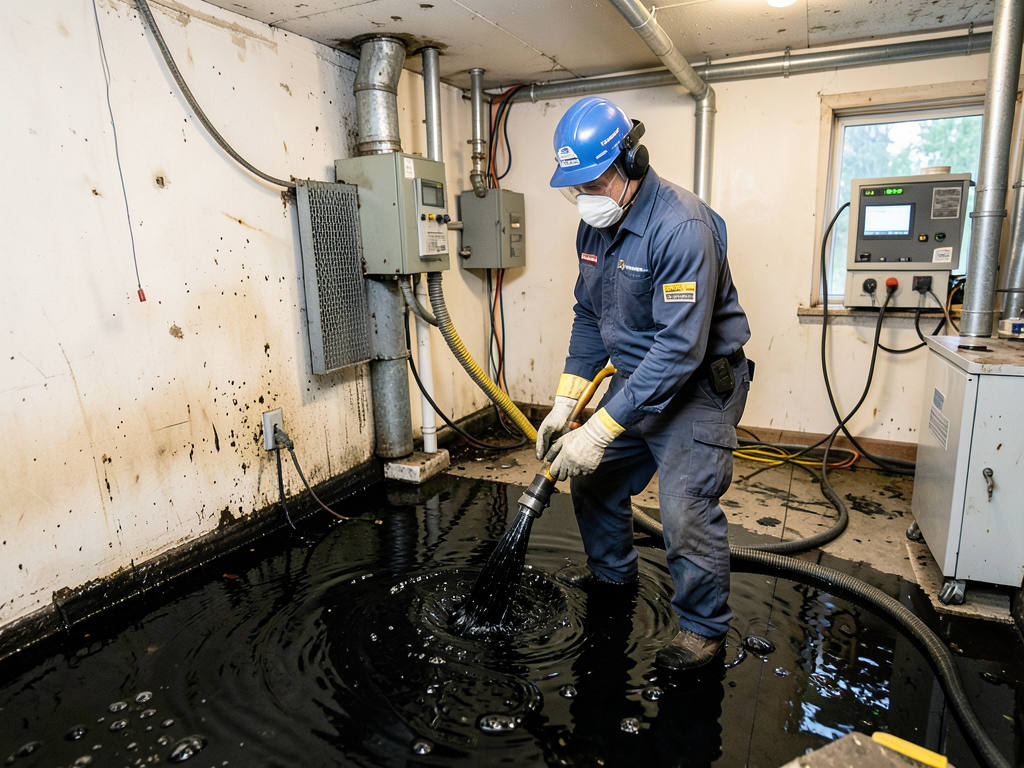
Category 2 water requires proper personal protective equipment including rubber boots, gloves, and eye protection. The water should not contact skin or be tracked through clean areas of your home. Professional restoration becomes necessary when grey water affects more than 10 square feet or penetrates porous materials like drywall or carpet padding.
Category 3: Black water floods
Black water represents the most dangerous category containing pathogenic agents, toxins, and other harmful substances. The IICRC S500 Standard classifies any water containing sewage, rising river water, or water from beyond the toilet trap as Category 3. This water can cause serious illness or death if ingested or contacted. Black Mold Symptoms.
Black water has a distinct foul odor and often appears dark brown or black. It contains fecal matter, bacteria, viruses, and parasites. Glassport’s proximity to the Monongahela River means rising river water can carry agricultural runoff, industrial contaminants, and sewage from upstream communities.
Common black water sources in Glassport include sewer line backups, toilet overflows beyond the trap, and river flooding entering basements. Black water penetrates deep into porous materials and requires complete removal of affected materials. The EPA mandates professional biohazard cleanup for Category 3 contamination to prevent disease spread.
Glassport’s flood response protocol by category
Understanding your flood’s category determines your immediate response. For Category 1 clean water, you can begin cleanup with proper drying equipment but must complete it within 48 hours. Category 2 grey water requires stopping the source, containing the area, and calling professionals for anything beyond surface cleaning. Category 3 black water demands immediate evacuation and emergency restoration service. Cleaning up after a kitchen flood in your Fox Chapel home.
The Allegheny County Health Department recommends these steps for all flood categories: turn off electricity to affected areas, avoid contact with standing water, and document damage with photos before cleanup begins. Glassport residents should also check their sump pump operation before storms and consider installing backflow preventers on sewer lines.
Water damage classes: Understanding absorption rates
Beyond contamination categories, water damage restoration professionals classify floods by absorption rate. The IICRC S500 Standard defines four classes based on how quickly water evaporates from materials. Class 1 affects only part of a room with minimal absorption. Class 2 involves entire rooms with water wicked up walls less than 24 inches.
Class 3 represents the fastest evaporation rate with water coming from overhead affecting ceilings, walls, insulation, and subfloor. Glassport’s older homes with plaster walls and hardwood floors often experience Class 3 damage during major floods. Class 4 involves specialty drying situations with materials like hardwood, concrete, or brick that have very low permeance. Efflorescence on Concrete.
Understanding both category and class helps restoration professionals determine equipment needs. A Category 3 Class 4 flood in a Glassport basement with brick walls and concrete floor requires different treatment than a Category 2 Class 1 kitchen flood. The combination determines drying time, equipment requirements, and whether materials must be removed.. Read more about Handling a commercial floor drain backup in your Collier Township kitchen.
Health risks specific to Glassport’s flood scenarios
Glassport’s combined sewer system creates unique health hazards during floods. When storm water overwhelms treatment plants, untreated sewage releases into the Monongahela River. This contaminated water can back up through basement floor drains during high river events. The resulting black water contains E. coli, hepatitis A, and other pathogens.
Glassport’s aging infrastructure compounds these risks. Many homes have lead service lines that can leach into flood water. The town’s industrial history means some properties may have contaminated soil that mixes with flood water. Mold growth accelerates in Glassport’s humid summer climate, with Category 2 water developing visible mold in 48-72 hours.
Children, elderly, and immunocompromised individuals face highest risks from flood contamination. The Allegheny County Health Department reports increased gastrointestinal illness cases following major flood events in river communities. Professional testing may be necessary to ensure your home is safe after any significant flood.
Professional restoration process for Glassport floods
Professional water damage restoration follows strict protocols based on contamination category. For Category 1 clean water, technicians use moisture meters to locate hidden dampness, extract standing water, and set up industrial air movers and dehumidifiers. The process typically takes 3-5 days for complete drying.
Category 2 grey water requires antimicrobial treatment of affected areas and removal of porous materials that cannot be adequately cleaned. Technicians wear full personal protective equipment and establish containment barriers to prevent cross-contamination. Category 3 black water demands complete removal of all affected porous materials including drywall, insulation, and carpet.
Glassport restoration professionals use moisture meters at multiple depths to ensure complete drying. They document all damage with photos and moisture readings for insurance claims. The process includes final antimicrobial treatment and clearance testing to verify your home meets safety standards before rebuilding begins.
Insurance considerations for Glassport flood damage
Standard homeowner insurance policies in Pennsylvania typically cover sudden pipe bursts and appliance failures but exclude surface water flooding and sewer backups. Glassport residents need separate flood insurance through the National Flood Insurance Program for river flooding. Sewer backup coverage requires an additional endorsement on your policy.
Documentation becomes critical for insurance claims. Professional restoration companies provide detailed reports showing contamination category, affected materials, and drying progress. This documentation helps insurance adjusters understand why certain materials must be removed and replaced rather than cleaned.
Glassport’s flood history affects insurance rates. Homes in the 100-year floodplain pay higher premiums but receive better coverage for flood damage. Some insurance companies require professional water damage restoration to validate claims, especially for Category 3 contamination where improper cleanup creates ongoing liability.
Preventing future floods in your Glassport home
Glassport residents can reduce flood risks through several preventative measures. Install a battery backup for your sump pump to maintain operation during power outages. Clean gutters and downspouts regularly to prevent roof water from overwhelming your foundation drainage. Consider installing a backwater valve to prevent sewer backups during heavy rains.
Grade soil away from your foundation to direct water flow. Seal foundation cracks with hydraulic cement and apply waterproof coating to basement walls. Elevate valuable items and utilities above potential flood levels. Test your sump pump monthly and replace it every 5-7 years before failure occurs.
Glassport’s building code requires new construction to include flood mitigation features in high-risk areas. Existing homes can benefit from similar upgrades. The Borough of Glassport offers information on flood-prone areas and mitigation strategies through their engineering department.
Emergency contacts for Glassport flood situations
During flood emergencies, Glassport residents should know who to call. For immediate life-threatening situations, dial 911. The Glassport Borough emergency management office coordinates flood response and can provide sandbags during major events. The Allegheny County Emergency Services offers 24/7 dispatch for non-life-threatening emergencies.
For professional water damage restoration, call (412) 382-8788. Reliance Water Damage Restoration Pittsburgh provides 24/7 emergency response throughout Glassport and surrounding areas. Their technicians arrive within 60 minutes with proper equipment for your specific flood category. They work directly with insurance companies and provide detailed documentation for claims.
Keep these numbers accessible: Pennsylvania Emergency Management Agency (1-800-424-7362), Allegheny County Health Department (412-687-2243), and your insurance company’s 24-hour claims line. Quick action prevents minor water damage from becoming major structural problems.
Frequently Asked Questions
How can I tell if flood water is grey or black water?
Color alone cannot determine water category. Grey water may appear cloudy while black water often has a foul odor and dark color. The source determines the category. Water from washing machines or dishwashers is grey water. Water from sewer backups or river flooding is black water. When in doubt, treat all flood water as contaminated and call professionals.
How long do I have to remove clean water before it becomes contaminated?
Clean water can degrade to grey water within 24-48 hours according to IICRC S500 standards. Factors that accelerate contamination include temperature (warmer speeds bacterial growth), presence of organic matter, and contact with contaminated surfaces. In Glassport’s humid climate, mold can begin growing on wet surfaces within 48-72 hours.
Can I clean up grey water myself if it’s just a small area?
Small grey water spills under 10 square feet can be cleaned with proper precautions. Wear rubber boots, gloves, and eye protection. Use antimicrobial cleaners and ensure complete drying within 48 hours. However, if grey water affects porous materials like drywall or carpet, or if the area exceeds 10 square feet, professional restoration is recommended to prevent mold growth.
Does homeowner insurance cover flood damage in Glassport?
Standard policies cover sudden plumbing failures but not surface water flooding or sewer backups. Glassport residents need separate flood insurance for river flooding and an additional endorsement for sewer backup coverage. Check your policy details and consider professional assessment of your flood risk to ensure adequate coverage.
How much does professional water damage restoration cost?
Costs vary based on water category, affected area size, and materials involved. Category 1 clean water typically costs $3-5 per square foot to dry. Category 2 grey water ranges from $4-7 per square foot. Category 3 black water can cost $7-10 per square foot due to material removal and biohazard protocols. Most companies provide free estimates and work with insurance companies. For more information, visit FEMA Flood Insurance Program.
{
“@context”: “https://schema.org”,
“@type”: “BlogPosting”,
“headline”: “Understanding the difference between grey water and black water floods in Glassport”,
“description”: “Learn how to identify grey water and black water floods in Glassport. Protect your family from health hazards with expert tips from Reliance Water Damage Restoration.”,
“wordCount”: 1947,
“datePublished”: “2026-05-07T15:13:00.000Z”,
“dateModified”: “2026-05-07T15:13:00.000Z”,
“inLanguage”: “en-US”,
“mainEntityOfPage”: {
“@type”: “WebPage”,
“@id”: “https://reliancewaterdamagerestorationpittsburgh.com”
},
“publisher”: {
“@type”: “LocalBusiness”,
“name”: “Reliance Water Damage Restoration Pittsburgh”,
“url”: “https://reliancewaterdamagerestorationpittsburgh.com”
},
“author”: {
“@type”: “Organization”,
“name”: “Reliance Water Damage Restoration Pittsburgh”,
“url”: “https://reliancewaterdamagerestorationpittsburgh.com”
},
“image”: {
“@type”: “ImageObject”,
“url”: “https://reliancewaterdamagerestorationpittsburgh.com/wp-content/uploads/2026/03/understanding-the-difference-between-grey-water-an-1.png”
}
}
{
“@context”: “https://schema.org”,
“@type”: “LocalBusiness”,
“name”: “Reliance Water Damage Restoration Pittsburgh”,
“url”: “https://reliancewaterdamagerestorationpittsburgh.com”,
“address”: {
“@type”: “PostalAddress”,
“addressLocality”: “Pittsburgh”
},
“areaServed”: {
“@type”: “City”,
“name”: “Pittsburgh”
}
}
{
“@context”: “https://schema.org”,
“@type”: “FAQPage”,
“mainEntity”: [
{
“@type”: “Question”,
“name”: “How can I tell if flood water is grey or black water?”,
“acceptedAnswer”: {
“@type”: “Answer”,
“text”: “Color alone cannot determine water category. Grey water may appear cloudy while black water often has a foul odor and dark color. The source determines the category. Water from washing machines or dishwashers is grey water. Water from sewer backups or river flooding is black water. When in doubt, treat all flood water as contaminated and call professionals.”
}
},
{
“@type”: “Question”,
“name”: “How long do I have to remove clean water before it becomes contaminated?”,
“acceptedAnswer”: {
“@type”: “Answer”,
“text”: “Clean water can degrade to grey water within 24-48 hours according to IICRC S500 standards. Factors that accelerate contamination include temperature (warmer speeds bacterial growth), presence of organic matter, and contact with contaminated surfaces. In Glassport’s humid climate, mold can begin growing on wet surfaces within 48-72 hours.”
}
},
{
“@type”: “Question”,
“name”: “Can I clean up grey water myself if it’s just a small area?”,
“acceptedAnswer”: {
“@type”: “Answer”,
“text”: “Small grey water spills under 10 square feet can be cleaned with proper precautions. Wear rubber boots, gloves, and eye protection. Use antimicrobial cleaners and ensure complete drying within 48 hours. However, if grey water affects porous materials like drywall or carpet, or if the area exceeds 10 square feet, professional restoration is recommended to prevent mold growth.”
}
},
{
“@type”: “Question”,
“name”: “Does homeowner insurance cover flood damage in Glassport?”,
“acceptedAnswer”: {
“@type”: “Answer”,
“text”: “Standard policies cover sudden plumbing failures but not surface water flooding or sewer backups. Glassport residents need separate flood insurance for river flooding and an additional endorsement for sewer backup coverage. Check your policy details and consider professional assessment of your flood risk to ensure adequate coverage.”
}
},
{
“@type”: “Question”,
“name”: “How much does professional water damage restoration cost?”,
“acceptedAnswer”: {
“@type”: “Answer”,
“text”: “Costs vary based on water category, affected area size, and materials involved. Category 1 clean water typically costs $3-5 per square foot to dry. Category 2 grey water ranges from $4-7 per square foot. Category 3 black water can cost $7-10 per square foot due to material removal and biohazard protocols. Most companies provide free estimates and work with insurance companies. For more information, visit FEMA Flood Insurance Program.”
}
}
]
}
{
“@context”: “https://schema.org”,
“@type”: “BreadcrumbList”,
“itemListElement”: [
{
“@type”: “ListItem”,
“position”: 1,
“name”: “Home”,
“item”: “https://reliancewaterdamagerestorationpittsburgh.com”
},
{
“@type”: “ListItem”,
“position”: 2,
“name”: “Blog”,
“item”: “https://reliancewaterdamagerestorationpittsburgh.com/blog”
},
{
“@type”: “ListItem”,
“position”: 3,
“name”: “Understanding the difference between grey water and black water floods in Glassport”
}
]
}
{
“@context”: “https://schema.org”,
“@type”: “Service”,
“serviceType”: “Water Damage Restoration”,
“provider”: {
“@type”: “LocalBusiness”,
“name”: “Reliance Water Damage Restoration Pittsburgh”,
“url”: “https://reliancewaterdamagerestorationpittsburgh.com”
},
“areaServed”: {
“@type”: “City”,
“name”: “Pittsburgh”
},
“description”: “Learn how to identify grey water and black water floods in Glassport. Protect your family from health hazards with expert tips from Reliance Water Damage Restoration.”
}