What happens to your Homewood home after the fire department leaves
When the fire trucks roll away from your Homewood home, the visible flames are gone but a hidden disaster is just beginning. The water used to save your house creates a second emergency that most homeowners never see coming. Within 24 to 48 hours, that moisture transforms into toxic mold colonies, corroded electrical systems, and structural rot that can cost tens of thousands to repair. EPA mold remediation guidelines.
Firefighters in Pittsburgh’s Homewood neighborhood typically use 3,000 to 5,000 gallons of water per house fire. That water mixes with ash, soot, and burned synthetic materials to create an acidic sludge that eats through drywall, corrodes metal studs, and seeps deep into century-old brick foundations common in this area. The combination of Homewood’s older housing stock and Pittsburgh’s humid climate creates the perfect conditions for secondary damage to explode. Who to call for emergency water removal in Pittsburgh right now.
Why Water Damage Following a Fire is a Unique Emergency
Standard water damage from a burst pipe behaves differently than water from fire suppression. When firefighters spray thousands of gallons into your burning Homewood home, that water becomes contaminated with soot particles that carry acidic compounds. These hydroscopic soot particles absorb moisture from the air, creating a self-sustaining cycle of corrosion and mold growth. Expert water damage restoration for businesses in the Pittsburgh Strip District.
Homewood’s older homes, many built before 1940, have plaster walls and lathe construction that act like sponges. Water from fire hoses penetrates these materials far deeper than clean water would. The alkaline nature of Pittsburgh’s clay soil combined with the acidic soot-water mixture creates a chemical reaction that breaks down mortar joints in brick walls within days.
According to the IICRC S500 standard for water damage restoration, Category 3 water (the classification for fire suppression water) requires immediate professional extraction and drying within 24 hours to prevent irreversible damage. The standard also mandates antimicrobial treatments for all affected surfaces, something most homeowners don’t realize until it’s too late. IICRC certification standards.
Our Step-by-Step Fire and Water Damage Recovery Process
Time is your enemy after a Homewood house fire. Every hour that passes allows water to migrate deeper into your home’s structure and mold to establish colonies that become exponentially harder to remove. Cleaning up after a kitchen flood in your Fox Chapel home.
- Emergency Contact and Damage Assessment
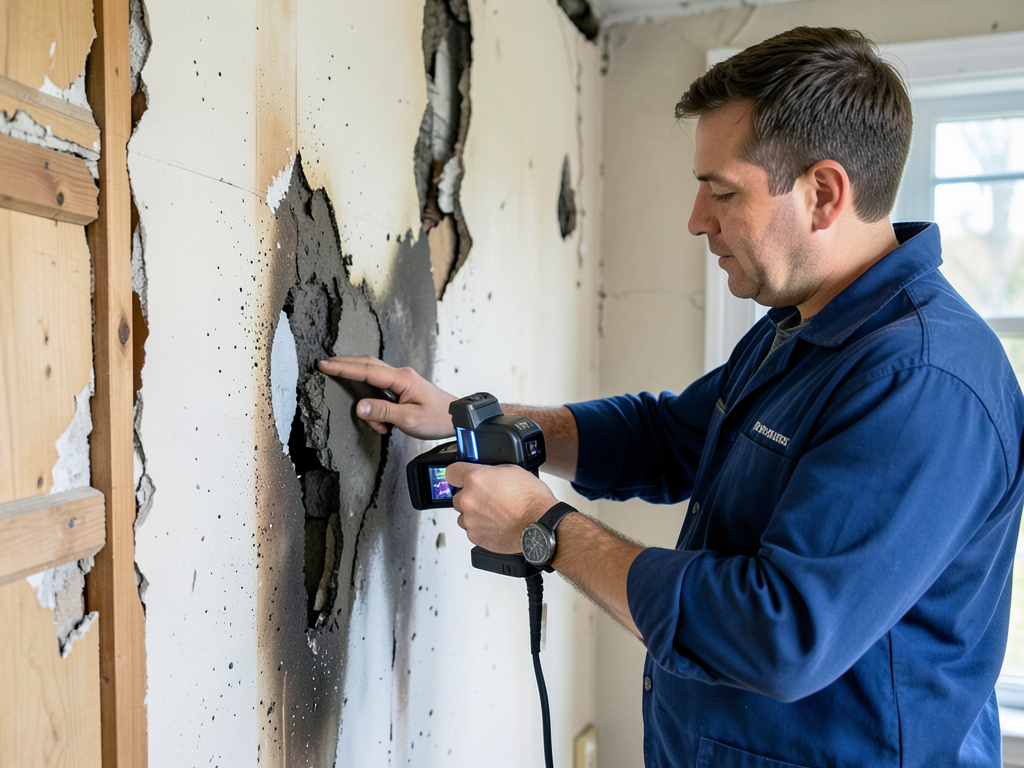
Our Homewood-based team arrives within 60 minutes of your call. We use thermal imaging cameras to detect hidden moisture pockets behind walls and under flooring that aren’t visible to the naked eye. This diagnostic scan maps the full extent of water migration through your home’s structure.
- Water Extraction and Structural Drying
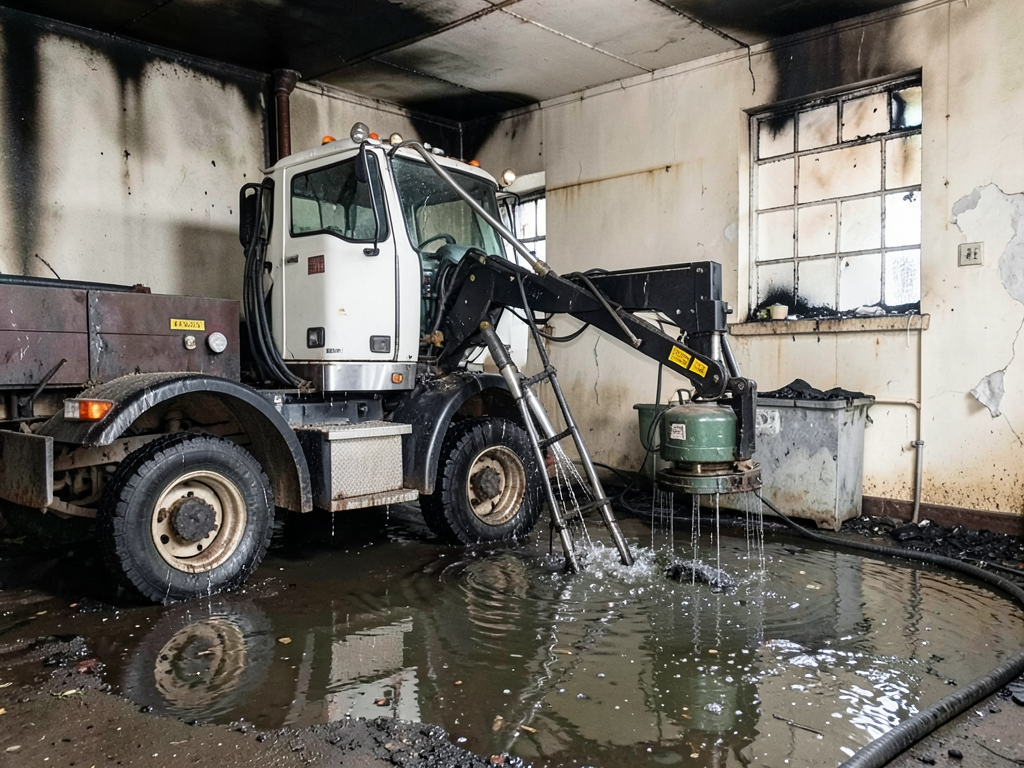
We deploy industrial-grade truck-mounted extractors capable of removing 20 gallons of water per minute. High-velocity air movers and commercial dehumidifiers work in tandem to create a drying chamber that reduces moisture content in structural materials from 30% to below 15% within 48 hours.
- Soot and Smoke Odor Removal
Our hydroxyl generators break down odor-causing molecules at the molecular level, while HEPA-filtered air scrubbers remove 99.97% of airborne particulates. This process is critical in Homewood’s older homes where smoke odor can penetrate decades-old wood and plaster.
1. Emergency Contact and Damage Assessment
When you call (412) 382-8788 after a fire, our dispatch team immediately mobilizes a crew equipped with moisture meters calibrated for Pittsburgh’s specific humidity levels. We test moisture content at multiple depths: surface readings, core readings, and relative humidity measurements that tell us how much water vapor is still trapped in your home’s materials.
Our technicians document everything with moisture mapping technology that creates a heat map of your home’s water damage. This documentation becomes crucial for insurance claims, as it proves the extent of secondary damage that occurred after the fire was extinguished.
2. Water Extraction and Structural Drying
Industrial extraction equipment removes standing water, but the real work happens in the drying phase. We use desiccant dehumidifiers that can reduce relative humidity to 12%, well below the 20% threshold where mold can survive. In Homewood’s older homes, we often need to remove baseboards and drill small holes in wall cavities to ensure complete drying.
The freeze-thaw cycles common in Pittsburgh winters make this process even more critical. Water trapped in wall cavities can freeze, expand, and cause structural cracking that wasn’t present immediately after the fire.
3. Soot and Smoke Odor Removal
Fire damage restoration requires specialized chemistry. We use alkaline cleaners to neutralize acidic soot residues, followed by encapsulation treatments that seal remaining odor molecules. This two-step process is essential in Homewood’s older homes where porous materials like plaster and hardwood absorb contaminants deeply.
The Risks of Secondary Damage: Mold and Structural Weakness
Within 24 to 48 hours after a fire, mold begins growing in the damp, dark environments created by firefighting water. Pittsburgh’s average relative humidity of 70% in summer months accelerates this growth dramatically. Black mold, specifically Stachybotrys chartarum, thrives in the cellulose-rich materials found in Homewood’s older homes. Black Mold Symptoms.
Structural damage often goes unnoticed until it’s severe. Water weakens wooden floor joists, causes drywall to delaminate, and creates conditions where termites and carpenter ants are attracted to the moisture. The acidic nature of soot-water mixtures accelerates corrosion in metal components, including electrical wiring that may already be compromised from the fire.
According to the EPA’s mold remediation guidelines, any area larger than 10 square feet affected by mold requires professional remediation. In fire-damaged homes, this threshold is often exceeded before homeowners even realize there’s a problem. Large Scale Water Extraction.
Navigating Insurance Claims for Pittsburgh Homeowners
Fire damage combined with water damage creates complex insurance scenarios. Most homeowners insurance policies cover both perils, but the claims process becomes complicated when determining which damage came from the fire versus the water used to extinguish it.
We provide detailed documentation that insurance companies require, including moisture mapping, photographic evidence, and third-party lab testing when necessary. Our experience with Pittsburgh-area insurance adjusters helps streamline the process, ensuring you receive full coverage for both fire and water damage restoration.
Pennsylvania insurance law requires insurers to respond to claims within 30 days. However, secondary damage from firefighting water often isn’t apparent until after this window closes. Our documentation protects you from claim denials based on delayed discovery of damage.
Why Choose [Company Name] for Pittsburgh Fire-Water Restoration?
We’re not just water damage restoration technicians; we’re structural drying specialists who understand the unique chemistry of fire suppression water. Our team holds multiple IICRC certifications including WRT (Water Damage Restoration), ASD (Applied Structural Drying), and AMRT (Applied Microbial Remediation).
Homewood’s location in Pittsburgh’s East End presents specific challenges. The area’s aging infrastructure means many homes have galvanized steel plumbing that corrodes quickly when exposed to acidic soot-water mixtures. Our restoration process accounts for these local factors, ensuring complete recovery rather than just surface-level cleanup.
We maintain 24/7 emergency response capability specifically for Pittsburgh’s fire season, which typically peaks during winter months when heating systems are most active. Our average response time to Homewood addresses is 45 minutes, well below the industry standard of 2 hours.
Don’t let the second disaster after your fire become a third when mold takes hold. Call (412) 382-8788 today to schedule your inspection. The longer you wait, the more your Homewood home deteriorates from the inside out.
Frequently Asked Questions
How long does it take to dry out a fire-damaged home?
Most fire-damaged homes require 3 to 5 days of professional drying, depending on the extent of water saturation and the materials affected. Homes with plaster walls and hardwood floors, common in Homewood, typically require the full 5-day process.
Does insurance cover water damage from fire hoses?
Yes, standard homeowners insurance policies cover both fire damage and the water damage caused by firefighting efforts. However, coverage details vary by policy, and some insurers may require additional documentation for secondary damage claims.
Can I clean up fire and water damage myself?
DIY cleanup is not recommended for fire and water damage. The combination of contaminated water, structural instability, and potential mold growth creates serious health and safety risks that require professional equipment and training to address properly.
What should I do immediately after the fire department leaves?
Document everything with photos and videos before any cleanup begins. Contact your insurance company immediately, then call a professional restoration company. Do not enter the home until it has been declared safe by fire officials, as structural damage may not be visible.
How much does fire and water damage restoration cost?
Costs vary widely based on damage extent, but most fire and water damage restoration projects in Pittsburgh range from $5,000 to $50,000. Insurance typically covers these costs, though you may be responsible for your deductible.
[IMAGE_PLACEHOLDER_3>
{
“@context”: “https://schema.org”,
“@type”: “BlogPosting”,
“headline”: “What happens to your Homewood home after the fire department leaves”,
“description”: “Learn the hidden water damage threats after a fire in Homewood. Discover why firefighting water creates acidic soot sludge and how Pittsburgh’s humid climate accelerates mold growth.”,
“wordCount”: 1471,
“datePublished”: “2026-05-26T13:23:00.000Z”,
“dateModified”: “2026-05-26T13:23:00.000Z”,
“inLanguage”: “en-US”,
“mainEntityOfPage”: {
“@type”: “WebPage”,
“@id”: “https://reliancewaterdamagerestorationpittsburgh.com”
},
“publisher”: {
“@type”: “LocalBusiness”,
“name”: “Reliance Water Damage Restoration Pittsburgh”,
“url”: “https://reliancewaterdamagerestorationpittsburgh.com”
},
“author”: {
“@type”: “Organization”,
“name”: “Reliance Water Damage Restoration Pittsburgh”,
“url”: “https://reliancewaterdamagerestorationpittsburgh.com”
},
“image”: {
“@type”: “ImageObject”,
“url”: “https://reliancewaterdamagerestorationpittsburgh.com/wp-content/uploads/2026/03/what-happens-to-your-homewood-home-after-the-fire-1.png”
}
}
{
“@context”: “https://schema.org”,
“@type”: “LocalBusiness”,
“name”: “Reliance Water Damage Restoration Pittsburgh”,
“url”: “https://reliancewaterdamagerestorationpittsburgh.com”,
“address”: {
“@type”: “PostalAddress”,
“addressLocality”: “Pittsburgh”
},
“areaServed”: {
“@type”: “City”,
“name”: “Pittsburgh”
}
}
{
“@context”: “https://schema.org”,
“@type”: “FAQPage”,
“mainEntity”: [
{
“@type”: “Question”,
“name”: “Why Choose [Company Name] for Pittsburgh Fire-Water Restoration?”,
“acceptedAnswer”: {
“@type”: “Answer”,
“text”: “We’re not just water damage restoration technicians; we’re structural drying specialists who understand the unique chemistry of fire suppression water. Our team holds multiple IICRC certifications including WRT (Water Damage Restoration), ASD (Applied Structural Drying), and AMRT (Applied Microbial Remediation).”
}
},
{
“@type”: “Question”,
“name”: “How long does it take to dry out a fire-damaged home?”,
“acceptedAnswer”: {
“@type”: “Answer”,
“text”: “Most fire-damaged homes require 3 to 5 days of professional drying, depending on the extent of water saturation and the materials affected. Homes with plaster walls and hardwood floors, common in Homewood, typically require the full 5-day process.”
}
},
{
“@type”: “Question”,
“name”: “Does insurance cover water damage from fire hoses?”,
“acceptedAnswer”: {
“@type”: “Answer”,
“text”: “Yes, standard homeowners insurance policies cover both fire damage and the water damage caused by firefighting efforts. However, coverage details vary by policy, and some insurers may require additional documentation for secondary damage claims.”
}
},
{
“@type”: “Question”,
“name”: “Can I clean up fire and water damage myself?”,
“acceptedAnswer”: {
“@type”: “Answer”,
“text”: “DIY cleanup is not recommended for fire and water damage. The combination of contaminated water, structural instability, and potential mold growth creates serious health and safety risks that require professional equipment and training to address properly.”
}
},
{
“@type”: “Question”,
“name”: “What should I do immediately after the fire department leaves?”,
“acceptedAnswer”: {
“@type”: “Answer”,
“text”: “Document everything with photos and videos before any cleanup begins. Contact your insurance company immediately, then call a professional restoration company. Do not enter the home until it has been declared safe by fire officials, as structural damage may not be visible.”
}
},
{
“@type”: “Question”,
“name”: “How much does fire and water damage restoration cost?”,
“acceptedAnswer”: {
“@type”: “Answer”,
“text”: “Costs vary widely based on damage extent, but most fire and water damage restoration projects in Pittsburgh range from $5,000 to $50,000. Insurance typically covers these costs, though you may be responsible for your deductible.”
}
}
]
}
{
“@context”: “https://schema.org”,
“@type”: “HowTo”,
“name”: “Fire and Water Damage Recovery Process”,
“step”: [
{
“@type”: “HowToStep”,
“position”: 1,
“name”: “Emergency Contact and Damage Assessment”,
“text”: “Our Homewood-based team arrives within 60 minutes of your call. We use thermal imaging cameras to detect hidden moisture pockets behind walls and under flooring that aren’t visible to the naked eye. This diagnostic scan maps the full extent of water migration through your home’s structure.”
},
{
“@type”: “HowToStep”,
“position”: 2,
“name”: “Water Extraction and Structural Drying”,
“text”: “We deploy industrial-grade truck-mounted extractors capable of removing 20 gallons of water per minute. High-velocity air movers and commercial dehumidifiers work in tandem to create a drying chamber that reduces moisture content in structural materials from 30% to below 15% within 48 hours.”
},
{
“@type”: “HowToStep”,
“position”: 3,
“name”: “Soot and Smoke Odor Removal”,
“text”: “Our hydroxyl generators break down odor-causing molecules at the molecular level, while HEPA-filtered air scrubbers remove 99.97% of airborne particulates. This process is critical in Homewood’s older homes where smoke odor can penetrate decades-old wood and plaster.”
}
],
“image”: “https://reliancewaterdamagerestorationpittsburgh.com/wp-content/uploads/2026/03/what-happens-to-your-homewood-home-after-the-fire-1.png”
}
{
“@context”: “https://schema.org”,
“@type”: “BreadcrumbList”,
“itemListElement”: [
{
“@type”: “ListItem”,
“position”: 1,
“name”: “Home”,
“item”: “https://reliancewaterdamagerestorationpittsburgh.com”
},
{
“@type”: “ListItem”,
“position”: 2,
“name”: “Blog”,
“item”: “https://reliancewaterdamagerestorationpittsburgh.com/blog”
},
{
“@type”: “ListItem”,
“position”: 3,
“name”: “What happens to your Homewood home after the fire department leaves”
}
]
}
{
“@context”: “https://schema.org”,
“@type”: “Service”,
“serviceType”: “Water Damage Restoration”,
“provider”: {
“@type”: “LocalBusiness”,
“name”: “Reliance Water Damage Restoration Pittsburgh”,
“url”: “https://reliancewaterdamagerestorationpittsburgh.com”
},
“areaServed”: {
“@type”: “City”,
“name”: “Pittsburgh”
},
“description”: “Learn the hidden water damage threats after a fire in Homewood. Discover why firefighting water creates acidic soot sludge and how Pittsburgh’s humid climate accelerates mold growth.”
}