What to do when your office fire sprinklers go off by mistake in Downtown Pittsburgh
When fire sprinklers discharge without warning in a Downtown Pittsburgh office the first moments matter. A single sprinkler head can release 20-40 gallons per minute flooding floors within minutes. The water in these systems sits stagnant for years often containing bacteria and sediment making it far more hazardous than fresh pipe water. You need immediate commercial water extraction before secondary damage spreads through walls and ceilings. Who to call for emergency water removal in Pittsburgh right now.
Turn off the main water supply to the sprinkler system immediately. Most Downtown Pittsburgh buildings have the shutoff valve in the mechanical room near the fire riser. If you cannot locate it call the building engineer or fire department for assistance. Shutting off water stops the flow but does not remove the gallons already released. Expert water damage restoration for businesses in the Pittsburgh Strip District.
Document everything before cleanup begins. Take photos of standing water damaged equipment and affected areas. This documentation helps with insurance claims and proves the extent of business interruption losses. Most commercial policies cover accidental discharge but require prompt reporting and professional restoration.. Read more about Hospital grade water damage cleanup for medical offices in Oakland.
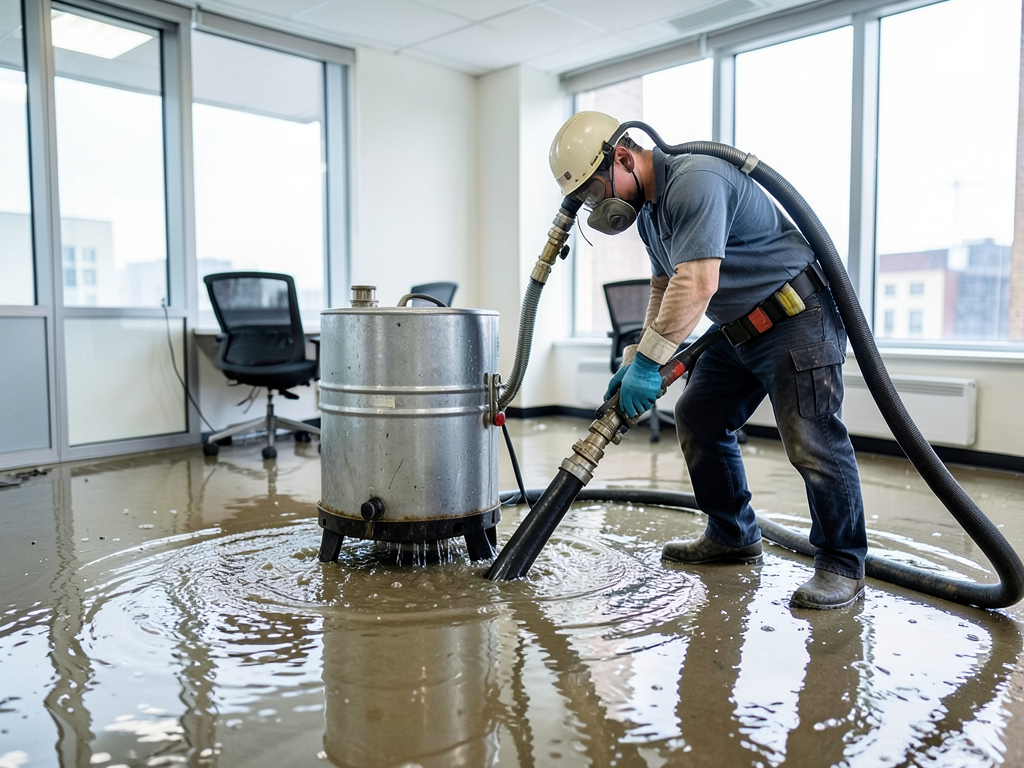
Call a certified water damage restoration company with commercial experience. General contractors lack the high-capacity extraction equipment and moisture detection tools needed for large-scale sprinkler discharge. You need truck-mounted pumps desiccant dehumidifiers and air scrubbers to handle the contamination and prevent mold growth. Large Scale Water Extraction.
Immediate Response Steps for Downtown Pittsburgh Businesses
Time is critical when fire sprinklers malfunction in commercial spaces. Every hour of standing water increases restoration costs and business downtime. Here are the immediate steps to take:
- Evacuate the Area
Clear all personnel from the affected zone. Standing water creates slip hazards and may contain contaminants from the sprinkler system piping.
- Stop the Water Flow
Locate and shut off the main sprinkler valve. In Downtown Pittsburgh high-rise buildings this is typically in the basement mechanical room near the fire riser.
- Protect Critical Equipment
Move servers computers and sensitive electronics to dry areas if safe to do so. Water and electronics create electrocution risks.
- Document the Damage
Take clear photos of all affected areas before any cleanup begins. This proves the initial damage extent to insurance adjusters.
- Call Professional Restoration
Commercial water damage requires specialized equipment. Standard shop vacs cannot handle the volume from sprinkler discharge.
The Unique Challenges of Sprinkler System Failure
Fire sprinkler water damage differs significantly from other water emergencies. The high pressure discharge combined with stagnant water creates specific hazards that require expert handling.
NFPA 13 compliant systems operate at 150-300 PSI. When a head activates unintentionally this pressure forces water deep into wall cavities and under flooring much faster than a pipe break. The force can also damage ceiling tiles and dislodge light fixtures creating additional safety concerns. NFPA 13.
The water itself poses contamination risks. Fire sprinkler pipes contain black or gray water from years of stagnation. This water often harbors bacteria biofilm and mineral deposits that can cause health issues if not properly treated. The odor from stagnant sprinkler water is distinct and persistent requiring specialized cleaning agents. Cleaning up after a kitchen flood in your Fox Chapel home.
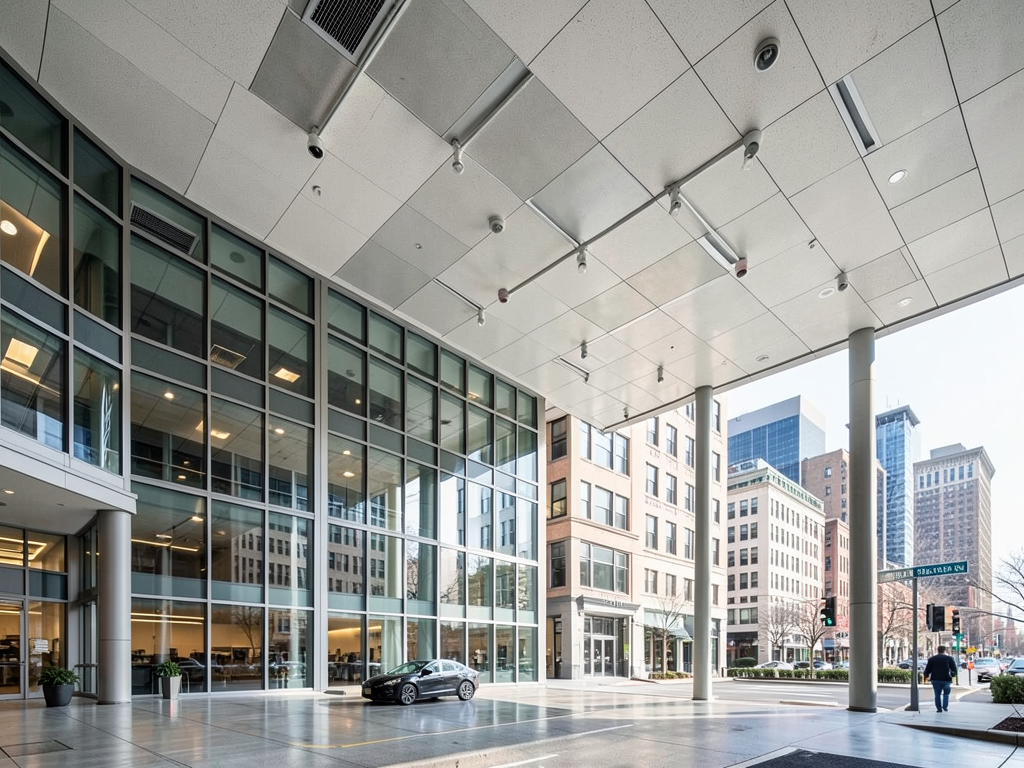
Commercial buildings in Downtown Pittsburgh face additional challenges. Many structures have suspended ceilings that trap water creating hidden reservoirs. The water can travel horizontally through ceiling plenums affecting multiple floors before visible signs appear on lower levels.
Commercial Restoration Process for Sprinkler Discharge
Professional restoration follows specific protocols to ensure complete drying and prevent secondary damage. The process must address both visible water and hidden moisture that can cause mold growth within 48-72 hours.
Initial assessment includes moisture mapping using infrared cameras and penetrating moisture meters. These tools detect water behind walls under flooring and in ceiling cavities where visual inspection cannot reach. Without proper detection hidden moisture leads to recurring problems months later.
Water extraction uses commercial-grade equipment capable of removing thousands of gallons per hour. Truck-mounted extraction units provide the power needed for large office spaces. Portable units work for upper floors where truck access is limited.
Drying involves industrial dehumidifiers and air movers strategically placed to create optimal evaporation conditions. Desiccant dehumidifiers work best in cold environments common in Pittsburgh during winter months. These units can reduce humidity to levels that prevent mold growth even in hidden spaces.
Cleaning and sanitization address the contamination from stagnant water. This includes antimicrobial treatments for affected surfaces and HEPA filtration to remove airborne particles. The goal is restoring the space to pre-loss condition while ensuring occupant safety.
Navigating Insurance and Compliance
Commercial insurance policies typically cover accidental sprinkler discharge but the claims process requires specific documentation and adherence to industry standards. Understanding these requirements helps ensure full coverage and proper restoration.
Most policies require prompt notification of water damage. Delays can result in coverage denial based on failure to mitigate damages. Document all communication with your insurance company including dates times and representatives spoken with.
Restoration must follow IICRC S500 standards for water damage restoration. These standards ensure proper drying techniques are used and provide documentation acceptable to insurance adjusters. Non-compliant restoration may result in claim denials or future liability issues. IICRC S500.
Building codes require specific restoration procedures in commercial spaces. Pittsburgh follows Pennsylvania Uniform Construction Code with additional local requirements. Restoration work must maintain fire-rated assemblies and meet all applicable codes to avoid violations. Pennsylvania Uniform Construction Code.
Business interruption coverage often applies to sprinkler discharge claims. This coverage reimburses lost income during restoration. Detailed documentation of downtime and restoration progress supports these claims and ensures proper compensation.
Pittsburgh Industry Expertise
Reliance Water Damage Restoration understands the unique challenges of Downtown Pittsburgh commercial properties. Our technicians are familiar with local building systems and Pittsburgh-specific issues that affect restoration outcomes.
Downtown Pittsburgh buildings often have complex mechanical systems with multiple water sources. We understand how to isolate sprinkler systems from domestic water supplies and navigate the mechanical rooms common in high-rise buildings. This knowledge prevents accidental shutdowns of other critical systems during restoration.
Winter conditions in Pittsburgh create additional restoration challenges. Cold temperatures can freeze water in walls creating ice dams that prevent proper drying. Our equipment includes freeze-thaw detection tools and we use specialized drying techniques for cold environments common in Pittsburgh winters.
Many Downtown Pittsburgh buildings have historical significance or architectural features requiring special handling. We understand how to protect ornate ceilings vintage woodwork and other features while completing necessary restoration work. This expertise prevents damage to irreplaceable building elements.
Local code compliance is critical for commercial restoration. We maintain current knowledge of Pittsburgh building codes fire safety requirements and insurance standards. This ensures all restoration work meets regulatory requirements and passes inspection.
Preventing Future Sprinkler Discharge
While accidental discharge cannot be completely prevented certain maintenance practices reduce the risk. Regular inspection and testing of sprinkler systems identify potential failure points before they cause problems.
NFPA 25 requires annual inspection of fire sprinkler systems. This includes checking for corrosion damaged heads and proper pressure levels. Building owners should verify their systems receive these inspections and address any identified issues promptly.
Temperature monitoring prevents freeze-related discharge common in Pittsburgh winters. Buildings should maintain minimum temperatures in areas with sprinkler piping and inspect for drafts or insulation failures that could cause freezing.
Pressure regulation prevents over-pressurization that can damage sprinkler components. Pressure reducing valves should be tested annually and replaced when showing signs of wear. Proper pressure ensures system reliability while preventing component failure.
Professional maintenance includes testing of alarm systems and flow switches. These components detect discharge and activate building alarms. Ensuring these systems function properly provides early warning of problems and activates emergency response procedures.
Cost Factors and Insurance Considerations
Understanding cost factors helps businesses prepare for potential expenses and make informed decisions about restoration services. Several factors influence the total cost of sprinkler discharge restoration.
Water volume directly affects equipment needs and labor requirements. A single sprinkler head releases significant water quickly requiring industrial extraction equipment. Larger discharge areas need more equipment and personnel increasing costs proportionally.
Contamination level affects cleaning requirements and material disposal costs. Black water from sprinkler systems requires specialized cleaning agents and may necessitate disposal of contaminated materials that cannot be properly sanitized. Black Mold Symptoms.
Access challenges increase labor costs. Upper floor discharge requires equipment transport and may need specialized access equipment. Buildings with limited elevator access or loading dock restrictions face additional logistical challenges.
Business interruption costs often exceed restoration costs. While insurance may cover these losses understanding potential downtime helps businesses plan for financial impacts. Quick restoration minimizes these costs but requires proper equipment and expertise.
Choosing the Right Restoration Partner
Not all restoration companies have the expertise and equipment needed for commercial sprinkler discharge. Selecting the right partner ensures proper restoration and minimizes business disruption.
Commercial experience matters significantly. Residential restoration companies often lack the equipment capacity and expertise needed for large-scale commercial projects. Look for companies with documented commercial restoration experience and proper certifications.
24/7 availability is essential for water damage emergencies. Sprinkler discharge requires immediate response to prevent secondary damage. Companies without emergency response capabilities cannot provide the rapid service needed for optimal outcomes.
Insurance coordination experience helps navigate the claims process. Restoration companies should understand insurance requirements and provide documentation that supports claims. This expertise prevents coverage issues and ensures proper compensation.
Local knowledge provides advantages in Pittsburgh commercial restoration. Understanding local building systems codes and weather patterns enables more effective restoration strategies. Local companies can also respond more quickly reducing damage extent.
Frequently Asked Questions
How long does commercial sprinkler discharge restoration take?
Restoration timelines vary based on damage extent but most commercial projects complete in 3-7 days. Initial water extraction occurs within hours of arrival. Complete drying typically requires 48-72 hours with additional time needed for repairs and content restoration.
Is sprinkler discharge water dangerous?
Yes. Sprinkler system water sits stagnant for years accumulating bacteria sediment and mineral deposits. This creates Category 3 black water contamination requiring specialized cleaning and sanitization. Direct contact can cause health issues and the water often contains unpleasant odors.
Will my insurance cover accidental sprinkler discharge?
Most commercial property policies cover accidental sprinkler discharge as a sudden accidental event. Coverage includes water damage and business interruption. However policies require prompt notification and professional restoration to maintain coverage. Review your specific policy for coverage details.
Can I use my regular cleaning company for sprinkler discharge?
No. Standard cleaning companies lack the equipment expertise and certifications needed for Category 3 water damage. Professional restoration requires industrial extraction equipment moisture detection tools and specialized cleaning agents. Using unqualified companies risks incomplete restoration and future problems.
What should I do while waiting for the restoration company?
Evacuate the area document damage with photos and prevent further water spread if possible. Do not attempt water removal with household equipment. Avoid contact with standing water and protect sensitive electronics if safe to do so. Wait for professional assessment before taking further action.
Commercial Fire Sprinkler Water Damage Restoration in Pittsburgh
Fire sprinkler discharge creates immediate business disruption and potential long-term damage if not addressed properly. The combination of high-pressure water and contaminated supply requires specialized restoration techniques that only experienced commercial restoration companies can provide.
Downtown Pittsburgh businesses face unique challenges with sprinkler systems in high-rise buildings and historic structures. Our team understands these local complexities and provides rapid response to minimize downtime and restore your business operations quickly.
Don’t let sprinkler discharge water damage your Pittsburgh business assets and reputation. Call (412) 382-8788 today for emergency commercial water damage restoration. Our certified technicians arrive within 60 minutes with industrial equipment to extract water dry structures and prevent mold growth. Pick up the phone and call (412) 382-8788 before the next storm hits or sprinkler malfunction occurs.
{
“@context”: “https://schema.org”,
“@type”: “BlogPosting”,
“headline”: “What to do when your office fire sprinklers go off by mistake in Downtown Pittsburgh”,
“description”: “When fire sprinklers discharge accidentally in Downtown Pittsburgh offices immediate action prevents extensive water damage and business disruption.”,
“wordCount”: 1981,
“datePublished”: “2026-04-13T11:35:00.000Z”,
“dateModified”: “2026-04-13T11:35:00.000Z”,
“inLanguage”: “en-US”,
“mainEntityOfPage”: {
“@type”: “WebPage”,
“@id”: “https://reliancewaterdamagerestorationpittsburgh.com”
},
“publisher”: {
“@type”: “LocalBusiness”,
“name”: “Reliance Water Damage Restoration Pittsburgh”,
“url”: “https://reliancewaterdamagerestorationpittsburgh.com”
},
“author”: {
“@type”: “Organization”,
“name”: “Reliance Water Damage Restoration Pittsburgh”,
“url”: “https://reliancewaterdamagerestorationpittsburgh.com”
},
“image”: {
“@type”: “ImageObject”,
“url”: “https://reliancewaterdamagerestorationpittsburgh.com/wp-content/uploads/2026/03/what-to-do-when-your-office-fire-sprinklers-go-off-1.png”
}
}
{
“@context”: “https://schema.org”,
“@type”: “LocalBusiness”,
“name”: “Reliance Water Damage Restoration Pittsburgh”,
“url”: “https://reliancewaterdamagerestorationpittsburgh.com”,
“address”: {
“@type”: “PostalAddress”,
“addressLocality”: “Pittsburgh”
},
“areaServed”: {
“@type”: “City”,
“name”: “Pittsburgh”
}
}
{
“@context”: “https://schema.org”,
“@type”: “FAQPage”,
“mainEntity”: [
{
“@type”: “Question”,
“name”: “How long does commercial sprinkler discharge restoration take?”,
“acceptedAnswer”: {
“@type”: “Answer”,
“text”: “Restoration timelines vary based on damage extent but most commercial projects complete in 3-7 days. Initial water extraction occurs within hours of arrival. Complete drying typically requires 48-72 hours with additional time needed for repairs and content restoration.”
}
},
{
“@type”: “Question”,
“name”: “Is sprinkler discharge water dangerous?”,
“acceptedAnswer”: {
“@type”: “Answer”,
“text”: “Yes. Sprinkler system water sits stagnant for years accumulating bacteria sediment and mineral deposits. This creates Category 3 black water contamination requiring specialized cleaning and sanitization. Direct contact can cause health issues and the water often contains unpleasant odors.”
}
},
{
“@type”: “Question”,
“name”: “Will my insurance cover accidental sprinkler discharge?”,
“acceptedAnswer”: {
“@type”: “Answer”,
“text”: “Most commercial property policies cover accidental sprinkler discharge as a sudden accidental event. Coverage includes water damage and business interruption. However policies require prompt notification and professional restoration to maintain coverage. Review your specific policy for coverage details.”
}
},
{
“@type”: “Question”,
“name”: “Can I use my regular cleaning company for sprinkler discharge?”,
“acceptedAnswer”: {
“@type”: “Answer”,
“text”: “No. Standard cleaning companies lack the equipment expertise and certifications needed for Category 3 water damage. Professional restoration requires industrial extraction equipment moisture detection tools and specialized cleaning agents. Using unqualified companies risks incomplete restoration and future problems.”
}
},
{
“@type”: “Question”,
“name”: “What should I do while waiting for the restoration company?”,
“acceptedAnswer”: {
“@type”: “Answer”,
“text”: “Evacuate the area document damage with photos and prevent further water spread if possible. Do not attempt water removal with household equipment. Avoid contact with standing water and protect sensitive electronics if safe to do so. Wait for professional assessment before taking further action.”
}
}
]
}
{
“@context”: “https://schema.org”,
“@type”: “HowTo”,
“name”: “Emergency Sprinkler Discharge Response”,
“step”: [
{
“@type”: “HowToStep”,
“position”: 1,
“name”: “Evacuate the Area”,
“text”: “Clear all personnel from the affected zone. Standing water creates slip hazards and may contain contaminants from the sprinkler system piping.”
},
{
“@type”: “HowToStep”,
“position”: 2,
“name”: “Stop the Water Flow”,
“text”: “Locate and shut off the main sprinkler valve. In Downtown Pittsburgh high-rise buildings this is typically in the basement mechanical room near the fire riser.”
},
{
“@type”: “HowToStep”,
“position”: 3,
“name”: “Protect Critical Equipment”,
“text”: “Move servers computers and sensitive electronics to dry areas if safe to do so. Water and electronics create electrocution risks.”
},
{
“@type”: “HowToStep”,
“position”: 4,
“name”: “Document the Damage”,
“text”: “Take clear photos of all affected areas before any cleanup begins. This proves the initial damage extent to insurance adjusters.”
},
{
“@type”: “HowToStep”,
“position”: 5,
“name”: “Call Professional Restoration”,
“text”: “Commercial water damage requires specialized equipment. Standard shop vacs cannot handle the volume from sprinkler discharge.”
}
],
“image”: “https://reliancewaterdamagerestorationpittsburgh.com/wp-content/uploads/2026/03/what-to-do-when-your-office-fire-sprinklers-go-off-1.png”
}
{
“@context”: “https://schema.org”,
“@type”: “BreadcrumbList”,
“itemListElement”: [
{
“@type”: “ListItem”,
“position”: 1,
“name”: “Home”,
“item”: “https://reliancewaterdamagerestorationpittsburgh.com”
},
{
“@type”: “ListItem”,
“position”: 2,
“name”: “Blog”,
“item”: “https://reliancewaterdamagerestorationpittsburgh.com/blog”
},
{
“@type”: “ListItem”,
“position”: 3,
“name”: “What to do when your office fire sprinklers go off by mistake in Downtown Pittsburgh”
}
]
}
{
“@context”: “https://schema.org”,
“@type”: “Service”,
“serviceType”: “Water Damage Restoration”,
“provider”: {
“@type”: “LocalBusiness”,
“name”: “Reliance Water Damage Restoration Pittsburgh”,
“url”: “https://reliancewaterdamagerestorationpittsburgh.com”
},
“areaServed”: {
“@type”: “City”,
“name”: “Pittsburgh”
},
“description”: “When fire sprinklers discharge accidentally in Downtown Pittsburgh offices immediate action prevents extensive water damage and business disruption.”
}