Who pays when a neighbor’s pipe bursts in your Downtown Pittsburgh condo building?
When water starts pouring through your ceiling from the unit above, panic sets in fast. You’re not just worried about damage to your belongings—you’re wondering who foots the bill for repairs. In Downtown Pittsburgh’s dense condo towers, this question comes up constantly. The answer depends on Pennsylvania law, your condo association’s master policy, and exactly where the leak originated. Pennsylvania Uniform Condominium Act.
Under the Pennsylvania Uniform Condominium Act, the condo association typically covers common elements like main pipes and structural components. You’re responsible for your personal property and anything inside your unit’s walls. But when a neighbor’s pipe bursts and floods your space, things get complicated fast. The key is understanding your HO-6 policy coverage and acting quickly to document damage before finger-pointing begins.. Read more about Finding and fixing a pipe burst in a vacant Sewickley property.
Call (412) 382-8788 immediately if you’re dealing with active water damage. Professional restoration teams can stop the spread, document the source, and help you navigate insurance claims before costs spiral out of control. Dealing with a flooded basement in Mount Lebanon without losing your mind.
The Pennsylvania Uniform Condominium Act Explained
Pennsylvania’s condo law, found in 68 Pa. C.S. § 3312, establishes the framework for who pays for what in multi-unit buildings. The Act defines “common elements” as shared spaces and systems—think building exteriors, main plumbing lines, and electrical risers. Everything inside your unit’s boundaries falls under “unit property,” which you own and insure.
Most Downtown Pittsburgh condo associations carry a master insurance policy that covers common elements and the building structure. This policy typically excludes your personal belongings, interior walls, flooring, and fixtures. That’s where your individual HO-6 policy comes in—it’s designed specifically for condo owners and covers everything from the paint inward.
The Act also addresses negligence. If a neighbor’s failure to maintain their plumbing causes damage, they could be held liable even if the master policy covers the initial repair. This is where documentation becomes critical—photos, plumber reports, and restoration assessments can make or break your claim.
Determining Responsibility: Common Elements vs. Separate Units
Understanding the physical boundaries of your condo is crucial for determining who pays. In most Downtown Pittsburgh buildings, the line between common and unit property runs through the drywall. Pipes in the walls belong to the association, but the fixtures and appliances connected to them are yours.
Common elements typically include:
- Main water supply lines and sewer stacks
- Building structural components
- Roof and exterior walls
- Shared HVAC systems
Unit property usually covers:
- Interior walls, flooring, and ceiling finishes
- Appliances and plumbing fixtures
- Personal belongings and furniture
- Electrical outlets and switches
When a pipe bursts in a wall, the association repairs the pipe and any structural damage. You’re responsible for repairing drywall, flooring, and replacing damaged personal items. This division often surprises new condo owners who assume the association covers everything.
When the HOA is Responsible for Water Damage
The condo association bears responsibility when common element failures cause damage. This includes burst main pipes, roof leaks, or HVAC system malfunctions. In Downtown Pittsburgh’s older buildings, aging infrastructure often creates these situations.
Common scenarios where the HOA pays:
- A main water line in the wall bursts, flooding multiple units
- Roof failure during heavy rain damages ceiling and walls
- Shared plumbing stack develops a leak affecting lower units
- Building-wide system failures due to poor maintenance
However, the association’s responsibility has limits. They’re not liable for damage caused by your appliances, negligence in your unit, or wear-and-tear items you own. The key factor is whether the source of the problem lies in common elements.
Most associations carry high deductibles on their master policies—often $5,000 to $25,000. This means even when they’re responsible, you might pay the first chunk out-of-pocket unless your HO-6 policy includes loss assessment coverage.
When the Condo Owner is Responsible
You bear responsibility when problems originate within your unit’s boundaries or from your personal property. This is where many condo owners get caught off guard, especially in older Downtown buildings with complex plumbing systems.
Owner-responsible scenarios include:
- Your washing machine hose bursts, flooding your unit and the one below
- Your water heater fails, damaging your flooring and cabinets
- You leave a faucet running, causing overflow damage
- Your toilet supply line develops a slow leak over months
The “walls-in” concept is crucial here. Even if a pipe inside your wall bursts, if it serves only your unit, you’re typically responsible for repairs. The association might repair the pipe itself, but you pay for the resulting damage to your walls, flooring, and belongings.
Negligence amplifies your liability. If you knew about a slow leak and didn’t address it, or if you violated building rules by installing improper fixtures, you could be on the hook for damages to other units as well.
5 Immediate Steps to Take After a Leak in a Pittsburgh Condo
Time matters when water starts spreading through your condo. Every hour increases damage and complicates insurance claims. Here’s what to do immediately: Who to call for emergency water removal in Pittsburgh right now.
- Stop the Water Source
Locate your unit’s main shut-off valve immediately. In most Downtown Pittsburgh condos, it’s near the front door or in a utility closet. If you can’t find it, contact building management right away.
- Document Everything
Take photos and videos of all visible damage before cleanup begins. Capture water levels, damaged items, and the source if visible. This documentation is crucial for insurance claims and potential disputes. Expert water damage restoration for businesses in the Pittsburgh Strip District.
- Notify Building Management
Report the incident to your condo association immediately. They need to know about potential common element damage and may need to access other units to assess the full scope.
- Call Professional Restoration
Water spreads fast through walls and floors. Professional teams use moisture meters and thermal imaging to find hidden damage. Call (412) 382-8788 for 24/7 emergency response in Downtown Pittsburgh.
- Start the Insurance Process
Contact your HO-6 insurance provider within 24 hours. Provide them with your documentation and the restoration company’s assessment. Early notification prevents coverage disputes later.
How Professional Restoration Limits Liability for HOAs and Owners
Professional water damage restoration does more than just dry out your condo. It creates a clear chain of evidence that protects both you and your association from liability disputes. In Downtown Pittsburgh’s high-rise buildings, this documentation is especially valuable.
Certified restoration technicians use moisture meters to map water migration through walls, ceilings, and floors. They create detailed reports showing exactly where water traveled and what materials were affected. This data proves whether damage originated from common elements or unit property.
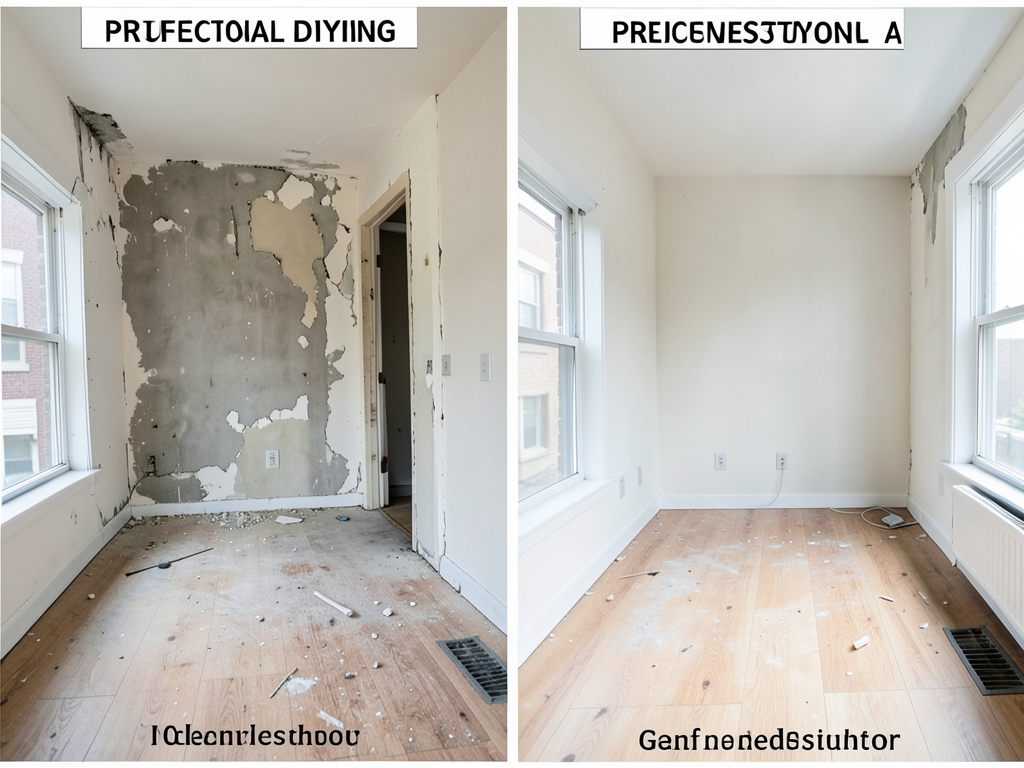
Professional drying also prevents secondary damage that could complicate liability. Fast, proper drying prevents mold growth within the critical 24-48 hour window. It also stops water from wicking into materials that weren’t initially affected, which could make it appear the damage was worse than it actually was.
Restoration companies also coordinate with insurance adjusters, providing them with the technical documentation they need to process claims quickly. This coordination often prevents the finger-pointing that delays repairs in multi-unit buildings.
Understanding Your Insurance Coverage in Pittsburgh
Most condo owners misunderstand what their insurance covers. Your association’s master policy typically only covers the building structure and common elements. Your personal HO-6 policy covers your unit’s interior, personal property, and liability for damage you cause to others.
Key HO-6 coverage components:
- Improvements and betterments (upgrades you’ve made to the unit)
- Personal property (furniture, electronics, clothing)
- Loss of use (hotel costs if you can’t live in your unit)
- Personal liability (if you damage other units)
- Loss assessment (your share of association deductibles)
Many Downtown Pittsburgh condo owners don’t realize their policies exclude certain types of water damage or have low coverage limits. Review your policy annually and consider adding sewer backup coverage, which isn’t standard in many HO-6 policies.
Document your belongings with photos or videos. Keep receipts for valuable items. This documentation speeds up claims and prevents disputes over what you actually owned.
Preventing Future Water Damage in Your Condo
Prevention is always cheaper than restoration. In Downtown Pittsburgh’s older condo buildings, proactive maintenance can prevent most water damage incidents.
Install water leak detection devices near washing machines, water heaters, and under sinks. These smart devices can shut off water automatically when they detect leaks, preventing thousands in damage.
Replace washing machine hoses every five years. The rubber hoses in older units are prone to bursting. Upgrade to stainless steel braided hoses for better durability.
Know your building’s plumbing system. If you live in a unit with a history of leaks, consider installing individual water shut-off valves for major appliances. This gives you control without affecting your neighbors.
Maintain your HVAC system. Condensate drain lines can clog and cause water to back up into your unit. Annual maintenance prevents these hidden leaks that cause the most damage over time.
The Cost of Delay: Why Fast Action Matters
Water damage escalates rapidly in multi-story buildings. What starts as a small leak can become a major restoration project within hours. In Downtown Pittsburgh’s concrete and steel structures, water travels through the path of least resistance—often through walls and ceilings into adjacent units. Efflorescence on Concrete.
Within the first 24 hours, water saturates porous materials like drywall, wood flooring, and cabinetry. Stains appear on ceilings and walls. Musty odors begin developing as microbial growth starts.
After 48 hours, mold can begin growing on damp surfaces. This growth accelerates in Pittsburgh’s humid summer months. Mold remediation costs can easily exceed the original water damage repair costs. Cleaning up after a kitchen flood in your Fox Chapel home.
By day three, structural damage becomes evident. Warped flooring, swollen drywall, and compromised electrical systems require extensive replacement rather than repair. What could have been a $2,000 drying job becomes a $20,000 reconstruction project.
Working with Your Condo Association After Damage
Communication with your condo association is critical after water damage. Most associations have specific procedures for reporting and documenting incidents. Following these procedures protects your rights and ensures proper handling of the situation.. Read more about A renter’s guide to documenting water damage in a Garfield apartment.
Document all communications with the association in writing. Email creates a paper trail that proves when you reported the damage and what actions the association took. This documentation is invaluable if disputes arise later.
Request written confirmation of the association’s findings. If they determine the damage originated from common elements, get this in writing. This confirmation can be crucial for insurance claims and potential subrogation (when one insurance company seeks reimbursement from another).
Understand your association’s bylaws regarding damage assessment. Some associations pass insurance deductibles to affected owners, while others absorb these costs. Knowing your financial exposure upfront helps you make informed decisions about repairs.
Frequently Asked Questions
Who pays for water damage if a pipe bursts in the wall between units?
The answer depends on the pipe’s purpose. If it’s a main supply line serving multiple units, the association typically pays. If it’s a branch line serving only your unit, you’re responsible. Professional assessment using building plans and moisture mapping usually determines responsibility.
Does my condo insurance cover damage from my neighbor’s leak?
Your HO-6 policy should cover damage to your unit and belongings from any source, including neighbor leaks. However, your insurance company might seek reimbursement from your neighbor’s insurance through subrogation. This process happens behind the scenes and doesn’t affect your coverage.
How long do I have to report water damage to my insurance company?
Most policies require notification within 24-72 hours of discovering damage. Some have specific deadlines in their fine print. Always report damage as soon as possible—delays can result in denied claims or reduced coverage.
Can I refuse entry to restoration crews if I’m not home?
Most insurance policies and condo association rules require you to provide access for emergency mitigation. Water damage mitigation is considered an emergency service, and delays can increase damage and costs. If you can’t be present, provide a key to a trusted person or the restoration company.
What if the association and I disagree about who’s responsible?
Disputes often require third-party assessment. Hire an independent water damage restoration company to document the damage source and migration patterns. Their professional assessment, combined with your insurance adjuster’s findings, usually resolves disagreements without litigation.
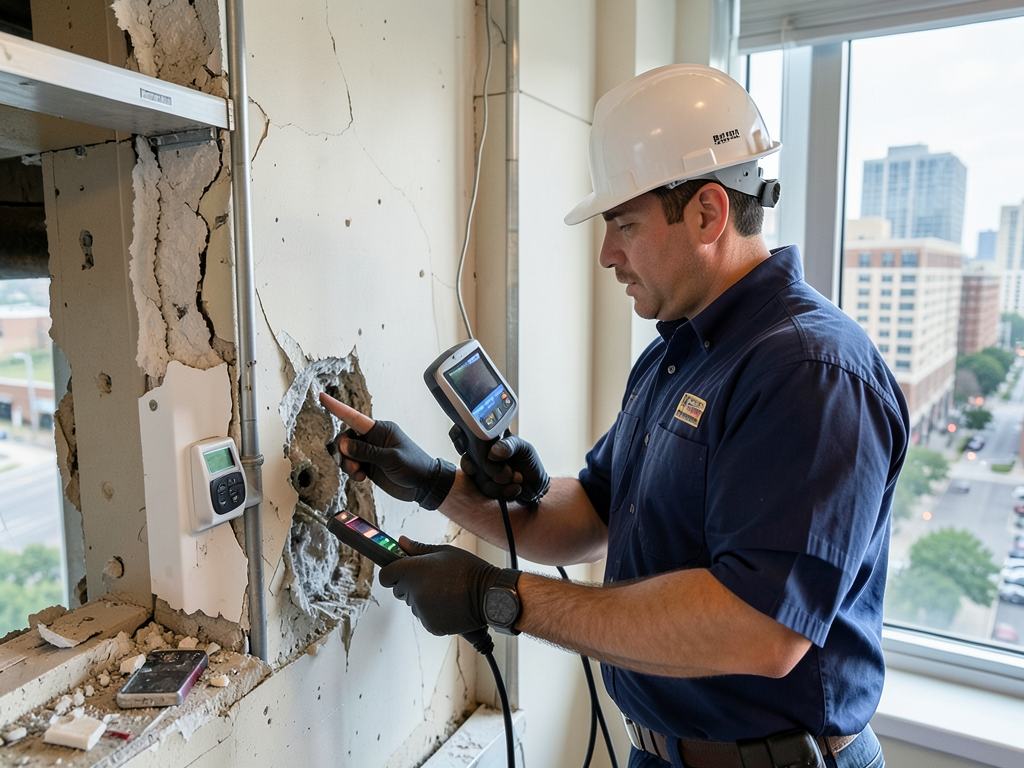
Diagram showing water migration patterns in multi-story condo buildings, illustrating how leaks travel through walls and floors to affect multiple units.
Technician using thermal imaging camera to detect hidden moisture in walls and ceilings after a pipe burst in a Downtown Pittsburgh condo.
Comparison of water-damaged drywall before and after professional structural drying in a high-rise condo setting.
Don’t Let Water Damage Drain Your Bank Account
Water damage in condo buildings creates a perfect storm of confusion, liability disputes, and financial stress. Understanding Pennsylvania’s condo laws and your insurance coverage is your best defense against unexpected costs. But knowledge alone isn’t enough—you need fast, professional action when leaks occur.
Every hour you wait allows water to spread deeper into your unit and potentially into your neighbors’ spaces. This escalation multiplies repair costs and complicates insurance claims. Professional restoration teams bring the equipment, expertise, and documentation needed to protect your interests and limit your liability.
Downtown Pittsburgh’s condo towers require specialized knowledge of local building systems and insurance frameworks. Our teams understand the unique challenges of high-rise water damage, from coordinating with building management to navigating complex insurance scenarios.
Don’t navigate this alone. Call (412) 382-8788 today to schedule your inspection. We’ll assess the damage, document everything for your insurance claim, and get your condo dried out fast. Whether it’s a neighbor’s burst pipe or your own appliance failure, we’ll help you understand who pays and make sure you’re not stuck with costs that aren’t your responsibility. For more information, visit IICRC water damage restoration standards.
You may also find this helpful. What to do when your office fire sprinklers go off by mistake in Downtown Pittsburgh.
Pick up the phone and call (412) 382-8788 before the next storm hits. Water damage doesn’t wait, and neither should you.
{
“@context”: “https://schema.org”,
“@type”: “BlogPosting”,
“headline”: “Who pays when a neighbor’s pipe bursts in your Downtown Pittsburgh condo building?”,
“description”: “Confused about condo water damage liability in Downtown Pittsburgh? Learn who pays for repairs under PA law, when the HOA is responsible, and how to protect yourself. Call (412) 382-8788 for emergency help.”,
“wordCount”: 2318,
“datePublished”: “2026-04-07T07:20:00.000Z”,
“dateModified”: “2026-04-07T07:20:00.000Z”,
“inLanguage”: “en-US”,
“mainEntityOfPage”: {
“@type”: “WebPage”,
“@id”: “https://reliancewaterdamagerestorationpittsburgh.com”
},
“publisher”: {
“@type”: “LocalBusiness”,
“name”: “Reliance Water Damage Restoration Pittsburgh”,
“url”: “https://reliancewaterdamagerestorationpittsburgh.com”
},
“author”: {
“@type”: “Organization”,
“name”: “Reliance Water Damage Restoration Pittsburgh”,
“url”: “https://reliancewaterdamagerestorationpittsburgh.com”
},
“image”: {
“@type”: “ImageObject”,
“url”: “https://reliancewaterdamagerestorationpittsburgh.com/wp-content/uploads/2026/03/who-pays-when-a-neighbor-s-pipe-bursts-in-your-dow-1.png”
}
}
{
“@context”: “https://schema.org”,
“@type”: “LocalBusiness”,
“name”: “Reliance Water Damage Restoration Pittsburgh”,
“url”: “https://reliancewaterdamagerestorationpittsburgh.com”,
“address”: {
“@type”: “PostalAddress”,
“addressLocality”: “Pittsburgh”
},
“areaServed”: {
“@type”: “City”,
“name”: “Pittsburgh”
}
}
{
“@context”: “https://schema.org”,
“@type”: “FAQPage”,
“mainEntity”: [
{
“@type”: “Question”,
“name”: “Who pays for water damage if a pipe bursts in the wall between units?”,
“acceptedAnswer”: {
“@type”: “Answer”,
“text”: “The answer depends on the pipe’s purpose. If it’s a main supply line serving multiple units, the association typically pays. If it’s a branch line serving only your unit, you’re responsible. Professional assessment using building plans and moisture mapping usually determines responsibility.”
}
},
{
“@type”: “Question”,
“name”: “Does my condo insurance cover damage from my neighbor’s leak?”,
“acceptedAnswer”: {
“@type”: “Answer”,
“text”: “Your HO-6 policy should cover damage to your unit and belongings from any source, including neighbor leaks. However, your insurance company might seek reimbursement from your neighbor’s insurance through subrogation. This process happens behind the scenes and doesn’t affect your coverage.”
}
},
{
“@type”: “Question”,
“name”: “How long do I have to report water damage to my insurance company?”,
“acceptedAnswer”: {
“@type”: “Answer”,
“text”: “Most policies require notification within 24-72 hours of discovering damage. Some have specific deadlines in their fine print. Always report damage as soon as possible—delays can result in denied claims or reduced coverage.”
}
},
{
“@type”: “Question”,
“name”: “Can I refuse entry to restoration crews if I’m not home?”,
“acceptedAnswer”: {
“@type”: “Answer”,
“text”: “Most insurance policies and condo association rules require you to provide access for emergency mitigation. Water damage mitigation is considered an emergency service, and delays can increase damage and costs. If you can’t be present, provide a key to a trusted person or the restoration company.”
}
},
{
“@type”: “Question”,
“name”: “What if the association and I disagree about who’s responsible?”,
“acceptedAnswer”: {
“@type”: “Answer”,
“text”: “Disputes often require third-party assessment. Hire an independent water damage restoration company to document the damage source and migration patterns. Their professional assessment, combined with your insurance adjuster’s findings, usually resolves disagreements without litigation.”
}
}
]
}
{
“@context”: “https://schema.org”,
“@type”: “HowTo”,
“name”: “Emergency Water Damage Response”,
“step”: [
{
“@type”: “HowToStep”,
“position”: 1,
“name”: “Stop the Water Source”,
“text”: “Locate your unit’s main shut-off valve immediately. In most Downtown Pittsburgh condos, it’s near the front door or in a utility closet. If you can’t find it, contact building management right away.”
},
{
“@type”: “HowToStep”,
“position”: 2,
“name”: “Document Everything”,
“text”: “Take photos and videos of all visible damage before cleanup begins. Capture water levels, damaged items, and the source if visible. This documentation is crucial for insurance claims and potential disputes. Expert water damage restoration for businesses in the Pittsburgh Strip District.”
},
{
“@type”: “HowToStep”,
“position”: 3,
“name”: “Notify Building Management”,
“text”: “Report the incident to your condo association immediately. They need to know about potential common element damage and may need to access other units to assess the full scope.”
},
{
“@type”: “HowToStep”,
“position”: 4,
“name”: “Call Professional Restoration”,
“text”: “Water spreads fast through walls and floors. Professional teams use moisture meters and thermal imaging to find hidden damage. Call (412) 382-8788 for 24/7 emergency response in Downtown Pittsburgh.”
},
{
“@type”: “HowToStep”,
“position”: 5,
“name”: “Start the Insurance Process”,
“text”: “Contact your HO-6 insurance provider within 24 hours. Provide them with your documentation and the restoration company’s assessment. Early notification prevents coverage disputes later.”
}
],
“image”: “https://reliancewaterdamagerestorationpittsburgh.com/wp-content/uploads/2026/03/who-pays-when-a-neighbor-s-pipe-bursts-in-your-dow-1.png”
}
{
“@context”: “https://schema.org”,
“@type”: “BreadcrumbList”,
“itemListElement”: [
{
“@type”: “ListItem”,
“position”: 1,
“name”: “Home”,
“item”: “https://reliancewaterdamagerestorationpittsburgh.com”
},
{
“@type”: “ListItem”,
“position”: 2,
“name”: “Blog”,
“item”: “https://reliancewaterdamagerestorationpittsburgh.com/blog”
},
{
“@type”: “ListItem”,
“position”: 3,
“name”: “Who pays when a neighbor’s pipe bursts in your Downtown Pittsburgh condo building?”
}
]
}
{
“@context”: “https://schema.org”,
“@type”: “Service”,
“serviceType”: “Water Damage Restoration”,
“provider”: {
“@type”: “LocalBusiness”,
“name”: “Reliance Water Damage Restoration Pittsburgh”,
“url”: “https://reliancewaterdamagerestorationpittsburgh.com”
},
“areaServed”: {
“@type”: “City”,
“name”: “Pittsburgh”
},
“description”: “Confused about condo water damage liability in Downtown Pittsburgh? Learn who pays for repairs under PA law, when the HOA is responsible, and how to protect yourself. Call (412) 382-8788 for emergency help.”
}