
Mold growing on the back wall of your Morningside bedroom closet is more than just an eyesore. It’s a sign of trapped moisture that’s common in Pittsburgh’s older homes. The combination of Morningside’s humid summers, poor closet ventilation, and exterior walls that stay cool creates the perfect breeding ground for mold spores.
You might notice a musty smell when you open the closet door or see black spots on the wall behind your clothes. This happens because closets often lack proper airflow, especially when they’re packed with items that block circulation. In Morningside’s century-old homes, exterior walls can be cooler than interior walls, causing condensation when warm, moist air hits the surface. Black Mold Symptoms.
The good news is that closet mold is usually treatable. But before you grab a bottle of bleach, you need to understand what’s causing it. Simply cleaning the visible mold won’t stop it from coming back if you don’t address the underlying moisture problem. Cleaning up after a kitchen flood in your Fox Chapel home.
Call (412) 382-8788 today to schedule your inspection before the next storm hits.
How to identify closet mold: Signs, smells, and hidden spots
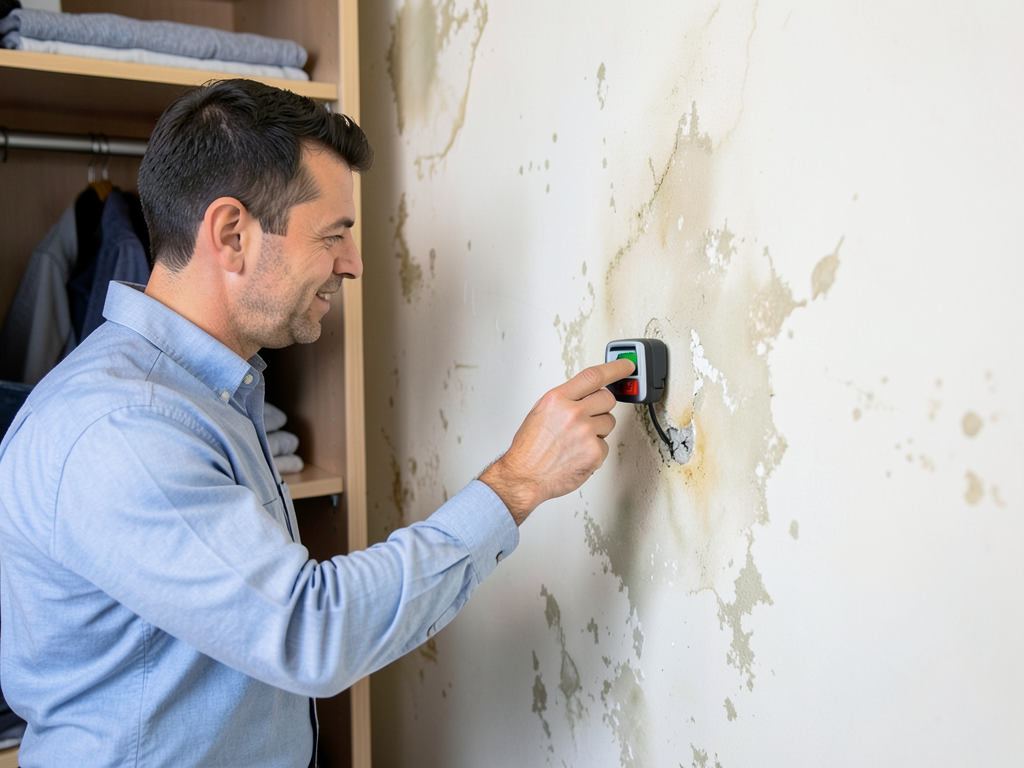
Identifying mold in your closet starts with your senses. The first clue is often a musty, earthy odor that becomes stronger when you open the door. This smell comes from microbial volatile organic compounds (MVOCs) released by active mold growth.. Read more about Identifying the different types of mold commonly found in damp Pittsburgh basements.
Visually, mold can appear as black, green, or white spots on walls, ceilings, or stored items. In Morningside’s older homes, you might find it behind stored boxes, on the back wall where it meets the ceiling, or along the baseboard where moisture can accumulate.. Read more about Why your Oakmont HVAC system might be spreading mold through the air ducts.
Pay attention to your stored items too. Leather shoes, handbags, and clothing can develop white or greenish patches when exposed to mold. Books and cardboard boxes stored in the closet can warp or show discoloration.
Sometimes mold hides behind wallpaper or inside wall cavities. If you see bubbling paint or wallpaper, or if the wall feels soft when pressed, you might have a more extensive problem requiring professional inspection.
The health risks of closet mold: Why ‘bleaching it’ isn’t enough
Mold in your bedroom closet isn’t just a property issue—it’s a health concern. According to the EPA, mold exposure can trigger allergic reactions, asthma attacks, and other respiratory problems. The agency recommends professional remediation for mold patches larger than 10 square feet. EPA mold information.
Common symptoms include sneezing, runny nose, red eyes, and skin rash. For people with asthma or compromised immune systems, exposure can be more severe. Children and elderly family members are particularly vulnerable to mold-related health effects.
Simply applying bleach kills surface mold but doesn’t address spores that have penetrated porous materials like drywall or wood. The EPA and IICRC S520 standards recommend removing contaminated materials rather than just treating the surface. IICRC S520 mold remediation standard.
Black mold (Stachybotrys chartarum) often causes the most concern, though any mold growth in your living space warrants attention. The real danger isn’t necessarily the mold type but the amount of exposure and individual sensitivity.
DIY vs. professional removal: When to call a Pittsburgh restoration expert
Small mold patches (under 10 square feet) on non-porous surfaces might be manageable with DIY methods. However, Pittsburgh’s building codes and the IICRC S520 standard recommend professional remediation for larger areas or when mold is found in HVAC systems, behind walls, or in areas with known water damage. Who to call for emergency water removal in Pittsburgh right now.
DIY cleaning works for surface mold on glass, metal, or sealed tile. Use a mixture of one cup of white vinegar to one gallon of water, or a commercial mold cleaner. Never mix cleaning products, especially bleach with ammonia or acids. Expert water damage restoration for businesses in the Pittsburgh Strip District.
Call a professional when you see mold covering more than a 3-foot by 3-foot area, when it’s in your HVAC system, or when you suspect hidden mold behind walls. Also seek professional help if anyone in your household experiences unexplained respiratory symptoms.
Professional remediation includes containment to prevent spore spread, HEPA filtration, proper disposal of contaminated materials, and treatment to prevent recurrence. In Morningside’s older homes, professionals also check for underlying issues like pipe leaks or foundation moisture that DIY cleaning won’t address.
Our step-by-step closet mold remediation process
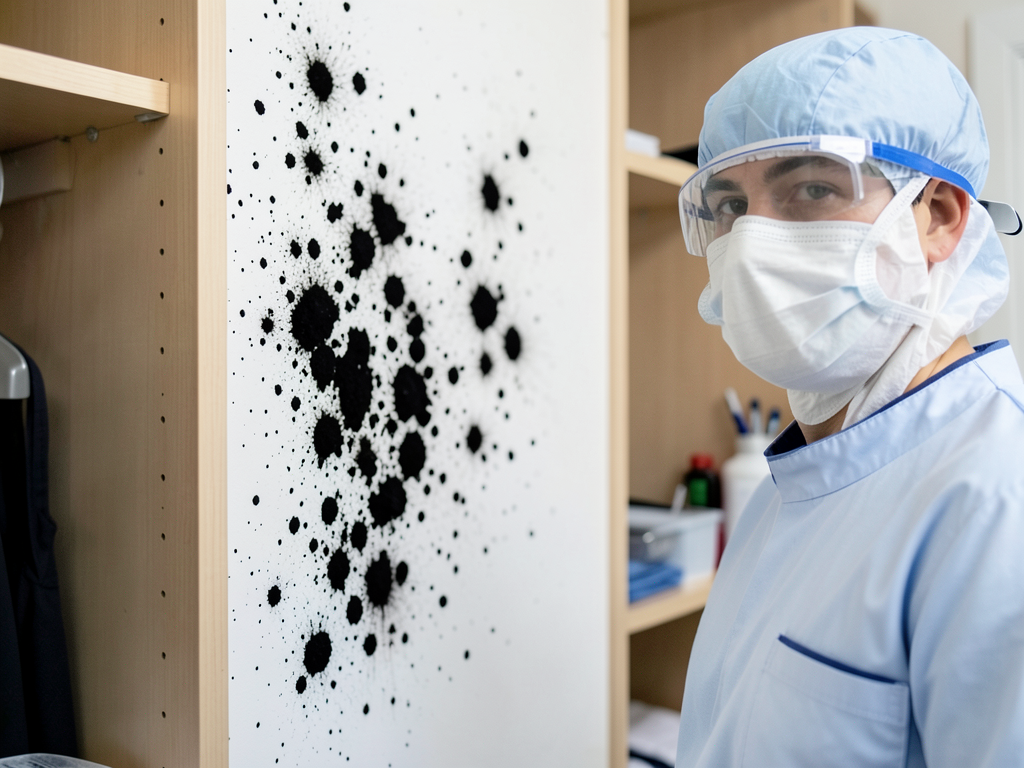
Professional mold remediation follows a systematic approach to ensure complete removal and prevent recurrence. Here’s what happens when you call a certified restoration company:
- Inspection and Assessment
Technicians use moisture meters and thermal imaging to identify the extent of mold growth and locate moisture sources. They check for hidden mold in wall cavities and assess whether materials can be salvaged.
- Containment Setup
Negative air pressure chambers prevent mold spores from spreading to other areas of your home. HEPA air scrubbers filter the air during the entire process.
- Mold Removal
Contaminated materials are removed following EPA and IICRC S520 guidelines. Porous materials like drywall with extensive mold growth typically require removal rather than cleaning.
- Cleaning and Treatment
Remaining surfaces are cleaned with EPA-registered antimicrobial solutions. HEPA vacuuming removes loose spores from all surfaces.
- Drying and Prevention
The area is dried using commercial dehumidifiers and air movers. Technicians address the moisture source to prevent recurrence.
- Final Testing
Air quality testing confirms that mold spore levels have returned to normal. This step ensures the remediation was successful.
Preventing future growth: Tips for Pittsburgh homeowners
Prevention is always better than remediation when it comes to closet mold. Pittsburgh’s climate, with its humid summers and freeze-thaw cycles, creates conditions that encourage mold growth year-round.
Start with humidity control. Keep indoor relative humidity between 30-50%. In Pittsburgh, this often means running a dehumidifier during summer months when humidity regularly exceeds 60%. For closets specifically, consider a small rechargeable dehumidifier or moisture-absorbing products.
Improve air circulation by not overpacking your closet. Leave space between items and consider installing a louvered door or keeping the door slightly ajar. Some homeowners install small fans or use closet rod lights that generate gentle heat to reduce moisture.
Address exterior moisture issues. Ensure your home’s exterior walls are properly insulated and sealed. Check for and repair any roof or plumbing leaks promptly. In Morningside’s older homes, pay special attention to areas where plumbing runs through exterior walls.
Regular cleaning helps too. Vacuum closet floors and shelves monthly, and wipe down surfaces with vinegar solution quarterly. This removes dust and organic material that mold feeds on.
Understanding Pittsburgh’s climate impact on closet mold
Western Pennsylvania’s climate creates unique challenges for homeowners. Pittsburgh averages 73% relative humidity annually, with summer months often exceeding 80%. This moisture-laden air enters homes and, without proper ventilation, condenses on cooler surfaces like closet walls.
Morningside’s location along the Allegheny River valley can experience microclimates with higher humidity than other Pittsburgh neighborhoods. The area’s mix of century-old homes and newer construction means varying levels of insulation and moisture barriers.
Freeze-thaw cycles common in Pittsburgh winters can cause expansion and contraction in building materials, creating tiny gaps where moisture can enter. This is particularly problematic in older Morningside homes with original plaster walls and wooden framing.
Heavy spring rains and summer thunderstorms can overwhelm drainage systems, causing hydrostatic pressure against foundation walls. This moisture can migrate upward through walls, eventually reaching bedroom closets on upper floors.
According to the Pennsylvania Department of Environmental Protection, homes built before 1950 often lack vapor barriers that modern construction includes. This makes older Morningside homes more susceptible to moisture migration and subsequent mold growth.
When mold indicates a bigger problem
Sometimes closet mold is a symptom of a larger issue. If you’re finding mold in multiple closets or noticing it spreading quickly, you might have a systemic moisture problem.
Hidden plumbing leaks are a common culprit. A slow drip behind a wall can provide constant moisture for mold growth. In Morningside’s older homes, original plumbing may be deteriorating, creating small leaks that go unnoticed until mold appears.
Foundation issues can also cause moisture problems. Pittsburgh’s clay soil expands when wet and contracts when dry, putting pressure on foundation walls. This can create cracks that allow moisture to enter, which then travels through walls to upper floors.
Roof leaks, even minor ones, can cause moisture to travel along rafters and down wall cavities. By the time mold appears in your closet, the actual leak might be several feet away on the roof.
Improper grading around your home can direct water toward your foundation. Pittsburgh’s hilly terrain means many homes have complex drainage patterns that can trap water against foundation walls.
If you suspect a larger issue, professional moisture mapping using thermal imaging and moisture meters can identify hidden problems before they cause extensive damage.
Cost factors for closet mold remediation
The cost of mold remediation varies based on several factors. Small, contained areas might cost a few hundred dollars, while extensive remediation in larger spaces can run into thousands.
Factors affecting cost include the size of the affected area, the type of materials involved, and whether demolition is required. Mold in a simple drywall closet is less expensive to remediate than mold that has spread to hardwood floors or custom shelving.
Accessibility matters too. A reach-in closet with standard dimensions is easier and less expensive to remediate than a walk-in closet with built-in organizers or a closet with difficult access.
Testing and verification add to the cost but provide documentation that’s valuable for insurance claims or real estate transactions. Many homeowners find this investment worthwhile for peace of mind.
In Pittsburgh, local building codes may require permits for extensive mold remediation, particularly when structural elements are involved. Your remediation company should handle these requirements as part of their service.
Insurance considerations for mold damage
Homeowner’s insurance coverage for mold varies significantly. Most policies cover mold resulting from covered perils like burst pipes or storm damage, but exclude mold from long-term moisture problems or flooding.
In Pittsburgh, where many homes have finished basements, mold resulting from sump pump failure might be covered if you have an optional rider for water backup and sump overflow. Standard policies typically exclude this coverage.
Documentation is crucial for insurance claims. Take photos of the mold before any cleaning begins, and keep all receipts for remediation work. Many professional remediation companies provide detailed documentation that insurance companies require.
If your claim is denied, you have the right to appeal. The Pennsylvania Insurance Department can provide guidance on the appeals process and your rights as a policyholder.
For renters in Morningside, landlord responsibility for mold remediation depends on the cause. If the mold results from structural issues or building maintenance problems, your landlord is typically responsible. Document everything in writing and know your rights under Pennsylvania’s landlord-tenant laws.
Choosing the right mold remediation company
When selecting a mold remediation company in Pittsburgh, look for certifications from the IICRC (Institute of Inspection, Cleaning and Restoration Certification) and the ACAC (American Council for Accredited Certification).
Ask about their experience with Pittsburgh-area homes specifically. Morningside’s older construction presents unique challenges that require specific expertise. A company familiar with local building methods and common moisture issues will provide better service.
Request a detailed scope of work before any remediation begins. This should include containment procedures, disposal methods, and prevention strategies. Be wary of companies that offer extremely low prices or promise to complete work in unrealistically short timeframes.
Check reviews and ask for references from Pittsburgh-area customers. Local experience matters, especially when dealing with the specific challenges of Western Pennsylvania’s climate and building stock. Dealing with a flooded basement in Mount Lebanon without losing your mind.
Professional companies should offer a warranty on their work. While no one can guarantee mold won’t return if moisture issues persist, a warranty demonstrates confidence in their remediation methods.
Frequently Asked Questions
Can I just paint over mold in my closet?
No. Painting over mold doesn’t kill it or prevent it from growing through the paint. The mold will continue to grow underneath, eventually causing the paint to bubble and peel. Always remediate mold before painting.
How long does closet mold remediation take?
Small closet remediation typically takes 1-2 days. This includes setup, removal of contaminated materials, cleaning, and drying. Larger or more complex jobs may take 3-5 days, especially if testing is required.
Is all black mold toxic?
Not all black mold is Stachybotrys chartarum (toxic black mold). Many harmless molds appear black. However, any mold growth in your home should be addressed, regardless of color, as all molds can cause health issues in sensitive individuals.
Will a dehumidifier prevent closet mold?
A dehumidifier can significantly reduce mold risk by keeping humidity below 60%. However, it’s most effective when combined with good air circulation, proper insulation, and prompt repair of any water leaks.
Should I move out during mold remediation?
For small areas under 10 square feet, staying home is usually fine. For larger remediation projects, especially if anyone in your household has respiratory issues or compromised immune systems, temporary relocation might be recommended during the work.
How can I tell if mold is growing inside my walls?
Signs of hidden mold include musty odors, unexplained allergic symptoms, water stains on walls or ceilings, peeling wallpaper, and warped or discolored surfaces. Professional inspection with moisture meters and thermal imaging can confirm hidden mold growth.
Does opening my closet door help prevent mold?
Yes. Opening closet doors improves air circulation, which helps prevent moisture buildup. For closets on exterior walls or in particularly humid areas, consider leaving doors slightly ajar or installing a small fan to improve airflow.
What’s the difference between mold and mildew?
Mildew is a surface fungus that’s usually white or gray and powdery. It’s easier to clean and less likely to cause structural damage. Mold is typically darker, can penetrate porous surfaces, and poses greater health risks. Both thrive in moist environments.
Call (412) 382-8788 today to schedule your inspection before the next storm hits.
{
“@context”: “https://schema.org”,
“@type”: “BlogPosting”,
“headline”: “Why mold keeps growing on the back wall of your Morningside bedroom closet”,
“description”: “Discover why mold grows in Pittsburgh bedroom closets and how Morningside’s humidity and old construction contribute. Get expert mold remediation in Morningside.”,
“wordCount”: 2331,
“datePublished”: “2026-04-04T10:42:00.000Z”,
“dateModified”: “2026-04-04T10:42:00.000Z”,
“inLanguage”: “en-US”,
“mainEntityOfPage”: {
“@type”: “WebPage”,
“@id”: “https://reliancewaterdamagerestorationpittsburgh.com”
},
“publisher”: {
“@type”: “LocalBusiness”,
“name”: “Reliance Water Damage Restoration Pittsburgh”,
“url”: “https://reliancewaterdamagerestorationpittsburgh.com”
},
“author”: {
“@type”: “Organization”,
“name”: “Reliance Water Damage Restoration Pittsburgh”,
“url”: “https://reliancewaterdamagerestorationpittsburgh.com”
},
“image”: {
“@type”: “ImageObject”,
“url”: “https://reliancewaterdamagerestorationpittsburgh.com/wp-content/uploads/2026/03/why-mold-keeps-growing-on-the-back-wall-of-your-mo-1.png”
}
}
{
“@context”: “https://schema.org”,
“@type”: “LocalBusiness”,
“name”: “Reliance Water Damage Restoration Pittsburgh”,
“url”: “https://reliancewaterdamagerestorationpittsburgh.com”,
“address”: {
“@type”: “PostalAddress”,
“addressLocality”: “Pittsburgh”
},
“areaServed”: {
“@type”: “City”,
“name”: “Pittsburgh”
}
}
{
“@context”: “https://schema.org”,
“@type”: “FAQPage”,
“mainEntity”: [
{
“@type”: “Question”,
“name”: “Can I just paint over mold in my closet?”,
“acceptedAnswer”: {
“@type”: “Answer”,
“text”: “No. Painting over mold doesn’t kill it or prevent it from growing through the paint. The mold will continue to grow underneath, eventually causing the paint to bubble and peel. Always remediate mold before painting.”
}
},
{
“@type”: “Question”,
“name”: “How long does closet mold remediation take?”,
“acceptedAnswer”: {
“@type”: “Answer”,
“text”: “Small closet remediation typically takes 1-2 days. This includes setup, removal of contaminated materials, cleaning, and drying. Larger or more complex jobs may take 3-5 days, especially if testing is required.”
}
},
{
“@type”: “Question”,
“name”: “Is all black mold toxic?”,
“acceptedAnswer”: {
“@type”: “Answer”,
“text”: “Not all black mold is Stachybotrys chartarum (toxic black mold). Many harmless molds appear black. However, any mold growth in your home should be addressed, regardless of color, as all molds can cause health issues in sensitive individuals.”
}
},
{
“@type”: “Question”,
“name”: “Will a dehumidifier prevent closet mold?”,
“acceptedAnswer”: {
“@type”: “Answer”,
“text”: “A dehumidifier can significantly reduce mold risk by keeping humidity below 60%. However, it’s most effective when combined with good air circulation, proper insulation, and prompt repair of any water leaks.”
}
},
{
“@type”: “Question”,
“name”: “Should I move out during mold remediation?”,
“acceptedAnswer”: {
“@type”: “Answer”,
“text”: “For small areas under 10 square feet, staying home is usually fine. For larger remediation projects, especially if anyone in your household has respiratory issues or compromised immune systems, temporary relocation might be recommended during the work.”
}
},
{
“@type”: “Question”,
“name”: “How can I tell if mold is growing inside my walls?”,
“acceptedAnswer”: {
“@type”: “Answer”,
“text”: “Signs of hidden mold include musty odors, unexplained allergic symptoms, water stains on walls or ceilings, peeling wallpaper, and warped or discolored surfaces. Professional inspection with moisture meters and thermal imaging can confirm hidden mold growth.”
}
},
{
“@type”: “Question”,
“name”: “Does opening my closet door help prevent mold?”,
“acceptedAnswer”: {
“@type”: “Answer”,
“text”: “Yes. Opening closet doors improves air circulation, which helps prevent moisture buildup. For closets on exterior walls or in particularly humid areas, consider leaving doors slightly ajar or installing a small fan to improve airflow.”
}
},
{
“@type”: “Question”,
“name”: “What’s the difference between mold and mildew?”,
“acceptedAnswer”: {
“@type”: “Answer”,
“text”: “Mildew is a surface fungus that’s usually white or gray and powdery. It’s easier to clean and less likely to cause structural damage. Mold is typically darker, can penetrate porous surfaces, and poses greater health risks. Both thrive in moist environments.”
}
}
]
}
{
“@context”: “https://schema.org”,
“@type”: “HowTo”,
“name”: “Professional Closet Mold Remediation Process”,
“step”: [
{
“@type”: “HowToStep”,
“position”: 1,
“name”: “Inspection and Assessment”,
“text”: “Technicians use moisture meters and thermal imaging to identify the extent of mold growth and locate moisture sources. They check for hidden mold in wall cavities and assess whether materials can be salvaged.”
},
{
“@type”: “HowToStep”,
“position”: 2,
“name”: “Containment Setup”,
“text”: “Negative air pressure chambers prevent mold spores from spreading to other areas of your home. HEPA air scrubbers filter the air during the entire process.”
},
{
“@type”: “HowToStep”,
“position”: 3,
“name”: “Mold Removal”,
“text”: “Contaminated materials are removed following EPA and IICRC S520 guidelines. Porous materials like drywall with extensive mold growth typically require removal rather than cleaning.”
},
{
“@type”: “HowToStep”,
“position”: 4,
“name”: “Cleaning and Treatment”,
“text”: “Remaining surfaces are cleaned with EPA-registered antimicrobial solutions. HEPA vacuuming removes loose spores from all surfaces.”
},
{
“@type”: “HowToStep”,
“position”: 5,
“name”: “Drying and Prevention”,
“text”: “The area is dried using commercial dehumidifiers and air movers. Technicians address the moisture source to prevent recurrence.”
},
{
“@type”: “HowToStep”,
“position”: 6,
“name”: “Final Testing”,
“text”: “Air quality testing confirms that mold spore levels have returned to normal. This step ensures the remediation was successful.”
}
],
“image”: “https://reliancewaterdamagerestorationpittsburgh.com/wp-content/uploads/2026/03/why-mold-keeps-growing-on-the-back-wall-of-your-mo-1.png”
}
{
“@context”: “https://schema.org”,
“@type”: “BreadcrumbList”,
“itemListElement”: [
{
“@type”: “ListItem”,
“position”: 1,
“name”: “Home”,
“item”: “https://reliancewaterdamagerestorationpittsburgh.com”
},
{
“@type”: “ListItem”,
“position”: 2,
“name”: “Blog”,
“item”: “https://reliancewaterdamagerestorationpittsburgh.com/blog”
},
{
“@type”: “ListItem”,
“position”: 3,
“name”: “Why mold keeps growing on the back wall of your Morningside bedroom closet”
}
]
}
{
“@context”: “https://schema.org”,
“@type”: “Service”,
“serviceType”: “Water Damage Restoration”,
“provider”: {
“@type”: “LocalBusiness”,
“name”: “Reliance Water Damage Restoration Pittsburgh”,
“url”: “https://reliancewaterdamagerestorationpittsburgh.com”
},
“areaServed”: {
“@type”: “City”,
“name”: “Pittsburgh”
},
“description”: “Discover why mold grows in Pittsburgh bedroom closets and how Morningside’s humidity and old construction contribute. Get expert mold remediation in Morningside.”
}