Why Your Penn Hills Attic Has Mold Even When the Roof Isn’t Leaking
Moisture from poor ventilation and attic condensation creates the perfect environment for mold growth in Penn Hills homes, even when the roof shows no visible leaks. High humidity levels during Pittsburgh summers combined with inadequate attic airflow trap moisture inside your attic space, leading to mold colonies that can spread rapidly through insulation and wood structures. Why your North Hills basement flooded and how to dry it out fast.
Attic mold remediation requires specialized knowledge of local building patterns and ventilation systems unique to Penn Hills neighborhoods. The problem often stems from bathroom exhaust fans venting directly into the attic instead of outdoors, creating concentrated moisture zones that feed mold growth. Professional assessment identifies these hidden moisture sources before they cause extensive damage to your home’s structure.
Common Causes of Attic Mold in Penn Hills Homes
Poor attic ventilation represents the primary cause of mold growth in Penn Hills properties. Many homes built before the 1980s lack proper soffit and ridge ventilation systems, trapping warm, moist air inside the attic space. This creates condensation on rafters and roof decking, especially during seasonal temperature swings common in Allegheny County. Cleaning up after a kitchen flood in your Fox Chapel home.
Ice damming during Pittsburgh winters forces melting snow under shingles, where it refreezes and creates moisture pockets that promote mold growth. The freeze-thaw cycles characteristic of Western Pennsylvania weather accelerate this process, particularly in homes with inadequate attic insulation that allows heat to escape through the roof.
Bathroom exhaust fans improperly vented into the attic space dump warm, moist air directly onto insulation and rafters. This concentrated moisture source creates ideal conditions for mold colonies to establish themselves, often going unnoticed until the problem becomes severe enough to affect indoor air quality.
The Impact of Pittsburgh’s Climate on Attic Moisture
Allegheny County’s humid continental climate creates perfect conditions for attic mold growth. Summer humidity levels frequently exceed 70%, while winter temperatures create condensation problems when warm indoor air meets cold attic surfaces. This temperature differential drives moisture accumulation in attic spaces throughout the year.
Heavy rainfall common to the Pittsburgh area increases the moisture load on roofs and foundations. When combined with poor attic ventilation, this excess moisture has nowhere to escape, creating damp conditions that mold spores need to thrive. Homes in Penn Hills experience these effects more severely due to the area’s older housing stock and varied architectural styles.
Seasonal temperature swings cause expansion and contraction of building materials, creating gaps where moisture can penetrate. The freeze-thaw cycles that characterize Western Pennsylvania winters exacerbate these issues, particularly in homes with aging roof structures or compromised flashing around chimneys and vents.
Professional Mold Remediation Process for Penn Hills Attics
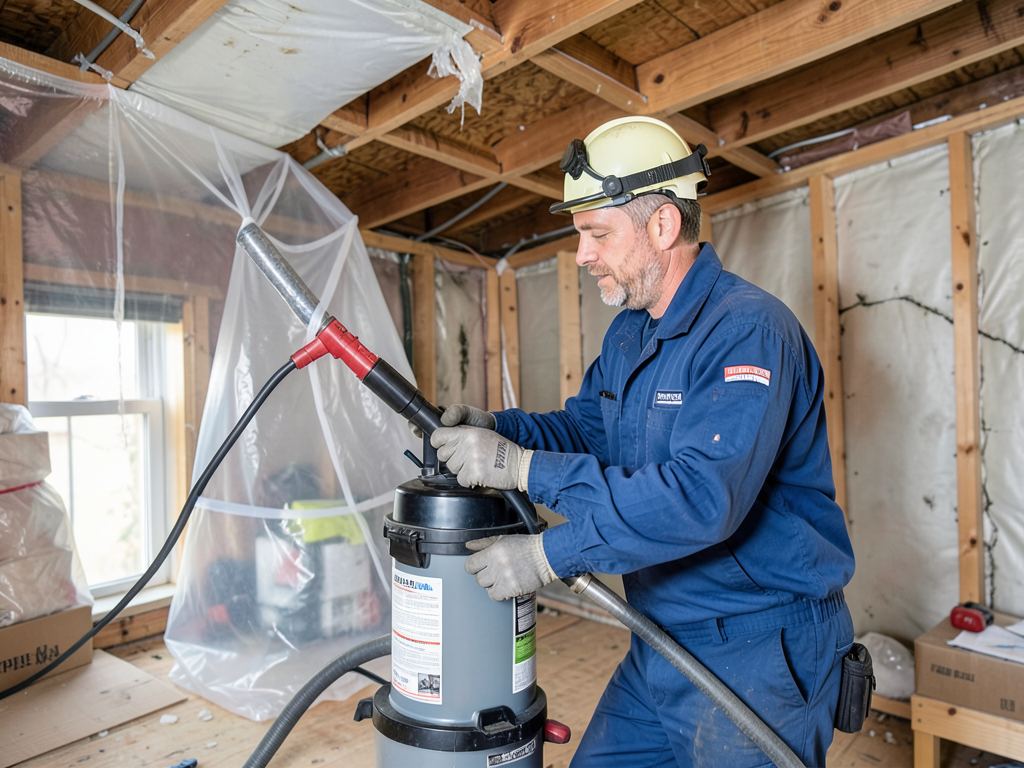
Professional attic mold remediation follows IICRC S520 standards for safe and effective mold removal. The process begins with containment to prevent mold spores from spreading throughout your home during the removal process. HEPA filtration systems capture airborne spores while technicians work to eliminate the mold colonies. EPA Mold Resources.
Antimicrobial treatments applied after physical mold removal prevent future growth by creating an inhospitable environment for mold spores. These treatments penetrate porous surfaces like wood and insulation, providing long-lasting protection against recurring mold problems in your Penn Hills attic.
Source identification and correction represent the most critical step in the remediation process. Simply removing visible mold without addressing the underlying moisture problem guarantees the mold will return within months. Professional technicians use moisture meters and thermal imaging to locate hidden water sources and ventilation deficiencies. Who to call for emergency water removal in Pittsburgh right now.
Attic Ventilation Solutions for Penn Hills Homes
Proper attic ventilation requires balanced airflow through soffit vents, ridge vents, or gable vents. Soffit vents allow cool air to enter at the eaves while ridge vents or gable vents provide exhaust pathways for warm, moist air. This continuous airflow prevents moisture accumulation that leads to mold growth.
Many Penn Hills homes lack adequate ventilation due to outdated building practices or blocked soffit vents from insulation installation. Professional assessment identifies these ventilation deficiencies and recommends appropriate solutions based on your home’s specific needs and local building code requirements.
Attic fans can supplement natural ventilation in homes where passive systems prove insufficient. These powered ventilation systems activate when attic temperatures exceed preset thresholds, actively removing moisture-laden air before it can condense on attic surfaces.
Identifying Signs of Attic Mold in Your Penn Hills Home
Musty odors represent the most common indicator of attic mold problems. These distinctive smells often become noticeable during humid weather or when your HVAC system pulls air from the attic space into living areas. The odor typically intensifies after rain or during seasonal temperature changes.
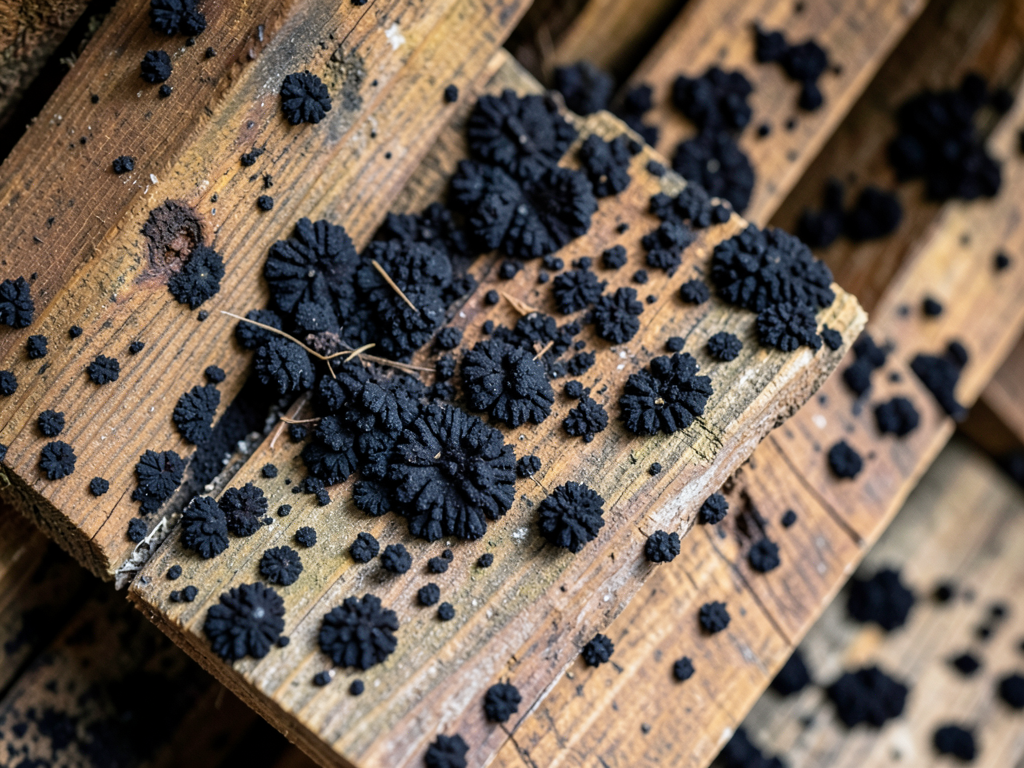
Visible mold growth appears as black, green, or white spots on rafters, roof decking, and insulation. These colonies often concentrate near moisture sources like bathroom exhaust vents or areas with poor ventilation. Early detection allows for less invasive remediation before the mold spreads extensively through your attic space. Black Mold Symptoms.
Health symptoms including respiratory issues, headaches, and allergy-like reactions may indicate mold presence in your attic. These symptoms often worsen when spending time in upper-level rooms or during periods of high attic moisture accumulation.
Building Code Requirements for Attic Ventilation in Pennsylvania
Pennsylvania Uniform Construction Code requires minimum ventilation ratios of one square foot of net free area per 150 square feet of attic floor space. This standard ensures adequate airflow to prevent moisture accumulation and maintain proper attic temperatures throughout the year.
Local amendments to building codes in Allegheny County may impose additional requirements for attic ventilation in specific circumstances. Homes undergoing major renovations or additions must comply with current ventilation standards to pass inspection and maintain proper moisture control.
Professional remediation services ensure all work complies with applicable building codes and manufacturer specifications for ventilation products. This compliance protects your investment and ensures long-term effectiveness of mold prevention measures.
Cost Factors for Attic Mold Remediation in Penn Hills
Remediation costs vary based on attic size, mold extent, and required ventilation improvements. Small attic spaces with localized mold growth typically require less intensive remediation than large attics with widespread contamination or structural damage from prolonged moisture exposure.
Insurance coverage for mold remediation depends on the cause of the moisture problem. Sudden water damage from burst pipes or roof leaks often qualifies for coverage, while gradual moisture accumulation from ventilation deficiencies typically falls outside standard policies. Expert water damage restoration for businesses in the Pittsburgh Strip District.
Preventive measures including proper ventilation installation and moisture barrier application cost less than emergency remediation services. Investing in these improvements protects your home from future mold problems and maintains indoor air quality for your family.
Preventing Future Mold Growth in Your Penn Hills Attic
Regular attic inspections identify potential moisture problems before they develop into mold infestations. Professional technicians check for signs of water intrusion, ventilation blockages, and insulation degradation that could create conditions favorable to mold growth.
Proper insulation installation prevents heat loss through the roof while maintaining adequate ventilation pathways. This balance between insulation and ventilation proves critical for preventing condensation that leads to mold growth in Penn Hills homes.
Maintenance of bathroom exhaust fans and roof ventilation systems ensures continued effectiveness of moisture control measures. Regular cleaning of soffit vents and inspection of ridge vents prevents blockages that could compromise attic airflow.
Health Risks Associated with Attic Mold Exposure
Attic mold releases spores that can circulate through your home’s air system, potentially causing respiratory issues, allergic reactions, and other health problems. Individuals with asthma, allergies, or compromised immune systems face increased risks from mold exposure.
Black mold species like Stachybotrys chartarum produce mycotoxins that can cause more severe health effects with prolonged exposure. Professional remediation eliminates these dangerous mold types while preventing their return through moisture control and ventilation improvements.
Children and elderly family members often experience heightened sensitivity to mold spores, making prompt remediation essential for protecting vulnerable household members. Professional assessment identifies the extent of mold contamination and recommends appropriate remediation strategies.
Insurance Considerations for Attic Mold Remediation
Most homeowners insurance policies exclude coverage for mold damage resulting from gradual moisture accumulation or maintenance issues. Coverage typically applies only to sudden, accidental water damage that leads to mold growth within a short timeframe.
Documentation of moisture problems and prompt remediation efforts strengthen insurance claims for mold-related damage. Professional assessment reports provide the evidence needed to support claims and demonstrate the necessity of remediation services.
Additional coverage options for mold remediation may be available through endorsements to standard homeowners policies. These add-on coverages provide protection against mold damage costs that would otherwise fall to the homeowner.
Professional vs. DIY Mold Remediation
Professional remediation services provide expertise, equipment, and safety protocols that DIY approaches cannot match. Certified technicians use specialized equipment including HEPA vacuums, negative air machines, and antimicrobial treatments that effectively eliminate mold while preventing cross-contamination.
DIY mold removal often addresses only visible mold growth while missing hidden colonies in insulation, behind walls, or in attic spaces. This incomplete remediation allows mold to return quickly, often in more extensive patterns than the original infestation.
Safety considerations make professional remediation the only viable option for extensive mold problems. Mold exposure poses health risks that untrained individuals may not recognize or properly protect against during removal attempts.
Choosing the Right Mold Remediation Company in Penn Hills
Certification through organizations like the IICRC demonstrates a company’s commitment to industry standards and proper remediation protocols. Certified technicians understand the complexities of mold removal and follow established procedures that ensure effective, lasting results. IICRC Mold Remediation Standards.
Local experience proves invaluable for understanding Penn Hills-specific building patterns, ventilation challenges, and climate-related moisture issues. Companies familiar with local architecture and weather patterns provide more effective solutions for regional mold problems.
Comprehensive services including moisture assessment, ventilation evaluation, and preventive recommendations indicate a company’s commitment to solving the underlying causes of mold growth rather than just treating symptoms.
Frequently Asked Questions
How much does attic mold remediation cost in Penn Hills?
Costs typically range from $1,500 to $6,000 depending on attic size, mold extent, and required ventilation improvements. Small, localized problems cost less than extensive remediation involving structural repairs or major ventilation upgrades.
Can I stay in my home during attic mold remediation?
Most homeowners can remain in their homes during remediation, though technicians may recommend temporary relocation for individuals with severe allergies or respiratory conditions. Professional containment systems prevent mold spores from spreading to living areas during the removal process.
How long does attic mold remediation take?
Most attic mold remediation projects complete within 2-5 days, depending on the extent of contamination and required repairs. Small, localized problems may resolve in a single day, while extensive remediation involving structural repairs takes longer.
Will mold return after professional remediation?
Professional remediation with proper moisture control and ventilation improvements prevents mold return in most cases. The key lies in addressing underlying moisture sources rather than just removing visible mold growth.
Is attic mold dangerous to my health?
Attic mold can cause respiratory issues, allergic reactions, and other health problems, particularly for individuals with asthma, allergies, or compromised immune systems. Professional remediation eliminates these health risks by removing mold and preventing its return.
Do I need a permit for attic mold remediation in Penn Hills?
Permit requirements vary based on the extent of work. Minor remediation typically doesn’t require permits, while projects involving structural repairs or major ventilation changes may need local approval. Professional companies handle permitting requirements as part of their services.
How can I prevent attic mold from returning?
Proper ventilation, moisture control, and regular inspections prevent mold return. This includes maintaining soffit and ridge vents, ensuring bathroom exhaust fans vent outdoors, and addressing any roof leaks or moisture intrusion promptly.
What causes attic mold if my roof isn’t leaking?
Poor ventilation, bathroom exhaust fans venting into the attic, and condensation from temperature differentials cause attic mold without roof leaks. These moisture sources create conditions that support mold growth even when the roof structure remains intact.
Should I test my attic for mold before remediation?
Professional assessment typically includes mold testing to determine the extent and type of contamination. This testing guides remediation strategies and helps identify underlying moisture sources that require correction.
Can attic mold spread to other parts of my home?
Mold spores can spread through air systems and openings between attic and living spaces. Professional containment during remediation prevents this spread while addressing the source of contamination in your attic.
Take Action Against Attic Mold Today
Don’t let attic mold compromise your home’s structure and your family’s health. Professional assessment identifies the extent of contamination and develops a comprehensive remediation plan that addresses both visible mold and underlying moisture problems.
Call (412) 382-8788 today to schedule your free attic mold inspection. Our certified technicians understand the unique challenges facing Penn Hills homes and provide effective solutions that protect your investment for years to come.
Pick up the phone and call (412) 382-8788 before the next storm hits. Early intervention prevents extensive damage and keeps remediation costs manageable while protecting your family from the health risks associated with attic mold exposure.
{
“@context”: “https://schema.org”,
“@type”: “BlogPosting”,
“headline”: “Why your Penn Hills attic has mold even when the roof isn’t leaking”,
“description”: “Penn Hills attics trap moisture from poor ventilation, not roof leaks. Learn the hidden causes and get expert mold remediation from Reliance Restoration.”,
“wordCount”: 2207,
“datePublished”: “2026-03-04T09:20:00.000Z”,
“dateModified”: “2026-03-04T09:20:00.000Z”,
“inLanguage”: “en-US”,
“mainEntityOfPage”: {
“@type”: “WebPage”,
“@id”: “https://reliancewaterdamagerestorationpittsburgh.com”
},
“publisher”: {
“@type”: “LocalBusiness”,
“name”: “Reliance Water Damage Restoration Pittsburgh”,
“url”: “https://reliancewaterdamagerestorationpittsburgh.com”
},
“author”: {
“@type”: “Organization”,
“name”: “Reliance Water Damage Restoration Pittsburgh”,
“url”: “https://reliancewaterdamagerestorationpittsburgh.com”
},
“image”: {
“@type”: “ImageObject”,
“url”: “https://reliancewaterdamagerestorationpittsburgh.com/wp-content/uploads/2026/03/why-your-penn-hills-attic-has-mold-even-when-the-r-1.png”
}
}
{
“@context”: “https://schema.org”,
“@type”: “LocalBusiness”,
“name”: “Reliance Water Damage Restoration Pittsburgh”,
“url”: “https://reliancewaterdamagerestorationpittsburgh.com”,
“address”: {
“@type”: “PostalAddress”,
“addressLocality”: “Pittsburgh”
},
“areaServed”: {
“@type”: “City”,
“name”: “Pittsburgh”
}
}
{
“@context”: “https://schema.org”,
“@type”: “FAQPage”,
“mainEntity”: [
{
“@type”: “Question”,
“name”: “How much does attic mold remediation cost in Penn Hills?”,
“acceptedAnswer”: {
“@type”: “Answer”,
“text”: “Costs typically range from $1,500 to $6,000 depending on attic size, mold extent, and required ventilation improvements. Small, localized problems cost less than extensive remediation involving structural repairs or major ventilation upgrades.”
}
},
{
“@type”: “Question”,
“name”: “Can I stay in my home during attic mold remediation?”,
“acceptedAnswer”: {
“@type”: “Answer”,
“text”: “Most homeowners can remain in their homes during remediation, though technicians may recommend temporary relocation for individuals with severe allergies or respiratory conditions. Professional containment systems prevent mold spores from spreading to living areas during the removal process.”
}
},
{
“@type”: “Question”,
“name”: “How long does attic mold remediation take?”,
“acceptedAnswer”: {
“@type”: “Answer”,
“text”: “Most attic mold remediation projects complete within 2-5 days, depending on the extent of contamination and required repairs. Small, localized problems may resolve in a single day, while extensive remediation involving structural repairs takes longer.”
}
},
{
“@type”: “Question”,
“name”: “Will mold return after professional remediation?”,
“acceptedAnswer”: {
“@type”: “Answer”,
“text”: “Professional remediation with proper moisture control and ventilation improvements prevents mold return in most cases. The key lies in addressing underlying moisture sources rather than just removing visible mold growth.”
}
},
{
“@type”: “Question”,
“name”: “Is attic mold dangerous to my health?”,
“acceptedAnswer”: {
“@type”: “Answer”,
“text”: “Attic mold can cause respiratory issues, allergic reactions, and other health problems, particularly for individuals with asthma, allergies, or compromised immune systems. Professional remediation eliminates these health risks by removing mold and preventing its return.”
}
},
{
“@type”: “Question”,
“name”: “Do I need a permit for attic mold remediation in Penn Hills?”,
“acceptedAnswer”: {
“@type”: “Answer”,
“text”: “Permit requirements vary based on the extent of work. Minor remediation typically doesn’t require permits, while projects involving structural repairs or major ventilation changes may need local approval. Professional companies handle permitting requirements as part of their services.”
}
},
{
“@type”: “Question”,
“name”: “How can I prevent attic mold from returning?”,
“acceptedAnswer”: {
“@type”: “Answer”,
“text”: “Proper ventilation, moisture control, and regular inspections prevent mold return. This includes maintaining soffit and ridge vents, ensuring bathroom exhaust fans vent outdoors, and addressing any roof leaks or moisture intrusion promptly.”
}
},
{
“@type”: “Question”,
“name”: “What causes attic mold if my roof isn’t leaking?”,
“acceptedAnswer”: {
“@type”: “Answer”,
“text”: “Poor ventilation, bathroom exhaust fans venting into the attic, and condensation from temperature differentials cause attic mold without roof leaks. These moisture sources create conditions that support mold growth even when the roof structure remains intact.”
}
},
{
“@type”: “Question”,
“name”: “Should I test my attic for mold before remediation?”,
“acceptedAnswer”: {
“@type”: “Answer”,
“text”: “Professional assessment typically includes mold testing to determine the extent and type of contamination. This testing guides remediation strategies and helps identify underlying moisture sources that require correction.”
}
},
{
“@type”: “Question”,
“name”: “Can attic mold spread to other parts of my home?”,
“acceptedAnswer”: {
“@type”: “Answer”,
“text”: “Mold spores can spread through air systems and openings between attic and living spaces. Professional containment during remediation prevents this spread while addressing the source of contamination in your attic.”
}
}
]
}
{
“@context”: “https://schema.org”,
“@type”: “BreadcrumbList”,
“itemListElement”: [
{
“@type”: “ListItem”,
“position”: 1,
“name”: “Home”,
“item”: “https://reliancewaterdamagerestorationpittsburgh.com”
},
{
“@type”: “ListItem”,
“position”: 2,
“name”: “Blog”,
“item”: “https://reliancewaterdamagerestorationpittsburgh.com/blog”
},
{
“@type”: “ListItem”,
“position”: 3,
“name”: “Why your Penn Hills attic has mold even when the roof isn’t leaking”
}
]
}
{
“@context”: “https://schema.org”,
“@type”: “Service”,
“serviceType”: “Water Damage Restoration”,
“provider”: {
“@type”: “LocalBusiness”,
“name”: “Reliance Water Damage Restoration Pittsburgh”,
“url”: “https://reliancewaterdamagerestorationpittsburgh.com”
},
“areaServed”: {
“@type”: “City”,
“name”: “Pittsburgh”
},
“description”: “Penn Hills attics trap moisture from poor ventilation, not roof leaks. Learn the hidden causes and get expert mold remediation from Reliance Restoration.”
}