
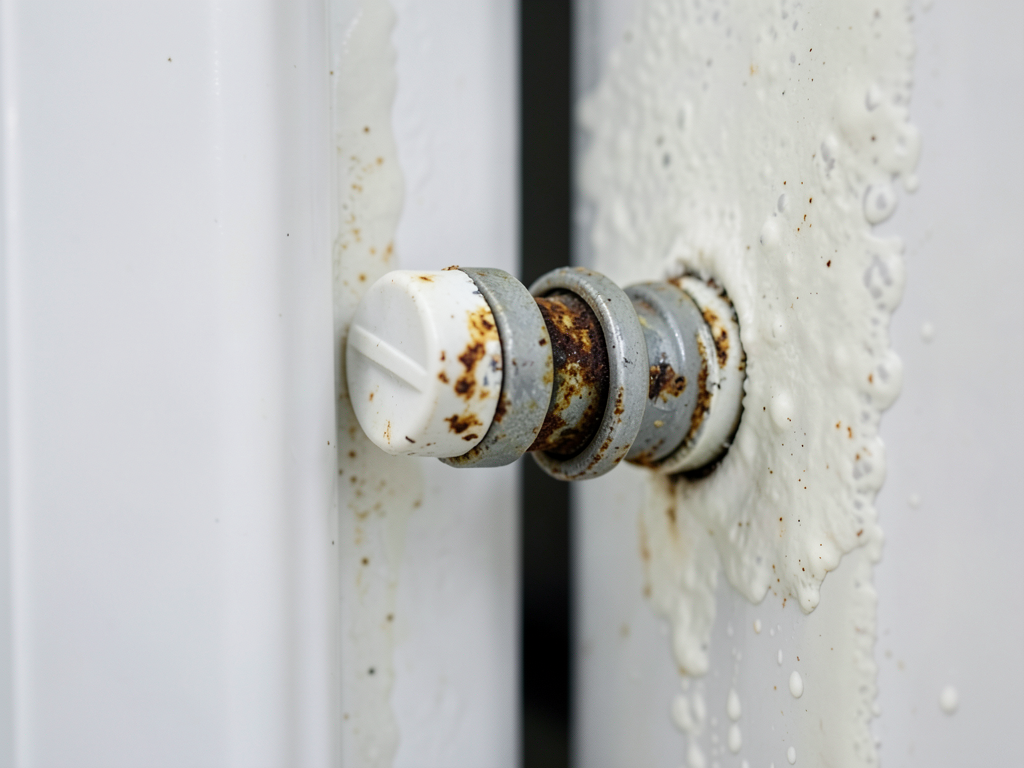
Why Your Refrigerator Ice Maker Is a Ticking Time Bomb for Sheraden Kitchens
Ice maker leaks start small. A drop here. A damp spot there. But behind your fridge in Sheraden homes, that slow drip can soak subfloors for weeks before you notice. By the time you see warping or smell must, the damage is already spreading under your cabinets.
In Pittsburgh neighborhoods like Sheraden where homes often have older plumbing and tighter kitchen layouts, a single failed compression fitting or cracked plastic line can dump gallons before the shutoff valve is found. The humid summer air and cold winter drafts common in this area speed up both mold growth and pipe brittleness. That combination makes your ice maker one of the most overlooked sources of sudden water damage. Who to call for emergency water removal in Pittsburgh right now.
How to Spot a Refrigerator Water Leak Before It Ruins Your Kitchen
Small leaks rarely leave a puddle on the floor. Instead they soak upward into baseboards and drywall. Look for these signs behind your fridge:
- Peeling paint or bubbling wallpaper near the floor
- A musty odor when you open the fridge door
- Soft spots when you press on the floor directly in front of the unit
- White powdery deposits on the water line (hard water scale)
If you notice any of these, move the fridge out and inspect the supply line. A pinched plastic tube or corroded copper fitting can fail without warning.
Immediate Steps to Take When Your Ice Maker Leaks
Speed matters. The first 30 minutes can limit damage by hundreds or thousands of dollars. Follow these steps:
- Locate the small shutoff valve behind the fridge or under the sink. Turn it clockwise until snug.
- Unplug the refrigerator to avoid electrical hazards.
- Remove everything from the area and mop up standing water with towels.
- Place a fan on the floor to begin drying the surface.
Do not wait for the water to stop on its own. Even a slow drip can soak into particleboard and hardwood over a weekend. Expert water damage restoration for businesses in the Pittsburgh Strip District.
Common Causes of Ice Maker Water Damage in Pittsburgh Homes
Several factors make Sheraden kitchens especially vulnerable to ice maker failures:
Hard Water Scale – Pittsburgh’s municipal supply contains high mineral content. Over time, calcium builds inside solenoid valves and supply lines, restricting flow and causing pressure spikes that rupture tubing.
Freeze-Thaw Cycles – In winter, uninsulated lines behind fridges can freeze and split. When they thaw, pressurized water sprays into the cabinet cavity.
Improper Installation – Many DIY ice maker installs use cheap plastic tubing with no support brackets. The tubing can kink or pull loose when the fridge is moved for cleaning.
Hidden Access Issues – Older Sheraden homes often have galley kitchens where the fridge sits in a tight alcove. This makes leaks hard to see until the damage is severe.
Hidden Dangers: Subfloor Damage and Mold Growth
Once water reaches the subfloor, the clock starts ticking on mold. Under kitchen flooring, moisture can’t escape. Particleboard swells. Plywood delaminates. Mold spores germinate in as little as 24 to 48 hours.
Common hidden damage patterns we see in Pittsburgh:
- Baseboard warping that pulls away from drywall
- Cupping or crowning in hardwood planks
- Damp insulation inside the wall cavity behind the fridge
- Black mold colonies forming in the dark space under the cabinet toe-kick
Because Sheraden homes often have finished basements, water can travel down through floor joists and appear as stains on the ceiling below. By then, the damage is structural.
Our Professional Mitigation Process
When we arrive, we follow IICRC S500 standards for water restoration. That means no guesswork, only proven steps: IICRC S500 standard.
- Inspection with Moisture Mapping – We use infrared cameras and penetrating moisture meters to locate all wet materials, even inside walls.
- Containment Setup – Plastic sheeting isolates the work zone to prevent cross-contamination.
- Water Extraction – High-powered truck-mounted extractors remove bulk moisture from floors and subfloors.
- Structural Drying – Industrial air movers and dehumidifiers reduce humidity to below 40 percent in 24 to 48 hours.
- Antimicrobial Treatment – EPA-registered disinfectants stop mold before it can spread.
- Monitoring – We return daily to verify moisture content meets dry standards before removing equipment.
Every step is documented for your insurance claim. We provide moisture readings, drying logs, and before/after photos. Cleaning up after a kitchen flood in your Fox Chapel home.
Insurance Claim Assistance for Ice Maker Leaks
Most homeowners are surprised to learn that sudden appliance failures are covered under standard policies. The key is proving the loss was sudden and accidental, not from neglect.
We help by:
- Providing a detailed scope of work with line-item pricing
- Taking time-stamped photos of all damage
- Meeting the adjuster on-site to explain the restoration plan
- Submitting drying logs and moisture maps as proof of proper mitigation
In Allegheny County, we’ve worked with local adjusters who understand Pittsburgh’s older housing stock. That local knowledge speeds approvals and reduces disputes.
Cost of Neglect: What Happens If You Wait
Delaying action can multiply repair costs. Here’s a comparison of early vs. late response: EPA mold guidelines.
| Response Time | Typical Damage | Estimated Repair Cost |
|---|---|---|
| First 24 hours | Wet floor, baseboards | $800 – $1,500 |
| 2 – 4 days | Subfloor swelling, minor mold | $2,500 – $4,000 |
| 1+ week | Structural rot, widespread mold | $6,000 – $12,000+ |
The longer moisture sits, the more building materials must be removed and replaced. Mold remediation alone can add thousands if it spreads behind walls.
Preventing Future Ice Maker Leaks
Once your kitchen is dry, take these steps to avoid a repeat:
- Replace plastic supply lines with copper or braided stainless steel.
- Install a flood stop sensor that cuts water automatically if a leak is detected.
- Inspect the line every six months for cracks or kinks.
- Keep the fridge slightly pulled forward to reduce stress on the connection.
Simple maintenance can add years to your ice maker and protect your home from hidden water damage.
Why Sheraden Homes Need Special Attention
Sheraden’s mix of early 20th-century brick homes and post-war bungalows means plumbing is often original or poorly retrofitted. Narrow kitchens, tight appliance alcoves, and older water pressure regulators create conditions where small leaks become big problems.
Add Pittsburgh’s freeze-thaw climate and seasonal humidity swings, and you have a recipe for hidden moisture damage. That’s why local experience matters. We know the building quirks, the common failure points, and the fastest routes through the neighborhood when every minute counts.
Call (412) 382-8788 for Immediate Help
If you smell something musty behind your fridge or notice warped flooring, don’t wait. Call (412) 382-8788 now. Our team is on standby 24/7 for Sheraden and all of Pittsburgh. We’ll stop the leak, dry your home, and handle your insurance claim so you can get back to normal fast.
Pick up the phone and call (412) 382-8788 before the next storm hits or the next freeze cycle bursts that line.
Frequently Asked Questions
How can I tell if my ice maker is leaking if I don’t see water?
Look for subtle signs like peeling paint near the floor, a musty smell when opening the fridge, soft spots in the floor, or white mineral deposits on the water line. These often appear before visible puddles.
Is a slow drip from my ice maker really that serious?
Yes. Even a slow drip can soak into subfloors and wall cavities, leading to mold growth within 24 to 48 hours and structural damage that costs thousands to repair.
Will my homeowners insurance cover ice maker water damage?
Most policies cover sudden and accidental leaks from appliances. We help document the damage and work with your adjuster to ensure proper coverage under your policy.
How long does professional drying take after a fridge leak?
Typical structural drying takes 24 to 48 hours with commercial-grade air movers and dehumidifiers, but we monitor daily until moisture content meets dry standards.
Can I fix the leak myself?
You can shut off the water and mop up standing water, but hidden moisture in subfloors and walls requires professional drying to prevent mold and rot.
{
“@context”: “https://schema.org”,
“@type”: “BlogPosting”,
“headline”: “Why your refrigerator ice maker is a ticking time bomb for Sheraden kitchens”,
“description”: “Refrigerator ice maker leaks in Sheraden homes can cause hidden water damage. Learn warning signs, emergency steps, and how our Pittsburgh team stops mold before it spreads.”,
“wordCount”: 1361,
“datePublished”: “2026-05-23T13:21:00.000Z”,
“dateModified”: “2026-05-23T13:21:00.000Z”,
“inLanguage”: “en-US”,
“mainEntityOfPage”: {
“@type”: “WebPage”,
“@id”: “https://reliancewaterdamagerestorationpittsburgh.com”
},
“publisher”: {
“@type”: “LocalBusiness”,
“name”: “Reliance Water Damage Restoration Pittsburgh”,
“url”: “https://reliancewaterdamagerestorationpittsburgh.com”
},
“author”: {
“@type”: “Organization”,
“name”: “Reliance Water Damage Restoration Pittsburgh”,
“url”: “https://reliancewaterdamagerestorationpittsburgh.com”
},
“image”: {
“@type”: “ImageObject”,
“url”: “https://reliancewaterdamagerestorationpittsburgh.com/wp-content/uploads/2026/03/why-your-refrigerator-ice-maker-is-a-ticking-time-1.png”
}
}
{
“@context”: “https://schema.org”,
“@type”: “LocalBusiness”,
“name”: “Reliance Water Damage Restoration Pittsburgh”,
“url”: “https://reliancewaterdamagerestorationpittsburgh.com”,
“address”: {
“@type”: “PostalAddress”,
“addressLocality”: “Pittsburgh”
},
“areaServed”: {
“@type”: “City”,
“name”: “Pittsburgh”
}
}
{
“@context”: “https://schema.org”,
“@type”: “FAQPage”,
“mainEntity”: [
{
“@type”: “Question”,
“name”: “How can I tell if my ice maker is leaking if I don’t see water?”,
“acceptedAnswer”: {
“@type”: “Answer”,
“text”: “Look for subtle signs like peeling paint near the floor, a musty smell when opening the fridge, soft spots in the floor, or white mineral deposits on the water line. These often appear before visible puddles.”
}
},
{
“@type”: “Question”,
“name”: “Is a slow drip from my ice maker really that serious?”,
“acceptedAnswer”: {
“@type”: “Answer”,
“text”: “Yes. Even a slow drip can soak into subfloors and wall cavities, leading to mold growth within 24 to 48 hours and structural damage that costs thousands to repair.”
}
},
{
“@type”: “Question”,
“name”: “Will my homeowners insurance cover ice maker water damage?”,
“acceptedAnswer”: {
“@type”: “Answer”,
“text”: “Most policies cover sudden and accidental leaks from appliances. We help document the damage and work with your adjuster to ensure proper coverage under your policy.”
}
},
{
“@type”: “Question”,
“name”: “How long does professional drying take after a fridge leak?”,
“acceptedAnswer”: {
“@type”: “Answer”,
“text”: “Typical structural drying takes 24 to 48 hours with commercial-grade air movers and dehumidifiers, but we monitor daily until moisture content meets dry standards.”
}
},
{
“@type”: “Question”,
“name”: “Can I fix the leak myself?”,
“acceptedAnswer”: {
“@type”: “Answer”,
“text”: “You can shut off the water and mop up standing water, but hidden moisture in subfloors and walls requires professional drying to prevent mold and rot.”
}
}
]
}
{
“@context”: “https://schema.org”,
“@type”: “BreadcrumbList”,
“itemListElement”: [
{
“@type”: “ListItem”,
“position”: 1,
“name”: “Home”,
“item”: “https://reliancewaterdamagerestorationpittsburgh.com”
},
{
“@type”: “ListItem”,
“position”: 2,
“name”: “Blog”,
“item”: “https://reliancewaterdamagerestorationpittsburgh.com/blog”
},
{
“@type”: “ListItem”,
“position”: 3,
“name”: “Why your refrigerator ice maker is a ticking time bomb for Sheraden kitchens”
}
]
}
{
“@context”: “https://schema.org”,
“@type”: “Service”,
“serviceType”: “Water Damage Restoration”,
“provider”: {
“@type”: “LocalBusiness”,
“name”: “Reliance Water Damage Restoration Pittsburgh”,
“url”: “https://reliancewaterdamagerestorationpittsburgh.com”
},
“areaServed”: {
“@type”: “City”,
“name”: “Pittsburgh”
},
“description”: “Refrigerator ice maker leaks in Sheraden homes can cause hidden water damage. Learn warning signs, emergency steps, and how our Pittsburgh team stops mold before it spreads.”
}