




Menu

Hardwood Floor Water Damage in Pittsburgh – Expert Restoration That Saves Your Investment

From wet hardwood flooring emergencies to wood floor cupping repair, Reliance Water Damage Restoration Pittsburgh uses moisture mapping technology and proven drying techniques to restore water damaged wood floors before replacement becomes necessary.

Slider Image 1
Slider Image 2
Slider Image 3
Slider Image 4
Slider Image 5
Slider Image 7
Slider Image 8
Slider Image 9
Slider Image 10
Slider Image 11

Why Pittsburgh's Climate Makes Hardwood Floors Vulnerable to Water Damage

Pittsburgh's freeze-thaw cycles and high humidity levels create the perfect conditions for hardwood floor water damage. When temperatures swing from below freezing to warm, pipes burst. When spring rains hit older foundations in neighborhoods like Squirrel Hill and Shadyside, basements flood. When humid summers settle over the Ohio River valley, condensation builds in crawl spaces beneath those beautiful oak and maple floors.

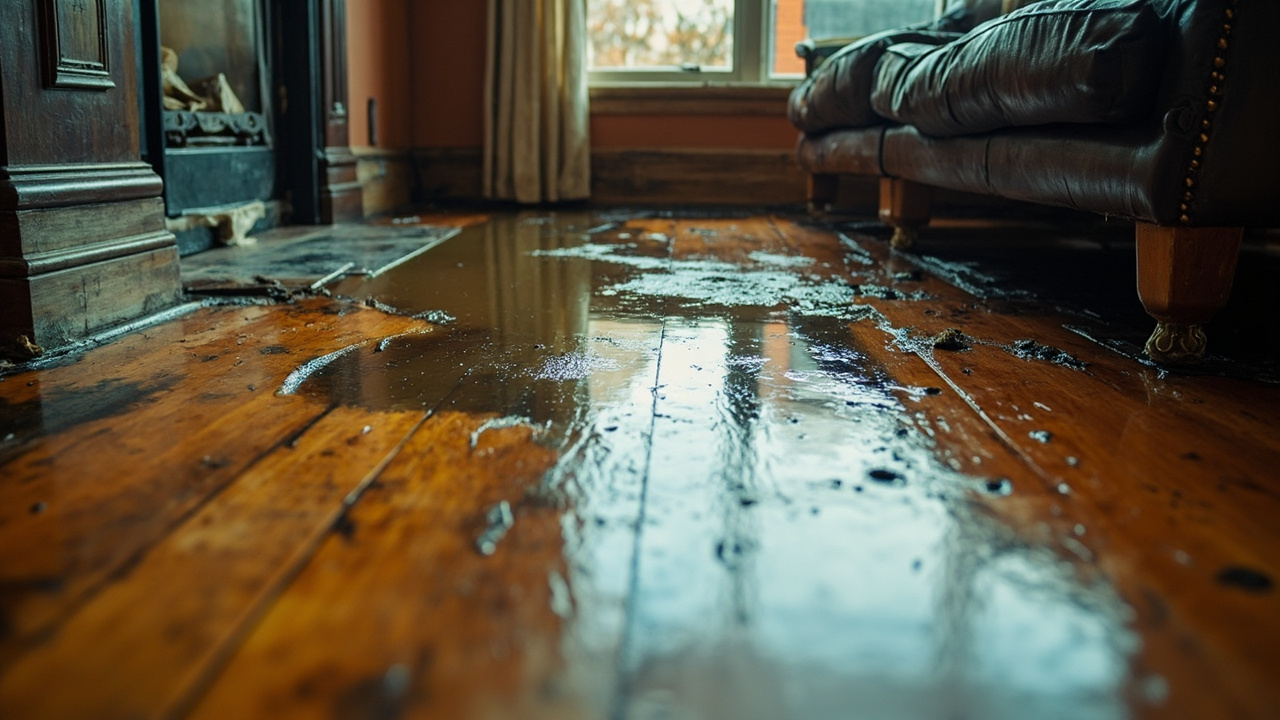
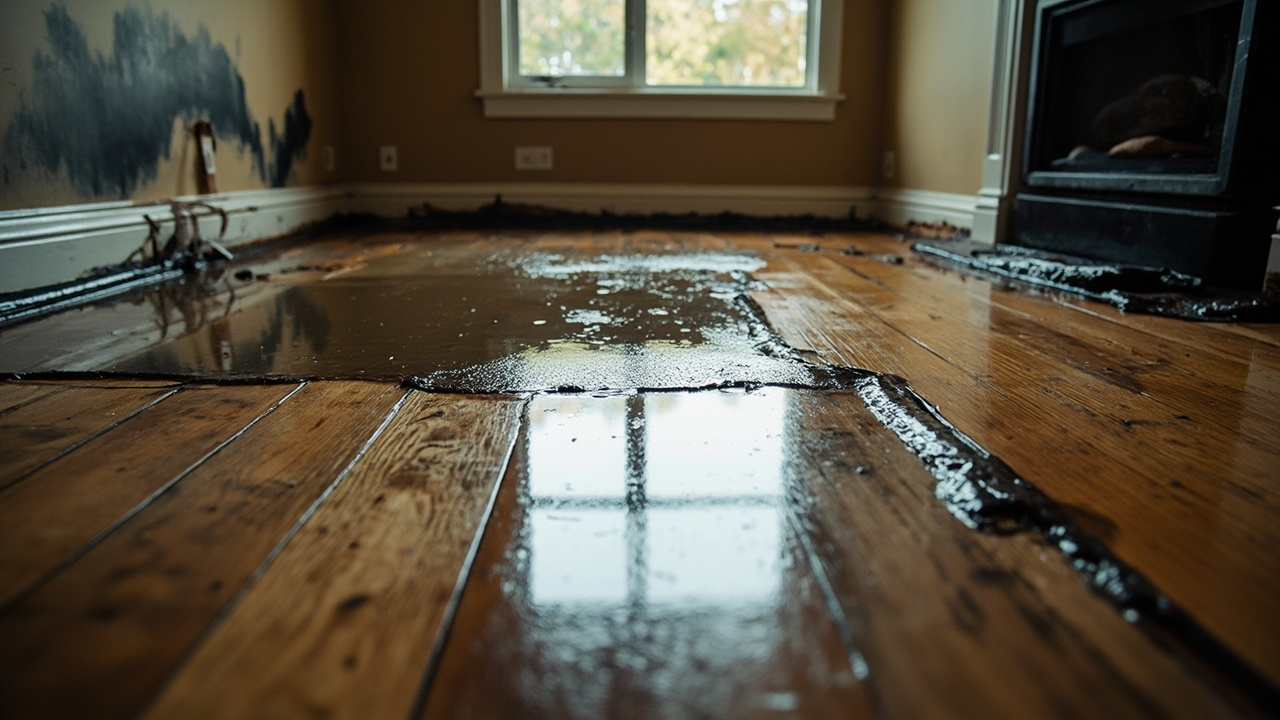
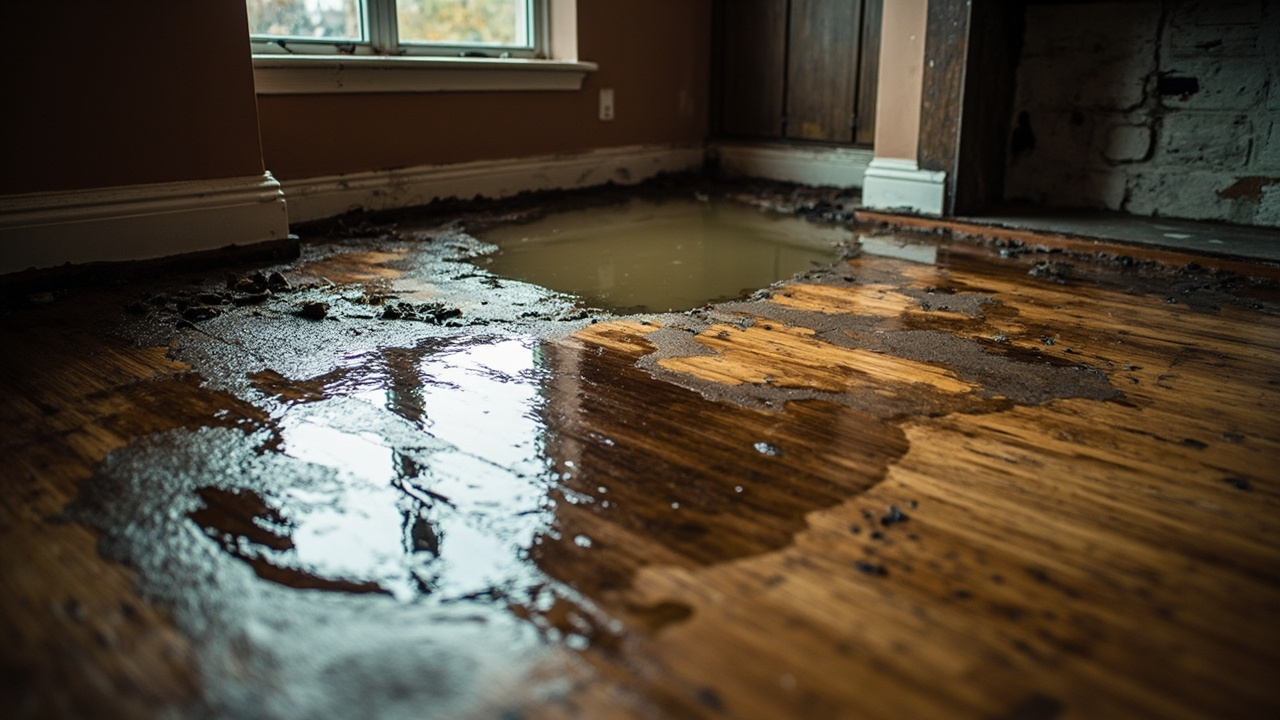
You notice the signs quickly. Wet hardwood flooring feels soft underfoot. Boards start to separate or buckle. Wood floor cupping appears along the edges where moisture seeps up from below. Sometimes you see dark staining between planks. Other times the damage hides beneath area rugs until the smell gives it away.

The problem escalates fast in Pittsburgh homes. Our region's aging housing stock means many properties have original hardwood installed decades ago. These floors lack the moisture barriers modern construction includes. When water intrudes from a washing machine overflow, a toilet supply line failure, or foundation seepage during heavy storms, those unprotected boards absorb moisture like a sponge.

Water damaged wood floors need immediate attention. Within 24 hours, surface damage becomes structural damage. Within 48 hours, mold colonizes the subfloor. Within 72 hours, you face full replacement instead of restoration. The window for effective wood floor water damage repair is narrow. Drying hardwood floors properly requires specific equipment and expertise. You cannot fix this with box fans and hope.

Why Pittsburgh's Climate Makes Hardwood Floors Vulnerable to Water Damage
How Professional Hardwood Floor Restoration Actually Works

How Professional Hardwood Floor Restoration Actually Works

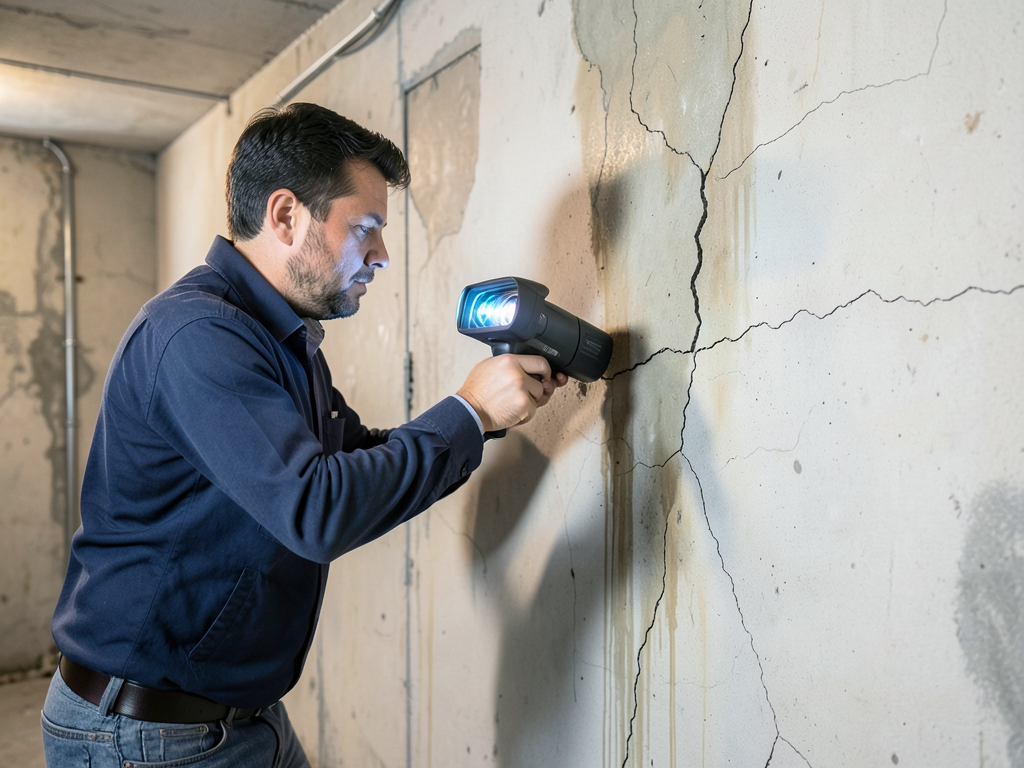
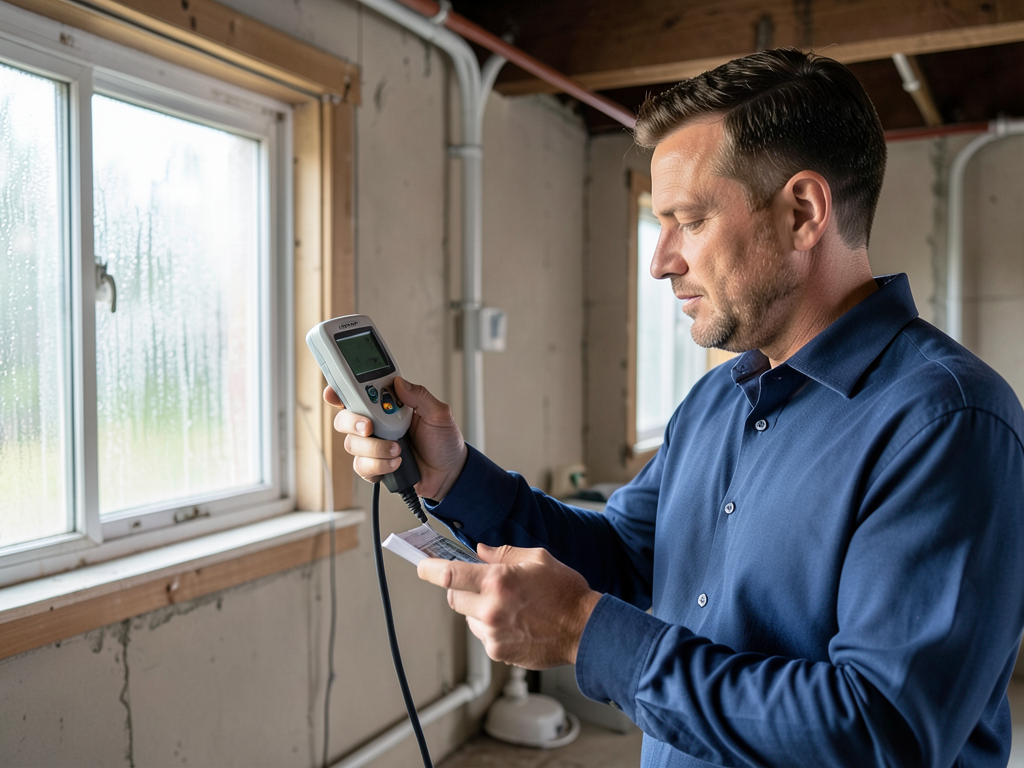
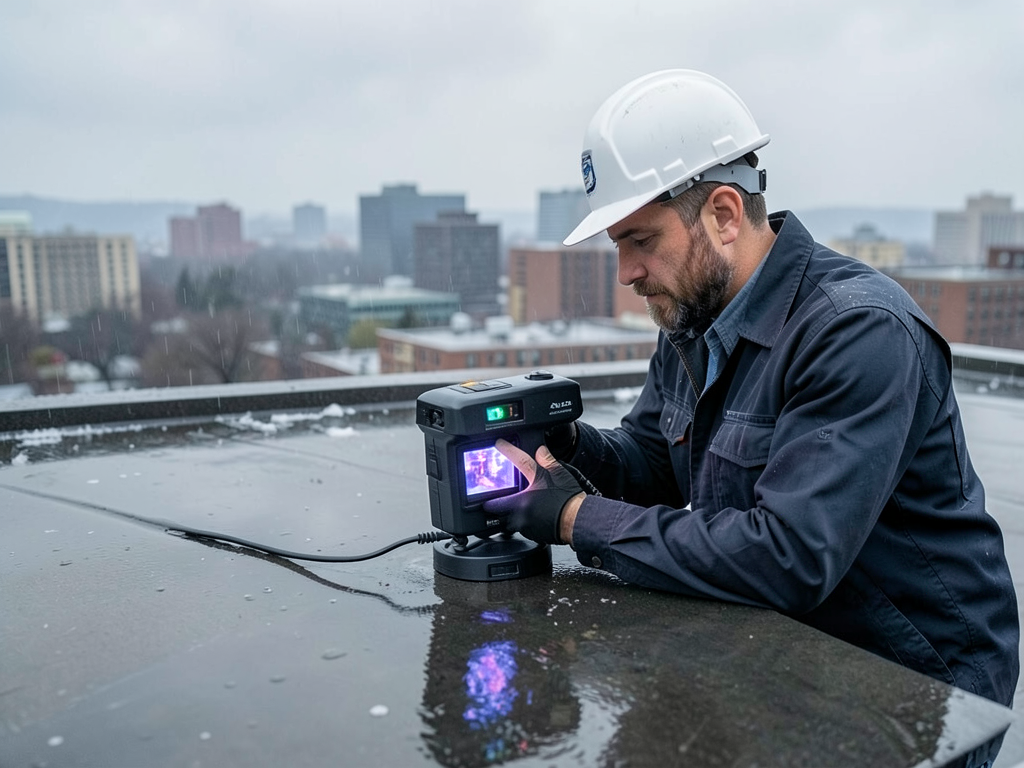
We do not guess about moisture content. We measure it. Our technicians use penetrating moisture meters and thermal imaging cameras to map exactly where water sits in your flooring system. We check the hardwood surface, the subfloor beneath, and the joists below that. This diagnostic phase determines whether your floors can be saved or require replacement.

For wet hardwood flooring that arrived within the critical 48-hour window, we deploy truck-mounted extraction units that pull standing water from between boards. Then we position low-grain refrigerant dehumidifiers and axial air movers in a calculated pattern based on your floor layout and moisture readings. This creates a controlled drying environment that pulls moisture from wood fibers without causing the rapid drying that leads to permanent wood floor cupping.

The drying process for hardwood floors takes longer than carpet or drywall. Wood releases moisture slowly. We monitor moisture levels every 12 hours and adjust equipment placement as readings change. Target moisture content for hardwood sits between 6-9 percent, depending on wood species. We do not remove equipment until your floors hit that range and hold steady for 24 hours.

For floors with existing cupping or crowning, we assess whether the boards will flatten naturally as they dry or require sanding and refinishing after restoration. Minor cupping often resolves itself once proper moisture levels return. Severe cupping means the wood fibers compressed beyond their elastic limit. In those cases, we complete the drying process, allow two weeks for the wood to stabilize, then coordinate with flooring contractors for finish work.

What Happens During Water Damaged Wood Floor Restoration

Hardwood Floor Water Damage in Pittsburgh – Expert Restoration That Saves Your Investment
01

Emergency Water Extraction

We arrive with truck-mounted extraction equipment capable of removing standing water from hardwood surfaces and pulling moisture from between floorboards. Our technicians document the affected area with photos and moisture readings, then create a floor plan showing water migration patterns. This initial extraction prevents additional water absorption and gives us baseline data for insurance documentation and drying projections.
02

Controlled Environment Drying

We position commercial dehumidifiers and air movers based on your floor layout and moisture meter readings. This equipment runs continuously, creating airflow patterns that draw moisture from wood fibers without over-drying surface layers. We check moisture levels twice daily and adjust equipment placement as different floor sections reach target ranges. The process typically requires four to seven days depending on water exposure duration and wood species.
03

Final Assessment and Recommendations

Once your hardwood reaches stable moisture content between 6-9 percent, we remove all equipment and conduct a final inspection. We document which boards recovered fully, which show minor cupping that may self-correct over the next two weeks, and which require replacement. You receive a detailed report with moisture readings, photos, and clear next steps for any cosmetic repairs or refinishing work needed to complete the restoration.

Why Pittsburgh Property Owners Choose Reliance for Hardwood Floor Emergencies

We understand Pittsburgh hardwood. The oak floors in Lawrenceville rowhouses respond differently to water than the maple floors in Mt. Lebanon colonials. We know which neighborhoods have basements prone to seepage during spring thaws and which areas see the most pipe burst calls during January cold snaps.

Our familiarity with local construction matters during restoration. Many Pittsburgh homes built before 1960 have hardwood installed directly over joists without plywood subfloors. This changes our drying approach. We also know which local flooring suppliers stock period-appropriate replacement boards for historic properties in neighborhoods like Mexican War Streets or Deutschtown, where matching original materials matters for resale value.

We respond fast because we know the 48-hour window determines restoration success. Our dispatch operates 24 hours daily. When you call about wet hardwood flooring at 2 AM because a water heater failed, we answer. When you discover wood floor water damage on Sunday morning after weekend guests, we come. Response time directly correlates with save rates for water damaged wood floors.

Our technicians carry full moisture detection equipment on every truck. We do not schedule return visits to assess your situation. We arrive ready to extract water, document damage, and start the drying process immediately. This eliminates the delay that allows minor damage to become major replacement.

We work directly with insurance adjusters throughout the process. You receive detailed documentation at each phase, moisture logs that prove proper drying procedures, and before-and-after photos that support your claim. Most Pittsburgh homeowners policies cover sudden water damage. We help you navigate that process while we handle the restoration work.

What to Expect During Hardwood Floor Water Damage Restoration

Response Time and Initial Setup

We arrive within two hours for emergency calls in the Pittsburgh metro area. Our technicians conduct moisture mapping and begin water extraction immediately. Equipment setup takes 60-90 minutes depending on the affected area size. You can remain in your home during the drying process, though dehumidifiers generate noise similar to a window air conditioning unit. We position equipment to minimize disruption to your daily routine while maximizing drying efficiency.

Moisture Monitoring and Progress Updates

Our technicians return every 12 hours to check moisture levels and adjust equipment. You receive daily text updates showing current moisture percentages and projected completion dates. We explain what the numbers mean in plain language. Most hardwood floor drying takes four to seven days, but we base timeline projections on actual moisture readings, not industry averages. If your floors dry faster or slower than expected, we adjust the schedule accordingly and explain why.

Final Results and Floor Condition

Properly dried hardwood floors look and feel solid underfoot. Minor discoloration may remain if water sat for extended periods, but this often fades over several weeks as wood oxidizes naturally. We provide honest assessments about which boards recovered completely and which might need sanding or replacement for aesthetic reasons. Our goal is functional restoration first, cosmetic perfection second. You receive detailed photos and documentation showing before-and-after moisture levels that prove successful drying.

Post-Restoration Monitoring and Prevention

We recommend checking moisture levels again in two weeks to confirm stability, particularly for floors that showed significant cupping. We provide this follow-up check at no charge. You also receive written guidance on preventing future water damage specific to your property, whether that means monitoring your sump pump more closely, insulating pipes in your basement, or installing leak detection devices near washing machines and water heaters. Prevention advice comes from what we found during restoration, not generic checklists.

Frequently Asked Questions

You Have Questions,
We Have Answers

Can a wood floor be fixed after water damage? +

Yes, many wood floors can be fixed after water damage, but success depends on how fast you act and the severity of the exposure. Minor surface water often responds well to drying and refinishing. Deeper saturation may require board replacement or subfloor repair. Pittsburgh's humidity swings accelerate warping, so time matters. A professional assessment determines if the floor needs spot repairs, sanding and refinishing, or complete replacement. Engineered hardwood is less forgiving than solid wood. If moisture penetrated the subfloor or triggered mold growth, repairs extend beyond the surface. Act within 24 hours for the best outcome.

What to do if water gets under hardwood floors? +

Stop the water source immediately. Remove standing water with a wet vacuum or towels. Pull up area rugs and furniture to allow airflow. Use fans and dehumidifiers to dry the surface and subfloor. Do not wait. Water wicks through gaps and soaks into the subfloor fast, especially in Pittsburgh's humid summers. If water sits for more than a few hours, you risk cupping, warping, and mold. Check baseboards and transitions for moisture. A moisture meter reveals hidden saturation. If the subfloor feels spongy or boards buckle, call a water damage professional to prevent structural issues.

What happens if hardwood flooring gets wet? +

Hardwood swells when it absorbs water. The fibers expand, causing boards to cup, crown, or buckle. Surface moisture may evaporate without permanent damage if you dry it quickly. Prolonged exposure saturates the wood and subfloor, triggering warping and finish delamination. Pittsburgh's freeze-thaw cycles stress already-compromised boards. Water also stains the wood, creates mold breeding grounds, and weakens adhesives in engineered flooring. The finish may cloud or peel. Fast drying within 24 hours minimizes damage. Ignoring wet hardwood leads to costly board replacement, subfloor rot, and health hazards from microbial growth.

How to flatten a wood floor after water damage? +

You cannot flatten water-damaged wood floors yourself. Warped boards must acclimate slowly after moisture removal. Use industrial dehumidifiers and fans to drop moisture content gradually. Rapid drying causes further stress and cracking. Once the subfloor and boards reach normal moisture levels (6-9 percent for Pittsburgh's climate), some minor cupping may self-correct over weeks. Severe warping requires sanding the surface flat after full drying, or replacing boards entirely. Crowned boards rarely flatten and need replacement. A professional uses moisture meters to confirm readiness before sanding. Rushing the process creates permanent damage.

How much does it cost to repair a water damaged hardwood floor? +

Repair costs vary widely based on damage severity, square footage, and wood type. Minor drying and spot sanding may run a few hundred dollars. Replacing a few boards costs more due to labor and finish matching. Extensive subfloor damage, mold remediation, and full-room refinishing drive costs higher. Pittsburgh's older homes with plaster debris or asbestos tile underneath add complexity. Solid hardwood is easier to salvage than engineered flooring. Insurance often covers sudden water events like burst pipes, reducing your out-of-pocket expense. Get a detailed assessment before committing. Delaying repairs increases costs exponentially.

How to reverse cupping in hardwood floors? +

Reversing cupping requires removing the moisture source and allowing the wood to dry slowly. Use dehumidifiers and fans to lower ambient humidity. Monitor moisture content with a meter. Do not apply heat directly to the boards. Once moisture levels normalize (typically 6-9 percent in Pittsburgh), minor cupping may self-correct as the wood releases moisture evenly. If cupping persists after full drying, sand the high edges flat. Severe cupping or crowned boards need replacement. Never sand cupped floors before they dry completely. You risk creating a crowned surface when moisture eventually escapes.

Will a one-time water leak cause mold? +

Yes, mold can start growing within 24 to 48 hours after a water leak. Porous materials like wood subfloors, drywall, and insulation absorb moisture fast. Pittsburgh's humidity accelerates spore colonization. A small leak under hardwood floors creates the perfect dark, damp environment. Even if you dry the surface, hidden moisture in the subfloor feeds mold. The key is speed. Extract water immediately, dry thoroughly with industrial equipment, and monitor moisture levels. If the leak soaked insulation or sat unnoticed for days, mold is likely. A professional inspection with moisture mapping prevents long-term contamination.

Can mold grow under hardwood floors? +

Yes, mold thrives under hardwood floors when moisture gets trapped between the wood and subfloor. Plywood and OSB subfloors absorb water quickly. Pittsburgh's older homes often have crawl spaces or basements that contribute ground moisture. Poor ventilation under the floor traps humidity. You may smell musty odors or see discoloration at board edges before visible mold appears. Water from leaks, flooding, or condensation feeds fungal growth. Once mold colonizes the subfloor, it spreads to joists and insulation. Professional remediation requires removing affected boards, treating the subfloor, and confirming dryness before reinstallation.

Is there a way to reverse water damage on wood? +

You cannot reverse water damage, but you can mitigate it if you act fast. Surface moisture dries without permanent harm if removed within hours. Deeper saturation causes swelling, warping, and finish damage that requires repair, not reversal. Dry the wood slowly to prevent cracking. Sand and refinish to restore appearance after the wood stabilizes. Stains may lighten with oxalic acid treatment. Severely warped or rotted boards need replacement. Pittsburgh's climate demands controlled drying to avoid secondary damage from rapid moisture loss. Professional restoration uses moisture meters and thermal imaging to verify complete drying before refinishing.

How long can water sit on a hardwood floor? +

Water should not sit on hardwood floors for more than a few hours. After 24 hours, irreversible damage begins. Surface water penetrates through gaps and seams into the subfloor. Wood swells, finishes delaminate, and mold spores activate. Pittsburgh's humidity worsens the timeline. In summer, moisture does not evaporate quickly. Engineered hardwood delaminates faster than solid wood. Even small amounts of standing water cause staining and cupping. Extract water immediately with towels or a wet vacuum. Use fans and dehumidifiers to dry the area completely. Waiting increases repair costs and structural risk exponentially.

How Pittsburgh's Basement Moisture and Freeze-Thaw Cycles Threaten Hardwood Floors

Pittsburgh sits at the confluence of three rivers in a region where winter temperatures regularly drop below 20 degrees, then climb above freezing within 24 hours. This freeze-thaw pattern stresses both exterior and interior plumbing systems. Copper pipes in uninsulated basements contract and expand repeatedly, developing pinhole leaks that spray water onto floor joists supporting hardwood above. Simultaneously, spring thaws bring heavy runoff that overwhelms aging combined sewer systems in older neighborhoods, backing water into basements through floor drains. That rising water saturates subfloors beneath hardwood installations, creating the perfect conditions for wood floor cupping and rot.

Reliance Water Damage Restoration Pittsburgh operates specifically within these regional challenges. We know which Pittsburgh neighborhoods experience the most basement flooding during April storms. We understand how homes built on hillsides in areas like Mount Washington face different water intrusion patterns than properties in flat sections of Bloomfield. This geographic knowledge informs our restoration approach and helps us identify underlying causes that generic water damage companies miss. When we restore your hardwood floors, we also explain what allowed water intrusion in the first place and how to prevent recurrence given your specific property location and construction type.
Water Damage Restoration Services in The Pittsburgh Area

While we provide rapid mobile service directly to your location, you can also find our physical business location on the map below. This map highlights our primary service area and shows our commitment to serving the Pittsburgh community. We are always ready to dispatch our expert team to your home or business, no matter where you are in our service region. Feel free to use the interactive map to get directions or to visualize our proximity to you.

Address:
Reliance Water Damage Restoration Pittsburgh, 201 S Craig St, Pittsburgh, PA, 15213

Additional Services We Offer

Our news updates

Latest Articles & News from The Blogs

How to tell if you have a expensive slab leak under your Franklin Park home Franklin Park homeowners face a…

How to tell if you have a expensive slab leak under your Franklin Park home

How to tell if you have a expensive slab leak under your Franklin Park home Franklin Park homeowners face a…

What to do when your office fire sprinklers go off by mistake in Downtown Pittsburgh

What to do when your office fire sprinklers go off by mistake in Downtown Pittsburgh When fire sprinklers discharge without…

Preserving the original masonry in Mexican War Streets homes after a water leak

Preserving the original masonry in Mexican War Streets homes after a water leak When water infiltrates the historic brick and…

Contact Us

Water damaged wood floors deteriorate rapidly. Every hour matters. Call Reliance Water Damage Restoration Pittsburgh now at (412) 382-8788 for immediate dispatch. We answer 24 hours daily, arrive within two hours, and start restoration work the moment we assess your floors.