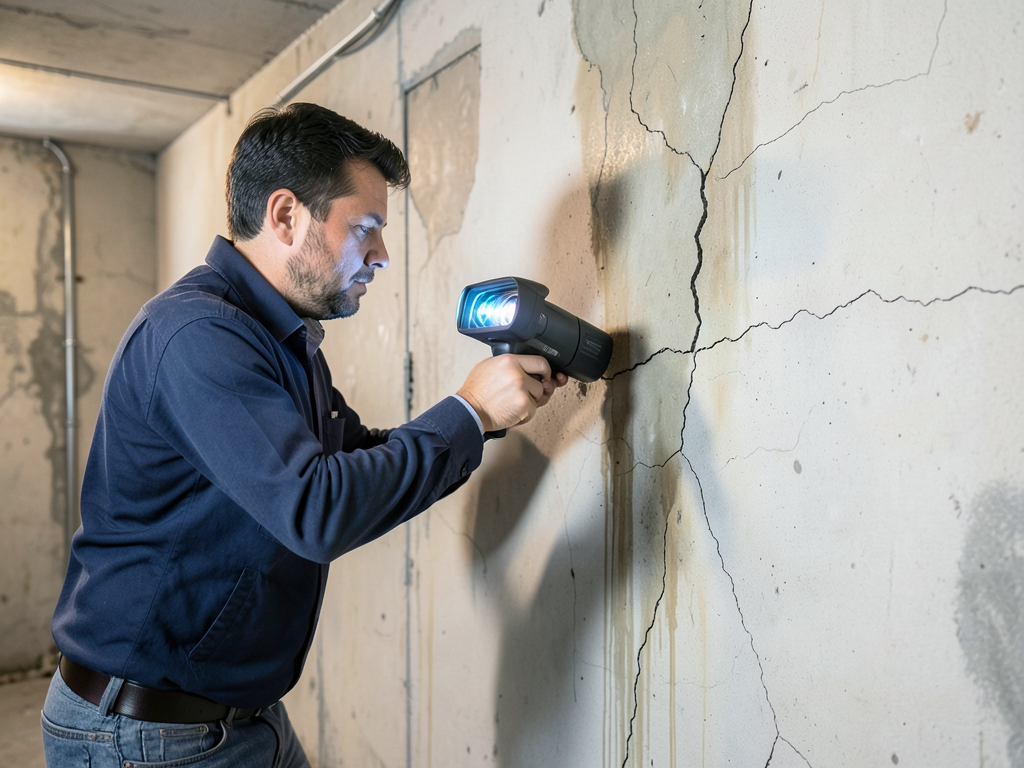








Pittsburgh's hilly terrain creates unpredictable groundwater flow patterns. Homes on slopes experience lateral water pressure against foundation walls, which increases the workload on sump pumps during heavy rain. The clay-heavy soil across Allegheny County drains poorly, causing water to pool around foundations rather than percolate into deeper soil layers. This means Pittsburgh sump pumps cycle more frequently than pumps in regions with sandy, well-draining soil. The increased cycling shortens motor life and makes preventative sump pump maintenance more critical here than in flatter, better-drained areas.
Local building codes require sump discharge lines to terminate a minimum distance from property lines, but many older Pittsburgh homes predate these regulations. We frequently encounter discharge systems that violate current code or direct water toward neighboring properties, creating liability issues. Our familiarity with municipal requirements across Pittsburgh, Mount Lebanon, Bethel Park, and Upper St. Clair ensures your sump system meets code and functions safely. We also understand how Pittsburgh's combined sewer system affects discharge options in certain neighborhoods, which influences our maintenance recommendations and upgrade proposals.