Why you need professional help for a sewage leak in McCandless
A sewage leak in your McCandless home or business is more than just a disgusting mess. It is a serious biohazard that can expose you and your family to dangerous pathogens, cause extensive property damage, and create long-term health risks. When sewage backs up into your basement or overflows from a toilet, you are dealing with Category 3 water, also known as black water, which contains harmful bacteria, viruses, and other contaminants. Dealing with a flooded basement in Mount Lebanon without losing your mind.
Many McCandless homeowners make the critical mistake of trying to clean up sewage themselves with basic household cleaners and mops. This approach is not only ineffective but can actually make the situation worse by spreading contamination and failing to address the moisture that will lead to mold growth. The North Hills area’s aging infrastructure, combined with heavy clay soil that causes poor drainage, makes sewage backups a recurring problem for many properties along the Perry Highway corridor and near Pine Creek. Why your North Hills basement flooded and how to dry it out fast.
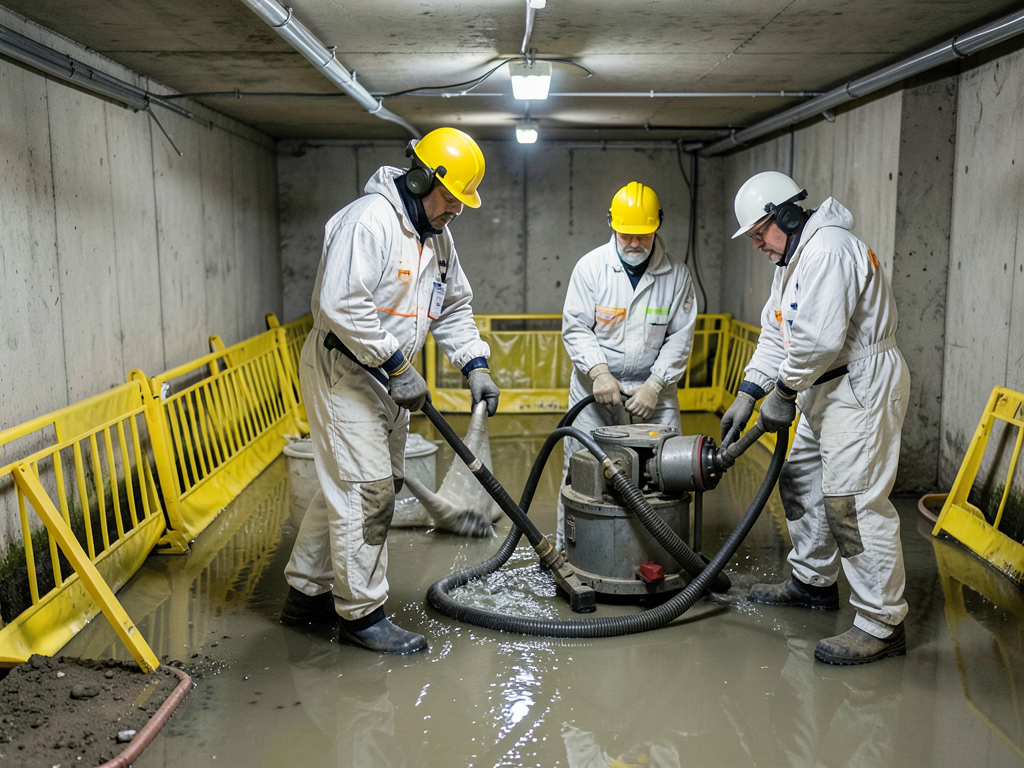
Professional sewage cleanup requires specialized equipment, protective gear, and training in biohazard remediation. Our IICRC-certified technicians use industrial-grade extraction equipment, antimicrobial treatments, and HEPA filtration systems to remove all traces of contamination. We also understand the specific building codes in Allegheny County and can coordinate with local inspectors to ensure your property is restored to safe, habitable conditions. EPA emergency disinfection guidelines.
The hidden dangers of DIY sewage cleanup
When sewage backs up in your McCandless home, the immediate instinct is to grab a mop and bucket. But this reaction can put your health at serious risk. Sewage contains E. coli, salmonella, hepatitis A, and other pathogens that can cause severe illness through skin contact or inhalation of contaminated air. Even if you wear gloves and boots, microscopic droplets can splash onto your skin, clothing, or into your eyes.
The problem extends beyond visible contamination. Sewage seeps into porous materials like drywall, carpet padding, and wood subfloors where it creates the perfect environment for mold growth. Within 24 to 48 hours, mold spores begin multiplying, and the combination of moisture and organic matter provides food for rapid colonization. Many McCandless homes built before 2000 have older plumbing systems that are more susceptible to tree root intrusion and pipe deterioration, making sewage backups more likely during heavy rains or snowmelt.
Another critical factor is the emotional stress of dealing with a sewage emergency. Homeowners often feel overwhelmed and make rushed decisions that lead to incomplete cleanup or improper disposal of contaminated materials. Professional technicians follow strict protocols for containment, removal, and disposal that comply with EPA and OSHA regulations for biohazard materials. Who to call for emergency water removal in Pittsburgh right now.
Our 24/7 emergency sewage response process
When you call our emergency line at (412) 382-8788, our dispatch team immediately mobilizes a crew equipped to handle Category 3 water damage. We guarantee arrival within 60 minutes for McCandless addresses, understanding that every minute counts when sewage is actively contaminating your property. Expert water damage restoration for businesses in the Pittsburgh Strip District.
Our process begins with establishing containment zones using 6-mil polyethylene barriers and negative air pressure to prevent cross-contamination. Technicians wearing full PPE suits, respirators, and protective boots enter the affected area to assess the extent of contamination. We use thermal imaging cameras to detect moisture behind walls and under flooring where sewage may have traveled through capillary action.
High-capacity extraction units remove standing water while HEPA air scrubbers capture airborne contaminants. All contaminated materials that cannot be salvaged are removed in sealed containers and disposed of according to Pennsylvania Department of Environmental Protection regulations. We then apply EPA-registered antimicrobial treatments to all affected surfaces, followed by structural drying using commercial dehumidifiers and air movers.. Read more about Fixing water damage from a sewage backup in Squirrel Hill.
The final step involves third-party air quality testing to verify that all contamination has been eliminated. We provide documentation of every step for your insurance claim and can coordinate directly with your adjuster to streamline the process.
McCandless-specific sewage challenges
The North Hills region faces unique sewage challenges due to its geological composition and infrastructure age. McCandless Township sits on heavy clay soil that has poor drainage characteristics, causing water to pool around foundations during heavy rains. When the ground becomes saturated, it can create hydrostatic pressure that forces sewage back through floor drains and toilets.
Many homes in the Northmont and Ingomar areas were built between 1970 and 1990 when building codes allowed for less stringent drainage requirements. These properties often have undersized sewer laterals or combined storm and sanitary lines that are prone to backup during extreme weather events. The Pine Creek watershed also experiences flash flooding that can overwhelm municipal systems and cause sewage to back up into lower-lying properties.
According to Allegheny County plumbing code Section 403.2, all residential sewage systems must have proper backflow prevention devices installed. However, many older homes in McCandless lack these protections or have devices that have failed due to age. Our technicians can inspect your system and recommend upgrades that bring your property into compliance while preventing future backups.
Insurance coverage for sewage backup
Standard homeowners insurance policies in Pennsylvania typically exclude sewage backup damage unless you have purchased a specific rider. This coverage is relatively inexpensive, often costing between $50 and $100 per year, but can save you thousands in cleanup and restoration costs. Many McCandless homeowners discover too late that they lack adequate coverage when a sewage emergency occurs.
When you file a claim, insurance companies require detailed documentation of the damage, cause of loss, and restoration process. Our team provides comprehensive documentation including moisture mapping, photo documentation, and itemized lists of materials removed and replaced. We use industry-standard estimating software that interfaces directly with insurance carriers, reducing delays in claim processing.
Some policies have specific requirements for sewage backup claims, such as proof that you have maintained your plumbing system or installed recommended backflow prevention devices. We can help you understand your policy limitations and recommend preventative measures that may qualify you for premium discounts or smoother claim approval.
Preventative measures for McCandless homeowners
Prevention is always less expensive than emergency cleanup. For McCandless properties, we recommend several proactive steps that can significantly reduce your risk of sewage backup. First, have your sewer lateral inspected with a camera every three to five years. Tree roots are a major cause of pipe damage in the North Hills area, and early detection can prevent catastrophic failure.
Install a backwater valve on your main sewer line. This simple device allows sewage to flow out but prevents it from backing up into your home during municipal system overloads. According to Pennsylvania plumbing code, these valves must be accessible for maintenance and testing, and we can ensure your installation meets all code requirements.
Consider a sump pump with battery backup if your basement is prone to moisture. While not a sewage solution, it can help manage groundwater that contributes to hydrostatic pressure on your foundation. We recommend models with at least 2,000 gallons per hour capacity and alarm systems that alert you to pump failure.
Regular maintenance of your plumbing system is also crucial. Avoid flushing anything other than human waste and toilet paper, even products labeled as “flushable.” These items do not break down properly and can accumulate in your pipes, creating blockages that lead to backups during heavy usage periods.
Why choose our McCandless sewage cleanup team
Our team has been serving the North Hills community for over 15 years, giving us unique insight into the specific challenges McCandless homeowners face. We understand the local building codes, know the common failure points in area homes, and have established relationships with municipal inspectors and insurance adjusters.
We invest in the latest technology for biohazard remediation, including hydroxyl generators that neutralize odors at the molecular level rather than just masking them. Our technicians receive ongoing training in IICRC standards and stay current with evolving best practices for sewage cleanup and mold prevention.
Beyond technical expertise, we provide compassionate service during what is often a traumatic experience for homeowners. We explain every step of the process, answer all your questions, and work efficiently to minimize disruption to your life. Our goal is not just to clean up the mess but to restore your home to a safe, healthy condition where you can breathe easy again.
When sewage backs up in your McCandless home, you need more than just a cleanup crew. You need professionals who understand the science of contamination, the regulations governing biohazard remediation, and the specific conditions that make your property vulnerable. Call (412) 382-8788 today to schedule your inspection or emergency response. Do not wait until contaminated water is spreading through your home.
Frequently Asked Questions
How quickly should I call for help when sewage backs up?
Call immediately. Sewage contains harmful pathogens that pose serious health risks, and the longer it sits, the more it spreads into porous materials where it causes extensive damage and mold growth.
Is sewage backup covered by my homeowners insurance?
Standard policies typically exclude sewage backup unless you have purchased a specific rider. This coverage is inexpensive but can save thousands in cleanup costs. We can help you understand your policy and document your claim properly.
How long does professional sewage cleanup take?
The initial emergency response and water extraction usually takes 4-6 hours. Complete sanitization, drying, and testing typically requires 3-5 days depending on the extent of contamination and materials affected.
Can I stay in my home during sewage cleanup?
For Category 3 water damage, we recommend temporary relocation during the cleanup process. The biohazard risks and equipment noise make it unsafe and uncomfortable to remain in the home until remediation is complete. For more information, visit CDC emergency water supply planning guide.
{
“@context”: “https://schema.org”,
“@type”: “BlogPosting”,
“headline”: “Why you need professional help for a sewage leak in McCandless”,
“description”: “Sewage leaks in McCandless pose serious health risks. Learn why DIY cleanup is dangerous and how our IICRC-certified team provides 24/7 emergency sewage remediation.”,
“wordCount”: 1652,
“datePublished”: “2026-02-27T13:26:00.000Z”,
“dateModified”: “2026-02-27T13:26:00.000Z”,
“inLanguage”: “en-US”,
“mainEntityOfPage”: {
“@type”: “WebPage”,
“@id”: “https://reliancewaterdamagerestorationpittsburgh.com”
},
“publisher”: {
“@type”: “LocalBusiness”,
“name”: “Reliance Water Damage Restoration Pittsburgh”,
“url”: “https://reliancewaterdamagerestorationpittsburgh.com”
},
“author”: {
“@type”: “Organization”,
“name”: “Reliance Water Damage Restoration Pittsburgh”,
“url”: “https://reliancewaterdamagerestorationpittsburgh.com”
},
“image”: {
“@type”: “ImageObject”,
“url”: “https://reliancewaterdamagerestorationpittsburgh.com/wp-content/uploads/2026/03/why-you-need-professional-help-for-a-sewage-leak-i-1.png”
}
}
{
“@context”: “https://schema.org”,
“@type”: “LocalBusiness”,
“name”: “Reliance Water Damage Restoration Pittsburgh”,
“url”: “https://reliancewaterdamagerestorationpittsburgh.com”,
“address”: {
“@type”: “PostalAddress”,
“addressLocality”: “Pittsburgh”
},
“areaServed”: {
“@type”: “City”,
“name”: “Pittsburgh”
}
}
{
“@context”: “https://schema.org”,
“@type”: “FAQPage”,
“mainEntity”: [
{
“@type”: “Question”,
“name”: “How quickly should I call for help when sewage backs up?”,
“acceptedAnswer”: {
“@type”: “Answer”,
“text”: “Call immediately. Sewage contains harmful pathogens that pose serious health risks, and the longer it sits, the more it spreads into porous materials where it causes extensive damage and mold growth.”
}
},
{
“@type”: “Question”,
“name”: “Is sewage backup covered by my homeowners insurance?”,
“acceptedAnswer”: {
“@type”: “Answer”,
“text”: “Standard policies typically exclude sewage backup unless you have purchased a specific rider. This coverage is inexpensive but can save thousands in cleanup costs. We can help you understand your policy and document your claim properly.”
}
},
{
“@type”: “Question”,
“name”: “How long does professional sewage cleanup take?”,
“acceptedAnswer”: {
“@type”: “Answer”,
“text”: “The initial emergency response and water extraction usually takes 4-6 hours. Complete sanitization, drying, and testing typically requires 3-5 days depending on the extent of contamination and materials affected.”
}
},
{
“@type”: “Question”,
“name”: “Can I stay in my home during sewage cleanup?”,
“acceptedAnswer”: {
“@type”: “Answer”,
“text”: “For Category 3 water damage, we recommend temporary relocation during the cleanup process. The biohazard risks and equipment noise make it unsafe and uncomfortable to remain in the home until remediation is complete. For more information, visit CDC emergency water supply planning guide.”
}
}
]
}
{
“@context”: “https://schema.org”,
“@type”: “BreadcrumbList”,
“itemListElement”: [
{
“@type”: “ListItem”,
“position”: 1,
“name”: “Home”,
“item”: “https://reliancewaterdamagerestorationpittsburgh.com”
},
{
“@type”: “ListItem”,
“position”: 2,
“name”: “Blog”,
“item”: “https://reliancewaterdamagerestorationpittsburgh.com/blog”
},
{
“@type”: “ListItem”,
“position”: 3,
“name”: “Why you need professional help for a sewage leak in McCandless”
}
]
}
{
“@context”: “https://schema.org”,
“@type”: “Service”,
“serviceType”: “Water Damage Restoration”,
“provider”: {
“@type”: “LocalBusiness”,
“name”: “Reliance Water Damage Restoration Pittsburgh”,
“url”: “https://reliancewaterdamagerestorationpittsburgh.com”
},
“areaServed”: {
“@type”: “City”,
“name”: “Pittsburgh”
},
“description”: “Sewage leaks in McCandless pose serious health risks. Learn why DIY cleanup is dangerous and how our IICRC-certified team provides 24/7 emergency sewage remediation.”
}