Should you dry your own basement or call a pro in Glenshaw?
Water in your Glenshaw basement creates a race against time. You have 24-48 hours before mold spores activate in Pennsylvania’s humid climate. This guide shows you exactly when you can handle it yourself and when you need professional help to protect your home’s structure and your family’s health. Who to call for emergency water removal in Pittsburgh right now.
Glenshaw homes face unique challenges. The area’s heavy clay soil creates hydrostatic pressure against foundations. Shaler Township’s older homes often have stone or block foundations that absorb moisture differently than modern poured concrete. Pittsburgh’s freeze-thaw cycles cause foundation cracks that widen each winter letting water seep in. Expert water damage restoration for businesses in the Pittsburgh Strip District.
Before you grab towels and a box fan consider this: Category 1 clean water from a broken supply line becomes Category 2 grey water within 48 hours. Category 3 black water from sewage backup requires EPA-regulated containment and disposal. Pennsylvania building codes require licensed professionals for Category 2 and 3 water damage. EPA mold information.
Water Categories: What’s Safe to Dry Yourself
Understanding water categories determines your next steps. Clean water from a burst pipe or rainwater through a window well starts as Category 1. This water contains no significant contamination and poses minimal health risk if addressed within 24-48 hours.. Read more about Navigating water damage insurance claims in Crafton and surrounding boroughs.
Grey water from washing machine overflow or dishwasher leaks contains detergents and food particles. This Category 2 water supports bacterial growth and requires protective equipment. Black water from sewage backup or river flooding contains pathogens and toxic materials requiring professional remediation. Black Mold Symptoms.
Glenshaw’s Pine Creek flooding creates Category 3 conditions when it overtops its banks. The creek carries agricultural runoff road contaminants and debris. Even if the water appears clear it contains harmful bacteria and requires professional extraction and disinfection.. Read more about Repairing water damage from a burst washing machine hose in Ross Township.
DIY Equipment vs Professional Grade Tools
Consumer-grade equipment cannot match professional restoration tools. A home dehumidifier removes 30-70 pints per day while an LGR (Low Grain Refrigerant) dehumidifier extracts 150-300 pints daily. The difference matters when drying 1000+ square feet of wet basement.. Read more about The right way to manage basement humidity in Bloomfield rentals during the summer.
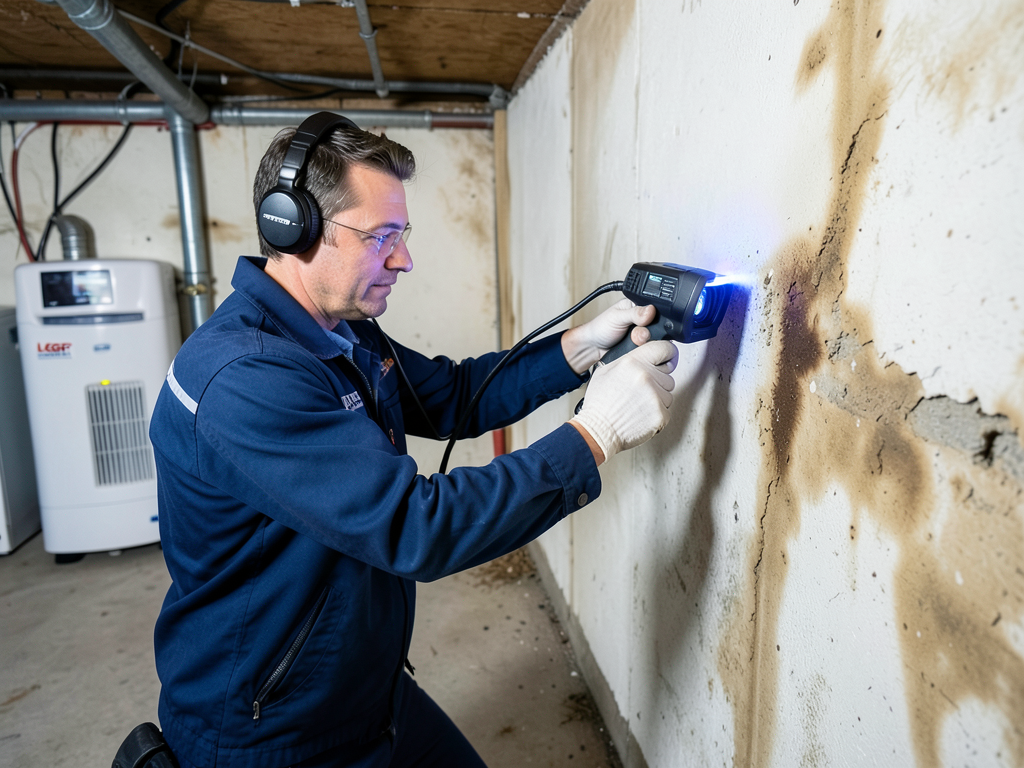
Professional air movers create 3000+ CFM airflow compared to box fans at 1500 CFM. This velocity difference determines drying time. Professional thermal imaging cameras detect moisture in walls without destructive testing. Consumer moisture meters only read surface levels missing hidden damage.
Tool rental costs add up quickly. A commercial dehumidifier rents for $75-125 daily. Four air movers cost $60-80 each per day. Moisture meters and extraction equipment add $50-100 daily. You’ll spend $300-500 in rental fees over a week plus your time and labor.
Hidden Risks of DIY Basement Drying
Surface drying creates false security. Water migrates through capillary action into drywall insulation and subflooring. A carpet that feels dry on top may hold gallons of water underneath. This trapped moisture creates perfect mold conditions in Pittsburgh’s 70-80% summer humidity.. Read more about A guide to water heater burst cleanup for Baldwin homeowners.
Structural damage progresses silently. Wet wooden floor joists lose 50% of their strength when moisture content exceeds 20%. This weakening occurs without visible signs. By the time sagging appears the structure requires replacement not repair.
Home insurance complications arise when DIY attempts fail. Many policies exclude secondary damage from inadequate drying efforts. If mold grows from incomplete DIY restoration your claim may be denied. Professional documentation proves proper procedures were followed protecting your coverage.
Glenshaw-Specific Basement Challenges
Glenshaw’s older homes built before 1980 often lack proper drainage systems. Many have no sump pump or have undersized units installed decades ago. The area’s clay soil holds water against foundations creating constant hydrostatic pressure.
Route 8 corridor homes face additional runoff from road drainage. During heavy rains water flows down the highway shoulder into adjacent properties. This concentrated flow overwhelms standard French drains designed for normal precipitation.
Shaler Township’s building codes require specific discharge methods for sump pumps. Direct discharge onto neighboring properties violates Pennsylvania drainage laws. Professional installers understand these regulations ensuring your system complies with local ordinances.
Cost Comparison: DIY vs Professional Restoration
| Item | DIY Cost | Professional Cost | Time Required |
|---|---|---|---|
| Equipment Rental (1 week) | $300-500 | N/A | Your labor |
| Professional Service | N/A | $1500-3500 | 24-48 hours |
| Insurance Deductible | N/A | $500-2000 | N/A |
| Total Potential Cost | $300-500 | $2000-5500 | Professional faster |
Professional restoration includes moisture mapping documentation for insurance claims. This documentation often results in higher claim approvals. The faster drying time also prevents secondary damage that DIY attempts miss.
Professional Advantages You Cannot Rent
IICRC-certified technicians follow S500 standards for water damage restoration. These standards specify drying goals moisture content levels and verification procedures. DIY methods lack these quality controls. IICRC S500 standards.
Thermal imaging reveals water migration paths invisible to the naked eye. Professionals map moisture through walls into adjacent rooms. This comprehensive assessment prevents missed damage that causes future problems.
Professional antimicrobial treatments prevent mold growth more effectively than household cleaners. EPA-registered products require specific application methods and dwell times. Incorrect use reduces effectiveness allowing mold establishment.. Read more about How long does it actually take to dry out a house in Brentwood after a flood?.
Insurance Navigation and Documentation
Professional restorers document damage with moisture readings photos and drying logs. This documentation meets insurance adjuster requirements. DIY documentation often lacks the technical detail needed for claim approval.
Pennsylvania insurance laws require specific timelines for water damage claims. Missing these deadlines can void coverage. Professionals understand these requirements ensuring your claim proceeds smoothly.
Many restoration companies work directly with insurance adjusters. They provide estimates that align with insurance pricing guidelines. This coordination prevents disputes over scope and cost.
Red Flags That Require Professional Help
Call professionals immediately if you see these warning signs. Sewage backup indicates Category 3 water requiring EPA-regulated cleanup. Electrical hazards exist when water contacts outlets or appliances. Structural damage shows as wall cracks or floor sagging.. Read more about Common safety hazards in standing water that Mount Washington homeowners should know.
Health concerns arise with contaminated water. Mold symptoms include respiratory issues headaches and allergic reactions. These conditions worsen with continued exposure requiring immediate professional intervention.
Time sensitivity matters most. Water sitting over 48 hours grows mold exponentially. Each hour increases restoration costs and health risks. Professional response teams arrive within 60 minutes in most Glenshaw locations.
DIY Success Factors
Small clean water spills under 100 square feet can be DIY projects if addressed within 24 hours. Use proper safety equipment including rubber boots and gloves. Document damage with photos before starting cleanup.
Remove standing water with wet vacuums or submersible pumps. Do not use regular household vacuums on wet surfaces. Extract water from carpets using proper techniques to prevent delamination.. Read more about Why household fans aren’t enough to dry out a flooded Carnegie basement.
Set up proper airflow with multiple fans creating cross ventilation. Position dehumidifiers in central locations. Monitor moisture levels with consumer-grade meters checking multiple spots daily.
Professional Assessment Process
Technicians begin with moisture mapping using thermal cameras and penetrating meters. They identify all affected materials and calculate drying requirements. This assessment determines equipment needs and project duration.
Water extraction removes bulk moisture using truck-mounted or portable extractors. These machines remove water 500% faster than shop vacuums. Complete extraction reduces drying time significantly.
Structural drying uses psychrometry principles to create optimal evaporation conditions. Professionals manipulate temperature humidity and airflow based on material types and conditions. This science-based approach ensures complete drying.
Preventing Future Basement Water Issues
Glenshaw’s clay soil requires specific drainage solutions. French drains should extend beyond the foundation footprint. Sump pump discharge lines need freeze protection and proper grading away from the foundation.
Foundation waterproofing prevents water intrusion. Exterior waterproofing membranes protect against hydrostatic pressure. Interior sealants provide secondary protection but cannot stop active water flow.
Regular maintenance prevents system failures. Clean gutters twice yearly. Test sump pumps monthly. Inspect foundation for new cracks annually. These simple steps prevent most water damage situations.. Read more about Simple sump pump maintenance steps for Allison Park homeowners to avoid a rainy day disaster.
Making Your Decision
Consider these factors when deciding DIY vs professional help. Water category determines safety requirements. Time since exposure affects mold risk. Area size impacts equipment needs. Your experience level affects completion quality.
Professional help costs more upfront but prevents expensive secondary damage. DIY saves money if successful but risks incomplete drying and mold growth. The choice depends on your specific situation and risk tolerance.
Remember that professional restoration includes insurance navigation and documentation. This value often offsets the higher initial cost. The peace of mind knowing the job is done correctly has no price tag.
Frequently Asked Questions
How long can water sit in my basement before mold grows?
Mold can begin growing within 24-48 hours in Pittsburgh’s humid climate. The exact timing depends on temperature water category and material types. Clean water on concrete may last 72 hours while grey water on drywall grows mold within 24 hours. Efflorescence on Concrete.
Will my homeowners insurance cover professional water restoration?
Most policies cover sudden accidental water damage including professional restoration. Coverage excludes gradual damage from maintenance issues or flooding requiring separate policies. Professional restorers help document claims and work with adjusters to maximize coverage.. Read more about Managing the spring thaw and snow melt flooding in Wexford.
Can I dry my basement with just fans and a dehumidifier?
Fans and dehumidifiers work for small clean water spills under 100 square feet if addressed within 24 hours. Larger areas or contaminated water require professional equipment and techniques. Consumer-grade tools cannot achieve the moisture content levels required for complete drying. Large Scale Water Extraction.
Take Action Now
Water damage in your Glenshaw basement demands immediate attention. Every hour increases damage and mold risk. If you’re unsure about water category or damage extent call (412) 382-8788 for a free moisture inspection. Our IICRC-certified technicians provide 24/7 emergency response throughout Shaler Township and surrounding areas.
Don’t risk your home’s structure or your family’s health. Professional assessment costs nothing but provides valuable information for your decision. Whether you choose DIY or professional restoration understanding your situation prevents costly mistakes. Call (412) 382-8788 today before the next storm hits or water spreads further through your home’s structure.
You may also find this helpful. How the hilly Pittsburgh terrain causes basement seepage in Troy Hill.
You may also find this helpful. Dealing with asbestos and lead paint during water restoration in older Manchester homes.
{
“@context”: “https://schema.org”,
“@type”: “BlogPosting”,
“headline”: “Should you dry your own basement or call a pro in Glenshaw?”,
“description”: “Learn when DIY basement drying works in Glenshaw and when you need professional water restoration. Compare costs, risks, and equipment for Pittsburgh-area homes.”,
“wordCount”: 1614,
“datePublished”: “2026-03-06T12:05:00.000Z”,
“dateModified”: “2026-03-06T12:05:00.000Z”,
“inLanguage”: “en-US”,
“mainEntityOfPage”: {
“@type”: “WebPage”,
“@id”: “https://reliancewaterdamagerestorationpittsburgh.com”
},
“publisher”: {
“@type”: “LocalBusiness”,
“name”: “Reliance Water Damage Restoration Pittsburgh”,
“url”: “https://reliancewaterdamagerestorationpittsburgh.com”
},
“author”: {
“@type”: “Organization”,
“name”: “Reliance Water Damage Restoration Pittsburgh”,
“url”: “https://reliancewaterdamagerestorationpittsburgh.com”
},
“image”: {
“@type”: “ImageObject”,
“url”: “https://reliancewaterdamagerestorationpittsburgh.com/wp-content/uploads/2026/03/should-you-dry-your-own-basement-or-call-a-pro-in-1.png”
}
}
{
“@context”: “https://schema.org”,
“@type”: “LocalBusiness”,
“name”: “Reliance Water Damage Restoration Pittsburgh”,
“url”: “https://reliancewaterdamagerestorationpittsburgh.com”,
“address”: {
“@type”: “PostalAddress”,
“addressLocality”: “Pittsburgh”
},
“areaServed”: {
“@type”: “City”,
“name”: “Pittsburgh”
}
}
{
“@context”: “https://schema.org”,
“@type”: “FAQPage”,
“mainEntity”: [
{
“@type”: “Question”,
“name”: “How long can water sit in my basement before mold grows?”,
“acceptedAnswer”: {
“@type”: “Answer”,
“text”: “Mold can begin growing within 24-48 hours in Pittsburgh’s humid climate. The exact timing depends on temperature water category and material types. Clean water on concrete may last 72 hours while grey water on drywall grows mold within 24 hours. Efflorescence on Concrete.”
}
},
{
“@type”: “Question”,
“name”: “Will my homeowners insurance cover professional water restoration?”,
“acceptedAnswer”: {
“@type”: “Answer”,
“text”: “Most policies cover sudden accidental water damage including professional restoration. Coverage excludes gradual damage from maintenance issues or flooding requiring separate policies. Professional restorers help document claims and work with adjusters to maximize coverage.”
}
},
{
“@type”: “Question”,
“name”: “Can I dry my basement with just fans and a dehumidifier?”,
“acceptedAnswer”: {
“@type”: “Answer”,
“text”: “Fans and dehumidifiers work for small clean water spills under 100 square feet if addressed within 24 hours. Larger areas or contaminated water require professional equipment and techniques. Consumer-grade tools cannot achieve the moisture content levels required for complete drying. Large Scale Water Extraction.”
}
}
]
}
{
“@context”: “https://schema.org”,
“@type”: “BreadcrumbList”,
“itemListElement”: [
{
“@type”: “ListItem”,
“position”: 1,
“name”: “Home”,
“item”: “https://reliancewaterdamagerestorationpittsburgh.com”
},
{
“@type”: “ListItem”,
“position”: 2,
“name”: “Blog”,
“item”: “https://reliancewaterdamagerestorationpittsburgh.com/blog”
},
{
“@type”: “ListItem”,
“position”: 3,
“name”: “Should you dry your own basement or call a pro in Glenshaw?”
}
]
}
{
“@context”: “https://schema.org”,
“@type”: “Service”,
“serviceType”: “Water Damage Restoration”,
“provider”: {
“@type”: “LocalBusiness”,
“name”: “Reliance Water Damage Restoration Pittsburgh”,
“url”: “https://reliancewaterdamagerestorationpittsburgh.com”
},
“areaServed”: {
“@type”: “City”,
“name”: “Pittsburgh”
},
“description”: “Learn when DIY basement drying works in Glenshaw and when you need professional water restoration. Compare costs, risks, and equipment for Pittsburgh-area homes.”
}