How long does it actually take to dry out a house in Brentwood after a flood?
Water damage in a Brentwood home can feel overwhelming but understanding the drying timeline helps you plan. Most flooded houses in the South Hills area need three to five days to dry completely using professional equipment. The actual time depends on water volume building materials and the unique climate conditions in Allegheny County. Dealing with a flooded basement in Mount Lebanon without losing your mind.
Time matters because mold can start growing within forty-eight hours in Pittsburgh’s humid environment. Professional water damage restoration teams use industrial-grade air movers and dehumidifiers to speed up evaporation and prevent secondary damage. The process involves more than just removing visible water. It requires moisture mapping to find hidden pockets and continuous monitoring to ensure every surface returns to safe levels. Who to call for emergency water removal in Pittsburgh right now.
Factors that affect drying time in Brentwood homes
Several variables determine how long your home stays wet after a flood. The amount of water and its source play the biggest role. Clean water from a broken pipe dries faster than contaminated water from a sewer backup. The materials affected also matter. Drywall absorbs water quickly but releases it slowly while hardwood flooring can trap moisture underneath for days. Expert water damage restoration for businesses in the Pittsburgh Strip District.
Brentwood’s older housing stock adds another layer of complexity. Many homes near Brownsville Road were built before modern vapor barriers existed. This means water can spread through walls and subfloors more easily than in newer construction. The clay-heavy soil in South Pittsburgh also affects drying. When the ground stays saturated after heavy rain it creates hydrostatic pressure that can force water back through basement walls slowing the overall drying process. Cleaning up after a kitchen flood in your Fox Chapel home.
The professional drying process step by step
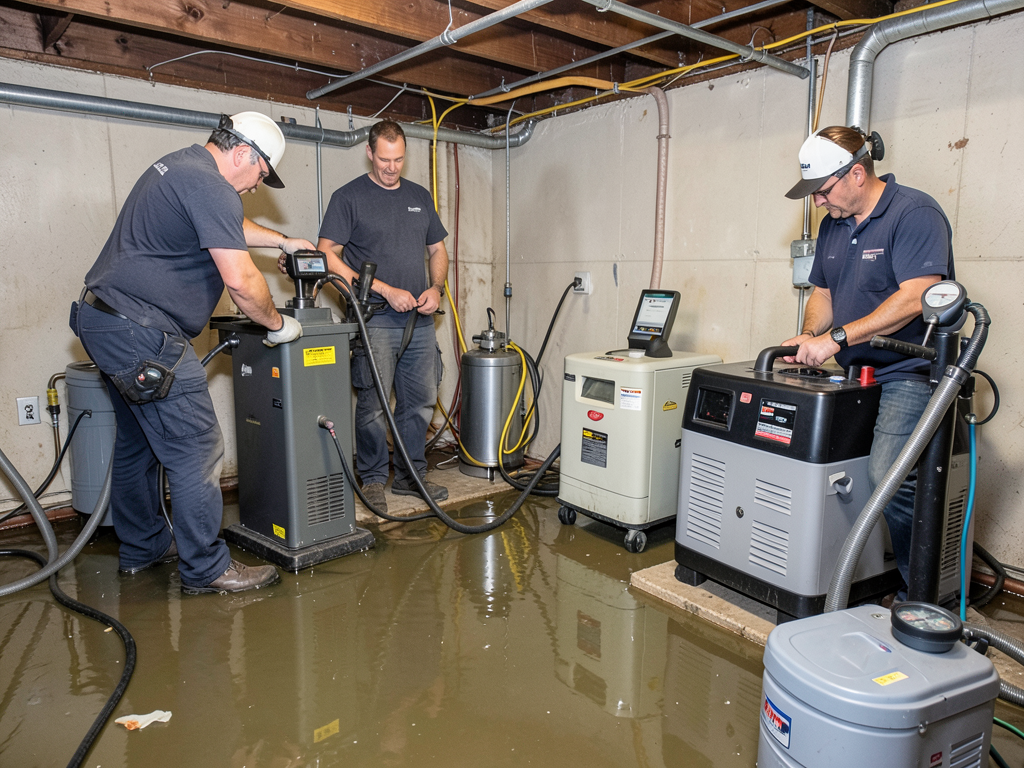
Professional restoration follows a proven sequence that maximizes efficiency. First technicians extract standing water using truck-mounted vacuums capable of removing hundreds of gallons per hour. Next they set up air movers every ten to fifteen feet along wet walls to create constant airflow. Dehumidifiers work alongside air movers pulling moisture from the air and converting it to liquid water that gets pumped away.. Read more about A guide to water heater burst cleanup for Baldwin homeowners.
Moisture meters and thermal imaging cameras help technicians find hidden water. A reading above sixteen percent moisture content in wood or drywall indicates active drying is needed. The team returns daily to move equipment adjust positioning and track progress. This monitoring continues until all materials reach acceptable dryness levels typically below fifteen percent for wood and four pounds of water per square foot for drywall.. Read more about Signs of hidden mold behind your Shaler Township drywall.
Brentwood specific challenges and solutions
Brentwood’s location in the South Hills creates unique drying challenges. The area sits in a valley where cool air settles creating higher relative humidity than surrounding Pittsburgh neighborhoods. This means dehumidifiers must work harder and longer to achieve the same results you might see in a more elevated area like Mount Washington. Why your North Hills basement flooded and how to dry it out fast.
Many Brentwood homes have finished basements built in the 1960s and 1970s. These spaces often contain multiple layers of materials that trap water. A typical scenario involves wet carpet over padding over plywood over concrete. Each layer must be addressed separately. In some cases technicians must remove baseboards and drill small holes in drywall to allow air circulation inside wall cavities. EPA mold information.
The Route 51 corridor experiences periodic flooding from storm water backing up in municipal systems. When this happens homes near the commercial district face contamination from road oils and debris. This category three water requires not just drying but disinfection and often removal of porous materials like carpet and drywall.. Read more about Managing the spring thaw and snow melt flooding in Wexford.
Equipment used in modern water damage restoration
Professional drying relies on specialized equipment that homeowners cannot rent at local stores. Low grain refrigerant or LGR dehumidifiers remove moisture even when humidity drops below forty percent. Standard residential units stop working effectively once humidity falls below fifty-five percent. High velocity air movers create airflow of up to two thousand cubic feet per minute breaking the boundary layer of moisture that forms on wet surfaces.</n
Desiccant dehumidifiers offer another option for extreme cases. These units use silica gel to absorb moisture and work well in cold temperatures where refrigerant units struggle. For hardwood flooring rescue technicians use floor drying mats that connect to vacuum systems creating negative pressure that pulls moisture up through the wood grain.
Moisture detection technology has advanced significantly. Pinless moisture meters can scan through tile and hardwood without causing damage. Thermal imaging cameras detect temperature differences that indicate wet areas behind walls. This technology prevents unnecessary demolition by showing exactly where water traveled.
Understanding the science of drying
Drying follows the principles of psychrometry the study of air and moisture interactions. Water evaporates faster when air has low relative humidity and high temperature. Professional restorers manipulate these factors to create optimal drying conditions. They might heat a room to ninety degrees while maintaining humidity below thirty percent.
The vapor pressure differential drives the drying process. Wet materials contain higher vapor pressure than the surrounding air. Equipment creates conditions where this pressure difference forces moisture from materials into the air where dehumidifiers capture it. This explains why simply opening windows often fails to dry a flooded home. Outside air in Pittsburgh typically has high humidity especially during summer months.. Read more about What to do if you find mold during a kitchen remodel in East Liberty.
Structural cavity drying systems provide another tool. These systems force dry air into wall cavities through small access points. This technique can save drywall that would otherwise need replacement. The process works because air moving through confined spaces creates turbulence that breaks up moisture pockets.
Insurance considerations for Brentwood homeowners
Pennsylvania insurance policies often cover sudden water damage but exclude gradual leaks or flood damage from external sources. The distinction matters because cleanup and drying costs can exceed ten thousand dollars for a whole house. Most policies require prompt reporting of damage. Waiting beyond twenty-four hours can give insurers grounds to deny claims based on negligence.
Documentation plays a crucial role in claim approval. Professional restoration companies provide detailed reports with moisture readings before and after work. They photograph affected areas and list all materials removed or treated. This documentation helps insurance adjusters understand the scope of damage and verify that proper drying standards were followed.
Some Brentwood residents carry separate flood insurance through the National Flood Insurance Program. This coverage applies when water enters from outside sources like overflowing streams or storm surge. Standard homeowner policies exclude this type of damage. The Borough of Brentwood participates in the Community Rating System which can provide discounts on flood insurance premiums for residents in designated flood zones.
Health and safety during the drying process
Flooded homes create multiple health hazards beyond the obvious drowning risk. Category two and three water contain bacteria viruses and parasites. Even clean water becomes hazardous when it mixes with household chemicals or supports microbial growth. Professional teams wear personal protective equipment including respirators when contamination levels are high.. Read more about Common safety hazards in standing water that Mount Washington homeowners should know.
Mold represents the most common long term health concern. The forty eight hour window for mold growth means fast action prevents most problems. However some molds produce mycotoxins that cause respiratory issues even in healthy people. Black mold though often overemphasized can indeed cause serious health problems in sensitive individuals.
Electrical hazards persist throughout the drying process. Water and electricity create lethal combinations. Technicians inspect electrical systems before beginning work. They may recommend shutting off power to affected areas or having an electrician inspect outlets and wiring that got wet.
DIY versus professional drying decisions
Small spills or leaks confined to a single room might dry with household fans and dehumidifiers. The key factors are water volume material types and contamination level. Clean water on concrete or tile that gets addressed within a few hours often poses minimal risk for DIY handling.. Read more about Why household fans aren’t enough to dry out a flooded Carnegie basement.
Professional help becomes essential when water affects multiple rooms or soaks into structural materials. Wall cavities subfloors and ceiling spaces require specialized equipment to dry properly. Without this equipment moisture remains trapped creating perfect conditions for mold growth and structural damage.
Time also determines the DIY versus professional decision. If more than forty eight hours have passed since water intrusion the risk of hidden mold and structural damage increases dramatically. At this point professional assessment and treatment provide the best protection for your home and health.
Preventing future water damage in Brentwood
Many Brentwood water damage situations result from preventable issues. Sump pump failure represents a common cause especially during heavy summer thunderstorms. Installing a battery backup system ensures continued operation during power outages. Testing the system monthly by pouring water into the pit confirms it activates properly.
Gutter maintenance prevents many basement flooding incidents. Clogged gutters overflow sending water down foundation walls. Extending downspouts at least six feet from the foundation directs water away from the house. Checking that the ground slopes away from the foundation for at least six inches over ten feet helps water drain naturally.
Pipe insulation prevents winter freeze breaks. Brentwood’s cold winters can drop temperatures below zero causing uninsulated pipes in exterior walls or crawl spaces to freeze and burst. Foam insulation tubes cost pennies per foot and install quickly. For extreme cold letting faucets drip maintains water movement preventing freezing.
Local resources and emergency contacts
Brentwood Borough maintains a list of licensed contractors for emergency repairs. The South Pittsburgh Emergency Services station on Brownsville Road provides twenty four seven response for immediate threats like gas leaks or structural collapses. The Allegheny County Health Department offers guidance on mold remediation and indoor air quality concerns.
For severe flooding the Western Pennsylvania Regional Data Center tracks weather patterns and flood risks. Their alerts help residents prepare for potential water emergencies. The Pittsburgh Water and Sewer Authority manages the municipal system and can assist with main breaks or sewer backups affecting multiple properties.
Community organizations like the Brentwood Historical Society document how flooding has affected the area over decades. Their records show patterns that help predict future risks. Many homes near the railroad tracks experience periodic water issues due to the area’s low elevation and proximity to McKnight Run.
Frequently Asked Questions
How can I tell if my walls are still wet after a flood?
Visible water disappears quickly but walls often stay wet inside. Use a moisture meter if you have one or look for signs like paint bubbling water stains or a musty smell. Professional thermal imaging can detect hidden moisture without damaging walls.
Will my homeowner’s insurance cover the drying process?
Most policies cover sudden accidental water damage including drying costs. Coverage typically excludes flooding from outside sources or damage from neglected maintenance. Review your policy or contact your agent to understand specific coverage limits and exclusions.
How do I know when my house is truly dry?
Professional restoration uses moisture meters to verify dryness. Acceptable levels are below sixteen percent for wood materials and four pounds of water per square foot for drywall. Without professional equipment you can check for cool spots on walls or use a hygrometer to ensure humidity stays below forty percent.
Take action before water damage gets worse
Standing water creates a race against time. Every hour allows moisture to spread deeper into building materials and increases the risk of mold growth. Professional water damage restoration teams in Brentwood can typically arrive within ninety minutes of your call and begin extraction immediately.
Fast response not only saves your belongings but also reduces restoration costs. Water that sits for days requires more extensive demolition and reconstruction than water removed quickly. The equipment and expertise professionals bring can mean the difference between saving your hardwood floors and replacing them.. Read more about Restoring vs replacing furniture after water damage in Point Breeze.
Health risks increase with every passing hour. Bacteria and mold spores multiply rapidly in wet environments. Professional teams use antimicrobial treatments that prevent these hazards from developing. They also ensure proper drying that prevents structural damage like wood rot or metal corrosion.
Call (412) 382-8788 today to schedule your inspection. Our Brentwood based team understands the unique challenges of water damage in South Pittsburgh and can provide a clear timeline and cost estimate. Don’t let water damage compromise your home’s safety and value. Pick up the phone and call (412) 382-8788 before the next storm hits. For more information, visit IICRC water damage standards.
You may also find this helpful. Dealing with a multi-floor bathroom flood in your Highland Park Victorian.
{
“@context”: “https://schema.org”,
“@type”: “BlogPosting”,
“headline”: “How long does it actually take to dry out a house in Brentwood after a flood?”,
“description”: “Find out why drying a flooded home in Brentwood takes 3-5 days and how local humidity, building age, and water type affect the timeline.”,
“wordCount”: 2076,
“datePublished”: “2026-03-11T09:03:00.000Z”,
“dateModified”: “2026-03-11T09:03:00.000Z”,
“inLanguage”: “en-US”,
“mainEntityOfPage”: {
“@type”: “WebPage”,
“@id”: “https://reliancewaterdamagerestorationpittsburgh.com”
},
“publisher”: {
“@type”: “LocalBusiness”,
“name”: “Reliance Water Damage Restoration Pittsburgh”,
“url”: “https://reliancewaterdamagerestorationpittsburgh.com”
},
“author”: {
“@type”: “Organization”,
“name”: “Reliance Water Damage Restoration Pittsburgh”,
“url”: “https://reliancewaterdamagerestorationpittsburgh.com”
},
“image”: {
“@type”: “ImageObject”,
“url”: “https://reliancewaterdamagerestorationpittsburgh.com/wp-content/uploads/2026/03/how-long-does-it-actually-take-to-dry-out-a-house-1.png”
}
}
{
“@context”: “https://schema.org”,
“@type”: “LocalBusiness”,
“name”: “Reliance Water Damage Restoration Pittsburgh”,
“url”: “https://reliancewaterdamagerestorationpittsburgh.com”,
“address”: {
“@type”: “PostalAddress”,
“addressLocality”: “Pittsburgh”
},
“areaServed”: {
“@type”: “City”,
“name”: “Pittsburgh”
}
}
{
“@context”: “https://schema.org”,
“@type”: “FAQPage”,
“mainEntity”: [
{
“@type”: “Question”,
“name”: “How can I tell if my walls are still wet after a flood?”,
“acceptedAnswer”: {
“@type”: “Answer”,
“text”: “Visible water disappears quickly but walls often stay wet inside. Use a moisture meter if you have one or look for signs like paint bubbling water stains or a musty smell. Professional thermal imaging can detect hidden moisture without damaging walls.”
}
},
{
“@type”: “Question”,
“name”: “Will my homeowner’s insurance cover the drying process?”,
“acceptedAnswer”: {
“@type”: “Answer”,
“text”: “Most policies cover sudden accidental water damage including drying costs. Coverage typically excludes flooding from outside sources or damage from neglected maintenance. Review your policy or contact your agent to understand specific coverage limits and exclusions.”
}
},
{
“@type”: “Question”,
“name”: “How do I know when my house is truly dry?”,
“acceptedAnswer”: {
“@type”: “Answer”,
“text”: “Professional restoration uses moisture meters to verify dryness. Acceptable levels are below sixteen percent for wood materials and four pounds of water per square foot for drywall. Without professional equipment you can check for cool spots on walls or use a hygrometer to ensure humidity stays below forty percent.”
}
}
]
}
{
“@context”: “https://schema.org”,
“@type”: “BreadcrumbList”,
“itemListElement”: [
{
“@type”: “ListItem”,
“position”: 1,
“name”: “Home”,
“item”: “https://reliancewaterdamagerestorationpittsburgh.com”
},
{
“@type”: “ListItem”,
“position”: 2,
“name”: “Blog”,
“item”: “https://reliancewaterdamagerestorationpittsburgh.com/blog”
},
{
“@type”: “ListItem”,
“position”: 3,
“name”: “How long does it actually take to dry out a house in Brentwood after a flood?”
}
]
}
{
“@context”: “https://schema.org”,
“@type”: “Service”,
“serviceType”: “Water Damage Restoration”,
“provider”: {
“@type”: “LocalBusiness”,
“name”: “Reliance Water Damage Restoration Pittsburgh”,
“url”: “https://reliancewaterdamagerestorationpittsburgh.com”
},
“areaServed”: {
“@type”: “City”,
“name”: “Pittsburgh”
},
“description”: “Find out why drying a flooded home in Brentwood takes 3-5 days and how local humidity, building age, and water type affect the timeline.”
}