
Why your West End foundation depends on clean gutters more than you think
When gutters overflow during Pittsburgh’s heavy spring rains, the water doesn’t just disappear. It pools against your West End home’s foundation, seeps into basement walls, and creates the perfect conditions for structural damage and mold growth. The steep slopes of the West End combined with Pittsburgh’s clay-heavy soil mean water runoff travels fast and infiltrates deep. Who to call for emergency water removal in Pittsburgh right now.
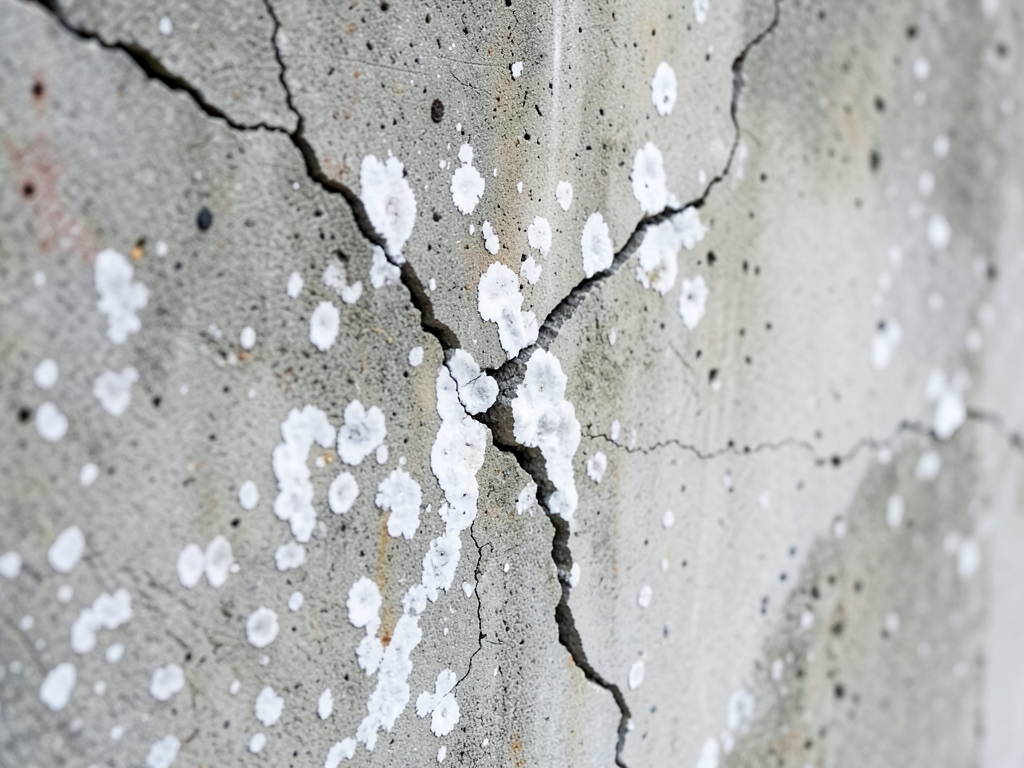
Foundation damage from gutter overflow starts subtly. You might notice damp spots on basement walls, efflorescence on concrete, or small cracks that seem harmless. But these are warning signs. Water pressure against your foundation builds quickly, especially when Pittsburgh’s freeze-thaw cycles hit. Ice forms in cracks, expands, and makes them worse. By the time you see water in your basement, the damage is already extensive. Expert water damage restoration for businesses in the Pittsburgh Strip District.
The good news is that most foundation water damage from gutters is preventable. Regular gutter cleaning, proper downspout extensions, and checking your home’s grading can save you thousands in repairs. But if you’re already seeing signs of water intrusion, you need professional help fast. Water damage restoration isn’t just about removing water—it’s about preventing mold, preserving structural integrity, and protecting your home’s value. EPA Mold Information.
How overflowing gutters cause foundation damage in Pittsburgh homes
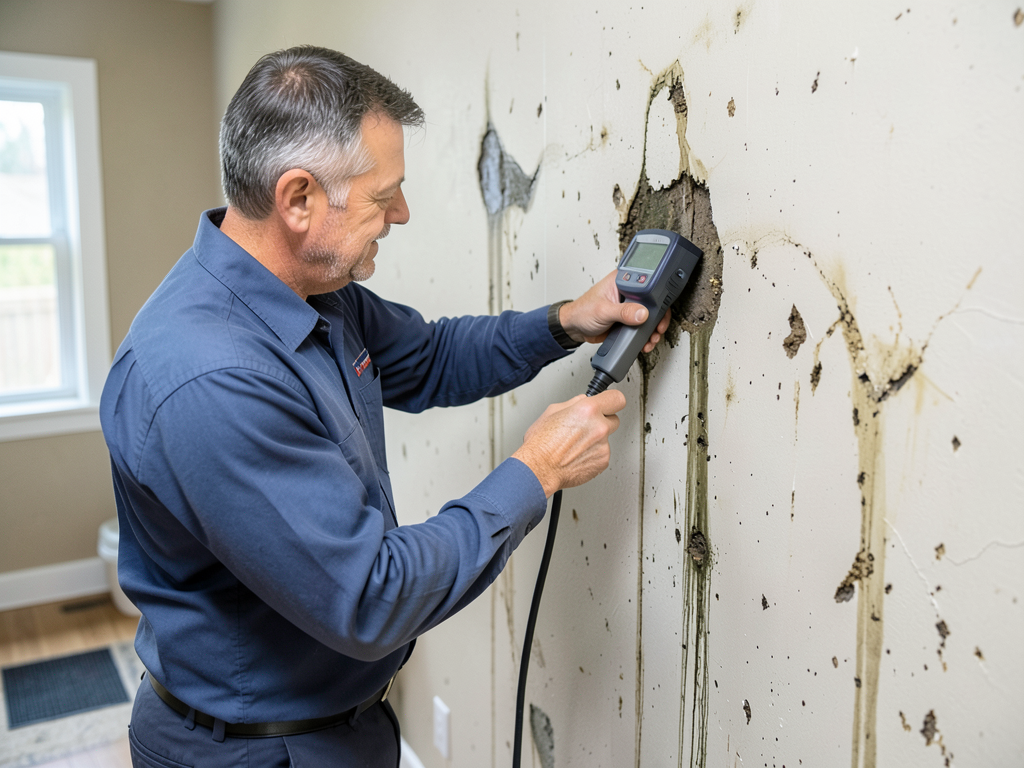
When gutters clog with leaves from Pittsburgh’s abundant deciduous trees, water overflows the sides instead of traveling through downspouts. On West End’s sloped streets, this water rushes down your foundation walls at high velocity. The force of this water creates hydrostatic pressure against basement walls.. Read more about Dealing with water seeping through the brick walls of your Brighton Heights home.
Pittsburgh’s soil composition makes this problem worse. Western Pennsylvania sits on heavy clay soil that expands when wet and contracts when dry. When gutters overflow, this clay absorbs water and pushes against your foundation walls with tremendous force. Over time, this pressure causes basement walls to bow inward, crack, or even collapse in severe cases.. Read more about Fixing water leaks coming through your North Braddock balcony or deck.
Ice dams in winter compound the damage. When gutters freeze with debris inside, melting snow has nowhere to go. Water backs up under shingles, drips into walls, and refreezes at the foundation line. This freeze-thaw cycle widens existing cracks and creates new ones. By spring, you have a compromised foundation and active water intrusion.. Read more about How to tell if you have a expensive slab leak under your Franklin Park home.
5 warning signs your West End home has gutter-related water damage
- Musty basement odors – Mold and mildew thrive in damp conditions. If your basement smells earthy or musty, water is likely present even if you don’t see it.
- White powdery deposits on walls – Efflorescence appears when water carries minerals through concrete. It looks like white chalk and indicates active moisture movement.
- Cracks in basement walls or floors – Hairline cracks can expand quickly under hydrostatic pressure. Stair-step cracks in block foundations are particularly serious.
- Damp spots on finished basement walls – Water stains, bubbling paint, or warping drywall panels signal moisture behind the surface.
- Standing water near foundation after rain – If water pools within 5 feet of your foundation for more than 30 minutes after precipitation, your grading or gutters aren’t working properly.
The hidden danger: foundation damage and hydrostatic pressure
Hydrostatic pressure is the force water exerts when it’s trapped against a surface. In Pittsburgh’s West End, where homes sit close together on sloped terrain, this pressure can reach 60 pounds per square foot against basement walls. That’s like having a car parked against every square foot of your foundation.
When hydrostatic pressure builds, it finds the path of least resistance. This might be through tiny foundation cracks, around basement windows, or through porous concrete. Once water enters, it doesn’t just damage the immediate area. Moisture travels through walls, creating mold-friendly environments in studs, insulation, and drywall. Efflorescence on Concrete.
The Pennsylvania Uniform Construction Code requires proper drainage systems for all new construction, but many West End homes were built before these standards existed. Older homes often lack French drains, proper sump pump systems, or adequate exterior waterproofing. When gutters fail on these homes, the consequences are immediate and severe.. Read more about Comparing French drains and sump pumps for wet South Fayette backyards.
Immediate steps to take when gutters overflow
- Stop the immediate overflow
Clear visible debris from gutters using a gutter scoop or trowel. Focus on downspout exits where clogs commonly occur.
- Check for foundation pooling
Walk around your home during the next rain. Look for water pouring over gutter edges or pooling near the foundation.
- Inspect basement walls
Check for new cracks, damp spots, or efflorescence. Use a moisture meter to detect hidden dampness in walls.
- Extend downspouts if needed
Ensure downspouts direct water at least 6 feet away from your foundation. Use splash blocks or underground extensions.
- Call professionals for assessment
If you see any signs of water intrusion or foundation damage, professional evaluation prevents costly repairs later.
Why Pittsburgh weather makes gutter maintenance critical
Pittsburgh receives an average of 38 inches of rain annually, with most falling during spring and summer thunderstorms. These intense rainfall events can dump 2-3 inches of water in an hour—more than most residential gutters can handle when clogged.
Winter brings additional challenges. Pittsburgh’s freeze-thaw cycles occur 40-50 times per year on average. Each cycle stresses building materials. Water trapped in gutters freezes, expands, and damages gutter seams, fascia boards, and roof edges. When it thaws, the damaged areas leak.
Fall foliage creates year-round gutter problems. Pittsburgh’s urban forest means leaves, twigs, and seed pods constantly fall into gutters. Even if you clean in October, winter storms bring down more debris. This continuous accumulation means gutters need checking throughout the year, not just seasonally.
Professional water damage restoration services in Pittsburgh
When gutter overflow causes water damage, you need more than a handyman. Professional water damage restoration follows industry standards set by the IICRC (Institute of Inspection Cleaning and Restoration Certification). These standards ensure proper drying, prevent mold growth, and protect your home’s structural integrity. IICRC Standards.
Professional restoration starts with water extraction using commercial-grade equipment that removes water from carpets, padding, and subfloors. Then comes structural drying with industrial air movers and dehumidifiers. These machines can remove gallons of moisture from walls and floors each day.
Mold prevention is critical. Mold can begin growing within 24-48 hours of water exposure. Professional remediation includes antimicrobial treatments, HEPA air filtration, and proper containment to prevent spores from spreading through your home.
Insurance navigation is another key service. Professional restoration companies document damage, create detailed reports, and work directly with insurance adjusters. This ensures you get proper coverage for repairs and prevents disputes over coverage limits.
Comparing DIY vs professional water damage restoration
| Aspect | DIY Approach | Professional Restoration |
|---|---|---|
| Water Removal Speed | Hours with household fans | Minutes with commercial extractors |
| Mold Prevention | Basic cleaning products | Industrial antimicrobials + HEPA filtration |
| Insurance Documentation | Photos and notes | Detailed reports + adjuster coordination |
| Structural Assessment | Visual inspection only | Moisture mapping + thermal imaging |
| Completion Time | Days to weeks | 24-72 hours typical |
Preventing future foundation damage from gutters
Prevention costs far less than repairs. Gutter cleaning typically costs $150-300 for an average Pittsburgh home, while foundation repairs can run $5,000-15,000 or more. The math is simple: invest in prevention or pay for damage later. Cleaning up after a kitchen flood in your Fox Chapel home.
Install gutter guards to reduce debris accumulation. Mesh guards work well in Pittsburgh’s climate, blocking leaves while allowing water through. However, even with guards, gutters need occasional cleaning as small debris accumulates.
Check your home’s grading annually. Soil should slope away from your foundation at a rate of 6 inches per 10 feet. Over time, soil settles and creates negative grading that directs water toward your foundation.
Consider a professional gutter inspection every 2-3 years. Professionals can spot early signs of damage like sagging sections, loose fasteners, or improper slope that homeowners often miss.
When to call for emergency water damage restoration
Some situations require immediate professional help. Call for emergency service if you experience:
- Water in your basement during active rainfall
- Visible foundation cracks widening quickly
- Musty odors spreading through your home
- Electrical issues possibly related to water damage
- Water damage affecting multiple rooms
Emergency response teams can arrive within hours, not days. They bring the equipment and expertise to stop ongoing damage and begin the restoration process immediately.
Don’t wait for small problems to become disasters. A single heavy rainstorm can cause thousands in damage if your gutters aren’t prepared. Regular maintenance and quick professional response when problems occur protect your home’s value and your family’s health.
Frequently Asked Questions
How often should I clean my gutters in Pittsburgh?
Clean gutters at least twice yearly—once in late fall after leaves drop and again in early spring. Pittsburgh’s heavy tree cover means gutters can clog quickly, especially in neighborhoods like the West End with mature trees.
Can I prevent foundation damage from overflowing gutters?
Yes. Keep gutters clean, extend downspouts at least 6 feet from your foundation, ensure proper grading slopes away from your home, and consider installing gutter guards. Annual inspections catch problems before they cause damage.
How much does professional water damage restoration cost in Pittsburgh?
Costs vary based on damage extent, but typical restoration for water intrusion from gutters ranges from $1,500 to $5,000. Emergency services may cost more, but quick response prevents more expensive repairs later.
Will my homeowners insurance cover water damage from gutters?
Most standard policies cover sudden water damage but not damage from lack of maintenance. If gutters clogged due to neglect cause damage, insurance may deny the claim. Always document maintenance and report damage promptly.
How long does it take for mold to grow after water damage?
Mold can begin growing within 24-48 hours of water exposure. This is why professional water extraction and drying within the first 24 hours is critical to prevent mold problems.
What’s the difference between water mitigation and water damage restoration?
Water mitigation stops ongoing damage and prevents further water intrusion. Restoration repairs damage and returns your home to pre-loss condition. Both are often needed for comprehensive water damage recovery.
Foundation damage from overflowing gutters is a serious threat to Pittsburgh homes, especially in the West End’s sloped terrain. The combination of heavy rainfall, freeze-thaw cycles, and clay soil creates perfect conditions for water intrusion and structural damage. But with proper maintenance and quick professional response when problems occur, you can protect your home’s foundation and avoid costly repairs.
Don’t wait until you see water in your basement to take action. If you notice any signs of gutter overflow or foundation moisture, call (412) 382-8788 today to schedule your inspection. Our team of certified water damage restoration professionals serves the entire Pittsburgh area with 24/7 emergency response. We’ll assess your situation, stop the damage, and help you understand your options for repair and prevention.
Pick up the phone and call (412) 382-8788 before the next storm hits. Your foundation—and your peace of mind—depend on it.
{
“@context”: “https://schema.org”,
“@type”: “BlogPosting”,
“headline”: “Why your West End foundation depends on clean gutters more than you think”,
“description”: “Overflowing gutters can cause serious foundation damage in Pittsburgh’s West End. Learn how clogged gutters lead to basement leaks and when to call for emergency water damage restoration.”,
“wordCount”: 1817,
“datePublished”: “2026-04-09T08:50:00.000Z”,
“dateModified”: “2026-04-09T08:50:00.000Z”,
“inLanguage”: “en-US”,
“mainEntityOfPage”: {
“@type”: “WebPage”,
“@id”: “https://reliancewaterdamagerestorationpittsburgh.com”
},
“publisher”: {
“@type”: “LocalBusiness”,
“name”: “Reliance Water Damage Restoration Pittsburgh”,
“url”: “https://reliancewaterdamagerestorationpittsburgh.com”
},
“author”: {
“@type”: “Organization”,
“name”: “Reliance Water Damage Restoration Pittsburgh”,
“url”: “https://reliancewaterdamagerestorationpittsburgh.com”
},
“image”: {
“@type”: “ImageObject”,
“url”: “https://reliancewaterdamagerestorationpittsburgh.com/wp-content/uploads/2026/03/why-your-west-end-foundation-depends-on-clean-gutt-1.png”
}
}
{
“@context”: “https://schema.org”,
“@type”: “LocalBusiness”,
“name”: “Reliance Water Damage Restoration Pittsburgh”,
“url”: “https://reliancewaterdamagerestorationpittsburgh.com”,
“address”: {
“@type”: “PostalAddress”,
“addressLocality”: “Pittsburgh”
},
“areaServed”: {
“@type”: “City”,
“name”: “Pittsburgh”
}
}
{
“@context”: “https://schema.org”,
“@type”: “FAQPage”,
“mainEntity”: [
{
“@type”: “Question”,
“name”: “How often should I clean my gutters in Pittsburgh?”,
“acceptedAnswer”: {
“@type”: “Answer”,
“text”: “Clean gutters at least twice yearly—once in late fall after leaves drop and again in early spring. Pittsburgh’s heavy tree cover means gutters can clog quickly, especially in neighborhoods like the West End with mature trees.”
}
},
{
“@type”: “Question”,
“name”: “Can I prevent foundation damage from overflowing gutters?”,
“acceptedAnswer”: {
“@type”: “Answer”,
“text”: “Yes. Keep gutters clean, extend downspouts at least 6 feet from your foundation, ensure proper grading slopes away from your home, and consider installing gutter guards. Annual inspections catch problems before they cause damage.”
}
},
{
“@type”: “Question”,
“name”: “How much does professional water damage restoration cost in Pittsburgh?”,
“acceptedAnswer”: {
“@type”: “Answer”,
“text”: “Costs vary based on damage extent, but typical restoration for water intrusion from gutters ranges from $1,500 to $5,000. Emergency services may cost more, but quick response prevents more expensive repairs later.”
}
},
{
“@type”: “Question”,
“name”: “Will my homeowners insurance cover water damage from gutters?”,
“acceptedAnswer”: {
“@type”: “Answer”,
“text”: “Most standard policies cover sudden water damage but not damage from lack of maintenance. If gutters clogged due to neglect cause damage, insurance may deny the claim. Always document maintenance and report damage promptly.”
}
},
{
“@type”: “Question”,
“name”: “How long does it take for mold to grow after water damage?”,
“acceptedAnswer”: {
“@type”: “Answer”,
“text”: “Mold can begin growing within 24-48 hours of water exposure. This is why professional water extraction and drying within the first 24 hours is critical to prevent mold problems.”
}
},
{
“@type”: “Question”,
“name”: “What’s the difference between water mitigation and water damage restoration?”,
“acceptedAnswer”: {
“@type”: “Answer”,
“text”: “Water mitigation stops ongoing damage and prevents further water intrusion. Restoration repairs damage and returns your home to pre-loss condition. Both are often needed for comprehensive water damage recovery.”
}
}
]
}
{
“@context”: “https://schema.org”,
“@type”: “HowTo”,
“name”: “How to handle overflowing gutters”,
“step”: [
{
“@type”: “HowToStep”,
“position”: 1,
“name”: “Stop the immediate overflow”,
“text”: “Clear visible debris from gutters using a gutter scoop or trowel. Focus on downspout exits where clogs commonly occur.”
},
{
“@type”: “HowToStep”,
“position”: 2,
“name”: “Check for foundation pooling”,
“text”: “Walk around your home during the next rain. Look for water pouring over gutter edges or pooling near the foundation.”
},
{
“@type”: “HowToStep”,
“position”: 3,
“name”: “Inspect basement walls”,
“text”: “Check for new cracks, damp spots, or efflorescence. Use a moisture meter to detect hidden dampness in walls.”
},
{
“@type”: “HowToStep”,
“position”: 4,
“name”: “Extend downspouts if needed”,
“text”: “Ensure downspouts direct water at least 6 feet away from your foundation. Use splash blocks or underground extensions.”
},
{
“@type”: “HowToStep”,
“position”: 5,
“name”: “Call professionals for assessment”,
“text”: “If you see any signs of water intrusion or foundation damage, professional evaluation prevents costly repairs later.”
}
],
“image”: “https://reliancewaterdamagerestorationpittsburgh.com/wp-content/uploads/2026/03/why-your-west-end-foundation-depends-on-clean-gutt-1.png”
}
{
“@context”: “https://schema.org”,
“@type”: “BreadcrumbList”,
“itemListElement”: [
{
“@type”: “ListItem”,
“position”: 1,
“name”: “Home”,
“item”: “https://reliancewaterdamagerestorationpittsburgh.com”
},
{
“@type”: “ListItem”,
“position”: 2,
“name”: “Blog”,
“item”: “https://reliancewaterdamagerestorationpittsburgh.com/blog”
},
{
“@type”: “ListItem”,
“position”: 3,
“name”: “Why your West End foundation depends on clean gutters more than you think”
}
]
}
{
“@context”: “https://schema.org”,
“@type”: “Service”,
“serviceType”: “Water Damage Restoration”,
“provider”: {
“@type”: “LocalBusiness”,
“name”: “Reliance Water Damage Restoration Pittsburgh”,
“url”: “https://reliancewaterdamagerestorationpittsburgh.com”
},
“areaServed”: {
“@type”: “City”,
“name”: “Pittsburgh”
},
“description”: “Overflowing gutters can cause serious foundation damage in Pittsburgh’s West End. Learn how clogged gutters lead to basement leaks and when to call for emergency water damage restoration.”
}