
Why your Scott Township attic is damp even though your roof is brand new
You just spent $12,000 on a brand-new roof. Now every winter morning you find water stains on your ceiling and frost on your attic nails. The roofer says it’s not leaking but you’re watching your ceiling bubble. Here’s the uncomfortable truth. Your problem isn’t your roof at all. It’s attic condensation and Pittsburgh’s freeze-thaw cycles make Scott Township homes especially vulnerable to this moisture mystery. Who to call for emergency water removal in Pittsburgh right now.
Before you call another roofer and waste another $2,000 on unnecessary repairs let’s diagnose what’s really happening in your attic. The difference between attic condensation and a roof leak determines whether you need a ventilation specialist or a mold remediation team.
The Core Difference: Atmospheric vs. External Water
Attic condensation forms when warm moist air from your living space rises and meets cold attic surfaces. Think of it like your bathroom mirror fogging up after a hot shower. A roof leak on the other hand is direct water intrusion from outside sources like damaged shingles or flashing failures. Expert water damage restoration for businesses in the Pittsburgh Strip District.
| Symptom | Attic Condensation | Roof Leak |
|---|---|---|
| When it occurs | Only during temperature swings | During rain or snow melt |
| Location pattern | Widespread random spots | Trails from penetrations |
| Water appearance | Frost dampness musty smell | Dripping active leaks |
5 Signs It’s Attic Condensation (The ‘Attic Rain’ Phenomenon)
Scott Township’s older homes built between 1940-1970 often lack modern ventilation systems. When warm air from your kitchen or bathroom rises through gaps in your ceiling it hits the freezing attic air and creates condensation that looks exactly like a leak.
Sign 1: Rusty nails and frost on roof sheathing Walk into your attic on a cold morning. If you see white frost on the nails poking through your roof deck that’s condensation forming when warm air hits cold metal. This is the classic “attic rain” pattern.
Sign 2: Musty smell without visible water Condensation creates high humidity that promotes mold growth before you see actual water. If your attic smells earthy but you can’t find dripping water you’re dealing with moisture in the air not from outside.
Sign 3: Problems only on cold days This is the diagnostic gold standard. If water appears when temperatures drop below 32°F but disappears when it warms up even without rain you’ve got condensation. A roof leak would continue regardless of temperature.
Sign 4: Wet insulation in random areas Roof leaks follow a path from the exterior inward. Condensation wets insulation randomly based on air movement patterns. Check if the wet spots make sense with your home’s layout.
Sign 5: Bathroom or kitchen directly below The most common source of attic moisture is inadequate bathroom exhaust fan venting. If your bathroom is directly under the wet ceiling area that’s a major clue.
3 Tell-Tale Signs of a Roof Leak
Sometimes the roof really is the problem. Here’s how to tell if you need a roofer instead of a restoration specialist.
Sign 1: Water trails from chimneys or vents Roof leaks follow gravity. If you see water staining that leads back to a chimney plumbing vent or skylight that’s external water finding its way in through a penetration point.
Sign 2: Correlation with weather events Keep a simple log. If water appears only during or after rainfall snow melt or when ice dams form on your roof edge you’re dealing with a leak. Temperature-independent moisture is condensation.
Sign 3: Visible exterior damage Missing shingles cracked flashing or damaged vent boots on your roof surface often correlate with interior water damage directly below. This is the “smoking gun” of roof leaks.
The Diagnostic Checklist: A Step-by-Step Guide
Before spending money on repairs run this diagnostic test. It takes 15 minutes and could save you thousands.
- Check the temperature
Is it below freezing outside? If yes and you’re seeing moisture that’s your first clue toward condensation.
- Inspect the nails
Using a flashlight look for frost or rust on the nails penetrating your roof deck. White frost means condensation.
- Follow the pattern
Does the moisture appear randomly across your ceiling or in a trail from a specific point? Random means condensation trail means leak.
- Check your exhaust fans
Go into your attic and find the bathroom and kitchen exhaust vents. Are they venting directly into the attic or through the roof? Venting into the attic is a major condensation cause.
- The flashlight test
Turn off all lights in your attic. If you see daylight coming through anywhere except the vents you have potential leak points that need sealing.
Why Pittsburgh’s Climate Makes This Trickier
Scott Township sits in a unique microclimate zone where Lake Erie’s moisture meets the Appalachian foothills. Our average January temperature of 28°F creates perfect conditions for attic condensation when combined with indoor humidity levels that often exceed 40% during winter months. Why your North Hills basement flooded and how to dry it out fast.
The Pennsylvania Uniform Construction Code (UCC) requires specific ventilation ratios for new construction but many Scott Township homes were built before these standards existed. Homes in the Bower Hill and Glendale areas often have inadequate soffit ventilation trapping moisture in attic spaces.
According to the EPA’s Moisture Control Guidance indoor humidity should stay between 30-50%. Many Pittsburgh homes exceed this during winter when windows stay closed creating the perfect storm for attic condensation. EPA’s Moisture Control Guidance.
When to Call a Restoration Professional vs. a Roofer
Here’s the flowchart that saves you money. If your diagnostic test points to condensation you need a restoration professional who can address moisture sources and potential mold. If it’s clearly a leak you need a roofer.. Read more about Fixing the source of a leaking sunroom or enclosed porch in O’Hara Township.
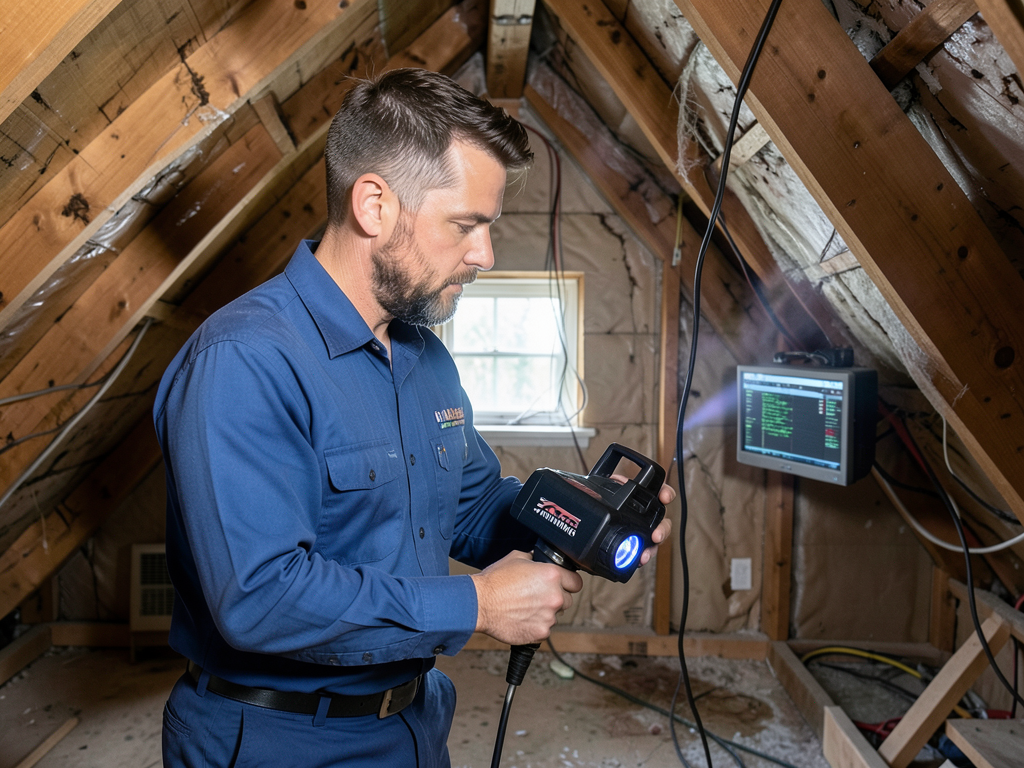
Restoration professionals use moisture meters thermal imaging cameras and hygrometers to detect hidden moisture patterns that aren’t visible to the naked eye. We also understand the 24-48 hour window for mold growth that roofers typically don’t address.
According to IICRC S500 standards for water damage restoration any moisture that has been present for more than 48 hours requires professional assessment for potential microbial growth. This is why early diagnosis matters. IICRC S500 standards for water damage restoration.
If you’re in the Scott Township area and experiencing these symptoms call (412) 382-8788 today to schedule your inspection. Our certified technicians can determine whether you need ventilation improvements or mold remediation potentially saving you thousands in unnecessary roof repairs. Black Mold Symptoms.
The Cost of Misdiagnosis
Replacing a roof averages $8,000-15,000 in the Pittsburgh area but fixing ventilation and addressing condensation typically costs $1,500-3,000. The difference isn’t just money. It’s also time and the prevention of future problems.
More importantly if condensation has been occurring for months or years you may have hidden mold growth in your attic insulation or on wooden structures. This creates health risks that a new roof won’t solve.
According to Allegheny County Health Department guidelines visible mold growth covering more than 10 square feet requires professional remediation to prevent spore dispersal throughout your home. Allegheny County Health Department guidelines.
Prevention Strategies for Scott Township Homes
Whether you’re dealing with current moisture issues or want to prevent future problems these strategies address Pittsburgh’s specific climate challenges. Dealing with a flooded basement in Mount Lebanon without losing your mind.
Upgrade your ventilation Modern building codes require 1 square foot of ventilation for every 150 square feet of attic space. Many Scott Township homes have less than half that amount.
Seal ceiling penetrations Small gaps around light fixtures bathroom fans and plumbing vents allow warm moist air to rise into your attic. A tube of caulk costs $5. Ignoring this costs thousands.
Install a vapor barrier In Pittsburgh’s climate zone 5 proper vapor barriers prevent moisture migration from your living space into the attic. This is especially important for homes built before 1980.
Consider a whole-house dehumidifier During Pittsburgh’s humid summers and tightly-sealed winters indoor humidity often exceeds safe levels. Keeping it between 30-50% prevents both condensation and mold growth.
Don’t Let Another Winter Damage Your Home
Every month you wait allows moisture to degrade your attic structures and potentially create mold colonies. The freeze-thaw cycles that make Pittsburgh beautiful also make our homes vulnerable to moisture damage.
If you’re seeing water stains frost on nails or musty smells in your Scott Township attic don’t guess. Get a professional diagnosis. Call (412) 382-8788 today to schedule your inspection before the next cold snap hits. Our certified technicians serve all of Scott Township including the Glendale Thornburg and surrounding areas.
Remember. A new roof won’t fix condensation and ignoring it won’t make it go away. Get the right diagnosis the first time and protect your home’s value and your family’s health.. Read more about The right way to save leather jackets and boots from a damp Lawrenceville closet.
Key Takeaways
Attic condensation in Scott Township homes often mimics roof leaks but requires different solutions. The key diagnostic factors are temperature correlation random moisture patterns and the presence of frost on nails. Pittsburgh’s unique climate with its freeze-thaw cycles and high indoor humidity during winter creates ideal conditions for attic condensation especially in homes built before modern ventilation standards. Professional diagnosis using moisture meters and thermal imaging can save thousands in unnecessary roof repairs while addressing potential mold growth within the critical 48-hour window. Don’t wait for another winter to damage your home’s structure and your family’s health.
You may also find this helpful. How to Keep Your Holiday Decorations from Growing Mold in a Humid Pittsburgh Attic.
You may also find this helpful. Dry Ice Blasting vs. Traditional Mold Removal for Squirrel Hill Historical Renovations.
You may also find this helpful. Why your Mount Washington skylight leaks every time the wind blows.
{
“@context”: “https://schema.org”,
“@type”: “BlogPosting”,
“headline”: “Why your Scott Township attic is damp even though your roof is brand new”,
“description”: “Attic condensation or roof leak? Learn to diagnose moisture problems in Scott Township homes before wasting money on unnecessary repairs.”,
“wordCount”: 1562,
“datePublished”: “2026-05-08T15:18:00.000Z”,
“dateModified”: “2026-05-08T15:18:00.000Z”,
“inLanguage”: “en-US”,
“mainEntityOfPage”: {
“@type”: “WebPage”,
“@id”: “https://reliancewaterdamagerestorationpittsburgh.com”
},
“publisher”: {
“@type”: “LocalBusiness”,
“name”: “Reliance Water Damage Restoration Pittsburgh”,
“url”: “https://reliancewaterdamagerestorationpittsburgh.com”
},
“author”: {
“@type”: “Organization”,
“name”: “Reliance Water Damage Restoration Pittsburgh”,
“url”: “https://reliancewaterdamagerestorationpittsburgh.com”
},
“image”: {
“@type”: “ImageObject”,
“url”: “https://reliancewaterdamagerestorationpittsburgh.com/wp-content/uploads/2026/03/why-your-scott-township-attic-is-damp-even-though-1.png”
}
}
{
“@context”: “https://schema.org”,
“@type”: “LocalBusiness”,
“name”: “Reliance Water Damage Restoration Pittsburgh”,
“url”: “https://reliancewaterdamagerestorationpittsburgh.com”,
“address”: {
“@type”: “PostalAddress”,
“addressLocality”: “Pittsburgh”
},
“areaServed”: {
“@type”: “City”,
“name”: “Pittsburgh”
}
}
{
“@context”: “https://schema.org”,
“@type”: “HowTo”,
“name”: “How to Diagnose Attic Moisture”,
“step”: [
{
“@type”: “HowToStep”,
“position”: 1,
“name”: “Check the temperature”,
“text”: “Is it below freezing outside? If yes and you’re seeing moisture that’s your first clue toward condensation.”
},
{
“@type”: “HowToStep”,
“position”: 2,
“name”: “Inspect the nails”,
“text”: “Using a flashlight look for frost or rust on the nails penetrating your roof deck. White frost means condensation.”
},
{
“@type”: “HowToStep”,
“position”: 3,
“name”: “Follow the pattern”,
“text”: “Does the moisture appear randomly across your ceiling or in a trail from a specific point? Random means condensation trail means leak.”
},
{
“@type”: “HowToStep”,
“position”: 4,
“name”: “Check your exhaust fans”,
“text”: “Go into your attic and find the bathroom and kitchen exhaust vents. Are they venting directly into the attic or through the roof? Venting into the attic is a major condensation cause.”
},
{
“@type”: “HowToStep”,
“position”: 5,
“name”: “The flashlight test”,
“text”: “Turn off all lights in your attic. If you see daylight coming through anywhere except the vents you have potential leak points that need sealing.”
}
],
“image”: “https://reliancewaterdamagerestorationpittsburgh.com/wp-content/uploads/2026/03/why-your-scott-township-attic-is-damp-even-though-1.png”
}
{
“@context”: “https://schema.org”,
“@type”: “BreadcrumbList”,
“itemListElement”: [
{
“@type”: “ListItem”,
“position”: 1,
“name”: “Home”,
“item”: “https://reliancewaterdamagerestorationpittsburgh.com”
},
{
“@type”: “ListItem”,
“position”: 2,
“name”: “Blog”,
“item”: “https://reliancewaterdamagerestorationpittsburgh.com/blog”
},
{
“@type”: “ListItem”,
“position”: 3,
“name”: “Why your Scott Township attic is damp even though your roof is brand new”
}
]
}
{
“@context”: “https://schema.org”,
“@type”: “Service”,
“serviceType”: “Water Damage Restoration”,
“provider”: {
“@type”: “LocalBusiness”,
“name”: “Reliance Water Damage Restoration Pittsburgh”,
“url”: “https://reliancewaterdamagerestorationpittsburgh.com”
},
“areaServed”: {
“@type”: “City”,
“name”: “Pittsburgh”
},
“description”: “Attic condensation or roof leak? Learn to diagnose moisture problems in Scott Township homes before wasting money on unnecessary repairs.”
}