
Managing the spring thaw and snow melt flooding in Wexford
The freeze-thaw cycle that defines Pittsburgh winters creates a predictable disaster pattern for Wexford homeowners each spring. As temperatures climb above freezing, accumulated snow begins melting rapidly, overwhelming drainage systems and finding every crack in your foundation. The heavy clay soil common in Allegheny County’s North Hills area cannot absorb this sudden influx of water, causing hydrostatic pressure to build against basement walls. Within 24-48 hours of a major thaw, many Wexford homes experience water intrusion that can damage flooring, drywall, and personal belongings. Who to call for emergency water removal in Pittsburgh right now.
Understanding how this seasonal flooding occurs is the first step toward prevention. Snowmelt water behaves differently than rainfall because it arrives in concentrated volumes over a short period. The ground remains frozen just below the surface, preventing proper absorption. Water follows the path of least resistance, which often means through foundation cracks, around basement windows, or up through floor drains. Without proper preparation, a single warm weekend can transform your finished basement into a waterlogged disaster zone. EPA mold prevention guidelines.
Why Wexford homes face unique spring flooding risks
Wexford’s location in the North Hills exposes it to specific weather patterns that amplify snowmelt flooding. The area sits at a slightly higher elevation than downtown Pittsburgh, receiving more snowfall accumulation during winter storms. Pine Township and surrounding areas in the 15090 zip code often see 6-8 inches more snow than neighborhoods closer to the city center. When spring arrives, this additional snowpack creates a larger volume of meltwater that must find somewhere to go. Why your North Hills basement flooded and how to dry it out fast.
The region’s heavy clay soil composition presents another challenge. Unlike sandy soils that drain quickly, clay particles bind tightly together, creating an impermeable barrier when saturated. Water cannot percolate downward and instead moves laterally, following foundation walls until it finds entry points. This soil characteristic means that even homes with properly functioning gutters and downspouts may still experience basement flooding during rapid thaws. Expert water damage restoration for businesses in the Pittsburgh Strip District.
Many Wexford properties were built during the 1980s and 1990s housing boom when building codes were less stringent about waterproofing requirements. Older homes often lack modern drainage systems like exterior French drains or properly sealed foundation walls. The freeze-thaw cycles common to Western Pennsylvania cause expansion and contraction in concrete and mortar joints, creating hairline cracks that widen over time. These microscopic openings become highways for water intrusion when snow begins melting. Efflorescence on Concrete.
Local topography also contributes to flooding risks. Wexford’s gently rolling hills mean that water naturally flows downhill toward lower-lying areas. Homes situated at the bottom of slopes or near natural drainage channels face increased exposure to groundwater movement. Even properties with good grading can experience problems when neighboring runoff converges on their property during heavy melt periods.. Read more about How to stop water from filling up your window wells during Moon Township rainstorms.
Common causes of spring thaw water damage in Wexford
Ice dam formation on roofs represents one of the most visible causes of water damage during spring thaws. When snow melts during the day and refreezes at night, ice builds up along roof edges, creating barriers that prevent proper drainage. Water backs up under shingles and seeps into attic spaces, eventually dripping through ceilings and walls. Wexford’s temperature fluctuations between 30-45 degrees Fahrenheit during late winter create ideal conditions for ice dam formation.. Read more about Fixing the yard drainage issues that keep flooding your Hampton Township patio.
Sump pump failure emerges as another frequent culprit. Many Wexford homes rely on sump pumps to manage groundwater around foundations. However, these systems often fail when most needed. Power outages during spring storms leave pumps inoperable. Mechanical failures occur when pumps haven’t been tested since the previous season. Even properly functioning pumps can be overwhelmed when melting snow produces water faster than the pump can discharge it.. Read more about A homeowner’s spring checklist to prevent water damage in Carrick and Overbrook.
Foundation cracks and basement window well flooding cause direct water entry into living spaces. Hairline cracks in poured concrete foundations expand when saturated with water, allowing seepage to begin. Window wells collect melting snow and rain, creating pools that eventually breach window seals. Many Wexford homes have below-grade basement windows that sit at or below the surrounding soil grade, making them particularly vulnerable to flooding.
Gutter and downspout failures redirect water toward foundations rather than away from them. Ice blockages in gutters prevent proper drainage even when temperatures rise above freezing. Downspouts that discharge too close to foundation walls saturate the immediate soil area. Frozen ground prevents water from dispersing naturally, causing it to pool against foundation walls where it finds entry points.
Sewer line backups can occur when municipal systems become overwhelmed by spring runoff. Heavy melt combined with spring rains can exceed the capacity of aging sewer infrastructure. Backflow preventers may fail or be absent in older Wexford homes, allowing contaminated water to enter basements through floor drains and toilets.. Read more about How to keep heavy rain from flowing under your Coraopolis garage door.
Professional water damage restoration process for Wexford homes
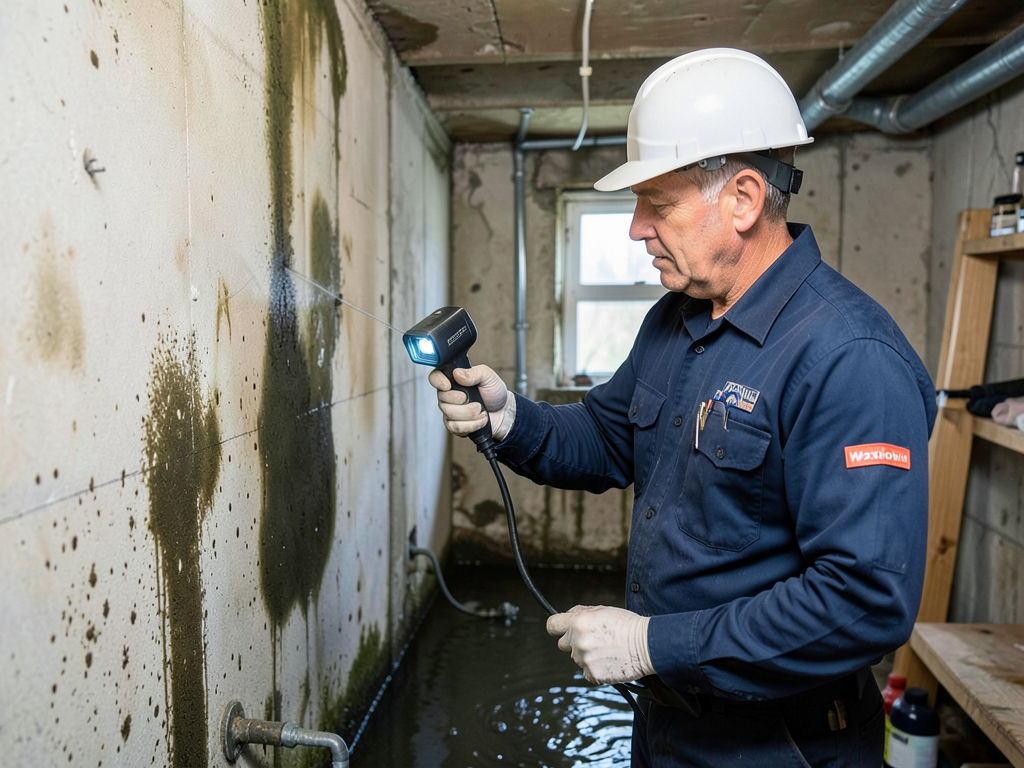
Immediate response makes the critical difference between minor water damage and major structural problems. Professional restoration teams arrive within 60 minutes of your call, bringing industrial-grade equipment designed to handle the specific challenges of snowmelt flooding. The process begins with a thorough inspection using moisture meters and thermal imaging cameras to identify all affected areas, including hidden moisture in wall cavities and under flooring.
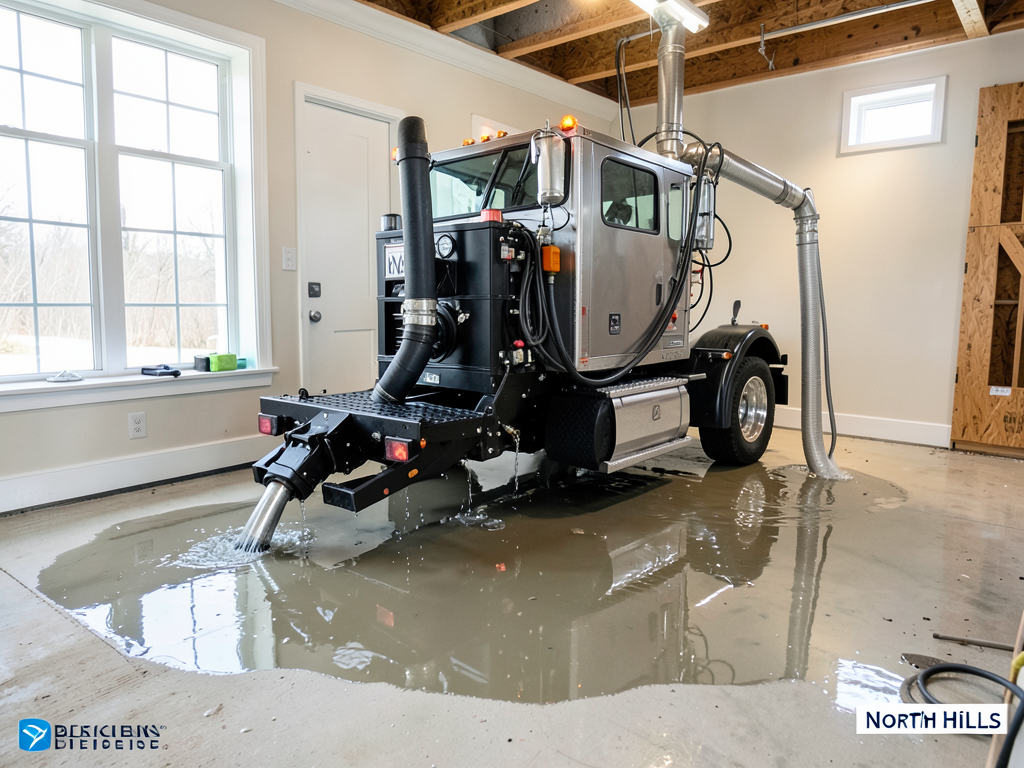
Water extraction represents the first major step in restoration. High-capacity truck-mounted extraction units remove standing water quickly, preventing further absorption into building materials. For Wexford homes with finished basements, this includes careful handling of carpeting, padding, and furniture to minimize damage. The extraction process must be aggressive yet methodical to ensure complete water removal from all surfaces.
Structural drying follows extraction and involves deploying commercial-grade dehumidifiers and air movers strategically throughout the affected area. The goal is to reduce relative humidity to below 40% within 24-48 hours to prevent mold growth. This process requires continuous monitoring of moisture levels in both air and materials. Professional restoration teams use psychrometric calculations to determine optimal equipment placement and runtime.
Content manipulation and protection become necessary when water affects finished living spaces. This includes moving furniture to dry areas, placing blocks under furniture legs to prevent staining, and removing items that cannot be salvaged. For Wexford homeowners with finished basements containing valuable electronics, artwork, or family heirlooms, content manipulation requires particular care and documentation.
Demolition and removal of unsalvageable materials prevents secondary damage and mold growth. This may include removing water-damaged drywall, insulation, and carpeting that cannot be dried in place. Professional teams follow IICRC S500 standards for determining what materials can be restored versus what must be removed. The goal is to preserve as much of the original structure as possible while ensuring complete moisture removal.
Final cleaning and sanitization eliminates contaminants that may have entered with floodwater. This includes applying antimicrobial treatments to affected surfaces and using HEPA filtration to remove airborne particles. For Wexford homes where flooding involves groundwater or sewage backup, this step becomes particularly important for health and safety. Cleaning up after a kitchen flood in your Fox Chapel home.
Preventing spring thaw flooding before it starts
Proactive maintenance of your home’s exterior drainage systems provides the best protection against snowmelt flooding. Clean gutters and downspouts before the spring thaw begins, ensuring they are free of autumn leaves and winter debris. Downspouts should extend at least 6 feet from foundation walls, with extensions directing water toward natural drainage areas rather than allowing it to pool near the house.. Read more about Simple sump pump maintenance steps for Allison Park homeowners to avoid a rainy day disaster.
Foundation inspection and repair should occur before winter ends. Walk around your home’s exterior looking for visible cracks in foundation walls, gaps around basement windows, and deteriorated mortar joints in brick foundations. Small cracks can be sealed with hydraulic cement, while larger issues may require professional foundation repair. Addressing these vulnerabilities before snowmelt begins prevents water from finding entry points.
Sump pump testing and backup system installation provides critical protection for homes with basements. Test your sump pump by pouring water into the pit to ensure it activates properly. Install a battery backup system that will operate the pump during power outages, which often accompany spring storms. Consider a secondary pump as insurance against primary pump failure during heavy melt periods.
Landscaping modifications can significantly reduce flooding risks. Grade soil away from foundation walls at a slope of at least 6 inches over 10 feet. Install French drains in areas where water naturally collects. Create swales or shallow ditches to direct water away from the house. These modifications work with your home’s natural drainage patterns rather than against them.
Roof maintenance prevents ice dam formation that leads to interior water damage. Ensure attic insulation meets current standards to prevent heat loss that melts snow on the roof. Install ice and water shield underlayment along roof edges for added protection. Keep roof clear of excessive snow accumulation when possible, using roof rakes to remove snow from the lowest 3-4 feet of the roof.
Navigating insurance claims for snowmelt damage
Understanding your insurance coverage before damage occurs prevents unpleasant surprises during the claims process. Most standard homeowner policies cover sudden and accidental water damage but exclude gradual seepage or flooding from surface water. This distinction becomes critical during spring thaws when water may enter through foundation cracks over time rather than from a single catastrophic event.
Document everything immediately after discovering water damage. Take photos and videos of all affected areas before beginning any cleanup. Keep damaged materials until the insurance adjuster has inspected them. Create a detailed inventory of damaged items including approximate age, purchase price, and replacement cost. This documentation becomes essential evidence if coverage disputes arise.
Professional restoration companies work directly with insurance providers to streamline the claims process. They provide detailed damage assessments, moisture mapping reports, and restoration plans that insurance adjusters require for claim approval. This coordination ensures that all necessary work gets approved and that you receive proper compensation for covered damages.
Understand the difference between actual cash value and replacement cost coverage. Actual cash value policies pay for the depreciated value of damaged items, while replacement cost policies cover the full cost of new items. This distinction can mean thousands of dollars in difference for major water damage claims involving flooring, drywall, and personal property.
Consider adding specific endorsements to your policy for water damage coverage. Many insurers offer separate flood insurance through the National Flood Insurance Program or private carriers. These policies cover damage from surface water flooding that standard policies exclude. For Wexford homeowners in low-lying areas or near natural water features, this additional coverage may be worthwhile.
Long-term solutions for Wexford flood prevention
Exterior waterproofing represents the most comprehensive solution for preventing basement flooding. This process involves excavating around foundation walls, applying waterproof membranes, and installing exterior drainage systems. While expensive, this one-time investment can eliminate recurring water problems for decades. Many Wexford homes built before 2000 would benefit from this upgrade given the area’s soil conditions and weather patterns.
Interior drainage systems provide an alternative when exterior waterproofing proves impractical. This involves installing perforated drain pipes along basement floor perimeters, connecting them to sump pumps, and creating drainage channels for water that enters the basement. While this approach manages water rather than preventing entry, it can keep finished spaces dry during moderate flooding events.
Foundation reinforcement addresses structural vulnerabilities that contribute to water intrusion. This may include installing carbon fiber strips to stabilize foundation walls, injecting epoxy into foundation cracks, or adding exterior drainage boards that direct water away from the foundation. These solutions address both the structural integrity and waterproofing aspects of foundation protection.
Smart home technology integration provides early warning of water problems. Water sensors placed near potential entry points can send alerts to your smartphone when moisture is detected. Sump pump monitors track pump operation and alert you to failures or excessive run times. These systems allow you to respond to problems before they cause major damage, particularly valuable when you’re away from home during spring thaws.
Community drainage improvements sometimes require coordination with local authorities. Wexford and surrounding townships periodically upgrade municipal storm drainage systems to handle increased runoff from new development. Homeowners can work with local government to address neighborhood-wide drainage issues that affect multiple properties. This collaborative approach often provides the most effective long-term solution for chronic flooding problems.. Read more about What to do if your Marshall Township well head gets submerged in floodwater.
Emergency response checklist for spring thaw flooding
Quick action minimizes damage when flooding occurs. Begin by shutting off electricity to affected areas if water reaches electrical outlets or appliances. Move valuable items to higher ground immediately. Document damage with photos before beginning cleanup. Contact your insurance company to report the damage and understand coverage limitations.
Begin water removal as quickly as possible using wet vacuums, mops, and towels for small amounts of water. For larger volumes, professional extraction becomes necessary to prevent structural damage and mold growth. Remove wet items from the affected area to prevent staining and further moisture absorption.
Increase air circulation to begin the drying process. Open windows if outdoor humidity is low, run fans, and use dehumidifiers if available. Remove area rugs and lift furniture off wet carpeting using blocks or aluminum foil. These steps help prevent permanent damage while waiting for professional help to arrive.
Monitor for signs of mold growth in the days following flooding. Musty odors, visible discoloration on walls or ceilings, and allergic reactions among household members may indicate mold development. Professional mold remediation may be necessary if mold establishes itself within 24-48 hours of water exposure.. Read more about Why household fans aren’t enough to dry out a flooded Carnegie basement.
Schedule follow-up inspections to ensure complete drying and identify any hidden damage. Moisture meters can detect water in wall cavities and under flooring that remains invisible to the naked eye. Professional restoration teams provide documentation of moisture levels throughout the drying process to ensure your home returns to pre-flood conditions.
Frequently Asked Questions
How quickly should I respond to snowmelt flooding in my Wexford home?
Immediate response within the first 24 hours is critical. Water begins causing permanent damage to building materials within hours, and mold can start growing within 24-48 hours. Contact professional restoration services immediately while beginning basic water removal and damage prevention steps.
Will my homeowner’s insurance cover snowmelt flooding damage?
Coverage depends on the specific cause and your policy terms. Sudden, accidental water entry is typically covered, while gradual seepage or surface water flooding may be excluded. Document damage thoroughly and work with restoration professionals who can help navigate the claims process with your insurance provider.
What causes sump pumps to fail during spring thaws?
Sump pumps commonly fail due to power outages during storms, mechanical wear from lack of maintenance, or being overwhelmed by excessive water volume. Installing battery backup systems and testing pumps before the thaw season begins can prevent many failures. Professional inspection ensures your system can handle expected water volumes.. Read more about Common safety hazards in standing water that Mount Washington homeowners should know.
How can I tell if water damage is causing mold growth?
Signs include musty odors, visible discoloration on walls or ceilings, allergic symptoms among occupants, and persistent humidity in affected areas. Professional moisture testing can detect hidden water that may lead to mold growth. If mold is suspected, professional remediation becomes necessary to protect health and property.
Are Wexford homes more susceptible to spring flooding than other Pittsburgh areas?
Wexford’s combination of higher snowfall accumulation, clay soil composition, and older home construction creates unique flooding risks. The area’s elevation and proximity to natural drainage channels also contribute to increased exposure during rapid thaws. These factors make proactive prevention particularly important for Wexford homeowners.
Take action before the next thaw hits
Spring thaw flooding in Wexford creates a predictable pattern of property damage that affects hundreds of homes each year. The combination of heavy clay soil, freeze-thaw cycles, and accumulated winter snowpack creates conditions where water finds its way into basements through the smallest vulnerabilities. Understanding these risks and taking preventive action before temperatures rise can save thousands in repair costs and prevent the stress of emergency restoration.
Professional water damage restoration services provide the expertise and equipment necessary to handle snowmelt flooding effectively. From rapid water extraction to structural drying and mold prevention, trained technicians understand the specific challenges Wexford homes face during spring thaws. They work with insurance companies to ensure proper coverage and provide documentation that protects your interests throughout the restoration process.
Don’t wait until water is pouring into your basement to take action. Schedule a professional inspection of your home’s drainage systems, test your sump pump, and address foundation vulnerabilities before the next thaw arrives. For immediate assistance with snowmelt flooding or to schedule preventive maintenance, call (412) 382-8788 today. Our team serves Wexford and all North Hills communities with 24/7 emergency response and comprehensive restoration services.
The spring thaw will come whether you’re prepared or not. Make the choice to protect your Wexford home from the predictable damage that snowmelt flooding causes. Professional help is just one phone call away at (412) 382-8788. Don’t let another spring pass without addressing the vulnerabilities that put your home at risk. For more information, visit FEMA water damage prevention tips.
You may also find this helpful. How the hilly Pittsburgh terrain causes basement seepage in Troy Hill.
You may also find this helpful. Protecting your Churchill mudroom and entryway from salt and snowmelt damage.
{
“@context”: “https://schema.org”,
“@type”: “BlogPosting”,
“headline”: “Managing the spring thaw and snow melt flooding in Wexford”,
“description”: “Protect your Wexford home from spring thaw flooding. Learn how to prevent basement water damage, ice dam formation, and sump pump failures before melting snow causes costly repairs.”,
“wordCount”: 2837,
“datePublished”: “2026-03-16T16:13:00.000Z”,
“dateModified”: “2026-03-16T16:13:00.000Z”,
“inLanguage”: “en-US”,
“mainEntityOfPage”: {
“@type”: “WebPage”,
“@id”: “https://reliancewaterdamagerestorationpittsburgh.com”
},
“publisher”: {
“@type”: “LocalBusiness”,
“name”: “Reliance Water Damage Restoration Pittsburgh”,
“url”: “https://reliancewaterdamagerestorationpittsburgh.com”
},
“author”: {
“@type”: “Organization”,
“name”: “Reliance Water Damage Restoration Pittsburgh”,
“url”: “https://reliancewaterdamagerestorationpittsburgh.com”
},
“image”: {
“@type”: “ImageObject”,
“url”: “https://reliancewaterdamagerestorationpittsburgh.com/wp-content/uploads/2026/03/managing-the-spring-thaw-and-snow-melt-flooding-in-1.png”
}
}
{
“@context”: “https://schema.org”,
“@type”: “LocalBusiness”,
“name”: “Reliance Water Damage Restoration Pittsburgh”,
“url”: “https://reliancewaterdamagerestorationpittsburgh.com”,
“address”: {
“@type”: “PostalAddress”,
“addressLocality”: “Pittsburgh”
},
“areaServed”: {
“@type”: “City”,
“name”: “Pittsburgh”
}
}
{
“@context”: “https://schema.org”,
“@type”: “FAQPage”,
“mainEntity”: [
{
“@type”: “Question”,
“name”: “How quickly should I respond to snowmelt flooding in my Wexford home?”,
“acceptedAnswer”: {
“@type”: “Answer”,
“text”: “Immediate response within the first 24 hours is critical. Water begins causing permanent damage to building materials within hours, and mold can start growing within 24-48 hours. Contact professional restoration services immediately while beginning basic water removal and damage prevention steps.”
}
},
{
“@type”: “Question”,
“name”: “Will my homeowner’s insurance cover snowmelt flooding damage?”,
“acceptedAnswer”: {
“@type”: “Answer”,
“text”: “Coverage depends on the specific cause and your policy terms. Sudden, accidental water entry is typically covered, while gradual seepage or surface water flooding may be excluded. Document damage thoroughly and work with restoration professionals who can help navigate the claims process with your insurance provider.”
}
},
{
“@type”: “Question”,
“name”: “What causes sump pumps to fail during spring thaws?”,
“acceptedAnswer”: {
“@type”: “Answer”,
“text”: “Sump pumps commonly fail due to power outages during storms, mechanical wear from lack of maintenance, or being overwhelmed by excessive water volume. Installing battery backup systems and testing pumps before the thaw season begins can prevent many failures. Professional inspection ensures your system can handle expected water volumes.”
}
},
{
“@type”: “Question”,
“name”: “How can I tell if water damage is causing mold growth?”,
“acceptedAnswer”: {
“@type”: “Answer”,
“text”: “Signs include musty odors, visible discoloration on walls or ceilings, allergic symptoms among occupants, and persistent humidity in affected areas. Professional moisture testing can detect hidden water that may lead to mold growth. If mold is suspected, professional remediation becomes necessary to protect health and property.”
}
},
{
“@type”: “Question”,
“name”: “Are Wexford homes more susceptible to spring flooding than other Pittsburgh areas?”,
“acceptedAnswer”: {
“@type”: “Answer”,
“text”: “Wexford’s combination of higher snowfall accumulation, clay soil composition, and older home construction creates unique flooding risks. The area’s elevation and proximity to natural drainage channels also contribute to increased exposure during rapid thaws. These factors make proactive prevention particularly important for Wexford homeowners.”
}
}
]
}
{
“@context”: “https://schema.org”,
“@type”: “BreadcrumbList”,
“itemListElement”: [
{
“@type”: “ListItem”,
“position”: 1,
“name”: “Home”,
“item”: “https://reliancewaterdamagerestorationpittsburgh.com”
},
{
“@type”: “ListItem”,
“position”: 2,
“name”: “Blog”,
“item”: “https://reliancewaterdamagerestorationpittsburgh.com/blog”
},
{
“@type”: “ListItem”,
“position”: 3,
“name”: “Managing the spring thaw and snow melt flooding in Wexford”
}
]
}
{
“@context”: “https://schema.org”,
“@type”: “Service”,
“serviceType”: “Water Damage Restoration”,
“provider”: {
“@type”: “LocalBusiness”,
“name”: “Reliance Water Damage Restoration Pittsburgh”,
“url”: “https://reliancewaterdamagerestorationpittsburgh.com”
},
“areaServed”: {
“@type”: “City”,
“name”: “Pittsburgh”
},
“description”: “Protect your Wexford home from spring thaw flooding. Learn how to prevent basement water damage, ice dam formation, and sump pump failures before melting snow causes costly repairs.”
}